
Understanding the Importance of Live Broadcasts for Corporate Events
Broadcasting corporate events live has become an essential strategy for organizations aiming to expand their reach and improve stakeholder engagement. Unlike traditional event attendance, live streaming allows companies to share their key moments, product launches, seminars, or conferences with a vast audience regardless of geographical barriers. This method not only increases visibility but also fosters a sense of inclusiveness, enabling remote teams, clients, and partners to participate actively in real time.
One of the primary advantages of live broadcasting is its capacity to generate broader brand awareness. When events are streamed live, they can be accessed by viewers across multiple platforms and devices, thereby multiplying impressions and engagement opportunities. Live broadcasts bring a dynamic, authentic element to corporate communication, helping brands establish credibility and demonstrate transparency. Moreover, data collected during live streaming sessions, such as viewer analytics and engagement metrics, provides valuable insights into audience preferences and behaviors, informing future marketing and communication strategies.
For businesses seeking to enhance their market presence, the ability to broadcast live events broadens outreach significantly. It allows marketing teams to amplify their messages, showcase products, and deliver presentations to a global audience, often at a fraction of the cost of traditional in-person events. Additionally, live streaming aligns with modern content consumption trends, where audiences prefer real-time, unfiltered content that offers immediacy and interaction. As a result, companies that leverage live broadcasting can expect increased brand recognition, higher levels of participant engagement, and a more robust online community.
From a logistical perspective, live streaming provides an excellent platform for crisis communication, internal updates, or training sessions, ensuring messages are delivered swiftly and efficiently to all stakeholders. Furthermore, embedding live streams into a company’s digital ecosystem—such as websites, social media channels, or dedicated event platforms—increases audience touchpoints and promotes consistent brand messaging.

Key Components of Broadcasting Corporate Events Live
Successfully broadcasting a corporate event live requires meticulous attention to several core elements that ensure high-quality delivery and seamless viewing experiences. At the heart of this process are professional video production and robust live streaming technology. These components work synergistically to produce a polished final product that accurately reflects the event's professionalism and facilitates effective communication with a broad audience.
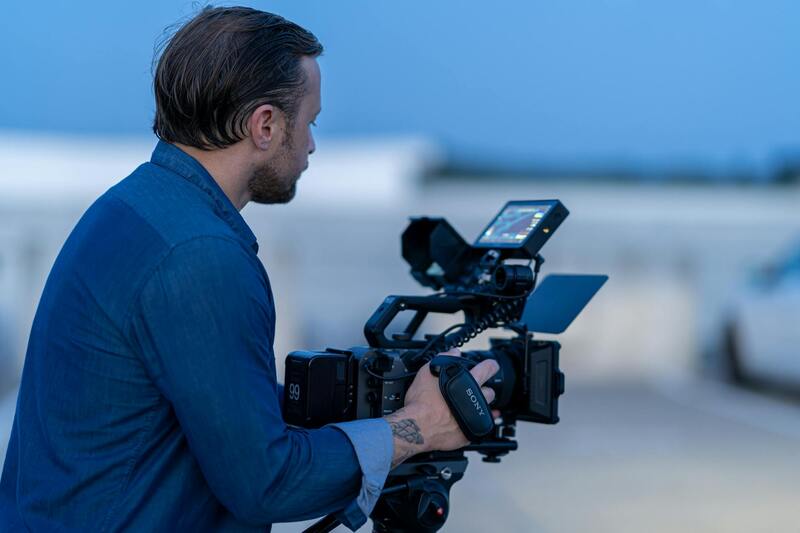
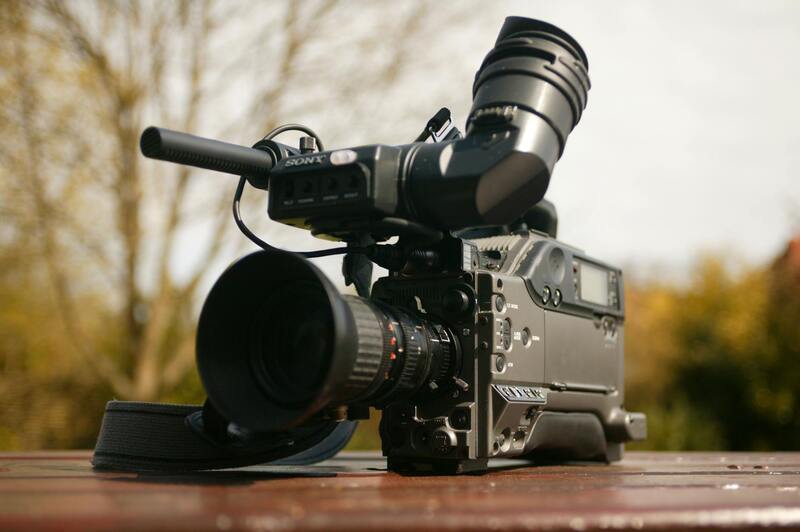
High-caliber audiovisual equipment forms the backbone of live broadcasts. This includes high-definition cameras capable of capturing clear, detailed footage from multiple angles, professional audio systems for crisp sound, and reliable lighting setups that enhance visual clarity. Utilizing proper camera angles and dynamic shot compositions helps maintain viewer interest and emphasizes key moments or speakers during the event.
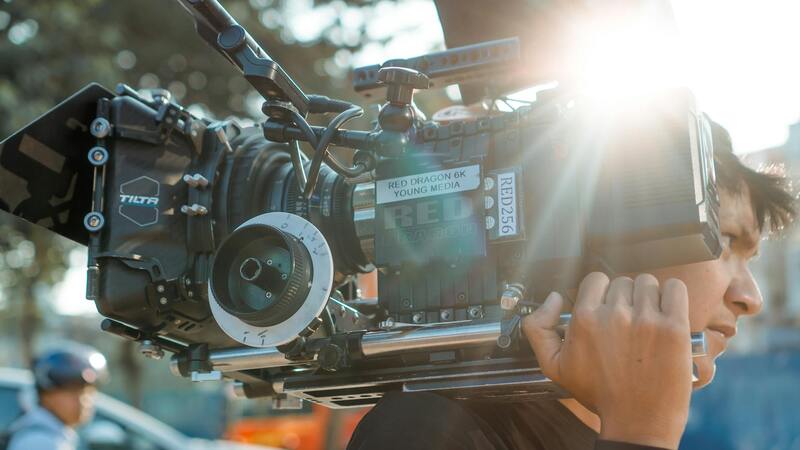
Beyond hardware, a sophisticated production setup integrates various software solutions for encoding, switching, and broadcasting the live feed. These tools enable smooth transitions between different camera angles, graphic overlays, and real-time content feeds, all crucial for maintaining a professional presentation that aligns with the company's branding standards.
Temporary or permanent control rooms are often established to manage the live feed effectively. A skilled production team operates this setup, overseeing camera feeds, ensuring audio synchronization, and troubleshooting issues promptly. This coordination guarantees that the live stream remains uninterrupted, maintaining viewer engagement and avoiding potential technical disruptions.
Essential Equipment and Technologies
- Professional-grade cameras with multiple lenses
- High-quality microphones and sound mixing consoles
- Lighting rigs optimized for indoor and outdoor settings
- Video switchers and streaming encoders
- Reliable internet connectivity, ideally via dedicated fiber lines or bonded connections
- Live streaming platforms with scalable bandwidth options
In addition to hardware, software tools like real-time analytics dashboards provide event organizers with insights into viewer engagement, allowing for adjustments and improvements during the broadcast. Employing backup systems and redundant internet connections further safeguards against unforeseen technical failures, ensuring an uninterrupted experience for viewers worldwide.
Technical Planning and Setup for Live Event Broadcasts
Effective technical planning is fundamental to delivering a seamless live broadcast of your corporate event. It involves meticulous preparation of equipment, transmission pathways, and contingency protocols to ensure the broadcast runs smoothly from start to finish. This process begins with selecting high-performance hardware, such as professional-grade cameras capable of capturing crisp visuals from multiple angles, and advanced audio equipment to guarantee clear sound quality. Lighting setups should be optimized for the venue, whether indoor or outdoor, to enhance visual clarity and maintain a professional appearance throughout the broadcast.
Coordination between the technical team and event organizers is essential to synchronize schedules and content flow. During setup, network infrastructure must be thoroughly tested to confirm bandwidth sufficiency and stability. Dedicated internet connections, such as fiber-optic lines or bonded broadband solutions, can dramatically reduce latency and prevent disruptions. It's imperative to establish a reliable signal pathway from the venue to the broadcast platform, ensuring that data transmission remains consistent and secure.
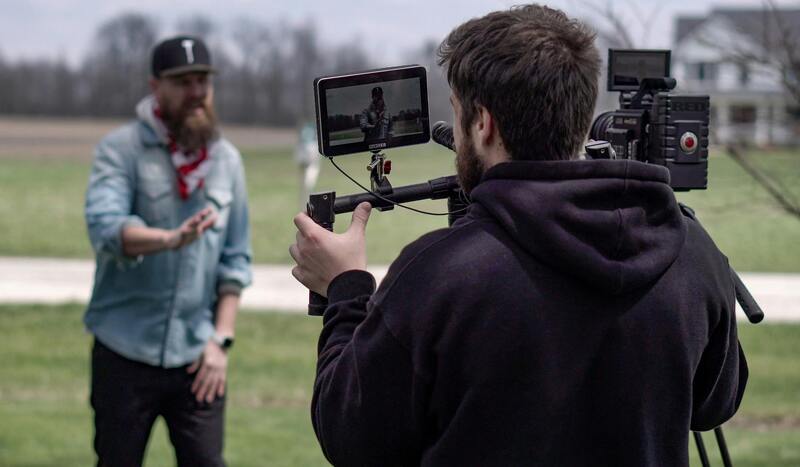
Backend systems, including video switchers and streaming encoders, should be configured in advance to facilitate smooth switching between camera feeds, overlay insertion, and graphics. Employing software that allows for real-time monitoring and control can greatly enhance production quality, enabling operators to make immediate adjustments as needed. Simultaneously, backup systems, such as secondary internet connections and redundant hardware components, are vital safeguards against technical failures, ensuring uninterrupted coverage.
Production and Coordination During Live Broadcasts
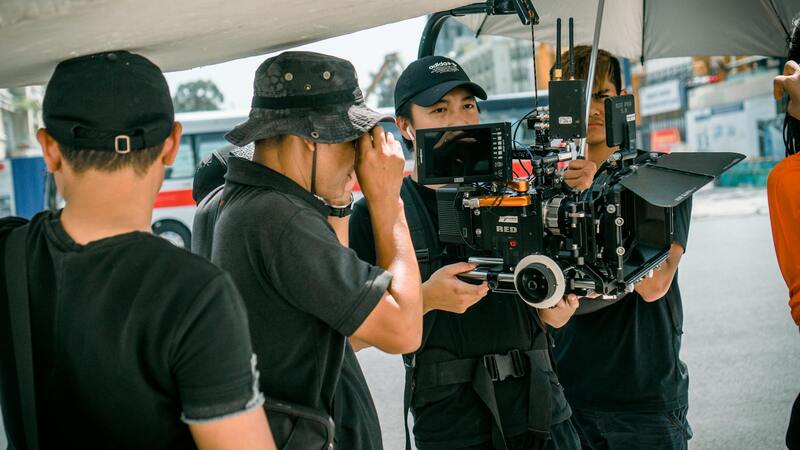
During the execution of a live broadcast, a dedicated technical director typically oversees the operation, coordinating all moving parts for cohesive transmission. Clear communication channels among camera operators, sound engineers, graphics teams, and the director are crucial. Using headsets or direct communication links, they can react swiftly to any issues and implement pre-planned solutions without disrupting the flow of the event.
Switching between different camera angles should feel natural and enhance storytelling, which calls for skilled camera operators who can anticipate moments that warrant close-ups or wide shots. Managing graphic overlays and live annotations adds a layer of professionalism and branding finesse, provided they are synchronized correctly with the ongoing content. Audio mixing should be continuously monitored, ensuring that speeches, presentations, and other sounds are balanced and free from distortion. Proper coordination during the broadcast minimizes delays and maintains a polished, engaging viewing experience.
Engaging the Audience Through Live Broadcasts
Interaction with viewers can significantly enhance engagement levels during a live event. Incorporating real-time polls, Q&A sessions, and social media interactions helps foster a sense of participation and connection. Displaying live comments or questions on the screen encourages viewers to stay invested and participate actively. Additionally, integrating multimedia elements such as videos, slideshows, or live demonstrations can keep the audience visually stimulated, making the broadcast more dynamic and memorable.
Customized content delivery, tailored to the audience's preferences and demographics, increases relevance and interest. For instance, providing simultaneous translation or subtitles can broaden accessibility and inclusivity. Regular updates about event schedules and topics before and during the broadcast can build anticipation and encourage viewers to remain tuned in until the conclusion of the event.
Legal and Privacy Considerations in Live Streaming
When broadcasting corporate events live, respecting intellectual property rights, privacy policies, and consent protocols is imperative. Ensuring all participants are aware of the live streaming, and obtaining necessary permissions, can prevent legal complications. Clear signage at the venue informing attendees about the live broadcast, along with opt-in mechanisms for those appearing on camera, supports transparent communication.
It is also essential to restrict access to the live feed according to the intended audience. Implementing secure streaming solutions, with password protection or restricted access links, prevents unauthorized viewing and content sharing. Furthermore, complying with relevant data protection standards and privacy legislation safeguards both the event organizers and the attendees from potential issues arising from mishandling personal information or media rights.
Technical Planning and Setup for Live Event Broadcasts
Effective live broadcasting of corporate events demands meticulous technical planning and comprehensive setup procedures. Prior to the event, it is essential to conduct a thorough assessment of all audiovisual equipment, including cameras, audio interfaces, lighting, and streaming hardware. Ensuring that each component functions correctly minimizes disruptions during the broadcast. Calibration of audio levels is crucial for maintaining clear sound quality, especially when multiple microphones or audio sources are involved.
Internet connectivity forms the backbone of a successful live stream. A dedicated, high-bandwidth internet connection with a stable upload speed is imperative. Redundant internet sources or failover internet options should be in place to automatically switch in case of connectivity issues, preventing interruptions. Prior to the event, conducting speed tests at the venue confirms that the network can support the bandwidth required for high-quality streaming.
Deployment of broadcasting equipment requires careful placement to capture optimal angles and visuals, while also accommodating the space’s layout. Using professional-grade cameras with high resolution and low latency capabilities ensures clear visuals that are visually engaging for viewers. Proper lighting setup enhances image quality, reducing shadows and glare, and creating a professional aesthetic.
A comprehensive checklist covering all technical aspects—such as syncing audio and video feeds, setting up encoding software, and configuring streaming platforms—is vital. For added security, employing encryption protocols during the transmission process safeguards the content from unauthorized interception.
Producing a Seamless Live Broadcast for Corporate Events
Executing a successful live broadcast of corporate events hinges on meticulous coordination and expert management of various technical and operational aspects. Ensuring your production team is well-versed in managing live feeds, camera switching, and audio control creates a fluid viewing experience that keeps the audience engaged and conveys your message effectively.
- Managing Camera Operations and Visual Transitions
- Designate experienced camera operators familiar with the event layout to capture key moments from multiple angles, ensuring dynamic visuals that keep viewers interested.
- Use seamless switching techniques, such as video switchers, to transition between different camera feeds smoothly, maintaining a professional aesthetic.
- Incorporate close-ups of speakers, presentation slides, and audience reactions to add context and engagement.
- Audio Management and Quality Assurance
- Ensure high-quality audio capture through professional microphones strategically placed near speakers and presentation areas.
- Implement real-time audio leveling and mixing to prevent distortions and maintain consistent sound levels throughout the broadcast.
- Monitor audio feeds continuously to promptly address any issues such as feedback or interference.
- Real-Time Monitoring and Troubleshooting
- Assign dedicated operators to oversee live feeds, audio, and streaming health metrics, allowing immediate identification of potential problems.
- Prepare contingency plans to handle common challenges, including backup internet sources, redundant hardware, and alternative stream routes.
- Maintain clear communication channels among the technical crew to coordinate swift responses to unexpected disruptions.
Engaging viewers during a live broadcast extends beyond high-quality visuals and audio. Incorporating interactive features, such as live Q&A sessions or live polls, encourages audience participation and can elevate the perception of your brand. Additionally, regularly updating viewers about important segments or speakers keeps engagement high and ensures the message reaches the intended audience professionally.
Legal and Privacy Considerations in Live Streaming
When broadcasting corporate events live, it is essential to adhere to established protocols that safeguard the rights of all parties involved and ensure the smooth flow of operations. Prior to going live, comprehensive planning involves obtaining necessary permissions from speakers, attendees, and any third-party entities whose content or likeness may appear during the broadcast. This proactive approach helps prevent potential disruptions and legal complications that could arise from unforeseen content use issues.
It is highly recommended to implement a clear communication process, informing participants about the scope and nature of the live broadcast. This includes details regarding how the recording will be used, stored, and shared post-event. Ensuring participants understand and consent to these terms enhances transparency and fosters trust between the organization and its audience.
From a technical perspective, controlling access to the live stream is vital. Using secure, password-protected streaming platforms or restricted access links helps limit viewership to authorized personnel only. This not only maintains the intended exclusivity of the event but also minimizes the risk of unauthorized sharing or recording, which could undermine the organization’s control over its content.
Another critical aspect involves handling sensitive information responsibly. This means avoiding the transmission of confidential data or proprietary content that might be part of the presentation unless appropriate security measures are in place. For added protection, consider encrypting the live stream and utilizing digital rights management (DRM) tools when necessary.
In addition to content protection, compliance with data privacy regulations such as GDPR or similar standards relevant to your region should be observed. These regulations govern how personal data collected during registration or through interactive features is stored, processed, and used. Implementing strict data handling policies and secure storage systems safeguards both your organization and your audience from potential breaches or misuse.
Furthermore, clear moderation policies should be established for live chat features and social media interactions. Assigning designated moderators ensures that engagement remains appropriate and that any inappropriate comments or disruptive behavior are managed swiftly. This moderation maintains a professional environment aligned with the organization’s standards and brand reputation.
To summarize, meticulous planning around legal and privacy issues not only protects your organization but also enhances the credibility and overall success of your live broadcast. Keeping all stakeholders informed, controlling access, handling sensitive data responsibly, and establishing clear moderation protocols create a reliable framework that supports a seamless, professional live streaming experience.
Legal and Privacy Considerations in Live Streaming
When broadcasting corporate events live, it is essential to adhere to established procedures that respect copyrights, obtain necessary permissions, and preserve privacy standards. Ensuring proper authorization for all content shared during the event mitigates risks associated with unauthorized use of proprietary materials, audio, visuals, or third-party content. This involves verifying rights before including multimedia, presentations, or any external media, and maintaining comprehensive records of permissions granted.
Securing permissions is a critical step when organizing live broadcasts. This process entails formalized agreements with content creators, speakers, performers, or copyright holders. These agreements should specify the scope, duration, and manner of content use, including online distribution and public accessibility. Such documentation provides clarity and legal soundness, reducing potential disputes or misunderstandings.
Additionally, managing privacy considerations involves implementing comprehensive measures to protect personal data collected during event registration, live interactions, or social media engagement. Employing encrypted transmission protocols ensures secure data transfer, while controlled access to the live stream prevents unauthorized viewing. Utilizing secure, password-protected links or access codes for participants not only safeguards content but also reinforces confidentiality.
Furthermore, compliance with data privacy regulations such as GDPR, CCPA, or other regional standards is vital. These frameworks dictate how personal information is collected, stored, and utilized, emphasizing transparency and user control. Clearly articulated privacy notices should inform viewers about data handling practices, rights to access or delete their data, and their ability to opt out of additional communications.
To maintain a professional environment, moderation policies for social interactions and live chat must be implemented. Designated moderators oversee the conduct of online participants, swiftly managing inappropriate comments or disruptive behavior. This proactive oversight sustains the event’s integrity and upholds organizational standards.
Implementing these procedures fosters trust among viewers and participants, enhances the credibility of the event, and aligns the live broadcast with best practices for digital communication. Balancing engaging content with strict adherence to copyright and privacy policies creates a secure and respectful environment, critical for the successful delivery of high-quality corporate events.
Legal and Privacy Considerations in Live Streaming
Conducting a live broadcast of corporate events via reputable platforms involves adhering to strict legal and privacy protocols that safeguard all participants and content. Ensuring the use of official streaming methods that comply with regulations and industry standards is essential for maintaining trust and professionalism.
One fundamental aspect is verifying that all content shared during the broadcast is authorized for public dissemination. This involves obtaining necessary permissions for any third-party materials, including videos, images, or music, which might be incorporated into the event. Proper licensing agreements and clearances uphold the integrity of the broadcast and prevent potential disruptions arising from copyright infringements.
Another critical element is implementing robust access management. This can be achieved through secure, password-protected streaming links or invitation-only access, which restricts viewing to authorized personnel. Such practices not only defend intellectual property but also ensure that sensitive corporate information remains confidential.
Data privacy policies form the backbone of responsible live streaming operations. Clear communication about how participant data is collected, stored, and used reassures viewers and aligns with overarching data handling standards. Implementing transparent privacy notices informs stakeholders of their rights and provides options to control their personal information.
Moderation plays a crucial role in maintaining a respectful online environment during the broadcast. Designated moderators oversee live chat interactions, swiftly addressing inappropriate comments and mitigating disruptive behavior. This proactive approach preserves the professionalism of the event and fosters a positive experience for all viewers.
For organizations utilizing live stream technology, partnering with providers that prioritize security and compliance offers additional safeguards. These providers employ encrypted data transmission, secure servers, and access controls, which together create a trusted environment for streaming sensitive corporate content.
Implementing legal and privacy measures also involves continuous monitoring and updating of policies to adapt to evolving regulations and technology advancements. Regular audits of live streaming processes help identify and address vulnerabilities promptly, sustaining the integrity and confidentiality of the broadcast.