
Definition and Benefits of Corporate Streaming Video
Corporate streaming video refers to the live or on-demand broadcasting of company-related content through online platforms designed for business communications. This technology enables organizations to transmit visual and audio information directly to their targeted audience—whether employees, clients, or stakeholders—across geographical boundaries with ease and efficiency. Unlike traditional dissemination methods, such as in-person meetings or taped presentations, corporate streaming allows for real-time interaction and a broader reach, fundamentally transforming internal and external communication strategies.
One of the primary advantages of corporate streaming video is its capacity to enhance communication. For internal purposes, companies can hold virtual town halls, training sessions, or product launches that reach employees regardless of their physical location, fostering a more inclusive and engaged workforce. External applications include live product demonstrations, webinars, investor briefings, and corporate announcements that strengthen brand visibility and client relationships.
Cost savings constitute another significant benefit. Streaming reduces the need for physical venues, travel expenses, printed materials, and logistical arrangements associated with traditional conferencing or large gatherings. With high-quality streaming technology, organizations can deliver impactful messages without the associated overheads, making it a sustainable solution for ongoing communication needs.

Furthermore, corporate streaming video fosters scalability and flexibility. Content can be archived for later viewing, enabling employees or clients to access information at their convenience. This asynchronous capability ensures consistent messaging and allows valuable content to be reused across various platforms and events. Additionally, the interactive features incorporated into streaming sessions—including Q&A, polls, and chat functions—encourage active participation, making virtual meetings more engaging and productive.
In summary, corporate streaming video stands out as a versatile, cost-efficient, and effective communication tool that aligns with modern business needs. Its ability to bridge gaps across distances and deliver content dynamically makes it an indispensable element of contemporary corporate strategy.
Choosing the Right Streaming Platform and Technology
Selecting an appropriate platform for corporate streaming video is a critical step to ensure seamless delivery and professional presentation. The ideal platform should support high-definition video broadcasting with minimal latency, offering reliable uptime during live events. Compatibility across various devices and operating systems—from desktops and laptops to tablets and smartphones—is essential to maximize accessibility for all participants.
In addition to technical robustness, features such as integrated chat functions, Q&A modules, poll integration, and analytics dashboards add value by engaging viewers and providing actionable insights. Platforms that support multi-party contributions or allow presenter management through simple interfaces also streamline production workflows, ensuring that live sessions proceed smoothly without interruptions.
Cost considerations and scalability are essential factors. Small to medium enterprises may prioritize solutions with flexible subscription models or pay-per-view options, while larger organizations might require enterprise-grade platforms with dedicated support, custom integrations, and enhanced security features.
Compatibility with existing IT infrastructure, ease of use, and straightforward setup processes should guide the decision-making process. Organizations should choose platforms that offer comprehensive customer support, training resources, and scalable options to accommodate future growth or increased viewership needs.

Production Considerations for Corporate Streaming
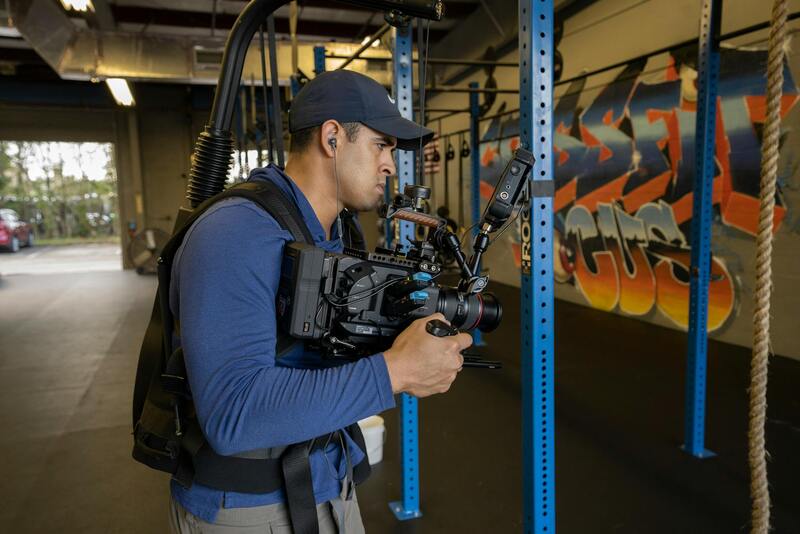
Achieving high-quality corporate streaming video hinges on meticulous production planning and technical execution. Proper preparation involves selecting appropriate equipment, managing camera angles, audio quality, and lighting to present a polished and professional appearance. Companies should invest in high-definition cameras and professional-grade microphones to ensure clarity and crisp visuals, especially when presenting detailed visuals or demonstrations.
Preparation also encompasses creating detailed run sheets that outline the flow of the event, including timing for each segment, technician cues, and contingency plans in case of technical issues. Having a dedicated production team or trained personnel who understand live streaming workflows can significantly reduce the risk of disruptions.

To optimize viewer experience, sound checks and internet speed tests should be conducted well in advance. Ensuring that all streaming hardware and software are compatible and functioning optimally minimizes technical hiccups during the event. Using dedicated streaming hardware encoders can provide more reliable streams compared to software solutions, especially in high-pressure scenarios.
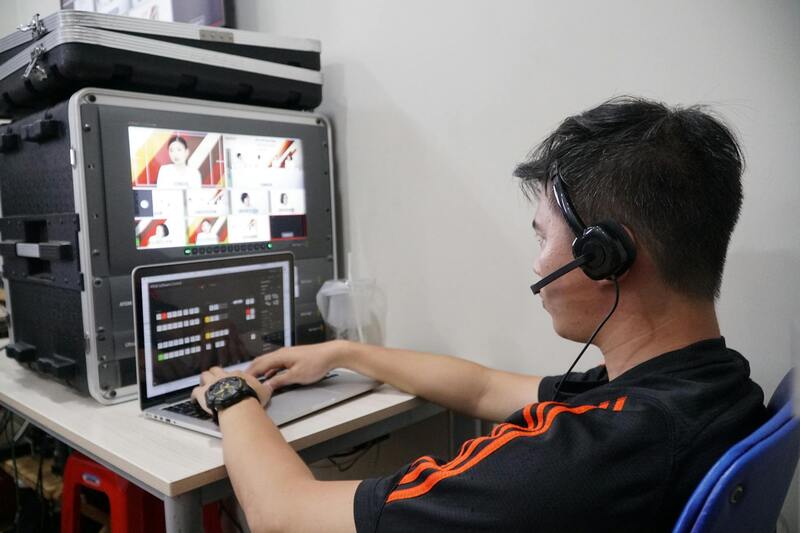
Additionally, rehearsals with key speakers and presenters enable the team to fine-tune technical aspects and familiarize everyone with the platform controls. During the live event, a dedicated moderator or technical director can monitor chat, handle technical issues, and coordinate transitions between different segments or speakers.
Advanced organizations often implement multi-camera setups to offer dynamic views, making the broadcast more engaging. Employing graphics or overlays, such as titles, branding, or real-time metrics, can also significantly increase the professionalism of the stream.

Security considerations during production involve safeguarding sensitive content and preventing unauthorized access to the stream. Secure encoding protocols and encrypted streams are essential tools to protect corporate data. In addition, managing access controls and authentication for participants and viewers helps maintain control over who can view or interact during the session. As corporate events often involve multiple stakeholders, implementing rights management and secure login procedures is vital.
By focusing on detailed pre-event planning, high-quality production techniques, and secure streaming practices, organizations can deliver engaging, reliable, and visually appealing corporate streaming experiences that meet professional standards and organizational objectives.
Technical Configuration and Content Delivery Optimization
Optimizing the delivery of corporate streaming video involves a meticulous approach to technical configuration, ensuring high-quality video transmission across diverse networks and devices. Selecting the appropriate encoding settings is fundamental, as this affects video clarity, latency, and bandwidth utilization. Modern encoding software allows customization of resolution, bitrate, frame rate, and audio parameters to match the specific needs of the event and the expected viewer environment.
Employing adaptive bitrate streaming technology dynamically adjusts the video quality based on the viewer's internet speed, minimizing buffering and preserving viewer engagement. Content Delivery Networks (CDNs) play a crucial role in this process by distributing the stream through geographically dispersed servers, reducing latency and load times for remote viewers.
Proper network infrastructure must be established prior to the event. This includes ensuring robust internet connectivity with sufficient upload speeds, ideally with backup connections to prevent interruptions. It is also beneficial to conduct pre-broadcast tests to identify potential bottlenecks or technical issues that could affect streaming quality.
Finally, integrating secure streaming protocols such as RTMP, SRT, or HLS guarantees reliable and protected content delivery. These protocols enable encrypted streams and error correction, which are vital in maintaining the integrity and confidentiality of corporate communications during live broadcasts.

Implementing Interactive Features to Enhance Viewer Engagement
Interactive elements serve as vital tools in boosting engagement and fostering a participative environment for viewers during streaming events. Incorporating live chat functionalities allows attendees to pose questions and share feedback in real time, creating a sense of community and involvement. It is equally important to designate moderators or technical support staff to oversee interactions, address concerns promptly, and maintain a professional environment.
Polling, surveys, and Q&A sessions can be seamlessly integrated into the stream to gather immediate feedback, gauge audience reactions, and tailor content dynamically. These features not only heighten engagement but also provide valuable insights into viewer interests and preferences.
Utilizing real-time analytics enables organizations to monitor viewer behavior, engagement levels, and technical performance throughout the broadcast. Data such as viewer count, geographic location, and interaction rates guide on-the-fly adjustments to improve the overall experience.
Additional tools like embedded multimedia content, clickable calls-to-action, and customized overlays serve to elevate the professionalism of the broadcast and reinforce branding efforts. When strategically integrated, these interactive elements foster a more memorable and effective communication channel for corporate messaging.

Production Considerations for Corporate Streaming
Effective corporate streaming requires meticulous planning and execution to ensure a seamless and engaging experience for viewers. Paramount to this process is the selection of high-quality audiovisual equipment. This includes professional-grade cameras, microphones, and lighting that capture clear visuals and sound, which are crucial for maintaining a polished appearance and ensuring content clarity.
Pre-production planning involves detailed coordination of content, such as scripting, rehearsals, and defining the flow of the event. Establishing a clear agenda and identifying key speakers or presenters help deliver messaging confidently and coherently. Additionally, developing visual assets like slide decks, graphics, and branding overlays enhances the broadcast’s visual appeal and maintains audience interest.
Technical setup must encompass a reliable internet connection with sufficient bandwidth to handle high-definition streaming without interruptions. Employing backup systems, such as secondary internet connections and redundant hardware, mitigates risks associated with technical failures. Furthermore, integrating professional encoding software ensures optimal video quality and stream stability.

Setup also involves configuring streaming software to manage multiple input sources, overlays, and interactive elements. Clear testing protocols should precede the event to troubleshoot issues related to audio levels, video synchronization, and streaming latency. Assigning dedicated personnel for technical support ensures that any unforeseen problems are addressed promptly, minimizing disruptions.
Audience engagement during live streams can be optimized through visual cues and technical integration. For example, incorporating real-time chat, polling, or Q&A features requires synchronization with the streaming platform and backend systems. This setup fosters interaction, making the webcast more dynamic and participative.
Post-production activities, such as editing recorded streams and generating analytics reports, provide valuable insights for ongoing improvement. Archiving content for on-demand access increases the longevity and reach of corporate messaging efforts.
Security and Privacy in Corporate Streaming
Implementing robust security measures is essential to safeguarding sensitive corporate information during live streaming events. Access control mechanisms such as secure login portals, encrypted streams, and token-based authentication help restrict participation to authorized personnel only. By limiting access, organizations can prevent unauthorized viewing and protect proprietary content from potential leaks.
Incorporating encryption protocols, like Secure Real-Time Transport Protocol (SRTP) and Transport Layer Security (TLS), ensures that data transmitted during the stream remains confidential and resistant to interception. These technologies encrypt the video and audio streams, making it significantly more difficult for malicious actors to access or manipulate the content.
To comply with privacy standards, organizations should adhere to relevant regulations and establish internal policies for handling personal data. This includes obtaining necessary consents prior to streaming and ensuring that any personally identifiable information (PII) is protected throughout the broadcast and in recorded archives. Regular audits and vulnerability assessments are also crucial to identify and address potential security gaps.
Moreover, cybersecurity practices should be integrated into the overall streaming setup. This involves employing firewalls, intrusion detection systems, and endpoint security to thwart cyber threats that could compromise the streaming environment. A dedicated security team or external experts can monitor live sessions, respond swiftly to security incidents, and implement necessary updates or patches.
When planning for high-profile or confidential corporate events, consider utilizing Virtual Private Networks (VPNs) or dedicated streaming networks that offer controlled connectivity and reduce exposure to external threats. Additionally, establishing clear guidelines for internal personnel responsible for the event ensures that security protocols are consistently followed, reducing the risk of data breaches.

Effective security and privacy strategies not only protect critical information but also build trust with stakeholders. When employees, partners, and clients know that the organization takes comprehensive measures to secure streaming content, it fosters confidence and promotes more active engagement with corporate initiatives.
Security and Privacy in Corporate Streaming
Implementing robust security and privacy measures is essential to safeguard the integrity of corporate streaming video content. Organizations should establish comprehensive protocols to control access during live broadcasts, utilizing secure login procedures and authentication, ensuring that only authorized personnel can view sensitive information. This approach prevents unauthorized interception and distribution of proprietary material.
Encryption plays a critical role in maintaining confidentiality. Using strong encryption protocols for both live streams and recorded archives ensures that data remains protected during transmission and storage. Access controls, such as role-based permissions, allow organizations to regulate who can view, download, or share content, aligning security practices with internal policies.
Monitoring tools should be employed to oversee real-time streams for irregular activities or potential threats. This proactive surveillance can help detect and remediate issues swiftly, maintaining a secure streaming environment. Additionally, maintaining updated firmware and software on streaming hardware and platforms minimizes vulnerabilities that could be exploited by malicious actors.

When high-profile or confidential corporate events are scheduled, leveraging private network solutions such as Virtual Private Networks (VPNs) or dedicated streaming networks provides an extra layer of security. These options create a segmented environment, reducing the risk of external interference. Organizations should also draft clear internal guidelines dictating security responsibilities for staff involved in streaming, ensuring consistent adherence to best practices.
Regular security audits and vulnerability assessments are vital to identify potential weaknesses and implement remediation measures. In addition, integrating cybersecurity practices into the overall streaming setup, such as firewalls, intrusion detection systems, and endpoint security protocols, further fortifies defenses against cyber threats. Employing these strategies not only prevents data breaches but also enhances stakeholder trust, reaffirming the organization’s commitment to safeguarding sensitive information.
Maximizing Corporate Streaming Video Effectiveness and Compliance
Implementing a reliable corporate streaming video solution extends beyond just broadcasting content; it requires a comprehensive approach to ensure legal standards, organizational goals, and technical requirements are met. Ensuring proper management of streams involves selecting reputable service providers that adhere to industry standards and offer transparent operational practices. Transparent data handling policies and compliance with regional broadcasting regulations play a critical role in maintaining organizational credibility and avoiding potential disruptions.
Follow Official and Established Methods for Streaming
To guarantee that corporate streaming activities are conducted within accepted norms, organizations should rely on established infrastructure and verified technologies. Employing well-known streaming platforms equipped with proven security, scalability, and performance features ensures seamless delivery and legal adherence. Moreover, partnering with trusted content delivery networks (CDNs) can optimize stream stability and reach, especially during large-scale events.
- Utilize platforms with comprehensive service agreements and clear compliance policies
- Ensure licensing rights are secured for all shared content
- Perform due diligence on provider credentials and operational history
- Maintain detailed records of streamed content and access logs for audit purposes
Establishing Robust Internal Protocols
Clear internal guidelines surrounding content approval, access control, and broadcast schedules prevent accidental violations and ensure consistent messaging. Training staff on proper protocols related to streaming platform use, copyright considerations, and audience engagement helps safeguard the organization against potential missteps. Additionally, integrating these practices within the broader corporate governance framework enhances accountability and operational integrity.
Technical Best Practices for Legal and Effective Streaming
Organizations should invest in high-quality hardware and reliable internet connectivity configurations to minimize interruptions and maintain professional presentation standards. Implementing encryption at various stages of transmission protects intellectual property and sensitive information. Regularly updating streaming software and firmware preemptively addresses vulnerabilities, securing the streaming environment.
Legal and Contractual Considerations
Before scheduling a broadcast, organizations must review licensing agreements, copyright permissions, and content rights. Confirming adherence to regional laws governing digital media prevents unforeseen conflicts. Employing standardized contracts with content creators and platform providers clarifies responsibilities and establishes clear boundaries for usage, compliance, and dispute resolution.
Documentation and Record-Keeping
Maintaining detailed records of all streamed content, access permissions, and technical configurations can facilitate audits and accountability. Such documentation ensures that the organization can substantiate compliance efforts and support any future inquiries or dispute resolutions.
Engagement and Feedback in a Collaborative Environment
Encouraging interactive participation through moderated Q&A sessions and real-time feedback channels fosters audience engagement while demonstrating transparency. These practices also help gauge the effectiveness of streaming content concerning organizational objectives and stakeholder expectations.