
Overview of Streaming Services for Events
Streaming services for events have fundamentally transformed how organizations and individuals share live experiences with audiences whether they are onsite or remote. In essence, these platforms enable real-time broadcasting of events such as conferences, concerts, sports, and corporate functions via the internet, providing broader reach and increased engagement. For Miami-based producers and event organizers, utilizing professional streaming solutions is vital in cultivating dynamic and accessible event experiences that resonate with diverse audiences.
Traditional event formats rely heavily on physical attendance, limiting reach due to geographical and logistical constraints. Streaming services dismantle these barriers by delivering high-quality video content directly to viewers across the globe through secure and reliable digital channels. This shift not only enhances audience engagement but also opens new revenue streams and sponsorship opportunities.
The importance of streaming services is especially pronounced in vibrant cities like Miami, where the multimedia landscape is booming, and there is a high demand for innovative event delivery methods. Event producers who leverage professional streaming platforms can ensure seamless live broadcasts, maintain audience attention, and provide interactive features such as chat, polling, and Q&A sessions—tools that foster community and interaction in a virtual environment.

Moreover, the integration of streaming services into event production workflows helps streamline operations, from pre-event setup to post-broadcast analytics. With optimized distribution methods, event organizers are empowered to deliver polished, professional presentations that reflect their brand standards and meet audience expectations.
In Miami’s dynamic event scene, selecting the right streaming service is crucial for successful event execution and audience satisfaction. The right platform guarantees consistent quality, minimal latency, and the ability to scale based on event size and specific requirements. As the demand for virtual and hybrid events continues to grow, mastering the use of these streaming solutions has become an essential component in the toolkit of Miami’s event production professionals.
Key Features of Event Streaming Platforms
To select an optimal streaming service for events, understanding the core features that ensure a smooth and engaging broadcast is essential. These platforms are designed to meet the demands of diverse event types, ranging from corporate conferences to live concerts, providing a robust foundation for delivering high-quality content. The following features are pivotal in evaluating the suitability of a streaming platform for your specific event needs.
High-Quality Video Delivery
At the heart of any effective streaming service is its ability to deliver crisp, clear video content. Platforms should support multiple resolution options, including HD and 4K formats, to accommodate different audiences and bandwidth conditions. Adaptive bitrate streaming technology dynamically adjusts video quality based on viewer internet speeds, ensuring uninterrupted viewing experiences regardless of underlying network variations.
Scalability and Load Management
As events expand in size and scope, streaming platforms must seamlessly adapt to increased viewer numbers without compromising quality or stability. A scalable solution ensures that capacity can be scaled up or down according to live audience metrics. Features such as content delivery networks (CDNs) distribute streams efficiently across geographical locations, reducing latency and mitigating server overloads during peak viewership periods.
Interactive Capabilities
Engagement tools transform passive viewers into active participants. Interactive features like real-time chat, polling, Q&A sessions, and audience reactions foster a sense of community and enhance overall event experience. These capabilities are vital for panels, workshops, and other interactive sessions, making virtual interactions feel more personal and dynamic.
Device Compatibility and Accessibility
Modern streaming platforms support a wide range of devices, including desktops, laptops, tablets, and smartphones. Compatibility ensures that audiences can access content regardless of their preferred device, enhancing reach and convenience. Additionally, accessibility features such as closed captions and multi-language support broaden inclusivity, accommodating diverse attendee demographics.
Overview of Streaming Services for Events
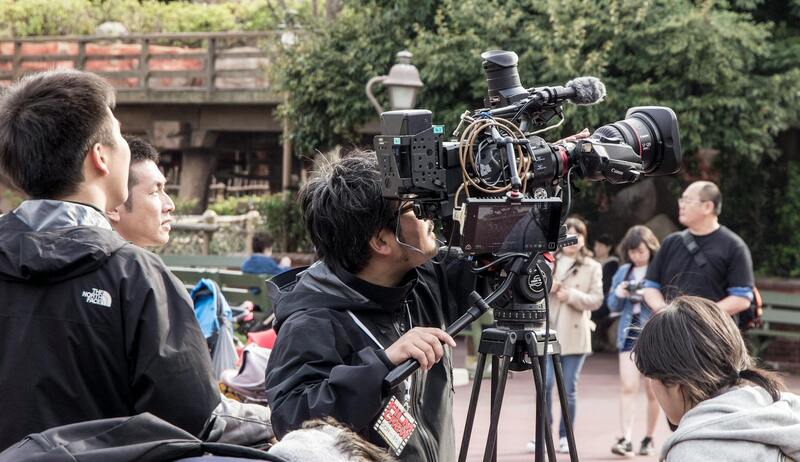
Streaming services for events have become essential tools for organizations looking to reach broader audiences beyond physical venues. These platforms facilitate real-time broadcasting of conferences, concerts, seminars, and festivals, ensuring that attendees who cannot be physically present still have a high-quality viewing experience. With advancements in technology and increasing internet bandwidth, live streaming presents an efficient way to enhance engagement, maximize outreach, and provide access to content instantly. As businesses and event organizers in Miami seek reliable options, understanding the core functionalities, scalability, and interactive capabilities of different streaming services becomes critical in selecting the appropriate platform for their needs.

Key Features of Event Streaming Platforms
High-Quality Video Transmission
One of the fundamental requirements for successful event streaming is delivering crisp, clear visuals. Advanced streaming services utilize adaptive bitrate technology to automatically adjust video quality based on the viewer’s internet speed. This ensures uninterrupted viewing experiences regardless of network fluctuations. Support for high-definition streams, including 4K resolution, enhances visual clarity, which is especially important for large-scale events where details matter.
Scalability and Load Management
Event organizers often face varying audience sizes, from small workshops to thousands of virtual attendees at major conferences. Platforms equipped with robust infrastructure can dynamically scale capacity to accommodate fluctuating viewer numbers. Content delivery networks (CDNs) are integral to distributing streams efficiently across multiple geographic locations, reducing latency and preventing server overloads during peak demand times.
Interactive Capabilities
Engagement features foster a more immersive experience for viewers. Live chat modules enable real-time communication between attendees and speakers, enhancing interaction during sessions. Polling and Q&A tools allow audiences to participate actively, providing instant feedback and raising questions that can be addressed live. Audience reactions, such as emoticon responses, further add a layer of interactivity, making virtual participation more personal.
Device Compatibility and Accessibility
Modern streaming solutions are designed to operate seamlessly across multiple devices, including desktops, laptops, tablets, and smartphones. This universality ensures that attendees can access streams conveniently from any location. Accessibility features, such as closed captioning, subtitles, and multi-language options, promote inclusivity, accommodating diverse audiences and special requirements.
Types of Event Streaming Services
Event streaming options can be broadly categorized based on content delivery models:
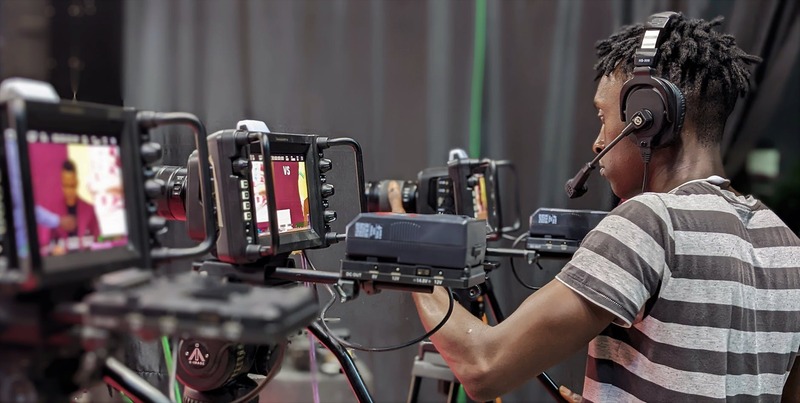
- Live Streaming: Offers real-time broadcast of events, ideal for conferences, concerts, and interactive sessions where immediate viewer engagement is desired.
- On-Demand Streaming: Content is recorded during the live event and made available later, providing flexibility for viewers to access content at their convenience.
- Hybrid Models: Combine live and on-demand broadcasts, allowing audiences to join the event live or view recordings afterward, appealing to a broader demographic.
- Private vs. Public Streams: Some platforms facilitate secure, password-protected streams for closed groups, while others are designed for open access, suitable for public festivals or community events.
Choosing the Right Streaming Service for Your Event
Selecting an appropriate platform involves evaluating several factors, including audience size, content type, interactivity needs, and technical infrastructure. Platforms like MiamiEventVideoPro.com offer tailored solutions that align with local event requirements, providing robust features and dedicated support. Identifying the most suitable streaming service ensures a professional presentation while accommodating scalability and engagement needs.
Technical Requirements and Infrastructure
Implementing a high-quality streaming service for events demands careful attention to technical infrastructure to ensure smooth delivery and an optimal viewer experience. At the core, stable internet connectivity with sufficient bandwidth is essential to prevent buffering, lag, and interruptions during live broadcasts. Network redundancy, including backup connections, minimizes the risk of disruption, especially during critical moments of the event.
Hardware components such as professional cameras, encoders, and sound systems significantly influence the production's quality. High-definition video cameras capable of broadcast-grade output, combined with reliable encoders, facilitate seamless live streaming while maintaining visual clarity and audio fidelity. Technical teams should also incorporate multi-platform streaming capabilities, ensuring compatibility across desktops, laptops, tablets, and smartphones.

Additional technical considerations include sufficient storage for on-demand content, secure connections to prevent unauthorized access, and scalable server resources to handle fluctuations in viewer count. Cloud-based streaming options offer flexibility, allowing event organizers to adapt their infrastructure according to audience demand without upfront hardware investments.
Ideal Setup for a Professional Event Streaming
- High-speed wired internet connection with at least 25 Mbps upload and download speeds
- Multiple backup internet links and power sources
- Professional-grade cameras with HDMI or SDI outputs
- Reliable video encoders supporting multiple streams and resolutions
- Content Delivery Network (CDN) for global content distribution
- Integrated audio systems with mixing capabilities
- Secure and scalable cloud storage solutions for on-demand access
Collaborating with experienced technical providers, such as MiamiEventVideoPro.com, equips event organizers with the necessary tools and support to navigate complex technical demands. This partnership ensures the broadcast remains stable, professional, and engaging for all viewers.
Overview of Streaming Services for Events
Streaming services for events have revolutionized the way organizers connect with their audiences, offering a dynamic platform to broadcast live experiences to a global viewer base. These services enable real-time video dissemination, breaking geographical barriers and expanding reach beyond physical boundaries. Whether hosting concerts, conferences, ceremonies, or corporate presentations, choosing an appropriate streaming platform ensures seamless delivery, high-quality visuals, and interactive features that enhance viewer engagement. The right event streaming service consolidates the technical complexities, providing robust infrastructure and user-friendly interfaces that allow event organizers to focus on content while ensuring viewers experience professional-grade broadcasts.

Key Features of Event Streaming Platforms
- High-definition Video Quality: Support for HD and 4K resolutions to ensure crisp, clear visuals that captivate viewers.
- Multi-platform Compatibility: Accessibility across desktops, smartphones, tablets, and smart TVs enhances audience reach.
- Interactive Capabilities: Live chat, Q&A, polls, and viewer engagement tools foster a more immersive experience.
- Scalability: Cloud-based solutions that efficiently handle audience fluctuations without service interruptions.
- Analytics and Reporting: Real-time data on viewer engagement, demographics, and streaming quality assist in performance assessment and future planning.
- Secure Streaming: Encrypted streams and access controls protect sensitive content from unauthorized sharing.
- On-Demand Content: Availability of recorded streams for later viewing extends the event's lifecycle.
Types of Event Streaming Services
Event organizers can choose from several streaming service options depending on their specific needs and event scale:
- Dedicated Professional Platforms: These services, such as those offered by specialized providers, deliver comprehensive solutions with advanced controls, technical support, and high reliability suitable for large-scale events.
- Web-based Streaming Platforms: User-friendly options like platforms that integrate with existing websites or social media channels facilitate quick deployment without extensive technical setup.
- Hybrid Solutions: Combining live streaming with on-demand content and multiple distribution channels allows organizers to customize their approach and maximize reach.
Choosing the Right Streaming Service for Your Event
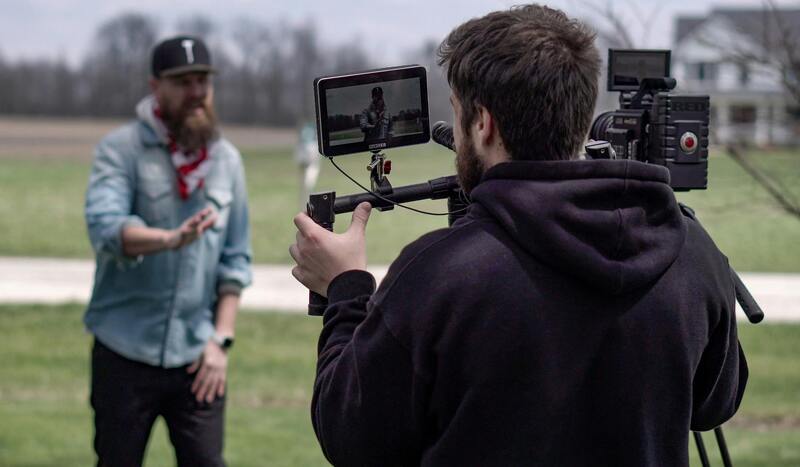
Selecting the appropriate streaming service involves evaluating numerous factors to ensure seamless delivery and audience satisfaction. Consider the following guidelines:
- Event Size and Audience Scale: Larger events with thousands of viewers require services with robust bandwidth, scalable infrastructure, and dedicated technical support.
- Technical Capabilities and Support: Evaluate provider offerings concerning encoding options, integration with existing production equipment, and 24/7 technical assistance.
- Cost-Effectiveness: Balance budget constraints with the quality of streaming, features needed, and support levels. Transparent pricing models are crucial for planning.
- Quality Assurance and Reliability: Ensure the platform has a proven track record of consistent performance and minimal downtime, especially for high-stakes live events.
- Security and Compliance: Confirm that the service employs secure protocols to protect content and complies with relevant industry standards.
- Customization and Branding: Ability to incorporate branding elements and tailor the user interface enhances professionalism and event recognition.
Technical Requirements and Infrastructure
Implementing a successful event streaming setup necessitates a meticulous assessment of technical infrastructure to ensure optimal performance and viewer satisfaction. A robust internet connection with high bandwidth capacity is fundamental, as it supports the continuous flow of high-quality video without buffering or interruptions. Organizations hosting live streams must prioritize a dedicated, symmetrical internet connection with minimal latency, especially for larger events attracting diverse audiences.
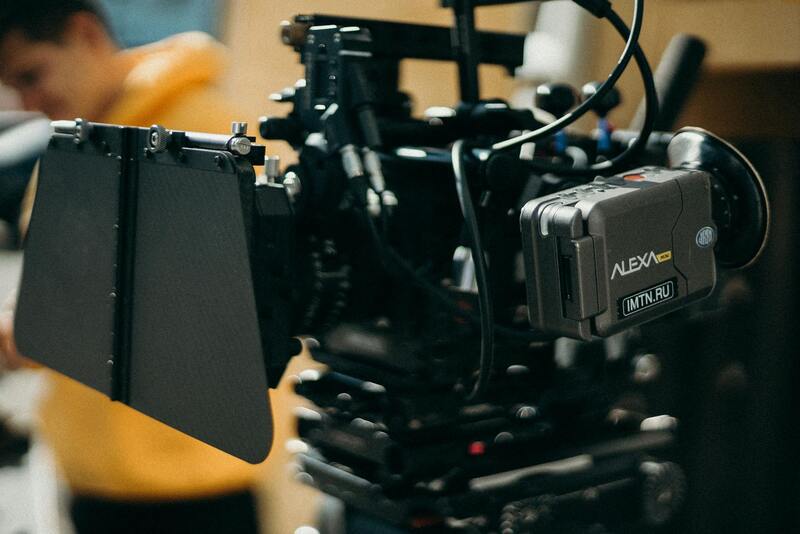
Complementing the internet infrastructure, professional-grade encoding hardware or software is essential for converting raw footage into a streamable format while maintaining high resolution and clarity. Reliable encoders enable seamless transitioning between different camera feeds and support various streaming protocols, underpinning the live broadcast’s stability.
Once the video signal is encoded, a powerful content delivery network (CDN) plays a pivotal role in distributing the stream efficiently. A CDN mitigates the strain on local servers by dispersing content across multiple points of presence, reducing delays and buffering. Selecting a CDN with a proven track record in handling large-scale live events ensures that viewers experience minimal latency regardless of their geographic location.
In addition to core infrastructure, the integration of scalable backup systems safeguards against potential technical failures. Backup internet connections, redundant hardware, and cloud-based failover solutions help maintain uninterrupted streaming, which is critical for long or high-profile events.
To support interactive features such as chat functions, polls, and Q&A sessions, reliable servers and network configurations must accommodate increased data loads. These features significantly enhance audience engagement but demand a resilient technical setup to operate smoothly.

Furthermore, technical teams should conduct rigorous pre-event testing to identify and rectify potential issues. This involves simulating the streaming environment, verifying audio-visual synchronization, and ensuring all equipment integrates seamlessly. Continuous monitoring during the event allows for real-time troubleshooting, ensuring a smooth broadcast.
Security considerations are also paramount in event streaming infrastructure. Implementing encryption protocols, secure login procedures, and access controls protects content from unauthorized distribution and potential cyber threats.
Lastly, a comprehensive infrastructure setup aligns with the scale and nature of the event. Smaller gatherings may require minimal setup, while large-scale festivals or conferences demand elaborate configurations to support high concurrency and complex multimedia integrations. Professional consultation and specialized hardware, tailored to the event’s specific requirements, are key to delivering a flawless live broadcast.
Overview of Streaming Services for Events
Event streaming services serve as a vital solution for broadcasting live occasions to a global audience. These platforms facilitate seamless delivery of events such as conferences, concerts, weddings, sports tournaments, and corporate gatherings. They offer a channel to engage viewers in real-time, expanding reach and enhancing interaction with audiences who cannot attend physically. Using a dedicated streaming service ensures high-quality video and audio transmission, minimal latency, and reliable connectivity—factors crucial for maintaining audience engagement and professionalism during live coverage.
Key Features of Event Streaming Platforms
- High-Definition Video Support: Platforms prioritize delivering crisp, clear visuals, essential for visual-heavy content like concerts or fashion shows.
- Low Latency Streaming: Minimizing delay between the live event and viewer reception ensures real-time interaction, vital for Q&A sessions or live polling.
- Scalability: Ability to handle varying audience sizes, from small seminars to large festivals, without compromising stream quality.
- Interactive Features: Incorporation of chat, polls, and Q&A functions fosters audience participation and engagement during the event.
- Multiple Streaming Options: Support for multi-platform streaming including web, mobile apps, and social media ensures broad accessibility.
- Security Measures: Incorporation of encryption, access controls, and password protections to safeguard content and attendee data.
- Analytics and Reporting: Post-event metrics provide insights into viewer engagement, peak times, and audience demographics, informing future event planning.

Types of Event Streaming Services
Event streaming solutions come in various configurations tailored to specific needs:
- Dedicated Live Streaming Platforms: Custom-built services offering comprehensive features including device compatibility, HD streaming, and customized branding, suitable for large-scale and branded events.
- Integrated Webinar Platforms: Designed for corporate meetings, webinars, and seminars with interactive tools and content management integrated into existing workflows.
- Social Media Live Streaming: Direct streaming via Facebook Live, YouTube Live, or Instagram Live enables rapid dissemination and easy access, ideal for informal or viral events.
- Hybrid Streaming Solutions: Combining multiple services to broadcast across various channels simultaneously, maximizing reach and engagement across platforms.

Choosing the Right Streaming Service for Your Event
When selecting an appropriate platform, consider factors such as expected audience size, event complexity, technical requirements, and desired level of interaction. Evaluating the platform’s scalability ensures smooth handling of increased viewership without compromising quality. User interfaces should be intuitive for hosts and moderators, facilitating easy management of live features and troubleshooting. Additionally, ensure the platform supports necessary integrations like registration systems, payment gateways, and social media sharing to enhance event reach and monetization. Technical support is also critical; responsive customer service and pre-event testing can prevent unforeseen issues, guaranteeing a professional broadcast.
Technical Requirements and Infrastructure
Successful live streaming depends on robust technical infrastructure. This includes high-speed internet connections with sufficient bandwidth to support HD streams and multiple viewers simultaneously. Content encoders and hardware streaming devices convert video signals into digital streams compatible with chosen platforms. Backup systems, such as redundant internet links and emergency power supplies, are essential to mitigate disruptions. Adequate server capacity and content delivery networks (CDNs) distribute streams efficiently across various geographic locations, reducing latency and buffering. Proper audio equipment, lighting, and camera setups further enhance visual and sound quality, while reliable software ensures smooth operation and real-time monitoring. Collaboration with experienced technical crews familiar with event-specific requirements can significantly reduce technical issues during the broadcast.
Future Trends in Event Streaming for Miami Production Agencies
As Miami's event industry continues to evolve, professional streaming services are poised to adopt cutting-edge technologies that further elevate the quality and reach of live broadcasts. One prominent trend is the integration of 4K and even 8K streaming capabilities, which deliver breathtaking visual clarity that enhances viewer engagement and provides a more immersive experience. These high-resolution streams require advanced encoding hardware and robust internet infrastructure, highlighting the importance of working with providers equipped to handle such demanding formats.
Another significant development involves the proliferation of 5G networks across Miami and surrounding areas. The increased bandwidth and reduced latency offered by 5G facilitate seamless live streaming in venues of varying sizes and locations, even in densely populated or remote areas. This technological leap enables event organizers to broadcast with minimal delays, ensuring real-time interaction and engagement with audiences worldwide.

Artificial Intelligence (AI) and machine learning are also making significant inroads into live event streaming. These tools can automate and optimize various aspects such as real-time analytics, content personalization, and audience engagement tracking. AI-powered systems can automatically highlight key moments during a live event, generate dynamic subtitles, and even provide real-time language translation to broaden audience reach. Implementing such solutions enhances the professionalism and inclusivity of live streams, attracting broader demographics.
Emerging augmented reality (AR) and virtual reality (VR) integrations are revolutionizing how viewers experience live events. Miami-based production agencies are increasingly deploying AR overlays to display additional information, graphics, or interactive elements over the live feed, creating layered experiences that can be tailored to different audience interests. VR options allow remote viewers to virtually attend events in a 360-degree environment, delivering front-row experiences from the comfort of their homes.
From a content perspective, there is a notable shift towards hybrid event formats, combining in-person attendance with high-quality streamed content. This approach responds to changing audience behaviors and health considerations, allowing organizers to expand their reach beyond physical limitations. The successful execution of hybrid events requires sophisticated streaming platforms capable of seamlessly integrating live in-person footage with virtual content, ensuring synchronized delivery without hiccups.
Furthermore, the development of advanced analytics tools offers renewal insights into viewer engagement, providing event organizers with data-driven feedback to optimize future broadcasts. These tools analyze metrics such as viewer retention, interaction levels, geographic distribution, and device preferences, enabling Miami agencies to refine their content strategies and increase overall event impact.
As technology progresses, partnerships between event production companies, stream service providers, and technology innovators will be crucial. Collaborations will foster the development of customized solutions tailored to specific types of events, whether they are conferences, concerts, or community festivals. Staying ahead of these trends will ensure Miami remains at the forefront of live event streaming, delivering experiences that captivate and connect audiences like never before.