
Overview of Live Video Streaming Services
Live video streaming services have revolutionized the way content is broadcast and consumed across the globe, offering real-time digital transmission of events, presentations, and performances. These services enable organizations, production agencies, and content creators to reach audiences instantly, regardless of geographical barriers. They leverage advanced internet protocols and adaptive streaming technologies to ensure a seamless viewing experience, often supporting high-definition video, multi-camera setups, and interactive features.
For production agencies based in Miami, the ability to deliver professional-quality live streams is essential in catering to various client needs, from corporate events and concerts to sports and community festivals. These services facilitate immediate engagement with viewers, providing tools for live chat, real-time analytics, and multi-platform distribution. The core features include reliable bandwidth management, low latency transmission, and customizable interfaces that match branding requirements.
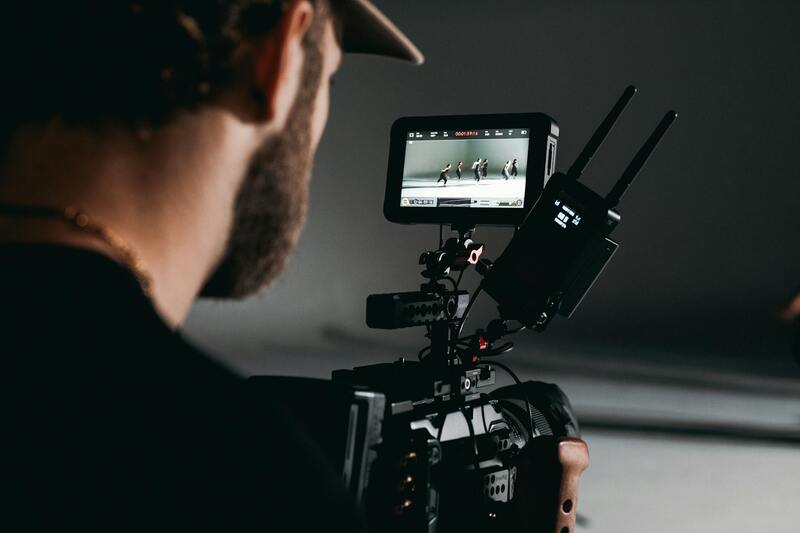
Key use cases for live streaming services encompass live event broadcasting, webinars, product launches, and virtual conferences. They enable event organizers and businesses to extend their reach, attract broader audiences, and improve engagement metrics. The simplicity of setting up professional live streams through dedicated platforms or cloud-based solutions ensures that Miami-based production teams can focus more on content quality and audience interaction, rather than technical hurdles.
Furthermore, versatility in live video streaming allows for various technical configurations—from simple single-camera setups to complex multi-camera productions with graphics overlays and remote guest inclusion. As the digital landscape evolves, the importance of adapting live stream strategies to include interactive features and high-definition delivery continues to grow, making robust, reliable streaming services indispensable for Miami’s dynamic event scene.
Types of Live Video Streaming Platforms
Understanding the different types of live video streaming platforms available is crucial for selecting the most suitable solution for specific event requirements. These platforms generally fall into three primary categories: dedicated broadcasting platforms, cloud-based streaming services, and enterprise streaming solutions.
- Dedicated Broadcasting Platforms: These platforms are tailored for professional broadcasters and often require on-premise hardware and software. They provide extensive customization options, control over encoding settings, and robust security features. Ideal for large-scale events that demand high levels of production quality and complex configurations.
- Cloud-Based Streaming Services: Cloud platforms have become increasingly popular due to their scalability and ease of use. They typically offer a user-friendly interface, minimal setup requirements, and seamless multi-platform distribution. These services support live event streaming from any location with internet access and are suitable for a wide range of event sizes, from small webinars to large conferences.
- Enterprise Streaming Solutions: These are integrated systems designed for organizations that frequently host live content. They often include features such as content management, monetization options, and advanced analytics. They are best suited for ongoing streaming needs, like corporate communications, educational institutions, and media companies.
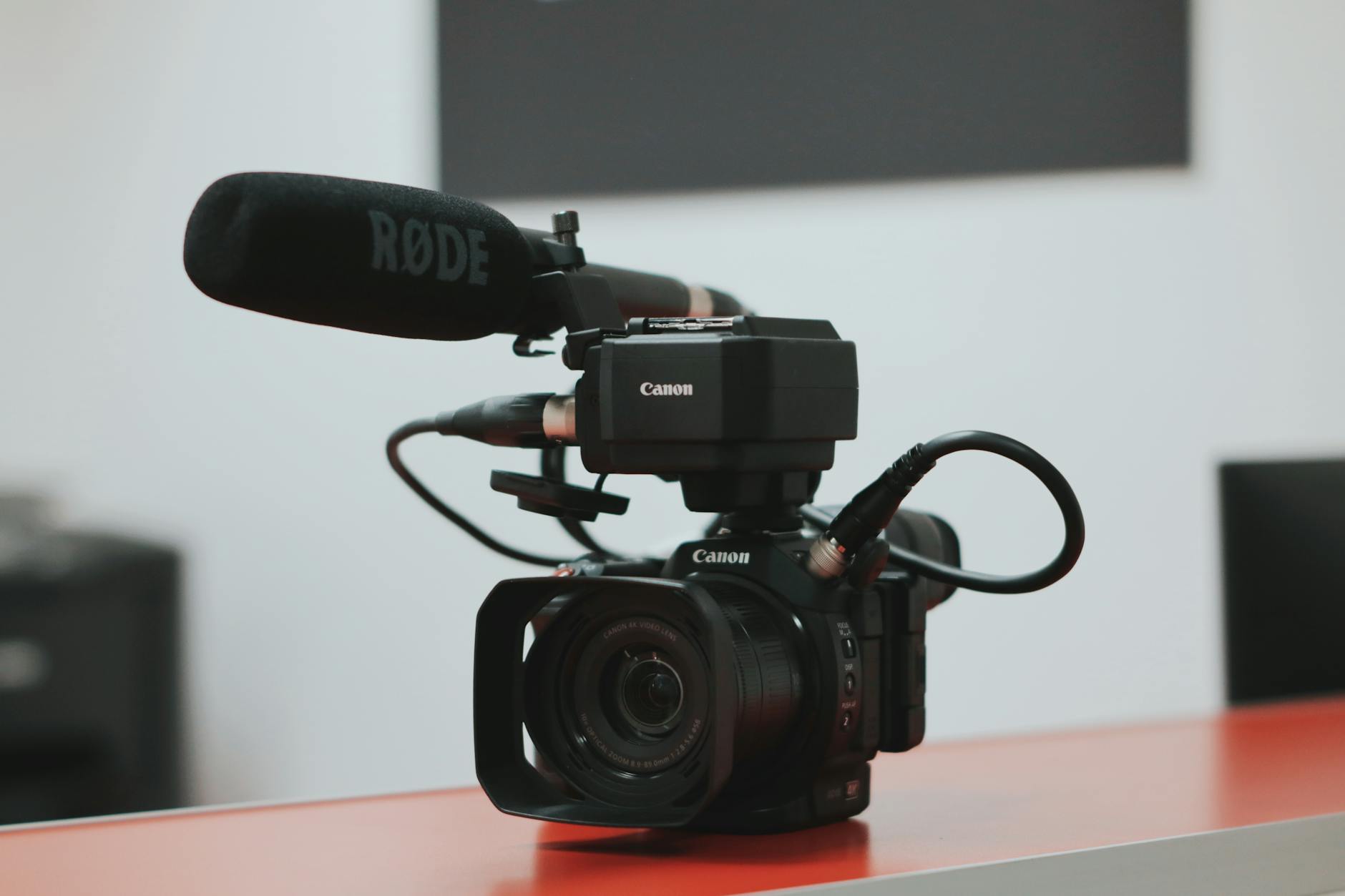
Key Features to Consider When Choosing a Service
Opting for the right live video stream service requires a thorough evaluation of several critical features to ensure flawless delivery and audience engagement. These features include, but are not limited to:
- Stream Reliability and Stability: Ensuring consistent transmission without buffering or interruptions, particularly during high-demand events.
- Bandwidth Management: Ability to adapt to fluctuating internet speeds and network loads, maintaining high quality across multiple devices.
- Latency: Low latency feeds are essential for real-time interaction, such as live Q&A sessions or auctions, where delays can hinder viewer participation.
- Multi-Platform Support: Compatibility with various platforms like Facebook Live, YouTube, and custom websites, allowing broad audience reach.
- Customization and Branding: Options to incorporate logos, overlays, and branded interfaces to match event themes and organizational identity.
- Interactive Features: Tools for live chat, polls, and viewer engagement to enhance the viewing experience.
- Security Measures: Encryption and access controls to protect content from unauthorized viewing or piracy.
- Analytics and Reporting: Detailed insights on viewer behavior, engagement levels, and stream performance to refine future event strategies.

Technical Aspects of Live Streaming
Effective live streaming hinges on understanding and managing core technical components. These include the encoder, content delivery network (CDN), and viewer endpoints. Conducting a comprehensive analysis of these elements helps establish a seamless streaming experience.
- Encoding: The process of converting raw video inputs into a digital format suitable for online transmission. Hardware encoders are preferred for complex productions, while software encoders suffice for smaller streams.
- Content Delivery Network (CDN): A global network of servers that distribute streaming content efficiently. Partnering with a reliable CDN reduces latency and buffering, especially during peak traffic periods.
- Bitrate and Resolution: Optimizing these parameters ensures high-quality viewing without unnecessary bandwidth consumption. Adaptive bitrate streaming dynamically adjusts quality based on viewer internet speed.
- Playback Devices and Compatibility: Ensuring streams are accessible across smartphones, tablets, desktops, and smart TVs maintains broad accessibility.

Overview of Live Video Streaming Services
Live video streaming services have become essential tools for organizations seeking to broadcast events, conferences, and performances to wide audiences in real-time. These platforms provide high-quality, reliable video delivery, ensuring viewers receive smooth, uninterrupted streams regardless of their location. A robust live stream service typically integrates advanced encoding technology, content delivery networks (CDNs), and versatile playback options, making it possible to reach viewers across multiple devices seamlessly.

Many providers offer a comprehensive suite of features, including multi-camera switching, real-time chat integration, and live analytics, which empower hosts to manage their broadcasts effectively. The ability to schedule streams, incorporate branding elements, and employ adaptive streaming technology enhances viewer engagement and ensures a professional presentation. To maximize the benefits of these services, selecting a provider with a proven track record for uptime, security, and customer support is crucial.
Importance for Businesses and Events in Miami
For Miami-based organizations, utilizing dependable live video stream services enables broad outreach and engagement in an increasingly competitive market. Whether hosting annual conferences, product launches, or community events, businesses can extend their impact beyond physical attendees through high-quality online broadcasts. Live streaming opens new avenues for audience interaction, allowing real-time feedback and participation that can boost brand visibility and credibility.

Additionally, live streams serve as a valuable asset for marketing and content repurposing, as recorded footage can be shared across various channels subsequently. This flexibility ensures that every event maximizes its reach and return on investment. Effective integration of live streaming platforms with social media and marketing automation tools can further amplify engagement metrics, providing detailed analytics on viewership patterns and audience demographics.
Choosing the Right Live Video Streaming Service in Miami
- Reliability: Ensure the platform has a robust infrastructure capable of handling high traffic volumes without technical interruptions.
- Compatibility: Confirm the service supports multiple devices and operating systems, including smartphones, tablets, desktops, and smart TVs.
- Security: Examine security measures such as encryption, secure access controls, and digital rights management (DRM) to protect your content.
- Customization and Branding: Look for services that allow branding options like custom players, overlays, and interactive features for a professional appearance.
- Support and Reliability: Opt for providers with dedicated customer support and reliable uptime guarantees to ensure smooth event execution.
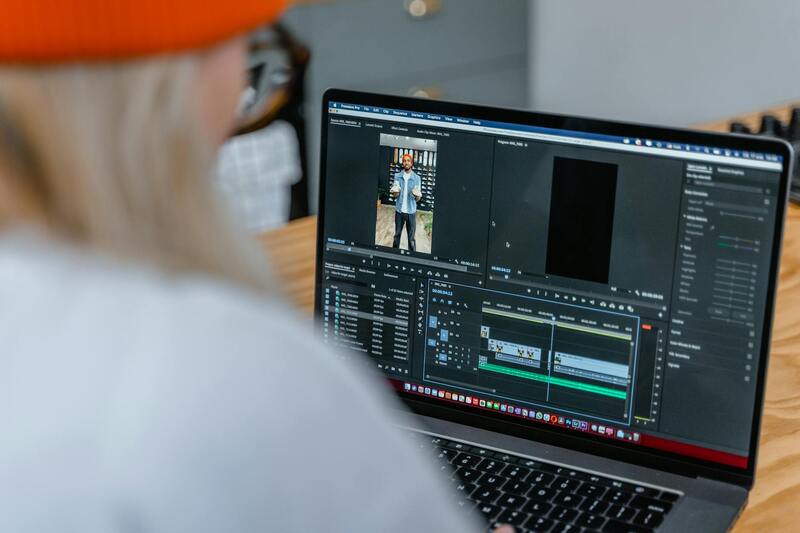
In sum, leveraging professional live video streaming solutions tailored for Miami’s vibrant event scene enhances engagement, increases reach, and provides sophisticated tools necessary for a successful broadcast. Detailed attention to platform features and technical infrastructure guarantees an experience that meets the high standards of modern digital audiences, solidifying your organization’s reputation and expanding your influence in the dynamic Miami event landscape.
Technical Aspects of Live Streaming
Implementing a successful live video stream requires a comprehensive understanding of the technical foundations that ensure flawless delivery. High-quality live streaming hinges on several critical components, including video encoding, bandwidth, content delivery networks (CDNs), and streaming protocols. Selecting a service that optimizes these elements guarantees viewers experience minimal buffering and high-definition clarity regardless of their device or internet connection.
Video encoding plays a pivotal role in balancing quality and bandwidth efficiency. Modern streaming services utilize advanced codecs such as H.264 or H.265, which compress video files to maximize quality while minimizing data consumption. This balance is essential when broadcasting to large audiences in Miami, where diverse network infrastructures exist.
Bandwidth availability directly impacts stream stability, especially during high-traffic events. A reliable live video streaming service proactively manages load distribution through CDNs, which replicate the content across global servers. This distribution reduces latency and prevents congestion, delivering consistent streaming experiences to viewers across Miami and beyond.
Streaming protocols such as RTMP (Real-Time Messaging Protocol) and HLS (HTTP Live Streaming) facilitate the transmission of live video data. RTMP offers low latency, making it suitable for live interactions, while HLS ensures broad compatibility across devices and networks. Offloading content through adaptive bitrate streaming enables the quality to adjust dynamically based on the viewer’s connection, maintaining optimal playback without interruptions.
Further, security mechanisms like encryption and secure access tokens are integral in protecting live streams from unauthorized access. Content encryption during transmission and secure authentication processes defend against unauthorized viewing, ensuring that your Miami event remains exclusive and protected.
Technical readiness also encompasses support for multiple input sources, allowing seamless integration of cameras, microphones, and other production equipment. A platform that supports high-definition video input and offers real-time monitoring capabilities simplifies broadcast management, providing directors and producers with the tools necessary for professional execution.
When selecting a live video stream service, consider compatibility with various encoding hardware and software, scalability to handle fluctuating viewership, and the ability to integrate with other digital marketing tools for a comprehensive broadcasting strategy. This technical robustness guarantees an immersive experience for viewers and enables broadcasters in Miami to operate efficiently during high-profile events.
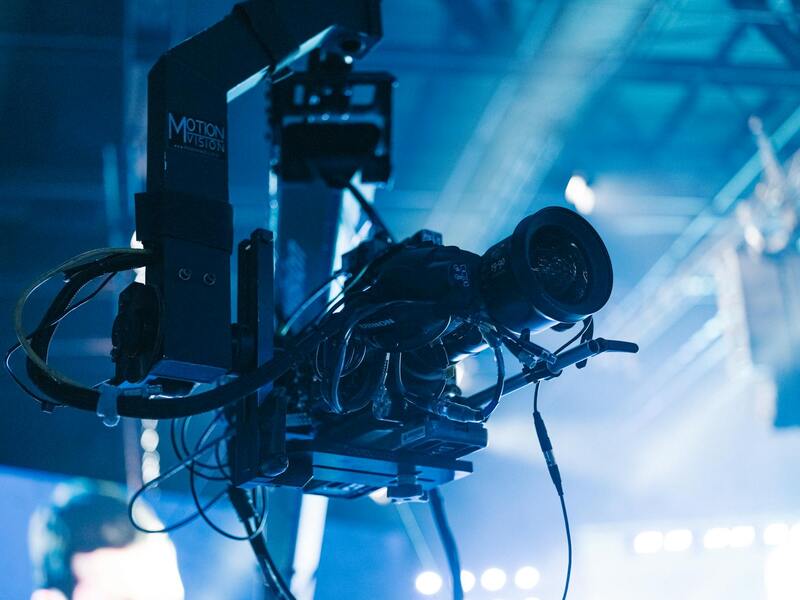
Key Features to Consider When Choosing a Service
When selecting a live video stream service for your event or business in Miami, it is essential to evaluate a comprehensive set of features that ensure both quality and reliability. The right platform should seamlessly handle the technical demands of live broadcasting while providing an intuitive interface for ease of use. Here are pivotal features to focus on:
- Scalability: The service must accommodate fluctuating viewership numbers, especially during high-profile events that can attract large audiences. A scalable infrastructure ensures smooth streaming regardless of peak traffic, preventing disruptions caused by bandwidth limitations.
- Streaming Quality: High-definition (HD), 4K, or even higher resolutions provide viewers with a clear and professional experience. Look for services that support adaptive bitrate streaming, which dynamically adjusts quality based on individual viewer connections, maintaining consistent playback without buffering.
- Low Latency: For interactive sessions, such as live Q&As or real-time polling, minimizing delay is crucial. RTMP-based streaming options are known for their low latency, making real-time engagement more feasible.
- Content Security: Protecting your live broadcast from unauthorized access is vital. Opt for platforms that offer encryption, secure access controls, and token-based authentication to keep your content exclusive to your intended audience.
- Multi-Platform Compatibility: The service should effortlessly integrate with various devices and operating systems, including desktops, smartphones, and tablets. This broad compatibility maximizes your audience reach.
- Content Management Features: Robust administration tools enable scheduling, live editing, and real-time monitoring. Features like chat integration, viewer analytics, and engagement tools enhance audience interaction and provide valuable insights.
- Integration Capabilities: Compatibility with existing digital marketing platforms, social media, and content management systems ensures a cohesive broadcasting approach.
- Technical Support and Reliability: Dedicated technical assistance, including 24/7 support, ensures quick resolution of any issues that arise during a live event. Additionally, a service with a proven uptime track record is crucial for uninterrupted streams.
- Ease of Use and Setup: User-friendly interfaces with straightforward setup options reduce the learning curve, especially for teams without extensive broadcasting experience.
- Cost-Effectiveness: Transparent pricing models that align with your budget without compromising essential features make for a practical choice.

Technical Aspects of Live Streaming
Implementing a robust live video stream service requires careful attention to various technical components to guarantee a seamless viewing experience for your Miami audience. First, dependable bandwidth management is crucial to prevent buffering issues and ensure consistent streaming quality, especially during high-traffic events. A service provider should offer adaptive bitrate streaming, which dynamically adjusts video quality based on viewers' internet speeds, thereby maintaining optimal clarity without interruptions.
Security features are equally vital. Encryption protocols such as Secure Reliable Transport (SRT) or Transport Layer Security (TLS) safeguard your content from unauthorized access or interception during transmission. Token-based authentication mechanisms further restrict access, allowing only verified viewers to join the stream. Such measures help protect proprietary content and preserve your event's exclusivity.
Multi-platform compatibility is essential for reaching audiences on various devices. The solution should support streaming to desktops, smartphones, tablets, and even smart TVs without requiring viewers to install additional software. Responsive Player Design ensures a consistent user experience across these platforms, maximizing your reach.
Content management capabilities play a significant role in streamlining your broadcast operations. Advanced scheduling tools allow for pre-event setup, while real-time editing features enable broadcasters to switch camera feeds, overlay graphics, or insert live annotations seamlessly. Additionally, integrated chat functions foster viewer engagement, and comprehensive analytics provide insights into viewer demographics, peak times, and engagement levels.
Integration with third-party digital marketing tools, social media channels, and content management systems creates a unified broadcasting workflow. This integration facilitates automated sharing, synchronized content updates, and intricate marketing campaigns that boost event visibility.
Technical excellence and support are also fundamental. Access to 24/7 technical assistance ensures swift resolution of any issues, minimizing disruptions to your live event. Reliability metrics, such as uptime percentage and server redundancy, directly influence the success of your stream. Choosing a platform with proven infrastructure and dedicated support teams helps maintain uninterrupted service.
Ease of setup and user interface design significantly impact your team’s ability to launch and operate streams effectively. Platforms offering intuitive dashboards, drag-and-drop content scheduling, and straightforward configuration panels reduce the learning curve, saving time and resources.
Finally, consider the service’s cost structure to ensure it fits within your budget while offering the necessary features. Transparent pricing and scalable plans enable you to expand your streaming capacity as your event needs grow, ensuring your Miami-based events always have a reliable, high-quality platform.

Technical Aspects of Live Streaming
Understanding the technical foundations of live video streaming is essential for ensuring high-quality broadcasts that engage viewers in Miami. The core components involve a combination of hardware, software, and network infrastructure working seamlessly to deliver real-time content without interruption.
One of the critical technical elements is encoding. This process converts raw video and audio signals into compressed digital formats suitable for streaming over the internet. High-performance encoders ensure minimal latency and maximum clarity, which are vital for maintaining professional standards during live events. The choice between hardware encoders and software-based solutions depends on the scale and complexity of the broadcast, but both should provide adaptive bitrate streaming capabilities to accommodate varying internet speeds.
Furthermore, a robust content delivery network (CDN) plays a pivotal role in distributing the stream across different geographic locations within Miami and beyond. The CDN helps reduce lag and buffering by caching content on servers closer to viewers, offering a smooth viewing experience. Optimal server locations and a reliable infrastructure are essential for minimizing downtime during high-traffic events.

On the software side, a user-friendly interface for managing streams, scheduling content, and monitoring system performance is crucial. Advanced platforms offer dashboards that provide real-time analytics, such as viewer count, stream health, and engagement metrics. This data informs continuous improvement during the event and helps optimize future broadcasts.
In addition to hardware and software considerations, a stable and high-bandwidth internet connection is fundamental. Live streaming demands upload speeds typically exceeding 5 Mbps for HD quality, with higher speeds recommended for ultra HD. Redundant internet connections and backup systems ensure the stream remains uninterrupted even if primary connections fail.
Security measures also form a vital part of technical planning. Encryption protocols protect content from unauthorized access, while secure login procedures and access controls restrict stream management to authorized personnel only. Regular system updates and security patches keep the streaming infrastructure resilient against cyber threats.
The integration of these technical elements — from encoding and CDN to user interfaces and network security — creates a reliable framework capable of supporting Miami's dynamic broadcasting needs. Ensuring these components work cohesively results in a seamless viewer experience, reflecting professionalism and technological expertise.
Comprehensive Security and Quality Assurance Measures
Ensuring a successful live video stream extends beyond the initial setup; continuous security and quality oversight are critical throughout the broadcast. Robust encryption protocols safeguard your content against unauthorized interception, guaranteeing that your valuable visuals and data remain confidential. Access controls, including multi-factor authentication and role-based permissions, restrict stream management privileges to trusted personnel, minimizing the risk of breaches or accidental disruptions.
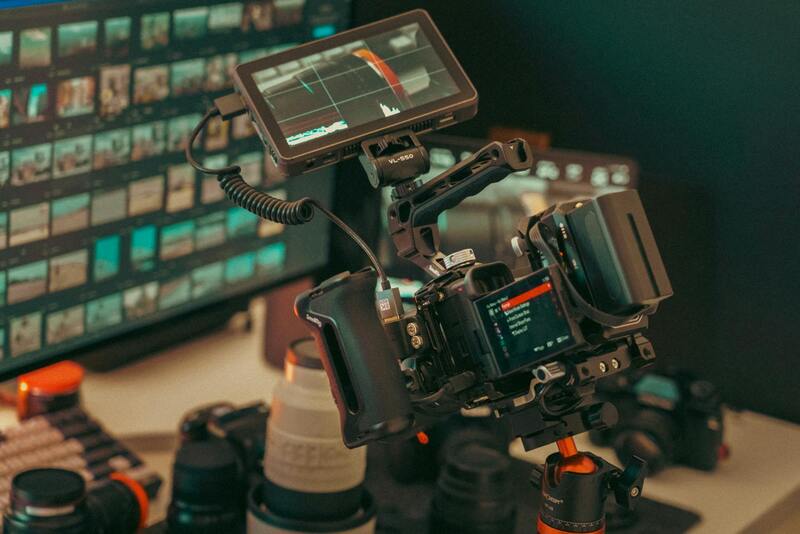
Monitoring tools play a vital role in maintaining stream integrity. Real-time analytics enable operators to track viewer engagement, stream stability, and bandwidth usage, allowing for immediate troubleshooting when issues arise. Additionally, implementing redundant streaming paths—such as backup encoders and secondary internet connections—ensures uninterrupted transmission even if primary systems encounter failures. These redundancies are crucial for large-scale events or critical business presentations where a seamless experience is non-negotiable.
Optimizing Viewer Engagement and Accessibility
High-quality live streams are designed not only for flawless delivery but also for maximized viewer interaction and accessibility. Adaptive streaming technologies automatically adjust video quality based on the viewer’s device and internet bandwidth, reducing buffering and enhancing the overall experience. Support for multiple devices—including smartphones, tablets, desktops, and smart TVs—broadens your reach across various audience segments.
Integrating interactive features such as live chat, polls, Q&A sessions, and real-time reactions fosters engagement and creates a participatory environment. These tools can be embedded seamlessly within your streaming platform, encouraging audience involvement and boosting event impact. Moreover, providing multilingual options and closed captions enhances inclusivity, ensuring your content is accessible to diverse viewers regardless of language barriers or hearing impairments.

Measuring Success with Post-Event Analytics
Post-broadcast analysis is essential to evaluate the performance of your live stream and guide future events. Advanced analytics dashboards compile data on viewer demographics, peak viewership times, engagement metrics, and technical performance indicators. Understanding which segments resonated most with viewers or identifying periods of technical instability helps fine-tune content strategies and technical configurations.
Regularly reviewing these insights allows production teams and stakeholders to make informed decisions, optimize marketing efforts, and enhance user experiences. As live streaming increasingly integrates with social media and other digital channels, tracking cross-platform engagement becomes vital for comprehensive performance assessment.
Partnering with Local Expertise in Miami
For entities seeking the most reliable and tailored live video streaming solutions in Miami, working with a local provider offers distinct advantages. Local partners possess a nuanced understanding of Miami’s network infrastructure, regional audience preferences, and event-specific requirements. They can offer customized solutions, on-site support, and rapid troubleshooting, which collectively contribute to a seamless streaming experience.
Engaging with a seasoned Miami-based live video stream service ensures that technical and logistical aspects are managed professionally, allowing clients to focus on content delivery and audience interaction. Such partnerships often result in more flexible scheduling, scalable solutions, and adherence to regional regulations, providing peace of mind and ensuring your event's success.