
On-Site Production and Crew Management
Effective management of on-site production teams is crucial for delivering high-quality live event video coverage. This includes assembling a skilled crew that can handle various technical demands and seamlessly coordinate during the event. Key roles typically involve camera operators who capture the event from multiple angles, directors who oversee the entire production flow, and technical staff responsible for audio, lighting, and broadcast equipment. Ensuring clear communication among these team members is essential for smooth operation.
A professional crew must be well-versed in live production protocols, capable of adapting quickly to changing event dynamics. Pre-coverage briefings are vital to align the team’s objectives, establish shot lists, and clarify roles. During the event, a dedicated director manages camera feeds, switches visuals, and addresses any technical issues that arise. Technical staff continuously monitor audio levels, signal quality, and streaming stability to prevent disruptions.
Efficient coordination includes the use of real-time communication tools such as headsets and intercom systems, allowing team members to relay updates instantly. Safety protocols are also integral, ensuring that equipment setup and operation adhere to safety standards, especially in complex or large-scale events. Proper planning and experience in on-site management reduce downtime, enhance visual storytelling, and guarantee that live coverage meets the event’s objectives.
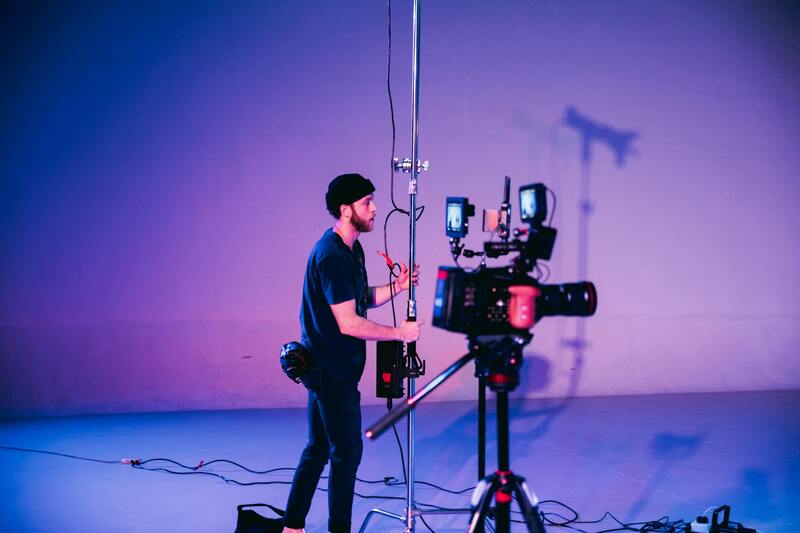
On-Site Production and Crew Management
Effective on-site production and crew management are critical components of successful live event video coverage. Meticulous planning ensures that each element, from camera placement to audio setup, aligns with the event’s objectives and technical requirements. Pre-event rehearsals and equipment checks help identify potential issues before the live coverage begins, minimizing disruptions during the event. A well-coordinated team works seamlessly to capture the essence of the event, from keynote speeches to audience interactions, providing a comprehensive viewing experience.
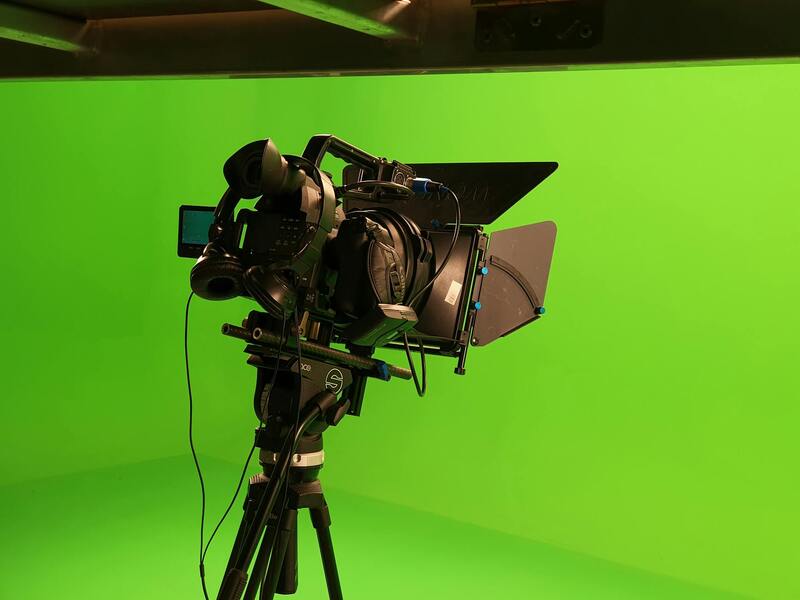
During the event, a designated director oversees multiple camera feeds, making real-time decisions about shot selection, camera angles, and visual transitions. This role is vital for maintaining a cohesive narrative and ensuring that key moments are highlighted effectively. Continuous technical monitoring by sound engineers and signal managers safeguards the quality and stability of audio and video streams, preventing delays, pixelation, or audio dropouts.
Communication is facilitated through advanced headsets and intercom systems, allowing team members across various roles to coordinate seamlessly. This real-time communication enables quick responses to unforeseen circumstances, such as equipment failures or changing event schedules. Safety protocols are also prioritized, with team members trained to handle equipment safely and adhere to on-site safety standards, especially in large or complex event environments.
Flexibility remains essential throughout the event. Backup cameras, additional wireless microphones, and redundant streaming setups are prepared to ensure continuous coverage if primary equipment encounters issues. The crew’s expertise, combined with thorough preparation, ensures that the live broadcast proceeds smoothly, capturing all critical moments without interruption. Moreover, a client-focused approach encourages the team to deliver visuals aligned with the event’s aesthetic and narrative goals, enhancing overall viewer engagement.
Investing in ongoing professional development for on-site personnel is crucial. Training sessions on the latest broadcasting technologies, safety practices, and production workflows ensure that the team stays current with industry standards. This knowledge translates into higher-quality coverage, greater reliability, and more innovative filming techniques that elevate the event’s video presentation.
On-Site Production and Crew Management
Executing high-quality live event video coverage requires meticulous on-site management and a dedicated crew proficient in real-time broadcasting. The core team typically includes camera operators, technical directors, sound engineers, and production coordinators. Each member plays a pivotal role in ensuring seamless coverage, from capturing the event to managing live feeds and troubleshooting technical issues.
Effective crew management begins with detailed pre-event planning. Crew members are briefed about the event schedule, key moments to capture, and specific visual or audio requirements. This preparation ensures that everyone is aligned and ready to respond swiftly to evolving event dynamics. Assigning roles clearly reduces overlaps and maximizes efficiency during the live broadcast.
Site setup involves strategic placement of multiple cameras to cover different angles and scenes. Wireless cameras are often employed to provide dynamic movement and access to hard-to-reach areas, enhancing the viewer experience. Sound technicians set up ambient microphones, directional mics, and wireless audio units to capture crisp audio from speakers, performers, and the audience.
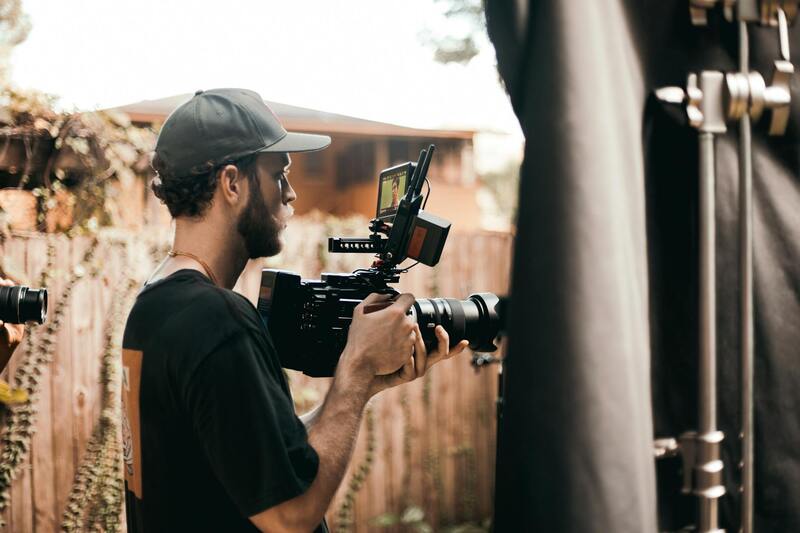
During the event, the production team operates with precision and agility. The director manages live feeds, switching between camera angles, and ensuring the visuals align with the event's tempo and significance. They coordinate closely with technical staff to troubleshoot potential issues swiftly, minimizing disruptions to the broadcast. Communication tools like intercom headsets facilitate instant feedback across the crew, enabling rapid adjustments as needed.
Redundancy and backup measures form an integral part of crew management. Secondary cameras and additional audio feeds are prepared to step in if primary equipment fails. Backup power sources and portable storage devices safeguard against data loss, ensuring that all footage is preserved and available for post-event use.
Safety remains paramount in all operations. Crew members are trained to handle equipment safely, particularly in large-scale venues with complex setups. Wearable safety gear and adherence to on-site safety protocols minimize risks, allowing the crew to focus on delivering uninterrupted coverage.
Continuous professional development for the crew enhances their expertise in the latest broadcasting technologies and safety standards. Regular training sessions and drills reinforce best practices, improve technical skills, and foster a proactive approach to problem-solving during live events. This commitment to ongoing education translates into superior coverage quality and reliability, directly impacting the event’s broadcast success.
- Pre-Event Planning and Briefings
- Strategic Camera Placement and Movement
- Audio Setup and Management
- Communication and Coordination Tools
- Backup Equipment and Redundancy Planning
- Safety Training and Protocols
- Continuous Staff Education and Skills Upgrades
Investing in robust crew management and technical training ensures that live event video coverage proceeds smoothly from start to finish. It enables capturing all critical moments professionally while adapting dynamically to unforeseen circumstances, ultimately providing viewers with a compelling and immersive experience.
On-Site Production and Crew Management
Effective live event video coverage hinges on meticulous on-site production planning and the adept management of technical crews. This involves orchestrating a team of skilled professionals, including camera operators, audio engineers, technical directors, and support staff, all working in harmony to capture the event seamlessly. Proper team coordination ensures that each aspect of the event—from live broadcasting to auxiliary recordings—is executed flawlessly, providing a professional viewing experience.
Crucial to this process is the deployment of a comprehensive production plan that details specific roles, camera angles, audio configurations, and communication protocols. This plan guides the crew’s activities, reducing the risk of missed moments or technical mishaps. Clear communication channels, such as headsets and field communication devices, enable real-time coordination and rapid response to any unforeseen issues that may arise during the event.
Safety is a priority in all production activities. Crew members are trained in safety procedures specific to different venue types and equipment handling. Proper safety gear, such as harnesses, helmets, and fire-retardant clothing, are standard to protect personnel and equipment. Additionally, safety protocols include clear signage, secure cabling, and access control measures to prevent accidents.
Equipment setup and management involve strategic placement of cameras to maximize coverage while maintaining unobstructed views. Adjusting camera angles dynamically allows for capturing key moments from multiple perspectives. In complex environments, such as large auditoriums or outdoor venues, mobile camera units and remote-operated cameras enhance the coverage scope. Ensuring all equipment functions correctly before the event starts is part of pre-event testing, which prevents operational delays.
On-Site Production and Crew Management
Effective live event video coverage hinges on meticulous on-site production planning coupled with the proficient management of crew members. A well-coordinated team ensures seamless execution from setup to broadcast, maintaining a professional presentation that aligns with the event’s objectives.
Key elements of on-site production include strategic staging, optimal camera placement, sound management, and real-time technical support. Each element demands precision to capture the event's essence while adapting to dynamic on-site conditions. Crew members—such as camera operators, sound engineers, technical directors, and stage managers—must collaborate efficiently to execute their respective responsibilities.
Pre-event briefings are crucial, making sure every team member understands the event flow, specific shot requirements, and contingency plans. This also involves verifying all equipment is functioning optimally—cameras are calibrated, audio levels are balanced, and transmission links are secure. During the event, real-time problem-solving and adaptive decision-making are vital to uphold broadcast quality.
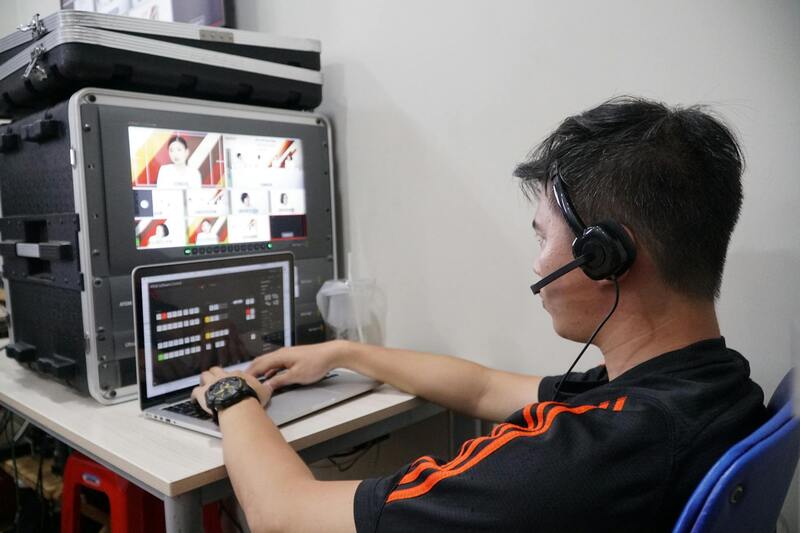
Communication systems like wired headsets, intercoms, and digital signaling platforms facilitate clear, instant communication among crew members. This coordination is essential for adjusting camera angles, switching feeds, and troubleshooting issues promptly, ensuring a smooth broadcast experience.
Redundancy measures, such as having backup cameras, power supplies, and data storage, are integral. These safeguards prevent disruptions caused by equipment failure, enabling the crew to swiftly switch to contingency resources without interrupting the live flow. Consistent monitoring of audio and video signals throughout the event allows for immediate correction of any issues, minimizing viewer impact.
Technical staff also oversee audience safety protocols, ensuring all set-up and operational procedures adhere to relevant safety standards. Continuous training and skill enhancement for the crew bolster their ability to handle unforeseen complications, leading to a more resilient and proficient production team.
Ultimately, expert on-site production and crew management are the backbone of dynamic live event coverage. They not only capture the event’s moments with clarity and professionalism but also elevate the viewer’s experience through seamless visual storytelling and high-quality broadcast delivery.
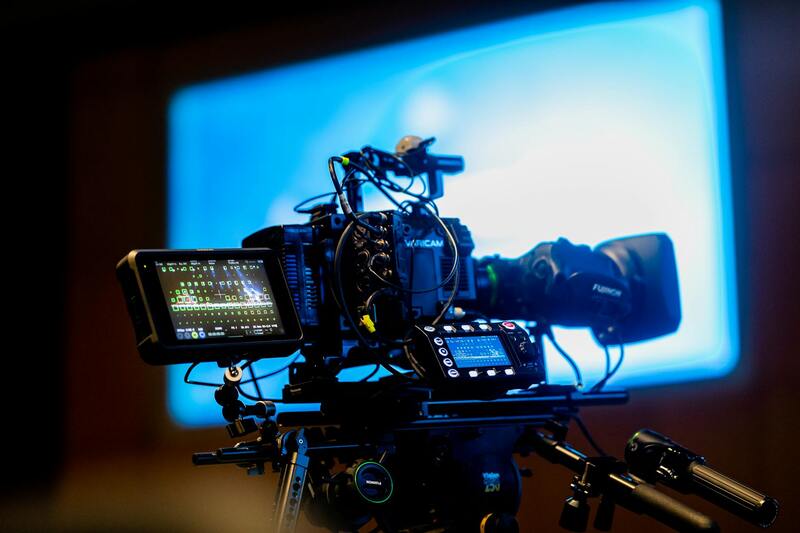
Equipment and Technology Used in Live Event Coverage
Implementing the highest quality live event video coverage relies heavily on the sophisticated equipment and cutting-edge technology available to professional production teams. From high-definition cameras to advanced signal transmission systems, each component plays a vital role in capturing, transmitting, and broadcasting live footage seamlessly.
Visual clarity begins with professional-grade cameras capable of handling diverse lighting conditions and quick movements typically encountered in live settings. In addition to standard broadcast cameras, remote-controlled cameras with pan, tilt, and zoom functionalities are often employed to provide versatile coverage of large venues or multiple angles without disrupting the event flow. These cameras are mounted on dollies or cranes to achieve dynamic shots and sweeping views, enriching the visual storytelling aspect of the coverage.
Sound quality is equally critical. Reliable microphones, wireless and wired, ensure clear audio capture from speeches, performances, or audience interactions. Sound mixers and digital signal processing units are used to balance audio levels and eliminate interference, resulting in professional-grade audio output synchronized perfectly with video feeds.
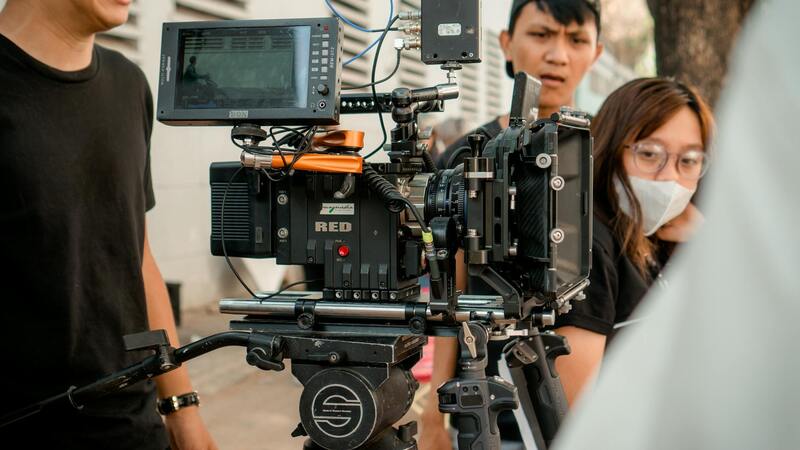
The backbone of successful live broadcasts is robust signal transmission technology. Fiber-optic cables are frequently used for their high bandwidth and minimal latency, facilitating the transmission of multiple high-definition video streams from venue to broadcasting stations. For remote locations or larger venues, wireless transmission solutions such as microwave transmitters or 4G/5G cellular bonding units provide flexible alternatives, maintaining signal integrity without extensive cabling infrastructure.
Video switchers, also known as production switchers, are sophisticated control panels that enable real-time switching between camera feeds, overlays, and graphics. These devices allow operators to generate a polished and engaging live presentation, integrating different visual elements smoothly.
Engaging graphics and overlays, which include lower thirds, event branding, or real-time data, are created using specialized software. These enhance the viewer experience while providing context and additional information during the broadcast.
Storage solutions, such as high-capacity RAID systems, enable immediate recording of all feeds for post-event editing, archival, or distribution. Redundant power supplies and backup generators ensure uninterrupted operation during the event, safeguarding against power outages or technical faults.
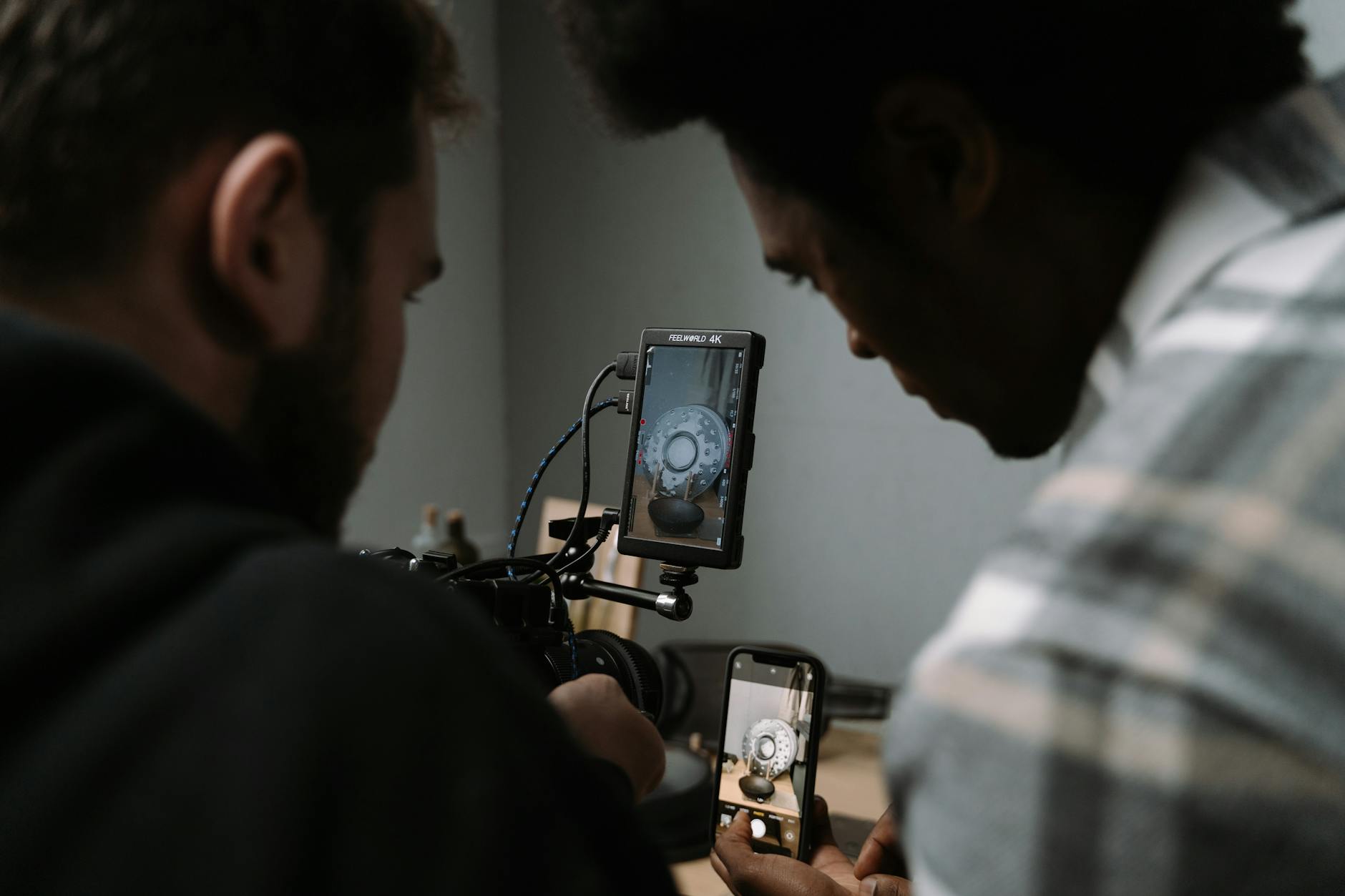
Overall, the synergy of premium equipment and innovative technological solutions empowers production crews to deliver professional, high-quality live event coverage. These tools, combined with skilled operators, form the foundation for capturing compelling visual stories in real time, enabling clients to reach broader audiences and elevate their event’s impact.
On-Site Production and Crew Management
Executing high-quality live event video coverage relies heavily on meticulous on-site production planning and efficient crew management. A typical crew composition includes camera operators, technical directors, audio specialists, and production assistants, each playing a vital role in ensuring a seamless broadcast. Effective communication between team members before and during the event is crucial to adapt to unforeseen circumstances and technical challenges.
Pre-event site surveys enable production teams to assess venue acoustics, lighting conditions, and camera positions, facilitating optimal setup. Establishing clear signal flow pathways, power sources, and data connectivity ensures that all equipment functions correctly throughout the event. Crew members should be well-versed in safety protocols, equipment handling, and real-time problem-solving to maintain smooth operations.
Equipping the team with portable, durable equipment allows flexibility in capturing dynamic event scenes. For example, wireless microphone systems and mobile camera units can adapt to various venue layouts and movement. A dedicated on-site director oversees operations, coordinating camera angles, broadcast flow, and talent cues, ensuring visual consistency and storytelling coherence.
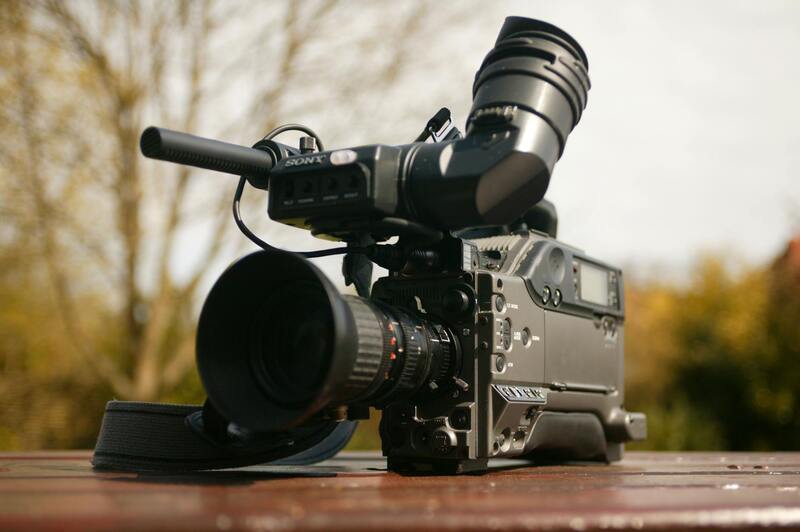
Integration of backup systems, such as redundant feeds, portable generators, and spare equipment, minimizes the risk of technical failures. Training staff on new technologies and protocols enhances responsiveness and maintains high production standards. The result is a polished telecast that captures every critical moment accurately, providing a professional viewing experience for audiences both onsite and remote.
Coordination with Event Staff and Stakeholders
- Clear communication channels between the production team and event organizers ensure synchronization of schedules and key moments.
- Designating point persons facilitates swift decision-making and troubleshooting during the broadcast.
- Regular updates and rehearsals before the main event help align expectations and technical setups, reducing errors during live coverage.
Ultimately, skilled crew management and thorough on-site planning underpin the success of live event video coverage, enabling flawless execution that elevates the event’s overall impact and promotes greater engagement.
Understanding Live Event Video Coverage
Live event video coverage encompasses the comprehensive process of capturing, transmitting, and presenting event footage in real time. It involves various technical components and strategic planning to ensure audience engagement and content quality. This coverage allows clients to reach a broader demographic, increase event visibility, and create lasting visual archives.
The essence of live event coverage lies in its immediacy; capturing fleeting moments, reactions, and interactions with clarity and professionalism. This requires a combination of high-definition cameras, real-time switching systems, and reliable transmission infrastructure to deliver a polished viewing experience regardless of the venue's size or complexity.
Furthermore, effective live coverage can enhance branding, facilitate audience interaction, and provide valuable documentation for post-event marketing and analysis. A well-executed live stream sustains viewer interest, promotes wider participation, and delivers a sense of exclusivity and immediacy that on-demand content cannot always replicate.
Core Components of Live Event Video Coverage
- Pre-Production Planning: Understanding client goals, audience targeting, and technical requirements.
- On-Site Setup: Equipment installation, testing, and crew coordination.
- Live Streaming: Signal transmission to viewers via dedicated platforms or distribution channels.
- Monitoring and Quality Control: Real-time video and audio checks to address issues promptly.
- Post-Event Wrap-Up: Data management, content archiving, and analyzing viewership metrics.
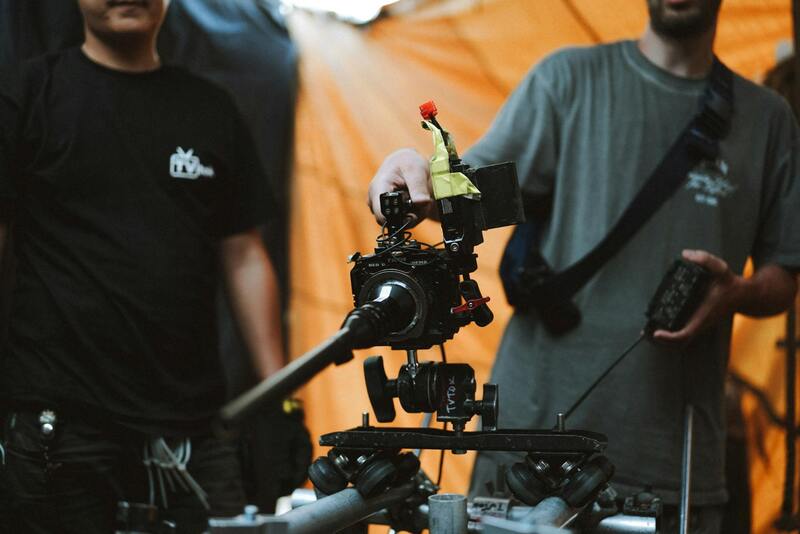
Advanced technology and expert operators ensure that each component functions harmoniously, resulting in seamless live coverage that captures every vital aspect of the event.
Equipment and Technology Used in Live Event Coverage
Implementing high-quality live event video coverage relies heavily on state-of-the-art hardware and sophisticated software solutions. The selection of equipment is tailored to match the specific demands of each event, ensuring optimal clarity, stability, and real-time responsiveness. Central to this setup are professional-grade cameras, including broadcast-grade HD and 4K models, capable of capturing every detail with precision. These cameras are mounted on stabilized rigs or tripods and often operated by skilled camera operators who can adapt to dynamic event scenes.
Switching equipment, such as video switchers, allows for seamless transitions between multiple camera feeds, providing a dynamic viewing experience. Encoders and streaming engines then convert the raw footage into digital signals suitable for broadcast or web streaming, maintaining high integrity and minimal latency. Reliable broadcast servers and distribution platforms are integrated to manage signal flow and ensure continuous transmission without interruptions.
Additionally, audio capture devices, including wireless microphones and mixing consoles, are vital for delivering clear sound, capturing live reactions, and enhancing overall production quality. Video analytics tools and monitoring systems are used during broadcasts to oversee stream stability, video quality, and synchronization, enabling technical teams to address issues instantly. This combination of hardware and software creates a resilient infrastructure designed to uphold the integrity of live coverage from start to finish.
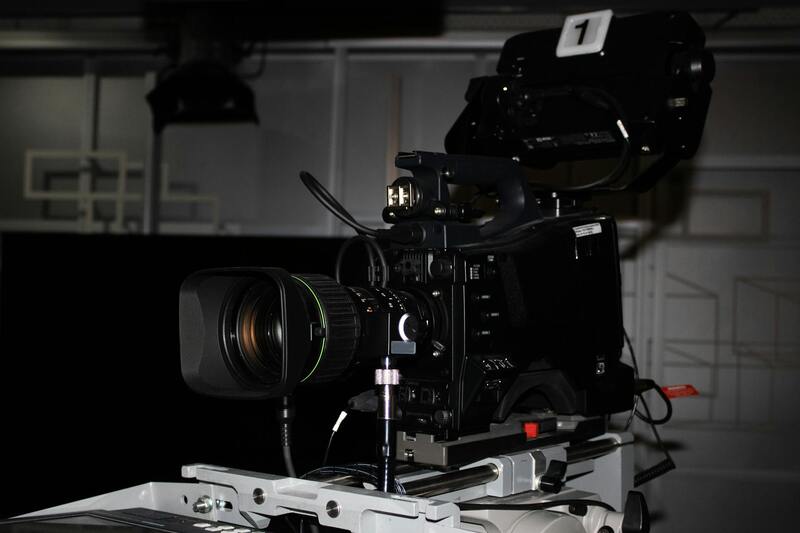
Embedding multiple SDI and HDMI outputs from cameras to control stations affords the flexibility to adjust camera angles and focus in real-time. Network infrastructure, such as high-speed internet connections and dedicated fiber optics, ensure the transmission pipeline is robust enough to handle high data throughput, reducing buffering and lag. The integration of cloud-based solutions also allows for remote access, live editing, and multi-platform distribution, broadening the event's reach and improving engagement with viewers across different locations.
On-Site Production and Crew Management
Efficient on-site production is crucial for delivering seamless live event coverage. This involves careful management of a skilled crew, including camera operators, directors, audio engineers, and technical support staff. Proper coordination among team members ensures that each aspect of the broadcast operates smoothly, from camera angles to audio levels. Pre-event briefings help align the team on the specific requirements and flow of the event, minimizing the risk of miscommunication during live coverage.
Equipment setup is meticulously planned to accommodate the venue's layout and technical demands. This includes positioning multiple cameras for comprehensive coverage, setting up audio capture devices to ensure clear sound, and testing live feeds to identify potential issues prior to the event start. Managing power supplies, backup systems, and connectivity is also vital to prevent interruptions during critical moments. Having a detailed crew schedule and roles assignment facilitates a well-orchestrated production, ensuring each team member's responsibilities are clear and well-practiced.
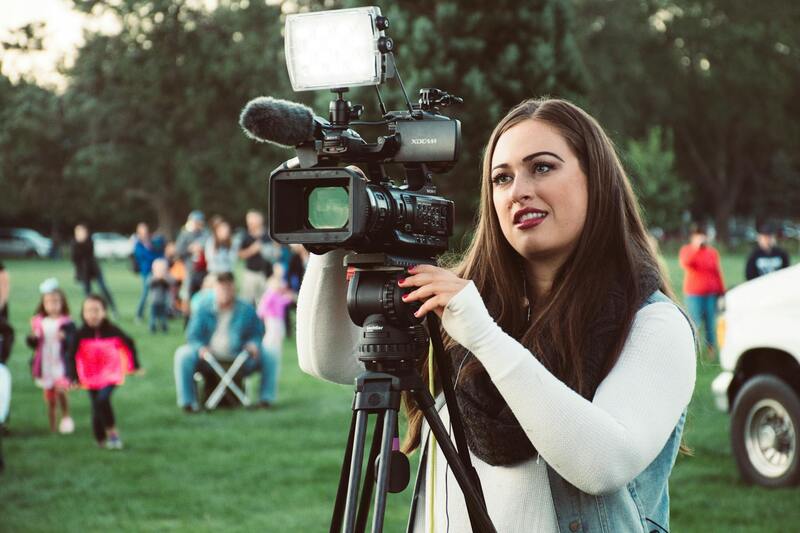
Effective crew management extends to real-time problem-solving and flexibility. The ability to quickly adapt to changing conditions, such as technical glitches or unexpected venue constraints, is essential for maintaining broadcast quality. Using advanced communication tools, like intercom systems, enhances coordination among team members. Ultimately, a well-managed crew working with high-quality equipment lays the foundation for delivering a captivating and uninterrupted live event experience.
Understanding Live Event Video Coverage
Live event video coverage refers to the process of capturing, producing, and broadcasting a live event to a remote audience through advanced video and audio technologies. The goal is to recreate the event experience as authentically as possible while ensuring high visual and audio fidelity. This involves a combination of multiple camera angles, professional audio capture, and robust streaming infrastructure, allowing viewers to engage with the event in real-time from virtually anywhere.
Behind the scenes, extensive planning and technical expertise are employed to ensure smooth execution. From engaging camera shots to dynamic switching and real-time audio mixing, every element plays a vital role. Precise timing and synchronization are critical to maintain the flow of content, especially when multiple feeds are integrated into a single broadcast. Skilled operators continuously monitor the live feed for quality assurance and make adjustments as needed.
Types of Live Event Video Services
- Basic Streaming: Covering simple events with a single camera feed streamed to online platforms.
- Multi-Camera Productions: Utilizing multiple cameras for varied angles and a more professional look, often including switching and titling.
- Hybrid Broadcasts: Combining live streaming with traditional broadcast methods, such as cable or satellite feeds.
- On-Demand Content Creation: Recording live events for later viewing, offering highlight reels or full event playback.
- Interactive Live Streams: Incorporating audience interaction through live chat, polls, or social media elements to enhance engagement.
Streaming Platforms and Distribution
Choosing the right distribution channels is vital for maximizing the reach of live event coverage. Popular streaming platforms provide robust infrastructure for content delivery, ensuring stability and scalability. These include mainstream services dedicated to live broadcasting, as well as custom solutions tailored to specific event needs.
Online streaming platforms offer various features such as adaptive streaming, embedded players, and integrated analytics. They enable broadcasters to reach audiences across desktops, tablets, and smartphones. Distributing content through multiple platforms can significantly increase an event’s visibility and engagement, reaching diverse demographic groups.
Distribution strategies often involve simultaneous streaming on social media channels, dedicated event websites, or proprietary apps. This multi-platform approach allows organizers to track viewership metrics, gather audience data, and refine future content efforts. The choice of platform and distribution method should align with the event’s goals, target audience, and technical requirements.
Post-Event Video Services
After the event concludes, the focus shifts to maximizing content value through post-production services. This includes editing raw footage to create highlight reels, comprehensive event recordings, and promotional video segments. These assets are crucial for extending the event’s lifespan, sharing with attendees, and reaching wider audiences through digital marketing channels.
Repurposing content involves adding branding elements, captions, and supplementary footage that enhance viewer engagement. Additionally, creating behind-the-scenes videos or interviews can boost post-event marketing efforts. Hosting recordings on accessible platforms allows attendees and interested viewers to revisit key moments, fostering ongoing engagement and brand recognition.
Choosing a Miami Production Agency for Live Coverage
Selecting an experienced agency in Miami ensures access to cutting-edge technology and crew expertise. A reputable agency offers tailored solutions that suit the event's scope, size, and audience engagement goals. They provide comprehensive services, including pre-event planning, on-site production, streaming, and post-event editing, streamlining the entire process.
Evaluating an agency’s portfolio and client testimonials demonstrates their capability to handle complex live coverage. Their familiarity with local venues, technical infrastructure, and regulatory considerations can significantly influence the success of an event. A partnership with a Miami-based agency guarantees responsiveness and local support, critical factors in executing flawless live broadcasts.
Benefits of Professional Live Event Video Coverage
Professional live coverage elevates the overall quality and perception of an event, attracting increased viewership and engagement. High-quality visuals and audio create a compelling experience that can extend beyond the physical venue. This form of coverage adds value by enabling real-time interactions, expanding the audience reach and fostering brand exposure.
Furthermore, professional production services provide reliability, minimizing technical issues during the broadcast. This ensures that key moments are captured and shared without disruptions, enhancing the credibility of the event organizers. The ability to archive content and produce promotional material post-event offers lasting benefits that support marketing and outreach objectives.
Execution: Streaming and Recording During the Event
Effective execution during a live event hinges on the seamless integration of streaming and recording technologies that capture every critical moment with precision. During the event, a dedicated technical team manages multiple cameras, audio feeds, and streaming equipment to ensure uninterrupted broadcast quality. This involves real-time monitoring of video and audio signals, troubleshooting connectivity issues, and making on-the-fly adjustments to maintain high standards of production.
Utilizing advanced hardware such as switchers, encoders, and audio mixers allows for dynamic transitions and superior sound clarity, enhancing the viewing experience. Multiple camera angles can be coordinated to provide varied perspectives, highlighting key speakers, performers, or audience reactions. Simultaneously, top-tier recording devices capture high-definition footage, preserving the event in its entirety for post-event uses.
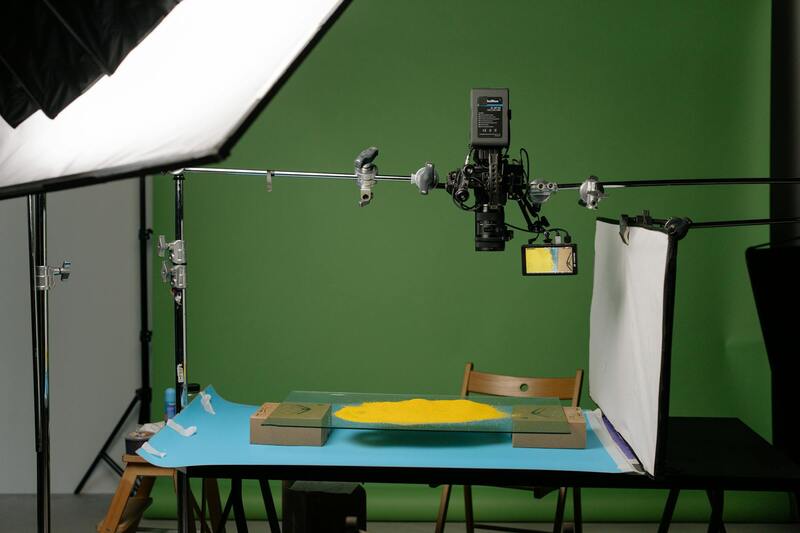
During the live coverage, a well-trained crew closely monitors the production workflow. The technical director, camera operators, audio engineers, and streaming specialists work in tandem to respond swiftly to any unforeseen issues, such as audio feedback, latency problems, or visual disruptions. Their collaboration guarantees a professional output that aligns with client expectations and audience engagement goals.
Employing redundant systems ensures backup in case of equipment failure or connectivity challenges. This proactive approach minimizes risks and maintains the broadcast's integrity. Additionally, integrating interactive features like live chat, social media feeds, or real-time polls can foster viewer participation, creating a more dynamic event experience.
In the context of live event coverage in Miami, understanding the unique logistical and environmental considerations is crucial. Urban venues may impose specific technical restrictions and require permits, which professional production teams are well-versed in managing. Their familiarity with local venues accelerates setup times and ensures compliance with regional regulations, contributing to a smoother execution.
Another vital component involves the coordination of media assets for instant distribution. This includes live streaming to multiple platforms simultaneously—such as social media channels, corporate websites, or dedicated event portals—broadening the reach and maximizing exposure. Post-event, the recorded footage is meticulously archived for future use, whether for promotional content, internal review, or archival purposes.
Optimizing the infrastructure for live streaming also involves ensuring sufficient bandwidth and network security. In a bustling city like Miami, interference or bandwidth saturation can impact broadcast quality. Therefore, professional service providers conduct thorough site surveys and implement dedicated connections, such as fiber optics or dedicated LTE/5G networks, to guarantee stable and high-speed data transfer.
On-Site Production and Crew Management
Effective on-site production is fundamental to capturing high-quality live event video coverage in Miami. This component involves meticulous coordination among a skilled crew that includes camera operators, technical directors, sound engineers, lighting technicians, and production assistants. Each member plays a crucial role in ensuring seamless visual and audio capture, adaptive to the dynamic environment of live events.
Pre-event planning includes detailed site assessments to identify optimal camera placements, power source requirements, and signal transmission pathways. Crew members must be acquainted with the specific venue layout and local regulations, which often involves coordinating with venue management and securing necessary permits. The physical infrastructure setup is orchestrated to optimize sightlines, minimize obstructions, and ensure safety standards are met.
During the event, real-time communication among the crew is critical. This typically involves wireless intercom systems and event-specific communication protocols that facilitate quick decisions and adjustments. The management of multiple camera feeds, ensuring synchronized audio and video, and troubleshooting technical issues on the fly demand experienced professionals familiar with Miami’s diverse venues and environmental conditions.
Additionally, managing secondary media assets, such as multiple camera angles, drone footage, and on-the-spot graphics, requires a cohesive team with clearly defined roles. This ensures dynamic coverage that adapts to the flow of the event, capturing key moments with precision and clarity. The operational efficiency of the crew directly influences the overall quality and believability of the live stream, vital factors for engaging viewers and conveying the event’s energy authentically.
Understanding Live Event Video Coverage
Live event video coverage entails more than just real-time broadcasting; it is an integrated process that combines capturing, transmitting, and presenting event content to a broad audience. It involves strategic planning to optimize video and audio quality, establishing reliable transmission channels, and creating engaging visual narratives that highlight the event’s most compelling aspects. A professional approach ensures that each element—from camera angles to audio mixing—is synchronized for a polished and professional broadcast.
This process begins with comprehensive pre-visualization, where the production team collaborates with event stakeholders to determine the key moments, preferred camera shots, and content flow. During the event, the team continuously monitors and adjusts technical parameters to accommodate changing lighting conditions, crowd movement, and other environmental factors inherent to Miami’s vibrant venues.
Types of Live Event Video Services
- Multi-camera broadcasting with synchronized live switching
- Single-camera streaming for smaller or more intimate events
- Drone footage and aerial shots for dynamic visual coverage
- Simultaneous multi-platform streaming (social media, websites, dedicated apps)
- On-demand playback and highlight reels for post-event sharing
These services can be tailored to match event goals, audience size, and technical requirements, ensuring a comprehensive coverage approach that maximizes impact and viewer engagement across Miami’s diverse event landscape.
Stream Platforms and Distribution
Selection of the right streaming platforms is crucial to maximize audience reach and engagement. Professional providers utilize secure, scalable streaming solutions ensuring high-definition quality across multiple channels concurrently. Popular distribution channels include social media platforms, corporate websites, dedicated event portals, and industry-specific streaming services.
For Miami’s bustling event scene, deploying multi-platform streaming allows immediate dissemination of content to different audience segments, from local attendees to international viewers. Advanced encoding technology ensures optimal video quality, regardless of device or network conditions. Moreover, real-time analytics enable continuous monitoring of viewer engagement and stream performance, allowing rapid adjustments to maintain a seamless viewing experience.
Post-Event Content and Repurposing
Post-event, the recorded footage becomes a vital resource for promotional activities, internal review, and archival purposes. Professional editing teams craft highlights, interviews, and behind-the-scenes content that exemplify the event's success and audience reception. This content can be leveraged across multiple platforms, extending the event’s lifespan and maximizing its visibility.
Repurposing live footage into shorter clips, social media snippets, or promotional videos enhances brand awareness and provides ongoing engagement opportunities. Additionally, comprehensive archives of event footage serve as valuable assets for future marketing campaigns, sponsorship reports, and historical documentation within Miami’s vibrant event scene.
On-Site Production and Crew Management
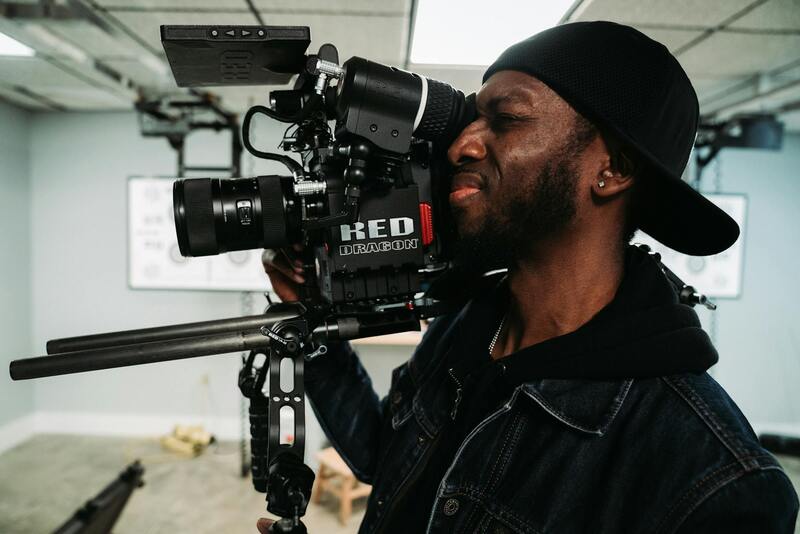
Effective on-site production begins with meticulous planning and coordination among specialized crew members. A professional live event video coverage team typically includes a director, camera operators, technical directors, audio engineers, lighting technicians, and production assistants. Each member plays a crucial role in ensuring that every visual and auditory element aligns seamlessly to produce a polished broadcast. Proper crew management involves assigning specific responsibilities ahead of the event, conducting pre-event briefings, and establishing clear communication channels. This approach minimizes the risk of technical issues and ensures a smooth operational flow during key moments of the event.
Equipment setup is a fundamental aspect of on-site preparation. This includes deploying multiple high-definition cameras, robotic cameras for dynamic shots, portable audio systems, and synchronized lighting setups. The production team conducts comprehensive checks before the event begins, verifying camera angles, audio levels, and streaming hardware functionalities. Robust on-site connectivity solutions, such as dedicated internet lines or bonded cellular devices, are utilized to facilitate uninterrupted live streaming. The efficiency and expertise of the crew directly influence the overall quality and professionalism of the live event coverage, creating a compelling viewing experience for remote audiences.
Understanding Live Event Video Coverage
Live event video coverage encompasses the real-time broadcasting of an event to an online or offline audience. It involves capturing multiple visual angles, managing audio transmission, and transmitting the content through various streaming platforms. The core goal is to replicate the experience of physically attending the event, regardless of the viewer’s location. To achieve this, professionals utilize multi-camera setups, real-time editing tools, and advanced encoding systems that ensure high-quality delivery across different devices and internet connections. The process requires precise coordination among the crew to adapt to dynamic event elements and ensure a seamless flow of content.
Types of Live Event Video Services
- Basic Streaming: Live broadcast of speeches, panel discussions, or performances with minimal editing.
- Multi-Camera Production: Utilizing multiple cameras for dynamic shots, including audience reactions and close-ups.
- Hybrid Live and On-Demand: Streaming during the event with post-event access to recordings.
- Interactive Live Streaming: Incorporating live polls, chat, and Q&A features to engage viewers.
- 360-Degree Video and VR: Offering immersive experiences for tech-savvy audiences.
Streaming Platforms and Distribution
Choosing the right platforms is essential for maximizing reach and engagement. Major streaming channels include major social media sites like Facebook, YouTube, and Instagram, which offer broad audience access and powerful analytics. Dedicated event platforms or corporate websites can also host live feeds, often integrated with registration systems for targeted distribution. For high-profile or niche events, industry-specific streaming services provide tailored solutions with enhanced security and customization options. Simultaneous multi-platform streaming ensures comprehensive coverage, allowing content to reach diverse demographics across regions. Advanced encoding and adaptive bitrate technology guarantee optimal viewing experiences, regardless of viewer device or network quality. Real-time analytics further enable event organizers to monitor viewer engagement, detect technical issues early, and make immediate adjustments to enhance stream quality.
Post-Event Content and Repurposing
After the live broadcast concludes, the recorded footage holds significant value. Skilled editing teams can create highlight reels, interview segments, behind-the-scenes content, and full-length recordings, which extend the lifecycle of the event. Repurposing materials into shorter clips and social media snippets fosters ongoing engagement and increases the event’s visibility across different channels. These assets serve as effective promotional tools, boost attendee recall, and attract future audiences or sponsors. Additionally, organized archives of event footage provide a resource for analytics, reporting, and showcasing the event’s success in subsequent marketing efforts and sponsorship collaborations.
Planning and Pre-Production for Live Coverage
Thorough planning forms the backbone of successful live event video coverage. This includes defining clear objectives, understanding audience expectations, and establishing key performance indicators. Pre-production tasks involve scouting the venue, designing camera and audio setups, and developing a comprehensive production schedule. It’s vital to identify prime camera positions, test streaming hardware, and coordinate with event organizers to align logistics. Creating a shot list and contingency plans address potential issues like technical failures or schedule disruptions. Early coordination with all stakeholders ensures that the technical execution aligns perfectly with the event’s flow and branding goals.
Best Practices for Miami Production Agencies
Miami-based agencies specializing in live event video coverage leverage local expertise and industry connections to deliver top-tier services. Key practices include maintaining high technical standards, adopting innovative broadcasting technologies, and fostering clear communication with clients. Staying updated with the latest streaming protocols and equipment ensures competitive advantages. Additionally, agencies prioritize customization, tailoring services to match the nature and scale of each event. Building strong relationships with venue management and vendors streamlines on-site operations. Emphasizing professionalism and reliability boosts client confidence and results in consistent repeat business within Miami’s vibrant event market.
Equipment and Technology Used in Live Event Coverage
The technological backbone of live event video coverage comprises 4K-compatible cameras, wireless transmission systems, and multi-view switching hardware. High-definition audio recording and mixing equipment are equally essential for delivering crisp sound quality. Live encoders with adaptive bitrate capabilities ensure that streams remain smooth across diverse networks. Video switchers enable real-time scene transitions and picture-in-picture effects, enhancing the viewer experience. Cloud-based control rooms and remote monitoring tools allow technicians to oversee streams from off-site locations. Innovations like robotic cameras and virtual sets afford additional production flexibility, enabling dynamic visuals without significant on-site crew expansion. The integration of these technologies consistently yields professional-grade live broadcasts that meet audience expectations for quality and reliability.
Execution: Streaming and Recording During the Event
During the broadcast, real-time management is critical. The live director oversees the entire production, coordinating between camera operators, technical staff, and streaming platforms. Multiple camera feeds are synchronized and switched commandingly to highlight key moments or reactions. Audio levels are monitored continuously to prevent distortion or outages. Streaming hardware encodes the content in real-time, adjusting quality according to network conditions. Backup systems and redundancies, such as secondary internet feeds, safeguard against interruptions. Simultaneously, recordings of all feeds are archived for post-event editing or on-demand access. Constant communication and quick decision-making ensure the live broadcast maintains high standards, effectively engaging the remote audience while accommodating on-the-fly adjustments.
Post-Event Video Services
Post-event services extend beyond simple recaps. They include detailed editing, incorporating graphical overlays, lower thirds, and branded intros to produce professional highlight reels or full event summaries. This phase also involves analyzing viewership data to evaluate engagement levels and identify areas for improvement. Archiving high-quality footage ensures ready access for future marketing, educational, or archival purposes. Some agencies offer additional services like creating promotional teasers, behind-the-scenes documentaries, or social media clips that capitalize on the momentum of the live event. Ensuring seamless delivery of these materials fosters ongoing audience interest and support long-term branding initiatives.