
Overview of Live Webcasting Services
Live webcasting services have revolutionized the way events are broadcast worldwide, offering a seamless digital platform to transmit real-time video and audio content over the internet. These services enable organizations, businesses, and event planners in Miami to share their moments with a broader audience beyond geographic boundaries. Unlike traditional broadcasting methods that rely on cable or satellite signals, live webcasting utilizes internet technology to deliver live streams directly to viewers' devices, including computers, smartphones, and tablets.
At its core, live webcasting involves the capture of event footage via cameras, encoding the video for online delivery, and streaming it through a robust content delivery network (CDN) designed to ensure high-quality and uninterrupted viewing experiences. This method is particularly vital for businesses aiming to increase brand visibility, engage with their community, or provide remote access to conferences, seminars, product launches, and corporate events.
For organizations in Miami, leveraging professional live webcasting services means more than just showing footage; it involves strategic planning, technical expertise, and the right infrastructure to ensure a polished, reliable broadcast. These services often encompass various aspects, including equipment setup, signal transmission, platform management, and viewer engagement tools. As Miami continues to grow as a hub for international business, entertainment, and community events, the significance of reputable live webcasting solutions has become more apparent than ever.

With the increasing demand for remote participation and digital content consumption, live webcasting services have established a pivotal role in modern event management. They provide a reliable and scalable way to deliver content that is both accessible and engaging, fostering greater interaction and expanding reach. Professionals offering these services not only handle the technical elements but also tailor their solutions to meet the specific needs of each event, ensuring that every broadcast aligns with the organizer’s objectives and audience expectations.
Ultimately, live webcasting services serve as an essential tool in today’s digital landscape. They allow Miami-based organizations to remain competitive, connect with wider audiences, and create impactful moments that are preserved in digital archives for future reference. As technology continues to evolve, the integration of advanced features like interactive chat, multi-camera views, and real-time analytics further enhances the value of live webcasting, setting a new standard for event broadcasting excellence.
Types of Live Webcasting Solutions
When selecting a live webcasting service, understanding the various types of solutions available is crucial for ensuring your event’s success. Each type caters to different needs, scales, and technical complexities, allowing organizers to choose tailored options that best fit their objectives.
- Single Camera Webcasting: This straightforward approach involves broadcasting from one high-quality camera, suitable for small to medium-sized events such as seminars, panel discussions, or community meetings. It offers clarity and focus on the primary subject, making it easy to manage and cost-effective.
- Multi-Camera Live Streaming: For more dynamic events like conferences, concerts, or award ceremonies, multi-camera setups are employed to capture different angles and perspectives. This method provides a more engaging viewing experience and allows for professional production quality.
- Portal-Based Streaming Solutions: These platforms are optimized for hosting live streams directly on dedicated portals or websites. Ideal for organizations wanting full control over branding, user experience, and integrated viewer interactions, these solutions often include features like chat, polls, and real-time analytics.
- Hybrid Webcasting: Combining live video with on-demand content, hybrid solutions enable organizers to offer live streams with supplementary recorded material afterward. This approach expands content accessibility and extends the event’s reach beyond the live broadcast window.
- Interactive Webcasting Platforms: Incorporating interactive elements such as real-time Q&A, chat functions, and polls, these platforms enhance viewer participation. Such solutions are perfect for webinars, training sessions, or corporate town halls aimed at fostering engagement.

Key Features of Professional Webcasting Services
Choosing the right live webcasting provider entails evaluating specific features that ensure a seamless and impactful broadcast. These features not only enhance the viewing experience but also help in meeting organizational goals efficiently.
- High-Quality Video and Audio: Clear visuals and crisp sound are fundamental for engaging viewers. Professional services utilize high-definition cameras, quality microphones, and advanced encoding technologies to deliver pristine content.
- Multi-Platform Streaming: Reaching audiences across various devices and platforms — including websites, social media channels, and dedicated apps — maximizes accessibility and audience engagement.
- Real-Time Analytics: Live insights on viewer counts, geographic location, engagement levels, and device usage enable organizers to monitor performance and adapt strategies instantly.
- Interactive Features: Chat modules, polls, Q&A sessions, and audience participation tools foster a two-way communication flow, increasing overall engagement and satisfaction.
- Scalability and Reliability: A professional service should accommodate fluctuating viewer numbers without compromising quality, ensuring consistent streaming even during peak traffic.
- Customization and Branding: Tailoring the streaming interface to match event themes, branding, and organizational identity enhances professionalism and audience affinity.
- Security Measures: Encryption, password protection, and content access controls safeguard sensitive materials and prevent unauthorized viewing.
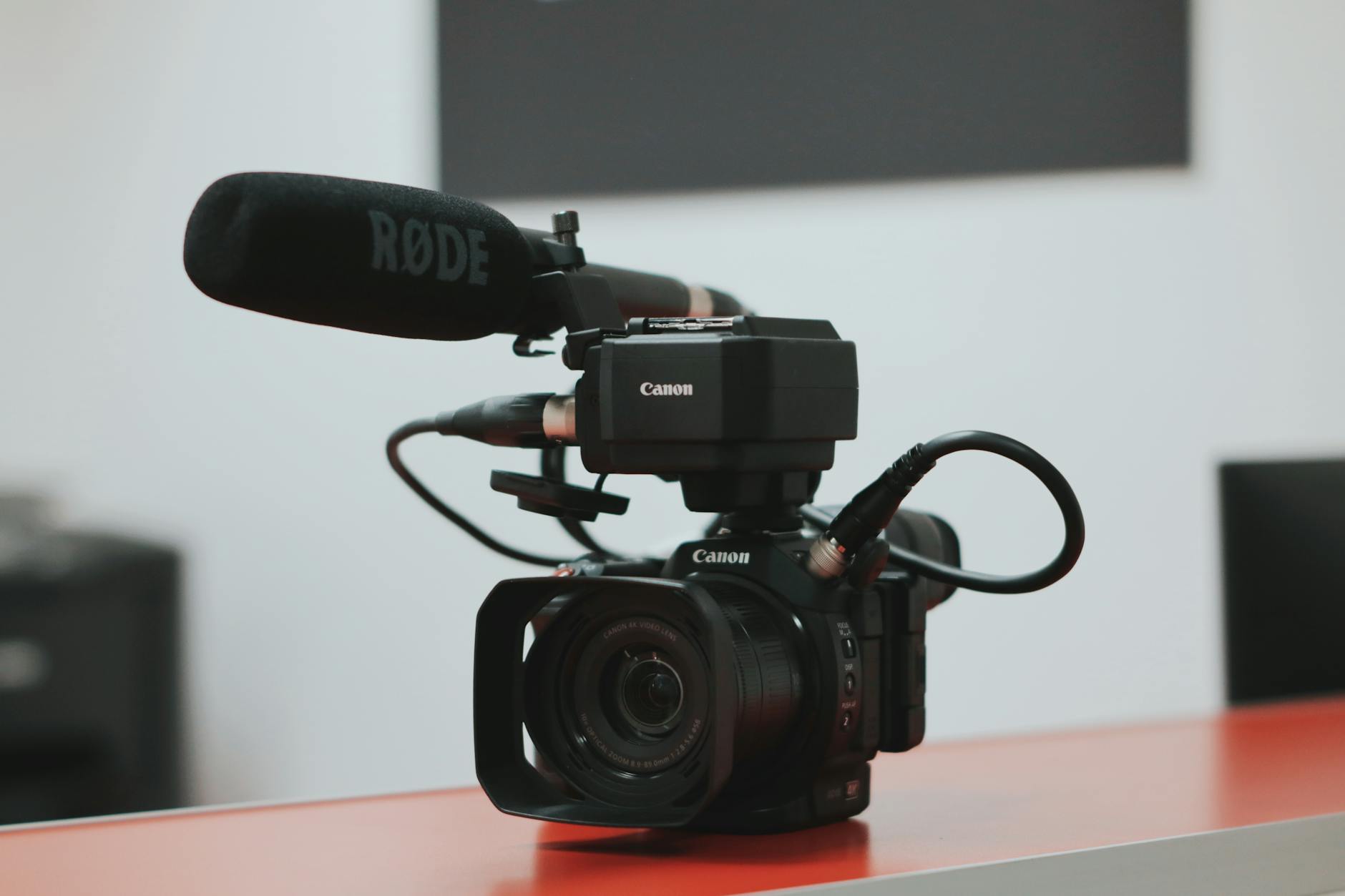
Types of Live Webcasting Solutions
When selecting a live webcasting service, understanding the various formats and their distinct requirements is essential. Each type of webcast caters to specific event needs, audience engagement strategies, and technological considerations. The primary categories include corporate events, concerts, religious services, and conferences. Recognizing their unique features helps organizers optimize the streaming experience and ensure seamless delivery.
Corporate Events
Webcasting corporate events encompasses product launches, shareholder meetings, training sessions, and company announcements. These broadcasts demand high levels of professionalism, branding consistency, and interactivity. Features such as integrated presentation slides, screen sharing, and on-demand access post-event enhance the effectiveness of corporate communication. The scalability of the service should accommodate both small internal meetings and large-scale webinars reaching thousands of viewers globally.
Concerts and Live Performances
Live music events and performances require specialized solutions that prioritize audiovisual quality and minimal latency. High-definition video, multi-camera switching, and high-fidelity audio are critical components. Additionally, features like exclusive access passes, interactive chat for real-time fan engagement, and the ability to handle large viewer volumes are often included. Services tailored for concerts also include options for monetization through ticket sales or pay-per-view models.
Religious Services
Streaming religious ceremonies and services involves providing inclusive and accessible content, often with multiple camera angles and live subtitles. Security and content access controls are vital to manage member-only content. Many solutions incorporate live prayer chat, donation integrations, and options for viewers to participate in the service actively. The stability and reliability of the broadcast ensure that congregations, regardless of location, can connect seamlessly.
Conferences and Seminars
Conferences often combine multiple sessions, panels, and workshops into a cohesive viewing experience. Multi-channel streaming capabilities, session bookmarks, and interactive Q&A features facilitate engagement. Conference webcasts may also include networking features, breakout rooms, and virtual exhibitor booths, mimicking the in-person event environment while allowing remote participation. Efficient management of high viewer traffic and synchronized content delivery are vital in this setting.
Choosing the appropriate webcasting format depends on the event’s scale, audience profile, and objectives. By selecting a service provider capable of accommodating these specific requirements, organizers can deliver engaging and impactful live experiences across Miami and beyond.
Key Features of Professional Webcasting Services
When selecting a live webcasting service, especially in a vibrant market like Miami, it is crucial to prioritize features that ensure a professional, seamless experience. High-definition video and crystal-clear audio form the backbone of an effective broadcast, providing viewers with an immersive and engaging experience comparable to attending in person. Reliable streaming infrastructure minimizes downtime and buffering, ensuring consistent delivery regardless of the audience size or network conditions.

Multi-platform support is another essential feature. Viewers should be able to access streams effortlessly across desktops, tablets, and smartphones, with compatibility on popular browsers and devices. This flexibility maximizes reach and allows audiences to tune in via their preferred device, whether they are in Miami or globally. Interactive features such as live chat, polls, and Q&A sessions foster real-time engagement, turning passive viewers into active participants.
- High-definition video and audio streaming
- Reliability and minimal latency
- Multi-platform accessibility
- Interactive viewer engagement tools
- Content security and access controls
- Customization with branding options
- Analytics tracking viewer behavior
Robust analytics dashboards provide valuable insights into viewer demographics, engagement levels, and technical performance. These metrics enable event organizers to refine future broadcasts and enhance overall viewer satisfaction. Additionally, content security features such as password protection, DRM, and geo-restrictions help safeguard proprietary content and manage access effectively.
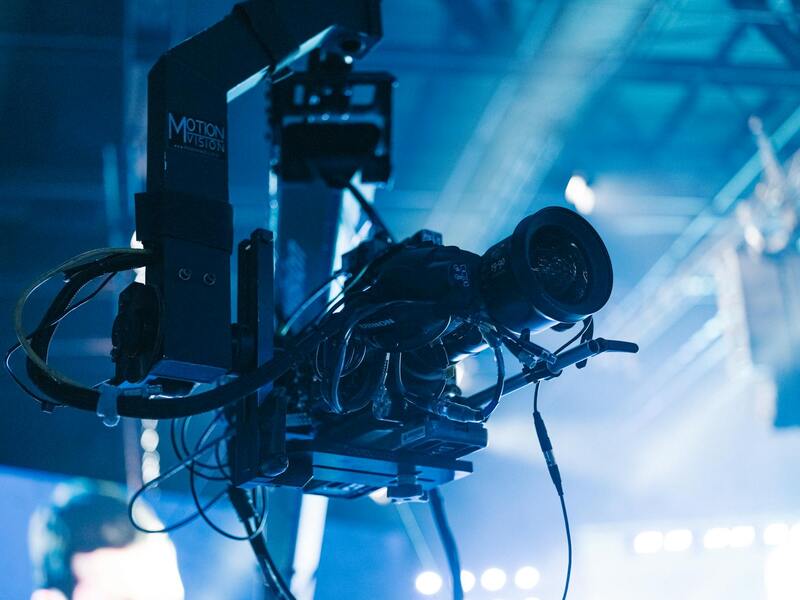
Scalability is another critical aspect, allowing streaming capacity to grow with audience size. A dependable webcasting provider should support a range of event types—from small private sessions to large-scale public broadcasts—by efficiently managing bandwidth and server load. This ensures high-quality delivery without technical interruptions, regardless of the event's size or complexity.
Choosing a Live Webcasting Provider in Miami
Miami’s dynamic event landscape demands a live webcasting provider with local expertise and comprehensive technical capabilities. When selecting a partner, organizations should evaluate their experience in streaming a variety of event types, the quality of customer support, and their ability to customize solutions that align with specific event goals.
Proximity to Miami offers significant advantages, such as reduced latency and faster technical support response times. An ideal provider should also possess a robust infrastructure capable of handling the city’s diverse event calendar, from high-profile conferences to community festivals. The provider’s understanding of local internet infrastructure ensures optimized streaming conditions tailored to Miami’s network environment.
Preparation and Setup for Webcasting Events
Effective preparation is key to a successful live webcast. This includes deploying professional-grade cameras and audio equipment, establishing a reliable internet connection, and testing the transmission systems thoroughly before the event begins. Content managers need to coordinate with technical staff to ensure seamless switching between camera angles, manage live subtitles if needed, and monitor stream quality continuously.
Creating engaging visual layouts and overlay graphics can enhance the viewer experience and reinforce branding. It is also crucial to have contingency plans in place for technical issues, such as backup internet connections and redundant streaming servers, to mitigate potential disruptions during the live event.
Legal and Security Considerations
Protecting digital content and viewer data is vital during live webcasting. Implementing encryption protocols and secure login procedures prevents unauthorized access and content piracy. Content access can be managed through password protection, geo-restrictions, or viewer authentication systems, aligning access with event policies.
Furthermore, compliance with data protection regulations ensures that viewer information is handled responsibly. Clear communication about privacy policies and obtaining necessary consents prior to the broadcast foster trust and transparency with your audience.
Running a secure and legally compliant live webcasting operation enhances the credibility of your event and provides peace of mind for organizers and attendees alike.
Preparation and Setup for Webcasting Events
Successful live webcasting begins long before the cameras start rolling. It requires meticulous planning and technical preparation to ensure a smooth and engaging broadcast. Organizations should begin by defining clear objectives for the webcast, including target audience, key messages, and desired interaction levels. This foundational step informs the technical specifications, content layout, and overall presentation style.
Next, selecting appropriate equipment is critical. Professional-grade cameras capable of capturing high-definition video, quality microphones, sound mixers, and reliable streaming hardware form the cornerstone of an effective setup. Prior to the event, comprehensive testing of all equipment should be conducted, including internet bandwidth verification, to identify and rectify potential issues that could hinder stream quality during the live event.
Adjusting the venue environment also plays a pivotal role. Adequate lighting, minimal background noise, and a clean backdrop contribute to a polished visual presentation. For events involving multiple speakers or stages, establishing designated camera positions and ensuring seamless switching between camera feeds enhances viewer engagement.

Another key component of setup pertains to internet connectivity. Implementing high-speed, wired connections reduces the risk of interruptions, while backup internet sources such as cellular internet can serve as fail-safes. Using dedicated streaming servers or Content Delivery Networks (CDNs) also optimizes the delivery of the broadcast, ensuring minimal latency and high stability.
Content management tools are equally important, facilitating overlay graphics, real-time captions, and branding elements that maintain visual interest and communicate essential information effectively. Integrating interactive features such as live polls, Q&A, and chat modules can boost audience participation, making the event more dynamic and memorable.

Implementation of security measures during setup safeguards content and data integrity. Secure login portals, encrypted streams, and strict access controls prevent unauthorized viewing and content theft. Setting up these protocols in advance is crucial for maintaining the professionalism and credibility of your webcast.
Furthermore, detailed coordination with technical teams ensures everyone understands the event flow, roles, and contingency procedures. Mock broadcasts and rehearsals enable teams to identify potential issues and refine procedures, securing a flawless live experience for viewers.
Legal and Security Considerations
Ensuring the security of live webcasting streams is a crucial aspect of professional event broadcasting. Organizations in Miami that utilize a reputable live webcasting service prioritize implementing robust security protocols to protect their content and audience data. This includes the use of SSL encryption for streaming transmissions, which safeguards data from interception during live broadcasts. Employing secure login portals ensures that only authorized viewers can access private or sensitive content, maintaining exclusivity and control over the webcast.
Content access controls are vital for differentiating between public and restricted audiences. These controls can include password protection, token-based authentication, or VPN requirements for viewers. A trusted live webcasting provider will also perform routine security assessments to identify potential vulnerabilities and implement necessary updates to prevent unauthorized access or content theft.
In addition to data security, physical security measures are equally important during the setup process. This involves safeguarding broadcast equipment, securing network connections, and controlling access to live production areas. For high-profile or sensitive events, employing on-site security personnel or surveillance ensures that only authorized personnel are present at critical staging points.
Legal considerations extend beyond security; determining content rights is essential. Organizers must verify they hold appropriate permissions for all media shared during the webcast—be it music, video clips, or proprietary presentations. Failing to acquire these rights can lead to significant disruptions or intellectual property disputes, which compromised webcast providers proactively address through comprehensive content management practices.
Another pivotal element is compliance with privacy regulations. Collecting and managing viewer information ethically involves transparent data collection policies and adherence to applicable laws. This builds trust with audiences and demonstrates a commitment to responsible broadcasting practices.
Mitigating Common Technical Risks
- Implement redundant internet connections to prevent disruptions due to connectivity issues.
- Utilize backup power sources, such as uninterruptible power supplies (UPS), during live events to avoid interruptions caused by power outages.
- Conduct thorough pre-event testing to identify potential technical glitches and resolve them proactively.
- Maintain real-time monitoring of streaming performance metrics to swiftly address any issues that arise during the broadcast.
Ultimately, a comprehensive approach that intertwines technical security, legal compliance, and operational protocols is essential for delivering seamless, secure live webcasts. Partnering with an experienced provider in Miami ensures adherence to these standards, providing peace of mind and a professional broadcast experience for both organizers and audiences.
Overview of Live Webcasting Services
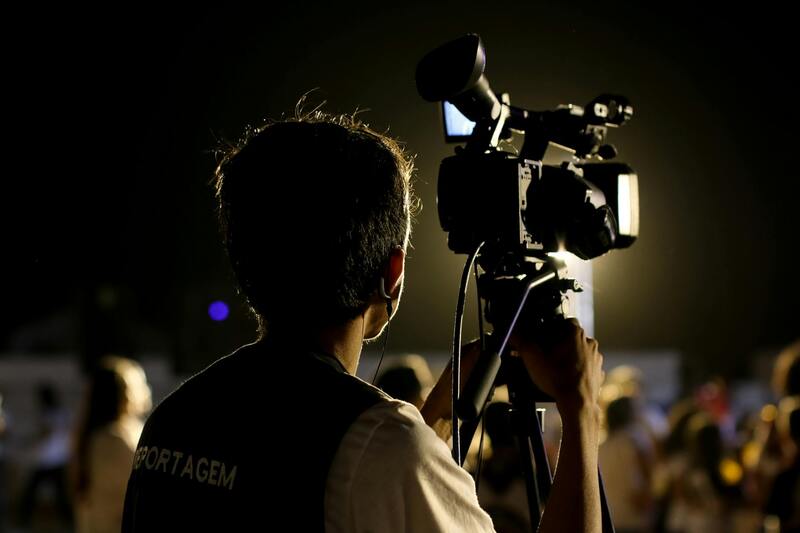
Live webcasting services have become a vital component for organizations and individuals seeking to broadcast their events, seminars, conferences, and performances over the internet with high quality and reliability. These services utilize advanced streaming technology to deliver live audio-visual content to audiences regardless of geographic location, providing an immersive experience that can replicate in-person attendance. Professional webcasting providers such as Miami Event Video Productions specialize in customizing solutions tailored to diverse event needs, encompassing technical setup, content management, and viewer engagement strategies. This comprehensive approach ensures that every broadcast features seamless video quality, synchronized audio, and consistent streaming performance. High-end webcasting services also incorporate multiple encoding options, adaptive streaming protocols, and scalable bandwidth allocation to accommodate fluctuating viewer numbers, thus preventing buffering issues and ensuring uninterrupted viewing experiences.
Benefits of Live Webcasting for Miami Events
Utilizing a live webcasting service in Miami elevates event reach and engagement significantly. It allows organizers to connect with audiences beyond physical boundaries, opening avenues for international attendees, remote participants, and those with scheduling conflicts. Additionally, live streaming amplifies brand visibility and attracts wider media coverage, which is especially advantageous for corporate launches, charity galas, and public celebrations. Participants can interact through live chat features, polls, and Q&A sessions, fostering real-time engagement that enhances overall event impact. From scalability to real-time analytics, these solutions prove essential for maximizing audience involvement while maintaining professional standards of quality and security.

Types of Live Webcasting Solutions
- Basic Streaming Services: Cover small meetings or corporate briefings, offering essential streaming functionalities with minimal customization.
- Interactive Webcasts: Incorporate audience interaction through live polls, chat, and Q&A modules, suitable for webinars and training sessions.
- Multi-Camera Productions: Utilize multiple camera angles, professional switching, and graphics for large-scale events such as conferences or concerts.
- Hybrid Events: Combine in-person and virtual elements, expanding the event’s reach and enhancing attendee experience with live streaming tailored to both audiences.
Key Features of Professional Webcasting Services
- End-to-End Technical Support: Assistance from setup to broadcast management.
- High-Quality Video and Audio: HD streaming with balanced audio to deliver clear visuals and sound.
- Content Security Measures: Encryption and access control to safeguard sensitive content.
- Real-Time Monitoring: Continuous oversight of stream performance to address issues proactively.
- Post-Event Analytics: Data collection on viewer engagement, geographic distribution, and playback statistics.
- Customization Options: Branding elements, customized player interfaces, and interactive features tailored to event branding.
Preparation and Setup for Webcasting Events
Effective webcasting begins with meticulous planning, including securing all necessary content rights, establishing reliable internet connections, and ensuring high-quality audio-visual equipment. Pre-event rehearsals involve testing all technical components—cameras, microphones, encoding devices, and streaming platforms—to identify potential issues before going live. It is crucial to coordinate with venue staff, organizers, and technical teams to align on timing, content flow, and viewer interaction protocols. Additionally, establishing backup systems such as secondary internet feeds and power supplies helps mitigate technical disruptions. An experienced live webcasting provider in Miami offers comprehensive consultation during each phase, from initial setup through post-broadcast review, ensuring a smooth and professional event experience.
Legal and Security Considerations in Live Webcasting
Implementing a reliable live webcasting service involves understanding and adhering to essential security protocols and legal frameworks that protect both the content and viewers. While the specifics of regulation may vary, focusing on proper security measures ensures that your webcast remains a seamless and trustworthy experience for all participants. This includes utilizing encryption technologies to safeguard the stream against unauthorized access, ensuring that only authorized viewers can access the content. Robust access controls, such as password protection, geo-restriction, and token-based authentication, are vital for controlling who can watch the broadcast, especially when sensitive or proprietary information is involved.
Another critical aspect is the management of digital rights and content permissions. Securing rights for all media components ensures that the webcast does not infringe upon intellectual property rights. This process involves verifying licensing agreements for music, videos, images, or any third-party content integrated into the event. A professional webcasting service in Miami provides guidance on compliance, helping organizers avoid potential legal pitfalls.

Additionally, implementing comprehensive cybersecurity measures such as firewalls, regular security audits, and secure streaming protocols (like HTTPS and RTMPS) helps prevent hacking or data breaches. Transparency with your audience about data collection, privacy policies, and terms of service fosters trust and aligns with best practices. Employing these strategies not only preserves the confidentiality of your content but also enhances viewer confidence in your event's professionalism.
Ensuring Viewer Privacy and Data Security
- Use encrypted streaming protocols to protect data transmission.
- Set up secure login portals with multi-factor authentication for access control.
- Implement regional restrictions to comply with geographic content regulations.
- Use analytics tools that anonymize user data to respect viewer privacy while gathering valuable engagement insights.
- Regularly update security features and conduct vulnerability assessments to address emerging threats.
Ultimately, working with a live webcasting provider experienced in security management ensures that these best practices are effectively implemented, safeguarding your event and viewers against potential security challenges while maintaining a seamless streaming experience.