
Understanding Live Video Production
Live video production is a dynamic process that combines various technical and creative elements to broadcast real-time video content. It involves capturing, editing, and transmitting live footage to audiences across different platforms, allowing instant interaction and engagement. Whether used for corporate events, concerts, sports, or broadcasts, live video production plays a critical role in reaching viewers in real time with high-quality audio-visual content.
One of the primary components of live video production is the setup of professional equipment to ensure seamless transmission. This includes cameras, switchers, audio mixers, and specialized hardware designed for stability and clarity. These tools work in tandem to provide a polished and professional broadcast, making the viewing experience engaging and robust.
Another essential aspect is the coordination of various roles involved in the production process. From camera operators and directors to technical staff and on-air talent, a well-organized team ensures the smooth execution of the live event. Pre-production planning is critical, where decisions about camera angles, graphics, sound, and overall narrative flow are determined to craft a compelling live experience.
Netting a high-quality live video production also involves selecting the appropriate streaming platforms. Each platform offers unique features such as real-time chat, multiple camera switching, and integrated branding options. Proper integration with these platforms allows broadcasters to reach broader audiences while maintaining control over the viewing experience.
Technical challenges such as connectivity issues, equipment failures, or signal interruptions are common in live events. Overcoming these hurdles requires meticulous planning, backup solutions, and real-time troubleshooting skills. Ensuring stable internet connections, redundant hardware, and skilled technical staff can mitigate most disruptions.
Creating engaging live content demands more than just technical execution. It requires storytelling, interaction with viewers, and real-time adaptability to respond to audience feedback or unexpected events. A compelling live production captures attention and fosters a memorable connection with viewers, which is fundamental for brand promotion or entertainment purposes.
Furthermore, post-event activities such as editing, repurposing content, and analytics provide valuable insights for future productions. This post-production process can enhance clips, highlight key moments, and extend the lifespan of the live content across different digital platforms.
Planning and Pre-Production Strategies
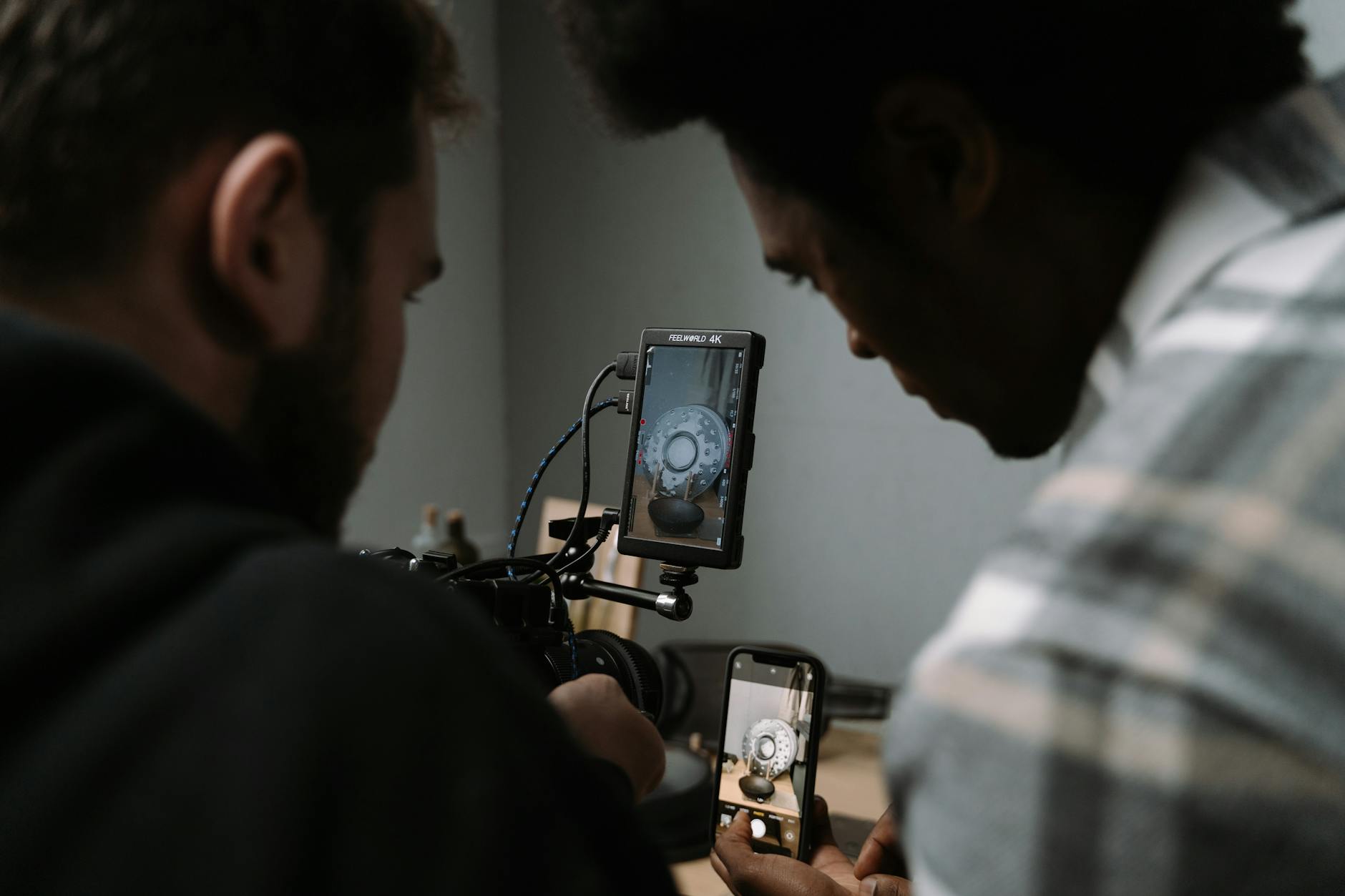
Effective live video production begins well before the cameras start rolling. Comprehensive planning sets the foundation for a successful broadcast, emphasizing the importance of detailed pre-production activities. These include conducting site surveys, developing a storyboard or shot list, and establishing clear communication channels among all team members. Pre-production checklists help ensure that every element, from equipment setup to talent preparation, is accounted for and scheduled appropriately.
One of the critical aspects of pre-production involves securing the necessary permits, verifying venue logistics, and confirming the availability of technical resources. This anticipatory approach minimizes unforeseen disruptions during the live event. Additionally, creating a detailed timeline that outlines each phase of the production—from setup, rehearsals, to live transmission—enables the team to adhere to deadlines and coordinate efforts efficiently.
Developing a Content Plan
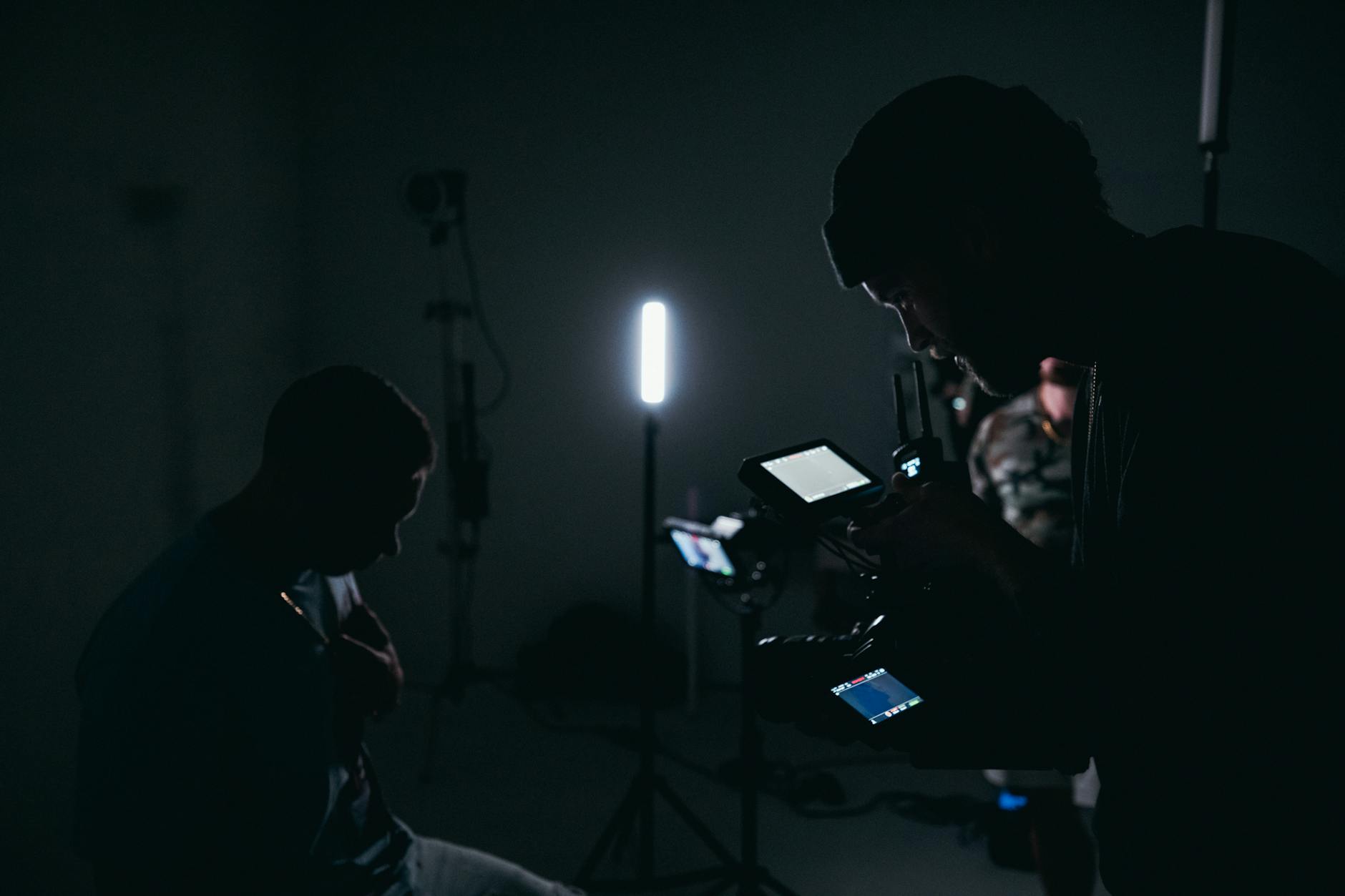
Strategic content planning is vital in engaging audiences and delivering a cohesive message. This process involves identifying key storylines, defining audience engagement goals, and structuring the content to maintain viewers’ interest throughout the broadcast. Script development, cue sheets, and contingency scripts are created to prepare for various scenarios, including unexpected interruptions or technical difficulties.
Rehearsals and Testing
Rehearsals serve as practical rehearsals to test technical setups, coordinate camera movements, and fine-tune audio-visual cues. These sessions provide an opportunity for the crew and talent to familiarize themselves with the production flow and identify potential issues. Running through the entire program duration ensures smooth transitions, proper timing, and the correct functioning of all equipment involved.
Coordination of Team Members
Clear role delineation is crucial for seamless execution. Assign responsibilities such as camera operation, technical monitoring, sound management, and producer oversight. Effective communication protocols—such as walkie-talkies, headsets, or designated hand signals—enable real-time coordination among team members. Establishing a chain of command and decision-making hierarchy streamlines operations, allowing prompt responses to issues that may arise during the live event.

Understanding Live Video Production
Live video production is a complex process that combines technical expertise, creative vision, and strategic planning to deliver high-quality real-time content to audiences across various digital platforms. This method of content delivery has revolutionized the way events, conferences, concerts, sports, and other live experiences are shared with viewers worldwide. The core goal is to craft a seamless and engaging viewing experience, which requires meticulous coordination of equipment, personnel, and timing.
At the heart of successful live production lies a clear understanding of the essential components involved. From pre-production planning to on-the-fly adjustments during the broadcast, every phase is crucial in ensuring the final output meets professional standards. Today's advancements in technology have enabled smaller teams to produce high-quality live streams that rival traditional broadcast quality. Nonetheless, the complexities of real-time transmission demand robust infrastructure, skilled operators, and reliable workflows to prevent disruptions and maintain viewer engagement.
In essence, live video production involves capturing video content, transforming it through a series of technical processes, and broadcasting it live over the internet. Achieving this requires adherence to several industry-standard methods and the utilization of reputable equipment and software solutions. This ensures the content remains visually appealing, technically sound, and accessible across multiple viewing platforms. Effective live production also entails sufficient contingency planning to quickly address any unforeseen issues that might arise during the event, thereby preserving the integrity of the broadcast and maintaining audience trust.
Key Equipment Used in Live Video Production
Successful live video production hinges on deploying the right set of tools that enable high-quality capture, real-time editing, and smooth transmission. The essential equipment can be categorized into several core components:
- Cameras: Professional broadcast cameras or high-definition camcorders form the backbone of the visual content, offering clarity, flexibility, and responsiveness for various shooting scenarios.
- Switchers and Mixers: Video switchers allow producers to transition seamlessly between multiple camera feeds, incorporate live graphics, and add effects, helping to craft a dynamic viewing experience.
- Audio Equipment: High-quality microphones, mixers, and audio processors ensure clear sound, which is just as vital as video quality in engaging the audience effectively.
- Encoding Hardware/Software: Encoders convert raw video signals into streams compatible with the internet, supporting various formats and resolutions necessary for diverse platforms.
- Lighting: Proper lighting setups enhance image clarity and create the appropriate ambiance, especially for indoor productions.
- Communication Devices: Intercom systems facilitate real-time coordination between crew members, which is critical for timing and smooth operation.
- Supporting Infrastructure: Reliable internet connections, backup power supplies, and servers form the backbone of a stable live broadcast environment.
Choosing industry-standard equipment tailored to the specific nature of your event — whether a corporate seminar, music concert, or community gathering — allows for scalable and adaptable production workflows. This ensures the technical aspects do not overshadow the creative elements, ultimately delivering a professional and captivating viewing experience.
Understanding Live Video Production
Live video production involves the intricate process of capturing, managing, and broadcasting real-time footage to audiences across diverse platforms. It demands a combination of technical expertise, creative vision, and meticulous planning to ensure a seamless viewing experience. Successful live production hinges on a well-organized workflow that spans pre-event preparations, operational execution, and post-event activities, all aimed at delivering engaging, professional content. The integration of high-quality equipment, strategic planning, and coordination among team members is essential in meeting the dynamic demands of live broadcasting.
Essential Components of a Live Video Production System
The core of a proficient live video production setup encompasses specialized equipment designed to deliver crisp visuals and clear audio. These components include:
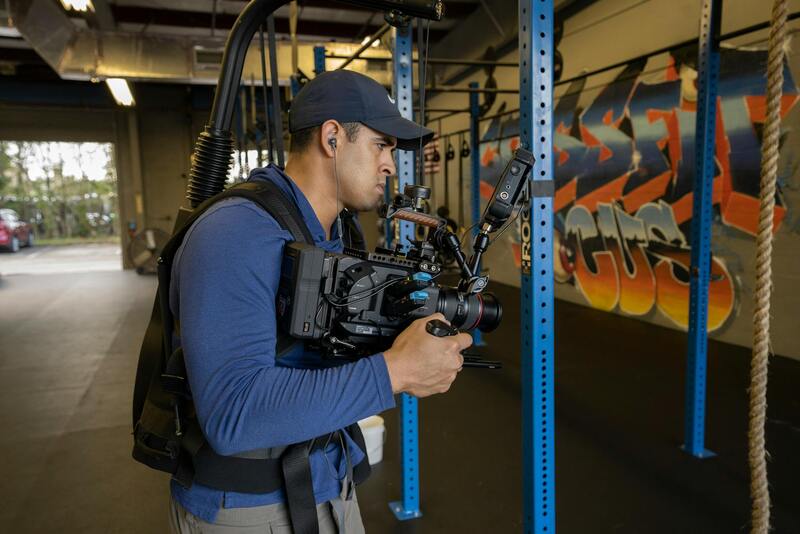
- Professional Cameras: State-of-the-art cameras with high-resolution capabilities ensure sharp, detailed images. Options range from broadcast-grade cameras for studio use to portable units suitable for outdoor or mobile setups.
- Video Switchers and Mixers: These devices enable producers to switch between camera feeds smoothly, add graphics, and incorporate effects, creating a dynamic presentation.
- Audio Equipment: High-fidelity microphones, audio mixers, and processors capture and refine sound quality, a crucial element for viewer engagement.
- Encoding Hardware/Software: Encoders compress raw video signals into digital streams compatible with online platforms, supporting multiple formats and resolutions.
- Lighting: Proper illumination enhances image quality and mood setting, especially important in controlled indoor environments.
- Communication Devices: Intercom systems facilitate real-time coordination among crew members, ensuring synchronized operations.
Strategic Planning for Live Video Events
Effective planning forms the backbone of a successful live broadcast. Pre-production strategies should encompass comprehensive event scoping, audience analysis, and equipment testing. Establishing clear objectives, creating detailed scripts or rundowns, and preparing contingency plans are essential steps to mitigate risks. Additionally, engaging with stakeholders and understanding the technical specifications of the intended streaming platforms contribute to a flawless execution. A meticulous pre-event checklist ensures that all equipment is operational, and team members are aligned on roles and responsibilities.
Pre-Production Checklist
- Define the target audience and platform specifications.
- Develop a detailed schedule and shot list.
- Conduct site surveys for optimal equipment placement.
- Test all audio and video gear beforehand.
- Coordinate with the technical team to establish connectivity and backup measures.
- Prepare assets such as graphics, overlays, and lower thirds.
- Brief the entire crew on responsibilities and emergency procedures.
Executing these steps diligently guarantees that the logistical, technical, and creative aspects of live production are cohesively managed, leading to a polished and professional broadcast.
Technical Challenges and Solutions in Live Video Production
Live video production entails a complex orchestration of technical elements that must operate seamlessly to deliver high-quality broadcasts. Common challenges include latency issues, signal disruptions, audio-video synchronization problems, and equipment failures, all of which can compromise the viewer's experience. Addressing these issues requires a proactive approach rooted in technical expertise and reliable infrastructure.
One prevalent challenge is network instability, which can cause buffering, lag, or disconnection during a live event. To mitigate this, producers often employ redundant internet connections, such as dual broadband links or bonded internet solutions, to ensure continuous streaming even if one connection experiences issues. Real-time monitoring systems are also critical—they provide instant alerts on bandwidth usage, latency, and packet loss, enabling operators to take swift corrective actions.
Ensuring audio-video synchronization is another technical hurdle. Disparities between audio and video streams can be distracting and diminish the professionalism of the broadcast. Solutions include using high-quality codecs and dedicated synchronization hardware, along with meticulous pre-event testing. During live events, operators continuously monitor feed quality, adjusting encoding parameters and sources as needed to maintain perfect sync.
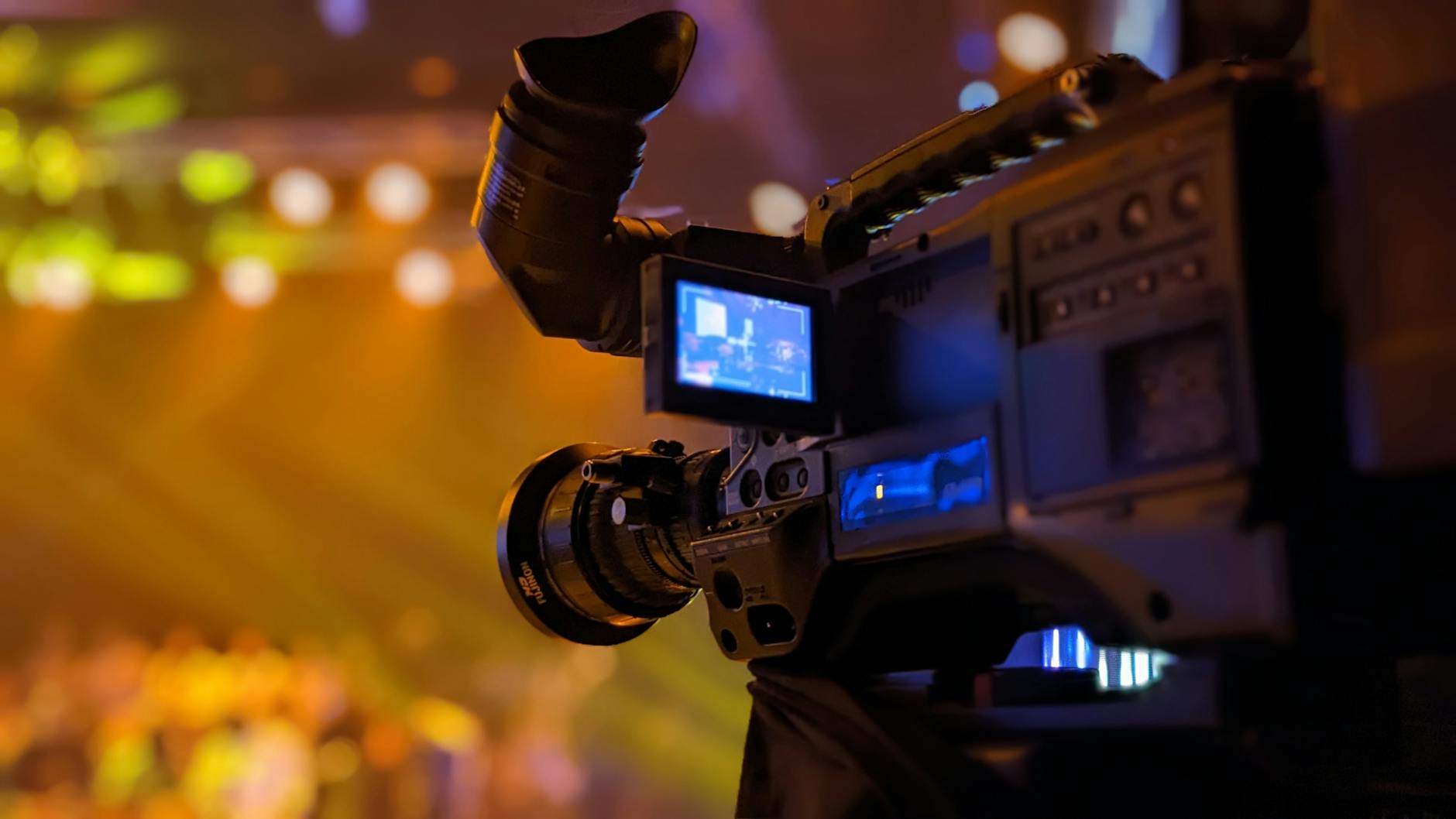
Equipment failure, such as camera crashes or malfunctioning microphones, can disrupt the flow of a live event. Redundancy is essential; multiple backup cameras, audio systems, and power supplies are standard practice. Additionally, having a well-trained technical team ready to troubleshoot on the spot helps minimize downtime. Regular maintenance and pre-event checks are vital in identifying potential hardware issues before the event begins.
Lighting and environmental factors can also influence the broadcast quality. Uneven lighting or unexpected shadows may affect camera performance, while external disturbances like weather conditions can impact outdoor events. Proper lighting setup, protective gear, and contingency plans for weather disruptions are integral to maintaining professional standards.
From a software perspective, encoding and streaming server configurations must be optimized for scalability and stability. Cloud-based solutions offer flexibility for sudden viewer surges, with adaptive bitrate streaming ensuring minimal buffering for viewers with variable internet speeds. Furthermore, content delivery networks (CDNs) are employed to distribute streams efficiently across different geographic regions, reducing latency and enhancing viewer experience.
Incorporating these solutions into a comprehensive technical strategy guarantees a smoother live production process. Continuous staff training, routine equipment servicing, and adherence to industry best practices contribute to overcoming common hurdles. The result is a resilient broadcast capable of handling the demands of high-profile live events, providing audiences with a seamless and engaging viewing experience.
Technical Challenges and Solutions in Live Video Production
Successfully executing a live video production involves overcoming a variety of technical hurdles to deliver a seamless broadcast. Connectivity issues are among the most prevalent, often caused by unstable internet connections, network congestion, or hardware failures. To mitigate these problems, it is essential to perform comprehensive pre-event network assessments, ensuring sufficient bandwidth and stable connections. Multiple internet sources or bonded cellular technology can be employed to provide redundancy, reducing the risk of interruption. During the event, real-time monitoring of network performance allows the technical team to address latency or signal degradation promptly.
Synchronization of audio and visual elements is critical in maintaining a professional appearance. Discrepancies in delay can result in disjointed viewing experiences, undermining the credibility of the broadcast. Technical solutions include the use of high-quality audio interfaces and professional mixers responsible for ensuring proper audio sync across multiple feeds. Video synchronization can also be managed through genlock devices and synchronized timecode systems, ensuring that video feeds remain in sync throughout the event.
Understanding and troubleshooting hardware and software malfunctions form an integral part of live production management. It is vital to conduct thorough equipment checks prior to the event, including testing all cameras, microphones, switchers, and streaming hardware. Having backup equipment on-site, such as spare cameras, microphones, and integrated streaming devices, provides contingency in case of failures. When issues arise mid-broadcast, rapid diagnostic tools and procedures enable technical crews to identify and rectify problems efficiently, minimizing downtime.
During live production, the coordination among technical personnel—such as camera operators, audio engineers, and switchers—is fundamental to handling unexpected challenges. Establishing clear communication channels using intercom systems allows for quick decision-making and immediate adjustments during the broadcast. Quick response protocols and contingency plans prepare the team to handle问题,以保持画面和音频的协调一致。预先排查所有设备故障与信号中断的可能性,也成为确保无缝演出的重要措施。实际上,管理这些技术挑战需要严密的流程和经验丰富的技术人员,以确保每一场直播都符合最高质量标准。
Technical Challenges and Solutions
Executing a seamless live video production involves navigating a multitude of technical challenges that can arise unexpectedly. Equipment failures, network disruptions, and software glitches are common hurdles that require proactive strategies and robust solutions to ensure the broadcast remains uninterrupted and maintains high quality.
Pre-broadcast preparations are fundamental in mitigating technical issues. This includes comprehensive testing of all hardware, such as cameras, audio interfaces, switchers, and streaming devices, to identify potential faults. Implementing scheduled maintenance and routine calibration ensures that equipment functions optimally during the event. Additionally, establishing a detailed checklist and contingency plan allows the team to respond swiftly to any unforeseen problems.
Redundancy plays a vital role in robust live video production systems. Deploying backup equipment—such as spare cameras, microphones, and streaming encoders—can significantly reduce downtime in case of primary system failures. For network reliability, utilizing multiple internet connections with automatic failover mechanisms ensures continuous streaming even if the primary connection drops. Load balancing across different servers and network paths further enhances stability and prevents bottlenecks that could compromise live transmission.
During the event, real-time troubleshooting becomes the cornerstone of successful live production. Techniques such as using diagnostic tools help identify issues promptly, allowing for immediate rectification. Clear communication channels among technical personnel—such as camera operators, audio engineers, and switchers—are crucial. These channels often utilize intercom systems or dedicated communication headsets, facilitating rapid exchange of information and quick decision-making.
In the face of challenges, establishing quick response protocols and predefined contingency plans is key. These strategies include switching to backup feeds, adjusting audio levels, or switching to alternate streaming servers. Ensuring that all team members are familiar with these procedures through prior drills minimizes delays and maintains broadcast integrity. The ability to adapt swiftly while maintaining high production standards is what distinguishes professional live video production from less formal endeavors.
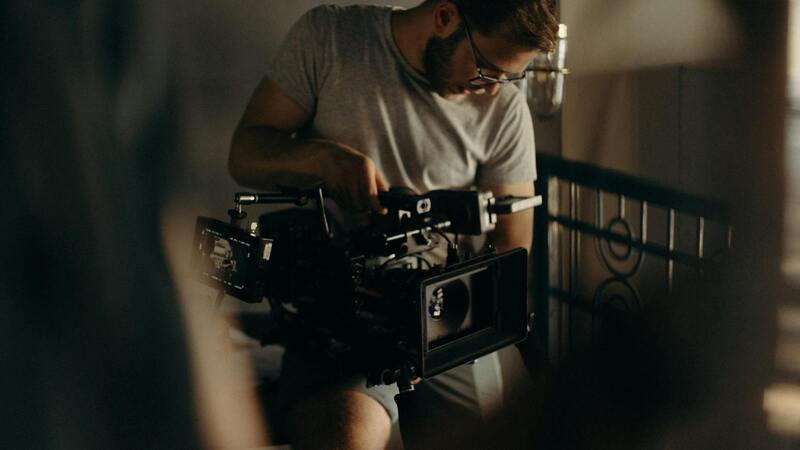
Moreover, ongoing staff training and technical updates are integral to managing complex live productions. Staying current with evolving hardware and software updates, as well as new streaming protocols, helps the team remain prepared for emerging challenges. Combining meticulous planning, redundancy, swift troubleshooting, and well-trained personnel creates a resilient environment that is capable of delivering high-quality live events consistently.
Advanced Methods for Authentic Live Video Production
Beyond traditional broadcasting, there are specialized and highly effective methods to deliver live video content securely and reliably. These techniques focus on ensuring high-quality delivery, maintaining viewer engagement, and safeguarding the production process from disruptions, all within reputable and established frameworks.
Secured Live Streaming Protocols
Utilizing secure streaming protocols is fundamental in maintaining the integrity of live video content. Protocols such as Secure Reliable Transport (SRT) and Real-Time Messaging Protocol (RTMP) over encrypted channels provide robust security features, including encryption and authentication, enabling broadcasters to transmit live footage without unauthorized access or interception. These protocols are widely adopted by industry standards for their ability to recover from network fluctuations while maintaining a high-quality stream.
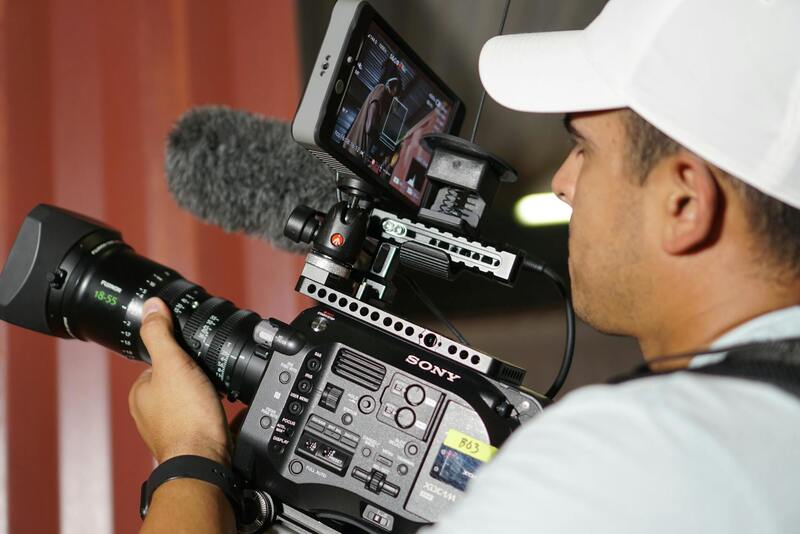
Dedicated Streaming Servers and Content Delivery Networks (CDNs)
Hosting streams on dedicated servers or leveraging established Content Delivery Networks ensures optimal distribution of live content. CDNs place servers strategically across geographical locations, reducing latency and buffering for viewers regardless of their location. This setup minimizes the load on originating servers and enhances overall broadcast stability, especially for high-demand events with large audiences.
Employing redundant server infrastructure guarantees uninterrupted streaming even if primary servers encounter issues. Many professional platforms integrate failover mechanisms, automatically switching to backup servers to prevent stream disruptions. Such practices uphold a seamless viewing experience and bolster the credibility of the production team.
Official Licensing and Rights Management
Adhering to legal standards involves securing necessary licenses for copyrighted content, including music, footage, or any proprietary material incorporated into the broadcast. Utilizing official licensing channels and rights management systems affirms the authenticity of the content and avoids infringement issues. Proper rights administration also contributes to the professional reputation of the production, fostering trust with viewers and stakeholders.
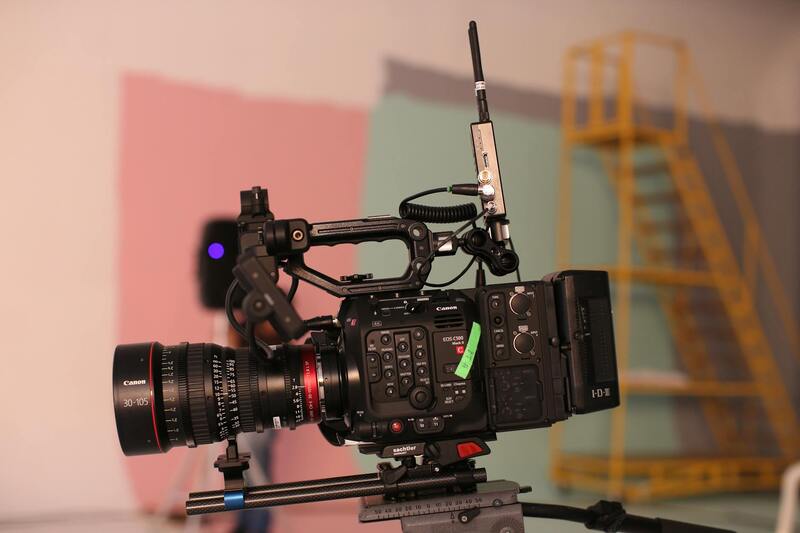
Real-Time Monitoring and Quality Assurance
Implementing comprehensive monitoring solutions during live streams ensures consistent quality. This involves tracking stream health, bandwidth usage, and synchronization of audio-visual components. Advanced monitoring dashboards enable real-time diagnostics, allowing technical teams to address latency, pixelation, or audio mismatches immediately. This proactive approach prevents potential viewing experiences from deteriorating and maintains a high standard of professionalism.
Utilizing Cloud-Based Live Streaming Services
Cloud platforms offer scalable, reliable options for live video production. They facilitate multiple ingestion points, dynamic encoding, and distribution, all managed within a regulated and monitored environment. These services often come with security features, analytics, and integration options that ensure compliance with industry standards. Cloud solutions also enable remote collaboration, allowing teams to coordinate from different locations without compromising stream quality or security.
Summary of Best Practices
- Adopt encrypted streaming protocols to safeguard content integrity.
- Utilize geographically dispersed CDNs and dedicated streaming servers.
- Secure content rights through official licensing channels.
- Implement comprehensive real-time monitoring systems.
- Leverage cloud-based streaming solutions for scalability and security.
These established and official methodologies form a robust foundation for conducting professional, secure, and reliable live video productions. They prioritize quality assurance, legal compliance, and technical excellence, ensuring that each broadcast upholds the high standards expected in today's digital content landscape.