Understanding Event Live Streaming
Event live streaming has revolutionized the way audiences experience gatherings, conferences, concerts, and various other occasions. It involves broadcasting real-time video and audio content over the internet, allowing viewers to participate from anywhere in the world. This method enhances accessibility, engagement, and reach, making it an essential component for successful event planning in the digital age.
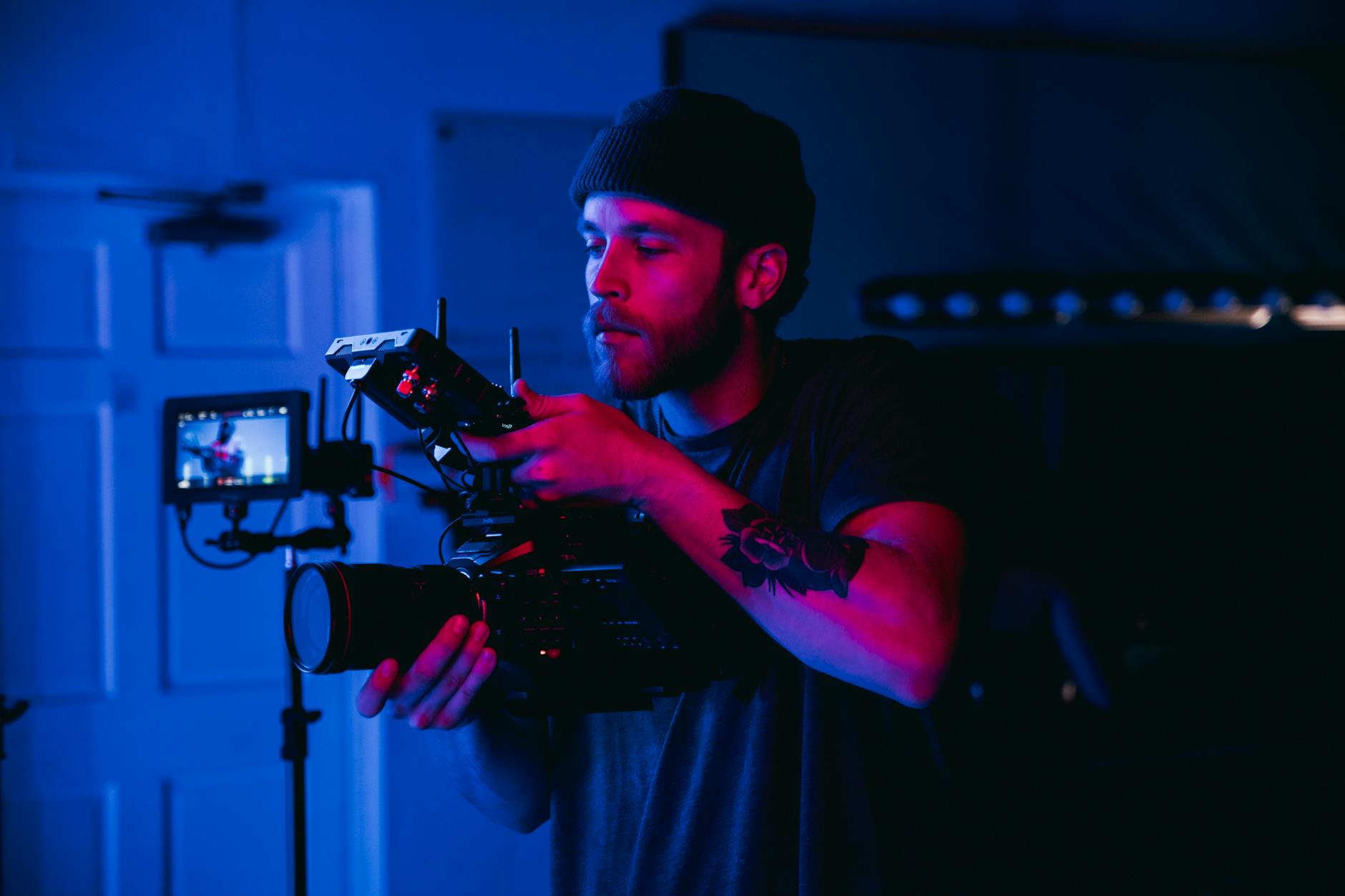
The primary objective of live streaming events is to broaden access and create interactive opportunities for remote viewers. Whether it's a corporate seminar, a cultural festival, or a sporting event, live streaming ensures that no audience segment is left out due to geographic constraints. The benefits include increased visibility, real-time audience interaction, and opportunities for monetization through advertisements, sponsorships, or pay-per-view models.
Delivering a professional live stream hinges on the integration of key components. These include high-definition cameras to capture crisp visuals, reliable internet connections to prevent disruptions, and sophisticated encoding hardware or software to convert raw footage into streamable content. Additionally, robust streaming platforms are essential for reducing latency and ensuring viewers experience minimal buffering, regardless of their device or connection speed.
Effective event live streaming also involves careful planning around content management systems, audience engagement tools, and backup systems to mitigate technical failures. As the demand for high-quality broadcasts escalates, event organizers seek platforms that combine ease of use with advanced features to cater to both small-scale local events and large, international gatherings.
In terms of audience reach, live streaming offers a scalable solution that can be tailored to fit the size and scope of any event. It provides a dynamic opportunity to extend your event's lifespan by allowing on-demand viewing after the live broadcast concludes, further maximizing exposure. As technology advances, integrations with social media, chat features, and analytics have become instrumental in creating memorable viewer experiences and measuring engagement metrics effectively.
Choosing the optimal live streaming setup requires understanding not only the technical requirements but also the unique goals of each event. A well-executed live stream can significantly boost participant engagement, open additional revenue streams, and elevate the profile of any event. Recognizing the essential role of professional-grade equipment, experienced technical support, and a reliable content delivery network (CDN) helps ensure a smooth, high-quality broadcast that captivates the audience from start to finish.
Types of Events Suitable for Live Streaming
Live streaming services offer a versatile platform for a wide array of events, allowing organizers to reach audiences that may be geographically dispersed or unable to attend in person. Among the most common events benefiting from high-quality live streaming are corporate conferences and seminars, where real-time dissemination of information is crucial for participants across different locations. These broadcasts enable companies to deliver keynote speeches, panel discussions, and product launches efficiently, providing participants with interactive features for Q&A sessions and live polls that enhance engagement.
Concerts and musical performances are another prominent category where live streaming adds value by expanding the audience beyond the venue. Through strategic camera placements and high-definition streaming, viewers can enjoy immersive concert experiences from the comfort of their homes, fostering fan engagement and increasing reach for artists and organizers alike. Moreover, weddings and personal celebrations increasingly leverage live streaming to include family and friends who are unable to attend physically, helping to create shared memories regardless of distance.
Educational events, including webinars, workshops, and training sessions, benefit substantially from reliable live streaming platforms that support interactive elements such as chat functions and real-time quizzes. This enables facilitators to maintain audience attention and foster a participatory environment. Similarly, religious services and community gatherings utilize live streaming to maintain continuity and community bonding, especially during times when physical gatherings are limited.
Industry-specific expos, trade shows, and product launches are effectively broadcasted via live streaming to maximize exposure and generate leads. These events often require multi-camera setups, live chat integration, and detailed analytics to assess engagement and viewer demographics, aiding future planning. In addition, sports events, whether local or international, rely heavily on live streaming to deliver fast-paced action to fans worldwide, enhancing viewership and monetization opportunities.
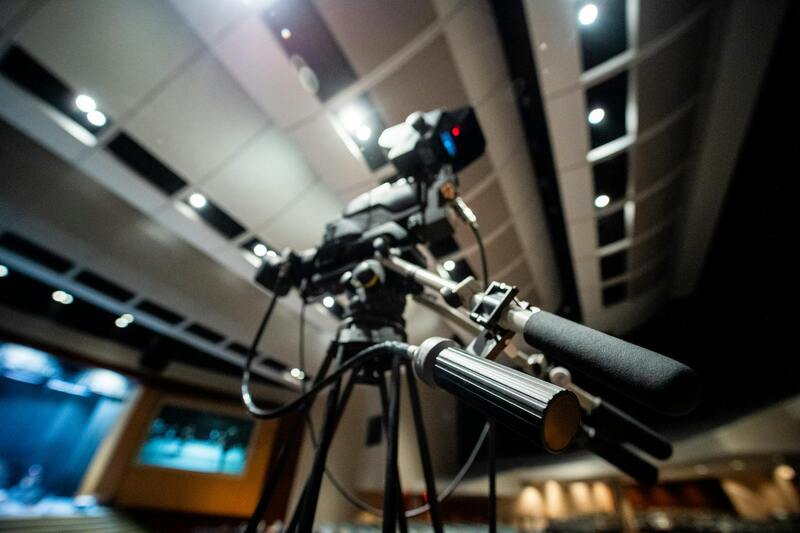
As technological capacities continue to advance, the scope of events suitable for live streaming expands, encompassing virtually any gathering that benefits from real-time interaction and broad dissemination. Proper planning around content presentation, audience engagement features, and technical infrastructure ensures these events deliver memorable and impactful experiences for viewers everywhere.
Understanding Event Live Streaming
Event live streaming has become an essential tool in the modern event management landscape, offering an efficient way to reach wider audiences beyond geographical limitations. The process involves broadcasting live video content over the internet using specialized platforms and equipment, ensuring real-time delivery of your event to viewers worldwide. Accurate planning, high-quality technology, and a professional setup are fundamental to achieving seamless streaming experiences. Live streaming allows organizers to maintain audience engagement across various event types, including conferences, corporate meetings, concerts, and educational sessions, by integrating interactive elements such as live chat, polls, and Q&A features that foster active participation. This method also provides valuable analytics that enable event organizers to measure viewership, engagement levels, and demographic insights, informing future event strategies.
Types of Events Suitable for Live Streaming
Virtually any gathering that benefits from immediate interaction and broad dissemination is well-suited for live streaming. Examples include:
- Conferences and Seminars: Ideal for professional development, industry updates, and thought leadership, allowing participants from across the globe to join without physical attendance.
- Corporate Events: Product launches, annual meetings, and shareholder conferences can reach stakeholders efficiently while enabling interaction through live questions and feedback sessions.
- Educational Events: Webinars, workshops, and training sessions maximize accessibility and engagement, particularly when paired with interactive tools that promote participant involvement.
- Religious Services and Community Gatherings: Enable community bonding and spiritual engagement during times of physical distancing or for audiences unable to attend in person.
- Trade Shows and Industry Expos: Showcasing new products and innovations to an international audience can be achieved with multi-camera streaming and real-time analytics to gauge engagement and interest.
- Sports Events: From local tournaments to international competitions, live streams bring the excitement directly into viewers’ homes, boosting fan engagement and monetization opportunities.
Technological advancements, such as mobile streaming apps and ultra-high-definition video, continue to broaden the horizon for live event broadcasting. The key to success lies in meticulous planning of content presentation, audience interaction, and ensuring backup systems are in place to handle unforeseen technical issues.
Technical Considerations for Successful Streaming
Ensuring a smooth and professional live streaming experience requires meticulous attention to several technical aspects. High-quality video transmission hinges on a robust internet connection that can handle the bandwidth demands of HD or 4K streams without buffering or interruptions. Prior to the event, conducting thorough connection tests is vital to identify and address potential issues that could disrupt the broadcast.
Audio clarity is equally important; employing high-fidelity microphones and sound mixers guarantees that speakers and performers are heard clearly across all devices. Implementing echo cancellation and noise reduction techniques enhances listener experience, especially in large venues or multi-source setups.
Encoding devices and software must be configured correctly to optimize video compression while preserving visual quality. Live streaming platforms often provide customizable encoding settings, but it remains essential to select configurations aligned with the event’s dimensions and audience expectations.
To minimize latency and further stabilize the stream, deploying Content Delivery Networks (CDNs) ensures that content is distributed efficiently to viewers worldwide. This reduces lag times and prevents server overloads, especially during high-traffic events.
Syncing visual feeds with real-time chat or interactive features enhances audience engagement. Synchronization issues can be mitigated through careful latency management to keep interactions seamless. For events involving multiple camera angles, switching between feeds should be executed smoothly, often utilizing live production switchers or advanced streaming software.
An often-overlooked element is backup systems. Having redundant internet connections, backup power supplies, and alternative streaming hardware ready ensures that technical difficulties do not compromise the event. The deployment of monitoring tools during the broadcast allows technical teams to detect and rectify issues promptly, maintaining the integrity of the live stream.
By adhering to these technical considerations, organizers can deliver professional-grade live streams that meet viewers' expectations for clarity, stability, and interactivity, fostering a positive experience that enhances event reputation and engagement levels.
Technical Considerations for Successful Streaming
Executing a live event broadcast that maintains high quality and viewer satisfaction hinges on meticulous technical planning and execution. Primarily, ensuring robust internet bandwidth is fundamental. Streaming at high resolutions, such as 1080p or 4K, demands significant data transfer rates. A dedicated, high-speed internet connection with ample upload bandwidth minimizes buffering and prevents interruptions. It is also advisable to have a backup internet source, such as a secondary hardwired connection or LTE hotspot, ready to activate if primary connections falter.
Hardware and software for encoding are equally critical. Encoders convert raw video signals into digital streams suitable for online delivery. Choosing reliable, professional-grade hardware encoders or advanced software solutions can deliver consistent quality with minimal latency. Regular updates and maintenance of encoding devices optimize performance and compatibility with a range of streaming platforms.
In addition to live encoding, employing monitoring tools during the broadcast is vital. These tools track stream health, bandwidth usage, and viewer engagement metrics in real-time, enabling the technical team to swiftly address issues, such as dropped frames or audio sync problems. Integrating hardware backup systems, including secondary servers and power supplies, ensures continuity even in the face of hardware failures or power outages.
Developing comprehensive backup plans encompasses redundant internet connections, alternative streaming platforms, and ready-to-deploy hardware. These measures serve as safeguards, guaranteeing uninterrupted broadcast flow despite unforeseen technical difficulties.
Furthermore, compliance with technical standards and protocols guarantees compatibility across devices and ensures quality preservation. Use of adaptive bitrate streaming technology allows the stream to adjust dynamically to viewers' differing internet speeds, maintaining a consistent viewing experience. This adaptability not only benefits user engagement but also enhances overall stream stability.
Ensuring a Smooth Streaming Experience
- Conduct comprehensive pre-event testing to identify and resolve potential issues.
- Maintain real-time monitoring during the broadcast for prompt troubleshooting.
- Prepare redundancy plans, including backup internet, hardware, and software.
- Utilize adaptive streaming technologies to optimize delivery based on viewers' connection quality.
- Stay compliant with industry standards to ensure broad device compatibility and high-quality output.
By paying close attention to these technical elements, organizers can deliver professional, engaging live streams that meet audience expectations and uphold the integrity of the event. Proper planning, quality equipment, and vigilant monitoring coexist to facilitate a seamless streaming experience, strengthening the reputation of both the event and the hosting organization.
Legal and Technical Compliance
When executing a live streaming event, adherence to technical standards and legal protocols is vital to ensure a smooth broadcast and maintain a positive reputation. A comprehensive understanding of the regulatory landscape helps organizers avoid interruptions or potential issues that may arise during the event.
Implementing proper content management strategies is essential. This includes securing necessary rights for copyrighted material, such as music, videos, or images incorporated into the stream. Utilizing licensed content ensures that the event complies with intellectual property laws, preventing copyright infringement claims that could disrupt the broadcast.
Technical compliance involves ensuring the streaming infrastructure meets established industry standards. This encompasses using equipment and software compatible across diverse devices, maintaining high-resolution streaming capabilities, and adhering to data protection and privacy regulations pertinent to the audience's region. Employing encryption and secure login protocols safeguards viewer data and prevents unauthorized access.
Quality assurance measures form a core part of compliance. Regularly updating software, conducting system checks before the event, and training staff on technical procedures reduce the risk of malfunctions. Moreover, implementing contingency plans for potential technical failures minimizes disruptions. Backup internet connections, redundant hardware, and real-time monitoring tools allow rapid responses to unforeseen issues.

Establishing clear guidelines and procedures aligned with industry best practices ensures that the streaming process remains compliant throughout the event. Regular audits and assessments help identify and resolve vulnerabilities, fostering continuous improvement.
Finally, clear communication with all stakeholders—including content creators, technical staff, and audience members—supports transparency and adherence to legal and technical standards. This collaborative approach guarantees a professional streaming experience that respects established regulations and technical benchmarks.
Legal and Technical Compliance in Event Live Streaming
Ensuring your live streaming event aligns with established standards involves rigorous adherence to both legal and technical protocols. This dual focus guarantees a smooth, professional broadcast that respects all necessary regulations and provides a secure environment for viewers and organizers alike.
Adhering to Content and Data Privacy Regulations
One of the primary considerations involves implementing measures to protect intellectual property rights and adhere to data privacy laws. Content rights management is crucial; this includes securing licenses for any copyrighted material showcased during the event, such as music, videos, or branded visuals. Employing digital rights management (DRM) tools helps prevent unauthorized redistribution of the streamed content.
Simultaneously, safeguarding viewer data is of paramount importance. This involves using encrypted transmission protocols like Secure Sockets Layer (SSL) to ensure that all data exchanged between viewers and the streaming platform remains confidential. Implementing secure login procedures, such as two-factor authentication, minimizes unauthorized access to private streams or registration portals, fostering a trusted environment that encourages viewer participation.
Technical Standards and Compatibility
Technical compliance encompasses selecting streaming solutions that meet industry standards for quality and interoperability. High-definition streaming at a minimum of 720p resolution ensures clarity, while adaptive bitrate streaming adjusts quality in real-time based on viewers' internet speeds, reducing buffering issues. Compatibility across multiple devices—including smartphones, tablets, laptops, and smart TVs—is essential for reaching the widest audience.
Moreover, integrating effective content delivery networks (CDNs) ensures content distribution remains seamless even during high-traffic periods. Employing robust encoders and broadcasting software capable of multi-platform streaming helps in maintaining consistent quality and minimizing latency.
Implementing Reliable Security Measures
Security protocols extend beyond data privacy to include measures that prevent unauthorized access or disruptions. Firewalls, intrusion detection systems, and regular vulnerability assessments help identify and mitigate potential threats. For live streams conveying sensitive or exclusive content, digital watermarking can serve as a deterrent against unauthorized redistribution.

Continuous Monitoring and Compliance Checks
Throughout the event, real-time monitoring tools track broadcast quality, viewer engagement, and system performance. Instant alerts facilitate immediate response to technical issues, reducing downtime and ensuring a consistent viewer experience. Post-event audits evaluate adherence to legal and technical standards, paving the way for continuous improvement in future streams.
Establishing clear communication channels among all team members—including technical staff, content creators, and legal advisors—fosters transparency and rapid problem resolution. Documentation of compliance procedures and incident reports supports ongoing adherence to evolving regulations and industry best practices.
Ensuring Compliance with Licensing and Rights Management
Proper licensing and rights management are fundamental components of reliable event live streaming. Securing permissions from content owners prevents interruptions during the broadcast and avoids potential legal complications. Organizations should verify that all multimedia elements such as music, video clips, or images incorporated into the live stream are appropriately licensed for distribution. This process may involve obtaining synchronization licenses for music, broadcast licenses for video content, and usage rights for images. By establishing a clear chain of rights, event organizers can safeguard the stream against unforeseen infringement issues that could disrupt the viewing experience or tarnish credibility.

Adherence to Regional Broadcasting Regulations
Regional and international broadcasting regulations must be meticulously followed, especially when streaming across different jurisdictions. This involves understanding and complying with content restrictions, mandatory disclosures, and technical standards mandated by regional authorities. For instance, some regions may impose restrictions on certain types of content, or require specific disclosures for sponsored segments. Technical standards may include resolution, encoding formats, and data privacy requirements. Engaging with legal counsel or compliance experts familiar with regional regulations can facilitate smooth navigation through these complex frameworks, minimizing the risk of regulatory conflicts that could lead to stream interruptions or penalties.
Implementing Reliable Digital Rights Management (DRM) Solutions
Digital Rights Management (DRM) systems play a crucial role in protecting exclusive content during live streams. DRM mechanisms control access to the stream, ensuring only authorized viewers can access the content. These solutions can include encryption, secure token authentication, and geo-restrictions to limit content viewing to specific regions. Properly deploying DRM enhances content security, discourages unauthorized redistribution, and aligns with contractual licensing requirements. When selecting a live streaming platform, inquire about integrated DRM capabilities or the possibility of integrating third-party solutions to uphold content protections effectively.
Data Privacy and Audience Security
In addition to content rights, safeguarding viewer data and stream integrity is paramount. Implementing secure authentication protocols, encrypted transmission channels, and monitoring tools can prevent unauthorized access and data breaches. Additionally, providing viewers with clear privacy policies and transparent data handling practices fosters trust and compliance with regional data protection laws. For streams involving sensitive or private information, additional security layers—such as end-to-end encryption and restricted access controls—are advisable to ensure audience security.
Documentation and Record-Keeping for Compliance
Maintaining detailed records of licensing agreements, permissions, and regulatory compliance measures is essential for accountability and audit purposes. Documentation should include signed agreements, content licensing details, and correspondence with rights holders. Regularly updating these records and conducting internal compliance reviews helps prevent inadvertent breaches and prepares the organization for potential audits or investigations. Additionally, establishing protocols for prompt response and resolution of compliance issues can mitigate risks and maintain the integrity of live streaming operations.