
Understanding Live Event Video Production
Live event video production is a specialized service that involves capturing, managing, and broadcasting visual content during live events such as concerts, conferences, sports competitions, and corporate gatherings. The primary goal of live event video production is to deliver real-time visual coverage that enhances audience engagement, extends the event's reach, and provides high-quality recordings for post-event use.
This process requires the integration of multiple technical components and skilled professionals to ensure seamless operation from start to finish. It begins with detailed planning, followed by on-site setup, capturing footage with various cameras, and transmitting live feeds through sophisticated broadcasting technologies. Whether the event is held indoors or outdoors, the ultimate objective remains the same: to deliver a captivating viewing experience through professional video coverage.
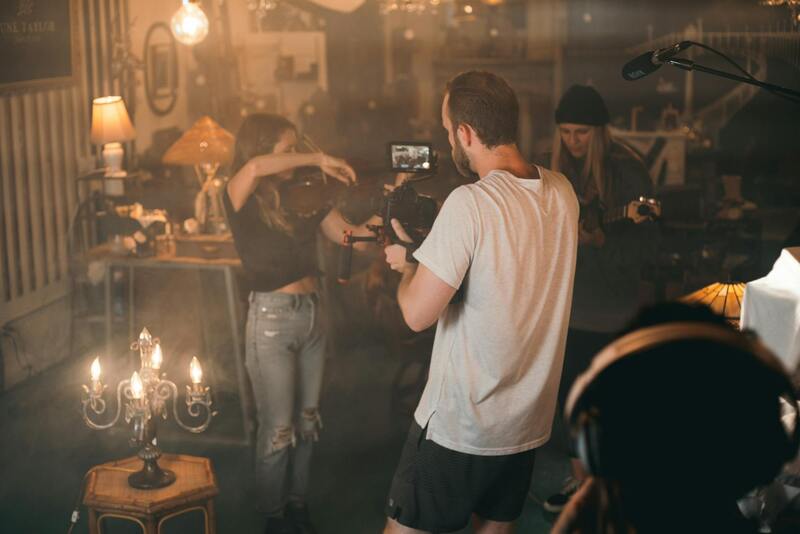
Key components involved in live event video production include multiple cameras, video switchers, audio equipment, and streaming platforms. Each element plays a vital role in producing a polished, professional broadcast. Skilled technicians operate these tools, making real-time decisions to switch angles, adjust sound levels, and incorporate graphics or other multimedia elements. This coordination ensures that the final output is engaging, clear, and aligns with the event's objectives.
Effective live event video production also entails pre-event preparations, such as site surveys, equipment testing, and rehearsals. On the day of the event, the production team manages the technical aspects while coordinating with event organizers to adapt to any unforeseen issues promptly. The result is a cohesive and immersive viewing experience that extends the event's impact beyond physical attendees.
Common Types of Live Events Requiring Video Production
- Concerts and music festivals
- Corporate conferences and seminars
- Sports matches and tournaments
- Weddings and social gatherings
- Fundraising events and galas
- Product launches and promotional events
Key Equipment and Technologies Used in Live Event Video Production
Executing a seamless live broadcast hinges on deploying advanced equipment and cutting-edge technologies. At the core, multiple high-definition cameras are strategically positioned to capture various angles, ensuring comprehensive coverage of the event. These cameras can range from traditional broadcast-grade models to portable, remote-controlled units that provide flexibility in dynamic environments.
Video switchers are essential for real-time editing, allowing operators to seamlessly transition between camera feeds, add graphics, and incorporate multimedia overlays to enhance visual engagement. Audio equipment such as high-quality microphones, mixers, and speakers work in tandem with the video system to deliver clear, balanced sound—crucial for audience comprehension and emotional impact.
Streaming platforms and encoders form the backbone of the digital broadcasting process. They facilitate the live transmission over the internet, ensuring that viewers access a stable and high-quality stream. Reliable internet connections, often combined with backup systems, are vital to prevent interruptions and deliver a consistent viewing experience.
For outdoor events or venues with challenging acoustics, specialized gear like wireless microphones, stabilization rigs, and weatherproof camera housings are employed. These solutions help adapt to environmental conditions without compromising production quality. Additionally, real-time graphics systems enable the integration of lower thirds, event branding, and live annotations that drive audience engagement and convey pertinent information effectively.
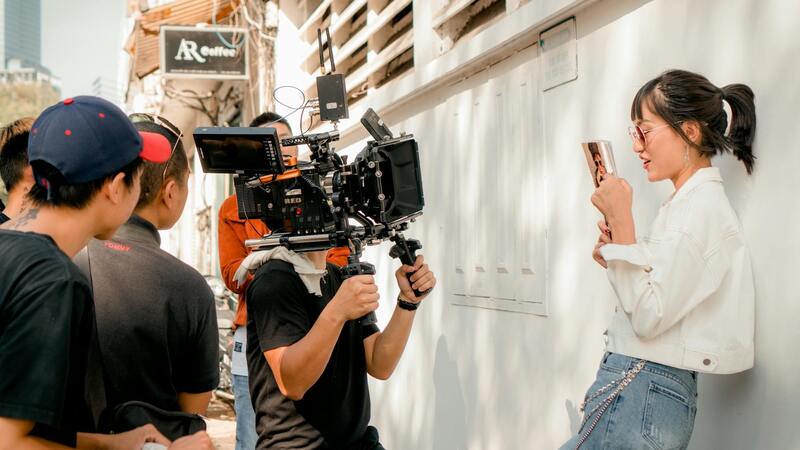
The strategic selection and deployment of these technologies, paired with skilled technicians, enable professional live event video production companies to deliver polished broadcasts tailored to the event's scope and audience expectations.
Steps in Planning a Live Event Video Production
- Initial Consultation and Objective Setting: Clearly define the purpose of the broadcast, target audience, and specific content requirements. This step ensures alignment between the client’s goals and production capabilities.
- Site Survey and Technical Assessment: Conduct a comprehensive site inspection to evaluate lighting conditions, space constraints, power sources, and internet connectivity. Pre-event visits help identify potential logistical challenges.
- Creative Concept Development: Outline the visual style, camera angles, graphics, and interactive elements to be incorporated. This phase often involves storyboarding and client reviews.
- Equipment and Crew Planning: Choose appropriate camera systems, audio gear, and streaming equipment. Assign qualified technicians, camera operators, sound engineers, and on-site coordinators to ensure smooth operations.
- Rehearsals and Technical Testing: Schedule rehearsals to synchronize camera shots, sound levels, and graphics. Perform thorough equipment checks and troubleshoot potential issues before the event.
- Execution and Live Management: During the event, the production team manages camera angles, audio balancing, graphics, and streaming feeds. They remain adaptable to unforeseen circumstances to preserve broadcast quality.
- Post-Event Review: After the broadcast, evaluate technical performance and gather feedback to improve future productions. Archived footage can also be edited or repurposed for promotional use.
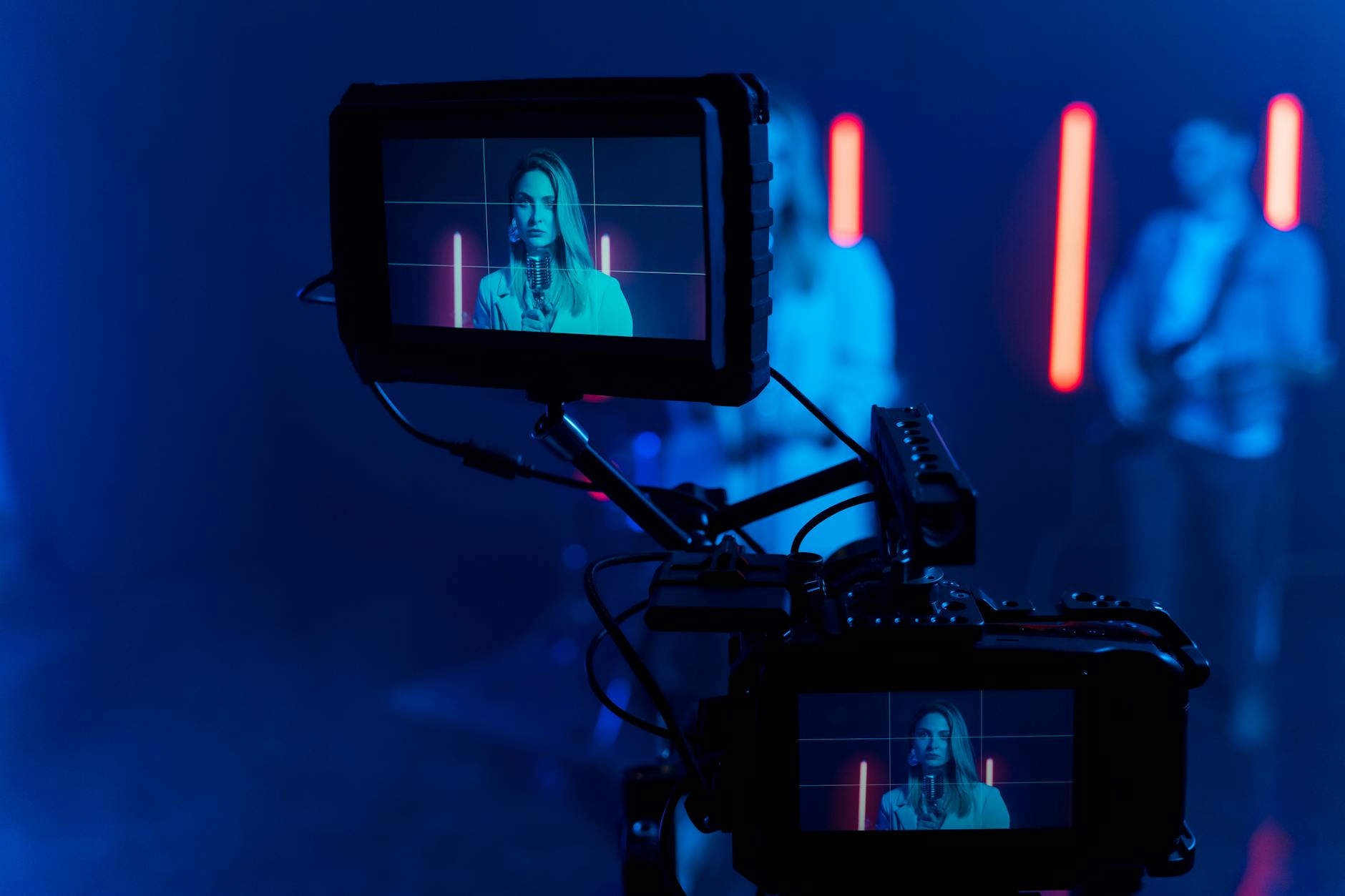
Approaching live event video production with meticulous planning and the right technological arsenal guarantees a captivating and professionally managed broadcast. This attention to detail not only elevates the viewer experience but also reinforces the event’s overall success and reach.
Understanding Live Event Video Production
Live event video production encompasses a comprehensive set of processes designed to capture, produce, and broadcast live events in high-quality formats. It involves meticulous planning, technical expertise, and real-time management to deliver seamless broadcasts across various platforms. Modern live production leverages advanced equipment and innovative techniques to enhance viewer engagement, ensure reliable transmission, and adapt swiftly to on-site challenges. The infrastructure of live event video production includes multiple camera setups, audio capture systems, switching consoles, and streaming hardware, all synchronized to deliver a cohesive viewing experience.
Delivering a compelling live broadcast demands attention to detail at every stage—from pre-production planning to post-event analysis. It requires assessing event logistics, developing creative concepts, and coordinating technical crews and equipment. Effective communication between the production team and clients helps align objectives with technical capabilities. During the event, technicians manage camera switching, audio levels, graphics, and streaming parameters, maintaining flexibility to respond to dynamic circumstances. Afterward, the review process provides insights to optimize future productions, with archived footage offering additional value for promotional or educational content.
Common Types of Live Events Requiring Video Production
Various unique events benefit from professional live video production services to maximize their reach and impact. These include:
- Corporate Events: Conferences, product launches, shareholder meetings, and annual general meetings require clear visuals and engaging graphics to communicate messaging effectively in real time.
- Music Festivals and Concerts: Capturing live performances with multiple angles and immersive audio ensures fans who cannot attend can still experience the event through high-quality streaming.
- Sports Events: From local tournaments to larger competitions, live sports coverage demands high-speed cameras, instant replays, and graphics to enhance audience engagement both onsite and online.
- Religious Services: Streaming worship services, sermons, and religious ceremonies helps communities stay connected and reach broader audiences beyond the physical venue.
- Educational Webinars and Lectures: Universities and training organizations utilize live video to broadcast lectures, workshops, and breakout sessions to improve accessibility and interaction.
- Cultural Festivals and Community Events: Documenting cultural traditions and community celebrations through live production preserves these moments and promotes regional identity across digital platforms.
Each event type presents unique technical requirements and creative opportunities. For instance, sports broadcasting emphasizes fast-paced camera switching and replay capabilities, while corporate events focus on high-quality presentation and branding graphics. Recognizing these distinctions allows production companies to customize their approach, ensuring that the final output meets the specific needs of each event and audience. Professional live event video production enhances the overall experience, increases audience engagement, and amplifies the event’s message across digital channels.
Technical Setup for Seamless Live Streaming
Achieving a flawless live event stream hinges on meticulous technical planning and execution. A reputable live event video production company employs a comprehensive setup that includes multiple high-definition cameras strategically positioned to capture various angles and moments of the event. These cameras are often supplemented with robotic or remotely operated units for dynamic shots during fast-paced moments, such as musical performances or sports action. Ensuring overlapping camera views allows for smooth transitions and a more immersive viewing experience for online audiences.
Audio quality is equally crucial. Professional audio capture involves the use of lapel microphones, boom mics, and direct feeds from the venue's sound system. Sound engineers work diligently to balance audio levels and eliminate background noise, which is vital for clear communication and engagement.
Lighting conditions significantly impact video quality. Production teams assess venue lighting and may implement additional LED panels or spotlights to enhance visibility and create mood-specific effects. These lighting solutions are synchronized with the camera angles to ensure consistency throughout the broadcast.
Encoding, Streaming Platforms, and Real-Time Monitoring
Once the visual and audio components are captured, they undergo encoding for transmission. The encoding process compresses the video data into streams compatible with various internet bandwidths while preserving quality. Professional equipment and software allow for real-time encoding, which is essential for live events.
Choosing the right streaming platform is a critical decision. Factors such as audience size, target devices, and integration capabilities influence this choice. Reputable live event video production companies often have access to popular platforms that ensure reliable delivery, low latency, and scalability as needed.
Throughout the broadcast, dedicated technicians monitor the stream’s health, adjusting parameters dynamically to address any issues such as latency or buffering. This continuous oversight guarantees that viewers experience a consistent, high-quality feed from start to finish.
Post-Event Content and Archiving
After the live event concludes, the recorded content holds significant value. Properly encoded recordings are typically stored securely for future access, whether for promotional use, internal review, or audience engagement via on-demand platforms. Editing may be performed to generate highlight reels, summaries, or extended versions that can be shared across various digital channels.
Advanced post-production processing includes color correction, audio enhancement, and graphic overlays to refine the final content. This step helps sustain the event’s impact and reach beyond the live audience, maximizing the benefits of the investment in professional video production.
Leveraging recorded material also provides opportunities for feedback collection and analytics, which inform future live event planning strategies. It enables organizers to extend the event’s life cycle and reach audiences who could not attend or view the live broadcast in real-time.
Understanding Live Event Video Production
Live event video production encompasses a comprehensive set of processes and technical expertise aimed at capturing, managing, and broadcasting live events. This domain integrates high-end equipment, skilled personnel, and strategic planning to ensure a seamless viewer experience from beginning to end. The core goal is to deliver high-quality visual content that faithfully represents the energy and atmosphere of the event while accommodating the demands of various platforms and audience sizes. Effective live event video production relies heavily on meticulous pre-event preparation, which includes location scouting, equipment setup, and coordination with event organizers. During the event, real-time management of multiple camera feeds, switching between different angles, and integrating overlays or graphics are crucial to maintaining viewer engagement. Post-production activities then focus on editing, encoding, and archiving content, providing a valuable resource for future marketing efforts or internal review.
Common Types of Live Events Requiring Video Production
Numerous live events benefit from professional video production services, each presenting unique challenges and opportunities for creative storytelling:
- Corporate Conferences and Summits: These events often require multi-camera setups to showcase speakers, panels, and audience interactions, all delivered to remote viewers or recorded for later distribution.
- Sports Events: Live broadcasting of competitions demands rapid switching, instant replays, and high frame-rate footage to ensure viewers do not miss key moments.
- Concerts and Festivals: Capturing the energy of live performances involves multiple angles, crowd shots, and dynamic graphics synchronized with live sound.
- Religious Services and Ceremonies: Producing respectful and clear broadcasts for congregations either on-site or remotely requires sensitive camera work and sound management.
- Trade Shows and Exhibitions: Demonstrating new products or innovations through live streaming enhances audience reach and interaction.
Key Equipment and Technologies Used
Successful live event video production depends on the deployment of advanced equipment that guarantees high fidelity and stability:
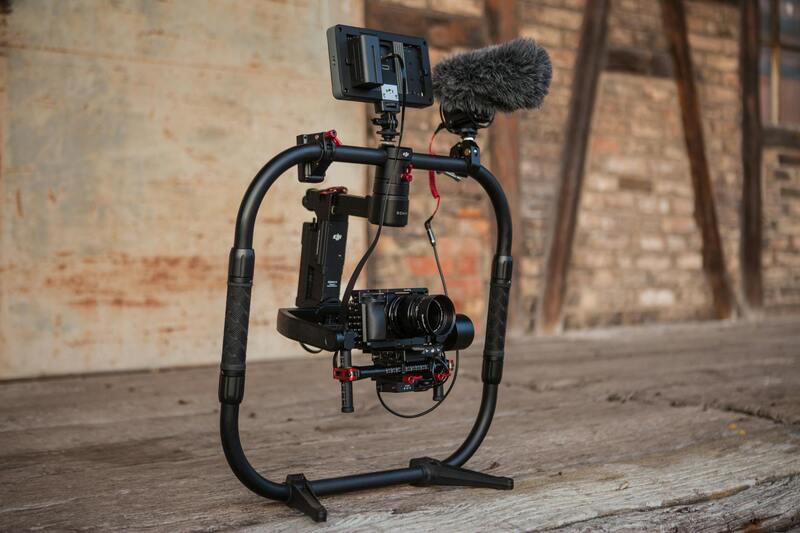
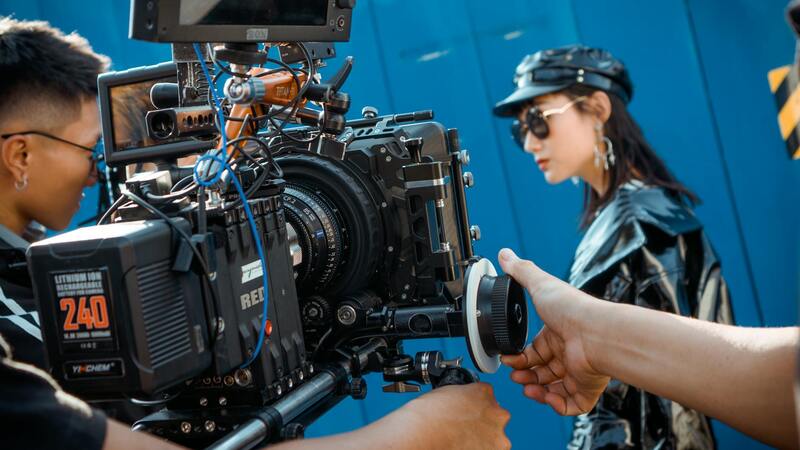
- Cameras: Professional-grade broadcast cameras with high resolution and versatile lenses are the backbone for capturing detailed footage from multiple angles.
- Switchers and Mixers: These devices allow operators to seamlessly transition between camera feeds, add visual effects, and overlay graphics during live broadcasts. li> Audio Equipment: Lavalier microphones, shotgun mics, and audio mixers work together to ensure clear sound quality, vital for both live and post-event uses.
- Streaming Hardware and Software: Scalable platforms and encoders facilitate reliable live streaming, handling high traffic volumes and ensuring minimal latency.
- Lighting: Adequate lighting setups are crucial for visual clarity, especially in low-light venues, enhancing camera performance and overall production quality.
Steps in Planning a Live Event Video Production
A systematic approach to planning is essential for successful live event video production. The process typically involves several key phases:
- Initial Consultation: Understanding the client’s objectives, target audience, and technical requirements sets the foundation for the project.
- Site Assessment: Visiting the venue to evaluate space, lighting, acoustics, and logistical constraints helps determine the appropriate equipment and technical setup.
- Technical Planning: Developing a detailed production plan, including camera placement, signal flow, and backup systems, ensures preparedness for various scenarios.
- Crew Coordination: Assembling a skilled team of camera operators, directors, audio engineers, and technical support staff to execute the plan.
- Rehearsals: Conducting test runs allows for adjustment of camera angles, audio levels, and streaming configurations to optimize the final output.
- On-site Execution: Implementing the production plan during the event, with continuous monitoring and adjustments as needed.
- Post-Event Review: Evaluating the broadcast quality, gathering feedback, and archiving footage for future use.
Understanding Live Event Video Production
Live event video production encompasses the comprehensive process of capturing, managing, and broadcasting live events through high-quality video footage. This methodology is essential for ensuring remote audiences experience the event as vividly as those on-site, whether it’s a corporate conference, music festival, sports competition, or cultural gathering. Skilled live event video production involves a blend of technical expertise, creative vision, and logistical coordination, all aimed at delivering seamless, engaging content that elevates the event’s overall impact.
Key Elements of Live Event Video Production
- Pre-Production Planning: Establishing clear objectives, understanding the audience, assessing venue conditions, and preparing technical requirements lay the groundwork for a successful broadcast.
- Capture and Camera Operations: Utilizing multiple camera angles, professional-grade equipment, and skilled operators to ensure dynamic and comprehensive coverage of the event.
- Audio Management: Capturing clear, balanced sound is vital. This involves using high-quality microphones, audio mixers, and sound engineers to optimize audio clarity.
- Lighting Control: Proper lighting enhances visual quality, highlights key moments, and compensates for venue limitations, contributing to a polished final product.
- Streaming and Transmission: Managing reliable data transmission systems and utilizing streaming platforms to deliver real-time content with minimal latency.
- Post-Production and Monitoring: For events requiring recordings or edited highlights, post-event editing ensures a professional finish while real-time monitoring maintains broadcast quality during the event.
Technologies and Equipment in Live Event Video Production
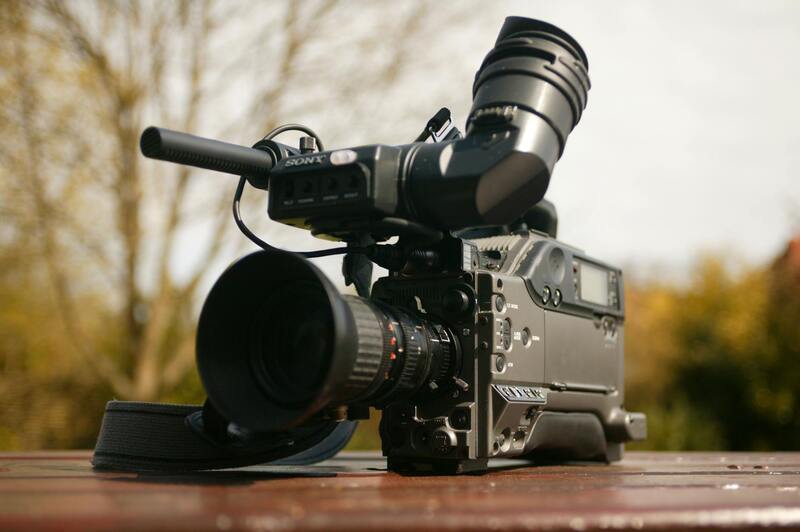
Advancements in technology have significantly expanded the capabilities of live event video production. Key equipment includes multi-camera setups with HD or 4K resolution, robotic cameras for dynamic shots, and switchers that facilitate seamless transitions between camera feeds. Wireless microphones and in-ear monitoring systems improve audio versatility, while reliable encoders and streaming hardware ensure continuous broadcast quality. Additionally, remote control systems enable operators to manage camera angles and focus from a distance, increasing flexibility during live coverage.
State-of-the-art broadcast servers and cloud-based platforms facilitate live editing and instant uploads, ensuring content distribution aligns with client expectations. For venues with challenging lighting conditions, LED lighting systems and advanced light modifiers help achieve the desired visual aesthetic. Integrating multiple feeds and synchronizing audio-video signals demand meticulous technical planning, underscoring the importance of specialized equipment and experienced technicians.
Steps in Planning a Live Event Video Production
Effective planning hinges on a structured approach that anticipates and addresses the complexities of live broadcasting. The process entails:
- Initial Consultation: Collaborating with clients to identify objectives, target viewers, and specific technical or creative expectations helps shape the project scope.
- Venue and Site Assessment: Visiting the location to evaluate space dimensions, lighting conditions, acoustics, and logistical considerations clarifies equipment needs and technical constraints.
- Technical Design and Setup: Developing diagrams for camera placement, lighting, and audio configurations ensures comprehensive coverage. Backup systems are integrated to mitigate potential technical failures.
- Crew Coordination and Training: Assembling a team of experienced professionals, including camera operators, audio engineers, and technical directors, with clear roles and responsibilities.
- Rehearsals and Testing: Conducting test runs reduces the risk of unforeseen issues during the actual event, allowing adjustments for camera angles, sound levels, and streaming parameters.
- On-Site Execution and Monitoring: Live management involves real-time decision-making, quality checks, and rapid problem-solving to maintain broadcast integrity.
- Post-Event Analysis: Gathering feedback and reviewing footage help improve future productions, while archived recordings can be utilized for marketing or archival purposes.
Choosing a Live Event Video Production Company in Miami
Selecting an experienced and reliable Miami-based live event video production company is critical for achieving high-quality results. Proven expertise ensures familiarity with local venues, logistical considerations, and current technology standards. It’s essential to evaluate the company's portfolio, client testimonials, and technical capabilities, including their proficiency with streaming platforms and multi-camera setups. A reputable company offers transparent planning processes, clear communication, and tailored solutions to meet your specific needs—ensuring an engaging and successful live broadcast at your event.
Understanding Live Event Video Production
Live event video production involves the comprehensive process of capturing, processing, and broadcasting live content to audiences in real-time. This intricate task demands meticulous coordination of equipment, personnel, and technological resources to ensure seamless delivery. Unlike traditional recording methods, live production requires immediate decision-making, on-the-fly adjustments, and real-time troubleshooting to account for varying conditions and unforeseen challenges. It extends beyond simple camera work, encompassing multi-camera management, audio mixing, visual effects, and streaming protocols that work synergistically to produce a captivating broadcast. Having an expert in live event video production is vital to effectively combine these elements, providing viewers with an immersive experience that accurately portrays the energy and significance of the event.
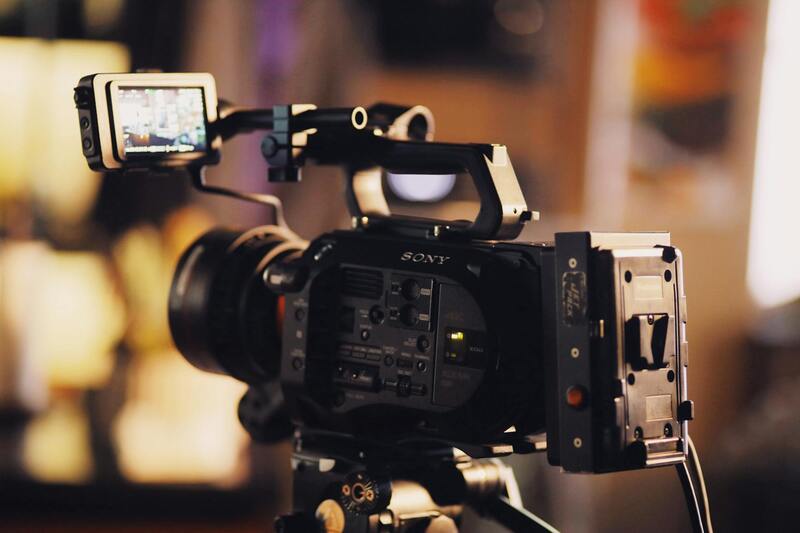
Effective live production demands thorough planning and implementation. Utilizing advanced video switchers, high-definition cameras, multi-channel audio systems, and reliable streaming platforms ensures professional results. These technologies enable dynamic switching between camera angles, real-time graphic insertion, and instant audio adjustments, all contributing to an engaging broadcast. Additionally, the employment of backup systems, such as redundant power supplies and failover internet connections, proves crucial in mitigating potential disruptions. The integration of these tools allows production teams to maintain broadcast integrity, even under unexpected technical circumstances. Ultimately, a well-orchestrated live video production provides viewers with an authentic experience, capturing the essence of the event as it unfolds.
Common Types of Live Events Requiring Video Production
- Corporate Events: Conferences, product launches, and seminars that require wide-ranging coverage and professional branding elements for live streaming or on-demand viewing.
- Music & Entertainment Shows: Concerts, festivals, and award ceremonies where multi-camera setups capture performances from multiple angles, enhancing audience engagement.
- Sports Events: Live broadcasts of competitions, tournaments, and matches demand high-speed data transfer, instant replay capabilities, and real-time commentary.
- Religious Services: Streaming church services, outdoor gatherings, and spiritual events to reach congregants both onsite and remotely.
- Educational Webinars and Workshops: Interactive sessions that benefit from professional video setups to ensure clarity and engagement for remote learners.
Importance of Selecting the Appropriate Equipment and Technologies
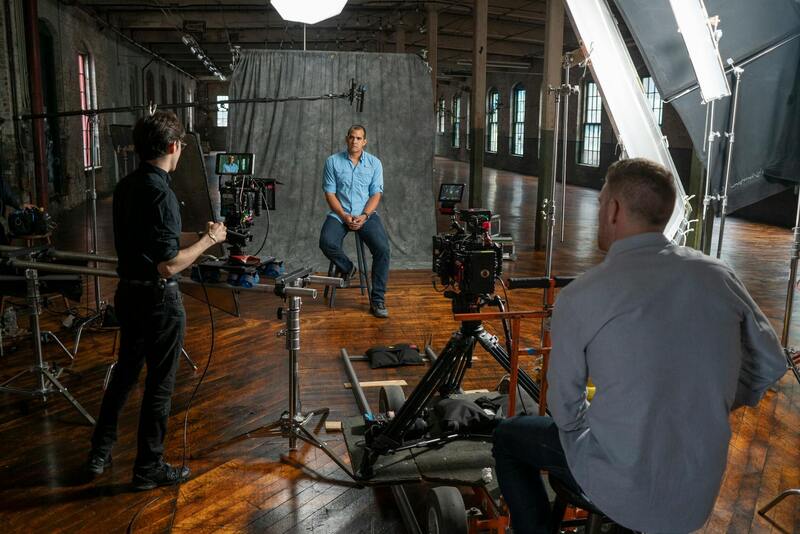
Matching the event's scale and type with the right equipment ensures smooth coverage. For instance, large-scale concerts may require multiple HD cameras positioned strategically around the venue, along with high-bandwidth streaming servers. Conversely, smaller corporate meetings might utilize a few fixed cameras combined with high-quality microphones and stable internet connections. Leveraging streaming platforms compatible with various devices maximizes audience reach, enhancing accessibility and engagement. Proper use of switchers, graphics generators, and remote camera controls allows seamless transitions and professional presentation, elevating the overall viewing experience.
Steps in Planning a Live Event Video Production
- Initial Consultation: Engage with the client to understand event objectives, audience expectations, and logistical constraints.
- Site Assessment: Conduct venue walkthroughs to identify camera placements, power sources, internet connectivity, and acoustic conditions.
- Technical Planning: Develop a detailed production plan covering equipment needs, staffing, and schedule timelines.
- Content Strategy: Decide on the visual flow, graphics, branding overlays, and interactive elements tailored to the event's purpose.
- Coordination with Vendors: Collaborate with venue staff, internet providers, and other vendors to ensure all technical requirements are met.
- Rehearsals: Schedule run-throughs to test equipment, camera angles, sound levels, and streaming quality, making adjustments as necessary.
- Day-of Execution: Implement the production plan with real-time coordination, ensuring smooth transitions, troubleshooting, and seamless broadcast delivery.
Post-event Evaluation and Content Management
After the event, reviewing footage and gathering feedback inform future productions. Archived videos can be repurposed for marketing, training, or archival records, extending the value of the live coverage and strengthening engagement with your audience.
Understanding Live Event Video Production
Live event video production involves the comprehensive process of planning, capturing, and broadcasting events in real time. This service requires a thorough understanding of both technical and creative elements to deliver a seamless viewing experience to audiences, whether they are onsite or watching remotely. The process starts with detailed logistical planning, including understanding the scope of the event, the target audience, and the desired outcomes. A professional live event video production team employs specialized equipment such as multi-camera setups, switchers, live streaming encoders, and audio systems to ensure high-quality visuals and sound. Expertise in real-time editing and coordination among various team members is crucial to handle live transitions, graphic overlays, and audio synchronization, providing a professional presentation that aligns with the client’s branding and event goals.
Successful live event video production also involves meticulous technical preparation. This includes site assessments to determine optimal camera angles and placements, ensuring reliable internet connectivity for streaming, and testing all equipment beforehand. The production team must remain flexible to adapt to unforeseen technical issues or last-minute changes during the event, maintaining a smooth broadcast throughout. Post-event, the footage can be archived for future use, such as promotional content, training materials, or archival purposes, adding long-term value to the production.
Common Types of Live Events Requiring Video Production
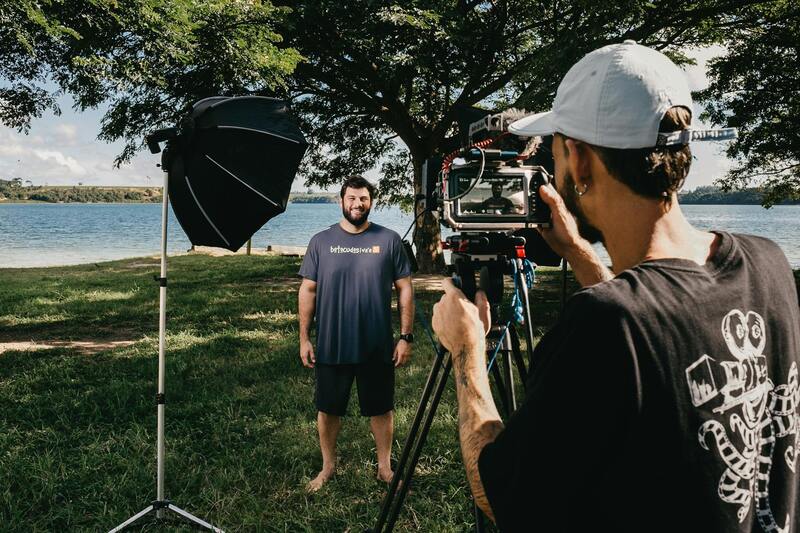
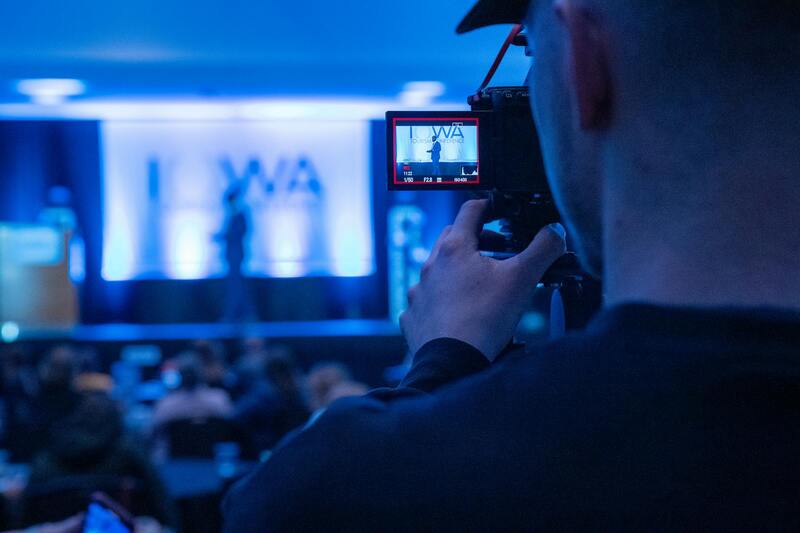
A variety of live events benefit greatly from professional video production capabilities. Corporate conferences and seminars are among the most common, where live streaming or recording allows remote audiences to participate and provides content for future marketing. Concerts, music festivals, and theater performances require dynamic camera work and audio clarity to capture the event’s atmosphere, engaging viewers both onsite and online. Sporting events demand high-speed captures, multiple angles, and instant replays to enhance viewer engagement and broadcast quality. Other significant events include product launches, award ceremonies, charity galas, and religious gatherings, all of which benefit from polished, professional live video production that ensures a memorable experience for audiences.
Each event type presents unique challenges and requirements, making it essential to work with a production company experienced in the specific demands of the event. For example, a concert may need specialized lighting and camera rigs, while a conference might require multiple stream feeds and interactive features. An experienced live event video producer tailors their approach to meet these needs, ensuring the final output aligns with the event’s objectives and audience expectations.
Key Equipment and Technologies Used
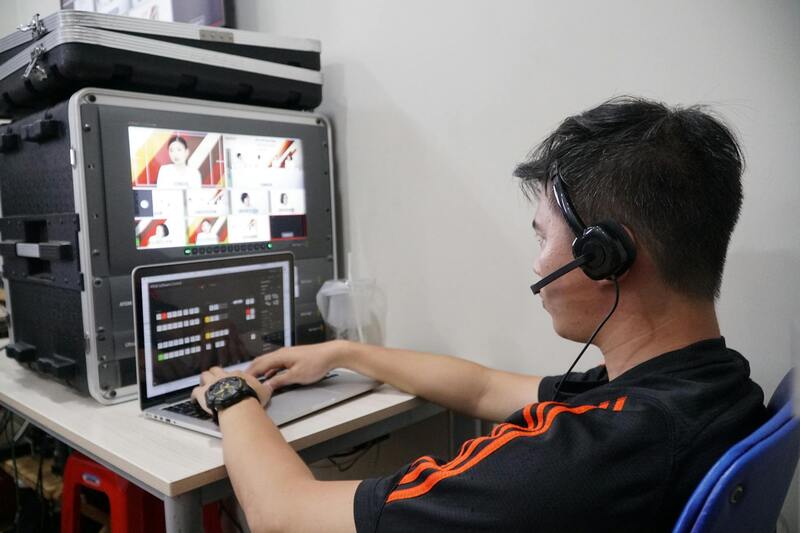
Professional live event video production hinges on a range of advanced equipment designed for reliability and high performance. Multi-camera systems provide flexibility in capturing various angles, while switchers enable real-time transitions between camera feeds for a dynamic viewing experience. High-definition (HD) or 4K cameras offer clarity and detail, crucial for large screens or online viewers. Audio equipment, including wireless microphones, mixers, and soundboards, ensures clear sound quality that matches the visual fidelity. Streaming encoders convert the live video feed into formats suitable for broadcasting over the internet, supporting multiple platforms such as social media and dedicated streaming services.
Additionally, technologies such as live graphics generators allow for real-time overlays like branding, countdown timers, or informational banners, enhancing the professionalism of the broadcast. Remote camera control systems and wireless technology facilitate flexible camera placements and smooth operation in challenging environments. As technology advances, virtual sets, augmented reality, and 360-degree live streaming are emerging trends that further elevate the production quality and engagement potential of live events.
Steps in Planning a Live Event Video Production
Effective planning begins with an initial consultation to understand the client’s objectives, target audience, and logistical constraints. Conducting thorough site assessments allows the production team to identify ideal camera placements, power sources, and internet access points. Developing a detailed technical plan covers equipment requirements, staffing schedules, and timeline management. Content strategy involves deciding on visual elements, graphics, branding overlays, and interactive features tailored to enhance the event’s message.
Coordination with venue staff, internet providers, and other vendors ensures seamless technical integration. Rehearsals are vital to test all equipment, camera angles, audio levels, and streaming stability. These practice runs help identify potential issues and facilitate necessary adjustments. On the day of the event, the production team executes the plan with real-time management, ensuring a smooth broadcast with minimal disruptions. Throughout the event, staff monitor all technical aspects and troubleshoot issues promptly, maintaining the quality and consistency of the live stream.
Choosing a Live Event Video Production Company in Miami
Selecting a professional live event video production partner in Miami involves evaluating their experience, technical capabilities, and portfolio of past work. An established company demonstrates a proven track record of handling events similar in size and scope to your project. It’s essential to review their team’s expertise, including directors, camera operators, sound engineers, and technical directors, to ensure they can deliver a comprehensive service.
Strong communication and transparency during the planning phase help align expectations and clarify logistical details. A reliable production company should provide a detailed proposal outlining equipment, staffing, timelines, and costs, allowing for informed decision-making. Local expertise is also valuable, as Miami venues often require knowledge of specific setups and compliance with regional regulations. Ensuring the company uses state-of-the-art equipment and offers adaptable solutions for various event formats guarantees a professional outcome that meets your objectives.
Reasons to Hire a Professional Live Event Video Producer
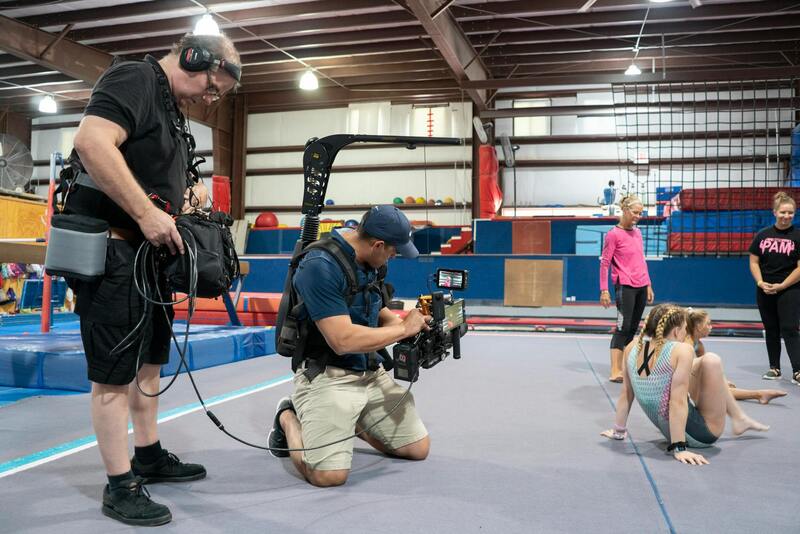
Engaging a skilled live event video producer guarantees high production standards, technical reliability, and creative expertise. Experienced producers understand the intricacies of live broadcasting, enabling them to manage unforeseen challenges swiftly and efficiently. They bring a comprehensive understanding of lighting, audio, camera work, and live switching to deliver a cohesive and engaging broadcast.
Working with professionals ensures that your event’s visual and audio content is of broadcast-quality, reflecting positively on your brand or organization. Furthermore, a reputable production team offers post-event services such as footage editing, promotional clips, and digital archiving, extending the value of the live coverage. Their knowledge of legal and safety regulations, along with their familiarity with the latest streaming platforms, contributes to a smooth, professional presentation that captures the event’s essence effectively.
Challenges and Solutions in Live Event Video Production
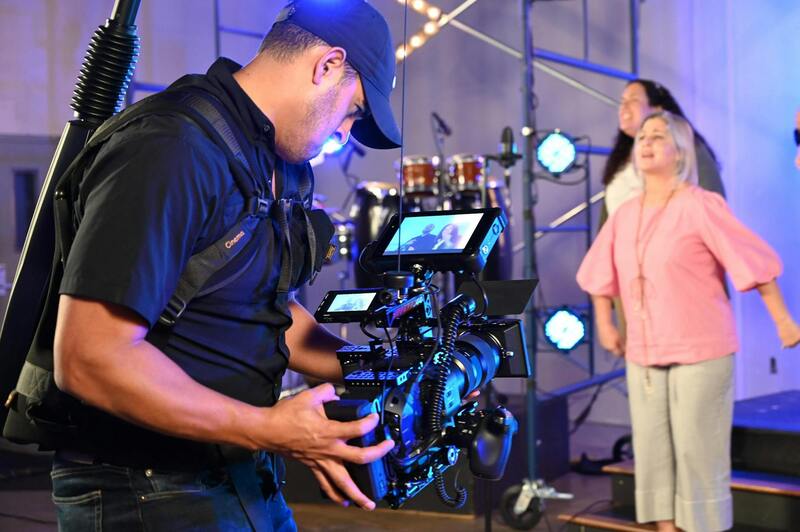
Live event video production presents several challenges, including unpredictable technical issues, internet connectivity, and complex coordination among team members. To mitigate these risks, comprehensive pre-event testing is essential, along with contingency planning for potential failures. Establishing backup equipment such as spare cameras, audio devices, and internet sources ensures continuity in case of hardware or connection issues.
Environmental factors like lighting and acoustics can also impact quality; therefore, onsite assessments help determine necessary adjustments. Effective communication among team members and with venue staff ensures synchronization and timely problem resolution. Utilizing remote monitoring tools allows the production team to oversee multiple aspects of the broadcast from different locations, reducing the risk of oversight. Continuous staff training and adherence to established protocols further enhance operational efficiency, promoting a flawless live broadcast experience for your audience.