
Understanding Live Stream Event Services
In the contemporary landscape of digital communication, live stream event services have become essential tools for organizations aiming to reach wider audiences with their events. These services provide a seamless way to broadcast live content over the internet, offering real-time interaction and engagement with viewers regardless of their geographic location. For businesses, educational institutions, non-profits, and entertainment entities in Miami, leveraging professional live streaming solutions ensures high-quality visual and audio presentation, reliable connectivity, and broader outreach capabilities.
Implementing a live stream event service enables hosts to extend their event’s impact beyond physical attendance. This is especially crucial in a vibrant city like Miami, where diverse demographics and global connections play a significant role. The advantages of such services include increased accessibility, cost savings on venue and travel logistics, and the ability to deliver dynamic content tailored to specific audiences. High-definition broadcast quality makes the virtual experience compelling and engaging, drawing viewers into a synchronized viewing experience that mimics traditional in-person events.
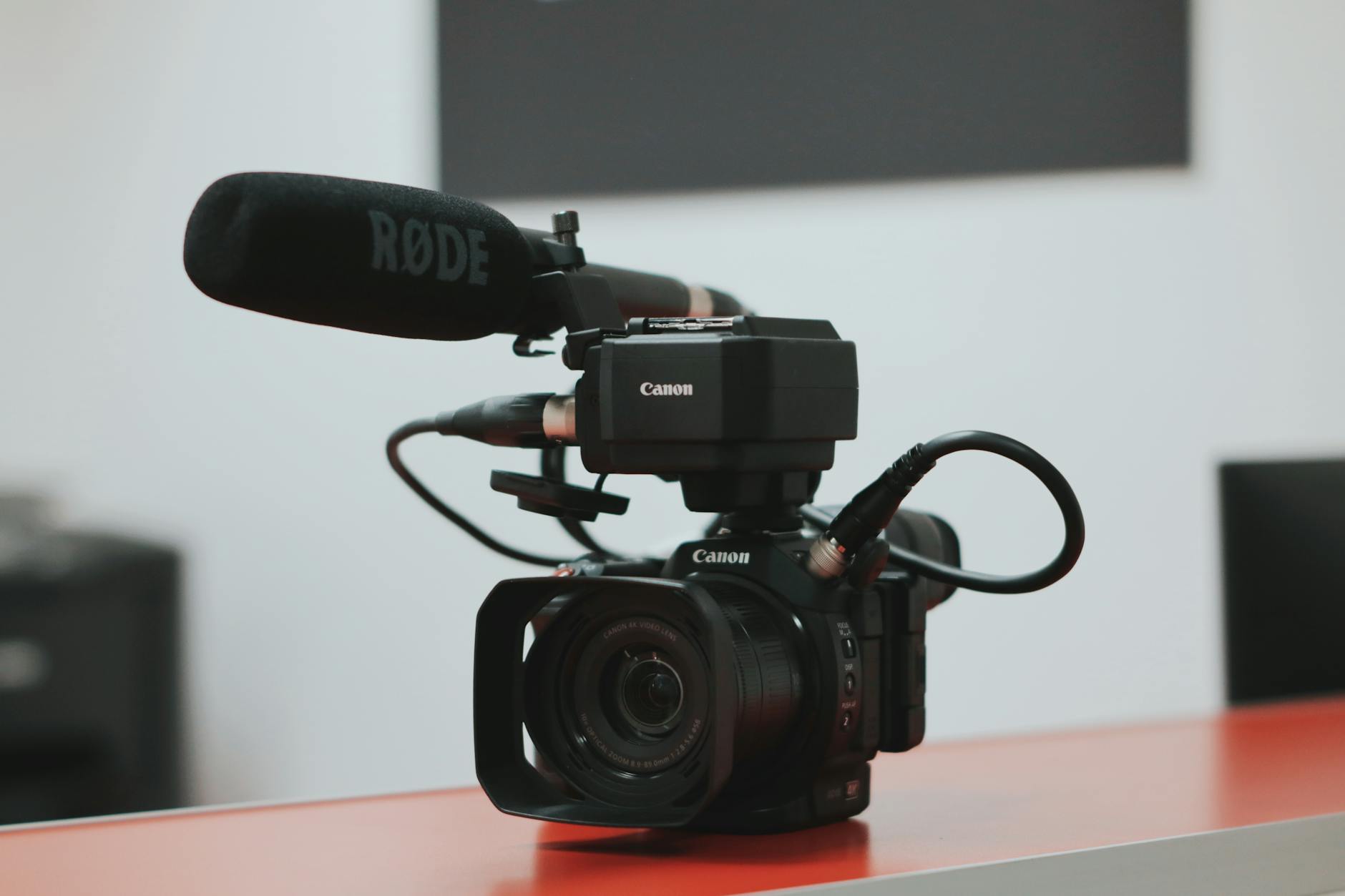
Organizations that adopt live stream event services enjoy the flexibility to customize their broadcasts with multiple camera angles, professional audio, and engaging visuals. Moreover, integrated features such as chat, Q&A, polls, and social media interactions foster real-time participation, making virtual attendees feel involved and valued. This interactive aspect is particularly compelling for corporate conferences, product launches, training sessions, and cultural festivals, where audience engagement significantly amplifies the event's overall success.
Choosing the right live stream service involves evaluating factors such as streaming quality, technical support, scalability, and compatibility with existing platforms. As the premier provider in Miami, miamieventvideopro.com offers comprehensive solutions tailored to meet diverse event needs. The company's experience and advanced technology ensure every broadcast runs smoothly, delivering a consistent, professional visual experience that resonates with audiences. Understanding the core benefits and features of live stream event services lays the foundation for successful virtual events that make a lasting impact.
Understanding Live Stream Event Services
Live stream event services play a crucial role in modern event management, offering a seamless way to extend reach and foster engagement through digital broadcasting. These services leverage advanced technology to deliver real-time audio-visual content directly to online audiences, ensuring that physical distance does not limit participation. In Miami, where diverse industries—from corporate sectors to cultural festivals—seek innovative engagement solutions, professional live streaming becomes an indispensable component of event strategy.
Choosing a live stream service involves evaluating several technical and logistical factors. High-definition streaming capability ensures clarity and professionalism, which is vital for corporate presentations, product launches, and televised cultural events. Apart from video quality, a reliable platform must include features like adaptive bitrates to provide stable viewing even with fluctuating internet speeds, minimizing buffering and lag issues that can diminish viewer experience. Additionally, the service’s scalability should align with the expected audience size, ensuring smooth management of large-scale broadcasts without technical glitches.
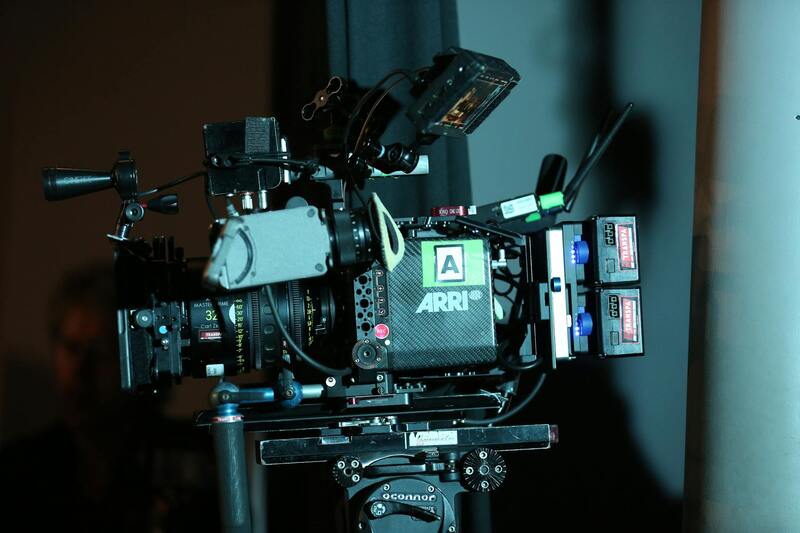
Effective live streaming also involves planning the technical setup meticulously. This includes selecting professional-grade cameras for multiple angles, high-quality audio equipment for clear sound, and robust internet connections with backup options to prevent interruptions. The operators managing these setups must be experienced, capable of conducting real-time adjustments to maintain visual consistency and audio clarity. Additionally, integrating supplementary features like multi-screen displays, synchronized slideshows, and embedded videos enhances the viewer’s experience and makes the virtual event more engaging.
Essential Considerations for Live Streaming Success
- Technical Reliability: Ensuring stable internet connections and backup systems.
- Audio-Visual Quality: Using professional cameras and sound equipment for clear, crisp broadcasts.
- Platform Compatibility: Selecting services that support various devices and operating systems for broader audience access.
- Interactive Elements: Incorporating chat functions, polls, and Q&A sessions to increase audience participation.
- Post-Event Support: Offering content recording and repurposing options to maximize value.
Moreover, the importance of post-event content management cannot be overstated. After the live broadcast concludes, event highlights, recordings, and media assets can be edited and distributed across multiple channels, extending the event's lifespan and re-engaging participants. This strategic content repurposing not only provides ongoing value but also broadens the event's impact beyond the live moment.
To ensure the highest standards of quality and service reliability, many organizations in Miami turn to seasoned providers like miamieventvideopro.com. Their tailored approaches and cutting-edge equipment guarantee smooth, high-quality broadcasting experience, allowing hosts to focus on content delivery while technical professionals manage all logistical aspects behind the scenes.
Technical Aspects and Equipment Used in Live Streaming
Achieving a seamless and professional live stream requires the deployment of specialized equipment that meets the demanding standards of high-definition broadcasting. At the core of these technical aspects are high-quality cameras capable of capturing clear, detailed footage in various lighting conditions, ensuring the visual presentation remains crisp and engaging throughout the event. Coupled with professional-grade audio equipment, such as lavalier microphones, shotgun mics, and mixers, the sound is transmitted with clarity, reducing background noise and echo for an optimal listening experience.
Reliable internet connectivity is paramount; most service providers utilize multiple internet channels and bonding technology to prevent interruptions. Redundant systems and backup streams are implemented to maintain continuity in the event of technical issues, safeguarding the integrity of the broadcast. Encoding hardware and software convert the raw audio-visual input into a format suitable for streaming across various platforms, with adaptive bitrate technology adjusting quality based on viewers’ network conditions.
Switching equipment allows real-time transitions between multiple camera feeds, video sources, and graphics overlays, adding professional polish to the presentation. For added versatility, teleprompters, lighting setups, and stabilization gear are also incorporated to enhance the overall production quality. All these components work harmoniously to deliver a polished, immersive experience for remote audiences, reflecting the high standards expected in contemporary live streaming services.
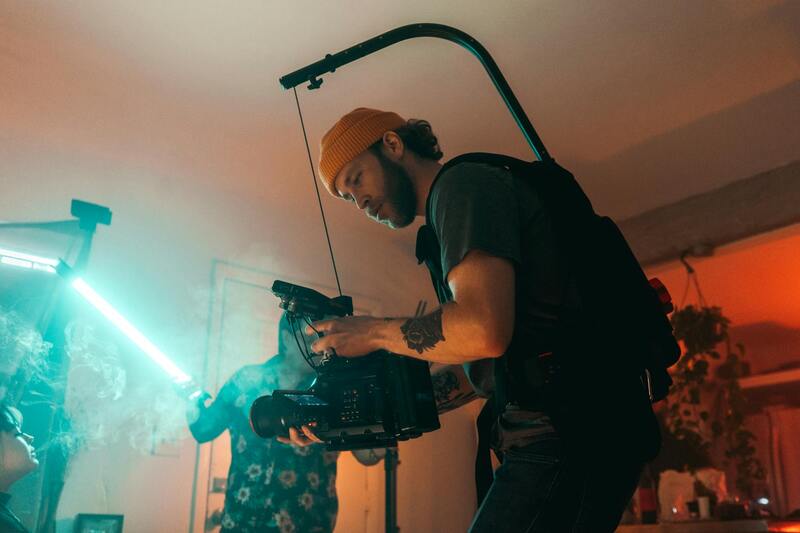
Furthermore, technical professionals continuously monitor the stream during the event, making real-time adjustments to equipment, network bandwidth, and streaming parameters. This proactive oversight minimizes potential disruptions, ensuring the broadcast remains smooth and professional from start to finish.
Choosing the Right Live Stream Event Provider in Miami
Making an informed choice in selecting a live stream event service provider in Miami is crucial for ensuring a successful broadcast. The ideal provider should demonstrate extensive experience in managing diverse types of events, from corporate meetings to large-scale concerts, with a proven track record of delivering high-quality streams in a timely manner. Clients should seek providers who utilize state-of-the-art equipment, including multi-camera setups, professional audio tools, and reliable broadcasting hardware, to capture every detail of the event with clarity and precision.
Another important aspect is the provider's technical expertise, particularly in troubleshooting and managing unforeseen issues during live broadcasts. Providers with skilled technical teams can monitor streams in real-time, making necessary adjustments to preserve stream stability and quality. Their familiarity with various streaming platforms and protocols ensures compatibility across devices and networks, allowing viewers to access content seamlessly regardless of their connection or device type.
Effective communication and transparency are also indicators of a reputable live stream service provider. Clients should prefer companies that offer comprehensive consultations before the event, clearly outline the technical process, and define roles and responsibilities. This proactive approach helps align expectations and ensures all production elements are adequately prepared for the event day.
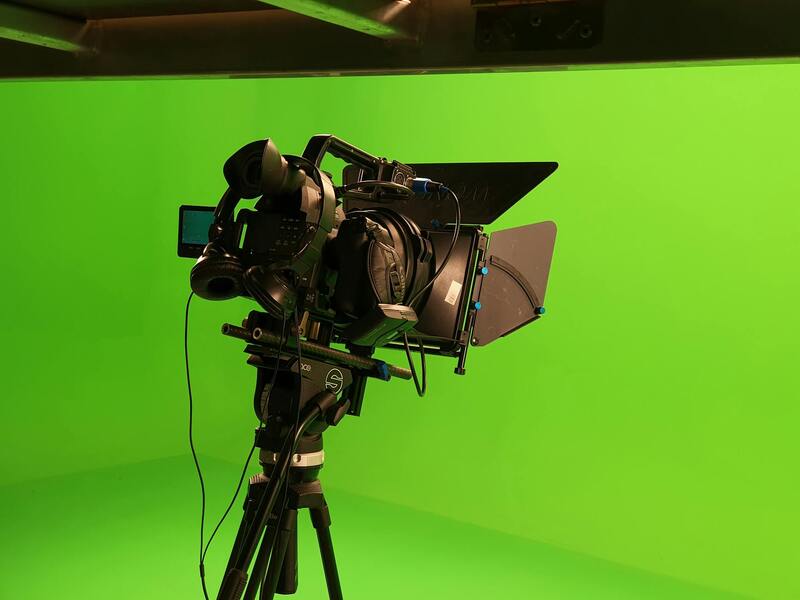
Pricing structures and package options should be transparent and customized to meet the specific needs of each event. Whether it’s a small business webinar or a large corporate conference, providers should be able to tailor their services to match the scope and complexity of the event. Flexibility in terms of add-on features, such as interactive chat functions, multiple camera feeds, or simultaneous multilingual streams, can enhance the overall experience for remote attendees.
Lastly, providers who offer post-event support, including content recordings, editing services, and distribution options, add significant value. This ensures that content generated during live streams can be repurposed for promotional use, training, or archival purposes. Choosing a live stream service provider in Miami with these capabilities guarantees not only a professional broadcast but also a strategic asset that extends the reach and impact of the event.
Technical Aspects and Equipment Used in Live Streaming
Ensuring a seamless live stream hinges on the quality and reliability of the technical infrastructure employed. Professional live stream event services utilize state-of-the-art equipment designed to deliver high-definition, low-latency broadcasting that meets the highest industry standards. The core components typically include high-resolution cameras, advanced audio capture devices, streaming encoders, and robust networking solutions that facilitate smooth data transmission.
High-definition cameras are vital for capturing crystal-clear visuals, whether the event involves keynote speakers, stage performances, or conference panels. Professionals often deploy multi-camera setups to enable dynamic shots, close-ups, and wide angles, which enrich the viewing experience for remote audiences. These cameras are complemented by high-quality microphones and audio mixers to ensure pristine sound, avoiding issues like background noise or audio lag.
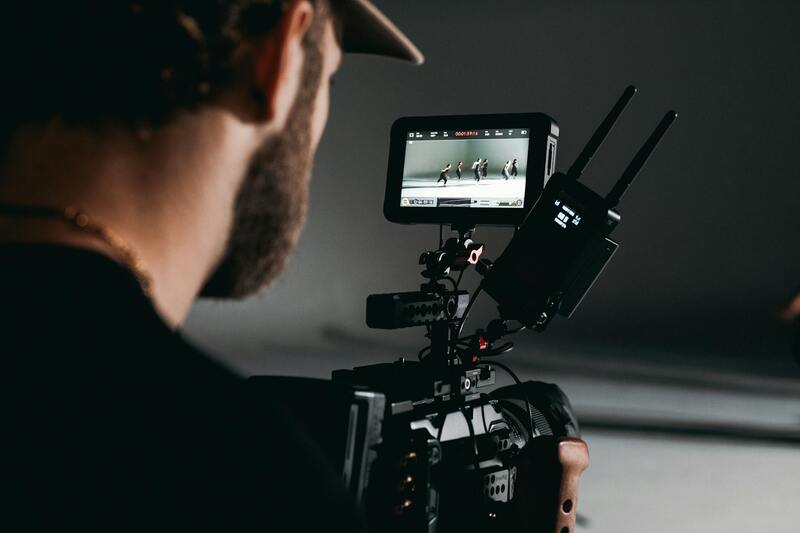
At the heart of any professional live stream lies the streaming encoder. This device compresses and transmits video content in real-time without compromising quality. Encoders can be physical hardware units or software applications integrated into the streaming platform. They ensure the broadcast is adaptable to various bandwidth conditions, maintaining a stable and high-quality stream across multiple devices and connection speeds.
Networking infrastructure plays a critical role in the success of a live event. Reliable internet connections with sufficient bandwidth prevent interruptions and buffering issues. Many providers employ redundant connections and backup systems to mitigate potential disruptions. Additionally, the use of load balancers and content delivery networks (CDNs) distributes the stream geographically, reducing latency and enhancing viewer experience regardless of their location.
Complementary equipment such as graphic carts, video switchers, and real-time streaming software contribute to a polished presentation. These tools allow seamless transitions between different camera feeds, overlay of graphics or branding, and integration of live chat or interactive elements. The cumulative effect of this advanced technical setup is a broadcast that appears professional, engaging, and synchronized across all platforms.
Ensuring Technical Compatibility and Support
One of the fundamental benefits of choosing a professional live stream event service is their expertise in technical coordination. They conduct comprehensive network assessments beforehand to identify potential issues and implement solutions accordingly. During the event, on-site technical support monitors the broadcast continuously, ready to address any glitches promptly. Moreover, post-event technical support ensures the final content is properly archived, edited if necessary, and distributed through appropriate channels for maximum impact.
Investing in such sophisticated equipment and support services signifies a commitment to delivering a memorable virtual event. When viewers experience consistent quality and fluid delivery, it enhances overall engagement, reinforces branding efforts, and fosters long-term trust in the event’s organizers.
Technical Aspects and Equipment Used in Live Streaming
Executing a flawless live stream event hinges on the deployment of advanced hardware and software solutions designed to ensure stability, quality, and flexibility. Central to this setup are high-performance encoders, which serve as the critical interface between camera feeds and the streaming platform. These devices convert raw video signals into optimized digital streams suitable for online delivery. Whether hardware-based or software-based, encoders must support multiple input formats and offer robust codec options to adapt to various content types and bandwidth conditions.
Alongside encoders, there are streaming platforms and servers that facilitate content distribution across multiple channels simultaneously. Content Delivery Networks (CDNs) play a vital role in dispersing the stream geographically, minimizing latency, and maintaining consistent quality regardless of viewer location. This distributed infrastructure is essential for large-scale events with broad audiences, ensuring that viewers receive smooth, uninterrupted streams.
Backup systems are also indispensable in professional live streaming. Redundant encoders, network connections, and storage solutions safeguard against unforeseen disruptions. Should primary systems fail, backup pathways automatically take over, maintaining the continuity of the broadcast without noticeable interruptions. These measures are part of a comprehensive technical framework aimed at delivering a seamless viewing experience that aligns with professional standards.
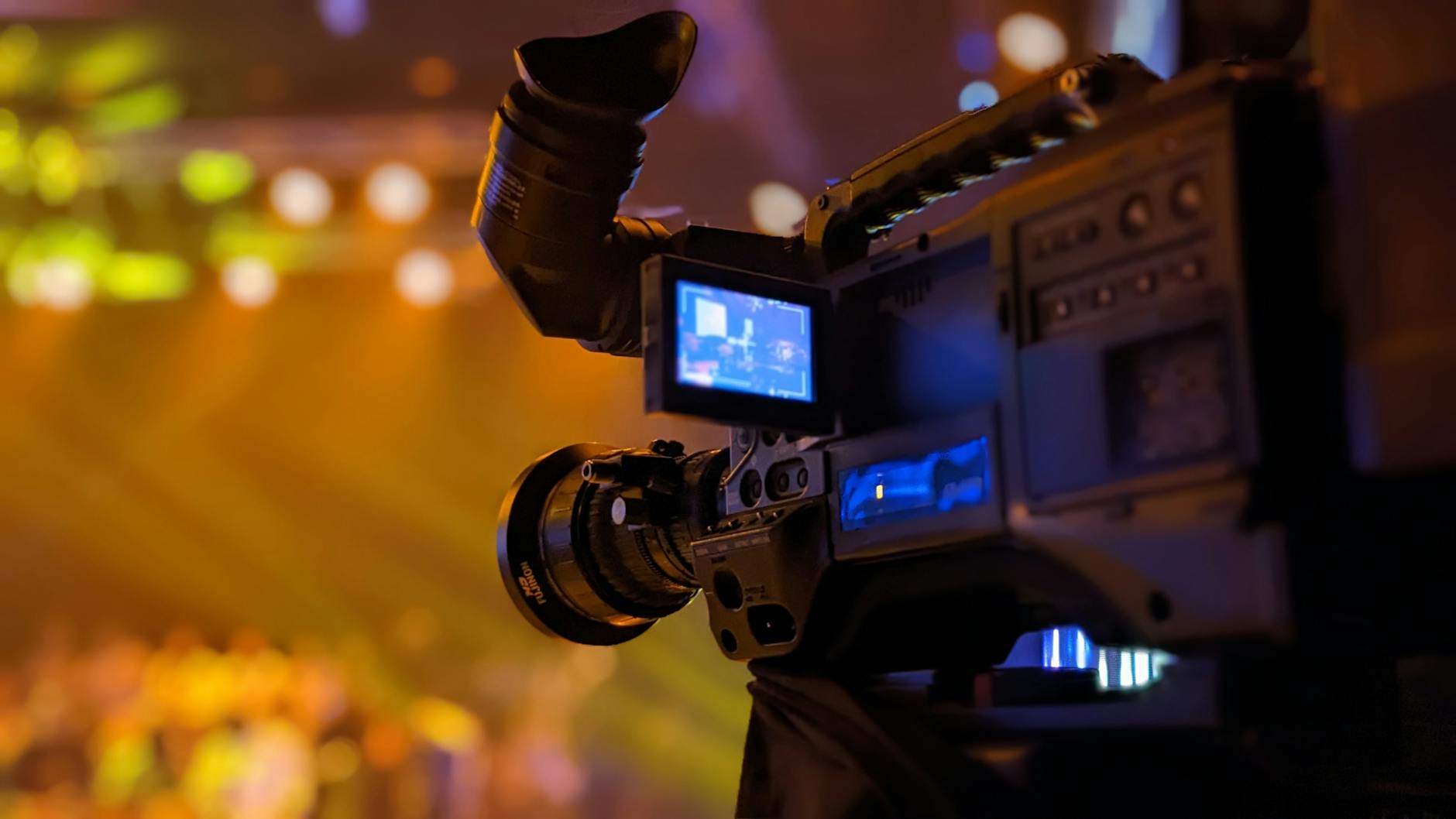
In addition to hardware, sophisticated streaming software acts as the control hub for live event production. These platforms enable real-time editing, overlay graphics, and interactive features, offering organizers the flexibility to adapt content dynamically. Compatibility with various devices and streaming protocols also ensures broad accessibility, supporting smooth playback across desktops, tablets, and smartphones. Combining these hardware and software components creates a resilient infrastructure capable of supporting even the most complex virtual events.
Furthermore, technical teams conduct pre-event tests to identify and resolve potential issues, such as network bottlenecks or incompatible device settings. During the event, constant monitoring ensures rapid response to any technical anomalies, preserving broadcast quality and minimizing viewer inconvenience. Post-event, detailed analytics and recording backups facilitate content review, editing, and repurposing for future engagement efforts.
Understanding Live Stream Event Services
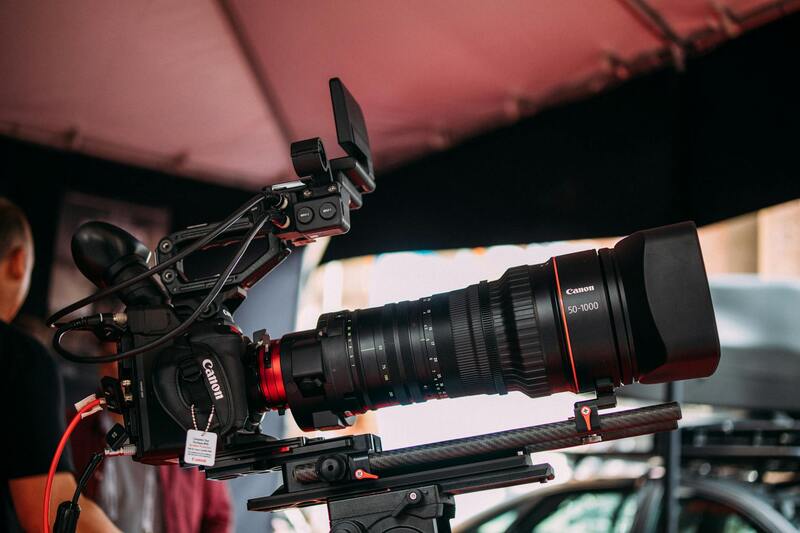
Live stream event services encompass a comprehensive suite of solutions designed to broadcast your event in real-time to a global audience. These services leverage advanced broadcasting technology to deliver high-quality video and audio, ensuring that viewers experience the event as if they were physically present. By utilizing professional equipment and dedicated infrastructure, live streaming providers create a seamless viewing experience that caters to diverse event types, from corporate conferences and product launches to concerts and community gatherings.
When selecting a live stream service, it is important to consider not only the technical capabilities but also the provider’s experience in managing different event scales and content complexities. High-level live streaming combines robust encoding systems, secure data transmission, and reliable content delivery networks to minimize buffering, latency, and disruptions. Such professionalism ensures that every moment is accurately captured and broadcasted, maintaining both visual clarity and audio fidelity. In addition, efficient integration with the existing event setup guarantees compatibility and smooth operation from start to finish.
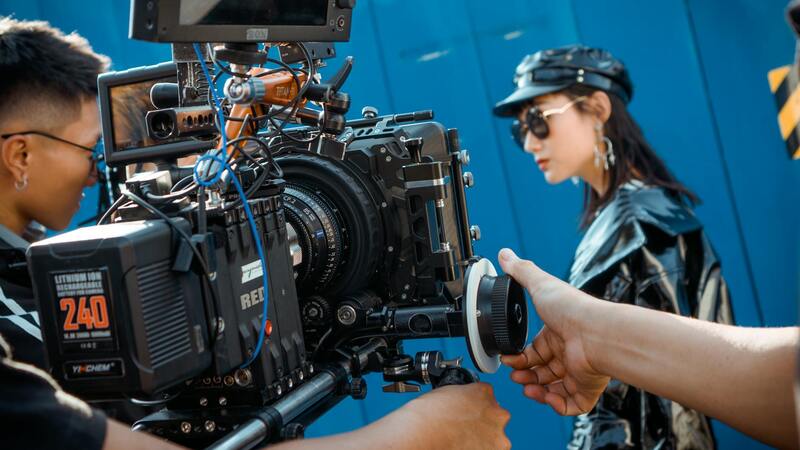
Critical to this process is the deployment of experienced technical teams who oversee every aspect of the broadcast — from pre-production arrangements to on-site equipment management and post-event analytics. This holistic approach allows event organizers to focus on content and audience engagement while relying on professional support for technical execution. Addressing connectivity, stream stability, and viewer accessibility makes a significant difference in delivering a successful live event.
Key Features of Professional Live Streaming Services
- Multi-Platform Streaming: Capability to broadcast simultaneously across various platforms such as custom websites, social media channels, and streaming apps, maximizing audience reach.
- High-Quality Production: Use of 4K cameras, professional-grade microphones, and advanced encoding hardware to ensure crisp visuals and clear sound.
- Reliable Connectivity: Dedicated internet lines, backup network pathways, and redundant systems to prevent interruptions.
- Interactive Capabilities: Live chat, Q&A sessions, audience polls, and social media integration foster real-time engagement.
- Security Measures: Encrypted streams and access control options safeguard content against unauthorized viewing or recording.
- On-Demand Content: Post-event recordings and highlight reels enable extended engagement and content repurposing.
Choosing the Right Live Stream Event Provider in Miami
Selecting a provider in Miami requires identifying a partner with extensive local experience, a track record of successful broadcasts, and the technical capacity to handle your specific event needs. The provider’s familiarity with Miami’s venues, logistical considerations, and regional internet infrastructure plays a pivotal role. Consultation should involve detailed discussions on your event goals—be it a large-scale conference or an intimate seminar—and tailored solutions that match your objectives and budget.
Assessing portfolio examples and client testimonials provides insights into the provider’s capabilities and reliability. Additionally, examining their support structure, from pre-event planning to on-the-day technical support and post-event follow-up, ensures comprehensive coverage. Effective communication regarding workflows, contingency plans, and content management guarantees a smooth partnership that aligns with your expectations.
Types of Events Suitable for Live Streaming
A vast array of events can benefit from professional live streaming services, including:
- Corporate meetings, annual general meetings, and board presentations
- Conferences, seminars, and workshops aimed at industry professionals
- Product launches and promotional events for maximum market impact
- Religious services and community gatherings to foster broader engagement
- Educational webinars, lectures, and virtual classrooms
- Entertainment events such as concerts, theater productions, and film festivals
- Fundraising galas and charity events to expand outreach and donations
Planning and Pre-Production for Live Streaming
Effective live streaming begins with meticulous planning. This phase involves defining clear objectives, understanding audience demographics, and selecting the appropriate platform for broadcast. Content strategizing should include scripting, visual cues, and cues for interactive segments to ensure a coherent flow during the live event. Venue setup, lighting, sound checks, and camera placement are critical during this stage to optimize visual quality and audience visibility.
Pre-event testing of all equipment—including internet connectivity, streaming hardware, and software—is vital to identify potential issues. Coordination with event staff, presenters, and technical teams ensures everyone understands their roles. Backup plans, such as alternative internet sources and redundant streaming pathways, prepare organizers for potential disruptions, allowing for swift adjustments if needed.
Advanced scheduling tools facilitate seamless coordination of on-air talent, presentation materials, and multimedia content. Proper documentation of streaming timelines and technical checklists creates a blueprint that guides the execution, minimizing unforeseen complications and ensuring synchronization between the live event components and broadcast schedule.
Understanding Live Stream Event Services
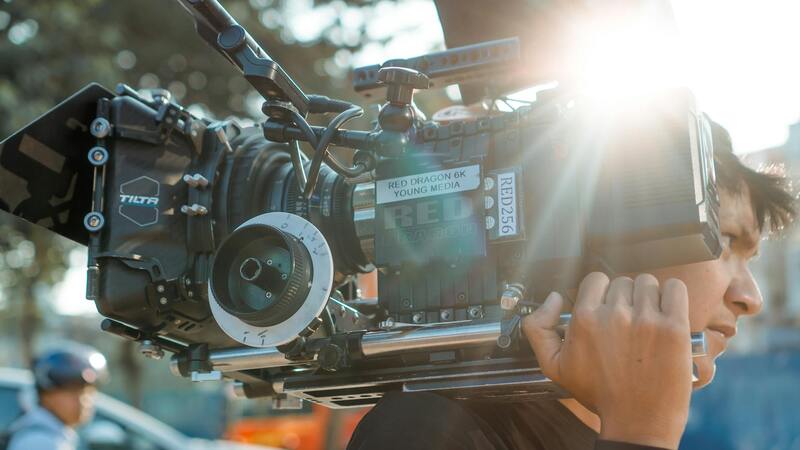
Live stream event services have revolutionized the way organizations, performers, and businesses connect with their audiences in real-time. These services encompass a comprehensive ecosystem that manages every aspect of virtual broadcasting, from initial planning and content creation to on-air execution and post-event content distribution. As technology advances, these services ensure high-quality video and audio delivery, seamless audience engagement, and reliable streaming infrastructure. Professionals offering such services often utilize advanced hardware and software to guarantee minimal latency, crystal-clear visuals, and robust connectivity, which are essential for hosting high-profile or complex events. Live stream event services also include compliance with broadcasting standards to ensure streams are accessible and compatible across various devices and platforms. This holistic approach allows clients to achieve their event objectives, whether it is broadening outreach, delivering engaging content, or generating revenue through virtual attendance options.
Key Features of Professional Live Streaming Services
- High-Definition Broadcasts: Ensures crystal-clear video quality suitable for large screens and mobile devices.
- Reliable Connectivity: Incorporates redundant internet sources and fail-safe protocols to prevent disruptions during live events.
- Multi-Platform Compatibility: Streams seamlessly across various platforms such as social media, customized websites, and dedicated apps.
- Interactive Capabilities: Facilitates live chat, Q&A, polls, and other engagement tools to foster audience interaction.
- Technical Support and Monitoring: Provides on-site and remote assistance to handle unforeseen technical challenges in real-time.
- Content Security: Implements encryption and access controls to safeguard content from unauthorized distribution.
- Analytics and Reporting: Offers post-event data analysis to measure reach, engagement, and viewer demographics.
Choosing the Right Live Stream Event Provider in Miami
When selecting a live stream event service in Miami, it is critical to evaluate the provider’s expertise in handling different event formats, their technological capabilities, and track record in delivering consistent, high-quality streams. Confirm that the provider offers tailored consultation to align streaming solutions with your specific needs, including audience size, event complexity, and desired interactive elements. Local providers often have the advantage of understanding regional internet infrastructure and available venues, facilitating smoother event execution. Additionally, consider the provider's experience with security protocols and regulatory compliance, especially for events involving sensitive content or proprietary information. Transparent pricing, comprehensive service packages, and flexible scheduling are also fundamental factors that influence success. Consulting client testimonials and reviewing technical case studies can further inform your decision, ensuring a reliable partnership that enhances your event's virtual impact.
Types of Events Suitable for Live Streaming
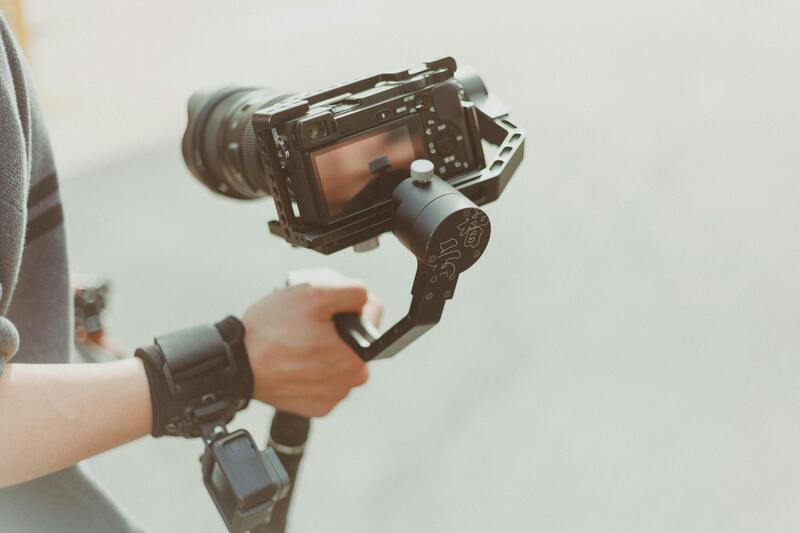
Various events can benefit from professional live streaming, expanding their reach and engagement beyond physical attendance. These include corporate conferences, product launches, seminars, and workshops that target remote audiences for increased participation. Cultural events like concerts, theater productions, and film festivals are ideal for streaming to showcase artistic talents and attract global viewership. Educational institutions can leverage live streams for graduations, webinars, and symposiums, making content accessible to students and attendees worldwide. Additionally, religious services, community gatherings, and town hall meetings can effectively relay messages to broader constituencies. Special ceremonies such as award shows, galas, and charity events also gain visibility through high-quality live broadcasts, reinforcing their significance and reaching larger audiences with minimal geographic limitations.
Planning and Pre-Production for Live Streaming
Meticulous planning and pre-production are fundamental to delivering a successful live stream. Initial steps involve setting clear objectives, understanding the target audience, and selecting optimal streaming platforms. Developing a detailed content strategy includes scripting key segments, establishing visual cues, and designing interactive elements to sustain viewer engagement. Venue preparation encompasses adequate lighting, sound checks, and strategic camera placement to ensure comprehensive coverage and visual quality. Technical coordination involves testing all equipment, including internet connectivity, hardware, and software, well before the event to identify potential issues. Backup arrangements, such as secondary internet links and spare equipment, mitigate risks of disruption. Scheduling tools streamline the coordination of speakers, presentation materials, and multimedia content, creating a seamless flow. Documented checklists and timelines serve as guides to synchronize efforts and facilitate a smooth live broadcast that aligns with the planned schedule.
Technical Aspects and Equipment Used in Live Streaming
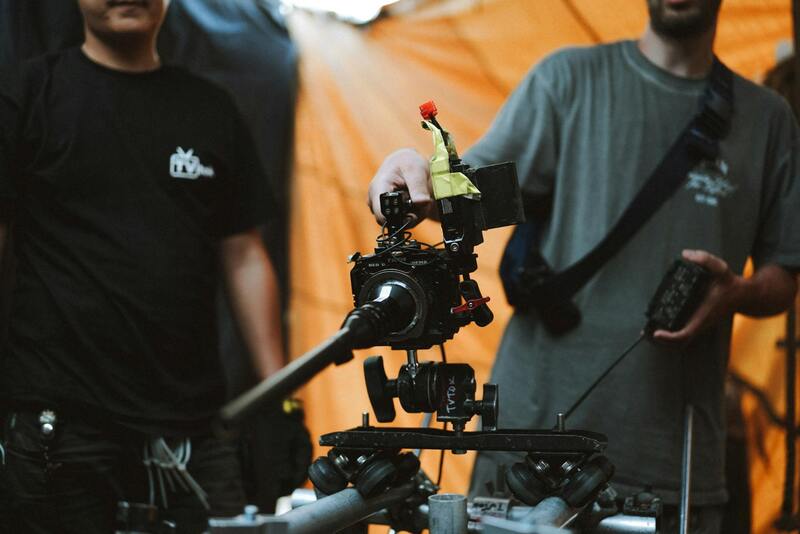
The backbone of successful live streaming is advanced technology and robust equipment. High-definition cameras, including PTZ (pan-tilt-zoom) models and handheld units, provide dynamic visuals that can be tailored to different event formats. Audio quality is maintained with professional microphones, mixers, and soundboards, ensuring clarity regardless of background noise or venue acoustics. Encoders and streaming hardware convert the raw feed into internet-compatible formats, facilitating real-time broadcast. Multi-camera setups, switchers, and stabilization equipment enable versatile shots and smooth transitions. Lighting plays a critical role in enhancing visual appeal; professional lighting setups ensure subjects are well-lit and visually engaging. Internet bandwidth considerations involve dedicated fiber connections, bonded streams, or cellular backup options to maintain connection stability. Software solutions for live editing, graphic overlays, and real-time monitoring further enhance production quality, making the streaming experience as immersive and professional as possible.
Engagement and Interactive Features for Virtual Audiences
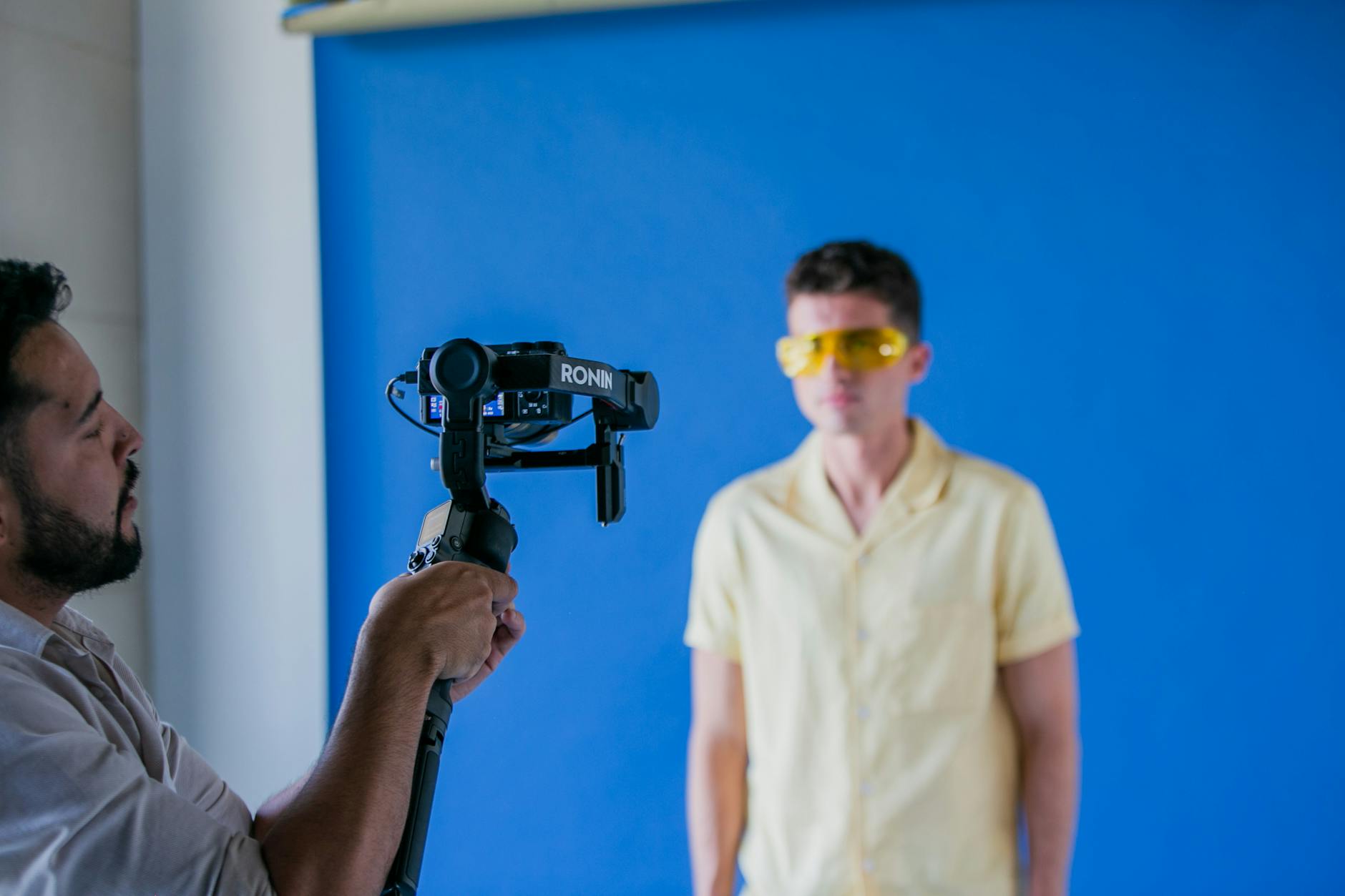
One of the most significant advantages of live streaming lies in its capacity to foster active audience participation. Interactive features such as live chat, polls, and Q&A sessions enable viewers to engage directly with presenters, creating a dynamic and inclusive experience. These tools can be integrated seamlessly into the live broadcast, encouraging real-time interaction that enhances viewer retention and satisfaction. With features like virtual breakout rooms or multi-view options, viewers can choose different perspectives or participate in smaller discussion groups. Additionally, incorporating social media integration allows live viewers to share content instantly, broadening reach and increasing visibility. For events with high stakes, real-time analytics can help organizers monitor audience engagement, adapt content delivery on-the-fly, and gather valuable feedback for future events. Engagement strategies not only augment the virtual experience but also help replicate the energy and interaction of in-person events, making live streaming more captivating and memorable.