
Overview of Live Video Services
Live video services have become an integral component in contemporary media broadcasting, marketing campaigns, and corporate event coverage, especially within dynamic metropolitan areas like Miami. These services enable real-time transmission of events, offering unparalleled immediacy and engagement for audiences both locally and remotely. Their role extends beyond mere broadcasting, serving as vital tools for brand promotion, audience interaction, and multimedia storytelling.
In Miami, a vibrant hub for entertainment, business, and culture, live video services cater to diverse needs ranging from corporate conferences and product launches to cultural festivals and social gatherings. These services leverage cutting-edge technology to deliver high-quality streaming experiences, ensuring seamless delivery regardless of location or scale of the event. Such capabilities make live video a preferred solution for organizations seeking authentic, interactive, and visually compelling content dissemination.
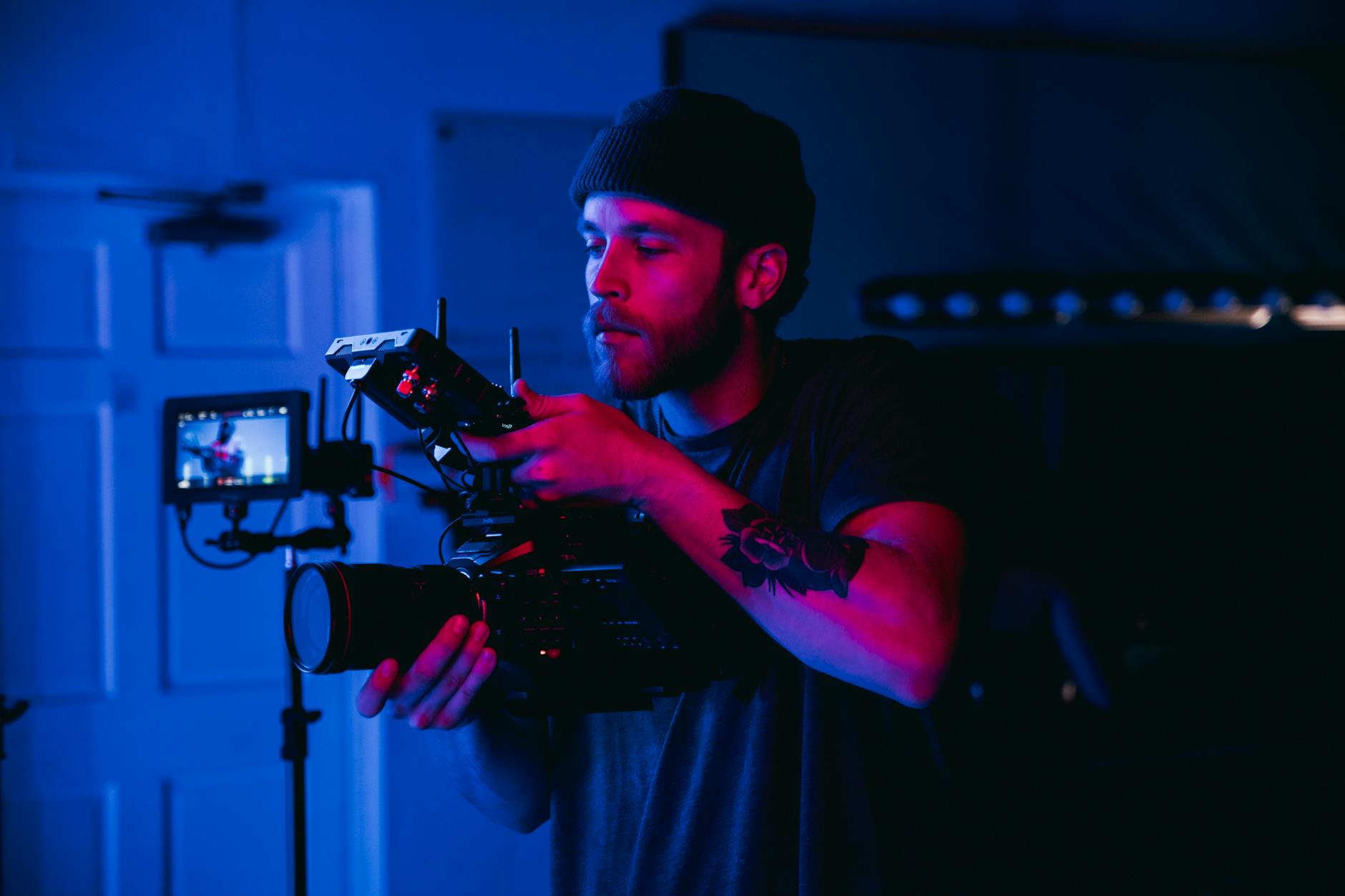
Furthermore, the importance of professional live video services extends to their ability to integrate multiple platforms, support multi-camera setups, and utilize advanced stabilization and encoding techniques. This combination ensures that audiences enjoy crystal-clear visuals, synchronized audio, and reliable streaming performance, whether broadcasting to social media channels, websites, or dedicated streaming platforms.
As Miami continues to grow as an epicenter for business and entertainment, the demand for high-quality, reliable live video services is expected to increase. This growth underscores the need for organizations to partner with experienced providers that understand local preferences, technical standards, and the importance of delivering an impactful live broadcast experience.
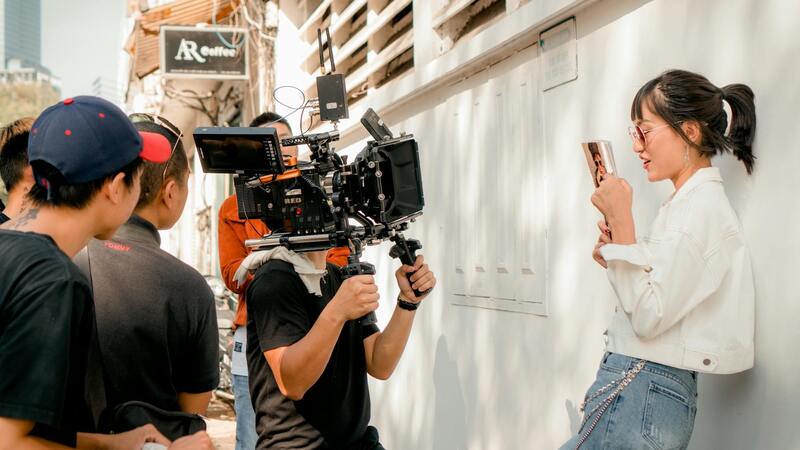
Choosing the right live video service provider in Miami not only ensures professional broadcast quality but also maximizes audience engagement and brand visibility. By understanding the various options, features, and technologies available, organizations can make informed decisions and create compelling live content that resonates with viewers and achieves desired objectives.
Types of Live Video Services
Miami's vibrant event scene demands a variety of live video solutions tailored to different purposes and audiences. Businesses, entertainers, and organizations can select from an array of specialized streaming services that cater to their unique needs, ensuring seamless engagement and professional presentation.
- Event Broadcasting: From corporate conferences to music festivals, live event broadcasting captures the energy and scope of live gatherings. High-definition video feeds are transmitted to multiple platforms, ensuring remote audiences experience the event as if they were physically present.
- Webinars and Virtual Conferences: Interactive webinars facilitate real-time communication, allowing speakers and attendees to engage dynamically. Professional live video providers in Miami ensure high-quality streaming with multiple camera angles, interactive features, and reliable connectivity to accommodate large attendee groups.
- Corporate Video Productions: Live product launches, press releases, or internal communications can be conducted with polished visuals and synchronized audio. These services often include branding customization and integration with corporate platforms, delivering a cohesive professional image.
- Social Media Live Sessions: Platforms such as Facebook Live, Instagram Live, and YouTube Live are essential channels for engaging audiences in real time. Professional live video services optimize content for these platforms, ensuring crucial algorithms are leveraged for maximum reach and viewer interaction.

Customizing Live Video Solutions for Miami Events
The city's dynamic event landscape necessitates adaptable live video services that can scale according to the size and nature of each occasion. Whether broadcasting a small webinar or a large-scale concert, providers tailor their setups with the appropriate equipment, technical support, and streaming strategies. Emphasizing the importance of seamless integration across multiple platforms, these services ensure that content reaches audiences worldwide with clarity and impact. Preparation involves pre-event coordination, technical rehearsals, and contingency planning to mitigate potential issues during the live broadcast.
Partnership with a Miami-based live video service provider brings local expertise into play, aiding content creators in navigating regional preferences, time zones, and platform algorithms. This expertise enhances audience engagement by customizing the broadcast to suit viewer habits, device preferences, and cultural nuances.
Enhancing Engagement and Reach through Professional Live Streaming
Efficient live video services leverage cutting-edge technology to deliver superior visual quality, synchronized audio, and low-latency transmission. They utilize multi-camera setups, professional switchers, and real-time graphics to create a captivating viewing experience. These elements not only elevate the professionalism of the broadcast but also bolster viewer engagement through interactive features such as live polls, Q&A sessions, and chat integrations.
Furthermore, professional providers utilize adaptive streaming technologies to optimize playback across networks, ensuring the best quality for viewers regardless of their connection speeds. This ensures a consistent experience, reductions in buffering, and minimized risk of interruptions that could detract from audience satisfaction.
Streamlining Your Live Video Needs in Miami
Choosing the right live video service in Miami involves assessing multiple factors: technical expertise, equipment quality, platform compatibility, and customer support. Providers with a proven track record understand the importance of pre-production planning, real-time technical monitoring, and post-broadcast analytics.
Additionally, they should offer comprehensive packages that include multi-camera operations, professional audio setups, graphics overlays, and stable internet connectivity. Local providers with familiarity of Miami’s vibrant event scene can deliver tailored solutions that align with specific objectives, whether for entertainment, corporate, or community outreach purposes.
Technology and Equipment
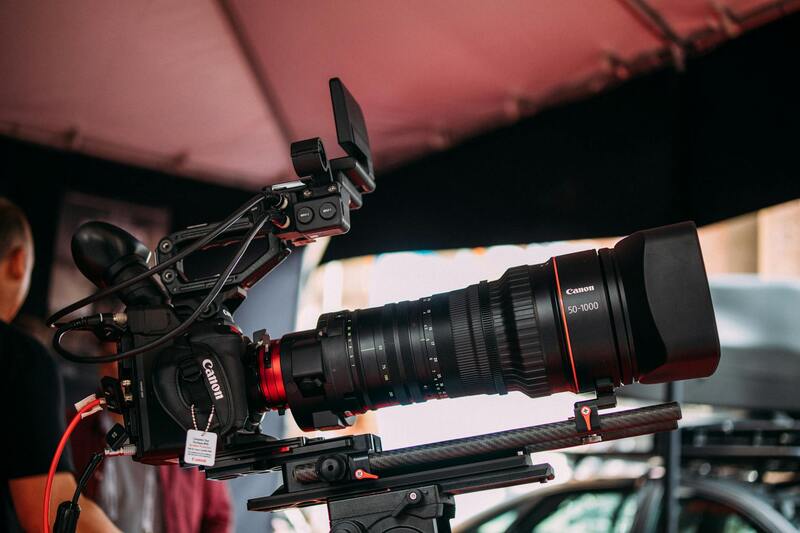
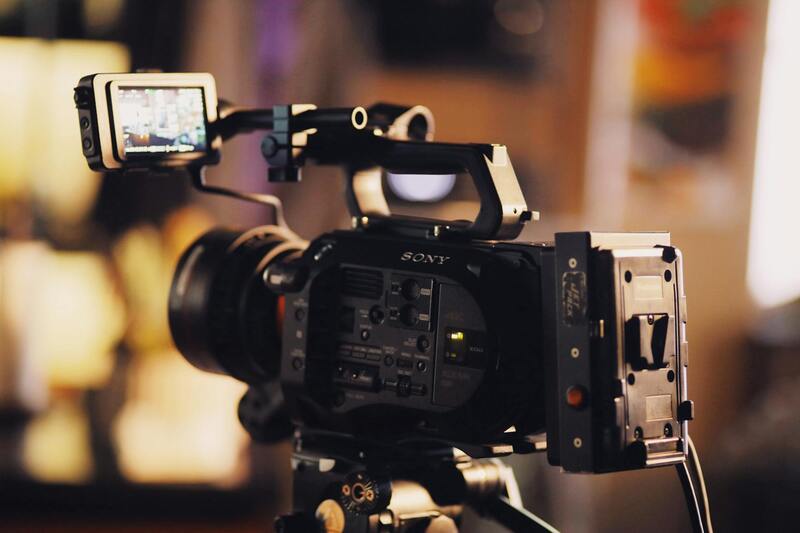
Implementing reliable, cutting-edge technology is fundamental to successful live video streaming. Professional live video services leverage high-definition cameras capable of capturing crisp visuals with vibrant color accuracy, ensuring an immersive viewing experience. These cameras often include multiple angles and remote operation capabilities, allowing broadcasters to switch seamlessly between different shots for cinematic effect or to highlight key moments.
Audio quality is equally important; hence, high-fidelity microphones, professional audio mixers, and sound processing equipment are used to deliver clear, balanced sound that complements the visual feed. Effective sound management minimizes background noise and echo, which can distract viewers and diminish overall quality.
Furthermore, the backbone of any live streaming setup is a robust internet connection. Fiber optic internet with symmetrical upload and download speeds supports high-bitrate streams without interruptions. Backup internet options and redundant streaming pathways are often employed to mitigate the risk of outages during critical moments.
Post-production tools such as video switchers, graphic overlays, and real-time editing software enhance the broadcast’s visual appeal by integrating branding elements, live titles, and interactive components. These tools enable real-time customization, making the stream more engaging and tailored to specific event needs.
Benefits of Professional Live Video Services
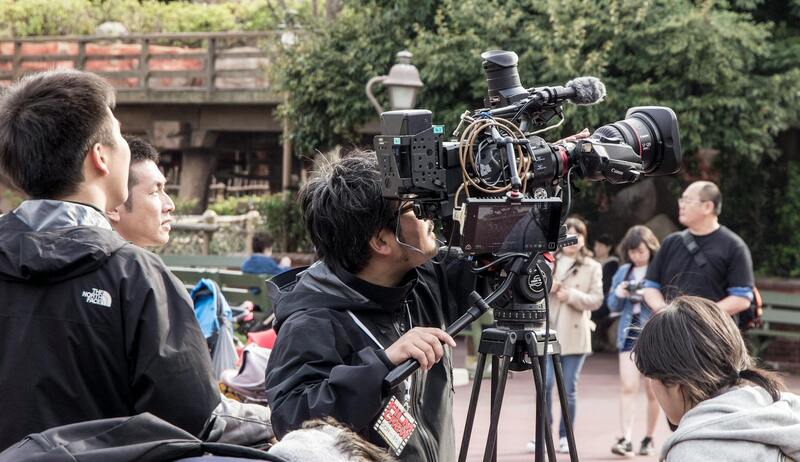
Partnering with seasoned live video providers grants access to specialized equipment and experienced technicians, which translates into a polished, dependable broadcast. Such services eliminate the guesswork involved in managing streaming logistics, allowing event organizers to focus on content delivery and audience engagement.
Key benefits include increased production quality, higher audience retention, and the flexibility to incorporate various multimedia elements into the stream. Professional services also provide comprehensive support, from pre-event planning through post-event analysis, ensuring optimal performance at every phase.
Beyond technical execution, these providers contribute strategic insights to maximize the impact of your live event, whether by optimizing stream timing, promoting audience interaction, or integrating social media engagement features.
Choosing a Miami Live Video Service Provider
When selecting a provider in Miami, it is essential to consider their technical expertise and regional familiarity. Local providers with established networks often boast advantageous access to high-capacity internet infrastructure and familiarity with venue-specific challenges.
Evaluate their portfolio of past events to gauge the quality and consistency of their broadcasts. A transparent process for technical planning, on-site support, and contingency measures demonstrates a provider’s preparedness for various scenarios.
Customer support is crucial; 24/7 availability for troubleshooting and quick response times can prevent disruptions during live broadcasts. Additionally, access to customizable packages that include multi-camera setups, professional audio, and graphic overlays ensures your event’s unique needs are met with precision.
Best Practices for Live Streaming
Effective live streaming hinges on meticulous planning and execution. Establish clear objectives and develop a detailed run sheet outlining camera angles, audio cues, graphic overlays, and interactive segments. Conduct comprehensive technical rehearsals to troubleshoot potential issues and familiarize the team with the workflow.
Assign roles strategically, including dedicated technical support, camera operators, and moderators for viewer engagement. Maintaining open communication channels among team members ensures rapid response to any unforeseen challenges during the broadcast.
Implementing camera and audio test runs before the event minimizes surprises and guarantees a seamless viewing experience. During the stream, monitor performance metrics such as latency, buffering, and viewer engagement in real-time, and be prepared to make adjustments as necessary.
Future Trends in Live Video Streaming
The landscape of live video streaming continues to evolve rapidly, driven by advancements in technology and viewer preferences. Immersive streaming methods like virtual reality (VR) and augmented reality (AR) are beginning to enhance audience interaction, providing more engaging and personalized experiences.
5G networks are set to revolutionize live broadcasts by enabling significantly higher bandwidths and ultra-low latency connections. This enhancement will facilitate higher quality streams on mobile devices and enable real-time interactive features with minimal delay.
Artificial intelligence (AI) and machine learning are increasingly incorporated into streaming workflows, offering smarter content moderation, automatic video editing, and personalized viewer recommendations. As these tools mature, live video services will become more dynamic, adaptive, and user-centric.
Security measures will also advance, ensuring that live streams are protected against unauthorized access and cyber threats. End-to-end encryption and digital rights management will strengthen the integrity and confidentiality of broadcast content.
Technology and Equipment for Live Video Streaming
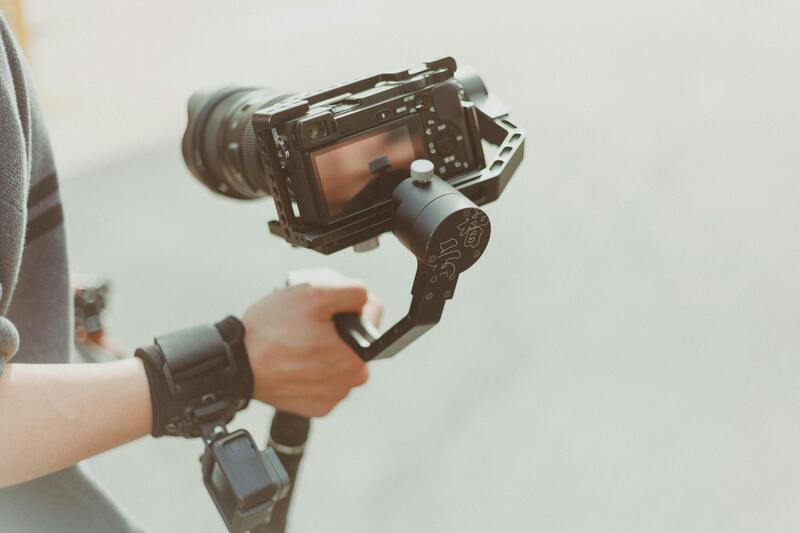
Implementing a successful live video broadcast hinges on having the right technology and equipment. High-definition cameras are fundamental, capturing crisp visuals that engage viewers and convey professionalism. These cameras can range from professional cinema-grade models to high-quality handheld or DSLR cameras, depending on the scale and scope of the event. Ensuring the cameras are equipped with the proper lenses and stabilization systems is vital for smooth footage, especially in dynamic environments or mobile setups.
Another critical component is encoders, which convert raw video signals into the digital format suitable for streaming over the internet. Hardware encoders provide reliable, high-quality streams with minimal latency, making them ideal for live events where synchronization and quality are paramount. Software encoders, meanwhile, offer flexibility and cost-effectiveness, especially suited for smaller-scale productions or setups where a dedicated hardware encoder isn’t feasible.
Reliable internet infrastructure forms the backbone of any effective live streaming setup. A dedicated, high-bandwidth internet connection ensures smooth transmission without interruptions or buffering. Often, a combination of wired Ethernet connections and backup mobile networks (such as 4G/5G) is employed to maintain connectivity in case of network fluctuations. Fine-tuning upload speeds—ideally several times higher than the stream’s required bandwidth—reduces latency and prevents stream degradation.
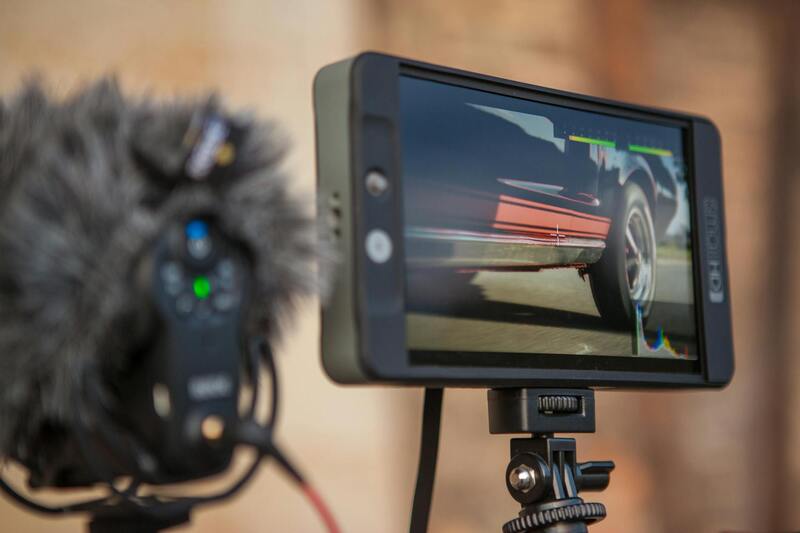
Audio quality is just as important as visual clarity. Professional microphones, audio mixers, and soundproofing measures help eliminate background noise and ensure clear communication. For outdoor events, wireless microphone systems and windshields are advisable to capture clean audio in varying environments.
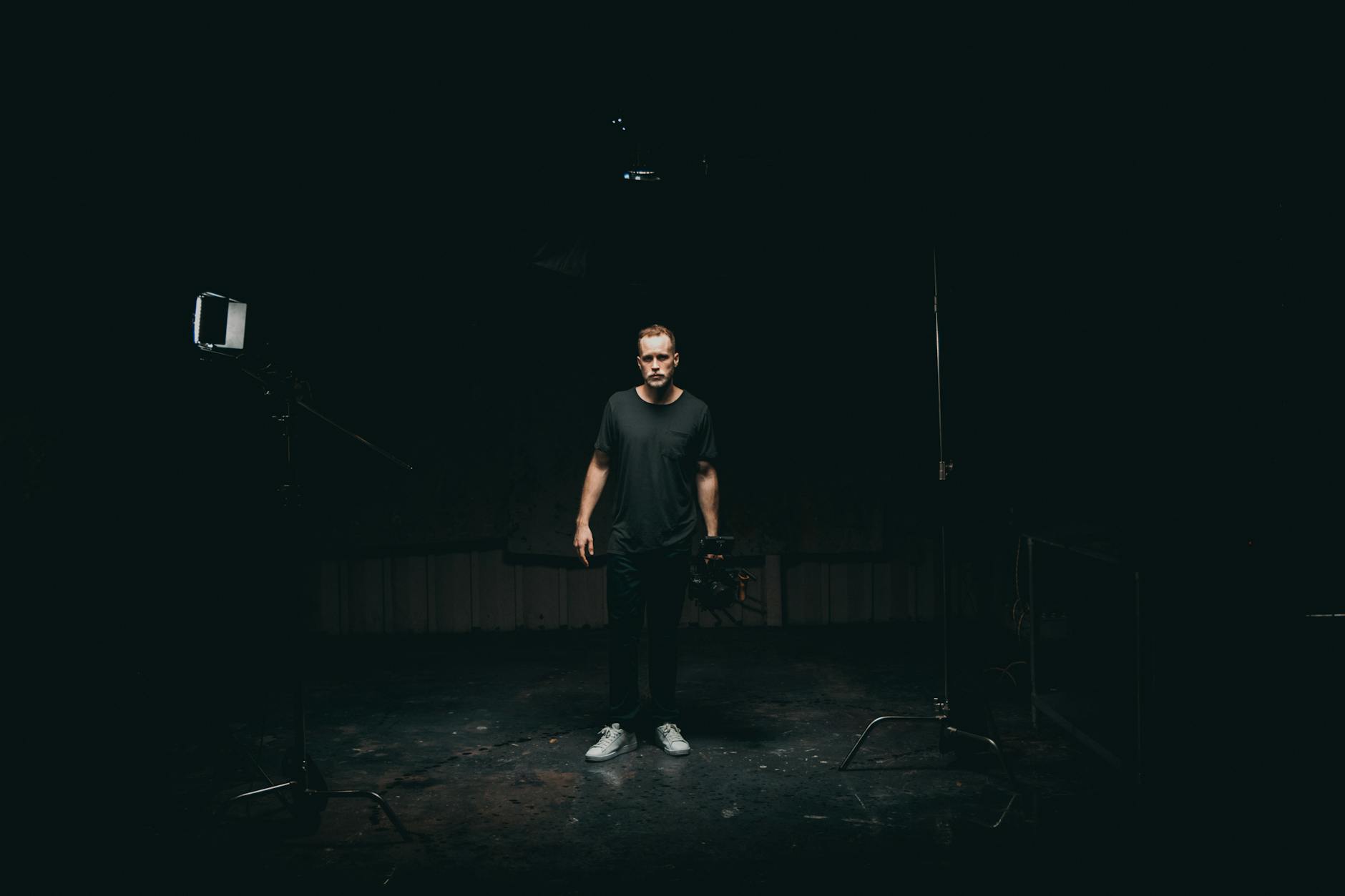
Additionally, controllers and switchers facilitate multi-camera setups, allowing seamless transitions and dynamic camera angles. Proper lighting equipment enhances visibility and creates the desired ambiance, especially in low-light conditions, ensuring all broadcast elements appear crisp and professional.
Beyond hardware, robust streaming platforms and content delivery networks (CDNs) are essential to distribute content efficiently and handle high viewer volumes. Utilizing a reputable CDN reduces latency, decreases buffering, and ensures viewers have a consistent experience across different devices and locations.
Investing in the appropriate technology not only improves the quality of live broadcasts but also streamlines the production process, minimizes technical glitches, and enhances overall viewer engagement.
Best Practices for Live Streaming
To maximize the impact of live video broadcasts, adopting certain best practices ensures a professional and engaging viewer experience. Proper planning begins with detailed pre-production arrangements, including securing the right location, setting up equipment in advance, and conducting technical rehearsals. This preparation helps identify potential issues and allows for adjustments prior to going live, reducing the risk of disruptions.
Clear communication is vital during the stream. Assigning a dedicated director or producer to oversee the broadcast ensures smooth operation, including managing camera switches, audio levels, and graphics. Maintaining a steady internet connection via wired Ethernet remains the preferred method; however, in situations where mobility is necessary, high-speed mobile data connections with failover options should be configured.
Content quality remains paramount. Streaming in high definition (at least 1080p) with appropriate encoding settings offers crisp visuals that captivate viewers. Adequate lighting and professional-grade audio equipment enhance overall production. Visual elements such as overlays, branding, and real-time ratings or comments can further boost engagement.
Interaction with viewers, through live chat or polling features, fosters a sense of community and encourages viewers to stay engaged throughout the broadcast. Moderation tools should be employed to manage comments and maintain a positive environment.
Technical support staff should monitor the stream continuously for any issues, ready to troubleshoot connectivity or equipment problems swiftly. Additionally, employing a backup streaming platform or secondary connection ensures that the broadcast persists even if primary systems encounter difficulties.
Post-broadcast activities such as editing, sharing highlights, and analyzing viewer metrics provide valuable insights for improving future live streams. This iterative approach enhances content quality and audience satisfaction over time.
Technology and Equipment
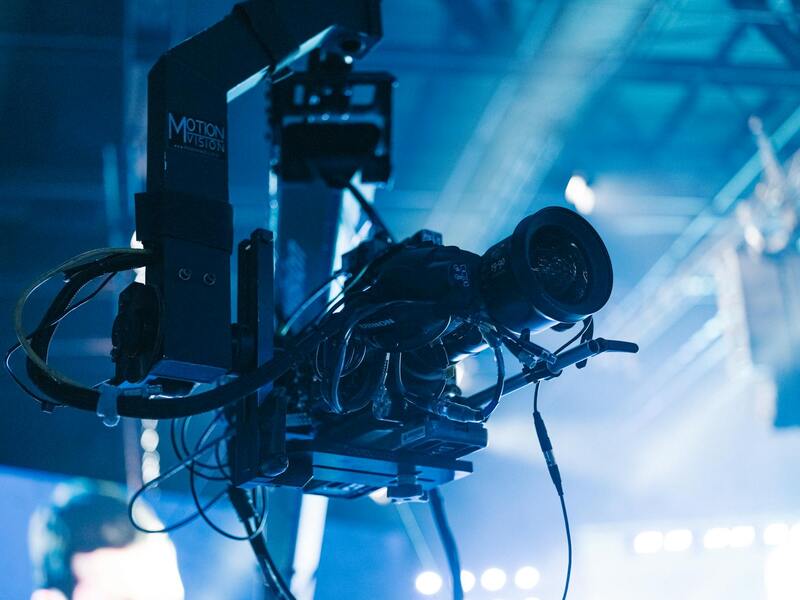
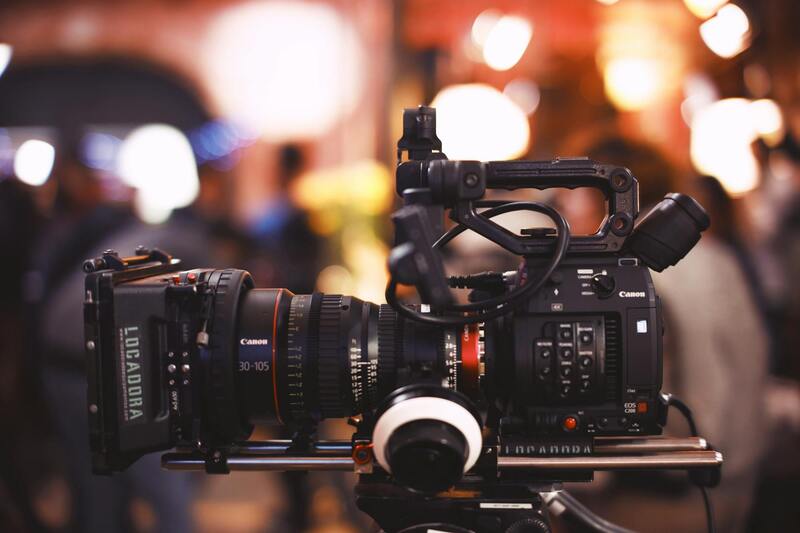
Implementing a professional live video service demands a reliable and sophisticated technological setup. High-quality cameras capable of capturing detailed visuals with minimal latency are essential; DSLR or professional-grade camcorders are commonly used to achieve crystal-clear images capable of broadcasting in 1080p or higher resolutions. These cameras should be compatible with various lens options to accommodate different event settings and lighting conditions, ensuring versatile coverage.
Audio quality is equally critical. Utilizing condenser microphones with excellent sensitivity and noise-canceling features guarantees clear, distortion-free sound. Wireless microphones are advantageous for mobility during events, but should be paired with reliable transmitters and receivers to avoid disruptions. For static setups, boom microphones or direct input options from soundboards provide consistent audio feeds.
Hardware and Connectivity
- Encoding Devices: Hardware encoders convert video signals into digital streams that can be transmitted over the internet. Devices like the Teradek VidiU or Blackmagic Web Presenter are popular choices, offering stable streaming capabilities and multiple output options.
- Streaming Platforms Compatibility: Ensuring the encoder supports popular streaming protocols and platforms allows for seamless integration with services like YouTube Live, Facebook Live, or custom RTMP servers.
- Internet Connectivity: A dedicated wired Ethernet connection provides a consistent and high-speed internet link, which is vital for smooth streaming. In scenarios requiring mobility, high-speed mobile data connections equipped with cellular bonding technology can facilitate reliable live streams, especially when paired with failover options to automatically switch in case of connectivity issues.
- Power Supply: Uninterruptible Power Supplies (UPS) protect equipment from outages, ensuring uninterrupted broadcasts even during electrical issues.
Auxiliary Equipment
- Switchers and Mixers: Video switchers enable seamless transitions between multiple camera angles, while audio mixers adjust sound levels dynamically to maintain clarity and balance.
- Lighting: Proper lighting conditions significantly improve video quality. Softboxes, LED panels, or ring lights help illuminate subjects evenly, reducing shadows and enhancing detail.
- Streaming Software: Advanced encoding and broadcast software such as OBS Studio, vMix, or Wirecast offer customization, overlays, and real-time editing features to enrich live streams.
Supporting Infrastructure
Ensuring a robust infrastructure includes not only hardware but also environmental considerations like stable power sources, proper ventilation, and secure mounting for equipment. Additionally, employing multiple network sources for redundancy maintains the integrity of the live stream, even in the face of technical difficulties. Regular testing and maintenance of all equipment prior to broadcasts are crucial to prevent disruptions during live events.
Choosing a Miami Live Video Service Provider
When selecting a dependable live video service provider in Miami, it is essential to evaluate their technical expertise, reliability, and experience in handling diverse live streaming requirements. A professional provider brings comprehensive understanding of the latest streaming technologies, robust infrastructure, and tailored solutions to meet specific event or business needs. Starting with a detailed assessment of their portfolio can reveal their capacity to manage events similar to yours, whether they involve corporate conferences, large-scale performances, or intimate gatherings.
One crucial aspect to consider is the range of services offered. A comprehensive provider should deliver end-to-end solutions, including pre-production planning, streaming setup, on-site equipment management, and post-event analytics. Additionally, their capacity for scalability ensures they can accommodate both small and large audiences without compromising quality or stability. Ensuring seamless integration with your existing platforms, such as websites, social media pages, or dedicated apps, is also vital for a cohesive streaming experience.
Furthermore, technical support is paramount. The provider should offer real-time assistance during live events, promptly troubleshooting issues that may arise. Accessibility and responsiveness of their support team significantly influence the success of your stream. Transparent communication regarding pricing, terms, and deliverables is equally important to avoid surprises and ensure clear expectations are set from the outset.
It is also beneficial to review client testimonials and case studies to gauge the provider's track record and satisfaction levels. Licensed and experienced vendors equipped with high-quality equipment and cutting-edge technology are more likely to deliver smooth, high-definition streams that showcase your event professionally. Their familiarity with local infrastructure, regulations, and any logistical complexities in Miami further enhances the reliability of the service provided.
Finally, consider the provider’s approach to data security and privacy. Given the increasing importance of safeguarding digital content, selecting a vendor that complies with industry standards for secure streaming and data protection is a wise decision. These providers should incorporate encryption protocols and secure access controls to protect your content from unauthorized interception or misuse.
Effective Strategies for Optimizing Live Video Streaming in Miami
Ensuring that your live video broadcast reaches its intended audience seamlessly and professionally requires meticulous planning and execution. This involves choosing the right live video service, leveraging the latest technology, and adhering to best practices that uphold quality and audience engagement. Here are essential strategies to optimize your live streaming experience.
Pre-Event Preparation and Webcast Planning
Proper pre-event planning forms the foundation of a successful live stream. This includes detailed coordination with your service provider to confirm technical aspects such as bandwidth, encoding formats, and streaming protocols. It is crucial to establish clear objectives for the broadcast—whether it's for marketing, training, or live coverage of an event—and ensure all content aligns with these goals.
Creating a comprehensive checklist can help manage all phases of the broadcast, from equipment setup to post-stream analytics. Conducting test streams prior to the actual event allows identification and resolution of potential issues, such as audio/video sync problems, latency, or connectivity constraints. Additionally, informing your audience about the schedule and access points enhances engagement and minimizes technical support needs during the live session.
Consistent Monitoring During the Broadcast
Active monitoring during the live transmission is essential for maintaining broadcast quality. Utilizing real-time analytics and feedback mechanisms enables quick detection of issues like lag, buffering, or signal interruptions. Collaborating with your streaming partner’s technical team ensures immediate troubleshooting, minimizing disruptions and preserving a professional appearance.
Adjusting stream settings on the fly, such as switching to a lower resolution during bandwidth dips, can sustain viewer experience without compromising the overall broadcast integrity. Additionally, monitoring chat interactions or viewer metrics offers insights into audience engagement, guiding real-time content adjustments if necessary.
Post-Broadcast Review and Content Repurposing
Once the live session concludes, analyzing performance metrics provides valuable insights into viewer behavior, engagement levels, and technical performance. These insights facilitate continuous improvement for future streams. Archiving the broadcast allows for post-event promotions, training purposes, or content monetization.
Moreover, segmenting the recorded content into highlight reels or condensed versions broadens its reach beyond the live event, engaging a wider audience across various platforms. Proper content management and distribution happen to be instrumental in maximizing the impact of your live video efforts.