
Understanding Livestreaming Production
Livestreaming production is a comprehensive process that transforms live events into synchronized digital broadcasts, allowing audiences to experience events in real-time from any location. This process encompasses a series of coordinated tasks including event coverage, content management, technical setup, and broadcast execution. As the demand for high-quality live content continues to grow across industries such as corporate, entertainment, education, and sports, mastering livestreaming production has become essential for organizations seeking to expand their reach and enhance audience engagement.
Effective livestreaming production involves a meticulous planning phase to ensure that every element, from audio and video to internet connectivity, is optimized for a seamless streaming experience. During the event, real-time management of multiple video feeds, audio sources, graphics, and interactive features must be handled by experienced production teams. This ensures the broadcast remains professional, engaging, and technically sound.
The significance of livestreaming extends beyond just broadcasting an event. It provides a platform for real-time interaction with viewers through live chats, polls, and Q&A sessions, fostering a sense of community and immediacy. For presenters and organizers, it offers a valuable avenue to showcase products, deliver messages to a broad audience, and capture vital analytics for future strategies.
In today’s digital landscape, the ability to deliver a reliable, high-quality livestream can significantly impact an organization’s reputation and outreach. With the right production approach, livestreams become more than just video feeds—they become powerful tools for brand visibility, audience connection, and overall event success.
Key Components of Livestreaming Equipment
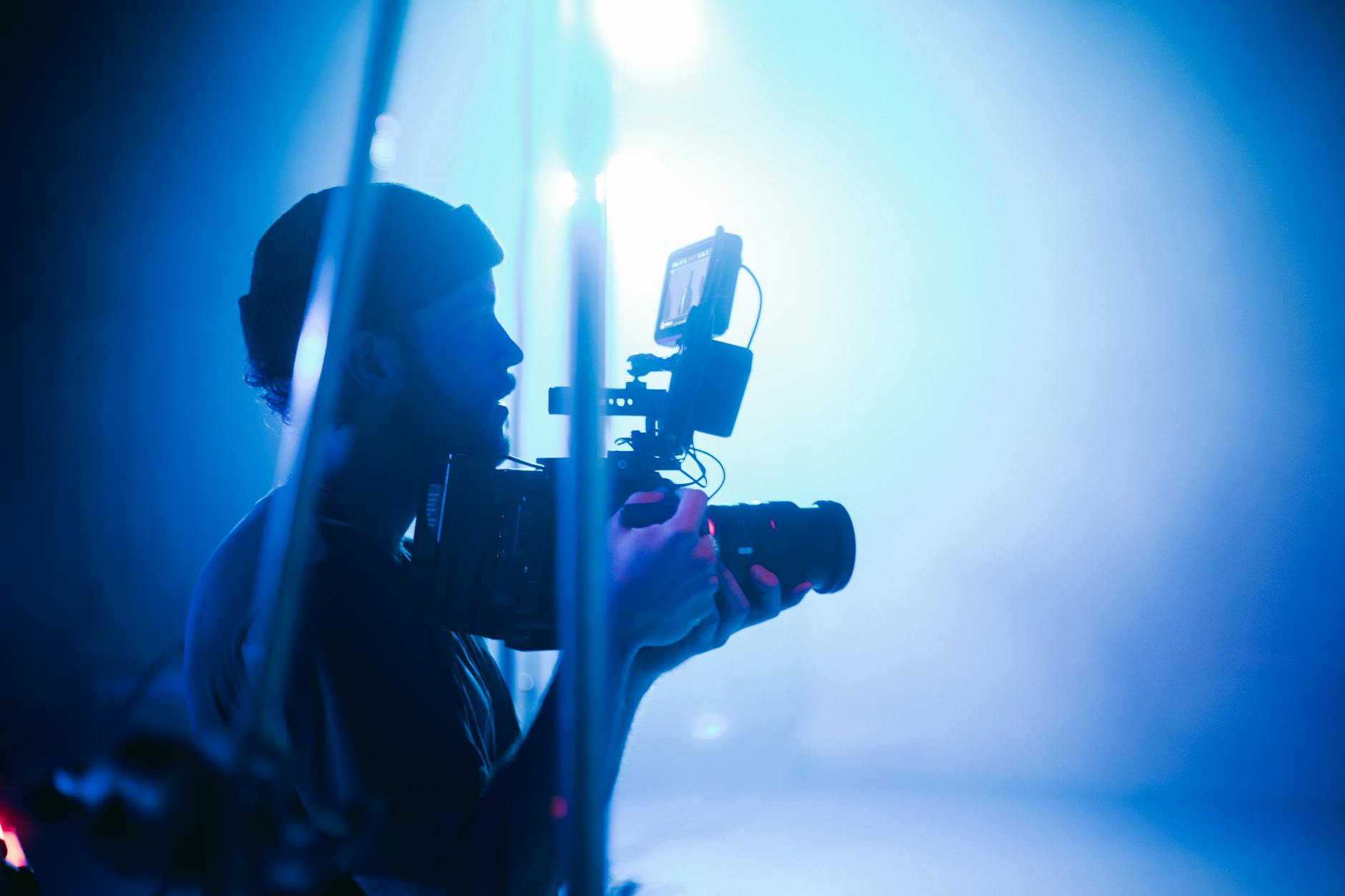
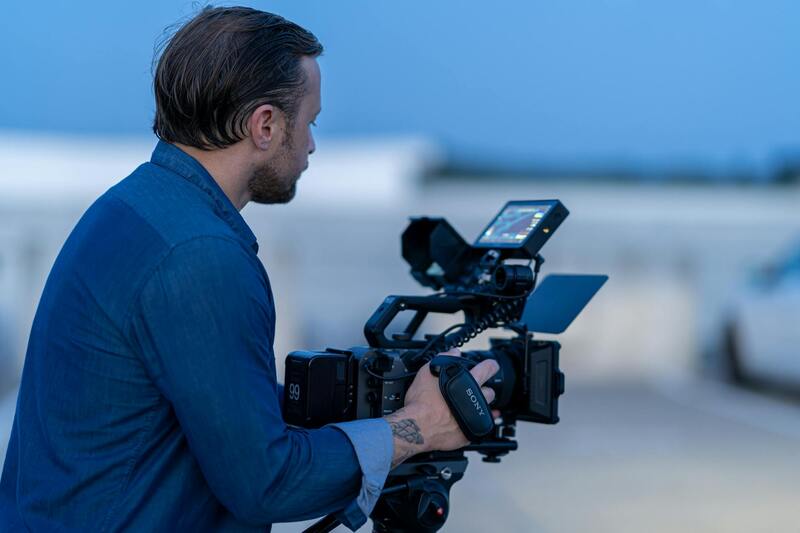
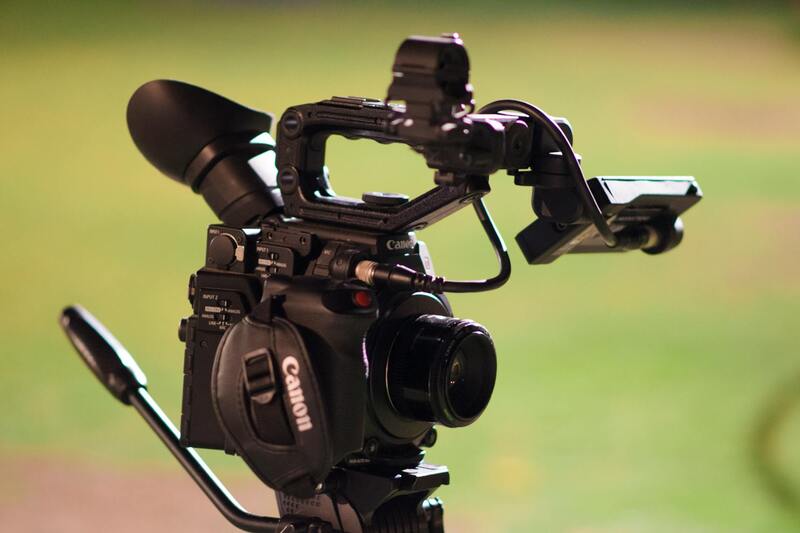
To achieve professional-grade livestreaming production, a comprehensive set of equipment is crucial. High-definition cameras serve as the backbone of any broadcast, capturing clear visuals that engage viewers. These cameras should offer adjustable lenses, multiple outputs, and compatibility with various accessories to accommodate different event types and environments. For dynamic events, PTZ (pan-tilt-zoom) cameras provide remote operation capabilities, allowing seamless coverage of moving subjects without extensive manual adjustments.
Video switchers are indispensable for managing multiple camera feeds, enabling producers to switch seamlessly between angles, overlay graphics, and incorporate pre-recorded content. Reliable switchers with advanced features such as multi-view monitoring streamline the live editing process, ensuring a polished final product. Audio equipment, including high-quality microphones and mixers, is equally vital, capturing clear sound that complements the visuals. Directional mics, lapel microphones, and audio interfaces should be selected based on the event's acoustics and audience size.
Streaming hardware acts as the conduit between the production setup and the broadcast platform. This includes encoders—either hardware or software-based—that compress and transmit live video feeds efficiently. Professional-grade encoders provide features such as multiple bitrates, redundancy options, and real-time analytics, which are critical for maintaining stability during high-traffic streams. Additionally, reliable internet connectivity devices—such as bonded internet solutions—ensure a consistent, uninterrupted stream by aggregating multiple connections or providing backup options.
Planning a Livestreaming Project
Preparation is the foundation of any successful live event. Effective planning encompasses defining clear objectives, understanding the target audience, and establishing a comprehensive timeline. Content scripting and storyboarding help visualize the flow of the event, ensuring all technical and creative elements align seamlessly. Coordinating logistics, such as venue setup, equipment placement, and audience interaction points, minimizes potential disruptions during the broadcast.
Technical rehearsals are indispensable, providing an opportunity to test all equipment, internet connectivity, and on-screen graphics. These runs help identify potential issues early, allowing adjustments before the actual event. Establishing a contingency plan is essential—anti-technical failure strategies, such as backup internet connections and redundant equipment, safeguard the stream’s continuity in case of unforeseen issues.
Furthermore, collaborating with experienced production professionals familiar with the specific requirements of live streaming enhances the overall quality. They can advise on equipment choices, technical configurations, and best practices tailored to the event's scale and scope.
Understanding Livestreaming Production
Effective livestreaming production involves a combination of advanced technology, meticulous planning, and skilled execution. It requires a detailed understanding of how to integrate various components—such as cameras, audio, and streaming platforms—to deliver a cohesive and high-quality live broadcast. An essential aspect of this process is the synchronization of all technical elements to ensure a professional presentation that meets the expectations of viewers and stakeholders alike. Expertise in livestreaming production also encompasses troubleshooting and the ability to adapt to unforeseen technical challenges swiftly, maintaining the broadcast's continuity without interruptions.
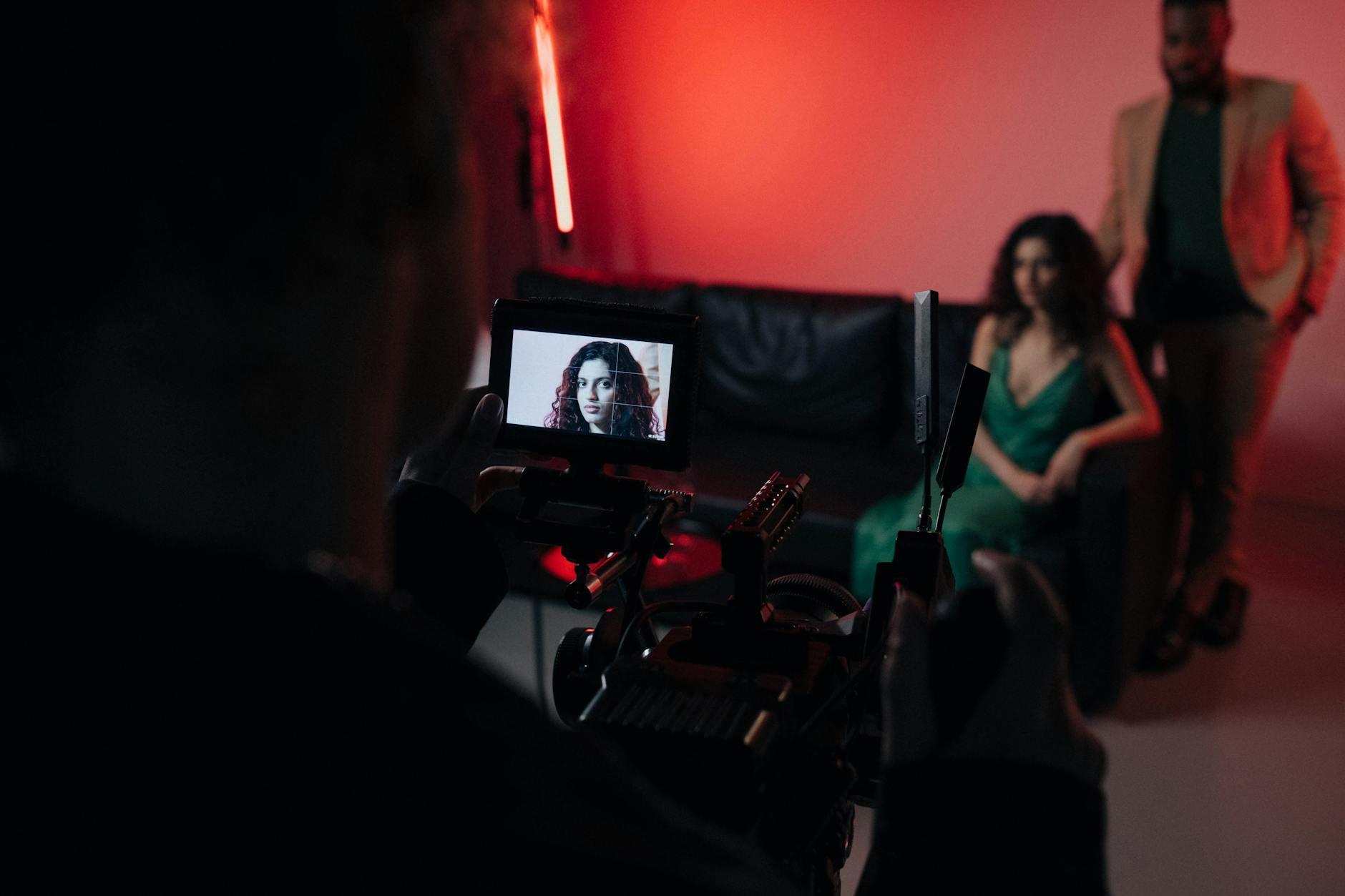
In addition to hardware, the software components play a vital role. From switching between multiple camera feeds to overlaying graphics and incorporating live chats, the software suite must be robust and adaptable. The integration of these digital tools allows producers to craft engaging, interactive content that resonates with viewers, promoting higher engagement and viewer retention. Skilled producers monitor the broadcast from a control room, managing transitions and enhancing the visual storytelling aspect of the event. The result is a polished and dynamic live experience that reflects the event's objectives and branding properly.
Seamless livestreaming also extends to network management. A reliable internet connection, often supported by dedicated upload bandwidth and backup links, ensures uninterrupted data flow. The utilization of encoders and streaming hardware optimized for live transmission reduces latency and compresses video without compromising quality. This efficient handling of content delivery is critical to maintaining high definition streams that captivate audiences across devices, from smartphones to widescreens.
Key Components of Livestreaming Equipment
Choosing the right equipment is fundamental to producing a professional livestream. The primary hardware includes high-definition cameras capable of capturing clear, detailed footage in various lighting conditions. Audio equipment, such as professional microphones and mixers, ensures sound clarity, which is often overlooked but crucial for viewer immersion. Video switchers or mixers enable seamless transitions between camera angles and sources, adding visual interest and professionalism.
Further, encoders convert the raw video signals into a digital format suitable for streaming over the internet. Cloud-based and hardware encoders each offer different advantages depending on the event size and complexity. A reliable streaming platform or CDN (Content Delivery Network) is necessary to distribute the content efficiently to global audiences, minimizing buffering and lag. Hardware for live graphics and overlay insertion enhances branding and provides additional information during the broadcast.
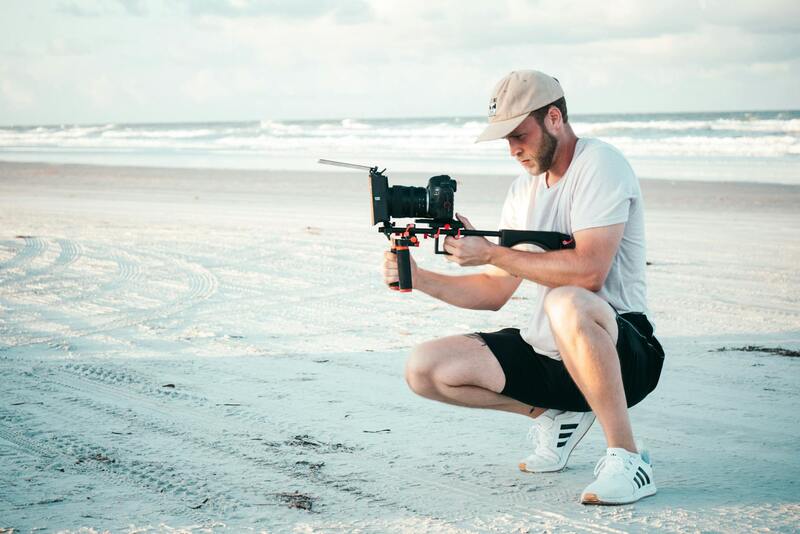
Monitoring tools are indispensable for real-time assessments of stream quality, internet stability, and viewer engagement metrics. These tools enable technical teams to make prompt adjustments, ensuring a stable and high-quality viewing experience. As the scale of the event increases, the complexity of the setup grows, often necessitating multi-camera rigs, robotic cameras, and dedicated audio channels. These investments in technology serve the dual purpose of elevating production quality and offering a flexible framework capable of adapting to various live event scenarios.
Implementing Official Methodologies for Livestreaming Production
Legitimate livestreaming practices are built on industry standards and proven techniques that prioritize reliability and viewer experience. This includes rigorous pre-production checks, such as equipment calibration, network testing, and rehearsal runs. During the actual event, maintaining communication among the production team ensures smooth coordination, especially when managing multiple sources or quick transitions. Employing multiple internet connections with load balancing or failover protocols secures against disruptions caused by connectivity issues.
Quality assurance procedures also extend to the content itself. Ensuring that visual and audio components are synchronized, free of artifacts, and properly formatted before broadcast is essential. This might involve real-time QC (Quality Control) monitoring, using software that flags any signal degradation. Furthermore, adhering to industry-recognized streaming standards and encoding protocols guarantees interoperability with diverse devices and streaming platforms.
Technical Best Practices in Livestreaming Production
- Conduct comprehensive pre-event testing of all equipment, network connections, and software configurations.
- Establish redundant systems for internet connectivity, power supply, and streaming hardware to prevent failures.
- Plan camera placement and audio setups meticulously to cover event action naturally and clearly.
- Utilize professional-grade encoders to optimize stream quality and minimize latency.
- Implement real-time monitoring tools to oversee stream health and viewer engagement metrics.
- Perform crew rehearsals to streamline transitions and troubleshoot potential issues.
- Adopt a clear communication protocol among team members for swift response to technical challenges.
Such approaches not only uphold the quality of current broadcasts but also establish a foundation for future improvements, ensuring that live streaming initiatives continue to meet high standards of professionalism and viewer satisfaction.
Optimizing Your Venue for Livestreaming Success
Creating an environment conducive to high-quality live streaming requires careful venue setup. Properly configuring physical space, equipment placement, and connectivity points is essential to minimize disruptions and maintain professional standards. Venue optimization involves several technical and logistical aspects that collectively ensure a smooth streaming experience for both the crew and viewers.
First, consider the acoustics of the location. Soundproofing and acoustic treatment can dramatically reduce background noise and echo, enhancing audio clarity. Strategic placement of microphones and sound equipment further ensures that audio remains crisp and free of interference throughout the broadcast.
Lighting plays a pivotal role in visual quality. Use controlled lighting setups to eliminate shadows and harsh contrasts, making subjects appear natural and engaging on camera. Proper lighting also helps cameras perform optimally under varied conditions, reducing noise and overexposure issues.
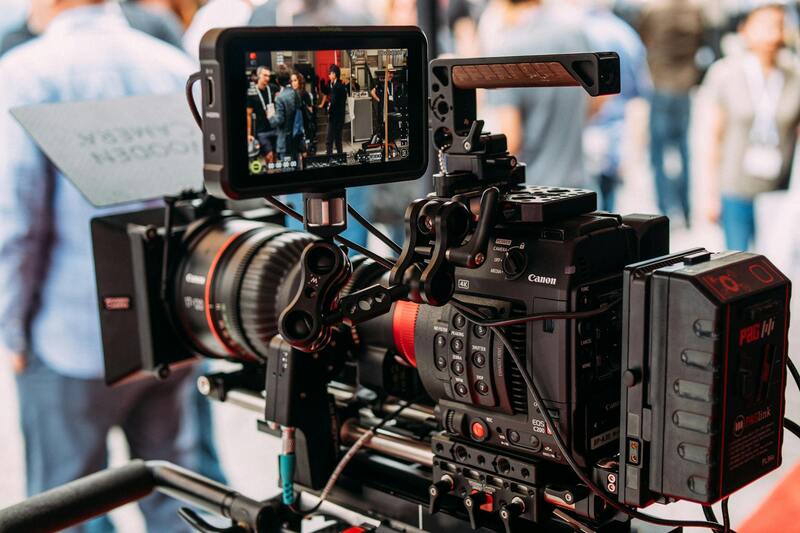
Connectivity infrastructure is critical in this phase. Ensure internet access is robust, with high bandwidth capable of handling the live stream’s data demands. Installing dedicated wired connections, such as fiber optic Ethernet cables, can provide stability superior to Wi-Fi, which is susceptible to interference and signal fluctuation. If wireless must be used, employ dual-band routers and signal repeaters to maintain a consistent, high-speed connection.
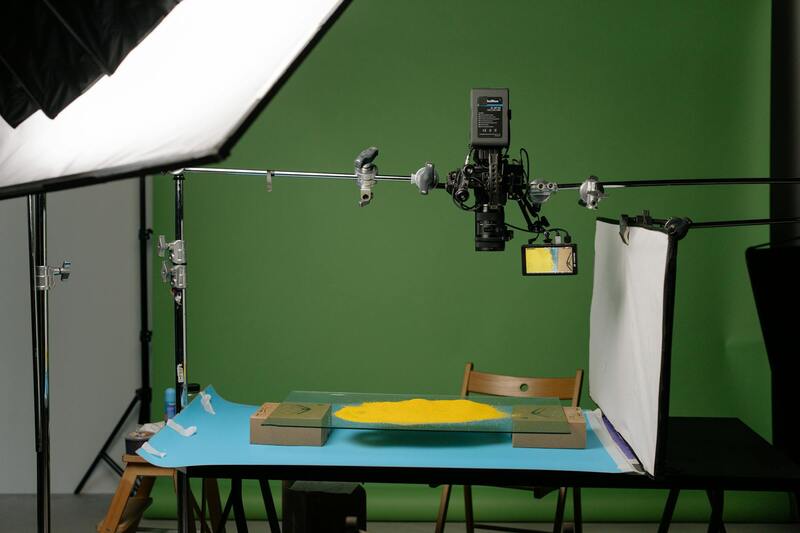
Set up a designated control room or monitoring station within the venue. This space should be equipped with all necessary hardware, such as monitors, audio mixers, and streaming encoders, to enable real-time oversight of the broadcast. Adequate power supply, surge protection, and ample outlets are equally important to support continuous operation of all equipment.
Ensure that all cabling is organized and secured to prevent accidental disconnections or tripping hazards. Adding protective coverings or cable management systems can enhance safety and operational efficiency during the event.
By meticulously planning the venue environment, event organizers and production teams lay a strong foundation for a seamless live streaming experience. Well-implemented venue optimization minimizes technical issues and enables the team to focus on delivering compelling content, engaging audiences with high visual and audio quality without interruption.
Implementing Advanced Streaming Protocols for Reliability
To ensure a smooth and uninterrupted broadcast, integrating advanced streaming protocols is essential. Protocols such as RTMP (Real-Time Messaging Protocol) and SRT (Secure Reliable Transport) are widely adopted for their ability to maintain high-quality streams with minimal latency and frame loss. RTMP, being the industry standard, enables efficient transmission of live video data from encoders to streaming servers, supporting adaptive bitrate streaming that adjusts to network conditions in real time. SRT, on the other hand, is designed to optimize transmission over unpredictable networks, offering enhanced security and error recovery capabilities that are critical in maintaining broadcast integrity during challenging connectivity scenarios.
Incorporating these protocols requires compatible hardware and software solutions. Professional encoders and streaming servers should be configured to utilize the most suitable protocols based on the event venue, expected audience size, and network infrastructure. Additionally, using multi-platform streaming ensures access to broader audiences; selecting a CDN (Content Delivery Network) with global reach optimizes delivery speed and reduces buffering, accommodating viewers worldwide with high-quality streams.
Leveraging Redundancy and Failover Systems
One of the most effective methods to guarantee broadcast stability involves deploying redundancy and failover systems. This includes setting up backup internet connections, such as secondary broadband links or cellular data connections, that automatically activate if the primary connection fails. Hardware failover solutions, like dual encoders and switchers, can seamlessly transition the live stream from a primary to a backup system in real time, preventing interruptions. These measures are vital during high-profile events where any downtime can severely impact visibility and reputation.
Furthermore, real-time monitoring systems capable of detecting bandwidth fluctuations and hardware malfunctions can alert operators instantly, allowing prompt troubleshooting. Integrating these systems into the production workflow ensures continuous oversight and minimizes the risk of technical failures that could compromise broadcast quality.
Implementing Effective Audio and Video Synchronization
Synchronization between audio and video feeds is crucial for maintaining viewer engagement and professionalism in a livestream. Employing genlock (genlock synchronization) devices in the production chain ensures that multiple cameras and audio sources remain perfectly timed. Modern streaming hardware often includes timecode synchronization features, which align various elements automatically during the live broadcast. This prevents issues such as lip-sync errors, which can disrupt the viewer experience and diminish the perceived quality of the broadcast.
In addition to hardware solutions, software tools that monitor latency and sync metrics can be invaluable. These systems provide real-time feedback, allowing operators to make immediate adjustments as needed. Achieving precise synchronization ultimately results in a polished, professional broadcast that captivates audiences and reliably delivers the intended content without distraction or confusion.
Ensuring Broadcast Quality and Stability
Maintaining high broadcast quality during livestreaming is essential to engage viewers and uphold a professional image. Achieving this involves a combination of robust infrastructure, meticulous technical oversight, and proactive troubleshooting strategies. A primary focus should be on optimizing both video and audio streams to ensure clarity, synchronization, and consistent delivery throughout the broadcast.
One major approach is to employ redundant hardware components, such as backup encoders and power supplies, which can seamlessly take over in case of primary equipment failure. This redundancy minimizes downtime and preserves stream continuity. Additionally, deploying high-bandwidth internet connections with automatic failover capabilities ensures stable connectivity, even during network disruptions.
To handle technical hiccups proactively, monitoring tools play a vital role. Real-time dashboards displaying bandwidth usage, latency, and stream health metrics enable operators to identify issues swiftly. Implementing jitter buffers can smooth out variability in data packets, reducing image blurriness and lag, which maintains a smooth viewer experience. For live sports, conferences, or urgent news broadcasts, such stability measures translate into a polished presentation that sustains audience engagement.
Audio quality can be affected by ambient noise or hardware issues. Using professional-grade microphones, sound mixers, and noise suppression technology ensures crisp, clear audio that aligns perfectly with the visual feed. Echo cancellation systems and automatic gain control further refine sound output, preventing audio distortions and imbalance.
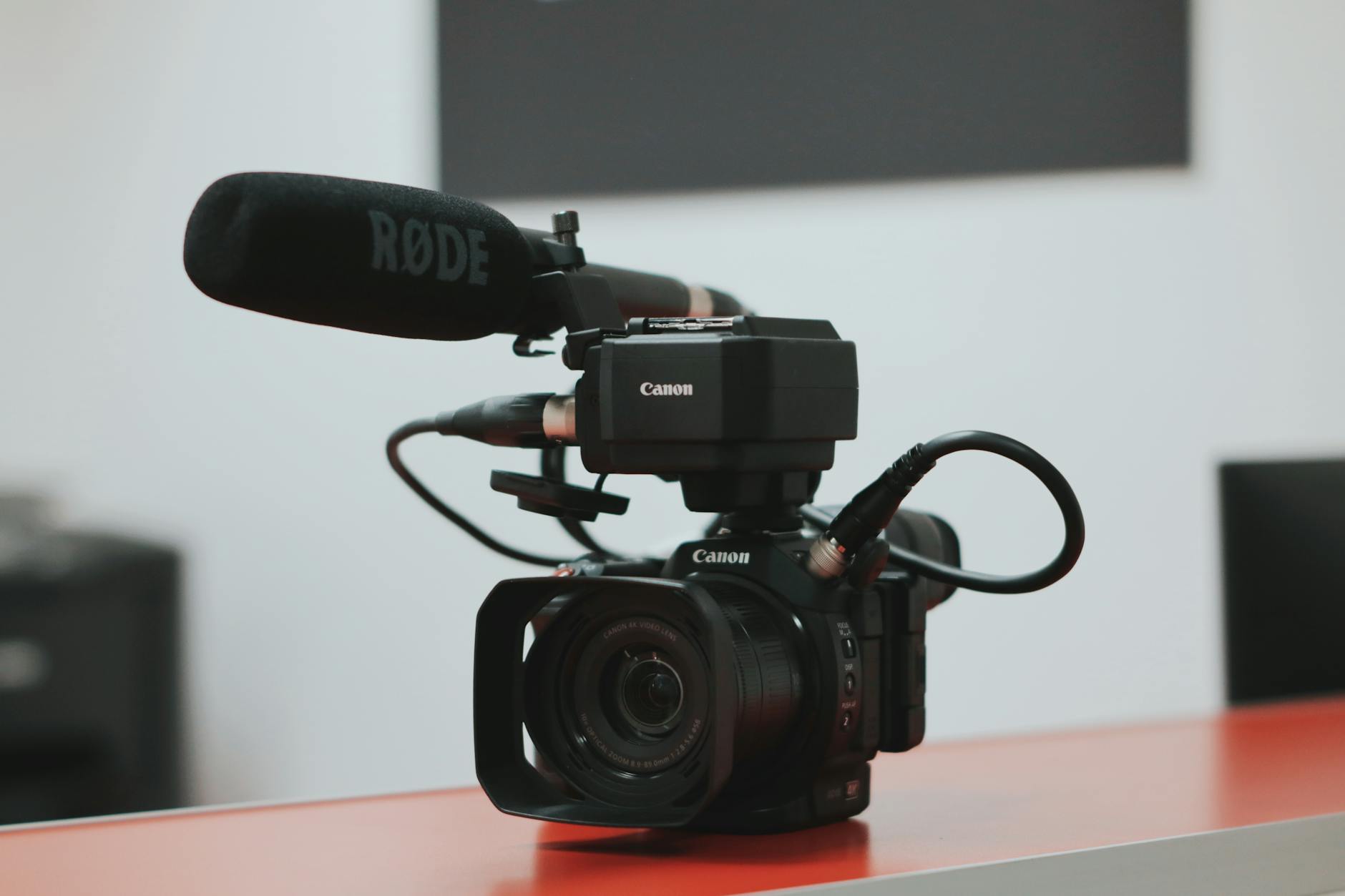
Handling technical issues effectively requires a dedicated support team familiar with the streaming platform and equipment. Having an established troubleshooting protocol allows quick resolution of problems such as dropped feeds, connectivity interruptions, or hardware malfunctions. Additionally, broadcasting on secure, dedicated servers or content delivery networks (CDNs) enhances stream stability across diverse geographic locations.
Lastly, thorough testing before the actual event is crucial. Conducting dry runs with all involved equipment helps identify potential weak points and ensures that synchronization, codec configurations, and network parameters are optimized. This preparatory step reduces the risk of unexpected quality degradation during the live event.
Choosing a Miami Livestreaming Production Partner
Partnering with a professional Miami livestreaming production company ensures that all technical elements are managed with precision, providing a seamless experience for your audience. An experienced partner brings not only state-of-the-art equipment but also comprehensive expertise in live broadcast operations, allowing you to focus on delivering compelling content while they handle the technical intricacies.
When selecting a production partner, consider their track record in handling projects similar to yours. Verify their portfolio to assess the diversity of events they have managed, from corporate conferences to large-scale concerts. Their ability to adapt to different formats and technical demands is a key indicator of their proficiency.
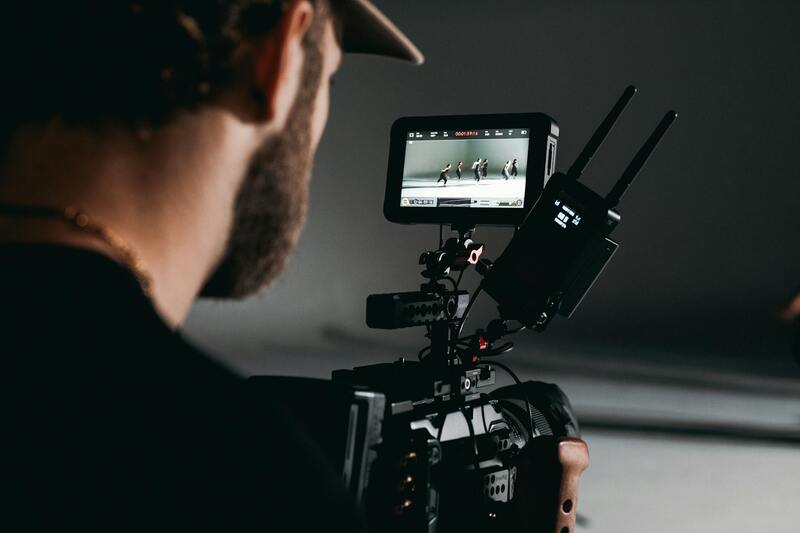
Communication and transparency are crucial throughout the planning and execution phases. A reliable partner provides a detailed project roadmap, outlining technical workflows, timelines, and contingency plans. They also maintain open channels for real-time updates during the event, ensuring issues are addressed promptly without disrupting the broadcast.
Technical support capabilities should include deployment of redundant systems and backup solutions to prevent interruptions. These measures might encompass secondary internet connections, backup power supplies, and failover streaming servers. Such redundancies are vital for maintaining broadcast continuity, especially during live events with high stakes.
Technical Expertise and Equipment
- Experience with multiple streaming platforms and codecs to optimize device compatibility.
- High-definition cameras, professional audio mixers, and advanced lighting setups to guarantee top-tier production quality.
- Audience engagement tools such as live chat, polling, and Q&A features integrated into the streaming platform.
- Real-time analytics and monitoring to track viewer engagement and stream health during the event.
Ultimately, choosing the right Miami livestreaming production partner elevates your event’s impact and provides a professional face to your brand or message. Strategic collaboration from the initial planning stages through post-broadcast analysis ensures that your live streaming project achieves its objectives with maximum efficiency and quality.
Refining Your Livestreaming Content for Maximal Engagement
After successfully broadcasting your live event, the focus shifts towards how your content continues to generate value beyond the live moment. One of the most effective methods for this is post-production editing, which involves carefully clipping key moments, adding graphics, and ensuring the overall story remains compelling. High-quality highlight reels can serve as promotional materials for future events or marketing campaigns, extending your reach and visibility.
Another critical approach is content repurposing. Extracting segments from the livestream to create shorter videos tailored for social media platforms such as Instagram, Facebook, and Twitter can significantly increase engagement. These snippets should be optimized with relevant keywords, captions, and tags to enhance discoverability and search relevance. Embedding clips on your website or within email campaigns can also direct traffic back to your main streaming platform, reinforcing your brand presence.
In addition, comprehensive analytics collected during the stream provide valuable insights into viewer behavior and preferences. Metrics such as peak viewership times, engagement rates, and audience demographics allow for strategic adjustments in future broadcasts. Using these insights, producers can craft content that resonates more deeply with their target audience, ensuring each subsequent livestream feels targeted and professionally curated.
Integrating an effective post-stream evaluation process is essential for continuous improvement. It involves reviewing the technical performance of the broadcast, assessing audience feedback, and analyzing data trends. This collaborative insight enables your team to enhance technical setups, modify content strategies, and streamline workflows for future streams.
Ensuring Content Accessibility and Archiving
To maximize the longevity and reach of your livestreamed content, consider archiving your broadcasts in a well-organized digital repository. Proper tagging, categorization, and indexing allow for easy retrieval and reuse. Providing accessible versions of your content, such as closed captions or translated subtitles, broadens your reach to diverse audiences and improves overall user experience.
Future-Proofing Your Live Streaming Strategy
Staying ahead in the evolving landscape of livestreaming involves adopting innovative techniques and keeping abreast of technological advances. For instance, exploring 360-degree video or virtual reality options can offer immersive experiences that captivate viewers. Additionally, integrating interactive features like real-time polls and interactive overlays encourages audience participation and fosters stronger engagement.
Building a consistent content delivery schedule and keeping your audience informed about upcoming streams solidifies your presence and reliability. Regularly updating your streaming infrastructure, investing in state-of-the-art equipment, and partnering with experienced production providers ensure your broadcasts remain professional, seamless, and impactful.