Overview of Live Webcasting Services
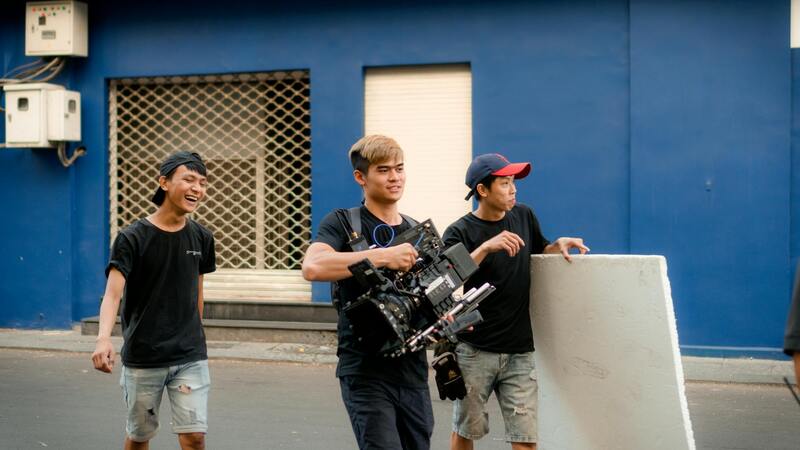
Live webcasting services have revolutionized the way events are broadcasted, making real-time content accessible to audiences regardless of geographical barriers. These services involve the streaming of live video and audio content over the internet, allowing organizations, event organizers, and businesses in Miami to expand their reach and enhance audience engagement. By transmitting live events—such as conferences, corporate meetings, product launches, and cultural festivals—webcasting ensures that attendees can participate remotely with high-quality visual and audio clarity.
In the vibrant Miami environment, where bustling corporate hubs and dynamic event scenes are commonplace, the demand for reliable live webcasting services continues to grow. These services are essential in delivering seamless, broadcast-quality streams that cater to diverse markets and global audiences. They also facilitate interactive elements such as live chats, Q&A sessions, and social media integration, enriching the viewer experience.
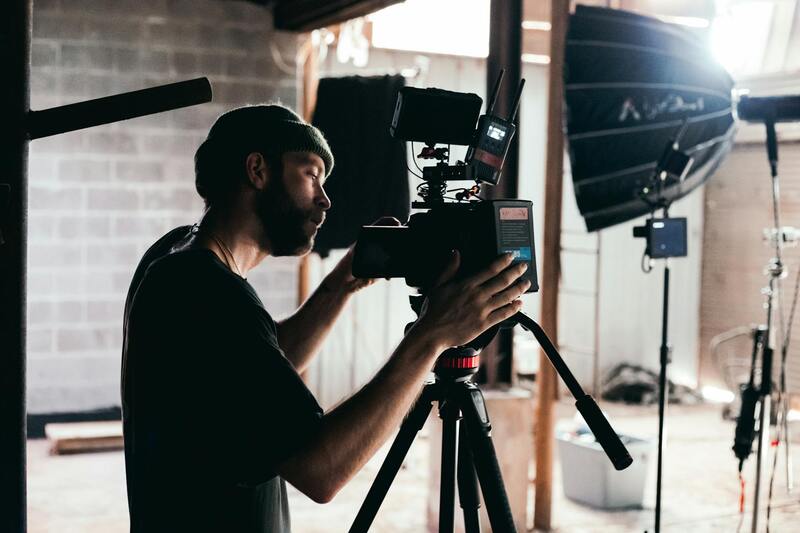
A typical live webcasting setup involves a combination of professional cameras, encoders, high-speed internet, and streaming platforms. The goal is to produce a smooth, uninterrupted viewing experience that mirrors in-person attendance. This is particularly vital for events where the quality of presentation reflects directly on the host or organizing entity.
The importance of live webcasting in Miami is further underscored by its role in corporate communications, allowing brands and organizations in the city to maintain a consistent presence and connect with stakeholders in real time. Whether broadcasting a keynote speech at a conference, a motivational seminar, or a product reveal in a sleek showroom, professional webcasting solutions ensure that the event’s essence is captured and shared effectively.
Key Features of Quality Live Webcasting Solutions
When selecting a live webcasting service, it is essential to focus on features that guarantee a professional and seamless streaming experience. High-definition video delivery is fundamental, ensuring viewers receive clear visuals without buffering or lag. This requires advanced encoding technology capable of adapting to variable internet speeds, especially when broadcasting to diverse geographic locations.
Another vital feature is multi-platform compatibility, allowing content to be accessed effortlessly across various devices such as desktops, tablets, and smartphones. This flexibility maximizes audience reach and engagement, which is particularly important for Miami events that attract a diverse demographic.
Interactive tools like real-time chat, live polling, and Q&A sessions foster engagement, transforming passive viewers into active participants. These features boost real-time communication and can significantly enhance attendee satisfaction and retention.
Furthermore, professional webcasting solutions often include robust security measures to protect sensitive content. Secure streaming channels, access controls, and encryption mitigate unauthorized access or disruptions, maintaining the integrity of corporate or exclusive events.
Stream management capabilities are also critical. An intuitive control interface allows operators to monitor stream health, switch between multiple camera angles or presentation slides, and troubleshoot issues promptly. This level of control ensures the webcast remains professional and uninterrupted, reflecting positively on the event organizers.
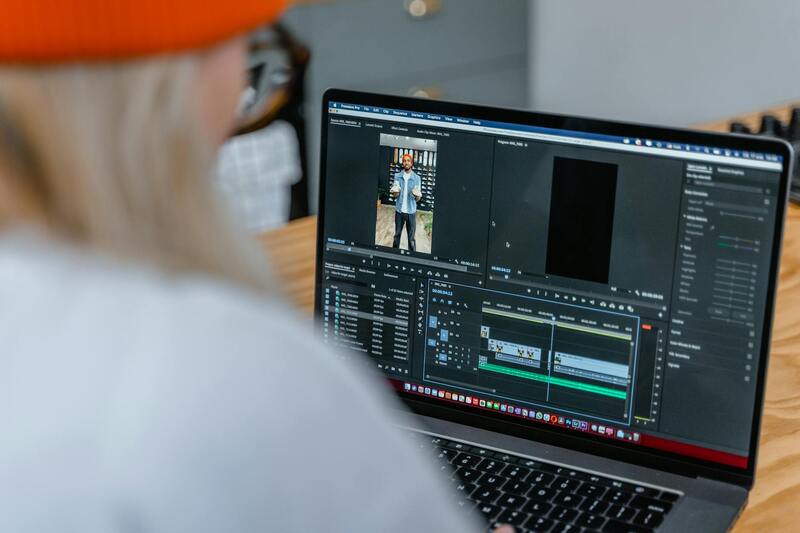
Analytics tools embedded within the platform provide vital insights into viewer behavior, engagement levels, and geographical data. These metrics help organizers understand audience preferences, optimize future content, and evaluate the event's overall success.
Types of Events That Utilize Webcasting in Miami
The dynamic and vibrant business landscape of Miami makes it an ideal setting for various live webcasting applications. Corporate conferences and seminars are among the most common, allowing organizations to broadcast keynote addresses, panel discussions, and product launches to remote attendees around the world. This approach expands reach beyond physical event locations, enabling broader engagement.
In addition, live streaming plays a crucial role in hosting virtual trade shows, where exhibitors can showcase their offerings through live presentations, demos, and virtual booths, attracting a wider audience without geographical constraints. Educational institutions and universities also leverage webcasting to broadcast lectures, seminars, and graduation ceremonies, ensuring access for students and families regardless of location.
Other notable events include religious services, charity galas, and entertainment shows. With the ability to integrate social media and interactive features, live webcasting transforms these gatherings into engaging, cross-channel experiences that resonate with viewers in Miami and beyond.
Key Features of Quality Live Webcasting Solutions
To ensure a seamless and engaging viewing experience, high-quality live webcasting services must incorporate a range of advanced features. These features are designed to optimize video delivery, enhance viewer interaction, and provide reliable performance, even under challenging conditions. Recognizing the importance of these elements helps organizations select service providers that deliver professional-grade broadcast solutions tailored to their specific needs.
High-Definition Streaming
Delivering content in high-definition (HD) is fundamental for maintaining clarity and visual appeal. HD streaming minimizes pixelation and blurriness, ensuring that every detail of a presentation, product demonstration, or keynote address is visible to remote viewers. It also contributes to a more immersive experience, encouraging higher engagement levels and viewer satisfaction.
Multiple Platform Compatibility
Effective live webcasting solutions are accessible across a variety of devices and platforms. Whether viewers are accessing content via desktops, laptops, tablets, or smartphones, the streaming service should adapt seamlessly. Compatibility with popular browsers and operating systems, along with support for social media platforms, ensures that audiences can participate without barriers, regardless of their preferred device.
Real-Time Interactivity
Engagement is significantly enhanced when viewers can interact with live content. Features such as live chat, Q&A sessions, polls, and social media integration foster a sense of community and participation. These interactive tools enable organizers to gather instant feedback, answer questions in real time, and create a more dynamic, personalized experience for attendees.
Technical Support and Reliability
On-site technical support and 24/7 monitoring are crucial for addressing issues promptly and maintaining broadcast stability. Reliable webcasting services implement redundant streaming pathways, backup servers, and advanced bandwidth management to prevent interruptions. Dedicated technical teams ensure that any unforeseen challenges are swiftly managed, minimizing downtime and preserving the professionalism of the event.
Additional Features to Consider
- Multi-Angle Streaming: Allows switching between different camera feeds for a comprehensive viewing experience.
- On-Demand Playback: Provides recorded versions of the webcast for later viewing, extending the event’s reach and accessibility.
- Secure Streaming: Implements encryption and access controls to protect sensitive content from unauthorized access.
- Analytics and Reporting: Offers detailed insights into viewer engagement, demographics, and interaction metrics, aiding future planning and content optimization.

Technical Considerations for Effective Webcasting
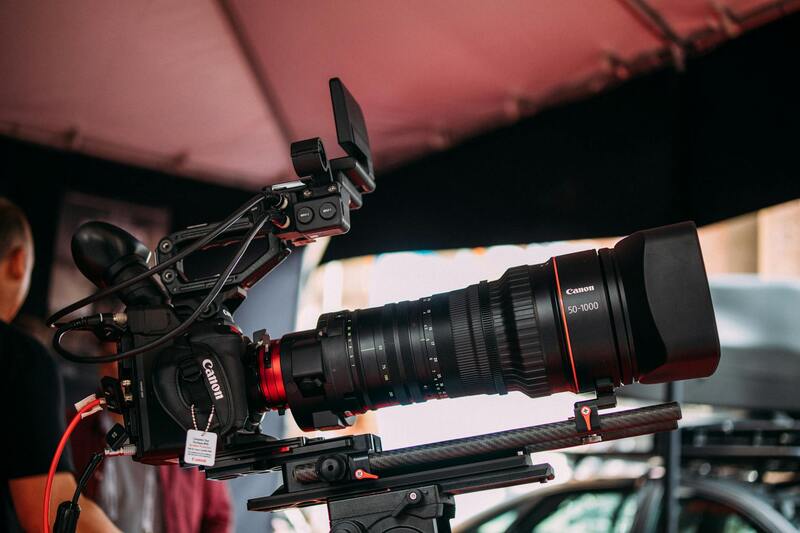
Implementing optimal technical parameters is vital to delivering seamless live webcasting experiences. It begins with ensuring high-quality video and audio inputs, utilizing professional-grade equipment such as high-definition cameras, professional microphones, and mixing consoles. These tools contribute significantly to the clarity and professionalism of the broadcast, engaging viewers and conveying a credible image of the event or organization.
Bandwidth management remains a key aspect of technological planning. Adequate upload speeds are essential to support high-definition streams without buffering or lag, which can detract from viewer satisfaction. Redundant internet connections and load balancing techniques further enhance stability, ensuring that the webcast remains uninterrupted even during unexpected network fluctuations.
Encoding hardware and software should be selected based on the complexity and scale of the event. Stream encoders compress video signals into formats compatible with streaming platforms while maintaining optimal quality. Advanced encoders also support multi-bitrate streaming, enabling adaptive quality adjustments based on viewer bandwidth, thus delivering a consistent viewing experience across diverse devices and network conditions.
Connectivity and Network Infrastructure
Reliable connectivity infrastructure lays the foundation for successful live broadcasts. This includes robust wired connections, ideally fiber optic, which offer higher bandwidth capacity and lower latency compared to wireless alternatives. For wireless segments or last-mile connections, using enterprise-grade routers and signal boosters can mitigate interference and ensure a stable connection.
Network security protocols are equally important. Secure network configurations prevent unauthorized access and protect the integrity of the stream. Firewalls, encrypted data transmission, and access controls assist in safeguarding sensitive content and maintaining viewer trust.
Monitoring and Real-Time Management
Continuous monitoring during a live event allows technical teams to promptly diagnose and resolve issues. Utilizing monitoring dashboards that track stream health, viewer metrics, and network performance provides real-time insights, empowering staff to act swiftly if anomalies occur. This proactive approach minimizes downtime and preserves the professionalism of the webcast.
Test runs prior to the actual event are indispensable. These rehearsals verify that all equipment functions correctly, and that connectivity and streaming settings are optimized. Pre-event testing also involves reviewing visual compositions, sound quality, and interactive features, ensuring the entire production aligns with the event’s objectives.
Integrating Interactive Elements for Engagement
Interactive tools heighten viewer engagement and participation. Incorporating live chat, polling, and Q&A features creates a dynamic environment where audiences feel connected to the event. Proper integration of these features requires a synchronized platform setup, ensuring real-time communication without technical delays.

Overview of Live Webcasting Services
Live webcasting services have become an essential component for organizations seeking to reach wider audiences through digital platforms. These services enable real-time streaming of events, allowing viewers to tune in from anywhere with an internet connection. MiamiEventVideoPro.com specializes in providing comprehensive live webcasting solutions tailored to meet diverse event needs, from corporate conferences to community festivals.
When engaging in live webcasting, an organization benefits from enhanced visibility, increased engagement, and the ability to create lasting virtual records of important events. Leveraging advanced streaming technology ensures high-quality video and audio delivery, critical for maintaining a professional image and ensuring viewer satisfaction. Trustworthy webcasting providers offer end-to-end services, including equipment setup, content management, and post-event analytics, streamlining the process for clients and maximizing event impact.
Benefits of Using Professional Live Webcasting
- Broader Reach: Live streaming allows organizations to reach audiences beyond geographical limitations, fostering inclusivity and engagement.
- Enhanced Engagement: Interactive features such as live chat and Q&A sessions provide real-time interaction, strengthening viewer participation.
- Cost Efficiency: Reducing the need for physical presence and travel expenses, professional webcasting can be a more economical way to host large-scale events.
- Content Preservation: Recorded streams can be archived for on-demand viewing, extending the lifespan and value of the event content.
- Professional Quality: Expertise in streaming technology ensures high-definition video and crisp audio, preserving your organization’s professionalism.
Key Features of Quality Live Webcasting Solutions
- High-Definition Streaming: Support for HD video ensures a clear, engaging experience for viewers across different devices.
- Adaptive Bitrate Technologies: These adjust stream quality based on viewer bandwidth, minimizing buffering and ensuring smooth playback.
- Interactive Capabilities: Chat, polling, and Q&A features enhance audience interaction and participation.
- Reliable Platform Infrastructure: Robust servers and content delivery networks (CDNs) guarantee minimal downtime and consistent streaming quality.
- Security and Access Control: Authentication and encryption tools protect content and restrict access to authorized viewers.
- Analytics and Reporting: Real-time data on viewer engagement, geographic distribution, and viewing durations help refine future webcast strategies.

Types of Events That Utilize Webcasting in Miami
Miami’s vibrant event scene benefits significantly from live webcasting solutions. Corporate meetings, product launches, and trade shows frequently incorporate webcasting to extend their reach. Educational institutions leverage live streaming for seminars, workshops, and commencement ceremonies. Community organizations and nonprofits broadcast public meetings, fundraisers, and cultural festivals, increasing accessibility and participation.
Religious and spiritual groups often utilize live streaming to connect with congregants unable to attend in person. Likewise, sports events, galas, and entertainment shows benefit from webcasting by expanding their audience beyond physical attendees. The flexibility of live webcasting services makes them indispensable for broadening impact and enhancing engagement across varied event types.
Technical Considerations for Effective Webcasting
Achieving a seamless live webcast in Miami requires meticulous attention to several technical aspects that impact the quality of the broadcast. Central to this is internet bandwidth. A stable, high-speed connection is essential to prevent buffering, lag, and interruptions, ensuring a consistent viewer experience. Typically, upload speeds of at least 10 Mbps are recommended for standard HD streaming, with higher speeds required for ultra-high-definition broadcasts. Conducting pre-event bandwidth testing helps identify potential issues and allows for contingency planning.
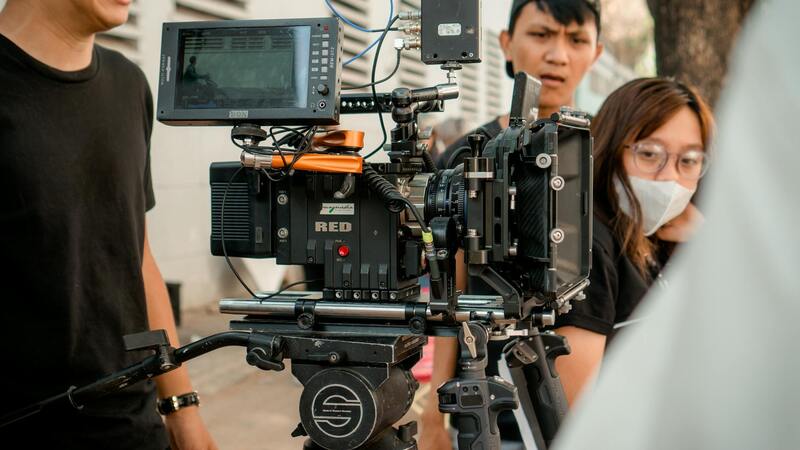
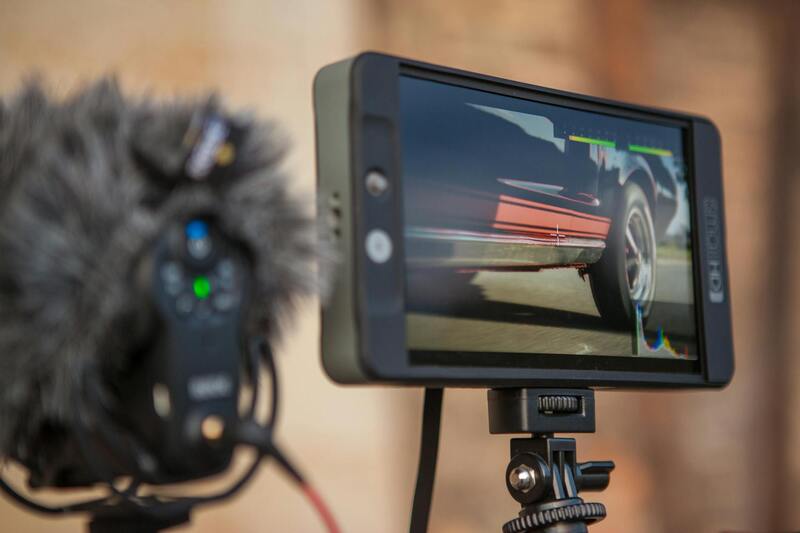
Equipment setup is another critical component. Professional-grade cameras capable of capturing high-resolution video contribute significantly to a polished output. Multiple camera angles can enhance viewer engagement by providing varied perspectives, especially during live performances or multi-speaker events. Additionally, quality microphones and audio mixers are vital to deliver clear, intelligible sound, which often makes or breaks the viewer experience.

For smooth streaming, synchronization between audio and video signals is paramount. This often entails using encoders and streaming hardware that support real-time data processing. Furthermore, employing reliable streaming platforms backed by robust content delivery networks (CDNs) helps distribute the content efficiently across geographies, minimizing latency and buffering issues.
Audio-visual quality is directly linked to lighting and studio setup. Proper lighting ensures subjects are clearly visible and colors are vivid, which is particularly important for product launches and performances. Simultaneously, background noise control and soundproof environments contribute to a professional presentation.
Best practices for a seamless stream include conducting comprehensive rehearsals before the live event. Testing all equipment, internet connections, and streaming software in advance helps troubleshoot potential problems, ensuring the actual event proceeds smoothly. Having backup devices and internet options on standby can mitigate unforeseen technical failures.
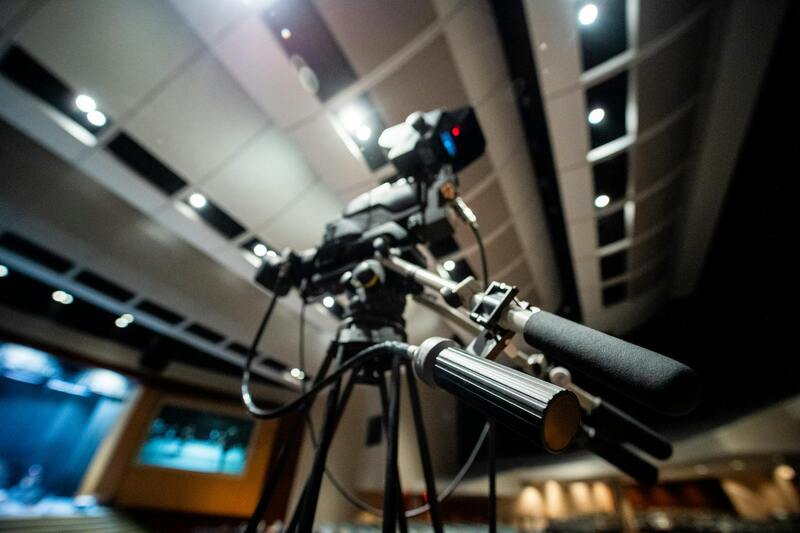
Ultimately, technical excellence in live webcasting hinges on detailed planning, high-quality equipment, and reliable connectivity. By addressing these key factors, event organizers in Miami can deliver compelling, uninterrupted live streams that resonate with audiences, regardless of location or device.
Technical Considerations for Effective Webcasting
To deliver seamless and engaging live webcasting experiences in Miami, several technical factors must be meticulously managed. First and foremost, the selection of high-quality encoders is essential. These devices compress audio and video signals in real-time, enabling efficient streaming without compromising quality. Hardware encoders typically offer more reliable performance for high-profile events, ensuring stable streams even during bandwidth fluctuations.
Another critical aspect involves the choice of a content delivery network (CDN). Leveraging a robust CDN guarantees that live content is efficiently transmitted across various geographical locations, reducing latency and buffering issues. This is particularly important in Miami’s diverse and expansive event landscape. A CDN with extensive server distribution ensures viewers, whether local or international, experience minimal interruptions and high-resolution streams.
Audio-visual synchronization is vital for maintaining a professional presentation. This is achieved through precise tuning of audio and video hardware, ensuring that sound aligns perfectly with on-screen action. High-fidelity microphones, proper audio mixers, and synchronized video feeds contribute to an immersive experience for viewers.
Lighting and background setup play equally crucial roles. Bright, well-balanced lighting enhances visual clarity and color accuracy, especially in dynamic environments such as product launches or performances. Soundproofing and acoustically treated venues help prevent unwanted noise interference, maintaining audio clarity throughout the broadcast.
Testing and Redundancy Planning
Thorough testing is a cornerstone of successful live webcasting. Conducting multiple rehearsals before the actual event allows technical teams to identify potential issues and optimize configurations. During these tests, all equipment—from cameras and audio gear to internet connectivity—is checked for functionality. It is advisable to simulate live conditions as closely as possible to uncover unforeseen challenges.
Implementing redundancy measures is equally important to mitigate the impact of technical failures. Backup internet connections, such as cellular data or secondary routers, ensure continuous streaming in case primary connections drop. Spare hardware components like extra cameras and microphones should be on hand to replace any malfunctioning equipment swiftly, minimizing disruption to the live broadcast.
Standby Support and Monitoring
Real-time monitoring tools enable continuous oversight of stream quality, allowing technical staff to address issues proactively. Dedicated support teams can troubleshoot and resolve problems swiftly, ensuring the live event remains uninterrupted. Additionally, cloud-based control centers facilitate remote management and quick adjustments during broadcasts, which is particularly advantageous for multi-camera setups or complex event scenarios.
Overall, the technical execution of a live webcasting event in Miami relies on careful planning, top-tier equipment, and robust backup strategies. These elements collectively contribute to delivering a professional, reliable, and high-quality live streaming experience capable of engaging audiences across Miami and beyond.
Technical Considerations for Effective Webcasting
Ensuring a seamless live webcasting experience in Miami requires meticulous attention to technical details and strategic planning. Professional service providers deploy advanced infrastructure and proven protocols to guarantee high-quality streams that are reliable and visually engaging. The process begins with comprehensive pre-event testing, where all equipment—including cameras, microphones, and encoding hardware—is evaluated to confirm optimal performance. This phase involves simulating the live broadcast environment, allowing the technical team to identify and resolve potential issues before the event begins.

Internet connectivity is a critical factor in live webcasting. Professional providers utilize dedicated fiber optic connections, multiple internet sources, and load balancing techniques to prevent disruptions caused by bandwidth fluctuations. Redundant internet connections, such as cellular hotspot backups, are essential for maintaining stream stability if primary connections experience outages. Additionally, network security measures are implemented to protect data integrity and prevent unauthorized access during live broadcasts.
Optimal equipment setup plays a vital role in delivering high-definition video and clear audio. High-quality cameras, professional-grade microphones, and encoders capable of handling multiple input streams are standard components in broadcast setups. For complex events, multi-camera configurations are managed using remote control systems, enabling dynamic switching and varied shots to enhance viewer engagement. Proper lighting and sound balancing are also crucial for maintaining a polished presentation.
Monitoring and Real-Time Troubleshooting
During the live event, continuous monitoring using specialized software allows technicians to oversee stream health, signal strength, and audio/video synchronization. This real-time oversight enables immediate identification and correction of issues such as artifacts, latency, or audio echo. Support teams trained in quick troubleshooting can troubleshoot problems remotely or on-site, minimizing potential stream interruptions.
Implementing a robust support system includes having spare hardware components—additional cameras, microphones, and encoders—to quickly replace malfunctioning equipment. Cloud-based control centers and remote monitors offer flexibility, allowing operators to manage and adapt the broadcast from a different location if necessary. These proactive measures ensure that technical hiccups do not compromise the viewer’s experience.
Technical Best Practices for a Flawless Webcast
- Conduct comprehensive pre-event testing of all equipment and internet connections.
- Use dedicated, high-bandwidth internet connections with multiple sources for redundancy.
- Employ professional-grade cameras, audio gear, and encoding hardware tailored for live streaming.
- Maintain real-time monitoring to detect and resolve issues promptly during the broadcast.
- Prepare backup hardware and software solutions to ensure continuity.
- Incorporate quality lighting and audio setups to enhance visual and sound clarity.
- Use cloud-based management tools for remote oversight and quick adjustments.