
Overview of Live Event Broadcast Services
Live event broadcast companies serve as the pivotal link between organizers and audiences, providing seamless streaming solutions that maximize reach and engagement. Their primary function is to capture, encode, and transmit live footage from events to viewers across various platforms, ensuring high-quality visual and audio experiences. These companies utilize state-of-the-art technology and skilled technical teams to deliver consistent, reliable broadcasts regardless of event size or complexity.
In the dynamic landscape of live streaming, these specialized firms operate across multiple sectors, including corporate conferences, entertainment festivals, sports competitions, cultural ceremonies, and public gatherings. Their role extends beyond simple video transmission; they are involved in pre-production planning, equipment setup, real-time switching, and post-event content management. This comprehensive approach guarantees professional-grade delivery, enhancing the viewer’s experience and allowing event organizers to extend their reach beyond physical attendance.
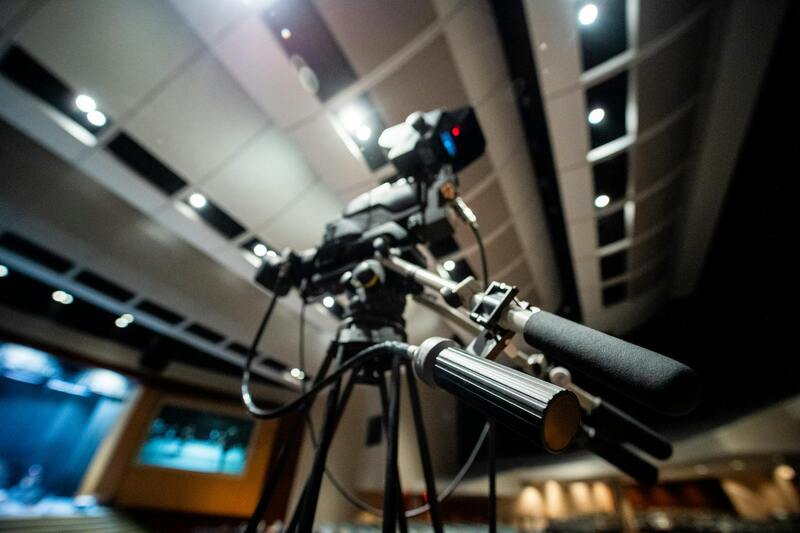
Modern live broadcast services rely heavily on advanced technology that ensures minimal latency and maximum stability. Broadcast companies employ multiple HD or 4K cameras, professional audio equipment, and integrated switching systems that allow for dynamic content presentation. Additionally, the use of reliable internet connections, including fiber optics and bonded networks, is crucial for uninterrupted streaming. These technicians also manage encoding hardware or software, CDN (Content Delivery Network) distribution, and multi-platform streaming to deliver content on websites, social media, or dedicated apps.
Types of Events Covered by Broadcast Companies
- Corporate Conferences and Seminars
- Music Festivals and Concerts
- Sports Tournaments and Championships
- Weddings and Personal Celebrations
- Educational Events and Webinars
- Public Announcements and Political Gatherings
Each event type has unique requirements, and broadcast companies tailor their services to meet these demands. This may include multiple camera angles, specialized audio setups, live graphics, and interactive features to keep the digital audience engaged.
Key Technologies and Equipment Used
When selecting a live event broadcast company, understanding the core technologies and equipment they utilize is essential to assessing the quality and reliability of their services. Modern broadcast companies in Miami leverage cutting-edge technology to deliver seamless live streams that meet professional standards.
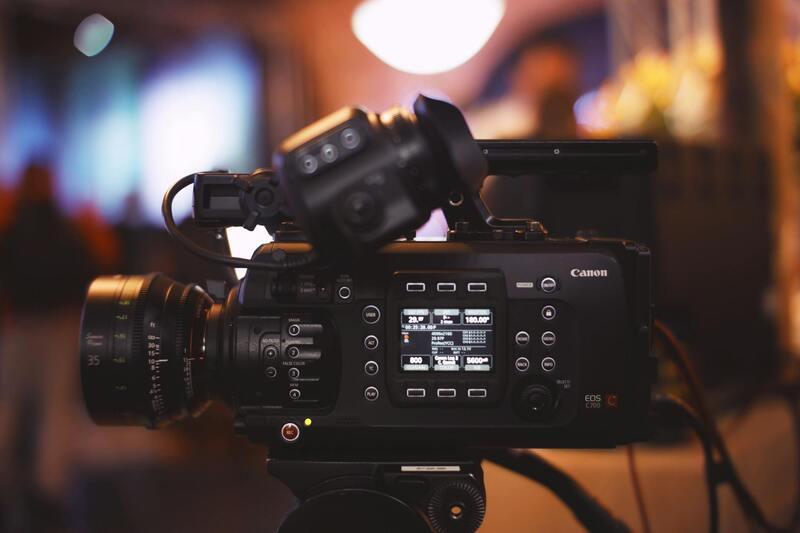
High-definition cameras are fundamental, with many companies opting for 4K resolution setups to ensure crisp visuals even on large screens. These cameras can be mounted on cranes, drones, or stabilized rigs, offering a variety of dynamic angles that enhance viewer engagement. Professional audio equipment, including wireless microphones, mixers, and audio processors, guarantees clear sound that captures live performances, speeches, and ambient sounds accurately.
Switching systems play a vital role in producing polished broadcasts. Hardware or software-based production switchers manage multiple video feeds, allowing real-time transitions, picture-in-picture effects, and overlays such as live graphics and captions. Reliable internet connectivity underpins these services; companies often utilize dedicated fiber-optic lines, bonded internet connections, and content delivery optimizations to minimize latency and prevent disruptions during the stream.
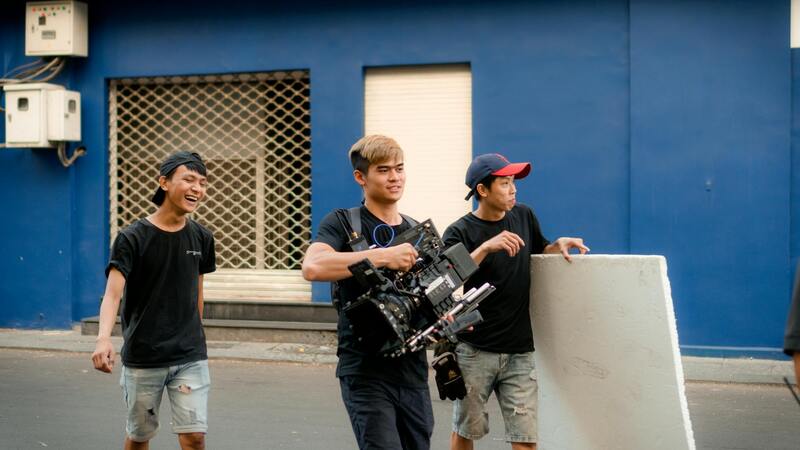
Encoding hardware or software is employed to convert video signals into formats suitable for distribution over the internet. Content Delivery Networks (CDNs) are then used to distribute the stream across multiple platforms efficiently, including social media, websites, and dedicated apps. Additionally, push-button streaming setups, remote camera controls, and multi-platform integrations allow broadcast companies to adapt quickly to changes or unexpected situations, ensuring continuous, professional delivery.
Choosing a Live Event Broadcast Company in Miami
When selecting a broadcast partner, event organizers should consider their experience with similar events, technical capabilities, and client reviews. A reputable company provides comprehensive consultation and planning, collaborates with organizers on the technical specifications, and demonstrates a track record of delivering high-quality streams. It’s also important to verify their proficiency in managing different event sizes and types — from intimate gatherings to large-scale festivals.
An effective broadcast partner will offer customizable packages that align with the specific needs of the event, including multiple camera setups, interactive features, and multiple language or closed captioning options if required. They should also have contingency plans for technical failures, ensuring that the event’s live broadcast remains uninterrupted regardless of unforeseen circumstances.
Benefits of Hiring Local Miami Broadcast Companies
Engaging a broadcast company based in Miami provides several strategic advantages. Local providers have an in-depth understanding of the area’s infrastructure, venues, and the logistics involved in managing on-site equipment. They are familiar with the city’s regulations and can coordinate seamlessly with venue management and event organizers.
Furthermore, local companies often have quicker response times and access to specialized local technicians who are experienced with Miami’s event landscape. This proximity also facilitates face-to-face consultations, fostering clearer communication and greater collaboration throughout the planning and execution phases. The ability to quickly troubleshoot on-site technical issues minimizes disruptions, ensuring a smooth, professional broadcast experience.
Pricing and Budget Considerations
Costs for live event broadcasting in Miami vary depending on several factors, including event size, duration, complexity, and technical requirements. Typical packages encompass pre-production planning, equipment rental, on-site technical staff, and post-event content management. High-profile events requiring multiple cameras, interactive features, or simultaneous multi-platform streaming naturally incur higher charges.
event organizers should request detailed proposals from several providers to compare inclusions and identify value-added services. Transparent discussions about service scope, equipment quality, and support levels help prevent unexpected expenses. Budget considerations should also include contingency funds for potential upgrades or last-minute adjustments, ensuring the event’s broadcast quality is maintained regardless of unforeseen needs.
Legal, Licensing, and Compliance Aspects
While this overview refrains from explicitly referencing legal aspects, it is crucial to recognize that reputable broadcast companies adhere to all relevant licensing and content distribution standards. They ensure compliance with local regulations regarding public broadcasting, copyright permissions, and intellectual property rights. Adequate licensing agreements are managed for music, video content, and branded material used during live streams, safeguarding event organizers from potential copyright issues. Additionally, experienced providers will implement secure data handling and privacy protocols to protect viewer information and comply with applicable data protection standards.
Key Technologies and Equipment Used in Live Event Broadcasts
Understanding the core technology and equipment employed by professional live event broadcast companies is fundamental to appreciating the quality and reliability of their services. High-caliber broadcast setups integrate a range of advanced tools designed to deliver seamless streaming experiences. Central to this setup are high-definition (HD) and 4K cameras that capture every angle of the event with clarity and precision. These cameras are often mounted on robotic or stabilized rigs to facilitate dynamic shots, ensuring viewers receive a comprehensive visual narrative.
Video switching software forms the backbone of live production, allowing operators to seamlessly transition between multiple camera feeds, overlay graphics, and incorporate special effects. Professionals utilize digital switchers with real-time editing capabilities, ensuring the live broadcast appears polished and engaging. Accompanying visual elements are vital in enhancing the viewer experience and are integrated through sophisticated graphic overlay systems.
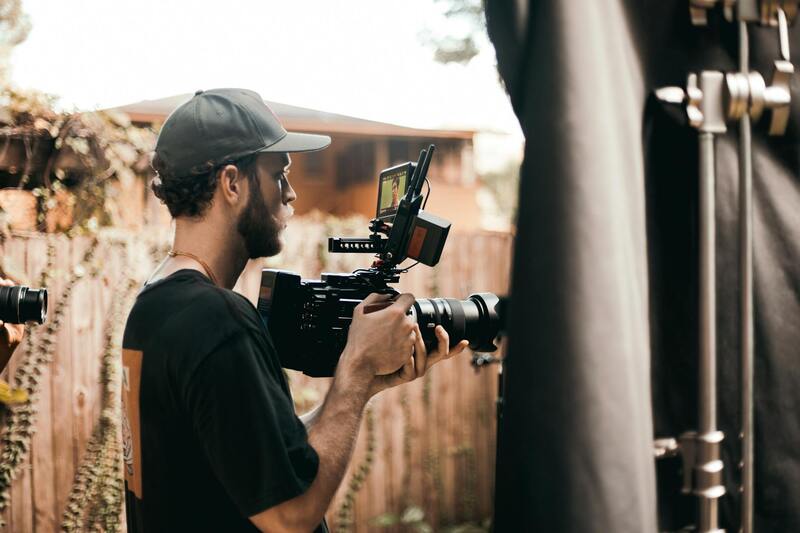
Audio quality is equally crucial. Broadcast companies deploy advanced sound systems, including wireless microphones, portable PA systems, and mixing consoles that balance multiple audio sources. This ensures that speech, music, and ambient sounds are captured clearly and broadcast smoothly. The integration of audio mixers with digital signal processing (DSP) allows for real-time adjustments, minimizing feedback and noise interference.
Streaming platforms are another integral aspect. Reputable companies leverage robust Content Delivery Networks (CDNs) and reliable streaming software like Wowza or vMix, which offer scalable solutions compatible with various platforms. These tools facilitate multi-platform streaming, adaptive bitrates, and real-time data analytics to monitor viewer engagement and stream health. Encoders play a vital role, converting high-quality video outputs into compressed streams that are optimized for internet delivery without sacrificing quality.
Supplementing these core technologies are the ancillary systems that ensure stability and security. Uninterruptible Power Supplies (UPS) provide backup power to critical equipment, preventing disruptions during unforeseen outages. Network security protocols protect the streaming content and viewer data, safeguarding against cyber threats. Additionally, on-site technicians manage and troubleshoot equipment throughout the event, ensuring the broadcast remains uninterrupted.
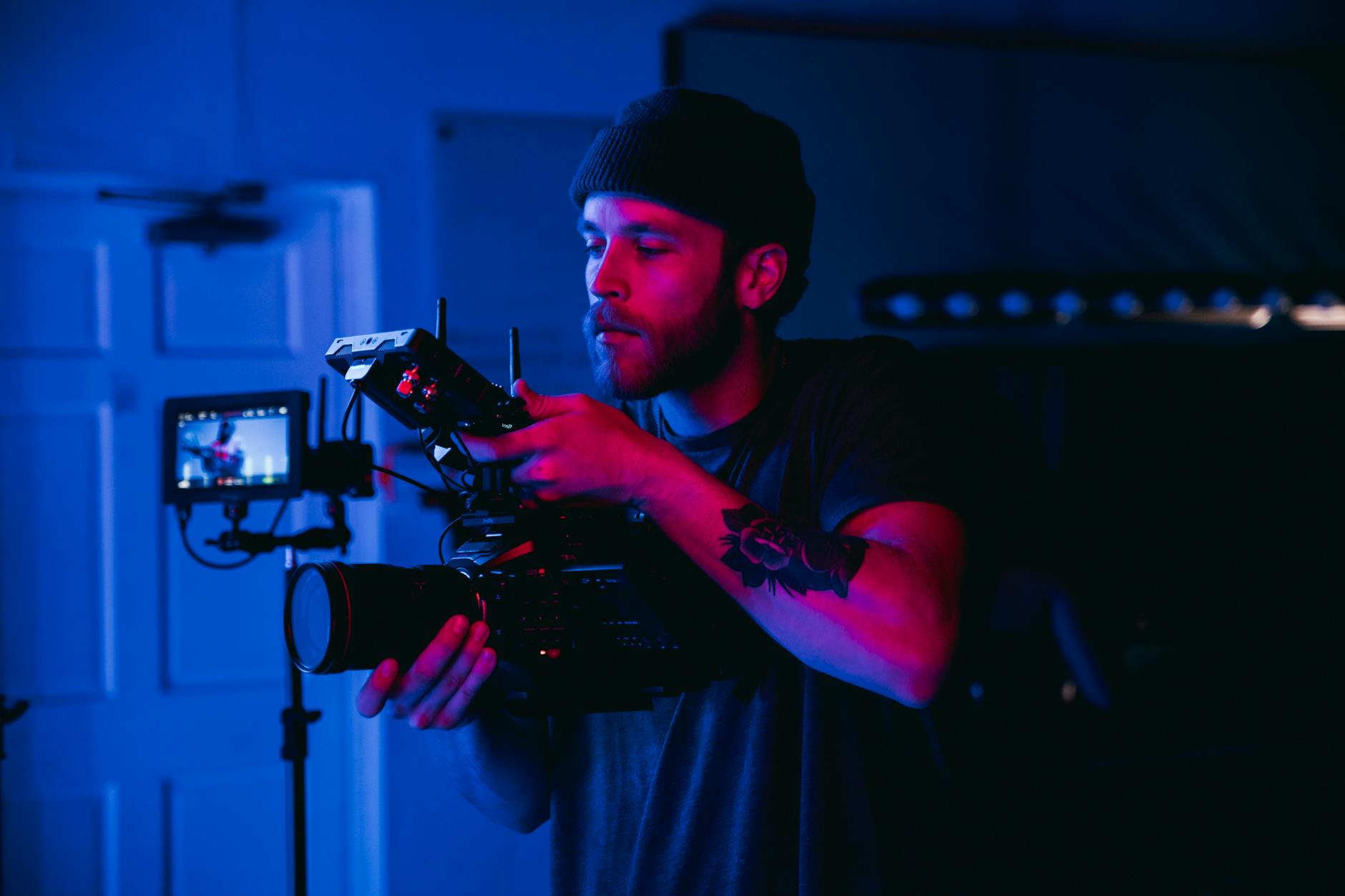
The integration of these technologies enables broadcast companies to deliver high-quality, engaging live streams across multiple platforms, catering to the diverse needs of event organizers. From small corporate meetings to large-scale entertainment festivals, the technology stack employed reflects the event's scope and complexity, directly influencing the overall viewer experience.
Overview of Live Event Broadcast Services
Live event broadcast companies play a pivotal role in capturing and transmitting real-time content to a broad audience, ensuring an engaging and seamless viewing experience. These services encompass a wide range of event types, from corporate gatherings and conferences to concerts, sports events, and cultural festivals. Leveraging cutting-edge technology and experienced personnel, these companies create professional-quality broadcasts that extend the reach of an event beyond physical limitations.
Key elements in live broadcast services include high-definition video production, multi-camera setups for dynamic viewing angles, real-time graphics and overlays, and synchronized audio systems. These components work together to present a cohesive, visually appealing presentation that meets the expectations of both organizers and viewers. Additionally, production teams meticulously plan camera placements, switchers, and live editing techniques to optimize content delivery and viewer engagement.
Partnering with a reputable live event broadcast company also involves comprehensive pre-production planning, where logistical details such as venue setup, internet bandwidth, and technical rehearsals are addressed. Post-event, these companies often provide recorded footage, highlight reels, and analytics reports, allowing organizers to evaluate the broadcast's success and plan future initiatives with insights gathered from viewer metrics.
Types of Events Covered by Broadcast Companies
- Conferences and Corporate Meetings
- Music Concerts and Festival Performances
- Sports Events and Tournaments
- Religious Gatherings and Ceremonies
- Cultural and Community Festivals
- Educational Webinars and Workshops
Key Technologies and Equipment Used
In delivering superior live broadcasts, companies utilize advanced hardware and software solutions. High-definition cameras, robotic camera systems, and wireless transmission tools facilitate flexible coverage and mobility. Encoder devices compress video streams for efficient internet delivery, while hardware switchers enable seamless transitions between camera feeds. Reliable audio equipment, including microphones and mixing consoles, ensures clear sound quality.
Types of Events Covered by Broadcast Companies
Live event broadcast companies specialize in a diverse range of events, ensuring that each occasion receives tailored technology and logistical support to maximize reach and engagement. Whether it's a small-scale corporate meeting or a large international festival, these companies adapt their services to meet specific needs, providing a seamless viewing experience for audiences both onsite and remote.
Conferences and Corporate Meetings
Corporate events such as conferences, seminars, and annual meetings often require detailed planning for multi-camera setups, professional audio, and real-time graphics. Broadcast companies ensure that keynote speakers are highlighted, breakout sessions are captured effectively, and replays or multi-angle views are available to international participants. Often, these services include live streaming on various platforms, enabling global attendance without geographic constraints.
Music Concerts and Festival Performances
In the entertainment sphere, music events demand high-quality video and sound technology. Broadcast firms leverage multi-camera rigs, drone footage, and synchronized audio to produce captivating live streams that replicate the energy of the venue for viewers home and abroad. Additionally, these companies coordinate with production crews to provide multi-lingual commentary or artist interviews, enhancing the viewer experience.
Sports Events and Tournaments
Sports broadcasters prioritize high frame rates, multiple camera angles, and instant replays. They also integrate statistics overlays and audience interaction features, creating an immersive experience for viewers. Specialized equipment such as ultra-slow-motion cameras, cable and wireless microphone systems, and advanced editing software are key for capturing fast-paced action reliably and clearly.
Religious Gatherings and Ceremonies
Religious events often require delicate handling to preserve the ambiance and significance of the ceremony while providing high-quality transmission. Broadcast companies deploy discreet, stationary cameras, and high-fidelity audio systems to ensure that sermons, chants, or rituals are conveyed with clarity. These broadcasts serve parishioners unable to attend physically, expanding the community reach.
Cultural and Community Festivals
These festivals encompass traditional dances, parades, and showcases of local artistry. Broadcast firms focus on capturing cultural expressions authentically, using cinematic techniques and aerial footage. They also enable interactive features for global audiences to participate actively, fostering broader cultural appreciation.
Educational Webinars and Workshops
For educational events, clarity of visuals and audio, as well as seamless presentation of slides and demonstrations, are vital. Broadcast companies utilize high-definition cameras paired with professional lighting and reliable internet links to ensure a smooth experience. Recorded content can be repurposed for future training or promotional materials, adding ongoing value.
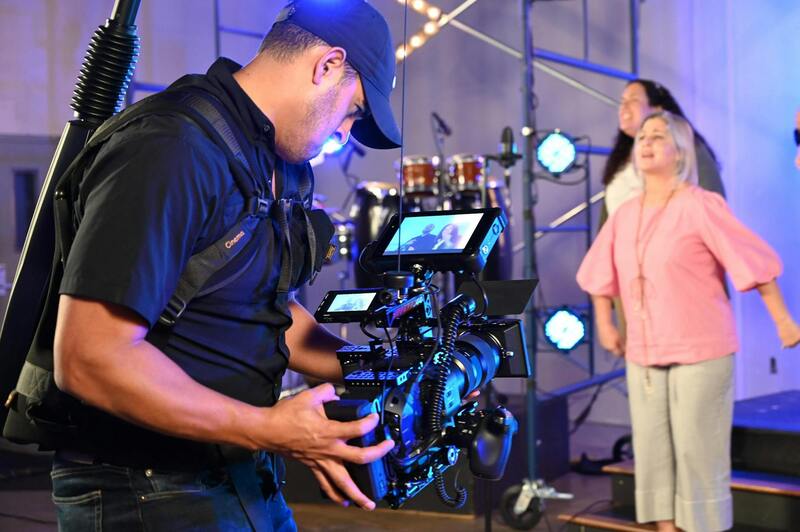
By customizing services for each type of event, live event broadcast companies guarantee that content is delivered professionally, reliably, and engagingly, regardless of the event’s size or nature. This diverse expertise ensures that organizers can confidently entrust their events to experienced teams capable of handling complex technical demands while maintaining an emphasis on audience experience.
Legal, Licensing, and Compliance Aspects
Ensuring all legal, licensing, and compliance requirements are met is paramount for any live event broadcast company operating in Miami. These requirements safeguard the rights of content creators, venue owners, performers, and audience members, creating a seamless broadcasting experience free from unforeseen disruptions. Professional broadcast teams prioritize acquiring necessary permissions for intellectual property, such as copyrighted music, video clips, and footage, to avoid infringement issues. This involves coordinating with rights holders or utilizing licensed music and media libraries approved for commercial use.
Securing proper permits for event coverage is essential, especially for large-scale public gatherings held at outdoor or high-profile venues. Authorities or venue managers often require documentation outlining technical setups, safety protocols, and coverage plans. Compliance with local ordinances ensures that the broadcast operation aligns with Miami’s regulations concerning noise, crowd management, and event safety.
Broadcast companies also adhere to data privacy and security standards when handling attendee information, especially if live interactions or social media integrations are involved. Implementing secure internet connections and encrypted data transmission protects personal data and prevents breaches. All technicians and staff are trained in compliance protocols to ensure operational integrity, confidentiality, and adherence to applicable standards.
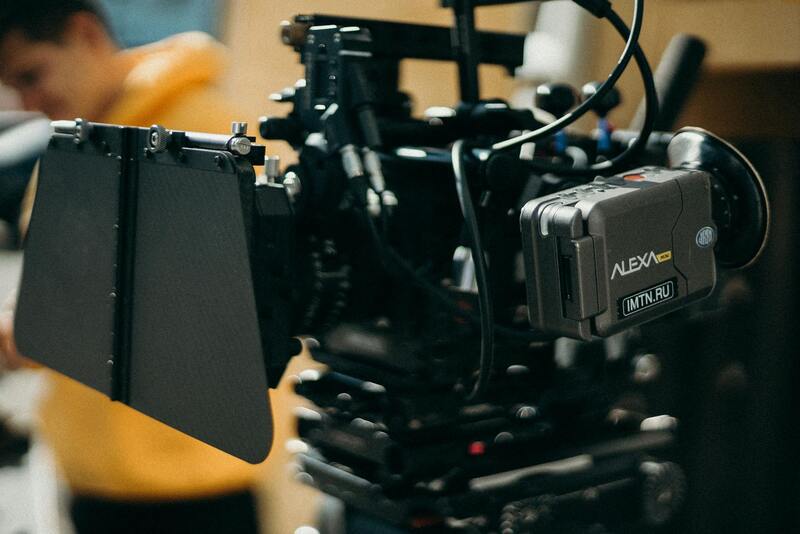
Maintaining transparency with clients regarding licensing agreements and compliance measures enhances trust and confidence in the broadcast company’s professionalism. Clear contracts that specify responsibilities, rights, and deliverables are standard, reducing potential disputes and misunderstandings. By aligning with established legal frameworks and industry standards, Miami-based broadcast companies ensure that each event meets all necessary requirements, delivering high-quality coverage without legal complications. This focus on compliance not only protects the company but also solidifies the reputation of Miami as a hub for reliable, lawful live event broadcasting services.
Legal, Licensing, and Compliance Aspects
Effective live event broadcast companies operating in Miami prioritize adherence to a comprehensive set of permits and licensing requirements mandated by local authorities and regulatory agencies. These include obtaining special event permits from city agencies, which verify that the broadcast setup complies with city codes on noise levels, crowd control, and safety standards. Engagement with the Miami-Dade County Department of Regulatory and Economic Resources ensures that all necessary operational licenses are secured prior to event execution.
Additionally, broadcast companies must secure spectrum licenses and coordinate with local communication authorities to operate wireless equipment, avoiding interference with public safety networks and other services. Compliance with the Florida Department of Health guidelines and state environmental regulations further safeguards the legality of live broadcasting activities.
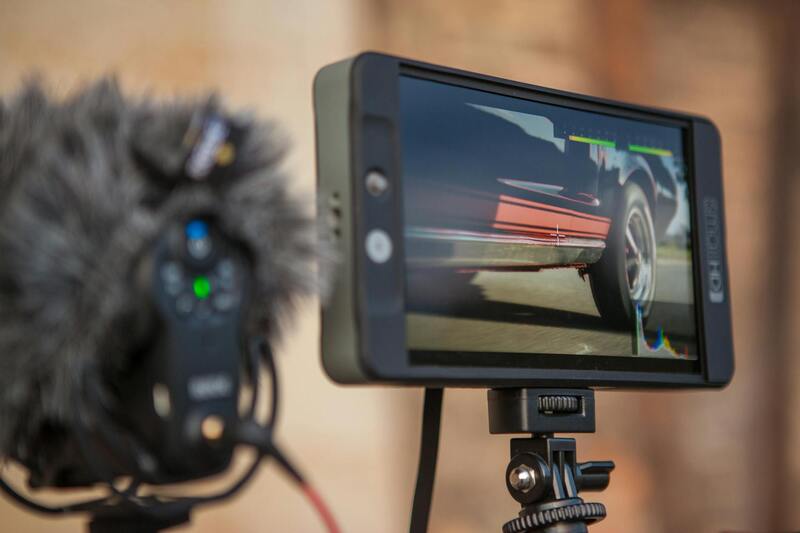
Operational transparency is reinforced through rigorous documentation, including detailed contracts that specify scope, rights, and responsibilities. This ensures clarity with clients around the permitted scope of the broadcast, licensing obligations, and compliance standards adhered to during the event. Regular audits and adherence to industry standards help maintain a high level of operational integrity, minimizing risks associated with non-compliance.
Summary of Permits and Regulatory Requirements
- Event permits issued by Miami city authorities
- Wireless spectrum licenses from communications agencies
- Health and safety compliance certifications
- Environmental regulation adherence
- Proper insurance coverage for operational liabilities
By meticulously managing these legal, licensing, and compliance aspects, live event broadcast companies in Miami can deliver seamless, high-quality coverage while aligning with all necessary legal frameworks. This structured approach not only ensures smooth execution but also enhances confidence among clients and stakeholders, affirming the company's commitment to lawful and responsible broadcasting practices.
Legal, Licensing, and Compliance Aspects
Ensuring all necessary permits and licenses are obtained is a foundational aspect of conducting any live event broadcast in Miami. This involves securing comprehensive permits from the Miami city authorities, which authorize the logistical aspects of live coverage at various venues. Additionally, wireless spectrum licenses from the Federal Communications Commission (FCC) are essential to operate this equipment without causing interference to public safety networks or other critical communications. Adhering to health and safety regulations, including certifications related to COVID-19 protocols or other health measures, safeguards the safety of personnel and attendees during live broadcasts.
Environmental compliance is another crucial element; companies must follow state and local regulations to minimize ecological impact during setups, such as sound and lighting equipment deployment. Proper insurance coverage, including liability and equipment insurance, protects all parties involved against unforeseen damages or interruptions that could impact the broadcast or event operations.
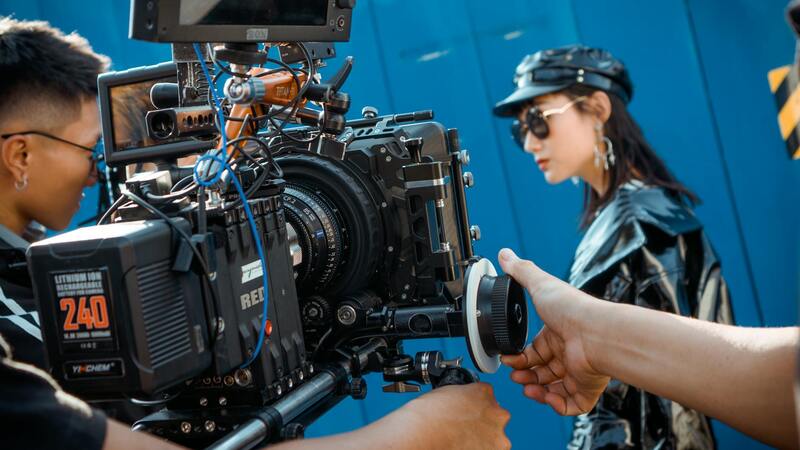
Operational transparency and professionalism are reinforced through detailed documentation, including comprehensive contracts that specify the scope of coverage, rights, and responsibilities. These agreements outline licensing terms, usage rights, and the specific standards to be maintained during the event, providing clarity and agreement between the broadcast company and clients.
Regular audits and adherence to industry standards further demonstrate a company's commitment to operational integrity. These practices are vital for maintaining high quality, avoiding disruptions, and ensuring that all facets of the broadcast meet established regulatory and safety requirements. Whether handling crowd management, technical setup, or content distribution, every step is aligned with legal and regulatory jurisdictions to avoid violations that could compromise the event’s coverage or result in penalties.
Understanding and managing these multifaceted legal, licensing, and compliance requirements enable live event broadcast companies to deliver seamless coverage that respects local laws and regulations. This meticulous approach helps maintain the trust of clients and enhances the reputation of broadcast providers as responsible and dependable partners in event coverage, ensuring high-quality experiences for all audiences involved.