
Overview of Conference Live Streaming Services
Conference live streaming services have become an essential component for hosting successful virtual and hybrid events, especially within vibrant metropolitan hubs like Miami. These services facilitate real-time broadcast of conferences, meetings, seminars, and workshops, enabling attendees to participate from any location with internet access. As organizations aim to expand their reach and enhance attendee engagement, professional live streaming solutions ensure high-quality, reliable transmission, bridging the gap between in-person and remote participants.
In the fast-paced environment of Miami’s event industry, leveraging live streaming technology allows organizers to extend their event’s visibility, increase accessibility, and foster a more inclusive experience. Whether it’s a corporate summit, educational seminar, or industry expo, live streaming services provide a scalable, efficient way to showcase content to audiences across the globe while maintaining the integrity and professionalism of the event.
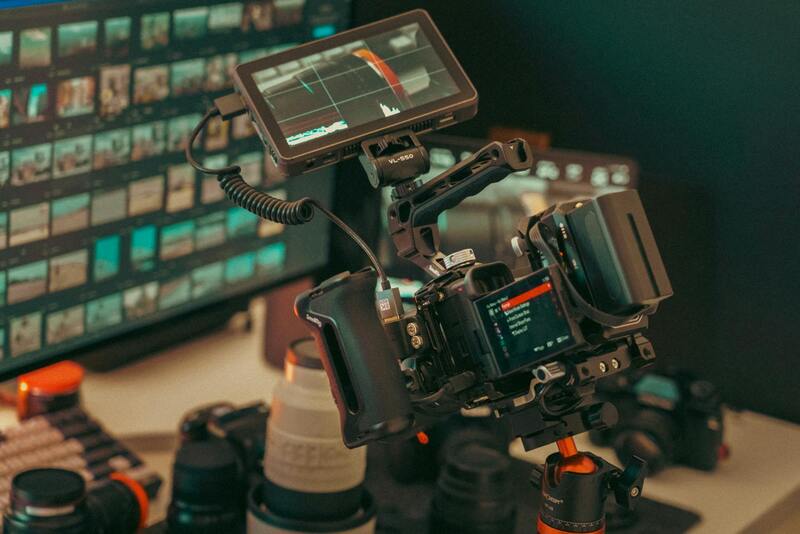
Key to the success of these events is the deployment of cutting-edge technology and skilled technical support, which guarantee seamless broadcasts free from interruptions or technical glitches. As businesses and organizations increasingly rely on virtual and hybrid formats, understanding the operational importance of conference live streaming services becomes vital for event success.
Types of Live Streaming Platforms and Technologies
Different platforms and technologies are utilized in conference live streaming services, each offering unique features suited to specific event requirements. These include dedicated enterprise solutions, cloud-based streaming platforms, and social media live video options. Selecting the appropriate technology depends on factors such as audience size, desired level of interaction, and budget.
Professional Miami live streaming providers often employ multiple streaming protocols, such as RTMP (Real-Time Messaging Protocol), HLS (HTTP Live Streaming), and WebRTC, to optimize latency, stability, and compatibility across devices. High-definition video encoding, adaptive bitrate streaming, and multi-camera setups are standard features to ensure a polished and engaging broadcast.

Understanding the technological landscape helps organizers choose the right combination of tools and platforms, resulting in a professional, dynamic experience that keeps remote viewers engaged and involved throughout the event.
Key Features to Consider When Choosing a Service
When selecting a conference live streaming service in Miami, several critical features should be evaluated to ensure the most effective presentation. These include:
- Video Quality: Support for HD or 4K streaming to provide crisp visuals.
- Reliability and Uptime: Robust infrastructure that minimizes outages or buffering issues.
- Interactivity: Opportunities for Q&A, polls, and chat integration to engage remote audiences.
- Stream Security: Encryption and access controls to protect content from unauthorized viewing.
- Customization: Branding options and integration with event websites for a cohesive experience.
- Technical Support: Availability of professional assistance during the event to handle unforeseen issues.
Choosing a service that excels in these areas ensures your Miami conference will be broadcast professionally, with an experience comparable to attending in person.
Benefits of Using Professional Miami Live Streaming Providers
Partnering with experienced local providers offers numerous advantages, including access to advanced technology, dedicated technical support, and an understanding of Miami’s event landscape. These specialists bring a proven track record of delivering seamless live streams that resonate with diverse audiences and accommodate specific event needs.
Furthermore, professional providers are equipped to handle complex layouts, multiple speaker setups, and real-time production adjustments, which elevate the overall quality and engagement level of the event. Their familiarity with regional internet infrastructures and studio facilities also ensures that logistical aspects are effectively managed, reducing the risk of technical failure.

In a competitive event environment, leveraging local expertise translates to a higher quality broadcast, greater reach, and ultimately, a more successful conference experience for organizers and attendees alike.
Types of Live Streaming Platforms and Technologies
To ensure a seamless and high-quality conference broadcast, it is vital to understand the variety of platforms, technologies, and equipment that are employed in professional live streaming services. The choice of platform impacts how well the content reaches the audience, the stability of the stream, and the overall viewer experience.

Modern live streaming solutions leverage a combination of dedicated hardware and cloud-based platforms. Hardware encoders are often used on-site to convert video signals into digital data suitable for streaming. These encoders support multiple input sources, including cameras, microphones, and presentation screens, allowing dynamic switching and professional production quality.
Cloud-based streaming platforms facilitate global distribution, offering robust infrastructure capable of handling large audiences without compromising stream stability. These platforms often include additional features such as real-time analytics, chat functionalities, and multi-platform integration, extending the reach and engagement of the event.
Key technologies involved include adaptive bitrate streaming, which dynamically adjusts video quality based on viewer bandwidth, ensuring smooth playback regardless of internet conditions. Additionally, Content Delivery Networks (CDNs) distribute the stream efficiently across multiple regions, reducing latency and buffering issues.
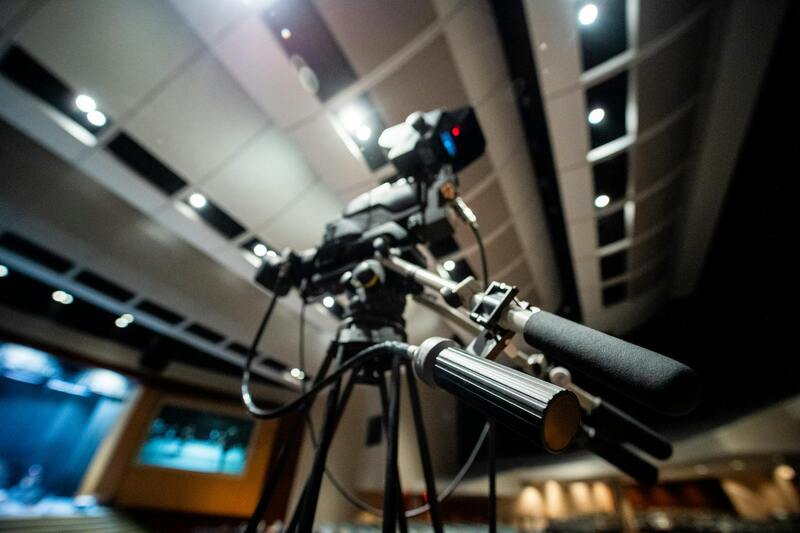
For professional conference broadcasts, high-definition video encoding (up to 1080p or higher) paired with multiple camera angles delivers an engaging and polished viewing experience. Audio equipment, including lavalier and shotgun microphones, are synchronized with visual feeds for crystal-clear sound quality. Incorporating real-time graphics, overlays, and live captions further enhances content comprehension and visual appeal.
Many advanced setups utilize multiple stream outputs, allowing organizers to broadcast separate feeds tailored for different platforms or audience segments. This versatility is essential for hybrid events combining in-person and virtual participation. The integration of wireless transmission technologies extends flexibility in camera placement and movement, particularly important for dynamic conference environments.
Among the crucial equipment considerations are reliable internet connections, backup power supplies, and redundant streaming pathways. These components safeguard against technical disruptions, maintaining a consistent and professional presentation throughout the event. On-site technical staff play a pivotal role in managing these systems, ensuring that all elements function harmoniously.
Choosing the right combination of platforms and hardware depends on the scale of the conference, expected attendance, and specific content delivery needs. Experienced live streaming providers in Miami are adept at customizing these technological solutions to match the unique requirements of each event, ensuring a high-quality, engaging broadcast that enhances overall event impact.
Overview of Conference Live Streaming Services
Conference live streaming services have revolutionized the way organizations and event organizers facilitate remote participation. These services enable real-time broadcasting of conferences, seminars, and corporate events to a global audience, ensuring wider reach, increased engagement, and more inclusive event experiences. By leveraging advanced streaming technologies and platforms, hosts can deliver seamless video content that maintains high visual and audio quality, even during complex sessions and large-scale events.
Choosing a reliable service involves evaluating providers based on their ability to deliver uninterrupted streams, support multiple devices, and handle high viewer counts. A comprehensive understanding of the available tools, infrastructure, and support options is crucial in selecting an ideal partner that aligns with event objectives, whether it’s a small workshop or a large international conference.
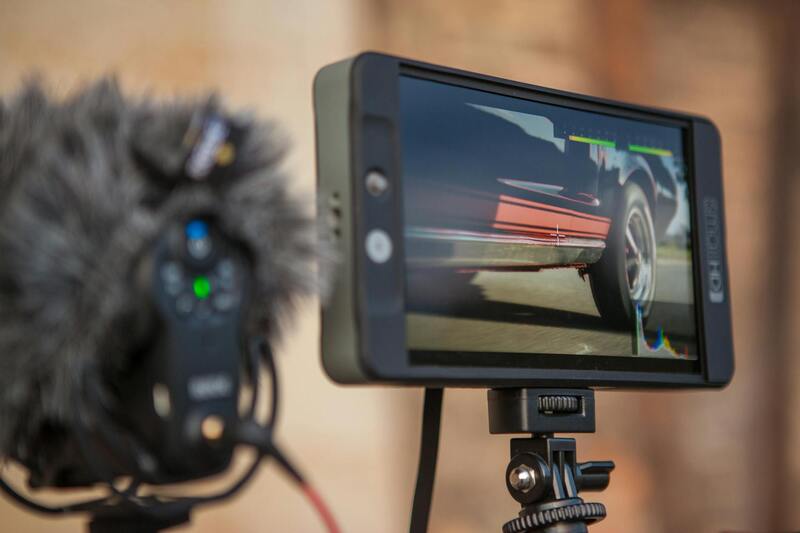
Types of Live Streaming Platforms and Technologies
The landscape of live streaming platforms includes a diverse array of options tailored to different event needs. These range from enterprise-grade solutions with extensive customization options to more straightforward, plug-and-play platforms suitable for smaller gatherings. Key technologies include:
- Web-based streaming platforms: These are accessed through web browsers, providing ease of use and accessibility across multiple devices. They are ideal for webinars and smaller conferences where simplicity is valued.
- Dedicated streaming hardware and software: Platforms that integrate specialized encoding devices or software allow for high-quality, scheduled, and multi-camera broadcasts. They often support overlays, synchronized multimedia, and real-time analytics.
- Content Delivery Networks (CDNs): These networks distribute your stream efficiently across large geographical areas, reducing latency and buffering issues, which is vital for international audiences.
- Hybrid solutions: Combining pre-recorded segments with live feeds offers greater flexibility, allowing organizers to cater to different segments of the event timeline.
Emerging Technologies and Their Role in Conference Streaming
Advancements in streaming technology continue to shape how conferences are conducted and experienced. The adoption of 4K resolution and high dynamic range (HDR) imaging delivers clearer visuals and immersive viewing. Meanwhile, 360-degree and virtual reality (VR) streaming provide innovative ways to engage audiences, especially in interactive sessions or virtual tours of event spaces.
Artificial intelligence (AI) plays an increasing role in live streaming by enabling real-time captioning, translation, and content moderation, thereby enhancing accessibility and engagement. Additionally, 5G networks offer faster, more reliable internet connectivity, which facilitates higher quality streams and supports more simultaneous viewers without compromising performance.
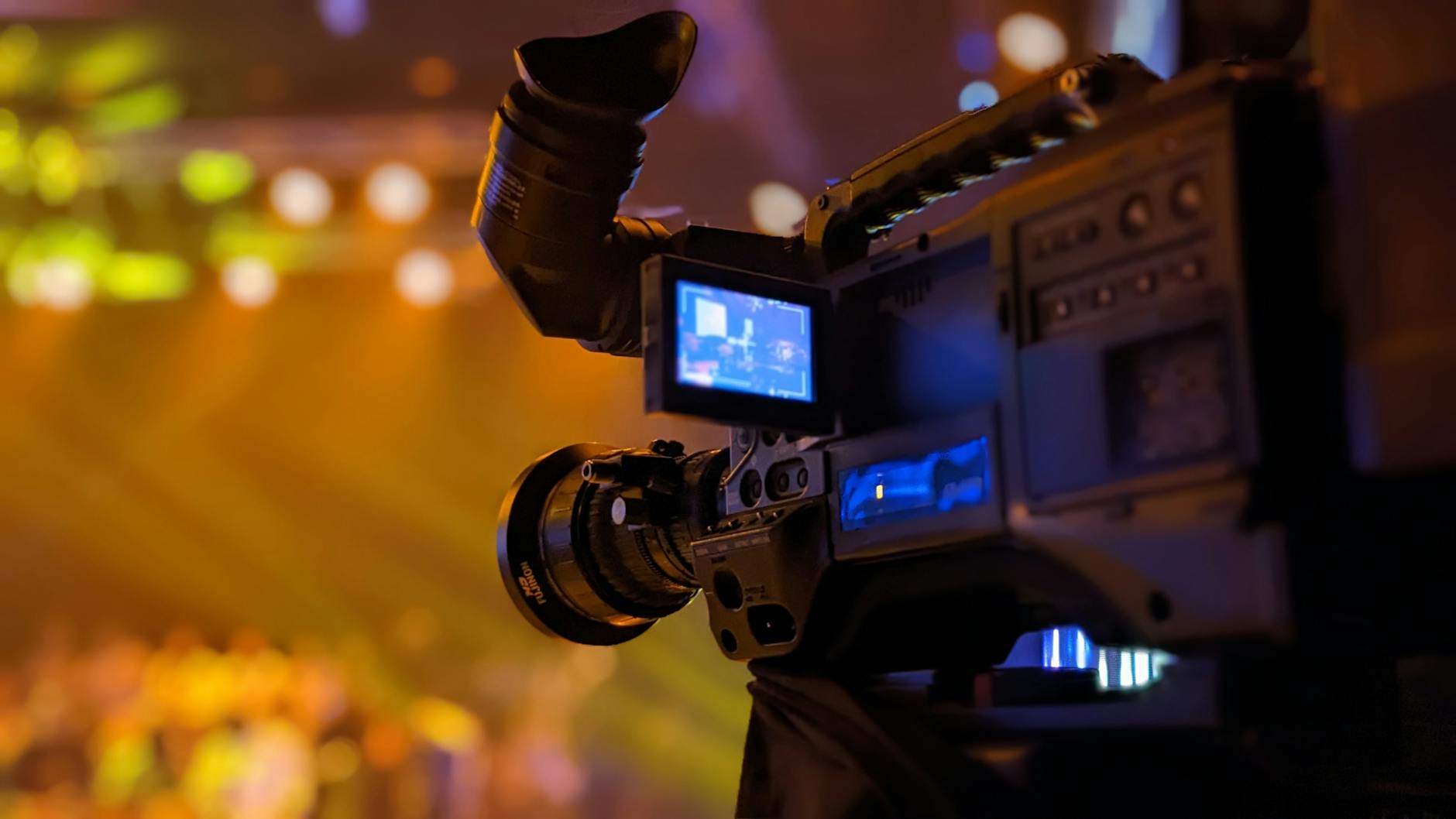
Benefits of Using Professional Miami Live Streaming Providers
Partnering with a dedicated Miami-based live streaming services provider offers numerous advantages that significantly elevate the quality and impact of your conference. Local providers possess an in-depth understanding of the regional infrastructure, enabling them to deliver optimized streaming solutions tailored to the geographical and technical specifics of Miami. This localized expertise ensures minimal latency, enhanced stability, and quick responsiveness to any technical issues, contributing to a seamless viewing experience for audiences both locally and internationally.
Professional providers also utilize state-of-the-art equipment and reliable content delivery networks (CDNs), which help in maintaining high-definition streams regardless of audience size. Their technical teams are experienced in multi-camera setups, high-quality audio integration, and real-time broadcasting, ensuring that every visual and sound detail is captured and transmitted flawlessly. This level of professionalism results in a polished, engaging presentation that reflects positively on your brand or organization.
Furthermore, Miami-based live streaming services are adept at customizing solutions to meet the unique requirements of each event. Whether you’re hosting a large-scale international conference or an exclusive industry seminar, these providers can tailor their offerings—including multi-language support, interactive features, and post-event analytics—to maximize engagement and reach.

Additionally, choosing local services often translates to more flexible scheduling and quicker deployment of setup and support staff. Their familiarity with local venues, permits, and logistical arrangements streamlines the entire process, reducing potential disruptions. This proximity also facilitates direct communication and on-site troubleshooting, which can be crucial during live events where every second counts.
As technological advancements continue to shape the landscape of conference streaming, Miami providers often stay ahead by integrating the latest innovations, such as 4K or 8K streaming, virtual reality (VR), and interactive features like live polls or Q&A sessions. This allows organizers to craft immersive, memorable digital experiences that resonate strongly with audiences, regardless of geographical barriers.
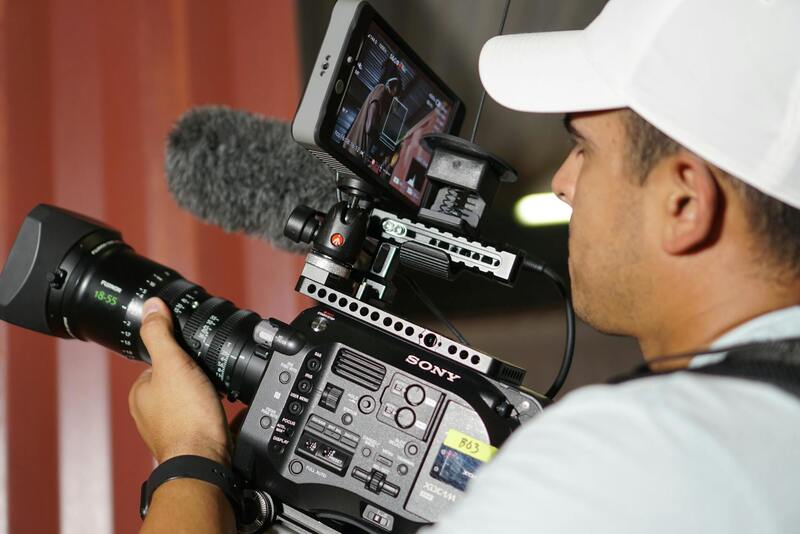
Opting for professional Miami live streaming providers not only enhances the overall quality and reliability of your event but also alleviates technical stress, allowing organizers to focus on content and engagement. Their comprehensive support—including pre-event planning, technical rehearsals, and post-event data analysis—forms a vital part of ensuring the success of your conference in a competitive, fast-paced environment.
Choosing the Right Conference Live Streaming Service
When selecting a conference live streaming service, it is essential to evaluate several critical factors that ensure a seamless digital broadcast. The most effective providers demonstrate expertise in multiple streaming protocols, such as RTMP, HLS, and MPEG-DASH, to deliver robust, adaptive streaming experiences that cater to varying internet speeds and device capabilities. Compatibility with multiple device types, including desktops, tablets, and smartphones, ensures broader audience reach and engagement. Furthermore, integration capabilities with popular platforms, such as social media networks, event apps, and content management systems, allow for versatile dissemination and real-time interaction with attendees.
Providers should also possess comprehensive infrastructure, including redundant servers and content delivery networks (CDNs), to prevent buffering, minimize latency, and maintain high-quality streams even during peak traffic. The provider's technical team must be adept in configuring secure streams with encryption and access control features, safeguarding proprietary content and ensuring only authorized viewers access the broadcast. A detailed pre-event testing process, including bandwidth testing and dry runs, is crucial for troubleshooting potential issues before the live event, reducing the risk of disruptions. Additionally, a transparent pricing model that covers all aspects—such as encoding, transmission, and on-demand content options—helps event organizers allocate their budgets more effectively.

Assessing Technical Support and Customer Service
Another important consideration is the level of ongoing technical support and customer service offered by the live streaming provider. Reliable providers offer dedicated account managers and a 24/7 support team to address unexpected technical challenges rapidly. During the event, seamless communication channels, such as direct phone lines or chat support, facilitate quick problem-solving and immediate adjustments. Post-event, the provider should furnish detailed analytics—including viewer engagement metrics, geographic distribution, and technical performance reports—which are invaluable for evaluating success and planning future events.
Moreover, providers with a strong local presence, such as those based in Miami, are often better equipped to understand regional requirements, coordinate logistics with venue management, and respond swiftly to on-site technical needs. Their familiarity with local regulations, permit procedures, and venue layouts can significantly streamline setup processes, minimizing delays and complications.
Security and Privacy in Live Streaming
Ensuring the security and privacy of your conference content is paramount. Leading providers employ advanced encryption standards, secure streaming protocols, and customizable access controls, such as password protection and token-based authentication, to restrict unauthorized viewing. Additionally, they offer options for stream watermarks and digital rights management (DRM), which help protect against content theft or unauthorized redistribution. For sensitive or proprietary conferences, encrypted streams combined with secure login portals create a safe environment for both organizers and viewers.
Technical innovations also extend to the integration of secure streaming environments for hybrid events, where certain sessions may require restricted access. By working with providers that adhere to strict data protection policies and offer compliance with industry standards, organizers can ensure their content remains confidential and protected throughout the broadcast lifecycle.
Legal and Accessibility Considerations
When executing a conference live streaming event, attention to legal and accessibility aspects is essential to deliver a smooth, compliant, and inclusive experience for all stakeholders. Ensuring proper authorization for content, respecting intellectual property rights, and managing consent for participant recordings are foundational elements of responsible streaming practices. Implementing an accurate record-keeping system for rights management helps avoid disputes related to intellectual property infringement.
In terms of accessibility, providing features that cater to diverse audiences enhances engagement and adheres to inclusive communication standards. Closed captioning, audio descriptions, and sign language interpretation are critical components that allow viewers with disabilities to access the content fully. Many professional live streaming services in Miami incorporate these features as part of their standard offerings, leveraging advanced software tools and partnerships with accessibility specialists.
Strategies for Compliance and Inclusivity
- Content Rights Management: Secure proper permissions from speakers and content owners before broadcasting. Use licensing agreements to clarify usage rights and prevent content misuse.
- Viewer Privacy Controls: Implement secure login systems, password protections, and user authentication protocols to restrict access and protect sensitive information.
- Accessibility Features: Integrate real-time captioning, sign language interpretation, and alternative audio descriptions to accommodate all viewers.
- Language Localization: Offer multilingual subtitles or translation options when targeting international audiences, ensuring clarity and comprehension across diverse groups.
- Data Security Measures: Employ end-to-end encryption, secure data storage, and compliance with data protection standards to safeguard viewers' information and prevent breaches.
Implementing Best Practices for a Compliant and Inclusive Broadcast
Effective planning involves collaborating closely with legal advisors, accessibility experts, and technical teams to develop comprehensive policies covering content rights, security protocols, and accessibility features. Regular training sessions and checklist reviews ensure that all team members understand their roles in maintaining compliance and inclusivity standards throughout the event lifecycle.
Visibility and transparency about data handling and content accessibility can significantly increase viewer trust and satisfaction. Clearly communicating the accessibility options available during the broadcast, along with privacy notices, reinforces confidence in your event management process. Furthermore, collecting feedback post-event enables continuous improvement in compliance practices and audience engagement efforts.

Types of Live Streaming Platforms and Technologies
Choosing the right platform and technology for conference live streaming is fundamental to delivering a seamless, professional experience for your audience. There are several options available, each designed to cater to different event sizes, budgets, and technical requirements.
Streaming Platforms Overview
Major live streaming platforms offer diverse features tailored to professional event broadcasting. These platforms typically include functionalities such as multi-device support, scalable bandwidth solutions, and integrated viewer engagement tools. Popular options include dedicated enterprise solutions, industry-specific platforms, and more flexible, software-based services. When selecting a platform, consider factors like stream quality, latency, compatibility with various devices, and ease of access for viewers.
Technology Solutions for High-Quality Broadcasts
Implementing robust streaming technology involves choosing appropriate hardware and software components. High-definition streaming requires high-quality cameras, reliable encoders, and sufficient bandwidth to prevent interruptions. Cloud-based encoding services facilitate adaptive streaming, ensuring viewers experience optimal quality regardless of their internet speed. Additionally, utilizing content delivery networks (CDNs) helps distribute the stream globally, reducing latency and buffering issues. Technical setups also include backup plans such as dual-stream configurations, ensuring continuous broadcast in case of equipment failure.

Integration of Interactive Technologies
Modern live streaming solutions often incorporate interactive features that enhance viewer engagement and participation. These include real-time polling, Q&A sessions, chat functions, and social media integration. Incorporating augmented reality (AR) or virtual reality (VR) elements can provide immersive experiences for remote attendees. For event organizers, leveraging these interactive technologies not only fosters audience involvement but also provides valuable data on engagement levels, helping to refine future streaming strategies.
Security and Compliance in Streaming Technologies
Ensuring the security of live streams is critical when handling sensitive or proprietary conference content. Implementing encryption protocols, secure authentication methods, and access controls helps safeguard streams from unauthorized viewing. Compliance with data privacy standards such as GDPR or CCPA further assures viewers that their personal information is protected. These measures build trust and uphold the integrity of your broadcasting process.
Legal and Accessibility Considerations
When planning a conference live stream, ensuring compliance with established standards for accessibility and content distribution is crucial. Implementing features such as closed captioning, subtitles, and audio descriptions makes the content accessible to a broader audience, including individuals with disabilities. This not only broadens reach but also reflects a commitment to inclusivity and responsible event hosting.
Moreover, adopting standardized protocols for content delivery guarantees compatibility across various devices and platforms, facilitating seamless viewing experiences. It’s necessary to verify that your chosen live streaming services support these features and adhere to regional accessibility laws, thus avoiding potential disruptions or viewer dissatisfaction.
Security remains a significant aspect of broadcast management. Employing encrypted streams and secure login methods protects proprietary content from unauthorized access. Encrypted streams prevent interception and unauthorized redistribution of sensitive conference material, ensuring that your content remains exclusive to registered viewers.
In terms of data protection, affirming compliance with privacy regulations such as the General Data Protection Regulation (GDPR) or the California Consumer Privacy Act (CCPA) is more than a legal formality; it fosters trust with your audience. Clearly communicating your privacy policies and providing transparent options for data management set a professional standard for your streaming services.
From a technical standpoint, incorporating multi-factor authentication can serve as an additional security layer, particularly for premium or confidential sessions. This method verifies the identities of viewers or moderators, restricting access to authorized personnel or participants.
Considering multilingual support is also vital for international audiences. Offering live translation or subtitles in multiple languages enhances inclusivity and broadens your conference’s reach. Many professional streaming solutions support integration with translation services, ensuring your content resonates globally.
Finally, ongoing monitoring and quality assurance are necessary to sustain high standards. Employing tools to track stream integrity and viewer engagement in real-time enables quick responses to technical issues. Regular audits of your streaming infrastructure help identify vulnerabilities and areas for improvement, ensuring a trustworthy and professional broadcast.