
Overview of Live Streaming for Events
Live streaming for events has become an essential component of modern event management, allowing organizers to broadcast live footage of their gatherings to audiences beyond physical boundaries. This technology facilitates real-time engagement, enabling participants from different locations to experience the event as it unfolds. Whether it’s a corporate conference, a music festival, a wedding, or a community gathering, live streaming services significantly expand reach and accessibility.
At its core, live streaming transforms static event attendance into a dynamic, interactive experience for viewers watching remotely. It provides high-definition video and audio, ensuring that live content remains clear, impactful, and engaging. This method not only promotes inclusivity but also enhances overall visibility for event organizers, helping to attract a larger audience, generate buzz, and create new opportunities for networking and marketing.
In today’s digital-driven landscape, the importance of reliable live streaming is underscored by the increasing demand for instant, on-demand access to live content. For event organizers, deploying professional streaming services guarantees a seamless broadcasting experience, reducing technical glitches and ensuring audience satisfaction. Moreover, live streaming records the event for future use, offering additional value beyond the original broadcast.
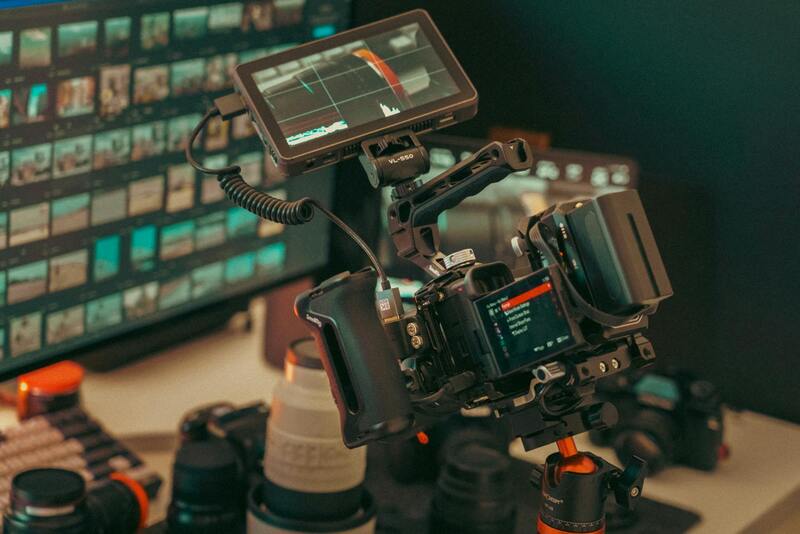
Additionally, live streaming services serve as a potent marketing tool, leveraging social media and digital platforms to maximize outreach and engagement. With viewers able to comment, share, and interact during the broadcast, live streaming creates a sense of immediacy, excitement, and community around an event. As technological infrastructure improves and internet speeds increase, the effectiveness and accessibility of live streaming are expected to grow even further, making it a non-negotiable asset for event professionals aiming to create memorable, far-reaching experiences.
Key Features to Consider for Live Streaming Services
Choosing the appropriate live streaming service for an event involves understanding key features that ensure a smooth, professional broadcast. These features play a crucial role in delivering high-quality content, engaging audiences, and maintaining operational reliability. When evaluating service providers, event organizers should prioritize the following aspects:
- Video Quality and Resolution: The ability to deliver high-definition video, typically 1080p or higher, to ensure clarity for viewers regardless of their device or internet speed. Superior video quality significantly enhances viewer experience and professionalism of the broadcast.
- Audio Fidelity: Clear, crisp audio is essential for conveying speeches, performances, and interactions. Good audio quality often requires multiple microphones and sound mixing capabilities integrated into the streaming setup.
- Platform Compatibility: The service should support broadcasting across multiple platforms, including social media, dedicated websites, and live event apps. Compatibility maximizes reach and user accessibility.
- Multiple Camera Angles: Multi-camera setups offer varied perspectives, dynamic visuals, and professional production value. They allow switching between shots to maintain viewer engagement and highlight different aspects of the event.
- Stream Stability and Reliability: Consistent streaming without interruptions, buffering, or lag is vital. Service providers should offer robust infrastructure with failover options, bandwidth management, and real-time support to handle unforeseen issues.
- Customization and Branding: Options for branded overlays, lower thirds, and event-specific graphics help reinforce branding and create a cohesive visual experience for viewers.
- Interactivity Features: Live chat, polls, Q&A sessions, and viewer engagement tools foster interaction and community participation, which enhances overall event impact.
- Recording and On-Demand Access: The ability to record live streams for future viewing or promotional use provides added value and content repurposing opportunities.
- Security and Privacy Measures: Encrypted streams, password protection, and restricted access options help safeguard proprietary content and control viewership, especially for private or corporate events.
- Technical Support and Scalability: Reliable customer support ensures rapid problem resolution. Additionally, scalable solutions accommodate varying audience sizes without compromising quality.
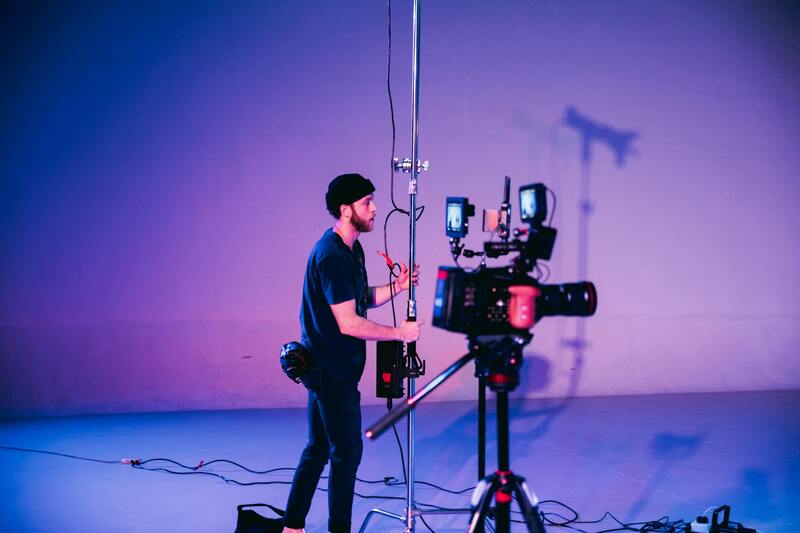
By focusing on these critical features, event organizers can select a live streaming service that best fits their specific needs, elevates the event's professionalism, and maximizes audience satisfaction. An ideal provider offers a comprehensive package that combines cutting-edge technology with seamless user experience, ensuring that every broadcast runs smoothly from start to finish.
Overview of Live Streaming for Events
Live streaming has revolutionized the way events are experienced, offering real-time access to audiences regardless of geographical boundaries. This technology allows event organizers to expand their reach, engage viewers more interactively, and create memorable digital experiences. Whether hosting corporate conferences, cultural festivals, weddings, or sports competitions, live streaming ensures that participants and spectators can be part of the event as it unfolds. The seamless integration of high-quality video, reliable production, and strategic dissemination makes live streaming a pivotal component of modern event management.
Effective live streaming for events involves a combination of advanced technology, skilled production team, and a thoughtful approach to audience engagement. Key to this process is understanding the various options available, the necessary technical setup, and how to deliver content that maintains professional standards throughout the broadcast. As technology continues to evolve, event organizers are increasingly able to leverage sophisticated tools for enhanced interactivity, customization, and security, all aimed at creating an immersive viewing experience that resonates with audiences and elevates the event's profile.
Types of Live Streaming Services
The market offers a spectrum of live streaming services tailored to different event needs. These range from basic platforms suitable for small gatherings to comprehensive solutions designed for large-scale, multi-camera productions. Typical service models include:
- Built-in Platform Streaming: Platforms like YouTube Live, Facebook Live, and Instagram Live provide quick, accessible options for host-to-viewer streaming with minimal setup. While user-friendly, they may lack extensive customization and branding capabilities.
- Dedicated Streaming Solutions: Professional services offered by companies like Miami Event Video Pro provide end-to-end solutions that include production, encoding, content delivery, and viewer analytics. These services often incorporate features like multiple camera feeds, branded overlays, and interactive tools to enhance audience engagement.
- Hybrid Streaming Platforms: Combining the flexibility of OTT (over-the-top) services with customized event applications, these platforms facilitate private broadcasts, secure streaming, and integrated audience interaction. They are ideal for corporate events and private celebrations.
Choosing the right service depends on factors such as event size, budget, needed features, and desired level of interactivity. It is essential to collaborate with providers that offer scalable and reliable technology infrastructure, ensuring smooth delivery regardless of fluctuating viewership or technical challenges.

Key Features to Consider
When selecting a live streaming service for an event, several critical features enhance operational efficiency and viewer satisfaction:
- High-Quality Video: Ensure support for HD or even 4K streams, maintaining clarity and professionalism, especially for visually impactful events.
- Reliable Internet and Bandwidth Management: A stable connection with sufficient upload speed prevents buffering, lag, and interruptions that can diminish viewer experience.
- Interactivity Capabilities: Features such as live chat, polls, and Q&A sessions foster engagement and community involvement.
- Custom Branding and Graphics: The ability to incorporate logos, branded overlays, lower thirds, and thematic graphics reinforces brand identity during the broadcast.
- Security Measures: Password protection, encrypted streams, and access controls safeguard exclusive content and manage viewership rights.
- Scalability and Support: Platforms that adapt to audience size fluctuations and provide technical support contribute to seamless event execution.
In combination, these features ensure a polished, secure, and engaging live stream that complements the event's goals and brand messaging.
Technical Requirements and Setup
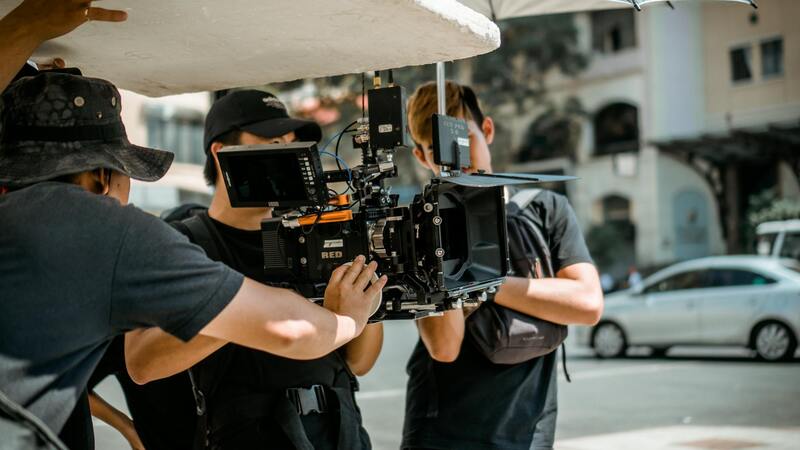
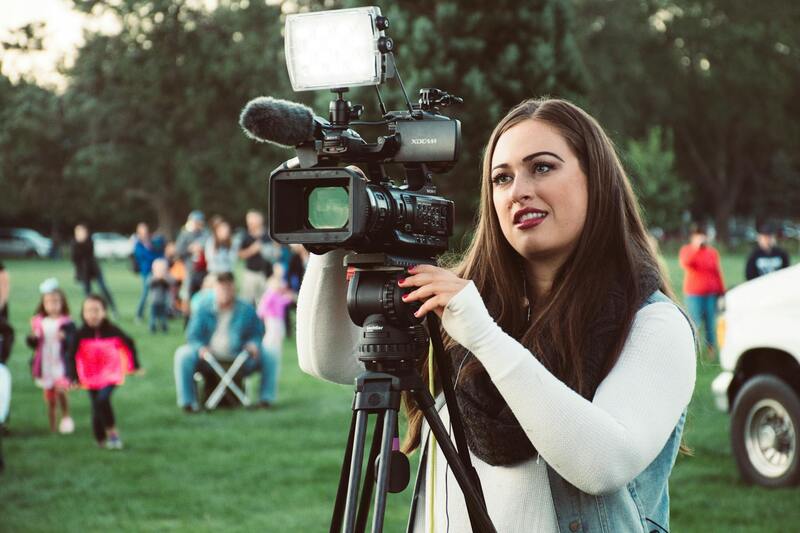
For a successful live streaming event, meticulous technical planning is crucial. Organizers must ensure that the necessary equipment and infrastructure are in place to deliver a seamless stream that meets professional standards. This includes high-quality cameras capable of capturing different angles and resolution settings such as HD or 4K, depending on the event's visual demands. Additionally, audio equipment should deliver clear sound, with microphones and mixers adjusted for optimal clarity. Adequate lighting enhances the visual quality and ensures broadcasted footage appears vivid and professional.
A reliable internet connection with sufficient upload bandwidth is fundamental. Preferably, dedicated fiber-optic internet is used to prevent disruptions caused by bandwidth fluctuation. Networking gear, including load balancers and backup connections, can further enhance stability. For control and transmission, live streaming servers or platforms should be equipped with robust encoding hardware or software solutions that support real-time broadcasting.
Technical Requirements and Setup
Executing a seamless live streaming event hinges on a well-orchestrated integration of advanced technical components. Careful planning and implementation of each element can significantly enhance viewer experience and reliability. Essential hardware includes high-definition cameras capable of capturing multiple angles, ensuring dynamic and engaging content delivery. These cameras should be compatible with professional-grade encoders that convert raw video signals into streaming formats suitable for online broadcasting.
At the core of a reliable live stream is robust encoding hardware or software. Hardware encoders are preferred for their stability and capacity to handle high-quality streams with minimal latency. On the other hand, software encoders offer flexibility and ease of use, making them suitable for smaller-scale events or when budget constraints exist.

Internet bandwidth plays a pivotal role in stream quality. Professionals recommend dedicated, high-speed internet connections with upload speeds that exceed the desired streaming bitrate. In many cases, a combination of primary and backup internet sources, such as fiber optics supplemented by LTE connections, helps circumvent potential disruptions.
To safeguard against technical failures and ensure continuous transmission, backup systems such as secondary streaming servers, redundant hardware, and uninterruptible power supplies (UPS) are integral. These solutions enable smooth failover capabilities, minimizing downtime during unforeseen issues.
For optimal operation, the setup involves meticulous cable management to prevent signal interference and accidental disconnections. Additionally, integration with audio equipment, lighting, and other multimedia components must be coordinated to maintain synchronization, ensuring a polished and professional broadcast.
Pre-event testing is indispensable. This involves verifying the compatibility of all equipment, conducting dry runs to identify potential issues, and calibrating audio and video feeds for peak performance. Organizers often employ dedicated technicians to oversee technical workflows, troubleshoot in real-time, and ensure all components operate harmoniously.
During the event, continuous real-time monitoring of stream health, bandwidth utilization, and viewer metrics enables immediate adjustments. Employing analytics dashboards provides insights into audience engagement, stream stability, and latency issues, allowing technical teams to react swiftly and optimize the viewing experience.
Legal and Privacy Considerations
When broadcasting live events, understanding and adhering to legal and privacy regulations is fundamental. Proper management of content rights, participant consents, and data protection policies ensures a seamless and compliant streaming experience. It is essential to secure permissions for any copyrighted material included in the broadcast, such as music, videos, or images. This involves obtaining licenses or clearances from the appropriate rights holders prior to the event.
Participant privacy must also be safeguarded, especially when capturing footage of individuals in public or private settings. Acquiring written consent or release forms from speakers, performers, or attendees helps prevent disputes and maintains transparency. Clear communication regarding how their data and visuals will be used reinforces trust and legal integrity.
Moreover, complying with data protection standards, such as the General Data Protection Regulation (GDPR) in applicable regions, is crucial. This includes secure handling of personal information collected through registration, chat interactions, or viewer surveys. Implementing robust security protocols, like encrypted data transmission and secure storage, minimizes risks associated with data breaches.
Content moderation is another vital aspect, particularly when incorporating interactive features like live chat or Q&A sessions. Moderators should be prepared to manage inappropriate comments and ensure respectful communication among viewers. Establishing community guidelines and having moderation tools in place will foster a positive broadcast environment.
Finally, organizations must stay informed of evolving legal standards and best practices in digital broadcasting. Regular review of policies ensures ongoing compliance and helps preempt potential liabilities. Partnering with experienced legal advisors or consultants proficient in media law can provide guidance tailored to the specific scope and location of each event.

Legal and Privacy Considerations
When conducting live streaming for events, understanding and adhering to legal and privacy standards is essential for safeguarding the interests of all parties involved. This includes comprehensive rights management, implementing clear privacy policies, and obtaining explicit consent from individuals whose images or voices are captured and broadcasted. For event organizers, especially those hosting public or corporate gatherings, it is critical to establish transparent communication regarding how footage and personal data will be utilized, stored, and shared.
Rights management involves securing the necessary permissions for copyrighted materials, such as music, visual content, or proprietary presentations that are included in the live stream. Failure to secure these rights can lead to content removal, legal notices, and damage to the event's reputation. Employing licensing agreements and working with content owners before the event helps ensure compliance and smooth broadcasting.
Privacy policies should be explicitly outlined and made accessible to viewers. These policies describe the data collection process, including registration details, viewer interactions, or surveys, and how this data will be managed. During live streams, attendees and viewers should be informed about the possibility of their audio, video, or chat comments being recorded or broadcasted.
Consent is a foundational element; obtaining written or documented verbal agreement from speakers, performers, and participants minimizes misunderstandings and enhances transparency. In live environments, displaying visible notices or prompts requesting consent for being recorded can also support ethical broadcasting practices.
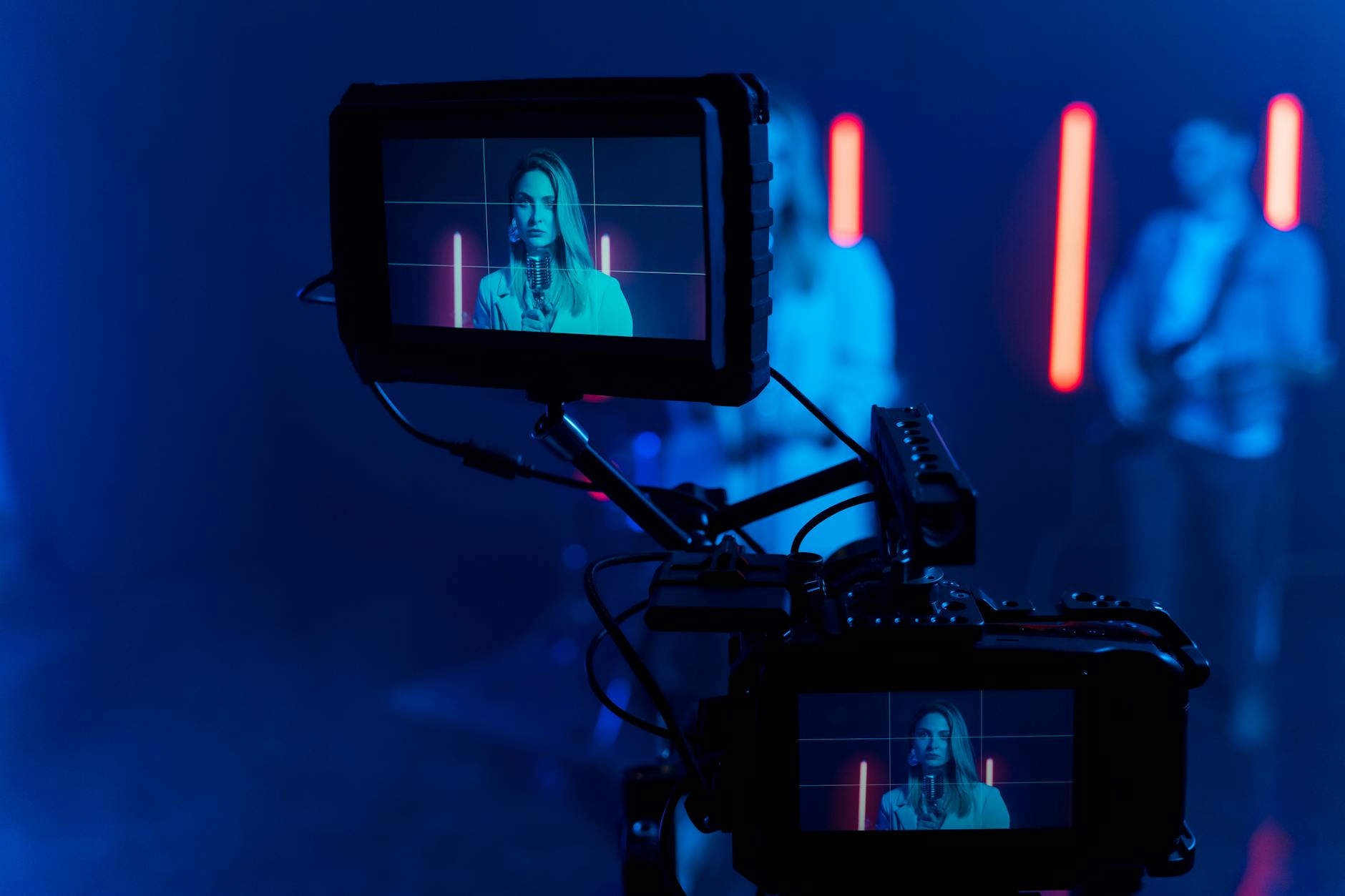
Additionally, compliance with data protection regulations, like the General Data Protection Regulation (GDPR), entails security measures such as encrypted data transmission and secure storage of personal information. Content moderation becomes pertinent to prevent inappropriate comments or interactions, maintaining a respectful virtual environment. Moderators should be well-trained in cultural sensitivities and community standards to ensure a positive viewer experience.
Regularly reviewing policies and updating procedures to reflect current laws and best practices helps organizations stay compliant. Consulting media law experts or legal advisors familiar with digital broadcasting regulations provides tailored guidance, reducing potential liabilities. These practices not only uphold legal standards but also reinforce the professionalism and integrity of your live event broadcasts.
Future Trends in Live Streaming for Events
As technology continues to advance, the landscape of live streaming services for events is poised for significant transformation. Innovations such as 4K resolution broadcasting will become the standard, delivering exceptionally clear and detailed visuals that elevate the viewer experience. High-definition streams will be especially beneficial for events where visual clarity is crucial, such as fashion shows, art exhibitions, or technical demonstrations.
Virtual reality (VR) integration is another promising development, enabling remote audiences to immerse themselves in events as if they were physically present. Through VR headsets, viewers can explore 360-degree environments, walk through virtual event spaces, and engage with exhibits or performances interactively. This trend enhances engagement by creating a sense of presence and participation beyond traditional viewing methods.
Artificial intelligence (AI) is increasingly influencing live streaming, providing tools for real-time content customization, intelligent camera switching, and automatic captioning. AI-driven analytics can also deliver insights into viewer behavior, preferences, and engagement metrics, allowing organizers to optimize content delivery and improve future broadcasts. The combination of AI and automation streamlines production workflows, reduces operational complexities, and ensures a more polished viewer experience.

Furthermore, adaptive streaming technologies are expected to become more prevalent, dynamically adjusting video quality based on viewers' internet speeds to minimize buffering and maintain smooth playback across diverse devices and networks. This capability ensures a broader reach, catering to audiences with varying technical conditions without compromising quality.
As the adoption of 5G technology expands, live streaming services will benefit from increased bandwidth, lower latency, and more reliable connections. This infrastructure allows for seamless, high-quality broadcasts even in congested or remote locations, opening new possibilities for large-scale events, outdoor festivals, and remote participation options.
To stay ahead in this evolving environment, event organizers and live streaming providers must remain informed about emerging technologies and continually adapt their strategies. Investing in future-proof equipment, training staff in the latest innovations, and exploring new interactive formats will be crucial for delivering compelling, engaging, and technically advanced live events.