
Understanding the Role of a Live Stream Videographer
A live stream videographer plays a crucial role in capturing and broadcasting real-time video content across various digital platforms. Their primary responsibility is to produce seamless, high-quality live video that meets the expectations of clients and engages viewers. This requires a blend of technical expertise, artistic vision, and meticulous planning. A standard live stream videographer begins by assessing the event or purpose of the broadcast, which influences the choice of equipment and production approach. They must have a deep understanding of camera operation, lighting, sound, and internet connectivity to ensure the stream remains stable and clear throughout the event. Additionally, the videographer coordinates with event organizers, technical teams, and on-site personnel to synchronize filming and streaming procedures. One of the key skills a live stream videographer must possess is the ability to adapt quickly to changing circumstances. Live productions often encounter unforeseen challenges such as technical glitches, unexpected audience reactions, or environmental factors. A seasoned professional remains calm under pressure, troubleshooting issues efficiently to maintain broadcast integrity. Another vital aspect of their role involves post-event editing and content management. Although the primary focus is real-time streaming, skilled videographers also provide raw footage for future use, whether for marketing, archival, or promotional purposes. Their technical knowledge extends to working with various streaming platforms, encoding software, and hardware setups to support a variety of event sizes and formats.
Equipment and Technology Used by Live Stream Videographers
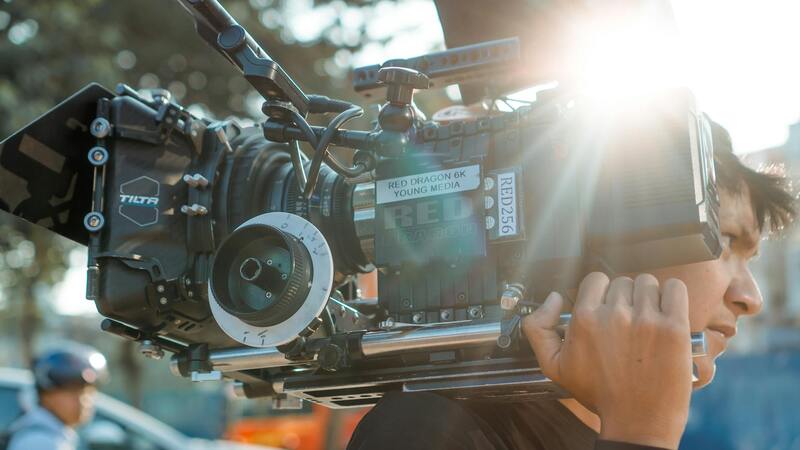
Efficient live streaming hinges on the right blend of hardware and software. A professional live stream videographer employs a collection of advanced devices designed to ensure seamless delivery, high-definition quality, and reliable transmission. Core equipment includes high-resolution cameras capable of capturing event details from various angles, often enhanced with optical zoom and stabilization features to maintain clarity amidst movement.
Alongside cameras, a robust broadcast switcher or mixer allows the videographer to seamlessly transition between different camera feeds, providing a dynamic viewing experience. Professional audio equipment is equally critical; high-quality microphones and mixers capture clear sound, which is essential for engaging live streams and maintaining viewer attention.
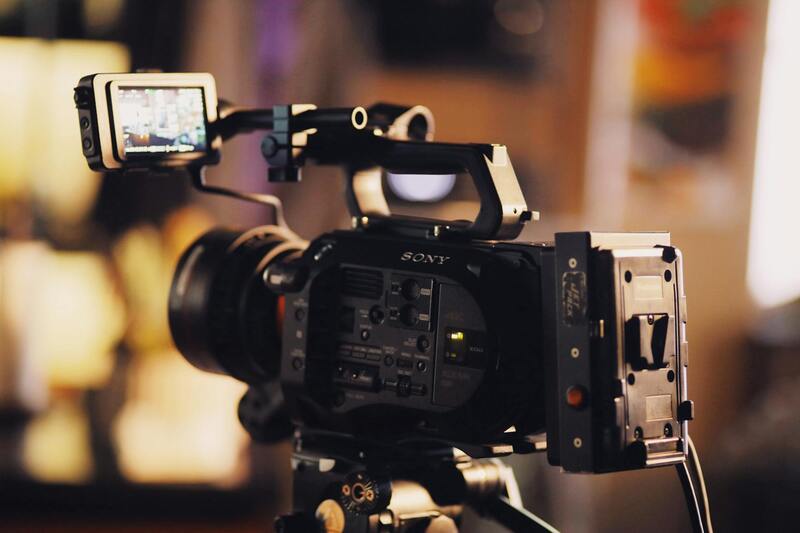
Encoding hardware or software plays a pivotal role in converting recorded signals into a digital format suitable for streaming platforms. Hardware encoders are reliable, offering low latency and high stability, whereas software encoders provide flexibility and integration with various streaming applications. Skilled videographers also utilize backup equipment, including secondary power sources and redundant internet connections, to mitigate potential disruptions during events.
Reliable internet connectivity is fundamental. Many professionals utilize wired Ethernet connections for consistent bandwidth, often supplemented with cellular backup options like 4G or 5G routers. For venues with limited internet access, portable streaming devices that connect via LTE networks serve as practical alternatives.
Supporting accessories such as tripods, gimbals, and lighting enhance overall video quality, even in challenging conditions. Gimbals stabilize handheld shots, while portable lighting ensures clarity in poorly lit environments. These tools, combined with powerful editing and streaming software, enable the videographer to craft a professional broadcast tailored to each event's specifications.
High-grade streaming platforms and content delivery networks (CDNs) are leveraged to distribute the live feed efficiently across multiple devices and viewers. Monitoring tools are also employed throughout the event to track streaming performance, preventing issues before they impact the audience.
In summary, successful live streaming depends on a well-coordinated ensemble of cutting-edge equipment and technology designed to provide stability, clarity, and a high-quality viewing experience. Choosing the right tools aligned with the event's scope ensures a professional broadcast that meets the expectations of clients and audiences alike.
Understanding the Role of a Live Stream Videographer
A live stream videographer specializes in capturing real-time video footage during diverse events and transmitting it via online platforms for remote viewers. Their expertise lies in managing all technical aspects of live broadcasting, including camera operation, audio quality, internet connectivity, and streaming software configurations. Precision in framing shots, ensuring clear audio, and maintaining a stable broadcast are essential components that contribute to a seamless viewing experience.
They are adept at assessing venue conditions and adapting camera positions and equipment to maximize visual appeal and technical performance. Their familiarity with streaming platforms enables them to troubleshoot potential issues proactively, minimizing disruptions during broadcasts. Additionally, their role involves coordinating with event organizers to understand specific requirements, adjusting lighting setups, and integrating multiple camera angles if necessary.
A proficient live stream videographer combines artistic visual storytelling with advanced technical skills. They ensure that the content aligns with the event's tone and audience engagement goals, whether it's a corporate presentation, wedding ceremony, or sports competition. This dual expertise ensures a broadcast that not only looks professional but also runs smoothly of out hardware and network constraints.
The importance of a live stream videographer extends beyond just capturing footage; their role encompasses pre-event planning, live operation, and post-event review. They prepare equipment, establish optimal camera and audio setups, and coordinate with other technical team members to guarantee comprehensive coverage. During the live event, they monitor stream health metrics, manage transitions, and respond swiftly to any technical issues that may arise.
Moreover, their familiarity with legal standards related to video recording and broadcasting ensures compliance with copyright, privacy, and broadcasting regulations. This knowledge is critical in safeguarding both their clients and their own professional reputation.
In environments where audience engagement and professional presentation are paramount, hiring a specialized live stream videographer provides a strategic advantage. Their expertise enables organizations and individuals to extend their reach, maintain a high production standard, and deliver impactful live content across digital channels.
Ensuring Reliable Internet Connectivity and Network Stability
One of the foundational aspects of successful live streaming is maintaining robust internet connectivity. Live stream videographers prioritize establishing a dedicated, high-speed connection to minimize disruptions and buffering issues during broadcasts. They often utilize wired Ethernet connections over Wi-Fi due to the increased reliability and stability Ethernet provides, especially in high-bandwidth scenarios typical of live events.
In addition to wired connections, multiple network redundancies are often employed. This includes having backup internet sources, such as LTE or 5G mobile hotspots, ready to take over if the primary connection encounters issues. These failover solutions are configured to activate seamlessly, ensuring uninterrupted streaming even in environments with unstable or limited internet access.
Effective bandwidth management is another critical component. Live stream videographers monitor real-time network performance metrics, adjusting video quality settings dynamically to suit available bandwidth. This proactive approach helps maintain a consistent viewing experience for audiences, regardless of fluctuations in network speed or stability.
Technical assessments prior to the event include testing the venue’s internet infrastructure, identifying potential bottlenecks, and planning for optimal placement of networking equipment. Signal repeaters and amplifiers are strategically deployed to extend coverage in large venues, ensuring all cameras and audio devices operate at peak performance.
The use of professional networking hardware such as managed switches and routers, along with enterprise-grade modems, further safeguards against latency and packet loss. Live stream videographers collaborate closely with IT specialists and venue staff to implement these solutions well ahead of the event, minimizing the risk of technical difficulties during the live broadcast.
In settings where live streaming is integral to communications strategy, these meticulous preparations in internet setup exemplify the importance of technical expertise. They serve as a backbone for delivering crisp, clear, and stable live streams that meet the expectations of discerning audiences and clients alike.
Understanding the Role of a Live Stream Videographer
A live stream videographer plays a vital role in capturing and broadcasting events in real time, transforming the live experience into a seamless digital presentation. Their responsibilities extend beyond mere camera operation; they involve comprehensive pre-event planning, technical setup, real-time adjustments, and post-event review to ensure the broadcast aligns with the client’s objectives and audience expectations.
Effective live stream videography requires a keen eye for framing and composition under unpredictable conditions, ensuring the visuals are engaging and professional. They are adept at managing multiple camera angles, switching between shots smoothly to provide viewers with an immersive experience. Additionally, their expertise includes managing audio quality, integrating external microphones, and balancing sound levels to prevent audio dropouts or distortion during the broadcast.
Technical knowledge is fundamental to their role. Live stream videographers operate sophisticated equipment such as broadcast cameras, switchers, encoders, and streaming hardware. They troubleshoot issues promptly, from connectivity disruptions to equipment failures, often collaborating with IT specialists for network stability and data transmission quality. Their ability to adapt swiftly is crucial in maintaining high production standards, especially in unpredictable live environments.
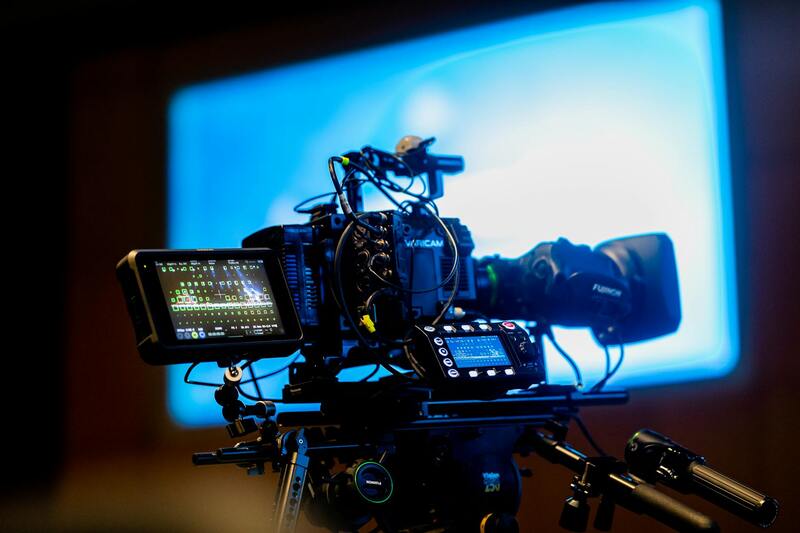
Beyond technical execution, they coordinate with event organizers, stage managers, and clients to understand the event flow, attendee engagement strategies, and critical moments to highlight. This extensive coordination ensures that the live stream not only captures the event accurately but also enhances the overall experience for remote viewers, making them feel as though they are part of the live audience.
Types of Events Suitable for Live Streaming
Live streaming is versatile and adaptable to a vast array of events. It extends the reach and accessibility of an event, allowing audiences across the globe to participate in real time. Common events that benefit from professional live stream videography include:
- Corporate Conferences and Seminars: Facilitating remote attendance, expanding audience engagement, and enabling real-time Q&A sessions.
- Weddings and Private Celebrations: Providing families and friends who cannot attend in person with a visual connection to the occasion.
- Concerts and Music Festivals: Reaching larger audiences while preserving the atmosphere of live performances.
- Religious Services: Allowing congregation members to participate virtually, fostering community connection.
- Sports Events: Delivering on-the-spot coverage with multiple camera angles, slow-motion replays, and instant highlights.
- Educational Classes and Workshops: Offering access to students and learners worldwide, especially in hybrid learning settings.
Each of these events requires tailored streaming strategies, including specific equipment choices and coverage plans, to ensure the broadcast meets the needs and expectations of online viewers.
Equipment and Technology Used by Live Stream Videographers
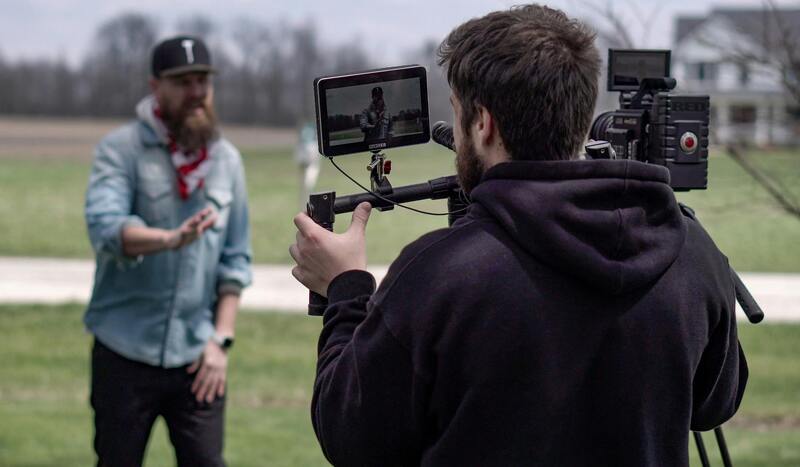
Delivering a high-quality live stream involves deploying a range of professional-grade equipment designed for reliability and flexibility in dynamic settings. The core components include:
- Camera Systems: Camera crews typically utilize camera rigs capable of shooting in high definition or 4K resolution, with features such as optical zoom, image stabilization, and low-light capabilities.
- Switchers and Encoders: Video switchers allow seamless transitioning between various camera feeds, while encoders compress and convert video streams into formats suitable for online delivery.
- Audio Equipment: External microphones, mixing consoles, and wireless audio systems are essential to capture dialog and ambient sounds with clarity.
- Streaming Hardware: Dedicated streaming servers and hardware encoders ensure stable data transmission, minimizing latency and buffering.
- Network Infrastructure: Professional routers, switches, and backup internet connections are employed to maintain a consistent, high-bandwidth connection, especially in venues with challenging network environments.
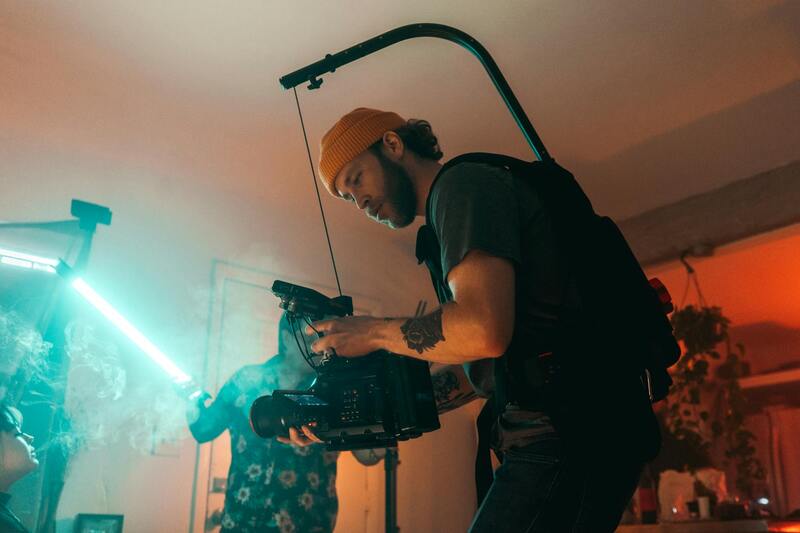
Integration of the latest technology allows live stream videographers to adapt to each event’s unique requirements. They often utilize remote control systems, multi-view monitors, and real-time analytics tools to monitor the stream’s performance and make immediate adjustments when necessary. These sophisticated setups enable a polished broadcast that captivates remote audiences and meets the technical standards expected by discerning clients.
Planning and Coordination for Live Streaming Projects
Successful live streaming begins well before the event itself. Proper planning involves detailed coordination with clients, venue management, and technical teams. This process includes:
- Conducting site surveys to evaluate internet infrastructure, lighting conditions, and space for equipment placement.
- Developing a comprehensive shooting plan, including camera angles, shot list, and timing cues aligned with the event schedule.
- Testing all technical aspects, including internet bandwidth, audio and video feed quality, and backup systems.
- Confirming crew roles and responsibilities, ensuring each team member knows their tasks during the event.
- Establishing communication protocols for real-time coordination among the production team, event staff, and clients.
- Creating contingency plans to address potential technical issues, such as internet outages or equipment failures.
This meticulous preparation ensures a smooth, professional broadcast that minimizes disruptions and enhances the overall quality of the live stream. Clear communication and thorough testing are key to aligning everyone’s expectations and delivering a seamless viewer experience, whether the audience is local or global.
Understanding the Role of a Live Stream Videographer
A live stream videographer specializes in capturing and transmitting live video footage of events in real time to remote audiences. Their expertise combines technical proficiency with artistic vision, ensuring that every detail—from lighting to camera angles—is optimized for a seamless broadcast. These professionals are responsible not only for operating camera equipment but also for managing the entire technical setup, including audio, internet connectivity, and live switching between multiple camera feeds, if applicable. Their role extends to adapting quickly to dynamic situations, troubleshooting unexpected technical issues, and coordinating closely with event organizers to align the visual presentation with the event’s purpose. An experienced live stream videographer understands the importance of visual storytelling and how to engage viewers through compelling imagery, ensuring that the essence of the event is faithfully conveyed regardless of the audience's physical location.
Types of Events Suitable for Live Streaming
Live streaming is applicable to a broad spectrum of events, providing real-time access for audiences around the globe. Some common types include:
- Corporate Conferences and Seminars: Allow remote employees and stakeholders to participate virtually, expanding reach and inclusivity.
- Weddings and Personal Celebrations: Enabling friends and family who cannot attend in person to share special moments.
- Concerts and Performances: Broadcasting performances to wider audiences, increasing exposure for artists and organizers.
- Sports Events: Offering live coverage for sports fans unable to attend the venue, often with multi-camera setups for dynamic viewing.
- Fundraisers and Community Events: Facilitating broader community engagement and donor participation without geographical constraints.
Equipment and Technology Used by Live Stream Videographers
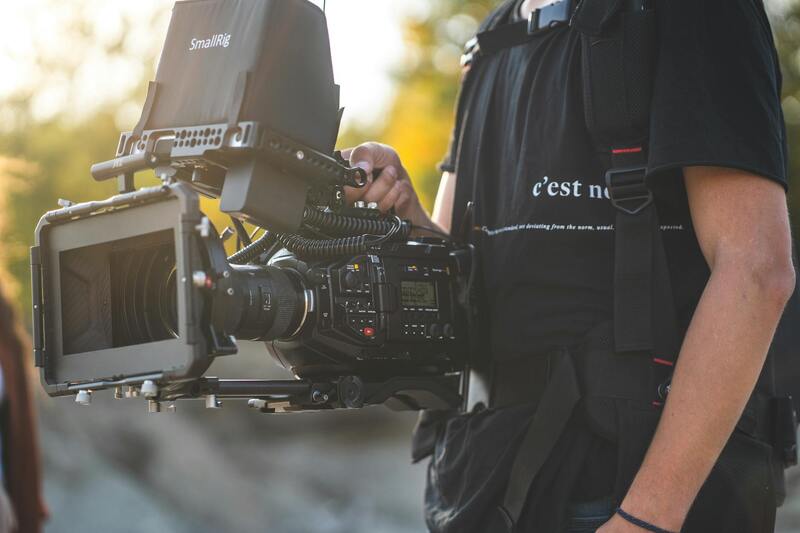
Precision in live streaming hinges on deploying the right tools and technology. A professional live stream videographer typically utilizes a combination of high-definition cameras, professional audio systems, and reliable internet connections. Key equipment includes:
- Multiple HD or 4K cameras for varied angles and comprehensive coverage.
- Switchers and video mixers to seamlessly transition between camera feeds.
- Wireless microphones and audio mixers to capture clear sound and manage audio levels effectively.
- Encoders that compress and transmit the video feed to streaming platforms with minimal latency.
- Backup systems such as secondary internet connections and redundant power supplies to prevent disruptions.
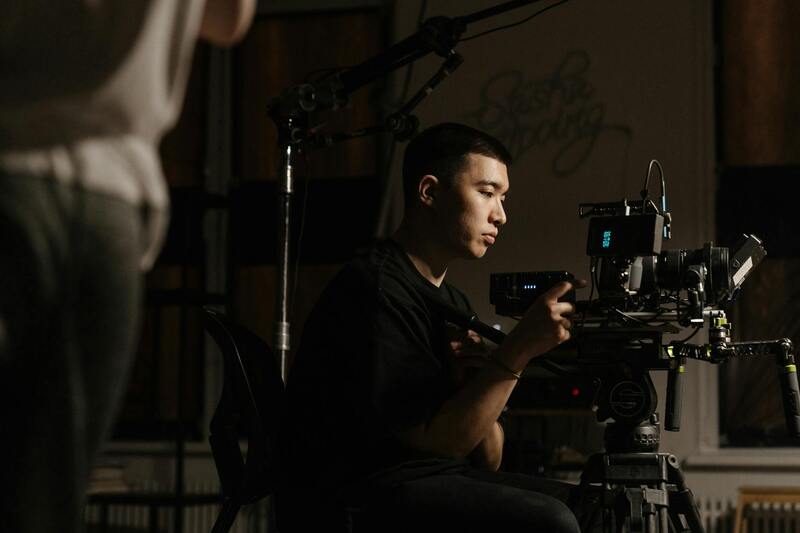
Planning and Coordination for Live Streaming Projects
Effective live streaming strategies are rooted in meticulous planning and coordination. Prior to the event, the videography team conducts comprehensive site assessments to assess internet bandwidth, lighting conditions, and available space for equipment. Developing a detailed shooting plan encompasses defining camera placements, shot lists, and timing cues aligned with the event schedule. Technical rehearsals are integral to identify and resolve potential issues related to connectivity, audio-visual quality, and equipment performance. Clear communication pathways between the production team, onsite staff, and clients guarantee everyone is synchronized. Assigning specific roles within the crew ensures that each aspect—from camera operation to audio management—is handled efficiently. Establishing contingency protocols addresses potential challenges such as internet outages or hardware failures, safeguarding the integrity of the broadcast and maintaining a professional appearance throughout the event.
In-depth Technical Considerations for Live Streaming
Executing a seamless live stream requires the integration of high-caliber hardware and robust streaming software. Any lapse in technology can lead to buffering, poor video quality, or connection drops, undermining the event’s professionalism. To achieve this, live stream videographers invest in multiple cameras capable of capturing various angles, offering viewers a comprehensive experience. These cameras often support high-definition (HD) or ultra-high-definition (UHD) resolutions, making the broadcast visually engaging. Paired with high-fidelity microphones and audio mixers, the audio fidelity ensures that audience members clearly hear speeches, performances, or conversations, maintaining clarity regardless of ambient noise levels.
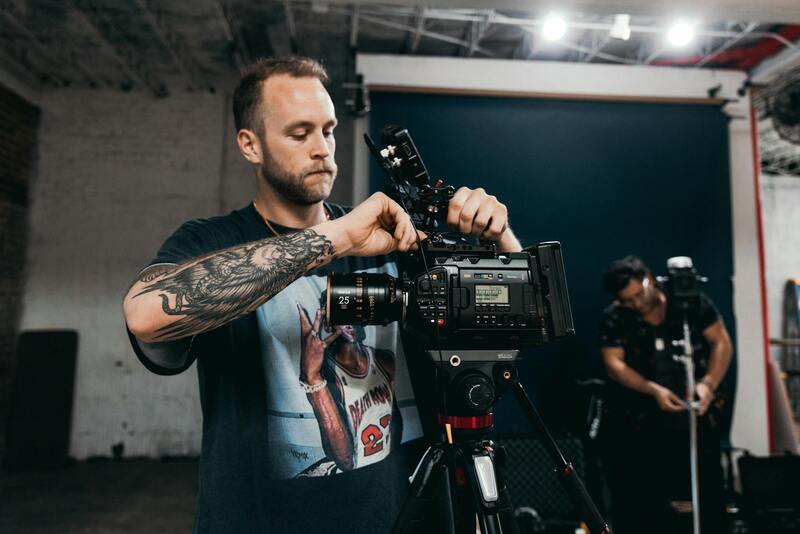
Encoders are a pivotal component in live streaming, converting raw video signals into digital data suitable for transmission over the internet. Modern encoders offer features such as adaptive bitrate streaming, which adjusts video quality based on available bandwidth, optimizing viewing experiences. Redundant internet connections, often via fiber optic lines or multiple carriers, provide backup in case of primary connection failure, ensuring uninterrupted broadcast delivery. Power supply redundancy, including uninterruptible power supplies (UPS), safeguards against outages during critical moments.
Wireless transmission technology, such as 4G/5G cellular bonding, further enhances flexibility and coverage, especially in outdoor or large event settings where wired connections might be impractical. The combined use of these technological elements creates a resilient infrastructure, capable of handling the intricacies of live event coverage without sacrificing quality or stability.
Rigorous Testing and Troubleshooting for Flawless Broadcasts
Before the event commences, thorough testing of all equipment and network stability is essential. This includes verifying camera angles, audio levels, and internet bandwidth. Technical rehearsals simulate the live environment, allowing the team to troubleshoot issues related to signal quality, synchronization, or equipment malfunctions. Clear communication channels among crew members, utilizing walkie-talkies or integrated audio systems, facilitate real-time coordination.
Contingency planning is equally vital. Backup devices such as additional cameras or audio equipment are ready to deploy if primary components encounter issues. Moreover, having secondary internet sources, like mobile hotspots, acts as a safety net in case primary connections falter. These preparatory steps culminate in a well-coordinated, technically sound live stream, capable of adapting swiftly to unforeseen challenges and maintaining a high standard of quality throughout the event.
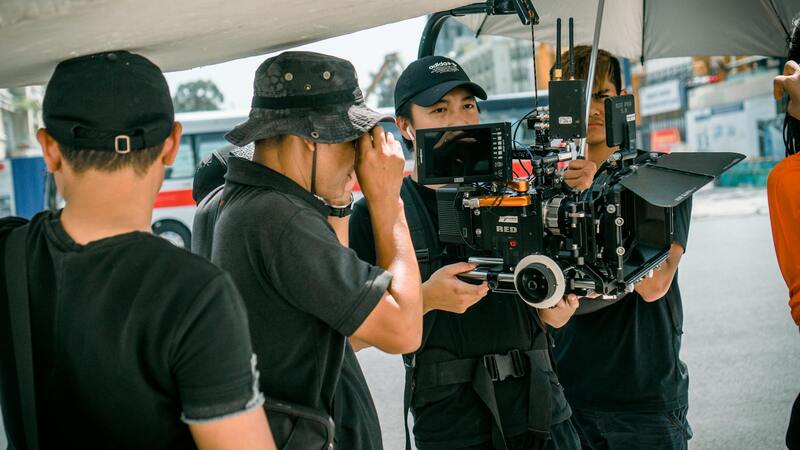
By meticulously attending to these technical and logistical details, Miami-based live stream videographers can deliver broadcasts that are both visually impressive and reliably consistent, meeting the varied needs of clients across different event types and venues.
Advanced Techniques in Live Streaming for Unparalleled Broadcast Quality
As the landscape of live streaming continues to evolve, mastering advanced techniques becomes crucial to delivering broadcast content that stands out for its clarity, stability, and professionalism. High-end live stream videographers in Miami leverage an array of sophisticated methods and technologies to ensure that every broadcast meets the highest standards, regardless of event complexity or venue challenges.
Implementation of Multi-Camera Setups and Dynamic Switching
Utilizing multi-camera configurations allows videographers to capture various angles and perspectives, enriching the viewer experience. Automated or manual live switching between cameras offers dynamic visual storytelling, making streams more engaging. Professional live stream setups often incorporate switchers and control panels that enable seamless transitions, picture-in-picture effects, or focus on specific speakers or moments in real-time.
Use of High-Definition and 4K Video Feeds
The pursuit of superior image quality drives the adoption of 4K and high-definition video sources. These formats provide sharp, vibrant visuals that maintain clarity even on large screens or high-resolution displays. The use of robust encoders optimized for these formats ensures minimal latency and optimal bandwidth utilization, critical for real-time broadcasting.
Optimal Audio Engineering for Clear Sound
High-quality audio captures the essence of live events, and professional videographers prioritize this aspect with directional microphones, wireless systems, and audio mixers. Proper sound monitoring and synchronization with video feeds guarantee clarity, minimizing background noise or audio lag that could detract from viewer experience.
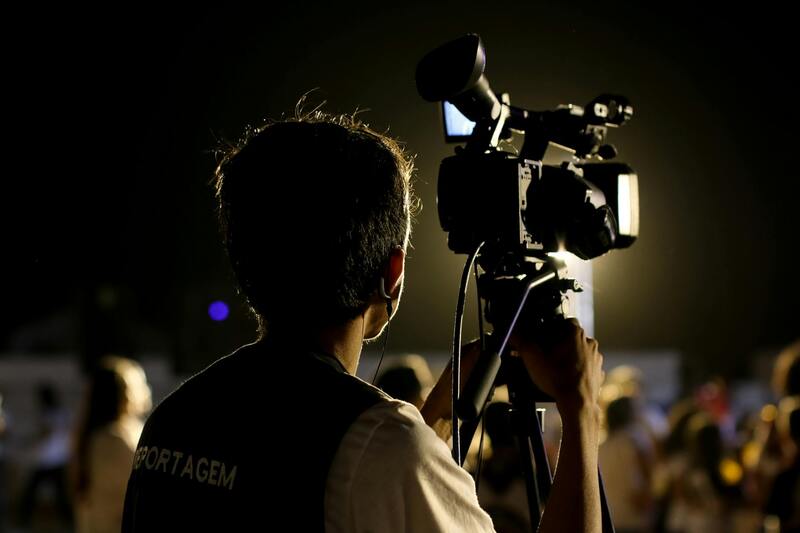
Integration of Stable and Redundant Network Connections
Network stability is fundamental to successful live streams. Top-tier providers employ multiple internet sources, such as fiber optic lines, LTE, or 5G connections, and utilize bonding technology to aggregate bandwidth. This approach ensures a resilient connection that adapts to network fluctuations, delivering uninterrupted streams even in challenging environments.
Implementation of Real-Time Monitoring and Feedback Systems
Constant monitoring dashboards enable videographers to track signal strength, bitrates, and latency. Instantaneous feedback mechanisms facilitate on-the-fly adjustments to camera angles, audio levels, or codec settings, helping preempt issues before they impact the broadcast quality.
Post-Production and Content Optimization
Though primarily focused on real-time delivery, advanced live streaming also involves post-event editing or content enhancement. Synchronized recording of high-quality feeds allows for clipping, branding, or highlight reels, enriching the viewer's experience and providing content for further marketing efforts.