
Understanding Livestream Services
Livestream services have revolutionized the way events are broadcasted and shared in real-time, making it possible to reach a global audience instantaneously. These services enable organizations, event organizers, and content creators to transmit live audio and video feeds directly over the internet, providing a seamless viewing experience for viewers regardless of their location. In the city of Miami, a hub of vibrant events, business meetings, and entertainment, professional livestreaming ensures that every important moment is accessible to a wider audience without the constraints of physical attendance.
At its core, livestream services encompass a range of technical and logistical components, including high-quality video capture, reliable internet transmission, and real-time broadcasting platforms. These services are utilized across diverse settings such as corporate meetings, conferences, sports events, concerts, religious gatherings, and social celebrations. The primary value of such services lies in their ability to deliver high-definition streams that engage viewers effectively while maintaining the integrity and professionalism of the event being broadcasted.

Choosing the right livestream service in Miami involves understanding the technical requirements and the unique needs of each event. Whether it’s a small corporate seminar or a major music festival, the goal remains the same: to produce a channel that is both reliable and accessible. As the city continues to thrive as a cultural and business hub, the importance of investing in any event’s online visibility through professional livestream services cannot be overstated. These services not only extend the reach of an event but also enhance its overall impact and audience engagement, making them an indispensable tool for modern event execution and digital communication strategies.
Types of Livestream Services Offered
When selecting a livestream service, it is essential to understand the variety of solutions available to match specific event requirements. High-quality professional event streaming encompasses a broad spectrum of offerings designed to deliver seamless digital experiences. Some of the most common types include:
- Standard Live Event Streaming: This includes broadcasting live from corporate meetings, seminars, or smaller gatherings. It typically involves HD video capture with minimal customization, targeting general audiences seeking reliable access to event content.
- Multi-Camera Productions: For events such as concerts, conferences, or ceremonies, multiple camera angles are coordinated to create a dynamic viewing experience. This service often includes live switching, graphics overlays, and synchronized audio, elevating the professionalism of the broadcast.
- On-Demand Content Delivery: Some services provide options to archive and stream recorded sessions post-event, expanding content accessibility beyond the live broadcast. This feature is valuable for educational and corporate settings where content reuse is beneficial.
- Interactive Livestreams: These solutions enhance audience engagement through real-time chat, Q&A sessions, polls, or virtual networking. Such features foster active participation and make virtual events more immersive.
- Customized Content Solutions: For brands or organizations with specific branding or technical needs, tailored livestream packages allow for bespoke programming, branded interfaces, and integration with other digital platforms for a unified online presence.
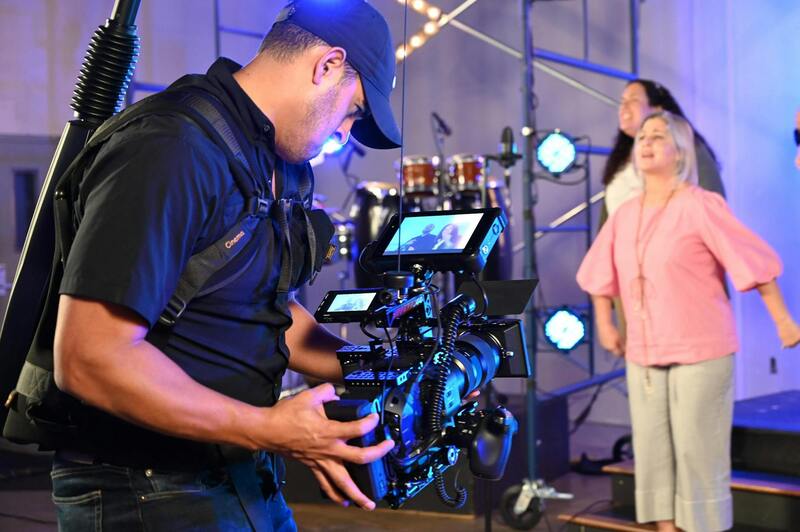
Key Features to Consider in Livestreaming
Choosing the right livestream service hinges on several critical features that ensure a smooth and professional broadcast. Key aspects include:
- Video Quality and Resolution: Opt for services supporting HD (High Definition) or 4K streams for crisp, clear visuals that captivate viewers and enhance overall engagement.
- Platform Compatibility: Compatibility with various platforms such as social media, dedicated websites, or custom players guarantees broader reach and easier access for diverse audiences.
- Bandwidth and Reliability: Reliable internet connectivity and sufficient bandwidth are vital to prevent buffering issues, especially during peak viewership times.
- Technical Support and Backup Solutions: Real-time technical assistance and contingency plans mitigate potential disruptions during live broadcasts.
- Ease of Access and Navigation: User-friendly interfaces for viewers, including easy-to-navigate portals and accessibility options for individuals with disabilities, improve interaction and participation.
- Interactivity and Engagement Tools: Features like live chat, viewer polls, and virtual Q&A sessions foster active engagement and make virtual events more interactive.
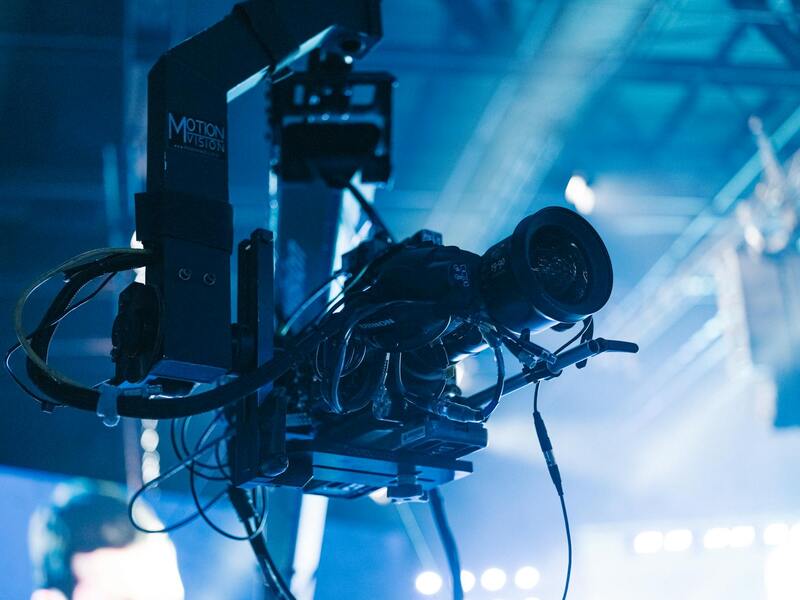
Essential Components of a Reliable Livestream Service
Selecting an effective livestream service requires a thorough understanding of its core components that guarantee a seamless broadcasting experience. Each element plays a vital role in delivering high-quality content without interruptions, fostering audience engagement, and ensuring broad accessibility.
High-Definition Video Streaming
At the heart of a professional livestream is the capacity to deliver ultra-clear visuals. Support for HD (720p, 1080p) and 4K streams is increasingly standard among top-tier services, providing sharp images that captivate viewers. High-quality video enhances viewer satisfaction, contributes to the credibility of the event, and encourages longer engagement durations.

Multi-Camera and Production Capabilities
Dynamic, multi-camera setups offer varied perspectives, making virtual events more engaging. Reliable livestream services support multi-camera workflows, allowing seamless switching between different angles, incorporating professional effects, and utilizing graphic overlays for a polished presentation. Advanced production features are critical for large-scale corporate events, concerts, or conferences.
Robust Platform Compatibility and Accessibility
Effective livestream services are compatible with major social media platforms, custom websites, and dedicated apps. This broad compatibility maximizes reach and ensures viewers can access content easily regardless of their devices. Accessibility features such as closed captioning, audio descriptions, and interface adaptability are essential components to accommodate diverse audiences.
Stable Internet Infrastructure and Bandwidth
To prevent buffering or disconnections, a solid internet connection with sufficient bandwidth is non-negotiable. Livestream platforms often include analytics to monitor stream health in real-time, enabling adjustments or interventions when needed. Backup internet options, such as cellular hotspots or secondary connections, serve as safeguards for uninterrupted broadcast continuity.
Technical Assistance and Emergency Protocols
Professional livestream providers offer comprehensive technical support to address issues promptly. This includes pre-event testing, real-time monitoring, and on-site or remote troubleshooting. Contingency plans, such as fallback streaming options or pre-recorded content, ensure that events proceed smoothly regardless of unforeseen disruptions.
User-Friendly Interface and Viewer Engagement Tools
Ease of access for viewers enhances overall event participation. Features like intuitive interfaces, straightforward login procedures, and compatibility with mobile devices are crucial. Engagement tools such as live chat, viewer polls, and Q&A sessions facilitate interaction, making virtual events more immersive and personalized.
Integration of Interactivity in Livestreaming Experiences
Integrating interactive elements elevates viewer engagement during live broadcasts. Real-time chat functions foster immediate communication, while polls and Q&A sessions encourage active participation. These features not only make events more compelling but also provide immediate feedback for organizers to tailor content dynamically.

Understanding Livestream Services
Livestream services encompass a range of professional solutions designed to broadcast live events over the internet with high quality and reliability. These services are essential for organizations, businesses, and individuals looking to reach wide audiences in real-time, ensuring their message is delivered seamlessly across various platforms. From corporate seminars and product launches to music concerts and community events, expert livestreaming transforms static events into interactive, engaging experiences for viewers around the globe. Qualified providers manage complex technical components, including high-definition video capture, reliable encoding, and robust distribution networks, allowing organizers to focus on content rather than delivery logistics.

Choosing the right livestream service involves evaluating the provider's capabilities to handle your specific event needs, technical expertise, and the quality of their equipment. Ensuring that a service has experience working with similar events and a history of delivering consistent results can significantly impact the success of your broadcast. Additionally, a reputable provider offers comprehensive support, including pre-event testing, on-site technical assistance, and post-event analytics, which are crucial for continuous improvement and engagement analysis. As live streaming becomes increasingly integrated into marketing and engagement strategies, selecting a provider that offers reliable, flexible, and scalable solutions becomes vital for achieving your desired outreach and impact.
Types of Livestream Services Offered
Professional livestream providers offer a variety of services that cater to different event requirements. These include:
- Event Broadcasts: Covering conferences, workshops, and seminars with multi-camera setups, professional lighting, and high-definition audio systems.
- Webcast Solutions: Streaming entire meetings or webinars with interactive features like attendee registration, Q&A, and polling functionalities.
- Hybrid Events: Combining in-person and virtual elements to expand reach while maintaining a physical event presence.
- On-Demand Streaming: Offering recordings of live events for on-demand access, extending the content lifespan and viewer accessibility.
- Social Media Streaming: Distributing content directly to social media platforms such as Facebook, YouTube, and Instagram for broader visibility.
Each service type leverages specialized hardware and software solutions to ensure optimal delivery and viewer engagement. Providers often customize packages based on event size, complexity, and audience interaction level, ensuring optimal resource allocation and a tailored user experience.
Key Features to Consider in Livestreaming
When selecting a livestream service, focus on features that enhance both the production quality and viewer experience. These include:
- Video Quality and Resolution: High-definition streams (up to 4K) ensure clarity and professionalism.
- Platform Compatibility: Ability to broadcast seamlessly across various devices and platforms, including desktops, tablets, and smartphones.
- Real-Time Analytics: Monitoring viewer numbers, engagement levels, and stream health to optimize performance during the broadcast.
- Interactive Tools: Live chat, Q&A, and poll features foster real-time interaction and increase audience participation.
- Backup and Redundancy: Multiple internet connections and backup streams prevent disruptions and maintain broadcast continuity.
- Security Measures: Encryption and access controls protect your content from unauthorized viewing or interference.
- Ease of Use: Intuitive interfaces for organizers and viewers alike streamline the experience and reduce technical difficulties.
Prioritizing these features will help create a resilient, engaging, and professional livestream that meets the expectations of diverse audiences, ensuring your event's success and broad outreach.
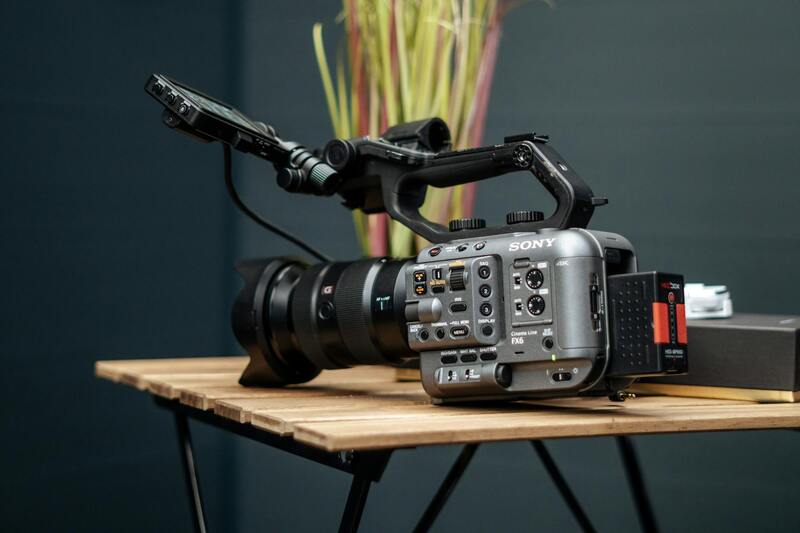
Assessing Compatibility and Scalability of Livestream Platforms
When selecting a livestream service provider in Miami, it is crucial to evaluate the platform’s compatibility with various devices and operating systems. The ideal solution should offer seamless integration across smartphones, tablets, laptops, and desktop computers, guaranteeing a consistent viewing experience regardless of the device used. Compatibility also extends to different operating systems, such as iOS, Android, Windows, and macOS, to accommodate the diverse preferences of viewers.
Scalability is another vital aspect to consider. As event attendance fluctuates or expands over time, your chosen platform must be capable of handling increased traffic without compromising video quality or stream stability. Many providers offer flexible tiered packages that can be adjusted based on the expected number of viewers, ensuring optimal performance during high-traffic periods.
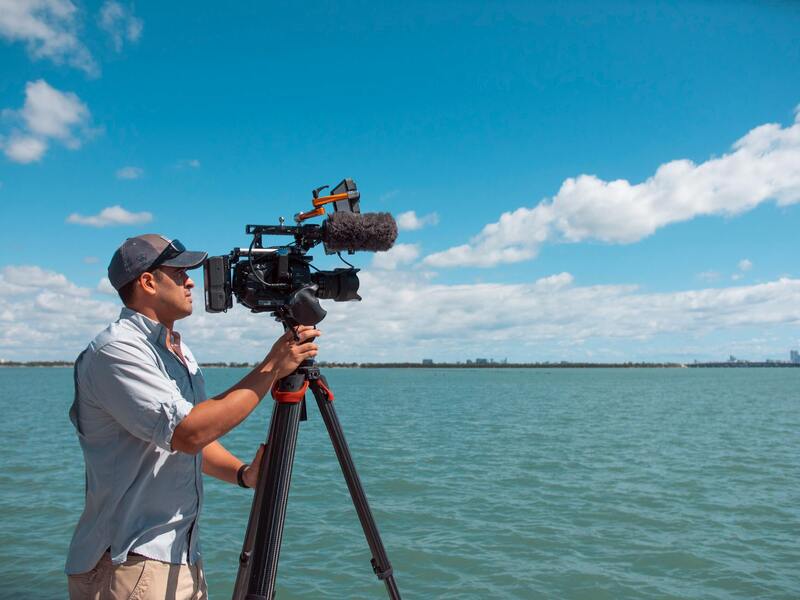
Security Measures for Live Broadcasts
During live streaming, safeguarding content from unauthorized access and potential interference is paramount. Effective livestream services incorporate advanced security measures such as end-to-end encryption, secure login protocols, and digital rights management (DRM) systems. These tools help prevent unauthorized recordings, piracy, and content theft, protecting the intellectual property of event organizers.
Access controls further enhance security by enabling event hosts to define viewer permissions precisely. This includes options such as password protection, geographic restrictions, or requiring registration to attend the stream. Such measures ensure that the broadcast reaches the intended audience while deterring unauthorized viewing.

Technical Support and Customer Assistance
Reliable technical support is a cornerstone of a successful livestream event. A reputable provider offers dedicated assistance from pre-event planning through post-broadcast analyses. This can include dedicated account managers, 24/7 technical helplines, and on-site support if necessary.
Having access to prompt, knowledgeable support ensures any technical glitches or connectivity issues are swiftly addressed, minimizing disruptions and maintaining a professional appearance throughout the event. Training sessions for event organizers and staff might also be part of the service package, enabling smoother management and operation during live streams.

In-Depth Security Protocols for Livestream Services
Securing live stream content is paramount for event organizers seeking to protect their intellectual property and maintain audience trust. Professional livestream services integrate advanced security protocols to ensure broadcast integrity and safeguard against unauthorized access. These measures include robust encryption, secure authentication processes, and real-time monitoring to detect any suspicious activity during the live transmission.

End-to-end encryption forms the backbone of these security strategies, ensuring that data transmitted between the broadcasting platform and viewers is unreadable to outsiders. This encryption is vital for sensitive events such as corporate webinars, product launches, or confidential conferences. Secure login protocols, including multi-factor authentication, provide additional layers of access control, verifying viewer identities before granting entry to the livestream.
Digital Rights Management (DRM) systems are also employed to prevent unauthorized recording and redistribution of streamed content. These systems encrypt the media files and restrict copying or saving functionalities, protecting intellectual property rights. Content protection is further reinforced through watermarking and geo-restrictions, limiting access based on geographic location and deterring unauthorized distribution.

Customizable access controls empower hosts to tailor viewer permissions with precision. Password-protected streams, registration requirements, and viewer authentication help ensure only authorized individuals can access the live event. These controls not only secure the content but also assist in managing audience engagement and gathering valuable attendee data for future marketing efforts.
Technical Support and Customer Assistance During Livestreams
Reliable technical support is essential for a seamless live streaming experience. Leading providers offer comprehensive assistance from initial planning stages through post-event evaluation. Dedicated account managers work closely with organizers to customize streaming setups aligned with specific event needs, ensuring all technical aspects are optimized for success.
Throughout the live broadcast, access to 24/7 technical helplines and on-site support if required, minimizes potential disruptions. Skilled technicians are prepared to troubleshoot issues such as connectivity failures, audio-visual glitches, or software incompatibilities swiftly, maintaining the event’s professionalism. Training sessions conducted beforehand empower staff and organizers to handle minor technical challenges proactively, reducing reliance on external support during critical moments.
Implementing Security in Virtual Events
Security measures extend beyond the technical setup to include platform-specific features. Configurations like virtual waiting rooms, attendee verification, and session timeout management further prevent unauthorized participation. Regular security audits and compliance checks are essential for hosting high-profile or sensitive events, ensuring that safeguards remain effective against emerging threats.
The integration of these security protocols with reliable technical support creates a resilient infrastructure capable of delivering uninterrupted, secure livestreams that meet professional standards and audience expectations, regardless of the event size or complexity.
Understanding Livestream Services
Livestream services have become essential for organizations seeking to reach a wider audience with real-time content delivery. These services encompass a broad spectrum of capabilities, from live broadcasting of corporate events, conferences, and sports to entertainment shows and religious gatherings. A professional livestream service ensures seamless transmission, high-quality video output, and reliable connectivity that maintains audience engagement throughout the event. They leverage advanced streaming technology, hardware, and software solutions to deliver audio-visual content for audiences worldwide, regardless of geographic barriers.

When selecting a livestream service, it is vital to understand their operational scope and technical proficiency. These services typically include live encoding, multiple camera feeds, real-time graphics, and interactive features such as chat functions or Q&A sessions. This comprehensive approach shared by experienced providers maximizes viewer retention and ensures that the event’s message is communicated effectively. Additionally, top-tier livestream services invest in robust cloud infrastructure and content delivery networks (CDNs) to minimize buffering issues and latency, delivering smooth streaming experiences across various devices and platforms.
Types of Livestream Services Offered
- Event Livestreaming: Covering conferences, seminars, galas, and corporate meetings with professional camera work and multi-angle feeds.
- Webcast Production: Providing high-quality online broadcast for webinars, training sessions, and product launches, often with interactive features.
- Sports and Entertainment: Streaming live sporting events, concerts, and festivals with specialized equipment for high-fidelity audio and video.
- Religious Services: Facilitating spiritual gatherings to reach congregations remotely with live sermon broadcasts and community interaction.
- Hybrid Events: Combining in-person and virtual elements, allowing for real-time interaction between physical attendees and remote viewers.
Key Features to Consider in Livestreaming
- Video Quality: HD or 4K broadcasting capabilities to ensure crisp visuals.
- Stability and Reliability: Dependable streaming infrastructure that minimizes latency and buffering.
- Interactive Tools: Chat integrations, viewer polls, and Q&A features to engage audiences.
- Security Measures: Encrypted streams, access controls, and authentication protocols to safeguard content.
- Customization: Branding options, overlays, and graphic insertions to align with event themes.
- Analytics and Reporting: Post-event insights on viewership metrics and engagement levels for future planning.

Choosing a Livestream Service Provider in Miami
When selecting a provider in Miami, consider their technical expertise, portfolio of past successful events, and customer testimonials. A reputable service offers comprehensive pre-event consultation to understand your specific needs and craft a customized streaming plan. They should possess state-of-the-art equipment, experienced technicians, and efficient support teams prepared to manage any technical challenges during live broadcasts. Additionally, evaluating their security protocols and data protection measures ensures your content remains confidential and protected. Local providers familiar with Miami’s infrastructure and event landscape can offer valuable insights, streamline logistics, and provide onsite support if necessary.
Understanding Livestream Services
Livestream services have revolutionized the way content is delivered and consumed, providing real-time audiovisual broadcasting that enables organizations, entertainers, and conferences to reach global audiences instantaneously. These services utilize sophisticated streaming platforms that transmit live video over the internet, allowing viewers to engage from any location with an internet connection. The key to a successful livestream lies in the seamless integration of hardware, software, and network capabilities, ensuring consistent quality and engagement throughout the broadcast.

By leveraging high-performance equipment and reliable streaming protocols, providers can deliver high-definition content that maintains clarity, color accuracy, and smooth motion. The infrastructure includes encoders, dedicated servers, content delivery networks (CDNs), and user-friendly platforms that facilitate broadcasting to audiences across multiple devices. As demand for live content increases, especially in sectors like corporate events, entertainment, education, and religious gatherings, professional livestream solutions become essential for maintaining a polished, professional presentation that aligns with organizational goals.
Types of Livestream Services Offered
- Event Streaming: Covering conferences, seminars, concerts, and festivals with robust technical support.
- Virtual Conferences and Meetings: Facilitating interactive sessions with multiple speakers, panels, and breakout rooms.
- Webinars and Training Sessions: Delivering educational content with tools for engagement and participation tracking.
- Product Launches and Corporate Announcements: Creating buzz and user engagement around new offerings.
- Religious and Community Services: Streaming church services, community events, and charity functions to wider congregations.

Additional Services and Customizations
Professional providers often include features such as multi-camera switching, real-time graphics and overlays, live caller integration for Q&A sessions, and multi-platform distribution. Content can be tailored to match branding with logos, custom transitions, and styled broadcast frames to ensure a cohesive visual presentation that resonates with viewers and enhances the overall experience.
Key Features to Consider in Livestreaming
When selecting a livestream service, it is essential to assess several technical features that directly influence the viewer experience and operational efficiency. High-quality video output, reliable streaming architecture capable of handling variable bandwidth conditions, and tools for viewer interaction form the core of a successful live broadcast.
- Video Quality: Opt for services supporting HD and 4K broadcasting to ensure crisp, clear visuals that captivate viewers.
- Stability and Reliability: Consistent streams with minimal buffering require robust infrastructure and backup systems.
- Interactive Tools: Features like chat, polls, and Q&A sessions foster engagement and provide real-time feedback from viewers.
- Security Measures: Secure streaming protocols, encrypted channels, and controlled access prevent unauthorized viewing and content theft.
- Customization Options: Branding overlays, custom graphics, and adaptive layouts help align streams with organizational identities.
- Analytics and Reporting: Access to engagement data and viewer insights to optimize future events and understand audience behaviors.
Choosing a Livestream Service Provider in Miami
Miami's vibrant event scene demands providers with local knowledge and technical prowess. When evaluating options, consider their experience with similar events, inventory of advanced equipment, and the proficiency of their support staff. A competent provider will conduct an in-depth consultation to understand your content, target audience, and desired outcomes, then craft a tailored streaming solution that ensures smooth execution.
Additionally, reputable providers will have well-established security protocols to safeguard your content and attendee data. They should also demonstrate their capability through a solid portfolio and positive client testimonials. On-site support combined with remote monitoring guarantees that any unforeseen issues are resolved promptly, ensuring a flawless broadcast experience.
Future Trends in Livestream Technology
The livestream industry continues to evolve rapidly, driven by technological advancements and changing audience expectations. Emerging trends include the widespread adoption of 4K streaming for higher visual fidelity, the proliferation of virtual and augmented reality integrations for immersive experiences, and enhanced interactivity facilitated through AI-powered chatbots and customized viewer interfaces. As these innovations become more accessible, Miami's livestream ecosystem is poised to deliver increasingly engaging and dynamic content, expanding reach and fostering stronger connections with audiences worldwide.