
Understanding Live Stream Webcasting Services
Live stream webcasting services have become an essential component for effectively broadcasting events to a remote audience with high-quality audio and visual support. These services enable organizations, businesses, and event organizers in Miami to extend their reach far beyond physical attendance, ensuring that audiences across different locations can access live content seamlessly. Whether it's a corporate meeting, a large-scale conference, an entertainment event, or a community celebration, professional webcasting transforms the traditional event experience by offering real-time engagement and broad accessibility.
Implementing a reliable live streaming solution involves capturing high-definition video and audio through specialized equipment, encoding this data into a digital format, and transmitting it over a secured internet connection to viewers on various devices such as laptops, smartphones, or tablets. This process not only enhances audience engagement but also provides valuable metrics and feedback, allowing organizers to measure reach and interaction levels.

For events held in Miami, choosing professional webcasting services ensures a polished, synchronized broadcast that aligns with the event’s branding and objectives. It also relieves organizers from technical hassles, allowing them to focus on content and audience interaction. With cities like Miami thriving with diverse corporate events, cultural festivals, and conventions, live streaming becomes an indispensable tool for expanding visibility, increasing participation, and creating memorable experiences for viewers who, due to distance or other constraints, cannot attend physically.
Furthermore, live streaming services contribute to the long-term value of an event by providing on-demand recordings, which can be repurposed for marketing, training, or archival purposes. Their strategic implementation ensures that Miami-based events stand out in an increasingly digital world, offering professional-grade quality combined with reliable performance.
In summary, live stream webcasting services form a vital bridge between organizers and their audiences, making it possible to deliver high-quality event content in real time, regardless of location constraints. This technology not only elevates the event’s professional appeal but also maximizes audience engagement and accessibility, propelling Miami events to new levels of success and outreach.
Understanding Live Stream Webcasting Services
Effective live stream webcasting services serve as a crucial component in modern event management, especially within the vibrant backdrop of Miami's diverse event industry. These services encompass a comprehensive range of technical and logistical solutions designed to deliver seamless, high-definition broadcasts to audiences worldwide. Engaging a professional webcasting provider ensures that every aspect, from camera operation to streaming platform management, adheres to industry standards that guarantee clarity, stability, and security.
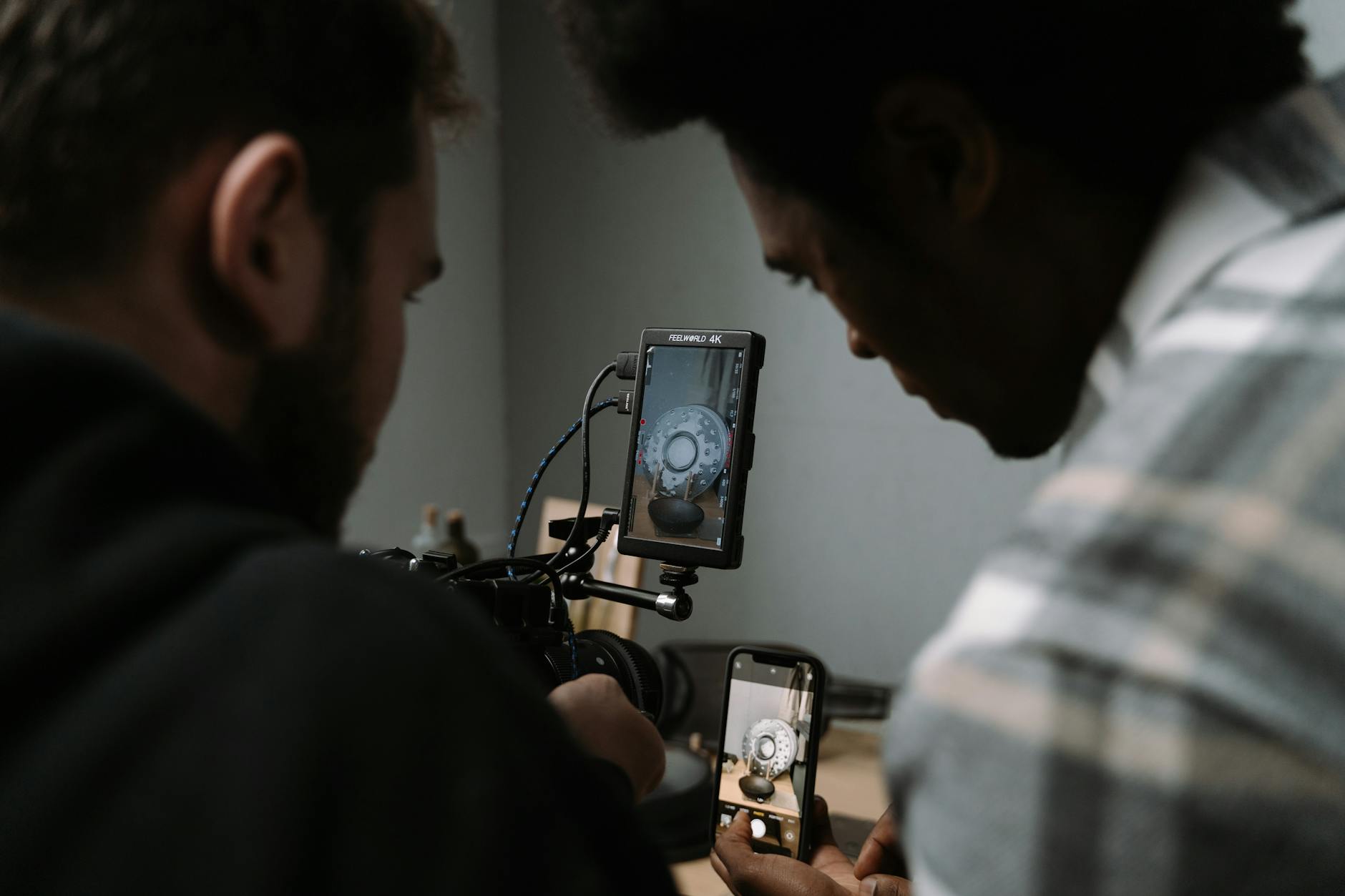
The core elements of effective webcasting include robust video capture, encoding, and transmission technologies, all integrated to produce a cohesive viewing experience. Advanced infrastructure utilizes high-bandwidth internet connections coupled with server redundancies to prevent interruptions or downtimes during the live transmission. This is vital for maintaining the professional appearance of each event, whether a corporate conference, cultural festival, or community gathering.
Core Components of Professional Webcasting
- High-definition video production: Utilizing multi-camera setups to ensure dynamic, visually engaging streams that capture all angles of an event.
- Reliable streaming platforms: Partnering with well-established platforms that support live broadcasting with minimal latency and maximum uptime.
- Audio clarity and synchronization: Employing professional audio equipment to synchronize sound with video, enhancing overall broadcast quality.
- Interactive features: Offering real-time chat, Q&A, and polling options to augment audience engagement and foster interaction.
- On-demand content hosting: Recording live sessions and making them accessible afterward for viewers unable to attend the live event.
Implementing these components requires meticulous planning and technical expertise, underscoring the importance of collaborating with experienced webcasting providers who understand the nuances of live event transmission.
Importance of Local Service Providers in Miami
Choosing a Miami-based webcasting provider offers distinct advantages rooted in regional expertise and local infrastructure. Local providers possess a deep understanding of the Miami event landscape, allowing them to tailor their solutions to meet specific needs effectively. They are also more accessible for on-site support and rapid troubleshooting, ensuring that technical issues are addressed promptly and without disrupting the event.
Moreover, working with local vendors can streamline logistical coordination, reduce costs associated with travel and equipment logistics, and facilitate timely setup and tear-down procedures. Their familiarity with Miami’s venues and ambient conditions ensures optimal camera placement, sound setup, and network configurations, resulting in a smoother broadcast experience.
Adaptability to Various Event Types
Webcasting services in Miami are not limited to a particular event format. Whether engaging in a high-profile corporate summit, an expansive cultural festival, a political rally, or an educational seminar, professional webcasting solutions are flexible enough to accommodate the specific technical requirements of each event. This adaptability enhances the reach and impact of Miami-based events, extending audiences beyond physical attendance and leveraging digital platforms for broader visibility.
Technical Aspects and Equipment Used
Delivering high-quality live streams requires a comprehensive understanding of the technical components involved in webcasting. Professional webcasting solutions incorporate a variety of advanced equipment designed to ensure seamless broadcast quality, reliability, and clarity. At the core, high-definition cameras are essential for capturing crisp visuals, whether the event takes place indoors or outdoors. These cameras can be stationary, robotic, or mobile, depending on the nature of the event and desired coverage.
Complementing the cameras, professional audio equipment plays a pivotal role in maintaining clear sound. Industry-standard wireless microphones, lapel microphones, and directional microphones are deployed to capture speech and ambient sound accurately, minimizing background noise and ensuring that every word is intelligible. Audio mixers and processors are also integrated into the setup to fine-tune sound levels and manage multiple audio sources.
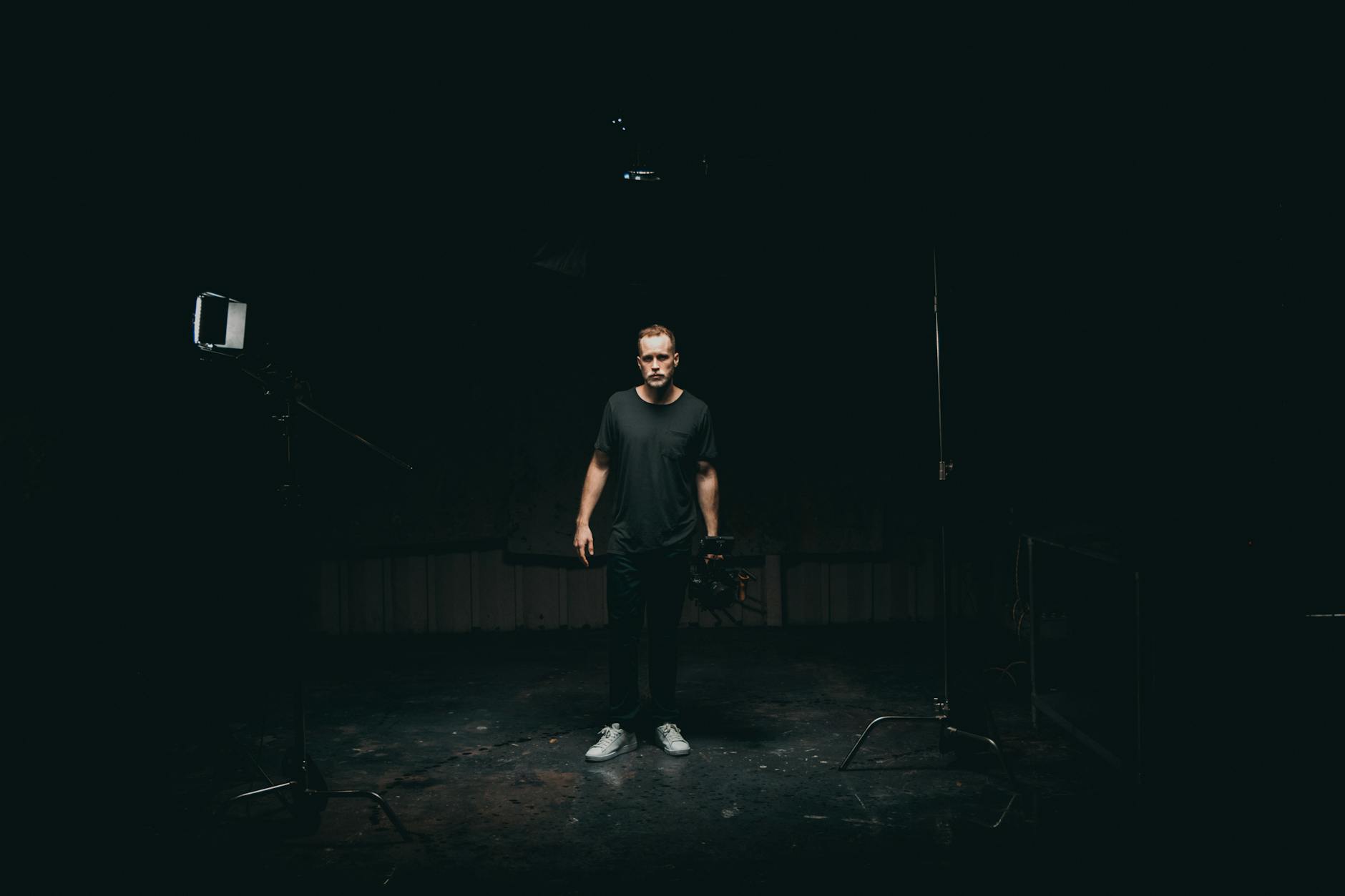
Network infrastructure is equally critical. A reliable, high-bandwidth internet connection—preferably wired fiber-optic in Miami’s urban areas—ensures uninterrupted streaming without buffering or lag. Backup connections, such as cellular data or satellite links, are often employed to mitigate risks associated with network failures.
Encoding hardware and software are used to process the video and audio signals into streams compatible with online platforms. Encoding settings are optimized for resolution, bitrate, and latency to deliver smooth viewing experiences across various devices, from desktops to smartphones.
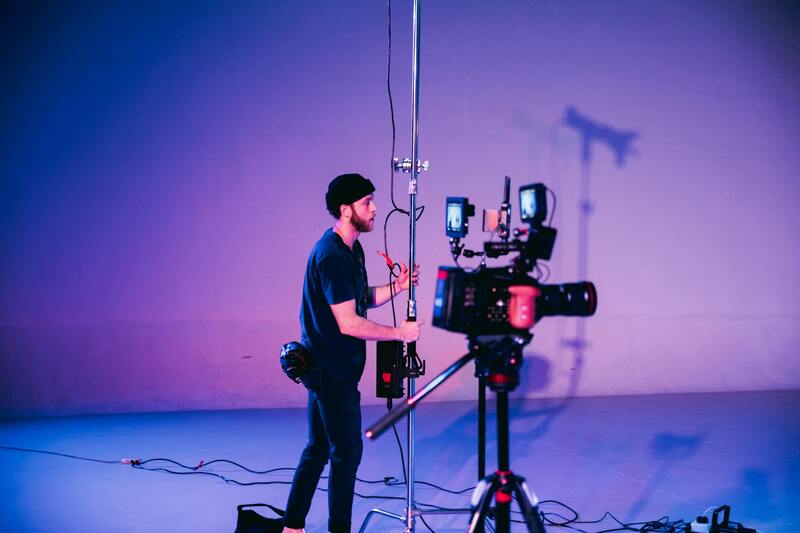
Post-production tools may also be involved for incorporating branding, graphics, overlays, and multimedia elements during the live broadcast, enhancing professionalism and viewer engagement.
Technical Aspects and Equipment Used
Delivering a high-quality live stream necessitates the deployment of advanced technical components that work synergistically to produce clear visuals and crisp audio. Central to this are professional-grade cameras capable of capturing detailed video footage under various lighting conditions. These cameras are often equipped with zoom, pan, and tilt functionalities to ensure dynamic coverage of the event space, allowing broadcasters to focus on key moments or speakers seamlessly.
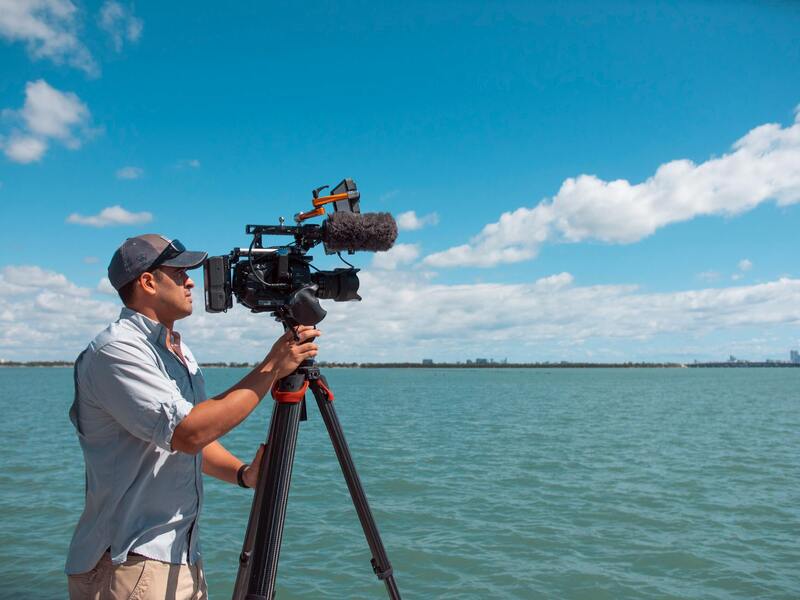
Audio clarity is elevated through the utilization of sophisticated sound equipment. Wireless microphones—lapel or handheld—are commonly employed to capture speech with precision, while directional microphones help isolate the primary sound source from ambient noise. Audio mixers and processors are integrated to adjust sound levels on the fly, balancing multiple audio feeds and eliminating undesirable noise artifacts. Such meticulous audio management ensures viewers experience the event as if they are physically present.
Network infrastructure forms the backbone of any successful live webcast. A robust, high-bandwidth internet connection, often via fiber-optic lines in urban settings like Miami, is indispensable for maintaining stable streaming without interruptions. To safeguard against potential network issues, providers frequently set up backup connections utilizing cellular data or satellite links, ensuring continuous delivery regardless of unforeseen disruptions.
Encoding hardware and software are also critical. They convert the raw video and audio into digital streams compatible with various online platforms. Optimized encoding settings, tailored for resolution, bitrate, and latency, are applied to ensure a smooth viewing experience across diverse devices, from high-resolution desktops to mobile smartphones. This process guarantees that the webcast remains clear and synchronized, regardless of the viewer’s device or network conditions.
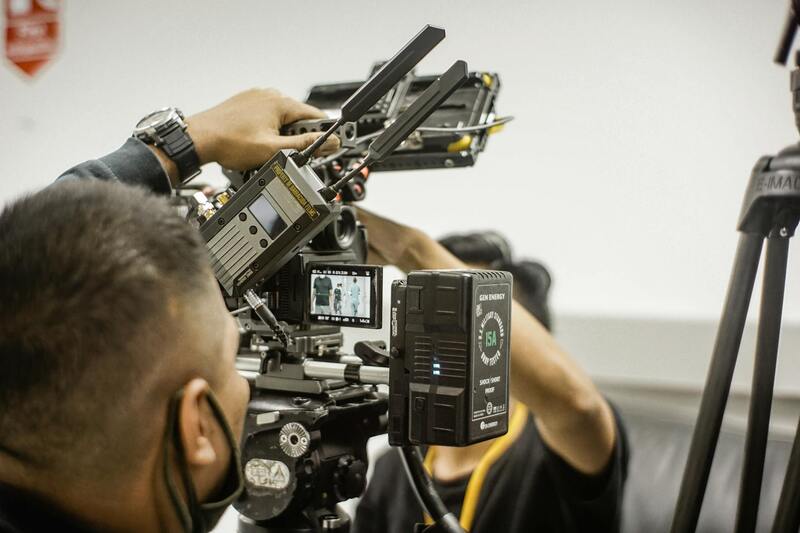
Additionally, post-production tools may be integrated into the workflow for enhancing the live broadcast. Graphics, overlays, branding elements, and multimedia inserts are added in real-time to inject professionalism and branding consistency. These elements help emphasize key messages and keep viewers engaged, transforming a simple live feed into a polished, multimedia experience that effectively communicates the event's purpose and ethos.
Technical Aspects and Equipment Used
To deliver high-quality live stream webcasting services, professional providers rely on a comprehensive suite of technical components that ensure seamless transmission and optimal viewer experience. High-definition cameras form the backbone of professional broadcasts, often utilizing multiple camera setups to capture different angles and enhance the event's visual dynamics. These cameras typically include studio-grade models with features such as slow motion, high frame rates, and low-light performance, which contribute to a crisp, professional appearance.
Audio quality is equally crucial; therefore, industry-standard microphones—such as lapel mics, shotgun microphones, and digital audio mixers—are employed to capture clear, distortion-free sound. Noise reduction and audio leveling systems are integrated during live production to maintain consistent audio levels, preventing fluctuations that could distract viewers.
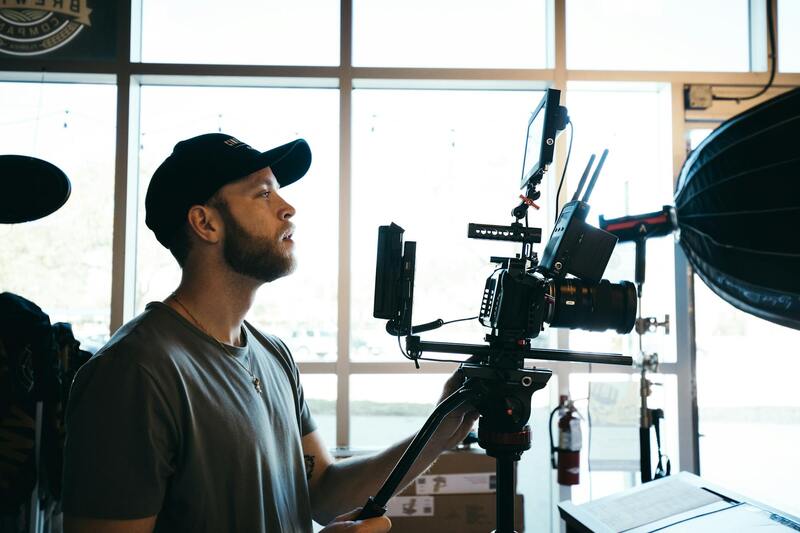
Streaming software solutions are used to encode, manage, and broadcast the live feed. These platforms support multi-cam switching, graphics overlays, real-time annotations, and multistreaming capabilities across various online platforms. Well-configured encoding hardware and software help optimize resolution, bitrate, and latency, ultimately delivering a smooth and high-fidelity viewing experience regardless of the viewer's device.
Underlying all the hardware and software is a robust internet infrastructure. Fiber-optic internet connections provide the high bandwidth necessary for stable streaming, especially in fast-paced, content-rich broadcasts. Backup internet connections, such as cellular networks or satellite links, are often installed to ensure uninterrupted transmission should primary connections experience issues.
Additional equipment includes video switchers, digital signal processors, and streaming encoders, which work in tandem to provide real-time control over the broadcast. These tools allow technical teams to seamlessly switch between cameras, incorporate graphics and overlays, and manage audio feeds, ultimately delivering a broadcast that appears polished and engaging to the online audience.
Understanding Live Stream Webcasting Services
Live stream webcasting services have transformed the way organizations and individuals share events, offering real-time broadcast capabilities directly over the internet. These services utilize advanced streaming protocols to deliver high-quality video and audio content to viewers across various devices, ensuring broad accessibility and engagement. Utilizing professional webcasting solutions involves a combination of hardware and software tools strategically integrated to produce smooth, professional-grade broadcasts. From corporate meetings to live concerts, webcasting services enable content creators to reach vast audiences without geographical constraints, enhancing event visibility and interaction.
Technical Infrastructure and Delivery Platforms
At the core of robust live streaming services lies a sophisticated infrastructure that includes high-speed internet connections, encoder hardware, and streaming platforms. Fiber-optic internet connections, coupled with backup options such as cellular networks, guarantee stable data transmission. Encoders convert raw video input into high-quality digital streams, which are then handled by streaming software that manages encoding, transcoding, and distribution. These platforms support features like multi-camera switching, graphics overlays, real-time chat interactions, and multicast streaming, providing an immersive experience for online viewers. Ensuring compatibility across desktop and mobile devices requires adaptive bitrate streaming, a technology seamlessly supported by leading webcasting platforms to prevent buffering and maintain visual clarity regardless of bandwidth variations.
Content Preparation and Coordination
Effective live streaming begins with meticulous planning. Content producers coordinate with technical teams to develop a comprehensive streaming plan, including camera placement, audio configurations, and graphic elements. Pre-production rehearsals are critical to troubleshoot potential issues and verify all equipment functions correctly. During the event, real-time monitoring ensures that audio-visual quality remains high, with technical staff ready to address any glitches immediately. This proactive approach guarantees a seamless viewing experience that reflects the professionalism of the event and maximizes audience engagement.
Real-Time Production and Interactivity
Professional live stream solutions incorporate real-time production capabilities such as switching between multiple camera angles, integrating live graphics, and adding overlays that enhance visual appeal. Interactive features like chat, polls, and Q&A sessions foster viewer engagement, making remote audiences active participants rather than passive viewers. The use of digital signal processors and control interfaces allow production teams to make smooth transitions and maintain high production standards, ensuring the webcast remains compelling from start to finish.
Moreover, stream optimization techniques include adjusting bitrate and resolution settings based on viewer locations and devices, reducing latency to maintain synchronization with in-person events, and employing encryption for secure content delivery. These measures collectively uphold the integrity and quality of the webcast, reflecting a professional level of service that valuable events demand.
Technical Aspects and Equipment Used
Executing a high-quality live stream webcasting event hinges on the deployment of advanced technical tools and equipment. Professional webcasting providers utilize high-definition cameras capable of capturing crisp and vibrant visuals from multiple angles, ensuring that the audience experiences the event as if they were physically present. These cameras often include robotic or pan-tilt-zoom (PTZ) features for dynamic shot adjustments, especially useful for large venues or multi-camera setups.
Audio quality is equally critical, necessitating the use of professional-grade microphones, mixers, and sound processing equipment. Clear, balanced sound enhances viewer engagement and ensures that speeches, performances, or presentations are comprehensible across various devices and connection speeds. Wireless microphones and lapel mics are common for event speakers or performers.
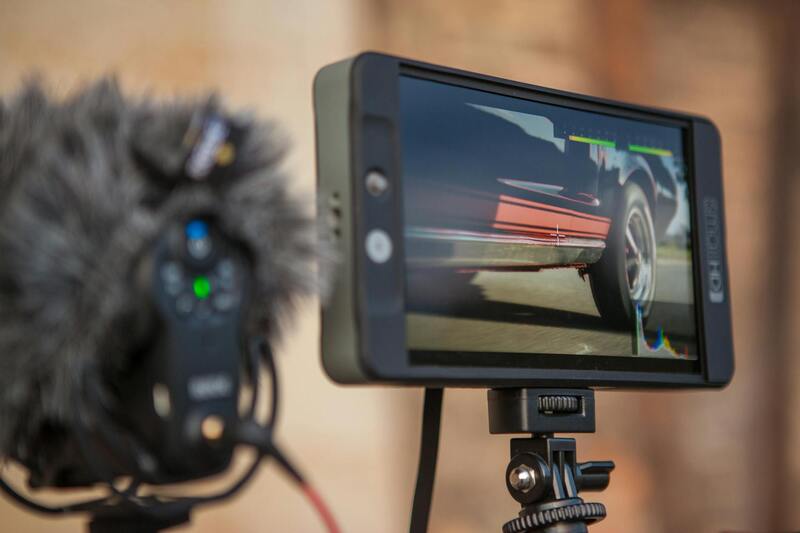
Lighting equipment plays a pivotal role in producing visually appealing streams, particularly in indoor venues. Proper lighting ensures good contrast, color fidelity, and visibility, minimizing shadows and glare. Connection infrastructure, such as Ethernet cables, fiber optics, and robust Wi-Fi networks, guarantees stable, high-bandwidth transmission of live content without interruptions.
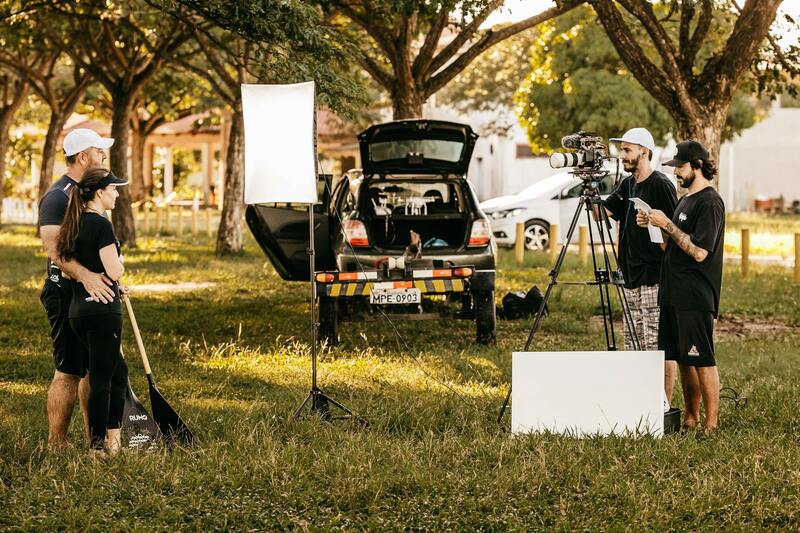
Video switchers, streaming encoders, and digital signal processors coordinate the input from multiple sources—such as cameras, microphones, and graphics systems—and encode the content into streaming formats compatible with various online platforms. These devices also facilitate live graphics, overlays, and real-time editing, which elevate the overall production value.
In addition to hardware, webcasting professionals harness software solutions that enable live editing, multi-screen layouts, and dynamic content management. These tools are essential for maintaining smooth transitions and ensuring a polished final product. Data safety is maintained through encryption protocols and secure network configurations, protecting sensitive content during transmission.
Technical Aspects and Equipment Used
Executing a successful live stream webcasting event demands meticulous attention to the technical infrastructure and equipment involved. High-quality video production relies on advanced hardware and seamless integration to deliver an immersive and professional experience for viewers. Central to this setup are multiple high-definition cameras capable of capturing different angles and providing crisp, clear visuals that maintain their quality across various devices and internet speeds.
Lighting plays a critical role in the clarity and appeal of the webcast. Well-planned lighting setups ensure proper contrast, accurate color reproduction, and sufficient brightness, especially in indoor venues. This prevents shadows and glare that could detract from viewer engagement. Additionally, audio equipment such as wireless microphones, lapel mics, and mixers capture clear sound, which is essential for audience comprehension and overall production finesse.
Stable connectivity is paramount for uninterrupted streaming. Event organizers typically employ a combination of Ethernet cabling, fiber optic lines, and high-reliability Wi-Fi networks to ensure continuous data transmission. These infrastructure elements are chosen based on the size of the venue, expected audience size, and bandwidth requirements, minimizing the risk of lag or disconnection during the broadcast.
Modern professional webcasting also involves specialized hardware such as video switchers, streaming encoders, and digital signal processors. These devices are instrumental in managing multiple video feeds, overlaying graphics and captions, and encoding content into formats compatible with various online platforms. They enable real-time editing, transitions, and graphics that enhance the production quality.
Accompanying hardware is robust webcasting software that allows operators to execute live edits, manage multi-task layouts, and incorporate dynamic graphics seamlessly. Security measures like data encryption and secure network settings protect sensitive content throughout the transmission process, ensuring integrity and confidentiality.
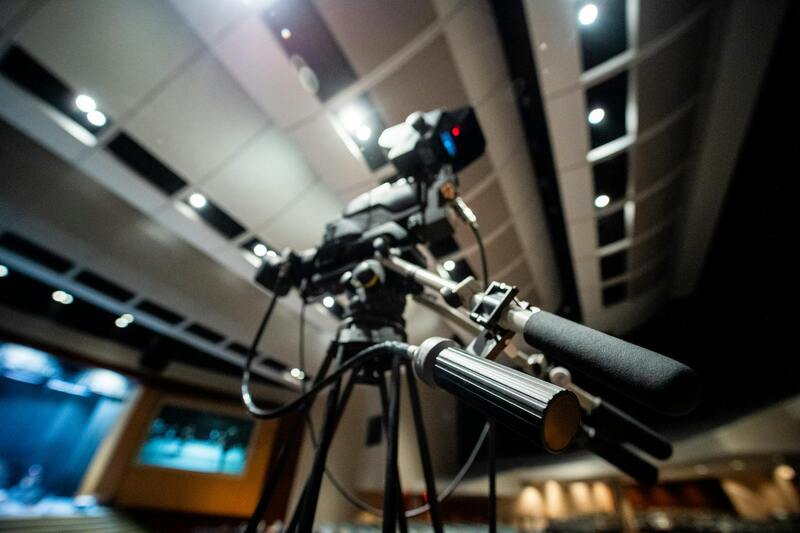
Furthermore, the integration of these tools facilitates a polished, engaging final product. Skilled technicians oversee the entire process, adjusting camera angles, audio levels, and graphics in real-time. This rigorous attention to detail is what differentiates professional webcasting from simpler, amateur livestreams, providing viewers with a smooth, high-quality experience from start to finish.
In choosing a live stream webcasting service, understanding these technical components helps clients appreciate the level of preparation involved. A reputable provider integrates state-of-the-art equipment and employs skilled personnel to ensure your event is broadcast successfully, reaching your audience with clarity and professionalism that enhances your event’s impact.