
Understanding the Role of a Live Streaming Videographer
A live streaming videographer plays a vital role in capturing and broadcasting events in real-time through digital platforms. Their responsibilities extend beyond traditional videography, requiring specialized skills in operating streaming technology and ensuring seamless live transmission. These professionals are responsible for setting up, testing, and managing the technical aspects of streaming equipment, which include cameras, microphones, and streaming software. They also monitor the feed during the event to address any technical issues swiftly, ensuring an uninterrupted live experience for viewers.
The expertise of a live streaming videographer involves a mix of technical proficiency and creative storytelling. They must understand various camera angles, lighting conditions, and audio quality to deliver clear and engaging content. An in-depth knowledge of internet bandwidth, encoding software, and streaming platforms guarantees high-quality video delivery. This role often requires coordination with event organizers, hosts, and technical teams to align the live broadcast with the event schedule and objectives.
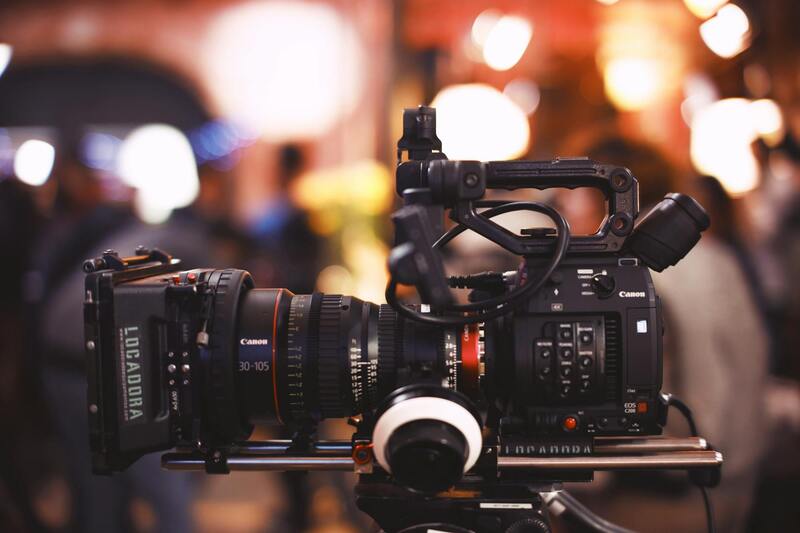
Furthermore, a live streaming videographer contributes to audience engagement by incorporating interactive features, such as live chat or multi-camera switching. Their work ensures that remote viewers experience the event as if they were physically present, which is crucial for corporate conferences, concerts, sports events, and wedding ceremonies. The ability to adapt quickly to dynamic event conditions and troubleshoot in real-time underscores the importance of their role in the realm of digital event coverage.
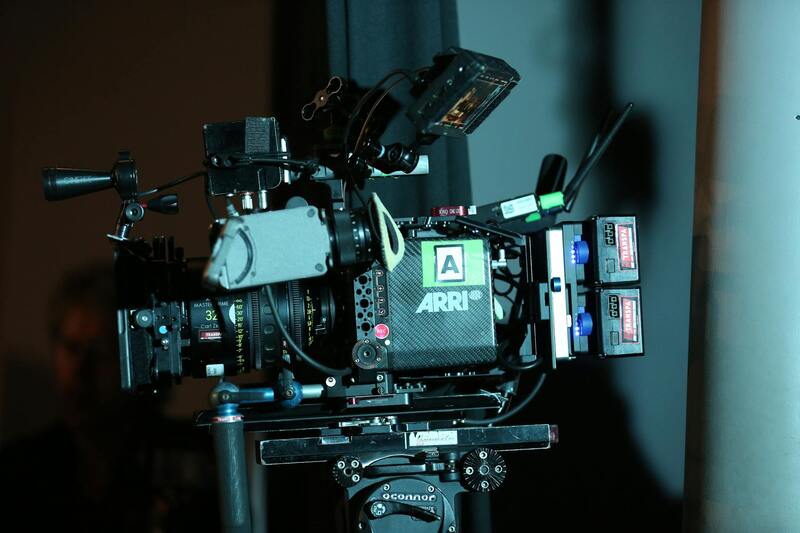
Overall, a live streaming videographer combines technical mastery, artistic vision, and attentiveness to detail to deliver professional-quality broadcasts. Their contributions enhance the visibility and impact of events, providing a powerful tool for organizations and individuals seeking to reach wider audiences through real-time digital coverage.
Technical Setup for High-Quality Live Streaming
Ensuring a seamless and professional live streaming experience hinges on meticulous technical preparation. This begins with selecting the appropriate camera equipment, such as high-definition camcorders or professional-grade cameras that deliver crisp visuals and accurate color reproduction. Effective lighting setups are critical too; proper lighting minimizes shadows and enhances clarity, ensuring that on-screen subjects are well-presented regardless of ambient conditions.
Audio quality plays an equally vital role. Utilizing lavalier microphones, shotgun microphones, or mixing consoles ensures that speech remains clear and free from background noise. Balancing audio levels between different sources guarantees that remote viewers receive an immersive and intelligible sound experience.
Network stability is fundamental to maintaining smooth streams. A dedicated internet connection with sufficient bandwidth—preferably wired fiber optic—is preferred over Wi-Fi to prevent interruptions. Employing encoders that are compatible with multiple streaming platforms allows for flexible broadcasting options and enhances compatibility with various devices.
Streaming hardware, such as professional encoders and switchers, enables multi-camera setups, scene transitions, and real-time graphics integration. These tools, combined with robust internet infrastructure, form the backbone of a reliable live broadcast.
Stream Management and Monitoring
Continuous monitoring during a live event allows the videographer to respond swiftly to any technical issues, such as audio feedback, signal loss, or visual glitches. Many professionals use dedicated software dashboards that provide real-time feedback on stream health, latency, and bitrates, enabling prompt troubleshooting and adjustments.
This setup often includes multiple monitors for viewing different camera angles and the live chat interface to engage with the online audience. Effective management of these elements maximizes viewer engagement and ensures a professional broadcast quality.
Integration of Interactive Features
Advanced live streaming solutions incorporate features such as multi-camera switching, real-time graphics, and audience interaction tools, including live chat or Q&A sessions. These enhancements foster a dynamic viewing experience and boost viewer participation. The ability to quickly switch between camera feeds or display graphics allows the videographer to highlight key moments and keep the broadcast engaging.
Furthermore, some systems allow remote moderation of audience questions, which can be displayed visually on the stream, creating a more interactive experience for viewers. These capabilities demand sophisticated hardware and software integration, handled by skilled professionals to ensure smooth operation throughout the event.
Key Equipment and Technology Used in Live Streaming
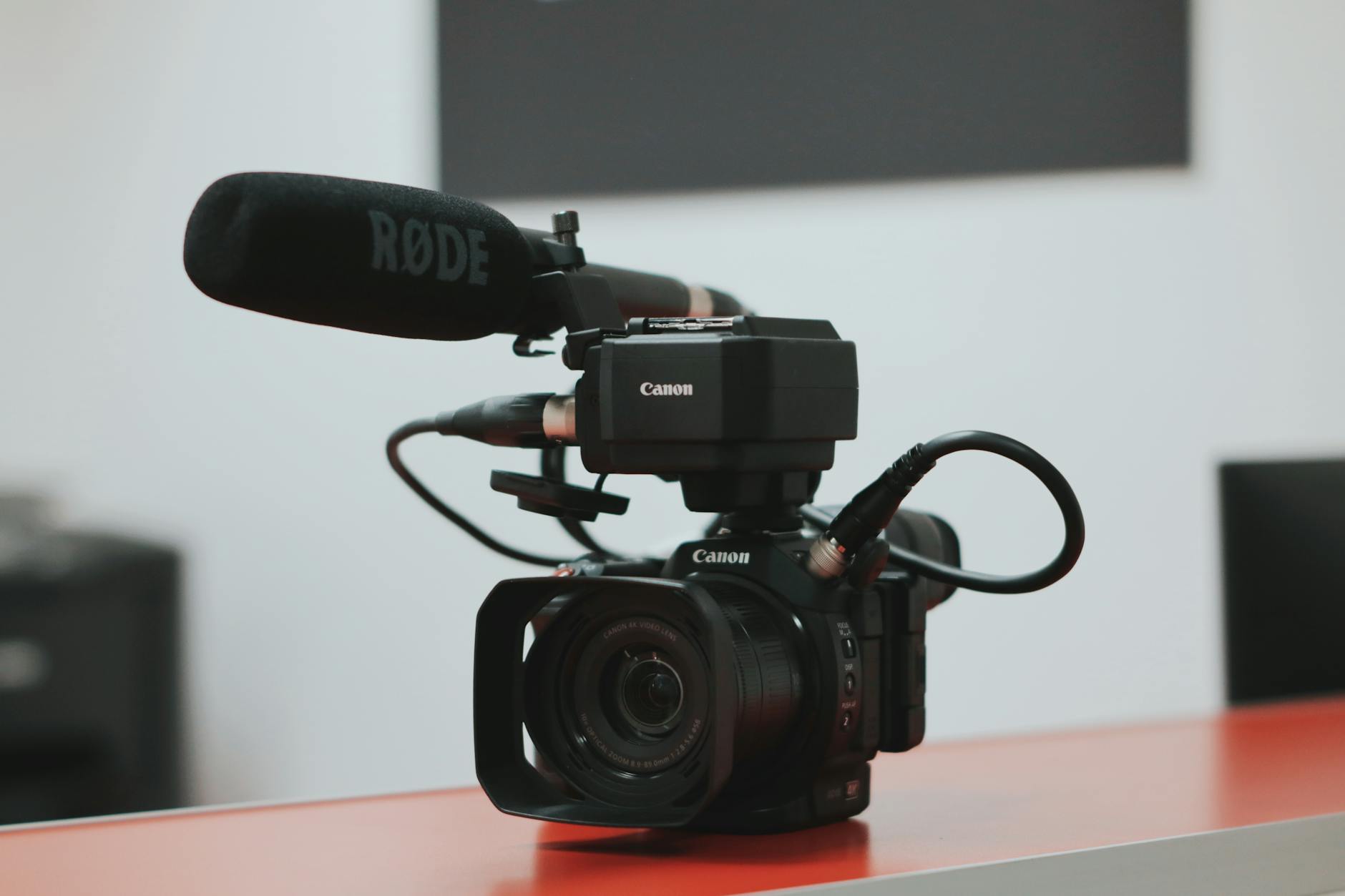
For a professional live streaming videographer, utilizing the right equipment is essential to deliver high-quality broadcasts that meet viewer expectations and client standards. The core of any successful live stream begins with high-end cameras capable of capturing clear, crisp images even in variable lighting conditions typical of Miami’s vibrant environments. These cameras often include 4K or HD systems equipped with zoom and autofocus features to ensure versatile coverage of diverse event settings.
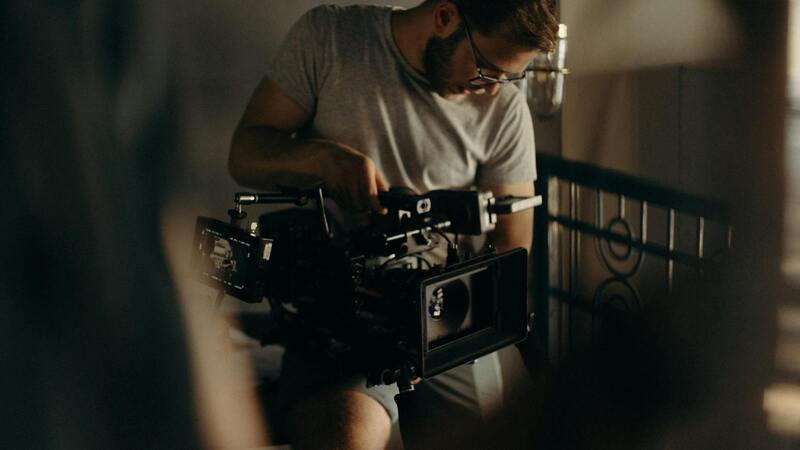
Beyond cameras, encoders play a critical role in converting raw footage into streams compatible with various online platforms. Hardware encoders are preferred for their reliability and minimal latency, while software encoders like OBS or Wirecast provide flexibility and additional features such as live graphics integration. High-speed internet connectivity, equipped with backup solutions such as cellular bonding devices, ensures uninterrupted streaming even during network disruptions, which are common in large event venues.
Audio quality is equally important; professional-grade microphones and audio mixers allow for clear sound capture, reducing background noise and echo. Wireless microphones and lapel mics are typically used for dynamic events, ensuring mobility without sacrificing clarity. Good audio synchronization with video ensures a seamless experience for viewers watching from various locations.
Supporting equipment like monitor displays for multi-camera switching, video switchers, and live graphics systems enhances the overall production quality. These tools enable real-time editing and visual enhancements, adding a professional touch to the live broadcast.
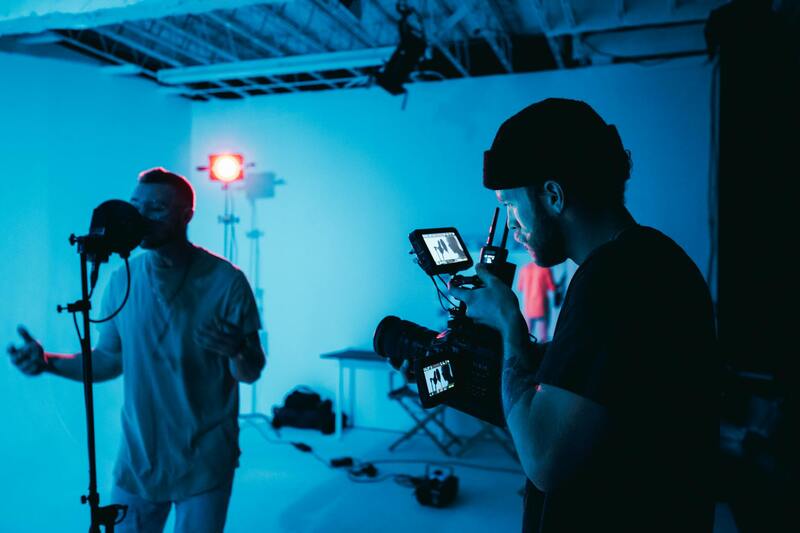
In addition, software solutions facilitating multi-camera switching, graphics, and audience interaction are integral to engaging broadcasts. Integrating these technologies requires technical expertise, often provided by experienced live streaming videographers who understand the intricacies of hardware-software integration to deliver an optimal viewing experience.
Furthermore, in Miami's diverse event landscape, the ability to deploy portable broadcasting setups with wireless connectivity capabilities enhances flexibility and coverage options. Whether recording a corporate seminar, a music festival, or a wedding, having the appropriate gear tailored to specific event needs ensures professional quality and reliable delivery.
Understanding the Role of a Live Streaming Videographer
A live streaming videographer specializes in capturing events with high-quality video and delivering real-time broadcasts to online audiences. Their role extends beyond mere recording; they are responsible for ensuring seamless transmission, engaging visual presentation, and optimal audio-visual synchronization. This professional possesses a comprehensive understanding of both creative and technical aspects, managing multiple camera angles, live switching, graphics, and audio inputs to produce a polished final product that meets the client's objectives.
In addition to capturing the event, a live streaming videographer coordinates with event organizers, liaises with technical teams, and adapts to on-the-fly challenges such as changing lighting conditions or unexpected technical glitches. They must be adept at troubleshooting issues during the broadcast while maintaining a smooth viewer experience. Their expertise includes operating sophisticated equipment, understanding signal flow, and implementing backup solutions to prevent disruptions.
The skill set of a professional in this field often encompasses familiarity with streaming platforms and content delivery networks, allowing them to select the most suitable method of transmission based on the event scale and target audience. Their role is pivotal in creating engaging and accessible live content that can reach viewers wherever they are, fostering inclusivity and broader participation in events.
Types of Events Suitable for Live Streaming
Various event categories benefit significantly from live streaming, providing wider reach and engagement. For corporate entities, live broadcasts of seminars, product launches, and conferences enable remote stakeholders and global audiences to participate in real time. This enhances organizational visibility and allows for immediate dissemination of key messages.
Special celebrations, such as weddings, anniversaries, or religious ceremonies, attract remote family and friends who cannot attend physically. Live streaming offers a means for loved ones to witness these moments live, fostering shared experiences despite geographical distances.
In the entertainment sector, concerts, festivals, and theater productions leverage live streaming to expand their audience beyond physical venues. This approach maximizes exposure and revenue streams, especially when in-person attendance is limited or restricted.
Educational institutions increasingly adopt live streaming for lectures, graduations, and workshops, reaching students and participants in different locations. Similarly, sporting events and community gatherings are broadcasted live to enhance participation and community engagement.
Considerations for Selecting a Content Fit
- Event scale and audience size
- Desired level of production quality
- Interaction and engagement features (e.g., live chat, polls)
- Technical infrastructure at the venue
- Budget constraints and cost planning
Understanding the Role of a Live Streaming Videographer
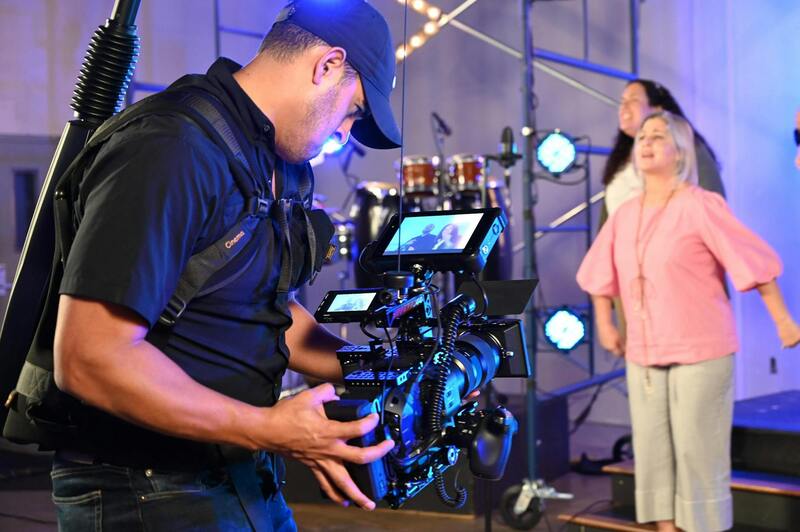
A live streaming videographer plays a pivotal role in capturing and transmitting events in real time with professional quality and technical expertise. Their responsibilities extend beyond merely operating a camera; they are responsible for ensuring seamless transmission, managing multiple video feeds, and optimizing audio-visual quality to create an engaging viewer experience. Utilizing sophisticated broadcasting equipment and software, these professionals coordinate every aspect of the live feed to prevent interruptions and maintain high standards of production.
An effective live streaming videographer must possess a comprehensive understanding of various streaming technologies, including encoding, signal transmission, and internet bandwidth management. They work closely with event planners and clients to customize the production to suit the specific requirements of each event, whether it involves multiple camera angles, graphics overlays, or real-time interactions. Their expertise ensures that live broadcasts are smooth, professional, and resonate well with remote viewers.
In addition to technical skills, a live streaming videographer must have an eye for composition — framing shots, adjusting lighting, and ensuring audio clarity are integral to delivering high-quality content. They often serve as troubleshooters, ready to address unexpected issues with streaming hardware or network connectivity, ensuring that the event proceeds without disruption. This level of professionalism helps to establish trust with clients, showing a commitment to delivering polished, accessible live content.
Their role also encompasses post-event activities, such as editing raw footage for on-demand access, creating highlight reels, or providing analytics to measure engagement. These activities help maximize the value of the live streaming effort, extending the event’s reach beyond the initial broadcast.
Post-Event Services and Content Delivery
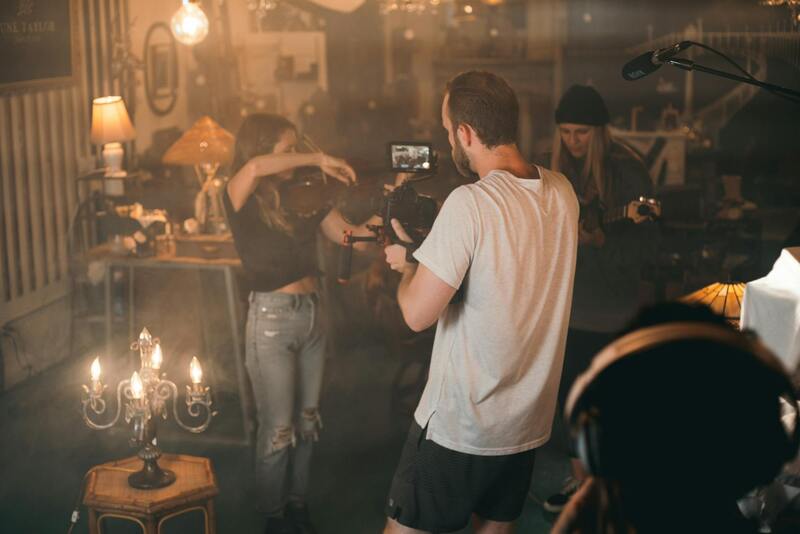
Effective post-event processing is crucial for maximizing the value of live streaming projects. After the live broadcast concludes, a professional live streaming videographer can provide comprehensive editing services to transform raw footage into polished content attendees can revisit or share. This includes trimming segments to highlight key moments, integrating graphics or branding elements, and adding effects or music to enhance the final product.
Beyond editing, recording the live stream for on-demand access allows clients to extend the event’s impact. By archiving the footage securely, organizations can distribute the content via their website, social media platforms, or private portals, ensuring that the message continues to resonate long after the live event. This is particularly beneficial for corporate training, educational webinars, or large-scale conferences where participants may want to revisit specific sessions.
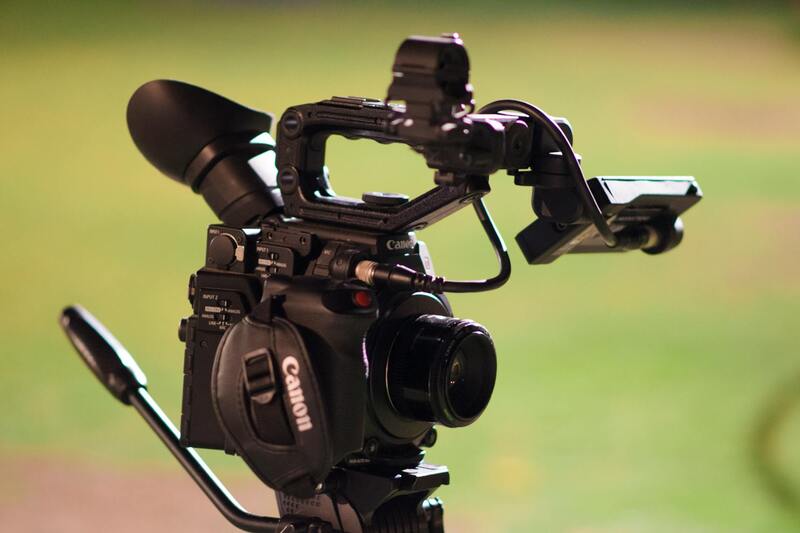
Additionally, creating highlight reels from the live stream helps showcase the event’s most compelling moments. These condensed versions serve as promotional content, attracting future participants and sponsors. Proper distribution channels are selected to maximize visibility, whether through short social media clips, email campaigns, or dedicated video hosting platforms.
Lastly, providing analytics reports offers invaluable insights into viewer engagement, peak viewing times, and audience demographics. Such data aids in refining future live streaming strategies, ensuring that subsequent events are even more successful. The integration of these post-event services underscores the comprehensive approach needed to deliver a seamless digital experience from start to finish.
Understanding the Role of a Live Streaming Videographer
A live streaming videographer specializes in capturing events in real-time and transmitting them seamlessly to a remote audience. They combine technical expertise with creative skills to produce high-quality broadcasts that engage viewers and accurately reflect the event’s atmosphere. Their responsibilities extend beyond merely operating cameras; they are involved in planning the visual layout, managing transmission logistics, and troubleshooting any technical issues during the live feed. This role demands an adept understanding of various streaming platforms, broadcast hardware, and digital audio-visual integration, ensuring a smooth and professional viewing experience for audiences regardless of location.
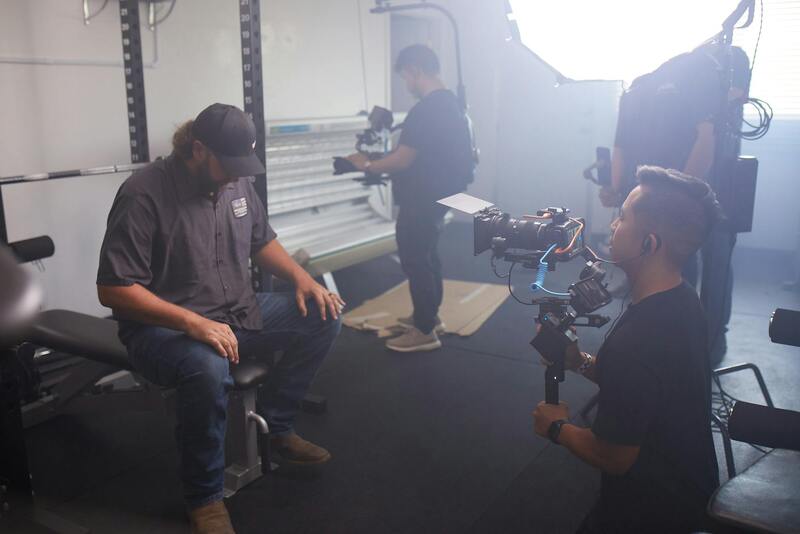
Effective communication with event organizers, technical teams, and clients is essential for understanding the goals and expectations of each broadcast. A skilled live streaming videographer also plays a crucial role in pre-event preparation, including testing equipment, establishing stable internet connections, and designing camera angles to capture the event’s most compelling moments. During the event itself, they adjust camera operations in response to changing proceedings, manage live graphics or overlays, and ensure audio clarity, creating an engaging digital experience that matches or surpasses in-person attendance.
Types of Events Suitable for Live Streaming
Live streaming services are versatile and adaptable across numerous event types. Some common examples include:
- Corporate Conferences and Seminars: Expanding reach to remote staff, partners, or clients
- Weddings and Family Gatherings: Allowing loved ones to celebrate virtually
- Concerts and Performances: Offering live music, theater, or dance broadcasts
- Religious Services: Engaging congregations unable to attend physically
- Trade Shows and Exhibitions: Showcasing products and networking in real-time
- Educational Webinars and Workshops: Facilitating remote learning and training sessions
- Sports Events and Competitions: Capturing action-packed moments for fans worldwide
Recognizing the unique requirements of each event, a proficient live streaming videographer tailors the technical and visual aspects to optimize audience engagement and ensure the broadcast’s success.
Key Equipment and Technology Used in Live Streaming
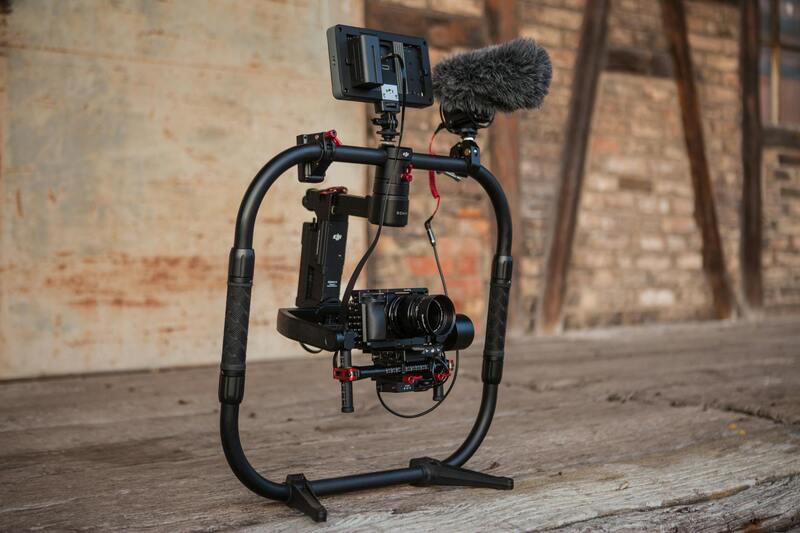
Delivering a high-quality live stream depends on advanced equipment and reliable technology solutions. The core components typically include:
- Cameras: Professional-grade cameras capable of capturing high-resolution video with clear focus and exposure control
- Streaming Hardware: Encoders and switchers that convert and transmit live video signals efficiently
- Audio Equipment: Wireless microphones, audio mixers, and high-quality speakers to ensure crystal-clear sound
- Internet Connectivity: Dedicated high-bandwidth internet connections, often with backup options to prevent disruptions
- Streaming Platforms and Software: Solutions like Vimeo, YouTube Live, or custom platforms for broadcasting and managing streams
- Graphics and Presentation Tools: Overlays, lower thirds, and real-time visuals to enhance branding and information delivery
Factors to Consider When Hiring a Live Streaming Videographer in Miami
When selecting a professional for your Miami event, it’s important to evaluate several critical factors to guarantee a successful broadcast. These include:
- Experience and Portfolio: Review previous projects and ensure they align with your event type and quality expectations
- Technical Expertise: Confirm familiarity with the specific platforms, equipment, and configurations needed for your event
- Availability and Promptness: Ensure the videographer can accommodate your schedule and arrive early for setup
- Reputation and Client Feedback: Seek reviews or testimonials that speak to their professionalism and reliability
- Cost Structure: Clarify pricing models and what services are included to prevent unexpected expenses
- Communication and Planning: Choose someone who demonstrates clear communication and collaborative planning skills
Planning and Coordination for Successful Live Streaming
Successful live streaming demands meticulous planning and coordination. The process begins with defining the event’s objectives, target audience, and desired broadcast quality. The videographer collaborates with event organizers to develop a detailed production plan, including camera placements, internet checks, and contingency arrangements for technical issues. Conducting test runs prior to the event guarantees that all equipment functions correctly and that the virtual presentation aligns with expectations. Clear communication channels must be established for quick decision-making during the event, with designated points of contact ensuring seamless execution. Additionally, coordinating with the venue’s infrastructure and technical staff is vital for integrating streaming equipment smoothly with existing facilities, avoiding delays or technical failures during the broadcast.
Understanding the Role of a Live Streaming Videographer
A live streaming videographer is a specialized professional responsible for capturing, producing, and broadcasting live events over the internet. Their expertise encompasses various technical skills, including camera operation, audio management, switching between multiple video sources, and ensuring high-quality delivery. In addition, they coordinate closely with event organizers to understand the event’s flow and specific broadcasting requirements. Their role extends beyond mere recording, as they actively manage live feeds, troubleshoot issues promptly, and optimize visual and audio elements to engage virtual audiences effectively. The live streaming videographer also works with post-production teams to prepare content for on-demand viewing or highlights after the event concludes.
Types of Events Suitable for Live Streaming
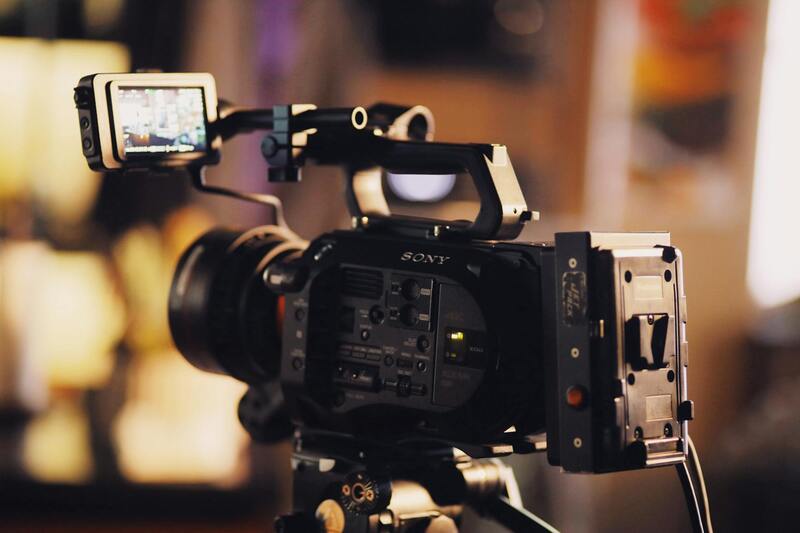
Live streaming services offer versatility for a wide range of events. Corporate conferences, product launches, and annual meetings benefit from real-time broadcasting, reaching audiences across multiple locations simultaneously. Special celebrations such as weddings, milestone birthdays, and anniversaries are increasingly live-streamed to include friends and family who cannot attend in person. Educational institutions utilize live streaming for lectures, seminars, and graduation ceremonies, ensuring access for remote students. Religious services and community gatherings also leverage this technology to foster inclusiveness and broader participation. Furthermore, entertainment events, including concerts, theater performances, and competitions, rely on high-quality live streaming to provide immersive experiences for viewers worldwide.
Key Equipment and Technology Used in Live Streaming
- High-Definition Cameras: Essential for capturing clear, professional visuals with options ranging from camcorders to cinematic cameras.
- Audiovisual Gear: Quality microphones, mixers, and audio processors ensure sound clarity and synchronization with video feeds.
- Streaming Encoders: Devices that compress and transmit audio-visual signals to streaming platforms in real-time.
- Reliable Internet Connectivity: Dedicated high-speed internet, often with backup options, guarantees uninterrupted broadcasts.
- Video Switchers and Mixers: Facilitate seamless transitions between camera angles, graphics, and pre-recorded content during the live stream.
- Monitoring Screens: Real-time feedback via multiple monitors helps operators oversee broadcast quality and address issues instantly.
- Lighting Equipment: Proper illumination enhances image quality and emphasizes key moments of the event.
Factors to Consider When Hiring a Live Streaming Videographer in Miami
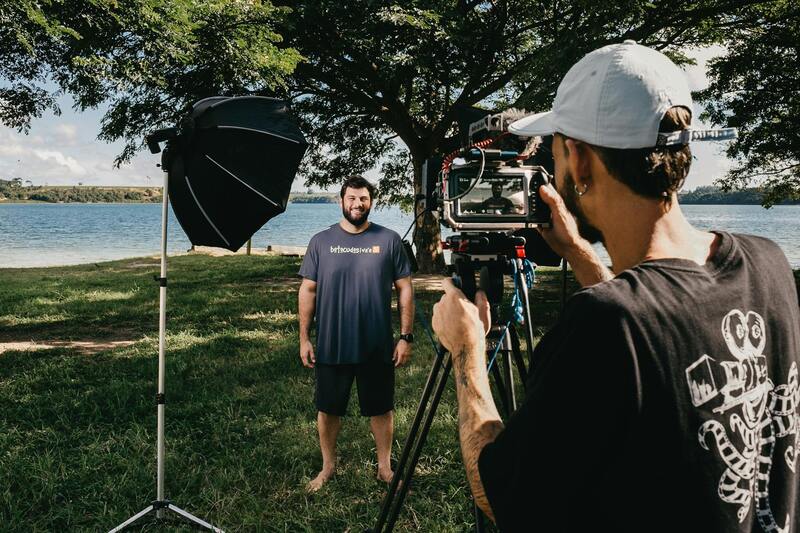
Selecting an experienced live streaming videographer requires thorough evaluation of their technical skills, industry reputation, and understanding of your event’s specific needs. Proven experience in similar event types ensures familiarity with different scenarios and potential challenges. It is vital to review their portfolio and seek client testimonials to gauge reliability and quality output. The videographer’s familiarity with local venues in Miami can significantly influence equipment setup and logistics planning. Additionally, assessing their capacity to handle high-pressure situations, provide comprehensive support, and adapt to unforeseen circumstances contributes to a smooth live broadcast. Budget considerations should also include clarity on service packages, delivery timelines, and post-event content options.
Planning and Coordination for Successful Live Streaming
Effective planning begins well before the event date. The videographer collaborates with organizers to create a comprehensive production plan, detailing camera placements, audio sources, and internet requirements. Conducting technical rehearsals is critical for identifying and resolving potential issues prior to the live event. Establishing clear communication channels among all team members facilitates rapid decision-making during the broadcast. Inspection of the venue’s infrastructure helps integrate streaming equipment seamlessly, minimizing disruptions. Contingency protocols for power failures, internet outages, or equipment malfunctions are essential to maintain broadcast continuity. This meticulous preparation ensures the live stream meets quality standards and delivers a compelling viewing experience for remote audiences.
Post-Event Services and Content Delivery
After the live broadcast concludes, videographers often provide editing and post-production services. This phase involves trimming segments, enhancing visuals and audio, and creating highlight reels or full recordings for on-demand access. Delivering content through secure online platforms or client-specific portals allows event organizers to distribute footage conveniently. Additionally, some providers offer live stream archiving, enabling viewers to revisit the event at their convenience. Social media snippets and promotional videos derived from the live stream can extend the event’s reach, engaging audiences beyond the initial broadcast. Proper documentation and storage of event footage also facilitate future marketing, branding, or event planning efforts.