
Overview of Live Event Video Streaming
Live event video streaming has revolutionized the way audiences experience events, offering real-time broadcast capabilities that reach remote viewers instantly. By transmitting high-quality video content over the internet, live streaming ensures that audiences, regardless of their geographical location, can participate in or view events as if they were physically present. This technology has become an indispensable element for a diverse range of events, including corporate conferences, music festivals, sports competitions, and cultural celebrations.
In regions like Miami, where the local event industry thrives on vibrant cultural festivals, large-scale corporate gatherings, and high-profile entertainment events, the need for reliable live streaming services is critical. Miami-based production agencies leverage live event video streaming to extend their reach, enhance audience engagement, and provide seamless viewing experiences that complement their on-site offerings. By doing so, they can connect global audiences to local events, ensuring wider visibility and increased participation.
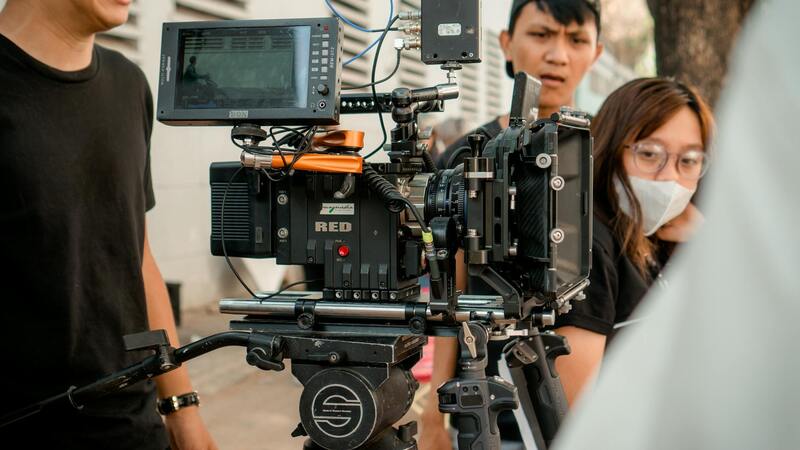
At its core, live event video streaming involves capturing live footage, encoding it for internet transmission, and delivering it via specific streaming protocols to viewers’ devices such as smartphones, tablets, laptops, or smart TVs. This process depends on a combination of advanced cameras, encoding hardware/software, and dedicated servers or Content Delivery Networks (CDNs) that ensure minimal latency and high-quality playback. The role of these technologies becomes increasingly vital in Miami's dynamic event landscape, where high standards for production quality contribute to immersive live experiences.
Effective live streaming also entails managing various logistical aspects—such as stable internet connections, backup systems, and multi-platform compatibility—to provide uninterrupted viewing. For Miami event organizers and production teams, understanding these fundamentals is essential for executing successful live streams that elevate the stature of their events and deepen audience engagement.

Key Features and Technologies
Modern live event video streaming services leverage a suite of sophisticated features and cutting-edge technologies to ensure an optimal viewing experience. High-definition (HD) and ultra-high-definition (UHD) video delivery are standard, offering viewers crisp, detailed visuals that capture every moment of the event vividly. These resolutions are crucial for engaging remote audiences and fostering a sense of presence, especially during large-scale festivals, concerts, or sporting events.
Latency management is a critical component in live streaming. Technologies such as low-latency streaming protocols minimize delays between the live action and broadcast, creating a near-real-time experience for viewers. This is particularly important for interactive segments, Q&A sessions, or live bidding events where timing impacts audience engagement.
Support for multiple platforms is another key feature. Reliable live streaming services are compatible with smartphones, tablets, laptops, and smart TVs, ensuring viewers can access content with ease regardless of their device. This cross-platform functionality often involves adaptive streaming technologies, which dynamically adjust video quality based on the viewer's internet bandwidth. This approach reduces buffering and prevents quality degradation, maintaining a seamless viewing experience.
Advanced encoding hardware and software play a vital role in managing high-quality streams. These tools compress live video feeds efficiently, reducing bandwidth requirements without compromising visual fidelity. Content Delivery Networks (CDNs) are employed to distribute the stream across multiple servers worldwide, reducing latency, preventing buffering, and scaling to accommodate large concurrent viewers.
Additional technological features include multi-camera switching, graphic overlays, real-time analytics, and integrated chat functionalities. These enhancements not only improve the production value but also foster viewer interaction and engagement, creating a more immersive experience.

Implementing these features requires meticulous planning and the selection of appropriate hardware, software, and service providers. For event organizers in Miami, understanding and utilizing these technologies ensures their streams are professional, engaging, and able to reach wide audiences efficiently.
Overview of Live Event Video Streaming
Live event video streaming has revolutionized how audiences experience large-scale events, conferences, concerts, and community gatherings. By broadcasting content in real time over the internet, organizers can reach viewers around the globe, transcending geographical limitations. This method not only broadens the reach of an event but also enhances engagement through interactive features and real-time viewer participation. The technology behind live streaming involves a complex integration of hardware and software components designed to deliver high-quality, uninterrupted content across diverse devices and network conditions.
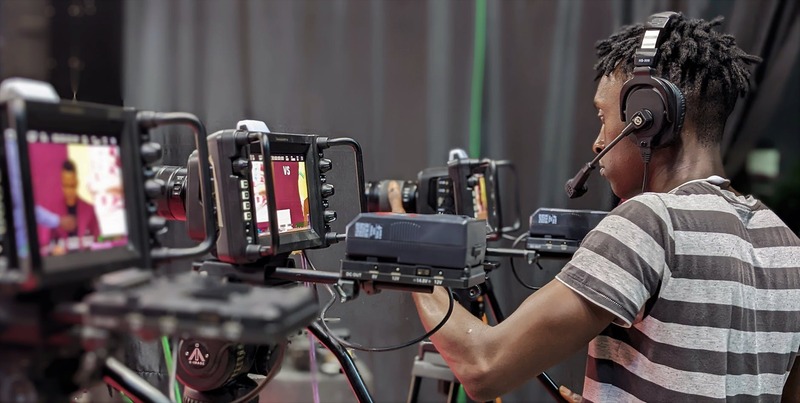
Implementing effective live video streaming requires understanding the core components and processes involved. The process typically begins with high-definition cameras capturing the event. These feeds are transmitted to encoders which convert the raw footage into digital streams optimized for online delivery. These streams are then managed through sophisticated content management systems that handle scheduling, overlays, and metadata integration.
At the delivery end, viewers access streams via various devices, including smartphones, tablets, computers, smart TVs, and dedicated streaming devices. Platforms and streaming services employ adaptive bitrate streaming technology, which automatically adjusts video quality to match the viewer's internet bandwidth—ensuring smooth playback even in fluctuating network conditions.
Additionally, robust Content Delivery Networks (CDNs) play an essential role in the live streaming ecosystem. They distribute the data across multiple servers globally, reducing latency and buffering. This distribution ensures participants experience minimal lag and high-quality visuals regardless of their location or device specifications.
To facilitate viewer interaction and improve engagement, live streaming platforms often integrate features such as multi-camera switching, real-time chat, live polling, social media sharing options, and graphic overlays, including logos, timers, or event-specific branding. These interactive components, combined with high production standards, create an immersive virtual experience that complements onsite event activities.
Off-site stream management also includes comprehensive analytics to gauge viewer engagement, stream performance, and content reach. Such data helps organizers refine their streaming strategies, optimize resource allocation, and enhance future event delivery. Implementing reliable live streaming services involves selecting hardware, software, and service providers that align with the event's scale and objectives.
For Miami-based event organizers, understanding the technical landscape and leveraging proven live event video streaming services facilitate offering professional, engaging, and accessible experiences for audiences both onsite and online. Proper planning and execution are crucial in transforming live events into dynamic digital experiences with broad appeal and impactful reach.
Integration with Production Workflows
Efficient integration of live event video streaming services into existing production workflows is essential for delivering seamless broadcast experiences. Miami-based organizers need systems that align with their current infrastructure, including audio-visual equipment, editing suites, and content management platforms. A cohesive setup allows for smooth transitions between pre-recorded segments, live feeds, and post-event content, ensuring the event runs flawlessly from start to finish.
Advanced streaming platforms offer interoperability with professional broadcasting tools such as switchers, graphics engines, and real-time editing software. This integration enables dynamic overlays, live camera switching, and instant content updates, vital for maintaining viewer engagement. Additionally, compatibility with cloud-based services allows remote production teams to collaborate efficiently, which is especially advantageous for large-scale events that span multiple venues or require hybrid production models.
Automation features, including scheduled stream launches and real-time monitoring dashboards, facilitate proactive management and quick troubleshooting. Proper integration not only improves overall production quality but also reduces operational challenges, allowing Miami event organizers to focus on creating engaging content rather than dealing with technical disruptions.
Implementing consistency in signal routing, ensuring compatibility with multiple streaming platforms, and leveraging API integrations for custom functionalities are key steps in achieving a robust production setup. With the right combination of hardware and software, Miami event producers can elevate the quality of their broadcasts, resulting in a more polished and professional viewer experience.
Integration with Production Workflows
Seamless integration of live event video streaming services into existing production workflows is essential for delivering high-quality broadcasts that meet organizational standards. This involves a careful assessment of current equipment, staging arrangements, and technical coordination efforts to ensure compatibility and efficiency.
Key components include robust encoding hardware or software capable of handling high-definition feeds without latency issues. These tools should seamlessly connect with various video sources such as cameras, switchers, and graphics systems, enabling a cohesive broadcast environment. Proper signal routing ensures that all feeds are transmitted reliably to the streaming platform, minimizing disruptions or quality degradation.
Staging considerations involve optimizing physical and technical setups for fluid workflows. This includes establishing clear pathways for cabling, setting up control rooms with necessary monitoring tools, and ensuring redundancy measures are in place for critical components. Collaborating with technical teams to align live feeds with staging configurations guarantees a smooth transition from production to streaming, maintaining the integrity of the event experience.
Technical coordination extends to planning the timing of content releases, synchronizing multi-camera feeds, and managing real-time adjustments. Utilizing automation tools within streaming platforms allows operators to schedule broadcasts, overlay graphics, and switch scenes dynamically. This level of coordination reduces manual interventions and enhances overall broadcast professionalism.
Successful integration hinges on establishing clear communication channels among production, IT, and streaming teams. Regular rehearsals, pre-event technical checks, and contingency planning are vital to identify potential issues before the event goes live. Modern streaming services often offer APIs and custom integration options, allowing event organizers to tailor their workflows to specific requirements, including branding, multi-platform deployment, and audience interaction features.
In summary, integrating live streaming into production workflows requires strategic planning, compatible hardware and software, and effective coordination among all technical staff. When executed efficiently, it results in a polished and impactful broadcast that heightens audience engagement and enhances the event's overall success.
Legal and Compliance Aspects
In the realm of live event video streaming services, adherence to licensing, copyright, and regional compliance regulations is paramount. Event organizers must ensure that all content broadcasted aligns with local and national laws governing media distribution. This includes securing the appropriate permissions for copyrighted material, such as music, video clips, or branded content incorporated within the live feed. Additionally, regional policies may dictate specific requirements for data handling, privacy, and audience interactions.
Complying with these regulations mitigates risks associated with content disputes or broadcast interruptions, and fosters trust with viewers. When selecting a live streaming platform, organizers should verify the provider's commitment to upholding licensing agreements and maintaining compliance standards inherent to the Miami area and broader US regulations. This often involves working with services that have established legal frameworks, robust content management features, and support for regional data protection laws.
Furthermore, continuous monitoring for updates in regional streaming policies is crucial, as regulatory landscapes evolve. For instance, certain content restrictions might be introduced, or new requirements for user data encryption and reporting might be mandated. By proactively addressing these elements, Miami event organizers can deliver seamless, lawful streaming experiences that respect intellectual property rights and regional legislation.

Effective compliance strategies often involve collaboration with legal experts, content rights holders, and experienced streaming service providers. These partnerships can establish clear guidelines on permissible content, licensing periods, and necessary documentation. Additionally, detailed contractual agreements with streaming vendors should specify responsibilities related to content management, regional restrictions, and viewer data handling. Such diligence guarantees a lawful, professional broadcasting environment that supports the success of Miami-based live events.
Legal and Compliance Aspects of Live Event Video Streaming Services
Ensuring adherence to legal and regulatory standards is an integral component of executing successful live streaming events. For event organizers using services like miamieventvideopro.com, establishing clear practices for content rights, regional restrictions, and data protection safeguards the event’s credibility and smooth operation. While effective live streaming amplifies audience reach and engagement, it must also respect the content ownership and regional legislative frameworks.
Many reputable streaming service providers have developed comprehensive content management systems that facilitate the validation and control of broadcast rights. These platforms typically include features for content filtering, rights verification, and regional geofencing, ensuring that live streams comply with licensing and territorial content restrictions. When selecting a provider, it's vital to verify their ability to enforce these rights dynamically during a live broadcast, minimizing the risk of unauthorized content dissemination.
In addition, data protection and privacy considerations play a crucial role, especially in regions with strict data handling and security regulations. Streaming services often incorporate encryption protocols, secure authentication processes, and activity logging to safeguard viewer information and prevent unauthorized access. Event organizers should also ensure that data collection practices align with regional laws, fostering trust with viewers while avoiding legal complications.
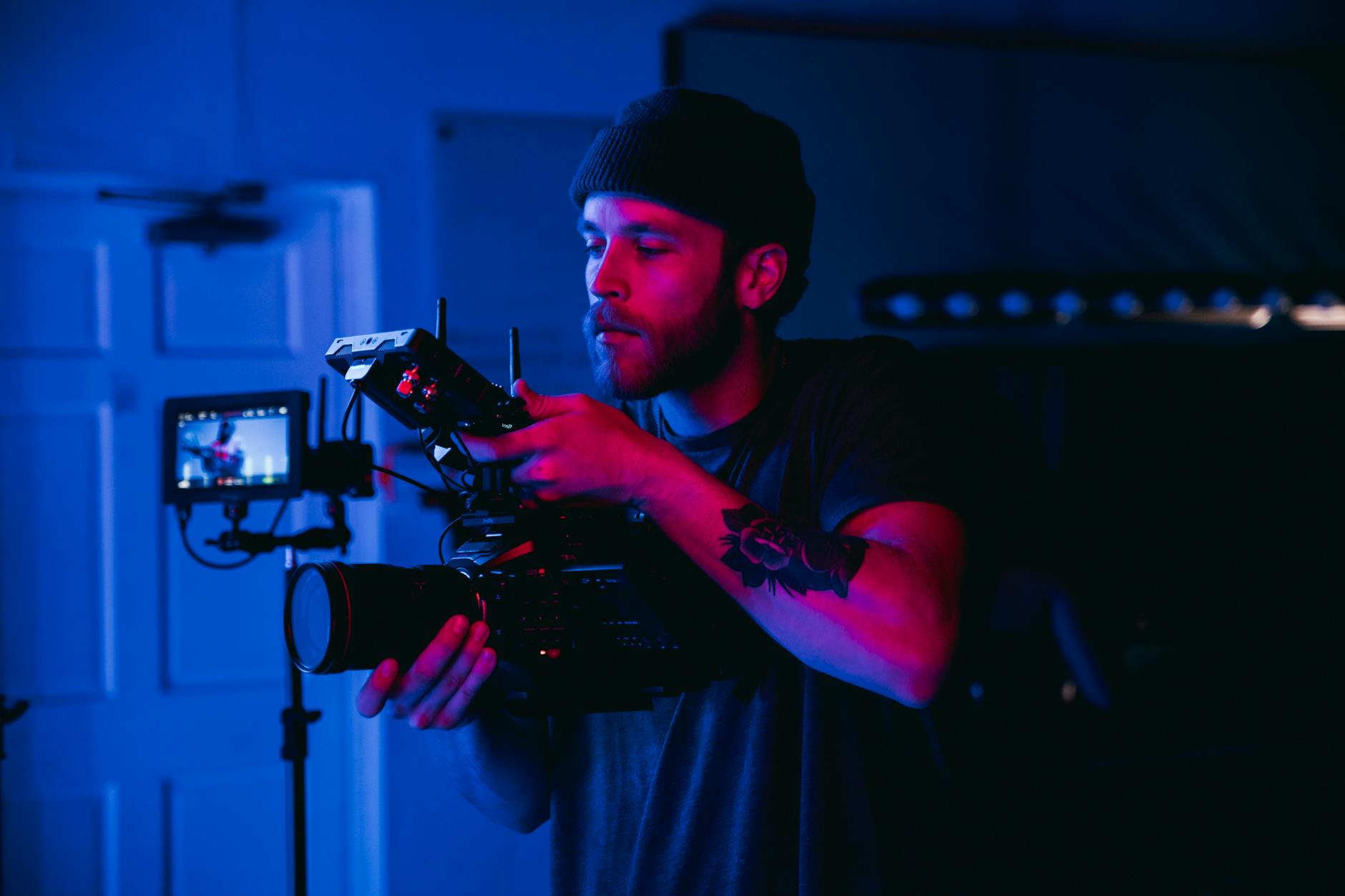
Constantly staying updated on regional policy changes, such as content restrictions or new data handling standards, is essential. This proactive approach involves collaborating with legal experts, content rights holders, and experienced streaming providers to develop contractual arrangements and operational policies that reflect current legal requirements. Clear documentation of responsibilities and technical capabilities, including the handling of regional restrictions and licensing terms, can further mitigate risks.
Ultimately, aligning streaming practices with legal standards not only prevents potential disruptions but also cultivates a trustworthy environment for viewers, rights holders, and stakeholders involved in Miami-based live events. Ensuring compliance creates a foundation for sustainable growth and positive reputation in the digital event space.
Strategies for Effective Monetization of Live Event Video Streaming
To maximize revenue from live event streaming, organizers and service providers should explore multiple monetization channels that align with the audience's preferences and the nature of the event. Employing diverse revenue models not only enhances profitability but also broadens engagement opportunities for viewers.
Premium Access and Ticketing Solutions
Offering exclusive access or VIP packages can significantly boost income streams. Implementing tiered pricing structures allows viewers to select the level of access they desire, such as front-row views, backstage passes, or early access. Integrating seamless ticketing platforms with streaming services ensures a smooth user experience and reliable revenue collection.
Advertisement and Sponsorship Opportunities
Embedding targeted advertisements during the stream provides a steady revenue flow while ensuring minimal disruption to viewers. Partnering with local businesses, brands, or event sponsors increases exposure opportunities and creates customized promotional segments. Dynamic ad insertion enables real-time updates and personalized content delivery, making advertising more effective.
Pay-Per-View (PPV) and Subscription Models
PPV allows viewers to pay for individual events, which is ideal for one-time or special occasions. Subscription-based access offers recurring revenue streams by granting subscribers continuous access to multiple events over a period. Both models require secure payment gateways and user-friendly interfaces to facilitate seamless transactions and maximize conversions.
Integration of Merchandising and Virtual Goods
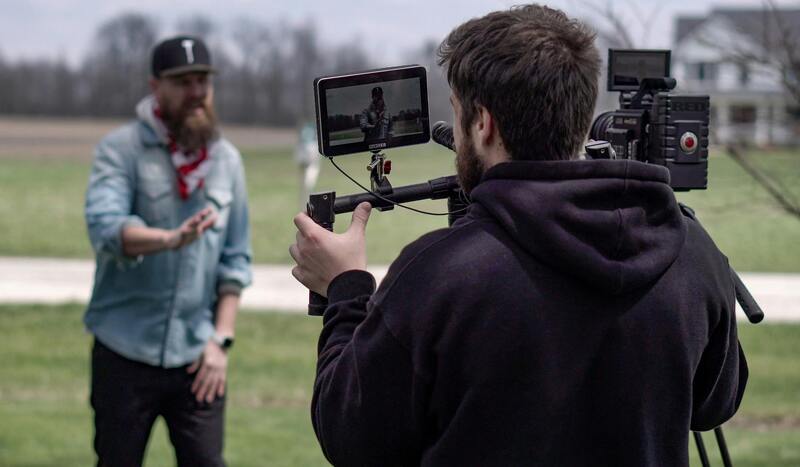
Capitalizing on live streams through in-stream merchandise sales, virtual meet-and-greets, or exclusive digital content can generate additional income. Offering branded merchandise or digital collectibles, such as event-themed emojis or badges, encourages viewer participation and fosters brand loyalty.
Analytics and Data-Driven Revenue Optimization
Utilizing comprehensive analytics provides insights into viewer behavior, engagement patterns, and content preferences. These data points enable organizers to refine their monetization strategies, optimize advertising placements, and tailor content offerings to maximize viewer retention and revenue potential.
Ensuring a Secure and Trustworthy Streaming Environment
Implementing robust security protocols protects monetization channels by preventing fraud and unauthorized access. Features such as encrypted transactions, secure login processes, and digital rights management (DRM) are essential. Building trust with viewers through transparent privacy policies and reliable service delivery encourages repeat participation and sustained revenue growth.
Conclusion
Incorporating diverse monetization strategies within a secure, seamless streaming platform creates a comprehensive revenue ecosystem for live events. Strategic planning, coupled with technological innovation and audience understanding, is pivotal for turning live streams into profitable ventures.