
Understanding Event Streaming Production
Event streaming production serves as the backbone of contemporary live event broadcasting, enabling real-time digital transmission of live events to audiences across various platforms. In Miami, where vibrant cultural, corporate, and entertainment scenes thrive, high-quality event streaming has become indispensable for extending reach and engagement. At its core, event streaming production involves capturing live audiovisual content, transmitting data packets over the internet, and ensuring seamless delivery to viewers regardless of their location.
This process integrates several critical components: professional cameras, audio equipment, video switchers, encoding devices, and robust network infrastructure. The primary goal is to deliver a broadcast that maintains the integrity, clarity, and immediacy of the original event. As such, understanding each element's role and how they synergize offers valuable insight into producing compelling live streams.
In addition to the technical hardware, successful event streaming depends heavily on comprehensive planning and execution. Factors such as venue layout, lighting conditions, sound quality, and internet connectivity directly affect the production's success. For Miami-based events, where geographical and logistical considerations can vary widely—from waterfront conferences to downtown concerts—tailoring the production approach to the specific environment is crucial.
The significance of effective event streaming production extends beyond mere broadcasting. It fosters expanded audience engagement, facilitates remote attendance, and creates opportunities for content monetization. This makes it an essential component for event organizers, corporate entities, and entertainment providers seeking to maximize their event’s impact in Miami's dynamic market.
Essential Hardware Components for Professional Event Streaming
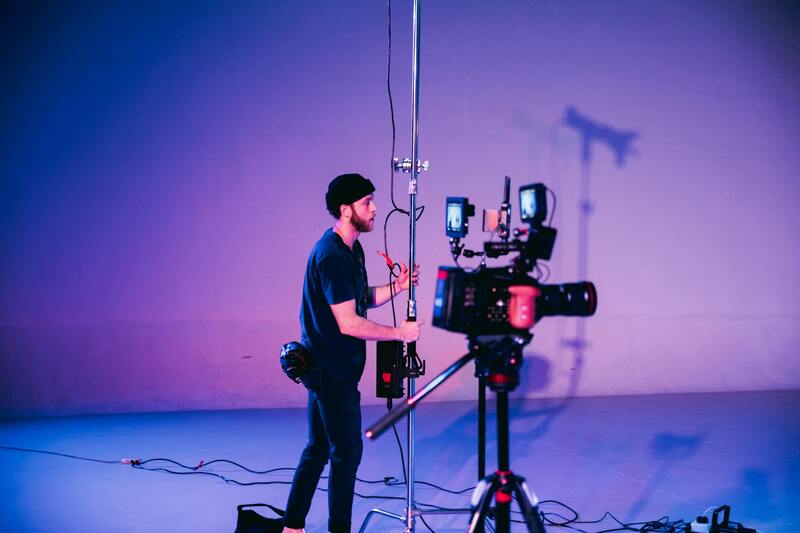
To achieve a seamless and high-quality live stream, event production teams utilize a variety of sophisticated hardware components. Each piece plays a vital role in capturing, encoding, and transmitting live video and audio data to viewers worldwide. Understanding these tools ensures optimal setup and execution of event streaming in Miami’s diverse venues.
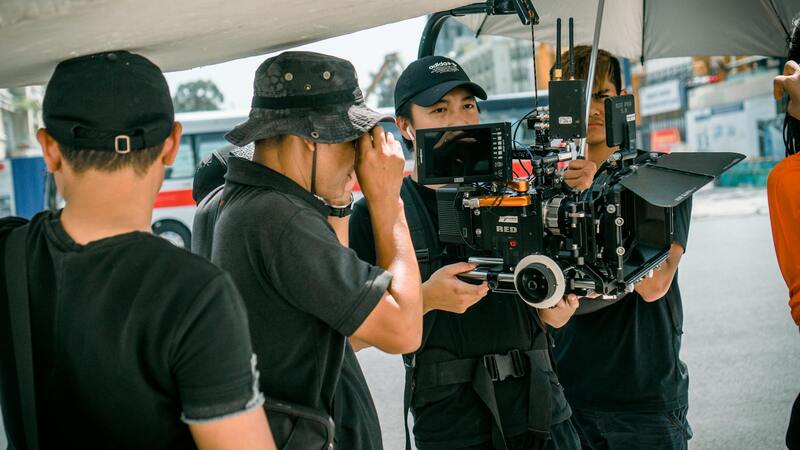
- Professional Cameras: High-definition cameras with multiple lenses and zoom capabilities enable capturing different angles and detailed scenes. They support various formats such as 4K and SD, depending on the event’s requirements.
- Audio Equipment: Quality microphones, audio mixers, and wireless sound systems ensure that speech, music, and ambient sounds are transmitted accurately without distortions or background noise.
- Video switchers: These devices facilitate real-time switching between multiple video feeds, allowing producers to craft a dynamic live presentation that includes close-ups, wide shots, and graphics.
- Encoding Devices: Hardware encoders convert raw footage into streaming-compatible formats. They are vital for maintaining stability and quality during transmission, especially in environments like Miami where internet stability can vary.
- Streaming Servers and Platforms: Cloud-based or dedicated servers host the live feed, providing secure and reliable delivery to multiple platforms such as social media, websites, or dedicated apps.
Software Tools Essential to Event Streaming
Complementing hardware, software solutions streamline operations and enhance viewer experience. These tools facilitate stream management, overlay graphics, interactivity, and real-time analytics.
- Streaming Platforms: Popular choices include Wirecast, vMix, and OBS Studio. They offer user-friendly interfaces for producers to control live feeds, add transitions, and incorporate multimedia elements.
- Graphics and Overlay Tools: Software like Lumens or Chyron provide real-time graphics, branding overlays, and interactive elements that enhance the visual appeal of Miami events.
- Viewer Engagement Applications: Platforms with chat integration, Q&A features, and polling capabilities keep remote audiences actively involved in the event experience.
Integration and Configuration for Optimal Performance
Combining hardware and software components requires careful planning and configuration to ensure stability and quality. Network bandwidth must be sufficient to handle high data rates, particularly in Miami’s dense urban environments where several events might compete for internet resources.
Event production teams often perform pre-event tests to calibrate equipment, troubleshoot potential issues, and finalize streaming parameters. This proactive approach minimizes interruptions and guarantees a professional broadcast, even in challenging venues or outdoor Miami locations.
Optimizing the Streaming Setup for Peak Performance
Effective event streaming production hinges on meticulous optimization of all technical components involved in the broadcast. Ensuring that the streaming infrastructure operates seamlessly requires attention to hardware placement, software configuration, and network reliability. In Miami’s vibrant event scene, where multiple streams may run concurrently, streamlined integration is essential for maintaining high-quality output.
Choosing the right encoder hardware is fundamental. High-performance video encoders, whether hardware-based or software solutions, must be capable of compressing and transmitting high-definition content without latency issues. These devices should be strategically located to minimize signal interference and ensure stable data flow. Additionally, redundant setups—such as backup encoders and failover internet connections—are crucial to prevent downtime during live events.
Network Infrastructure and Bandwidth Management
Miami's event venues often involve high-density environments where internet traffic can be significant. To address this, a comprehensive network analysis is vital prior to the event. Dedicated bandwidth allocation, such as fiber optic connections or bonded internet solutions, helps sustain consistent upload speeds essential for live streaming. Network switches, routers, and firewalls should be configured with quality of service (QoS) settings to prioritize streaming traffic and reduce latency.
Proactive tests on network stability and speed tests at the venue allow production teams to identify potential bottlenecks and optimize configurations. It's equally important to have contingency plans, including mobile hotspots or secondary internet sources, to swiftly address connectivity fluctuations during the event.
Audio-Visual Synchronization and Quality Control
Maintaining synchronization between audio and video feeds is a cornerstone of professional event production. High-quality microphones, audio mixing consoles, and precision audio delay adjustments ensure clear sound that matches the visual content. Similarly, cameras must be calibrated to deliver sharp, color-accurate images suited to the event environment.
During live streams, dedicated monitoring stations should oversee multiple feeds, checking for glitches, video artifacts, or audio distortions. Real-time diagnostics, coupled with automated alerts, enable swift troubleshooting, ensuring viewers receive a flawless presentation regardless of event scale or location within Miami.
Stream Management and Monitoring Tools
Advanced stream management involves utilizing software capable of real-time analytics, multi-feed switching, and overlay controls. Monitoring dashboards display stream health indicators, bit rate stability, and encoding performance, empowering producers to make informed adjustments on the fly. Overlay graphics, branding elements, and viewer engagement features are integrated seamlessly during broadcasts via specialized software tools.
Consistent communication channels among production team members facilitate rapid response to potential issues, minimizing disruptions and enhancing the viewer experience. Employing these management tools makes it possible to deliver high-quality, engaging live content that reflects the professional standards expected at Miami's premier events.
Technical Aspects of Event Streaming Production
Achieving high-quality live streams in Miami involves a meticulous selection of production techniques and equipment tailored to the specific demands of each event. Central to this process is the synchronization of audio and video signals, which requires not only high-definition cameras and professional microphones but also robust transmission infrastructure to minimize latency. Ensuring that audio feeds are captured with clarity and devoid of background noise is fundamental. Using directional microphones and soundproofing measures on-site helps deliver pristine audio, essential for impactful live broadcasts.
Video capture relies on professional-grade cameras capable of adaptable framing and high-resolution outputs. Multiple camera angles, including wide shots, close-ups, and specialty shots, add dynamism and richness to the stream. Employing video switching hardware or software allows for seamless transitions, maintaining viewer engagement and delivering a polished production. Color calibration of cameras ensures visual consistency, especially important in venues with complex lighting conditions or varying backdrops.
Real-Time Monitoring and Adaptive Management
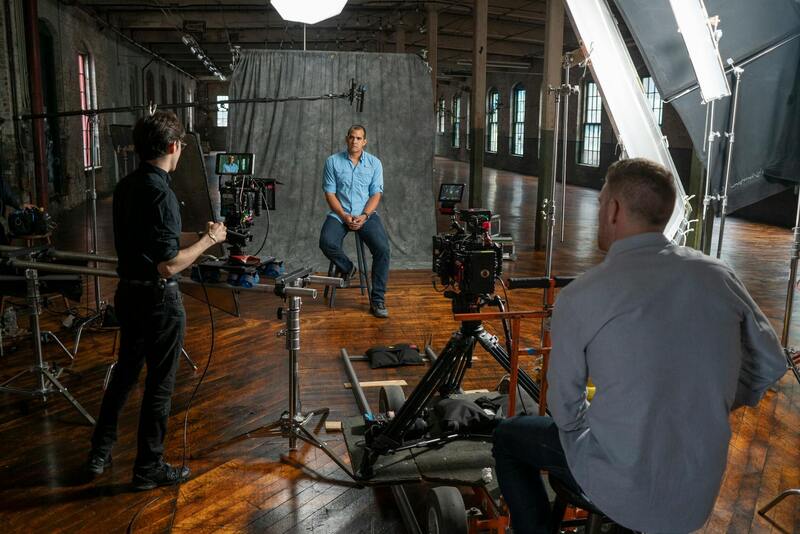
During a live event, continuous monitoring of broadcast quality is vital. Production teams utilize specialized software dashboards that display real-time metrics such as bit rate stability, frame rate, and audio levels. These tools help detect issues early, such as signal drops or audio distortions, allowing immediate corrective actions. Automated alerts notify engineers of potential problems, enabling swift troubleshooting without disrupting the viewer experience.
Adaptive management includes adjusting encoding settings based on network conditions, switching between multiple camera feeds to highlight key moments, and overlaying graphics, titles, or branding elements that align with the event’s promotional goals. Quick response to technical anomalies ensures that the live stream remains smooth and professional throughout the event, reflecting Miami’s reputation for excellence in event production.
Quality Assurance through Certification and Equipment Calibration
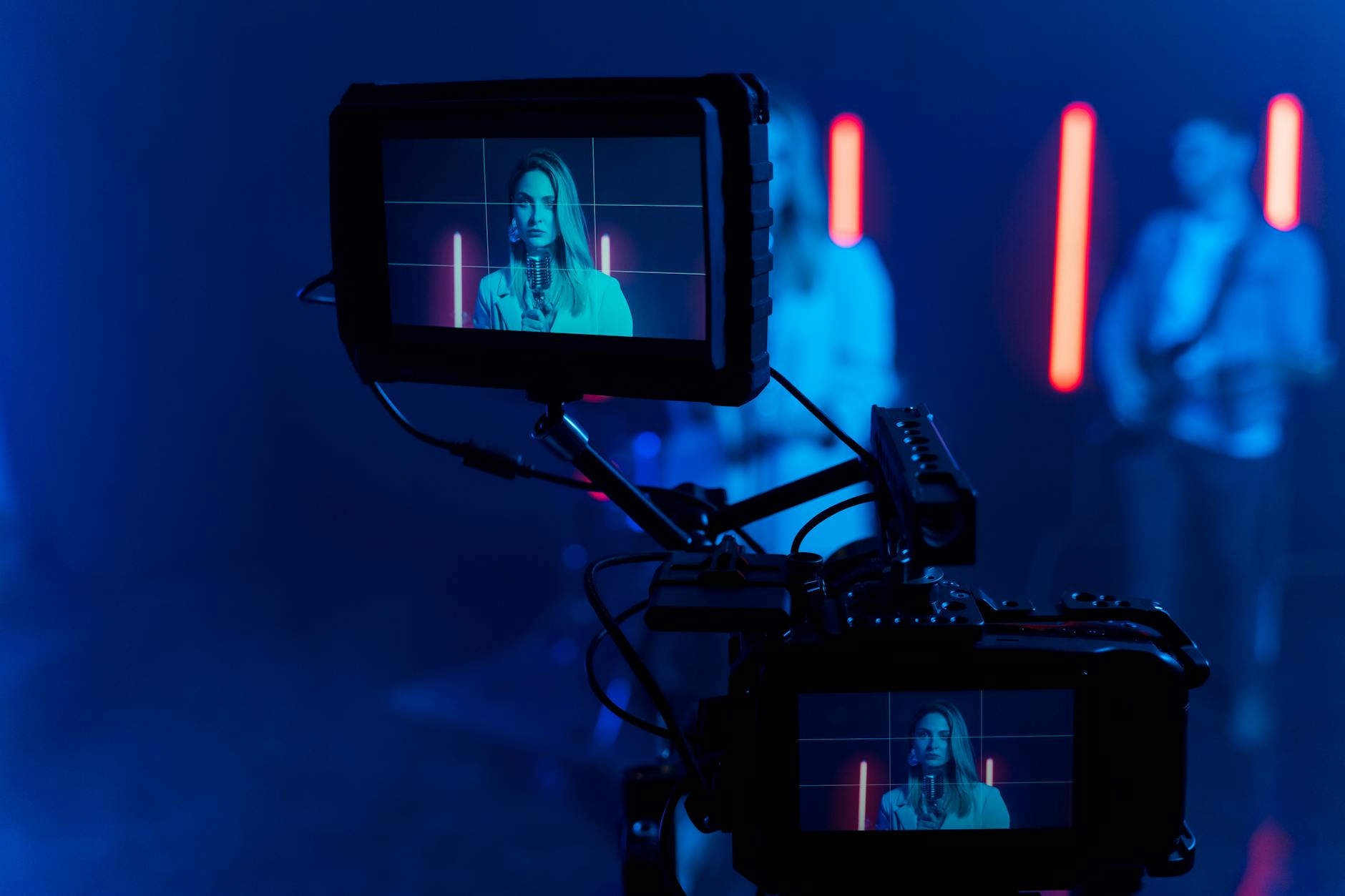
Maintaining a high standard in event streaming also involves rigorous equipment calibration and certification procedures. Regular checks of video and audio hardware ensure operational readiness, preventing unexpected failures during live transmissions. Certified equipment, such as broadcast-grade encoders, switchers, and audio processors, guarantee consistent performance, meeting industry standards for stability and clarity.
Staff training on the latest technologies and adherence to established workflows bolsters the production team’s ability to deliver seamless live streams. Simulation exercises or dry runs conducted prior to the event help identify potential issues and refine operational protocols, ensuring that all team members are aligned and prepared for live execution.

Managing Live Event Streaming in Miami
Effective on-site coordination is vital to ensure a seamless transition from pre-production into the live event. Event streaming production teams collaborate closely with venue staff, technical crews, and performers to establish a comprehensive communication plan. This includes setting up designated areas for equipment, operator stations, and backup systems to address any unforeseen technical issues promptly.
Working with local venues in Miami requires familiarity with the venue’s infrastructure, power sources, and internet capabilities. Pre-event site surveys enable teams to identify potential challenges and implement solutions proactively. This might involve installing dedicated internet lines, portable Wi-Fi solutions, or signal repeaters to ensure stable connectivity, which is indispensable for high-quality live streams.
During the event, comprehensive on-site management minimizes disruptions. This involves real-time monitoring of streaming equipment, signal integrity, and audio-visual quality. Dedicated personnel troubleshoot issues as they arise, preventing small glitches from escalating into major disruptions. A well-documented contingency plan is essential, outlining steps to quickly switch to backup streams or alternate sources if primary feeds encounter problems.
Network congestion is a common challenge in bustling Miami venues. To counteract latency and buffering, streaming teams optimize network configurations, prioritize streaming traffic, and utilize bandwidth management tools. Additionally, employing redundant internet connections ensures uninterrupted coverage, particularly during high-profile or multi-day events where consistent quality is critical.
Component compatibility and proper hardware installation are fundamental. Equipment like high-definition cameras, professional switchers, and encoders should be tested thoroughly before deployment. This reduces the risk of hardware failures that could compromise the stream’s stability.
Post-event, the focus shifts toward analytics and review. Streaming platforms often provide detailed metrics on viewer engagement, stream stability, and technical performance. These insights inform future production strategies, highlighting areas for improvement such as stream quality, latency reduction, or viewer interaction capabilities. Implementing these enhancements elevates the overall quality of Miami-based event productions and aligns services with client expectations.
Incorporating immediate feedback mechanisms, such as viewer surveys or social media engagement tracking, offers additional insights into audience reception. This real-time data can influence live adjustments in future events, fostering an adaptive and client-focused approach. Maintaining a detailed log of issues encountered and resolutions enacted during the live stream facilitates continuous improvement in operational protocols.
Legal, Licensing, and Privacy Considerations
When engaging in event streaming production in Miami, it is essential to adhere to established procedures and standards that ensure compliance with licensing, copyright, and privacy requirements. This includes obtaining the necessary permissions before broadcasting copyrighted content, such as music, videos, or proprietary visuals. Securing appropriate licenses not only safeguards the production team from potential disruptions but also upholds the rights of content creators, fostering a respectful and professional environment.
Implementing robust privacy protocols is equally crucial. This involves establishing clear guidelines for data collection and viewer interaction, especially when streaming personal or sensitive information. Transparent communication with audiences about data usage builds trust and maintains credibility during live broadcasts.
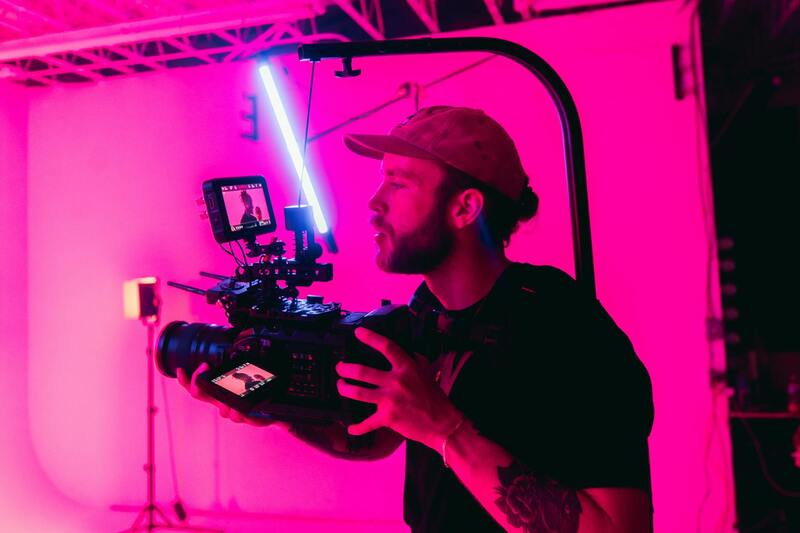
It is also advisable to incorporate secure streaming platforms that prioritize encryption and data protection. These platforms help prevent unauthorized access and safeguard proprietary content from theft or misuse. Event organizers should familiarize themselves with local regulations governing digital content distribution and ensure that all aspects of the production adhere to Miami’s specific legal frameworks.
To illustrate, obtaining proper permits for live events and ensuring proper clearance for any broadcasted material not only mitigates legal risks but also demonstrates a commitment to ethical standards. Collaborating with legal experts or compliance specialists during the pre-production phase ensures that licensing agreements and privacy policies are thoroughly reviewed and correctly implemented.
Furthermore, clear contractual arrangements with all stakeholders—including performers, sponsors, and technical teams—clarify rights and responsibilities. Documenting these agreements reduces misunderstandings and provides a solid foundation for resolving any disputes or inquiries that may arise post-event.
Ultimately, maintaining high standards for licensing and privacy reflects a professional commitment to integrity and excellence in event streaming production. It ensures that all content is delivered responsibly, audiences are protected, and the production upholds its reputation for quality and compliance in the dynamic Miami event scene.
Understanding Event Streaming Production
Event streaming production involves the entire process of capturing, encoding, transmitting, and displaying live event content over digital platforms. It requires meticulous coordination of various technical components to ensure a seamless experience for viewers, whether they are attending virtually or on-site. Effective production starts with precise planning, elevated equipment standards, and a deep understanding of the audience's expectations. When executed properly, it can elevate the visibility and engagement levels of any event, transforming traditional gatherings into dynamic digital experiences.
Integration of Live Video Production and Streaming
Successful event streaming hinges on the integration of live video production techniques with robust streaming platforms. Multiple cameras and audio sources are synchronized to capture the event from various perspectives, providing a comprehensive viewing experience. High-definition video quality, balanced audio mixing, and real-time switching between camera feeds ensure viewers receive crisp visuals and clear sound. Additionally, stabilization equipment and professional lighting enhance visual clarity, helping to produce a polished presentation that resonates with the audience.
Network Stability and Bandwidth Optimization
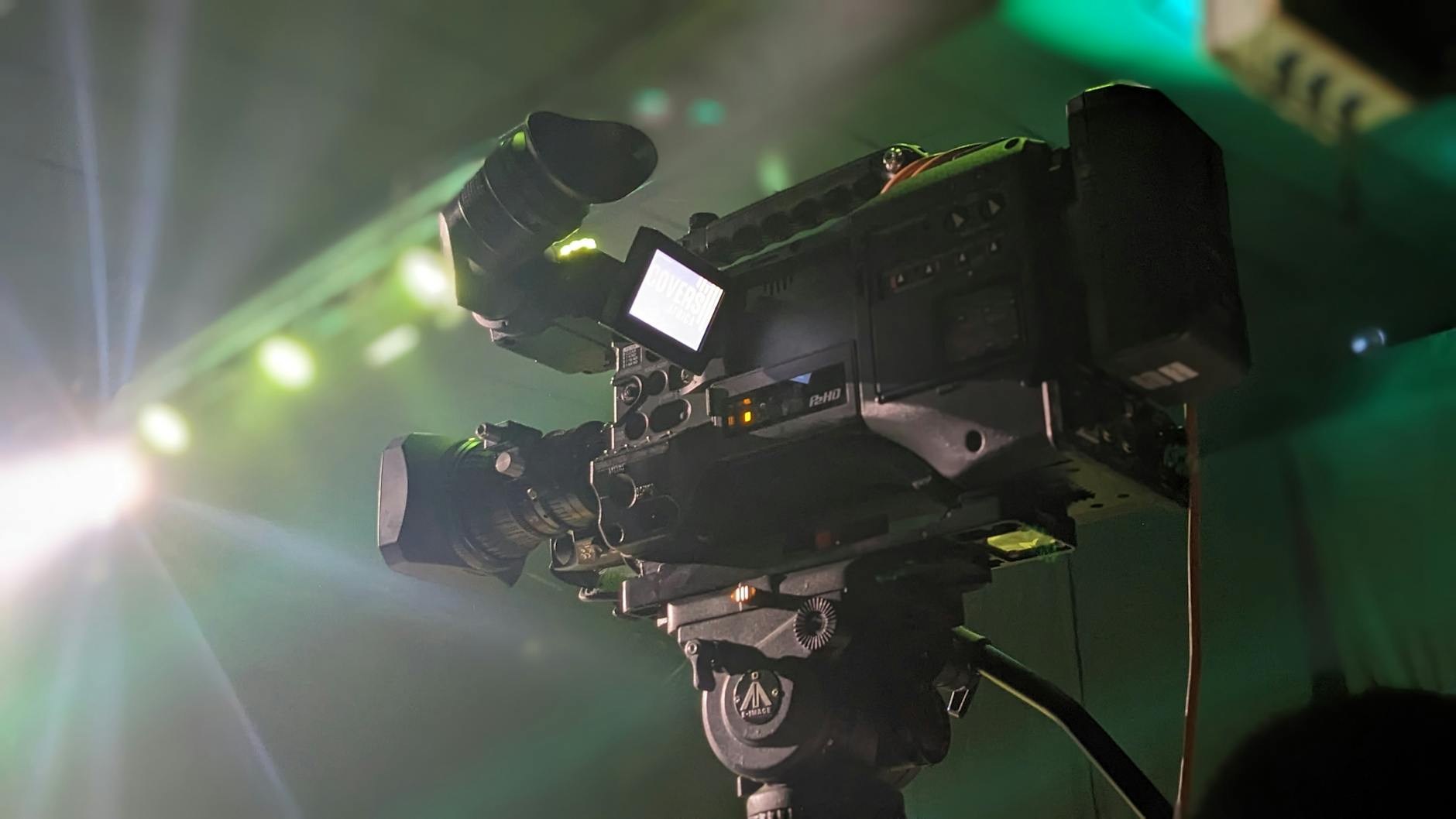
A critical aspect of event streaming production is maintaining a stable internet connection with sufficient bandwidth. Fluctuations or interruptions can cause buffering issues, degraded video quality, or complete stream failure. Optimizing network performance involves using dedicated fiber-optic lines, employing load balancers, and implementing redundant internet connections as fail-safes. Quality of Service (QoS) protocols should be configured to prioritize streaming data, minimizing latency and ensuring a smooth delivery for online viewers.
Stream Encoding and Transmission
Proper encoding is essential to balance video quality and data size. Adaptive bitrate streaming technology allows the stream to automatically adjust quality based on the viewer’s internet speed, reducing stream interruptions. Encoding hardware or software encoders compress the video feed without sacrificing clarity, preparing it for transmission over Content Delivery Networks (CDNs). These networks distribute the content across multiple servers worldwide, reducing latency and loading times, especially important for geographically dispersed audiences.
Monitoring and Quality Control During Production
Real-time monitoring ensures the stream maintains high standards throughout the event. Technical staff need access to multi-view monitoring dashboards to oversee audio levels, video feeds, and data transmission status. Immediate troubleshooting of issues such as audio mismatches, video lag, or connectivity problems prevents the degradation of the viewer experience. Implementing redundant systems for critical components, including backup streams and power supplies, bolsters resilience against technical failures.
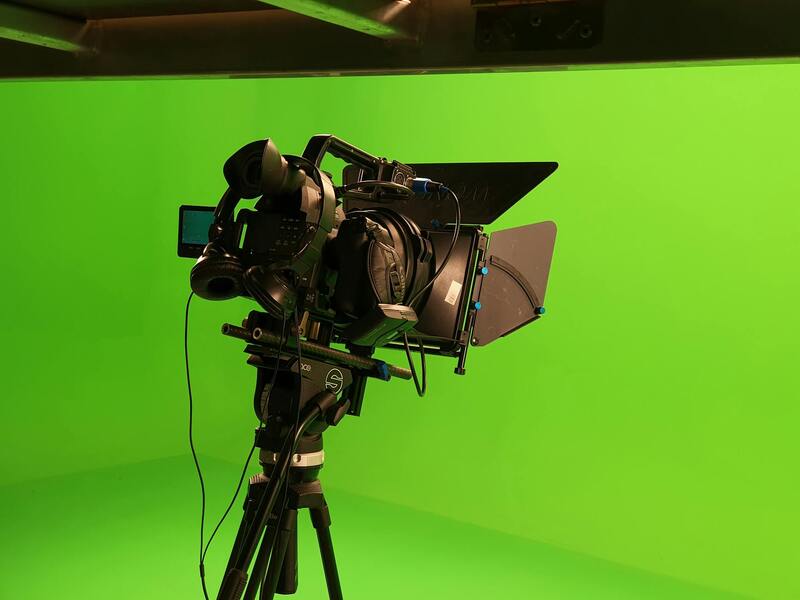
Understanding Event Streaming Production
Event streaming production involves the comprehensive process of capturing, encoding, transmitting, and delivering live content to online audiences in real-time. This process requires a blend of advanced technologies, strategic planning, and skilled execution to ensure the seamless delivery of high-quality content. It is crucial for event organizers and production teams to understand the intricate components involved in streaming to optimize viewer engagement and maintain professionalism throughout the event.
Key Technologies and Equipment
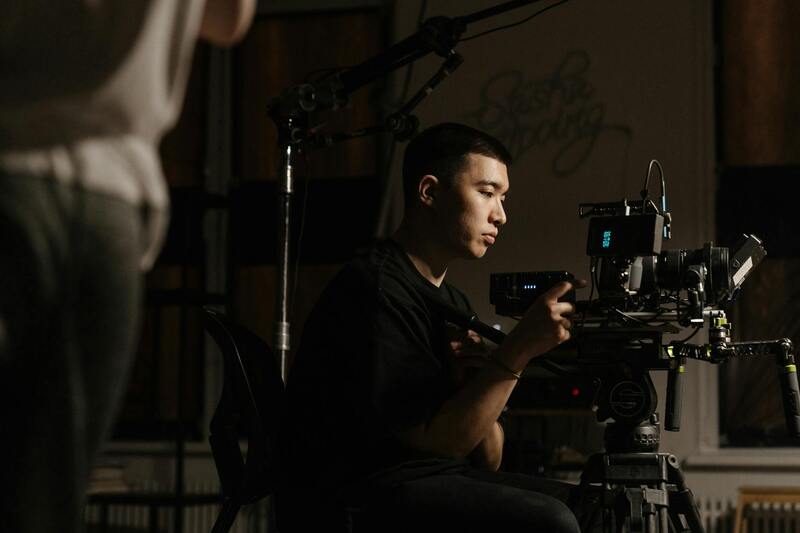
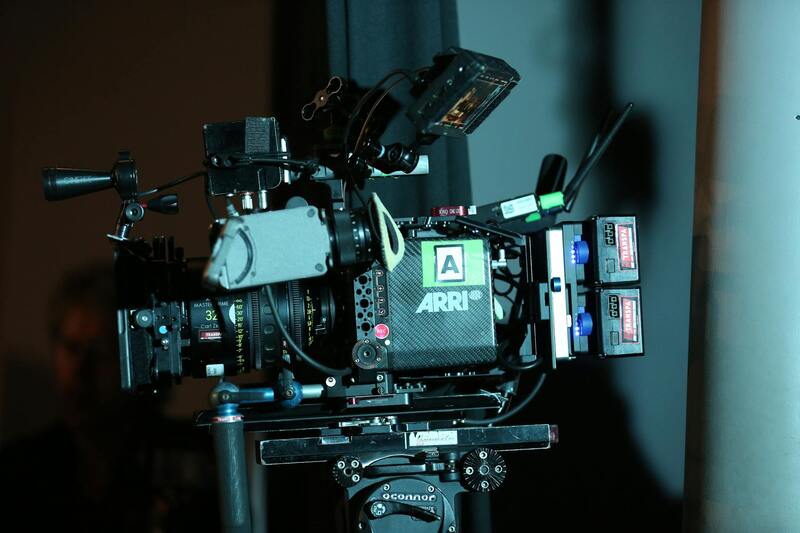
Successful event streaming hinges on deploying the right combination of hardware and software. This includes high-definition cameras capable of capturing multiple angles, professional audio equipment to ensure clear sound, and powerful encoding devices that convert raw footage into streaming-compatible formats. Additionally, robust network infrastructure, such as enterprise-level internet connections with backup lines, is essential to prevent disruptions. Content Delivery Networks (CDNs) play a vital role in distributing the stream efficiently across different geographic locations, reducing latency and buffering issues.
Planning and Pre-Production Strategies
Effective planning starts weeks before the event. This involves detailed logistics, including equipment setup, staff roles, and technical rehearsals. It is important to conduct test streams to identify potential issues and optimize the transmission pathways. Coordinating with venue staff to ensure stable internet connectivity and power supply is paramount. Additionally, creating a comprehensive timeline for the event helps synchronize all technical elements, from camera switching to live graphics integration, contributing to a professional presentation.
Production Techniques for High-Quality Streams
During the event, employing multiple camera angles and dynamic switching enhances viewer engagement. Live switching software allows production teams to create visually compelling content, incorporating overlays, titles, and real-time analytics. Audio management is equally critical, requiring balanced sound levels and potential use of wireless microphones for mobility. Ensuring real-time communication among crew members via intercom systems facilitates smooth coordination. Moreover, integrating real-time graphics and subtitles can improve accessibility and viewer comprehension.
Managing Live Event Streaming in Miami
Miami’s vibrant event scene demands tailored streaming solutions that accommodate various venues and audience sizes. Local infrastructure support is essential to maintain optimal connection speeds and reduce lag. Event organizers often collaborate with production companies specializing in live streaming to ensure coverage quality. Implementing redundant systems, including backup internet connections and pre-recorded content buffers, helps prevent interruptions. Additionally, understanding local regulations and obtaining necessary permits guarantees smooth operations without legal hitches, fostering trust and professionalism.
Post-Event Streaming and Analytics
Post-event activities focus on evaluating the stream’s performance and leveraging data for future improvements. Analyzing metrics such as viewer count, engagement duration, and stream quality helps identify areas for refinement. Recording the live feed allows for on-demand playback and archived content, expanding the event’s reach. Compiling feedback from viewers and technical staff provides insights that inform enhancements for subsequent streams. Additionally, disseminating comprehensive reports on stream analytics demonstrates professionalism and aids in strategic planning for upcoming events.
Legal, Licensing, and Privacy Considerations
Ensuring compliance with intellectual property rights is fundamental in event streaming. Proper licensing agreements must be in place for any copyrighted materials, such as music, videos, or trademarks featured during the event. Respecting privacy rights involves controlling access to streaming platforms and managing audience data responsibly. It is important to implement secure streaming protocols and obtain consent from participants when necessary. Familiarity with local regulations and industry standards helps maintain a trustworthy reputation, avoiding potential disputes and safeguarding the interests of all involved parties.