
Understanding Live Event Video Streaming
Live event video streaming has revolutionized the way audiences experience events, breaking geographical barriers and enabling real-time engagement across the globe. This technology allows event organizers to broadcast their events via the internet, reaching viewers instantly, regardless of location. By providing high-quality streams, organizers can enhance visibility, generate additional revenue streams through online ticketing or sponsorships, and foster deeper interaction with audiences.
The core purpose of live streaming is to deliver an authentic, real-time viewing experience that closely replicates attending the physical event. It is particularly crucial for conferences, concerts, sports competitions, corporate plenaries, and community gatherings, where timely coverage significantly impacts participant engagement and overall event success. Furthermore, live streaming serves as a powerful marketing tool, expanding the event’s reach beyond physical attendees and creating opportunities for follow-up content and social media sharing.
In today’s digital landscape, audiences expect instant access to live content, making the ability to stream professionally an essential component of modern event planning. Whether for promotional purposes, live interaction, or archival viewing, live event video streaming has become an indispensable element for effective event coverage and brand amplification.
Understanding Live Event Video Streaming
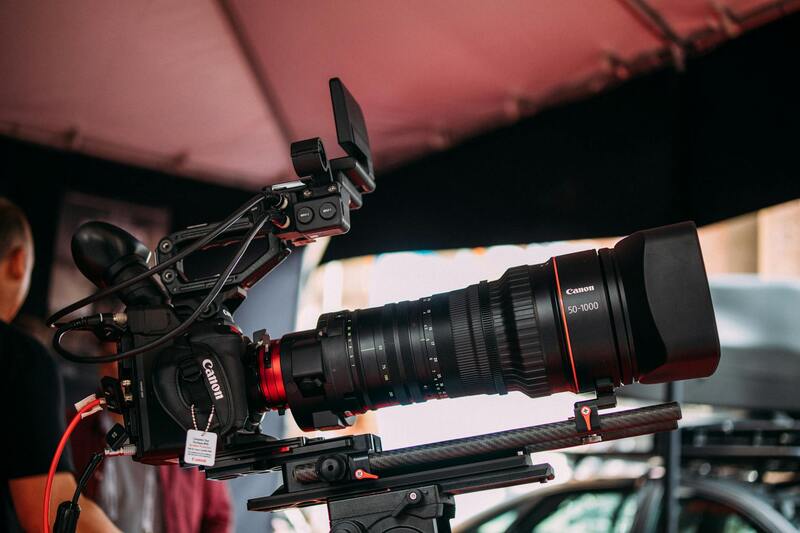
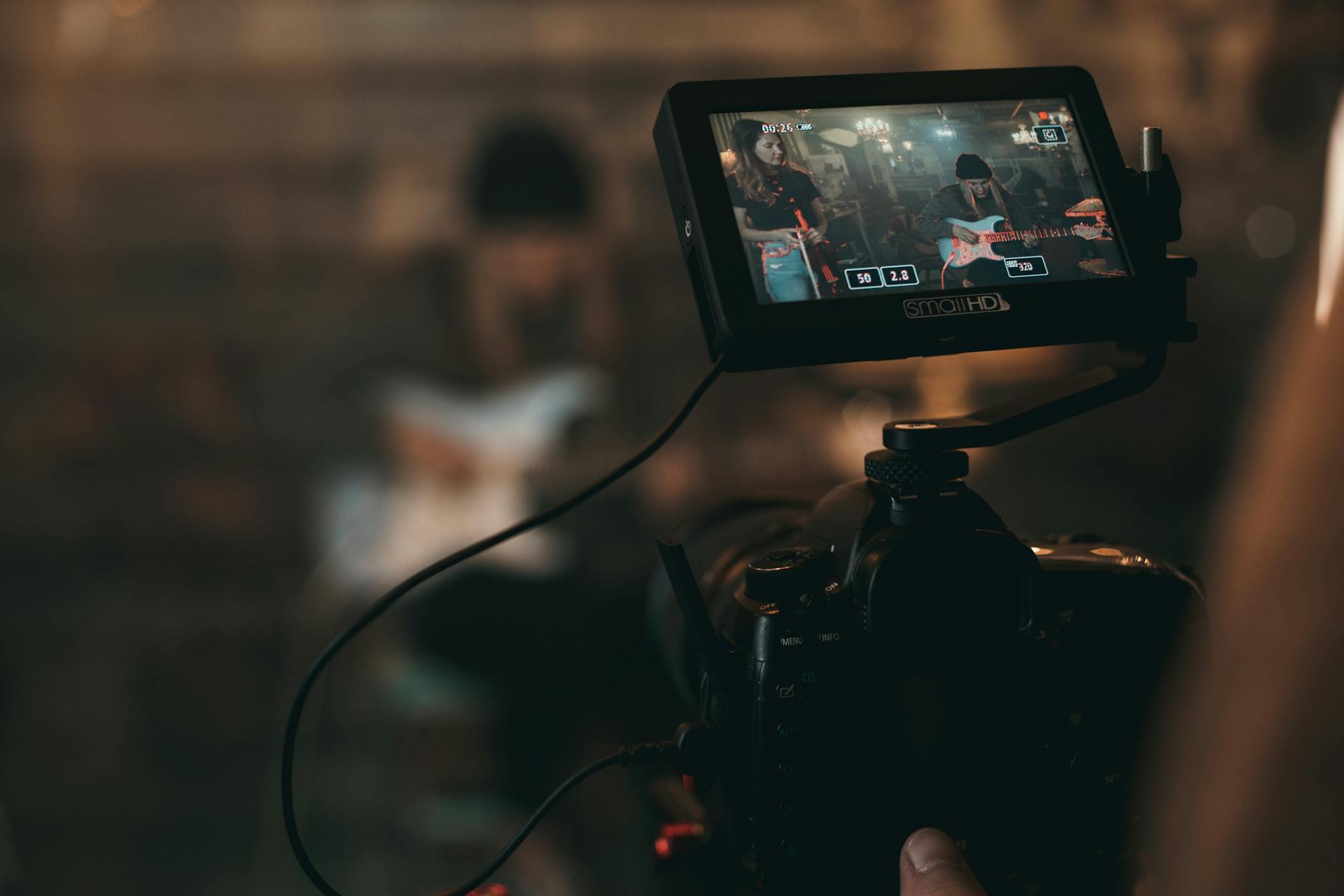
Implementing a seamless and professional live streaming setup requires an in-depth understanding of the core components that ensure high-quality broadcasts. From selecting the right hardware to utilizing dependable software solutions, every element plays a vital role in delivering an engaging viewer experience. The process begins with capturing the event through premium cameras that provide crisp, clear visuals, even in challenging lighting conditions. These cameras should be capable of broadcasting in high definition or 4K to meet the expectations of modern audiences accustomed to vibrant, detailed content.
Once the footage is captured, the live feed must be processed through encoders—hardware or software devices that convert the video signal into a digital format suitable for streaming. High-quality encoders ensure minimal latency, maintain video integrity, and allow for multiple stream outputs to various platforms simultaneously. Reliable internet connectivity is paramount; a dedicated, high-bandwidth connection minimizes buffering and dropped signals, providing a smooth viewing experience for remote audiences.
In addition to cameras and encoders, auxiliary equipment such as audio mixers, microphones, and lighting rigs significantly influence overall stream quality. Clear audio captures the event’s atmosphere and speaker nuances, while suitable lighting ensures visual clarity. These technical investments collectively contribute to a polished broadcast that reflects the professionalism of the event itself.
Software solutions for live streaming play a crucial role in managing the broadcast, integrating multiple camera angles, overlays, and real-time graphics. Advanced streaming platforms facilitate features such as multi-camera switching, picture-in-picture, and on-screen prompts, enhancing viewer engagement. Furthermore, stream management tools provide real-time analytics and monitoring capabilities, allowing organizers to address issues proactively and optimize the broadcast throughout the event duration.
The choice of streaming platform or distribution channel also impacts the reach and accessibility of the event. Whether utilizing comprehensive services like dedicated event portals, social media integration, or specialized streaming services, selecting the right distribution method aligns with the target audience’s viewing preferences and technical infrastructure. Ensuring compatibility across devices—from desktops and laptops to smartphones and tablets—maximizes audience engagement and participation.
A well-planned technical setup combined with robust infrastructure forms the foundation of successful live event video streaming. All these components are essential in delivering consistent, high-quality broadcasts that meet the expectations of diverse viewers, thereby elevating the overall impact of the live event experience.
Understanding Live Event Video Streaming
Live event video streaming has evolved into a vital component for engaging audiences, whether for corporate conferences, concerts, sports tournaments, or community events. This process involves transmitting real-time video footage over the internet to viewers across the globe, enabling an immersive experience that retains the immediacy and excitement of a physical event. To achieve a seamless live stream, organizers must consider various elements, including the technical infrastructure, content delivery methods, and audience engagement strategies.
Central to effective live streaming is the integration of high-quality production values with robust technology. The cornerstone of a professional stream lies in optimizing visuals and sound, which requires a combination of specialized equipment and sophisticated streaming platforms. In addition, a well-orchestrated workflow ensures that content is captured, processed, and transmitted without interruptions or degradations in quality. This demands meticulous planning and execution, from camera placements to stream encoding processes, to create a captivating experience that holds viewers’ attention and delivers the event’s core messages.
Benefits of Professional Live Streaming
- Enhanced Reach: Extending the event’s audience beyond physical attendees to global viewers increases exposure and participation.
- Real-Time Interaction: Integrated chat features, live polls, and Q&A sessions foster engagement and instant feedback from viewers.
- Content Longevity: Recorded streams can be archived for future viewing, amplifying the event’s impact over time.
- Cost Efficiency: Virtual attendance reduces the need for extensive physical infrastructure and associated expenses.
Key Components of Live Event Streaming
Encoding Equipment
Encoding devices are crucial to convert raw video signals into a digital format suitable for streaming. Hardware encoders provide reliability and high performance, while software encoders offer flexibility and cost-effectiveness. Ensuring that encoding settings strike a balance between video quality and bandwidth consumption is vital for maintaining a smooth viewer experience.
Reliable Internet Connectivity
Bandwidth, stability, and latency are core considerations for internet connections used during live streaming. Fiber optic connections or dedicated internet lines are preferable to shared networks, as they minimize buffering and downtime. Implementing backup internet options can further safeguard against interruptions.
Streaming Platforms and Distribution Technologies
Selecting the appropriate streaming platform involves assessing factors such as audience size, interaction features, and compatibility with various devices. Options range from professional CDN-based solutions to social media integrations, each offering different advantages in reach and audience analytics. Proper integration ensures the stream is accessible on desktops, laptops, tablets, and smartphones, catering to viewers' diverse preferences.

Optimizing the Live Streaming Experience
Beyond the initial setup, continual monitoring and adjustments are essential to deliver a high-quality broadcast. Testing equipment and connectivity prior to the event minimizes latency issues and technical hiccups. During the live event, real-time analytics provide insights into viewer engagement and streaming performance, facilitating prompt interventions if problems arise. Incorporating multiple camera angles and dynamic graphics elevates the production quality, making the live stream more engaging and professional.
In addition, engaging the audience through interactive elements like live chat, polls, or social media feeds can create a more immersive experience. Ensuring accessibility features such as closed captions and multi-language subtitles broadens reach, making the content inclusive for a wider audience.
Implementing Secure and Reliable Streaming Methods
To ensure a seamless live event video streaming experience, it is vital to utilize established, reliable transmission protocols and infrastructure. Secure data transmission methods, such as Secure Reliable Transport (SRT), provide encrypted streams that protect content integrity and prevent unauthorized access during broadcast. These protocols are designed to minimize latency and packet loss, essential factors for maintaining high-quality visual and audio fidelity in real-time streaming.
Using content delivery networks (CDNs) enhances the distribution process by allocating server resources geographically closer to viewers, reducing latency, and preventing stream disruptions caused by network congestion. CDNs optimize bandwidth usage and scalability, making it easier to handle large viewership volumes without compromising quality. They also offer redundancy features that automatically reroute streams in case of server failure, ensuring continuous coverage of the live event.
For effective live streaming, having a dedicated and high-bandwidth internet connection—not relying solely on shared networks—is critical. Organizations often invest in bonded internet solutions or multiple internet lines to provide backup during the event. Load balancing across these connections guarantees a stable and consistent stream, preventing interruptions caused by network instability.
In addition, integrating robust encoding hardware and software options facilitates high-resolution broadcasting with minimal latency. Hardware encoders offer superior stability and quality, especially for complex multi-camera setups, while software encoders can be flexible and easier to configure. Regular testing and calibration of all equipment before the event help avoid potential technical setbacks during the live broadcast.
Proper synchronization between audio and video feeds is another crucial aspect of high-quality streaming. Using timecode synchronization tools ensures that all media sources are perfectly aligned, providing viewers with a professional and cohesive viewing experience. These methods collectively contribute to a dependable and high-quality live event stream.
Technical Best Practices for Live Streaming
Executing a seamless live event video stream requires adherence to established technical best practices that optimize video quality, reduce latency, and enhance overall streaming reliability. These practices encompass the integration of advanced hardware and software solutions, meticulous pre-event preparations, and real-time monitoring during the broadcast.
Optimizing Video Quality
Achieving superior image clarity involves choosing the appropriate resolution and bitrate settings tailored to the expected bandwidth of the audience. High-definition streaming (such as 1080p or 4K) provides viewers with crisp visuals, but demands robust encoding hardware capable of processing high-resolution feeds efficiently. Utilizing hardware encoders with dedicated processing power ensures stable output, even during complex multi-camera productions.
Simultaneously, ensuring correct color grading and proper exposure settings during production facilitates a professional look. Proper lighting setups combined with accurate color calibration equipment help maintain consistent visual quality throughout the event.
Minimizing Latency
Latency—the delay between the live event and the viewer’s screen—must be minimized to foster real-time engagement. Selecting streaming protocols optimized for low latency, such as WebRTC or SRT, helps reduce delays significantly. Additionally, configuring encoding parameters to prioritize low-latency streaming and choosing servers strategically placed closer to the target audience can markedly improve response times.
Ensuring Reliable Streaming Performance
Network stability is paramount. Employing dedicated, high-bandwidth internet connections—preferably with bonded or multiple lines—limits the risk of drops during the broadcast. Load balancing across these connections distributes network load evenly and provides seamless failover capabilities in case of outages.
Constant monitoring through quality control dashboards during the stream allows technical teams to swiftly identify and rectify issues, such as bitrate fluctuations, buffering problems, or audio/video sync discrepancies. Implementing redundancy in encoding hardware and transmission pathways ensures that no single point of failure can disrupt the live feed.
Practical Tips for a Flawless Broadcast
- Conduct comprehensive pre-event testing of all equipment, including cameras, encoders, and internet connections.
- Establish clear communication routines between production crew and streaming operators.
- Adjust encoding settings based on real-time feedback and viewer analytics.
- Prepare backup equipment and alternative streaming sources to mitigate unforeseen technical issues.
- Ensure all audio sources are synchronized with video feeds to deliver a cohesive experience.
Technical Best Practices for Live Streaming
Achieving a high-quality live event video stream requires meticulous attention to various technical details that influence the overall viewer experience. Implementing optimal practices ensures the broadcast runs smoothly, maintains high visual and audio standards, and minimizes disruptions or latency issues.
Optimizing Video Encoding Settings
Encoding settings stand at the core of delivering a crisp, clear live stream. Selecting the appropriate codec, such as H.264 or HEVC, can significantly influence compression efficiency and video quality. Configuring bitrate parameters to adapt dynamically based on network conditions—using adaptive bitrate streaming—preserves stream stability, preventing buffering or abrupt quality drops. Encoders should be configured for low-latency output, especially for events where real-time interaction is critical.
Utilizing Content Delivery Networks (CDNs)
Distributing content through reputable CDNs ensures content reaches viewers swiftly and reliably, regardless of geographic location. CDNs cache segments of the live stream at multiple edge servers across regions, reducing load times and buffering instances. By choosing CDN providers with extensive global presence and optimized routing, broadcasters can enhance viewer satisfaction and engagement.
Implementing Redundancy Systems
Redundancy is vital for safeguarding the stream against technical failures. Dual encoders running in parallel can switch seamlessly if one encounters issues, ensuring continuous broadcasting. Similarly, having backup internet connections—such as secondary broadband lines or LTE hotspots—limits downtime risk. Redundant power supplies and failover mechanisms also contribute to a resilient streaming setup.
Monitoring and Maintenance During the Live Event
Real-time monitoring tools provide immediate insights into stream health—tracking parameters like bitrate, frame rate, and latency. Dedicated dashboards enable technical teams to detect and address potential problems proactively. Adjusting settings on-the-fly, based on current analytics, helps maintain optimal quality. Regular communication among crew members ensures issues are swiftly escalated and resolved, maintaining a professional broadcast standard.

Preparing and Testing Equipment
Pre-event rehearsals are essential to identify and troubleshoot equipment limitations or malfunctions. Testing all components—cameras, audio mixers, encoders, and internet connections—allows for fine-tuning settings and establishing reliable workflows. Performing simulated streams can reveal latency or synchronization issues before the actual event, preventing last-minute surprises.
Ensuring Synchronization of Audio and Video
Audio-visual synchronization is fundamental for viewer engagement. Using synchronization tools and minimizing delays between capture and broadcast equipment ensures audio is perfectly aligned with visual feeds. This practice enhances the professional appearance of the stream and prevents viewer dissatisfaction caused by lip-sync issues.
Backup Strategies for Contingencies
Developing comprehensive contingency plans is crucial when technical difficulties arise. This includes having spare hardware, secondary streaming sources, and alternative internet routes on standby. Clear procedures for switching sources or restarting streams simplify response efforts and minimize interruption time.
Achieving a seamless live streamed event demands a concerted effort centered around proven technical practices and proactive monitoring. From optimal encoding configurations to redundancy planning, comprehensively addressing these facets ensures that your live event maintains the highest standards and delivers an engaging experience for your audience.
Understanding Live Event Video Streaming
Live event video streaming has become a pivotal component of modern event management, offering real-time access to audiences across the globe. This technology enables organizers to extend their reach, engage viewers in a dynamic manner, and provide immersive experiences that traditional methods often cannot match. The essence of successful live streaming lies in delivering high-quality, reliable video feeds that capture the event's energy and details, ensuring viewers feel as if they are present in the moment.
Evolution of Live Streaming Technologies
From early broadband broadcasts to today’s sophisticated multi-camera setups, live streaming technology has advanced significantly. Modern platforms support high-definition (HD) and 4K resolutions, empowering producers to create visually stunning streams with crisp detail. Additionally, adaptive bitrate streaming automatically adjusts video quality based on viewers’ internet speeds, preventing buffering and ensuring a smooth experience regardless of location or device. The integration of cloud-based streaming solutions has also simplified scaling, allowing exciting flexibility for events of all sizes.
Benefits of Live Video Streaming for Events
- Global Audience Reach: Expand event accessibility beyond physical attendance, engaging viewers from around the world.
- Enhanced Engagement: Incorporate interactive features such as live chat, polls, and social media integration to foster real-time participation.
- Cost Efficiencies: Reduce costs related to physical venues, travel, and accommodation, by leveraging virtual access for remote attendees.
- Real-Time Analytics: Capture immediate feedback and engagement metrics to assess success and plan future events more effectively.
- Content Repurposing: Record live streams for subsequent use in marketing, training, or promotional materials, extending the event’s lifespan.
Importance of Professionalism in Live Streaming
Successful live broadcasts require meticulous planning and a professional approach to ensure technical smoothness and viewer satisfaction. This involves skilled camera operation, reliable audio capture, optimized streaming infrastructure, and strategic event coordination. Maintaining a professional appearance also involves clear visuals, effective lighting, and engaging content presentation. When executed well, live streaming elevates the event's perceived value and enhances organizational reputation.

Broader Impact and Future Outlook
The ongoing evolution of live event video streaming continues to revolutionize how organizations communicate, entertain, and educate. Innovations such as 360-degree video, augmented reality (AR), and virtual reality (VR) are rapidly emerging, promising even more immersive experiences. As internet speeds increase and 5G networks expand, the capacity for higher bandwidth streams and reduced latency will further enhance the live event landscape. These advancements are paving the way for more interactive, engaging, and accessible live events that can seamlessly blend virtual and physical experiences.
Understanding Live Event Video Streaming
Live event video streaming offers a dynamic way to broadcast events in real-time to audiences around the world. This method provides an immediate, authentic experience that can enhance audience engagement and extend the reach of any event, whether it’s a corporate conference, music festival, sports competition, or community gathering. The process involves capturing high-quality video and audio, encoding it into a format suitable for internet transmission, and distributing it via a reliable streaming platform. By delivering live content directly to viewers' devices, organizations can foster real-time interaction and provide immersive experiences that traditional media cannot match.
Key Equipment and Technology Requirements
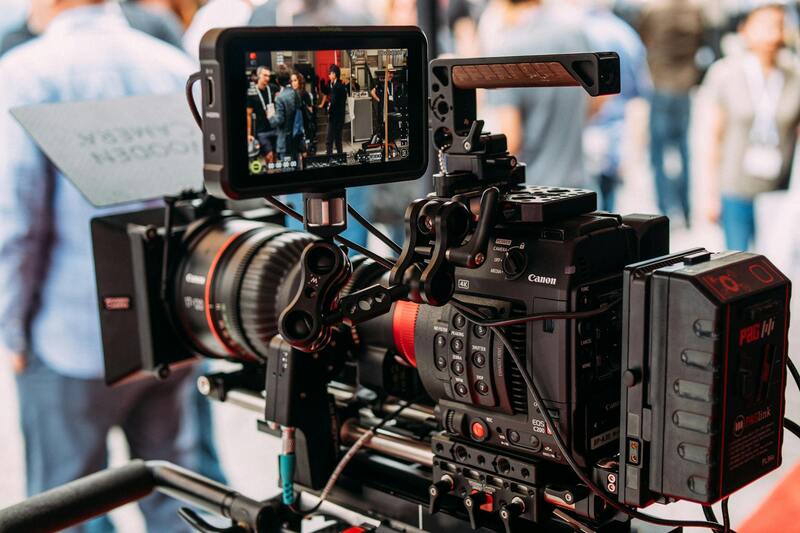
To successfully execute a live event stream, certain technical essentials are required. High-definition cameras with cinematic features ensure the visuals are crisp and professional. Reliable audio equipment, such as lavalier microphones, shotgun mics, and audio mixers, guarantee clear sound quality. A robust streaming encoder compresses the live feed into digital data suitable for transmission over the internet. Additionally, a dependable internet connection with sufficient upload bandwidth is critical to prevent buffering, lag, or interruptions.
Supplementary equipment like video switchers, which allow for seamless transitions between camera feeds, and backup power sources, such as generators and uninterruptible power supplies (UPS), ensure continuous operation during the event. Proper lighting solutions ensure visuals are vibrant and visible, especially in indoor or low-light settings. All these components form the backbone of a professional live streaming setup, ensuring viewers enjoy a high-quality, uninterrupted experience.
Planning and Organizing a Live Stream
Streamlining the planning process begins with understanding the event’s objectives and target audience. Developing a comprehensive production checklist, including equipment setup, personnel roles, and contingency plans, helps mitigate potential issues. Assigning roles such as camera operators, technical directors, and social media moderators creates a unified team effort.
Pre-event rehearsals are vital to identify technical glitches and ensure all equipment functions properly. Mapping out camera angles, establishing signal flow, and testing internet connectivity are crucial steps. Coordinating the timing of the stream ensures smooth transitions and predictable shifts in content. Additionally, integrating interactive elements like live polls or Q&A sessions enhances viewer participation and engagement in real-time.
Streaming Platforms and Distribution Channels
Selecting the right platform is essential for maximizing reach and ensuring compatibility with target devices. Popular options include professional streaming services that offer multi-platform distribution, embedding capabilities, and analytics tracking. These platforms allow for direct streaming to social media channels like Facebook Live, YouTube Live, or dedicated websites, broadening the event’s visibility.
Multicast streaming, which enables simultaneous broadcast across multiple platforms, helps connect with diverse audience segments. Integration with custom players or branded portals can also create a more tailored viewing experience. Ensuring seamless platform integration and a user-friendly interface enhances audience access and engagement throughout the live event.
Technical Best Practices for Live Streaming
Consistent quality hinges on sound technical practices. Maintaining a stable internet connection with dedicated upload bandwidth minimizes latency and buffering issues. Encoding at appropriate bit rates balances video quality with stream stability. Monitoring the stream throughout the event with dedicated software allows technicians to respond promptly to issues, ensuring minimal disruptions.
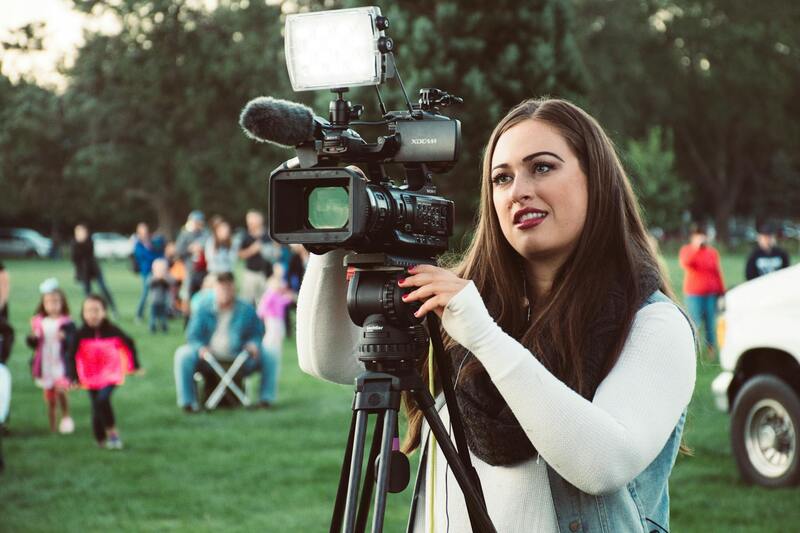
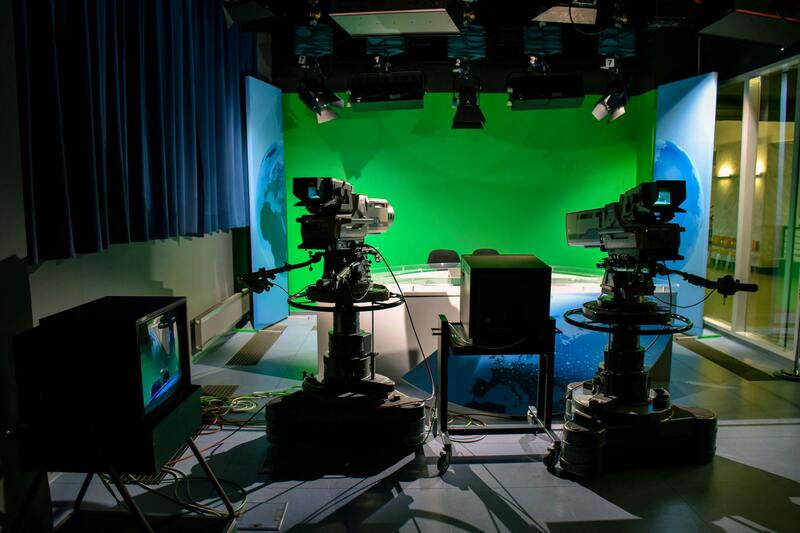
Framing shots with attention to composition, lighting, and focus results in visually appealing content. Using multiple camera angles and switching between them dynamically creates a more engaging presentation. Audio levels should be monitored continuously to prevent distortion or background noise, while adding overlays or graphics can enhance visual interest.
Employing redundancy measures, such as backup internet sources and secondary encoders, further safeguards against unforeseen failures. Real-time analytics provide insights into viewer behavior and technical performance, informing adjustments during the broadcast for optimal results.