
Overview of Miami's Streaming Scene
Miami has become a prominent hub for live streaming activities, propelled by its vibrant cultural diversity, a thriving entertainment industry, and a dynamic business environment. The city’s strategic location, coupled with its influx of tourists, residents, and international visitors, has created a fertile ground for streaming content that reaches broad audiences locally and globally. As more organizations and individuals recognize the power of real-time digital engagement, live streaming has evolved from a supplementary tool to a core component of marketing, event management, and broadcasting strategies within the region.
The growth of streaming in Miami is directly linked to advancements in digital infrastructure and increasing consumer demand for instant, high-quality content. Local businesses, including hospitality venues, retail outlets, and service providers, leverage live streaming to showcase new products, conduct virtual tours, and engage customers in real-time. Additionally, Miami's rich array of events—from music festivals to cultural parades and sports tournaments—frequently utilize streaming technologies to expand their reach beyond physical attendees, allowing audiences worldwide to participate remotely.
Furthermore, the city’s cultural diversity and international profile foster a unique environment for creative content creation. Content creators, influencers, and media companies in Miami harness live streaming as a tool for storytelling, brand promotion, and community engagement. This convergence of technology, culture, and business not only amplifies Miami's status as a vibrant streaming hotspot but also significantly impacts local economic growth and innovation within the digital media landscape.
Types of Streaming Services Available in Miami
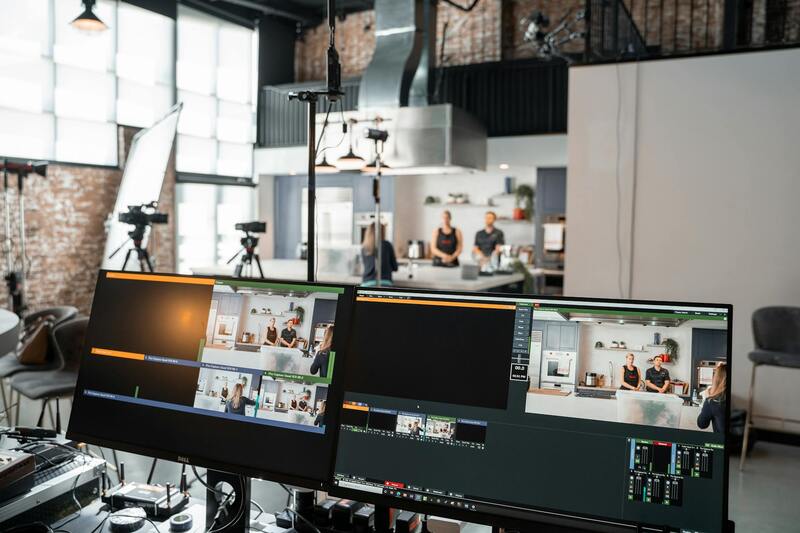
In Miami, a wide range of streaming services cater to diverse needs—from live event broadcasts to professional studio productions. These services can be broadly categorized into live streaming platforms, on-demand streaming sites, and hybrid solutions that combine both functionalities.
- Live Streaming Platforms: These include industry-standard services that facilitate real-time broadcasting to audiences across multiple devices. They are popular among event organizers, corporate entities, and content creators aiming for immediate audience engagement.
- On-Demand Streaming Services: Platforms that host pre-recorded content, allowing viewers to access material at their convenience. These are useful for educational content, promotional videos, and curated media productions.
- Hybrid Solutions: Integrate live and on-demand features, enabling users to host live events while also providing access to recorded footage afterward. This flexibility appeals to brands seeking comprehensive content strategies.
Key Features to Consider When Choosing a Streaming Provider
Selecting the appropriate streaming service is crucial for ensuring seamless delivery and optimal audience experience. Key features to evaluate include:
- Quality of Streaming: Look for providers offering high-definition broadcasts with minimal latency, ensuring clear visuals and smooth transmission.
- Platform Compatibility: Services should support diverse devices, including desktops, smartphones, tablets, and smart TVs, to maximize reach.
- Scalability: The ability to handle a growing number of viewers without compromising performance is essential, especially for large-scale events.
- Interactivity Features: Options such as live chat, polls, and Q&A sessions enhance viewer engagement and participation.
- Security and Privacy: Robust encryption and access controls protect content from unauthorized distribution and ensure privacy compliance.
Top Streaming Equipment and Technologies Used in Miami
The live streaming ecosystem in Miami is supported by a range of advanced equipment and technologies designed to deliver professional-quality broadcasts. Some of the most utilized include:
- High-Definition Cameras: Essential for capturing crisp, clear visuals that elevate the viewing experience.
- Encoding Hardware and Software: Tools that compress visual data for efficient transmission without sacrificing quality.
- Reliable Internet Connectivity: Fiber-optic connections and redundant networks ensure uninterrupted streams during live events.
- Audio Equipment: Professional microphones and mixers are crucial for capturing sound fidelity.
- Streaming Platforms Integration: Use of software solutions like OBS Studio, Wirecast, or vMix to manage live feeds and overlays seamlessly.

Types of Streaming Services Available in Miami
Miami’s vibrant digital landscape offers a diverse array of streaming services tailored to meet the varied needs of content creators, event organizers, and businesses. These platforms are distinguished by their specialized features, target audiences, and technological capabilities, providing options suitable for different scales and types of broadcasts.
Live Event Streaming Platforms
For large-scale events such as concerts, festivals, or corporate conferences, dedicated live streaming services are utilized to ensure high-quality broadcast delivery. These platforms often offer extensive customization options, multiple camera support, real-time analytics, and audience interaction tools. They facilitate seamless integration with social media and websites, allowing event organizers to reach broader audiences while maintaining control over content distribution.
On-Demand Video Services
Platforms like Miami-based media agencies often leverage on-demand streaming solutions to offer pre-recorded content. These services are ideal for showcasing promotional videos, interviews, and educational material. They support customizable playlists, chapters, and various playback controls, ensuring viewers can access content at their convenience, which maintains engagement for longer durations.
Corporate Streaming Solutions
Businesses in Miami increasingly depend on secure streaming platforms for webinars, product launches, and internal communications. These solutions emphasize security and privacy, featuring encrypted channels, access controls, and user authentication. Additionally, they often include tools for attendee management, screen sharing, and detailed engagement analytics.
Social Media Live Streaming
Engagement with social media channels remains a vital component of Miami’s streaming ecosystem. Platforms like Facebook Live, Instagram Live, and YouTube Live enable real-time broadcasting directly to large audiences with minimal setup. These services are favored for their accessibility and ability to foster instant interaction through comments and reactions.

Hybrid Streaming Solutions
Combining elements from various streaming types, hybrid solutions offer flexible approaches that can adapt to specific event requirements. They often incorporate on-site broadcast equipment with cloud-based streaming services, allowing for both live and archival content distribution across multiple channels simultaneously.
Choosing the Ideal Streaming Service for Miami Projects
- Content Compatibility: The platform should support a broad range of media formats and delivery methods to align with content objectives.
- Audience Engagement: Interactive features such as live chat, polls, participant Q&A, and social media integration enhance viewer participation and retention.
- Scalability and Performance: Ensure the service can handle the expected viewer volume without latency or buffering issues, especially during peak times.
- Customization Options: The ability to brand streams with logos, overlays, and custom controls helps maintain a professional appearance.
- Analytics and Reporting: Access to detailed data regarding viewer demographics, engagement metrics, and streaming quality assists in optimizing future broadcasts.

Conclusion
Miami’s streaming landscape offers a comprehensive suite of solutions tailored to meet diverse content delivery needs. By carefully evaluating the available service types and ensuring they align with specific project requirements, content producers and event organizers can achieve impactful broadcast experiences that connect with audiences effectively and securely.
Understanding the Infrastructure Supporting Miami's Streaming Ecosystem
Miami's vibrant streaming scene is underpinned by a robust and diverse infrastructure that caters to a broad spectrum of content delivery needs. Central to this is the availability of high-capacity data centers and cloud services that ensure stable, scalable, and secure transmission of live and recorded content. These facilities are equipped with advanced networking hardware, including fiber-optic lines capable of supporting ultra-high-definition streams, which are essential for high-quality broadcast experiences.
Additionally, Miami benefits from a dense network of internet service providers offering gigabit speeds and low-latency connections. This network density minimizes potential disruptions and buffering issues, even during periods of high demand. Content delivery networks (CDNs) positioned strategically nearby also play a critical role by distributing streams across multiple servers, reducing latency, and improving viewer experience regardless of location.

Moreover, the city's access to cutting-edge broadcast equipment, including multi-camera setups, encoders, and live switching technology, facilitates professional-grade productions. Integral to this setup are satellite uplinks and fiber-optic connections that enable real-time transmission from virtually any venue or outdoor location. These technological advancements allow creators to broadcast live from iconic locations such as South Beach, Bayside Marketplace, or during large-scale events, maintaining high production standards without compromise.
Role of Local Tech Companies and Service Providers
Miami's local technology companies provide vital support to the streaming ecosystem. They offer specialized services such as content encoding, real-time graphics insertion, and multi-platform distribution, which are essential for achieving polished broadcast quality. Many of these providers also offer on-site technical support, ensuring that any unforeseen issues are swiftly addressed to keep streams running smoothly throughout live events.
Furthermore, partnerships with global cloud service providers enable Miami-based producers to leverage global CDN networks, facilitating broad reach and high availability. These collaborations strengthen the overall resilience of streaming operations, especially during major events attracting international audiences.
Licensing, Permitting, and Compliance for Streaming Operations
Running a successful streaming operation in Miami requires adherence to various licensing and permitting protocols. Entities involved in high-profile or commercial streaming must secure appropriate permissions for event coverage, music licensing, and broadcasting rights. It is essential to work with legal advisors familiar with local regulations to navigate these processes efficiently.
Additionally, compliance with data privacy standards and content protection measures is crucial. Implementing secure streaming protocols and digital rights management (DRM) safeguards content from unauthorized access and piracy, ensuring the integrity of broadcasted material.

Future Outlook: Technological Advancements and Market Growth
Looking ahead, Miami's streaming landscape is poised for continued growth driven by advancements in 5G technology, which promises even lower latency and higher bandwidth capabilities. This progression will support more immersive and interactive streaming experiences, including virtual and augmented reality content integration.
As content consumption habits evolve, there will also be increased emphasis on multi-platform streaming, personalized viewer experiences, and real-time analytics. Miami's strategic location and existing infrastructure uniquely position it to capitalize on these trends, fostering innovation and expanding its stature as a hub for digital content production.
Key Features to Consider When Choosing a Streaming Provider
When selecting a streaming service or provider to broadcast in Miami, it is essential to evaluate several critical features that ensure a seamless and professional experience. These features not only influence the quality of the broadcast but also impact reliability, security, and viewer engagement. Here are the primary considerations:
- Bandwidth and Scalability: The provider must offer sufficient bandwidth to handle large viewer numbers without buffering or lag. Scalability ensures the service can accommodate growth in audience size, especially for high-profile events or festivals common in Miami.
- Video Quality and Resolution: High-definition streaming capabilities, including 4K support, contribute to a crisp and engaging viewer experience. Advanced encoding technologies and adaptive bitrate streaming automatically adjust quality based on user bandwidth.
- Latency and Streaming Stability: Low latency is crucial for real-time interactions, especially during live performances or interactive sessions. Reliable servers and content delivery networks (CDNs) help maintain stream stability.
- Security Measures: Robust security features such as encryption protocols, Digital Rights Management (DRM), and password-protected streams protect content from unauthorized access and piracy.
- Multi-Platform Compatibility: The chosen service should support a wide range of devices and operating systems, including smartphones, tablets, desktops, and smart TVs. Compatibility ensures broader reach and viewer accessibility.
- Analytics and Audience Insights: Advanced analytics tools enable content creators and broadcasters to track viewership patterns, engagement levels, and demographic data, facilitating informed decision-making for future productions.
- Customer Support and Technical Assistance: Reliable, responsive support is vital for troubleshooting, especially during live events. Providers with dedicated technical teams ensure minimal disruptions.
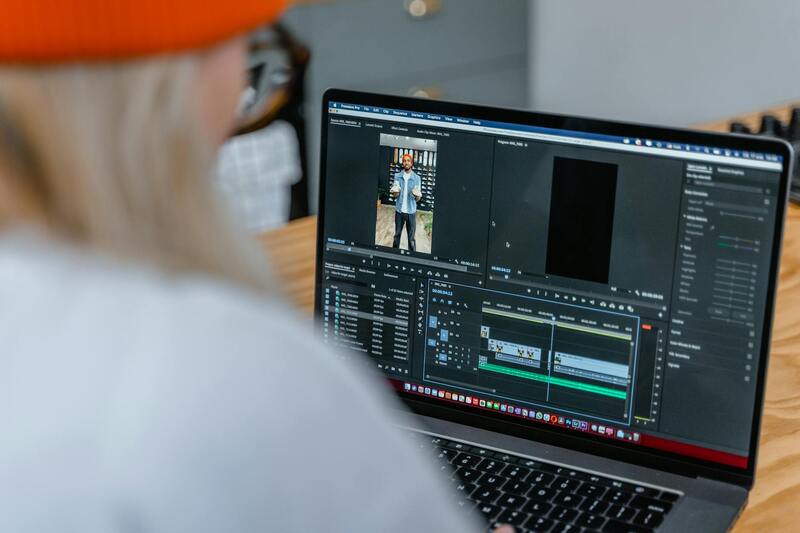
Understanding these key features helps content producers and event organizers select a streaming partner capable of delivering high-quality, secure, and engaging broadcasts tailored to Miami's dynamic entertainment landscape. Prioritizing these factors ensures a professional presentation that resonates with local audiences and extends reach across digital platforms.
Legal and Licensing Considerations for Streaming in Miami
When engaging in live streaming activities within Miami, it is essential to understand the framework that governs content rights, permissions, and compliance. Content creators, event organizers, and broadcasters must secure the proper clearances and adhere to local regulations to ensure smooth and uninterrupted streaming experiences.
Licensing agreements often involve permissions for music, video clips, branded content, and proprietary media. For example, using copyrighted music during a live event necessitates obtaining licenses from relevant rights holders or licensing organizations. This prevents potential legal complications and ensures that all content shared adheres to established standards.
Additionally, public performance rights must be considered, especially when streaming performances or shows that involve third-party content. Prior authorization from content owners or rights societies is usually required, and failing to do so can lead to fines or content removal. Establishing contracts with content licensors and rights agencies in Miami helps build a clear legal foundation for broadcasting activities.
Data privacy and user consent are also critical components of streaming compliance. When collecting viewer data or engaging in interactive streaming, organizations should implement transparent policies aligned with local and federal guidelines. This includes obtaining consent for data collection, informing viewers about how their data will be used, and providing options to opt out where applicable.
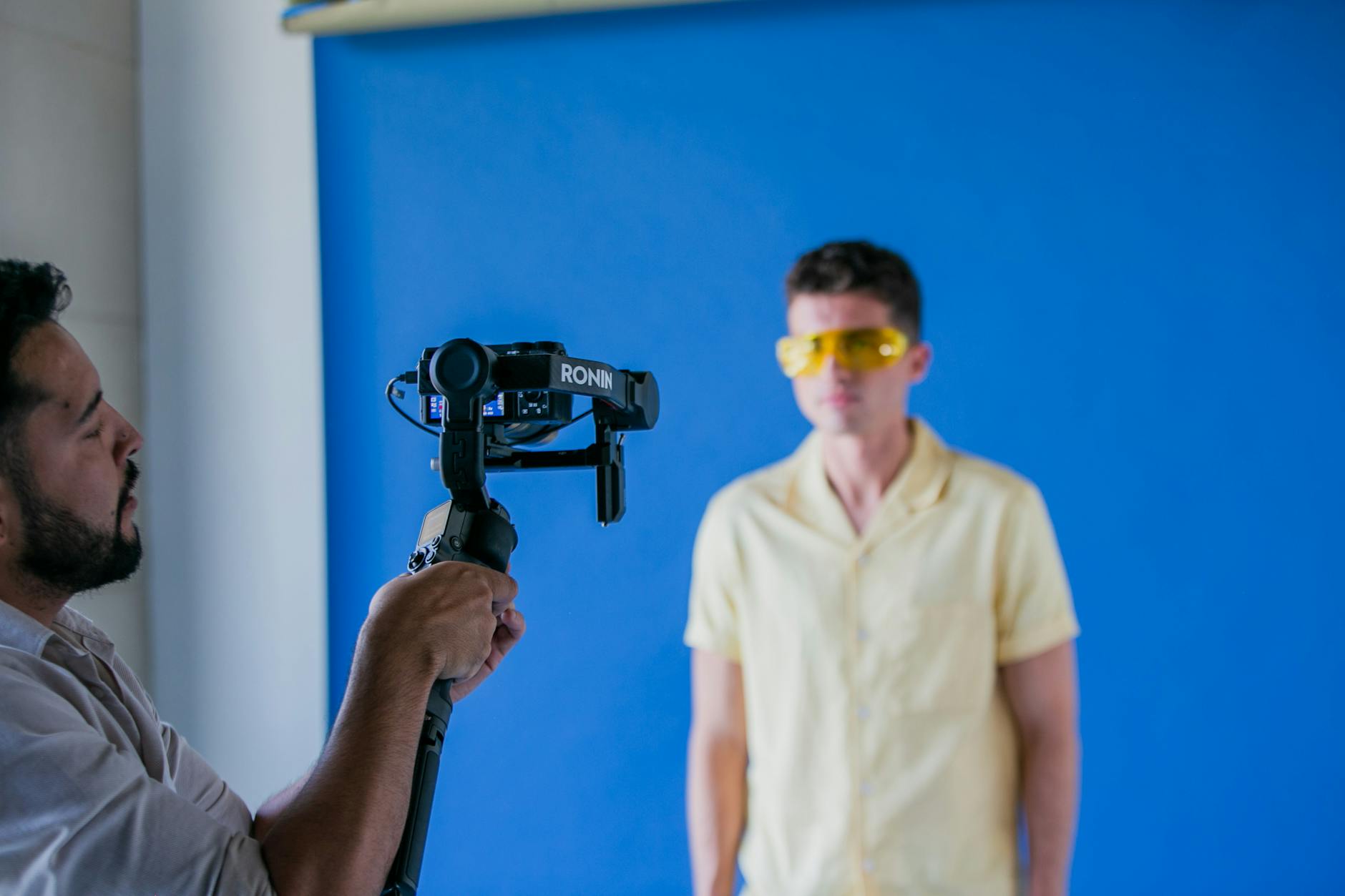
Representatives working with Miami-based production agencies must ensure that all content is properly licensed and that the streaming setup complies with applicable laws. Conducting thorough audits of content rights and consulting with legal experts familiar with Miami's media regulations can prevent violations and safeguard reputation.
In sum, proactive licensing and compliance strategies not only facilitate seamless streaming but also uphold the integrity of content providers in Miami’s vibrant digital landscape. Selecting a production partner well-versed in these aspects helps maintain legal adherence and fosters trust with audiences.
Legal and Licensing Considerations for Streaming in Miami
Successfully streaming content in Miami requires meticulous attention to legal and licensing requirements that govern the use of multimedia material. These considerations are essential to ensure that all broadcast activities align with the regulatory environment and protect the rights of content creators, rights holders, and broadcasters.
Permits and Licenses for Live Streaming Events
Hosting live streaming events in Miami often necessitates obtaining specific permits from local authorities. These permits confirm that the event adheres to safety, noise, and public gathering regulations. When the stream involves public spaces, such as parks or streets, additional authorization from municipal agencies may be necessary. Proper documentation ensures that the event proceeds without interruptions and complies with local ordinances.
Copyright and Content Usage Rights
Incorporating third-party intellectual property into a live stream demands careful attention to copyright laws and content licensing agreements. Content involving music, video clips, images, or proprietary performances must be licensed correctly. Unauthorized use of copyrighted material can result in takedown notices, fines, and damage to reputation. Securing licenses through rights societies or directly from rights holders provides legal clearance for broadcast content.
Adherence to Data Privacy and Viewer Consent Protocols
Miami’s streaming operations should incorporate robust policies for data privacy and consent. When audiences participate via chat, polls, or interactive features, organizations need to inform viewers about data collection practices and obtain explicit consent. Implementing transparent privacy policies and providing viewers with clear options for data management aligns with current data protection standards.

Consulting with Legal and Licensing Experts
To navigate the complex landscape of Miami’s streaming regulations, it is advisable for content producers to collaborate with legal professionals specializing in media law. These experts assist in reviewing licensing agreements, ensuring permit acquisition, and verifying compliance with federal and local laws. Their guidance minimizes risk and helps streamline the streaming process from planning through execution.
Maintaining Records and Documentation
Keeping detailed records of licensing agreements, permits, and consent forms is critical for accountability and future reference. These documents serve as proof of compliance if any disputes or audits occur, reinforcing the organization’s commitment to lawful streaming practices.
Legal and Licensing Considerations for Streaming in Miami
Operating a live streaming platform or event in Miami necessitates a comprehensive understanding of the official procedures and requirements to ensure smooth and compliant operations. Securing appropriate rights and licenses is a fundamental step in this process. Content creators should initiate the process by identifying the rights holders for the material they intend to broadcast. This may involve rights societies, record labels, or individual rights owners.

Obtaining licenses directly from rights holders or through recognized rights organizations helps prevent interruptions and legal complications that may arise from unauthorized streaming. These licenses specify the scope of use, duration, and geographical reach, allowing content providers to operate within established legal frameworks.
Adherence to Data Privacy and Viewer Consent Protocols
As live streaming platforms increasingly incorporate interactive features, maintaining rigorous data privacy and consent protocols becomes essential. Clear policies should be established, informing viewers about data collection practices, such as chat interactions, polls, or personal data submissions. Platforms are advised to implement mechanisms that explicitly seek viewer consent prior to data collection.
Transparency in privacy policies and providing users with control over their data contribute to building trust and complying with standards for data protection. Documenting viewer consent and maintaining records of data management practices are crucial for accountability, especially when handling sensitive information.
Stream Miami: Ensuring Compliance with Local Regulations
Content producers operating in Miami should consult with legal and licensing experts to navigate the local regulatory landscape effectively. Legal professionals with expertise in media and entertainment law assist in reviewing licensing arrangements, securing necessary permits, and confirming adherence to both federal and municipal regulations.
Implementing systematic record-keeping practices, such as maintaining copies of licensing agreements, permits, and viewer consent forms, supports organizational accountability. These records are vital in demonstrating compliance during audits or disputes and help streamline the operational process from the planning stage to live execution.
Legal and Licensing Considerations for Streaming in Miami
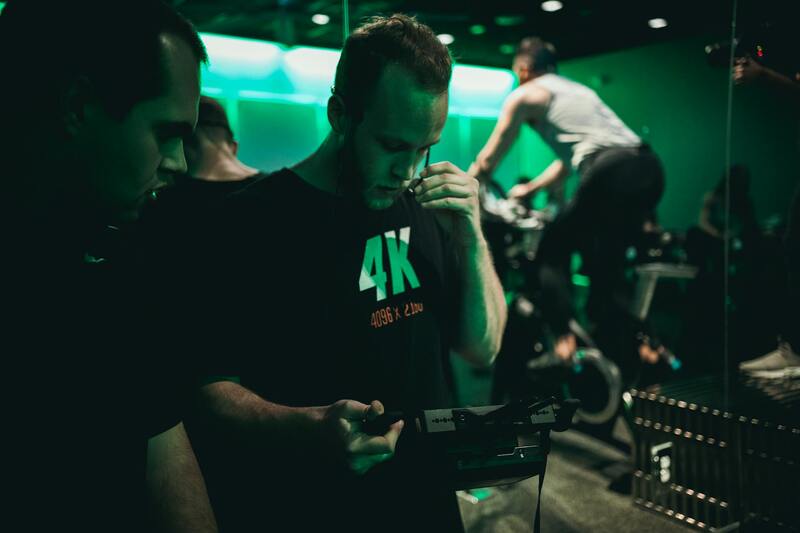
Ensuring proper adherence to licensing agreements and permits plays a crucial role in the smooth operation of streaming activities within Miami. Content creators, event organizers, and broadcasters should prioritize thorough understanding and fulfillment of local licensing requirements to avoid potential disruptions or penalties. This includes acquiring appropriate permits for high-profile events, securing rights for copyrighted material such as music, videos, and images used in streams, and verifying compliance with municipal regulations governing broadcasting activities.
One of the key steps involves engaging with legal professionals who specialize in media and entertainment law. These experts assist in reviewing licensing arrangements, ensuring all necessary documentation is in place, and advising on specific permits needed based on the nature and scope of the streaming project. By doing so, content providers can mitigate risks associated with unintentional violations and establish a solid foundation for ongoing operations.

Maintaining comprehensive records of all licensing agreements, permits obtained, and viewer consents forms a vital part of best practices. These records should be securely stored and readily available for review in case of audits or disputes. Documentation includes signed contracts, licensing certificates, and copies of communication with licensing authorities, which collectively demonstrate compliance with regulatory standards.
Furthermore, broadcasters should implement internal protocols to regularly review and update licensing status, especially when expanding content, adding new features, or entering different market segments. Staying informed about changes in local regulations and industry standards ensures ongoing compliance and minimizes legal risks.
In Miami, especially with its vibrant event scene and diverse content offerings, proactive engagement with licensing authorities and legal advisors is instrumental in safeguarding streaming operations. This approach not only helps to avoid interruptions but also fosters a professional reputation built on transparency and respect for intellectual property rights.
Implementing Best Practices for Data Privacy and Viewer Consent
Beyond licensing, streamers should prioritize data privacy and clear communication with their audiences. Establishing transparent policies regarding data collection, usage, and storage contributes to building viewer trust and aligns with industry standards. Mechanisms such as explicit consent forms before data submission and clear privacy notices are fundamental in demonstrating accountability and respect for viewers’ personal information.
Consistent documentation of viewer consent, along with detailed records of data management practices, supports operational integrity and ensures compliance with overarching data protection standards. These best practices are particularly important in live streaming scenarios that involve interactive features, chat functionalities, or data-driven analytics.
Future Outlook for Streaming Regulations and Content Growth in Miami
As Miami continues to be a hub for innovative content production and immersive live experiences, regulatory frameworks are expected to evolve alongside technological advancements. Increased focus on standards that protect creators and audiences alike encourages the development of structured licensing models and clearer guidelines for emerging streaming formats.
Emerging trends such as augmented reality (AR), virtual reality (VR), and 4K streaming will demand updated licensing and compliance practices. Content producers can anticipate collaborations with local authorities to establish streamlined processes that accommodate new formats while safeguarding intellectual property and consumer rights.
Ongoing dialogue between regulators, industry stakeholders, and content creators will shape a sustainable environment conducive to creative growth and technological innovation. Embracing these developments proactively positions Miami as a leader in responsible and cutting-edge streaming content creation.