Understanding Live Broadcast Production
Live broadcast production is a sophisticated process that involves the real-time capturing, editing, and transmission of video and audio content to an online or traditional broadcast audience. In the vibrant city of Miami, where vibrant events, conferences, and cultural festivals frequently demand professional coverage, mastering live broadcast production ensures that live events are shared with audiences around the globe seamlessly and efficiently. This process combines various technical components, creative elements, and strategic planning to create engaging live experiences that resonate with viewers and meet the objectives of organizers. Its significance extends across corporate events, entertainment, sports, and community celebrations, positioning Miami-based organizations at the forefront of media innovation.
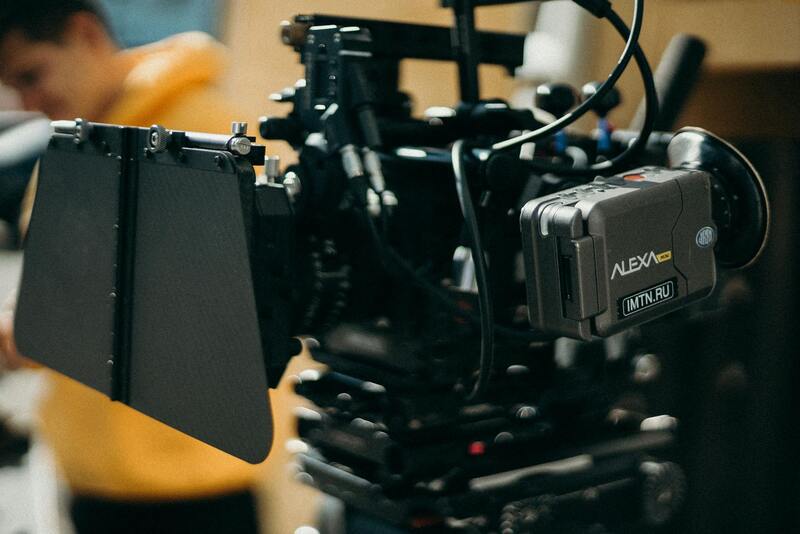
At its core, live broadcast production involves several interdependent components:
- Video Capture: The process begins with capturing video footage using professional cameras, which are often equipped with high-definition capabilities and specialized lenses for diverse shooting conditions.
- Audio Management: Clear, balanced sound is crucial. This includes managing microphone inputs, mixing audio feeds, and ensuring synchronized sound with video.
- Video Switching and Mixing: Multiple camera feeds are integrated through video switchers, allowing real-time selection and transition between different angles and shots.
- Graphics and Overlays: Adding lower thirds, event branding, or live statistics enhances viewer engagement and provides context for the live content.
- Encoding and Transmission: The final output must be encoded into a suitable digital format and transmitted via reliable streaming platforms or networks to reach the target audience.
- Monitoring and Quality Control: During the broadcast, ongoing quality checks ensure that audio and video remain clear, synchronized, and free of technical issues.
The overarching purpose of live broadcast production in Miami is to deliver an authentic, high-quality viewing experience that aligns with the event’s goals. Whether broadcasting a high-profile corporate event to a global audience, a cultural festival for local communities, or a sports competition, professional production techniques ensure the message is conveyed effectively. Accurate coverage captures the atmosphere, highlights key moments, and provides an immersive experience that static recordings cannot achieve. As Miami continues to evolve as a hub for international events and conferences, the demand for expert live broadcast production services grows, emphasizing the importance of precision, technical expertise, and creative execution in every project.
Equipment and Technology Requirements
Successful live broadcast production hinges on deploying cutting-edge equipment and reliable technology. High-definition cameras are fundamental for capturing crisp visuals from multiple angles, providing viewers with a dynamic viewing experience. These cameras should support different resolutions and frame rates to accommodate various content types and streaming platforms. Complementing camera equipment, professional audio gear—including wireless microphones, audio mixers, and soundboards—is essential for capturing clear sound, reducing ambient noise, and ensuring synchronized audio with visual content.
For video switching and mixing, production teams rely on robust hardware switchers that facilitate seamless transitions between camera feeds, overlays, and graphics. Overlay systems, often integrated with graphics engines, enable real-time insertion of lower thirds, event branding, and live statistics, enriching the viewer’s engagement. Reliable encoding devices are necessary for converting raw footage into standardized digital formats compatible with streaming platforms. These encoders should support adaptive bitrate streaming to maintain quality across varying internet speeds.
Network infrastructure is equally critical; high-bandwidth, low-latency internet connections prevent interruptions during broadcast and enable stable transmission. Backup internet solutions, such as cellular bonding or secondary fiber lines, mitigate potential disruptions. Streaming servers and content delivery networks (CDNs) distribute the live feed efficiently across multiple platforms, ensuring wide accessibility for remote audiences.
Team Roles and Responsibilities
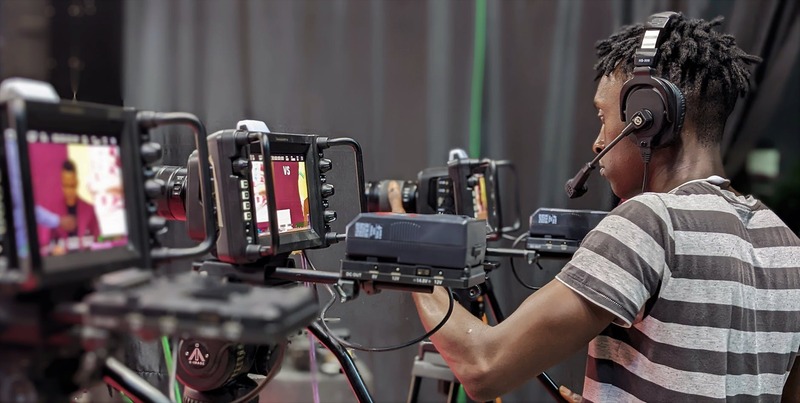
A proficient live broadcast production team comprises various specialized roles, each contributing to a smooth and professional broadcast. The director oversees the entire operation, making real-time decisions on camera shots, transitions, and timing to align with the event's flow and objectives. Camera operators are responsible for capturing critical moments from predetermined angles, facilitated by clear communication with the director. Audio technicians manage sound levels, microphones, and audio feeds to ensure clarity and synchronization.
Graphics operators and overlay specialists handle the integration of visual elements like subtitles, branding, and stats, enhancing the broadcast's informational value. Engineers monitor network performance and troubleshoot technical issues promptly to prevent broadcast interruptions. Additionally, a production assistant supports logistical coordination, ensuring all equipment and personnel are in place and functioning smoothly before the live event.
Setting Up for a Miami Live Broadcast
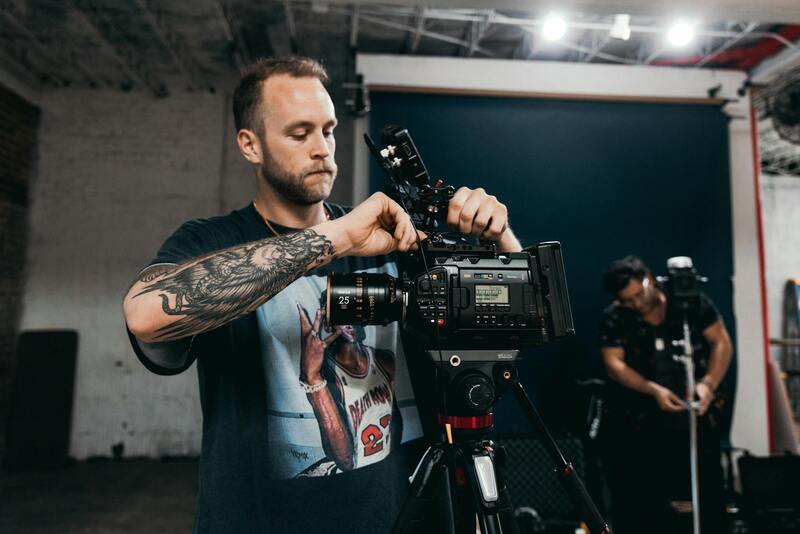
The setup phase involves meticulous planning and execution, particularly considering Miami’s diverse venues and event requirements. Site visits are crucial to assess available infrastructure, lighting conditions, power sources, and space constraints. This preparation informs the selection of suitable equipment, such as portable cameras, stabilization rigs, and sound systems. Proper infrastructure setup also involves establishing a stable internet connection, either through dedicated fiber lines or high-capacity wireless solutions, to facilitate uninterrupted streaming.
Set design, lighting, and staging are coordinated to optimize camera visibility and audience engagement. Technicians test all equipment, perform connectivity checks, and run mock broadcasts to troubleshoot potential issues. Clear communication channels are established among on-site personnel and remote production teams to ensure synchronized efforts during the live event.
Understanding Live Broadcast Production
Live broadcast production is a complex orchestration of technical expertise, creative direction, and meticulous planning to deliver real-time content to audiences across various platforms. It involves multiple stages, from initial concept development to the final distribution, demanding precision at each step to ensure seamless delivery. The core components include pre-production planning, on-site setup, real-time operation, and post-production refinement. Leveraging advanced technology, such as high-definition cameras, robust streaming platforms, and specialized switching equipment, ensures viewers experience high-quality visuals and audio regardless of location constraints.
Essential Functions in Live Broadcast Production
- Content Planning and Scripting: Structuring the flow of the broadcast to maintain viewer engagement.
- Technical Rehearsals: Testing all equipment and network connections to minimize disruptions.
- On-site Coordination: Managing camera operators, sound engineers, and stage managers for synchronized execution.
- Real-time Monitoring: Engineers oversee stream stability, troubleshoot issues, and adjust settings instantly.
- Content Switching and Graphics: Using switchers and graphic overlays to enhance the visual storytelling.
- Audience Interaction: Incorporating live comments and polls to foster viewer involvement.
These functions are supported by a robust infrastructure designed specifically for live event coverage in Miami, ensuring resilience against network fluctuations and environmental challenges. The implementation of redundant systems and backup plans remains crucial for uninterrupted transmission, especially during large-scale broadcasts or high-profile events.
Role of Technology in Modern Live Broadcasts
Technological advancements have transformed live broadcasting from a purely technical activity to a dynamic multimedia experience. The deployment of cloud-based switching solutions allows for flexible management of video feeds, while IP-based transmission protocols facilitate higher resolution streams with lower latency. High-capacity encoders compress audio-visual data efficiently for smoother streaming sessions. Additionally, integrated automation systems help streamline operations and reduce human error during live transitions.
Emerging trends include the use of 4K Ultra HD cameras for sharper visuals, multi-camera setups for varied angles, and drone footage to capture sweeping views. Virtual and augmented reality elements are increasingly incorporated for innovative viewer experiences. As Miami's diverse event venues demand adaptable solutions, selecting the appropriate technology stack becomes vital for achieving production goals.
Integration Measures for Effective Live Broadcasts
Efficient integration of hardware, software, and human resources underpins the success of any live broadcast. This involves configuring equipment to meet the specific requirements of the event venue, such as accommodating different lighting conditions, acoustics, and spatial layouts. Compatibility between cameras, switchers, audio boards, and streaming platforms must be verified to prevent technical conflicts. Implementing network security measures protects against data breaches or interruptions that could compromise the broadcast.
Furthermore, establishing clear communication protocols among team members—including remote operators—enables a synchronized effort. Regular coordination meetings, technical rehearsals, and contingency planning form the backbone of a resilient live broadcasting operation. As Miami continues to attract high-profile events, the capacity to adapt swiftly to unforeseen circumstances remains a hallmark of professional live broadcast production.
Equipment and Technology Requirements
To deliver a seamless and high-quality live broadcast, selecting the right equipment and technological infrastructure is crucial. The foundation of any successful live broadcast production involves a combination of audio-visual hardware, reliable streaming platforms, and robust network solutions.
Professional-grade cameras form the backbone of any live broadcast setup. These include 4K Ultra HD cameras for crisp, detailed visuals, and multi-camera configurations that allow for dynamic shot composition, capturing different angles and reactions to enhance viewer engagement. In addition, drone footage can provide breathtaking panoramic views, especially when covering large outdoor events or venues with expansive landscapes.
Audio quality is equally critical. High-fidelity microphones, mixer boards, and sound reinforcement systems ensure clear, balanced audio transmission. Wireless microphones and in-ear monitors facilitate mobility for presenters and performers, maintaining clarity without restricting movement.
Switchers and video processors are used to seamlessly transition between camera feeds, incorporate graphics, and apply real-time effects that make the broadcast visually engaging. Hardware encoders and streaming devices convert the captured signals into formats compatible with online platforms, reducing latency and buffering issues.
Furthermore, the stability of internet connections cannot be overstated. Fiber-optic networks or dedicated bandwidths safeguard against interruptions, ensuring uninterrupted streams. Backup internet solutions and power generators are often employed to mitigate risks associated with outages or fluctuations.
Integration of virtual and augmented reality (VR/AR) elements is increasingly popular for immersive experiences. These require specialized hardware and software capable of combining real-world feeds with virtual overlays, demanding precise calibration and high-performance computing resources.
Security measures, including firewalls and encryption protocols, protect the data transmitted during broadcasting. Ensuring compatibility across all hardware and software components involves thorough testing and calibration prior to the event. Setting up such systems requires skilled technicians familiar with the latest broadcast standards and industry best practices.
In Miami’s vibrant event ecosystem, customization of equipment to fit specific venue characteristics — such as acoustics and lighting — is essential. This tailoring ensures optimal performance regardless of environmental variables, making technological preparedness a differentiator in successful live productions.
Team Roles and Responsibilities
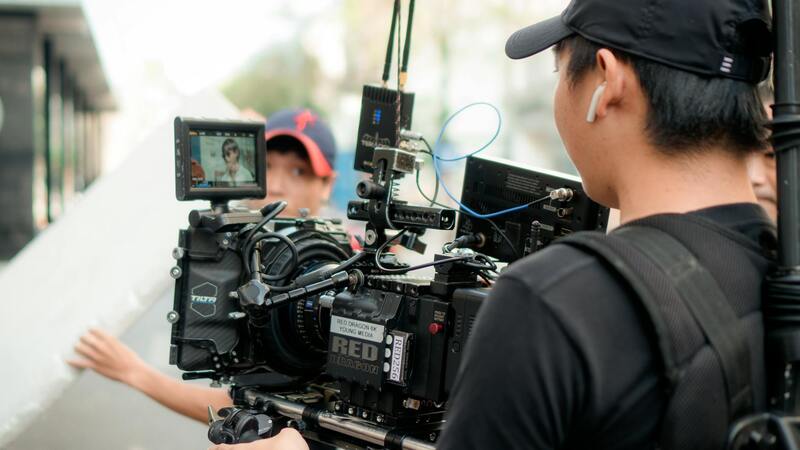
Executing a successful live broadcast production hinges on well-coordinated teamwork, where each member understands their specific role and responsibilities. A typical production team includes a director, producer, camera operators, audio engineers, lighting technicians, and technical support personnel. The director oversees the entire broadcast, making real-time decisions and cueing camera shots, transitions, and graphics to ensure a seamless viewing experience. The producer manages the overall schedule, coordinates with talent, and handles logistics to keep the production on track. Camera operators are responsible for capturing high-quality footage, adjusting angles, framing shots, and ensuring proper focus. Audio engineers manage sound mixing, balancing microphones and ambient noise to deliver clear, professional audio. Lighting technicians fine-tune the lighting setup to enhance visibility and mood, adapting to live changes and environmental conditions. Technical support staff monitor hardware and software systems continuously, troubleshooting any issues that may arise during the broadcast. A proficient live broadcast production team also employs a control room setup, where the director and technical team coordinate via communication tools. This setup includes multiple monitors to observe different camera feeds, graphics, and live streaming interfaces, facilitating quick adjustments and ensuring overall broadcast quality. Each team member must have a thorough understanding of industry standards, safety protocols, and the latest broadcasting technology. Regular rehearsals, technical run-throughs, and communication drills are vital for identifying potential issues and establishing efficient workflows. This meticulous preparation minimizes errors during live production, guaranteeing a polished and professional broadcast that resonates with the audience.
Setting Up for a Miami Live Broadcast
Implementing a seamless live broadcast in Miami requires meticulous setup, with particular attention to the unique environment and infrastructure of the location. This stage involves selecting an appropriate site, ensuring stable power sources, and establishing reliable internet connectivity to support high-quality streaming without interruptions. It is essential to conduct a thorough site survey beforehand, identifying optimal camera angles, sound considerations, and potential environmental challenges such as ambient noise or weather conditions.
One of the critical technical components during setup is the deployment of robust internet solutions, including dedicated fiber lines or bonded cellular technology, to guarantee a high bandwidth and consistent stream. Redundant internet connections serve as backups to mitigate disruptions should primary connections fail, maintaining a smooth live broadcast experience.
Beyond connectivity, audio and visual infrastructure must be carefully installed. This involves setting up professional-grade cameras, microphones, and lighting equipment tailored to the specific scene or event. Proper placement enhances shot composition, ensures clear sound capture, and optimizes lighting conditions, especially in dynamic or outdoor settings.
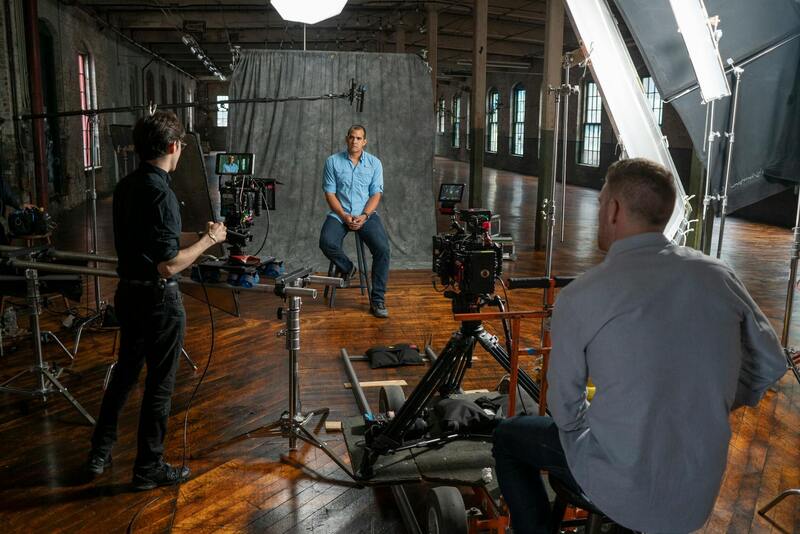
The logistical coordination includes confirming power sources, securing permits if necessary, and establishing designated areas for equipment, crew movement, and guest or talent handling. An operational command center or control room should be configured on-site, equipped with monitors, communication headsets, and streaming interfaces for real-time oversight and adjustments. This central hub acts as the nerve center for directing live content, managing technical issues, and coordinating team efforts seamlessly.
Moreover, safety protocols must be integrated into the setup process. This involves ensuring all equipment is safely anchored and protected against environmental factors, following electrical safety standards, and establishing emergency procedures. Regular equipment checks and calibration are performed pre-event to address potential technical hiccups proactively.
Effective coordination among the production team, technical staff, and talent is vital. Clear communication channels and contingency plans should be established beforehand, allowing swift response to unforeseen circumstances. This preparation sets the stage for a professional, engaging broadcast that meets industry standards and audience expectations in Miami’s vibrant setting.
Understanding Live Broadcast Production
Live broadcast production serves as the backbone of delivering real-time content to viewers across multiple platforms. It involves meticulously coordinating various technical elements, personnel, and logistics to ensure a seamless streaming experience. In Miami’s vibrant environment, effective live broadcast production demands an understanding of the unique challenges posed by outdoor conditions, urban settings, and diverse audience expectations. From initial planning to post-event distribution, each stage plays a critical role in shaping a high-quality broadcast that resonates with viewers and meets professional standards.
Pre-Production Planning and Strategy
Successful live broadcast production begins firmly in the planning phase. This encompasses defining clear objectives, understanding target audience demographics, and establishing the scope of the event. Detailed scheduling ensures all team members are aligned on timelines and crucial milestones. Accompanying this is a comprehensive content strategy that includes script development, segment planning, and identifying pivotal moments to highlight during the broadcast.
Location scouting is integral, especially in Miami’s diverse settings—from coastal outdoor venues to bustling urban rooftops. Site surveys help identify potential obstacles like lighting inconsistencies or background noise that could impact audio-visual quality. Permits and legal considerations are addressed early on to avoid disruptions, especially when filming in public spaces or protected areas. Engaging with local authorities ensures compliance and facilitates access during the event day.
Equipment and Technology Requirements
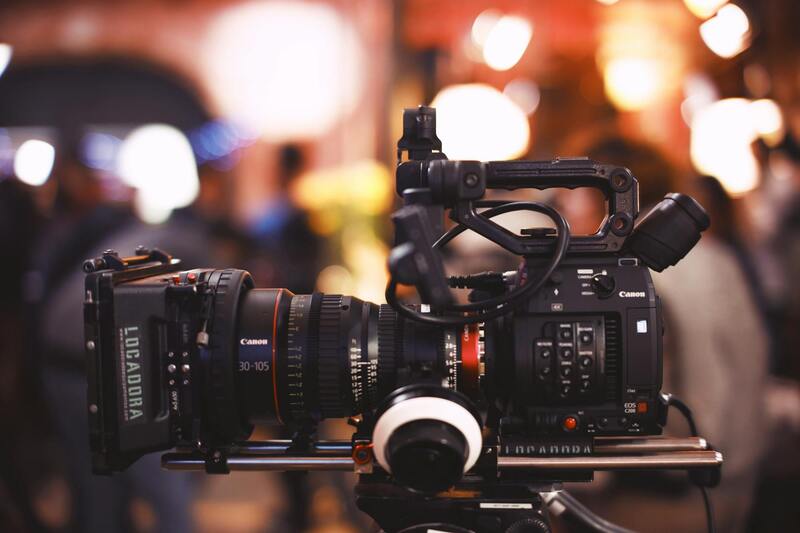
- High-definition cameras with stabilized mounts capable of capturing dynamic scenes and outdoor environments.
- Switching consoles that enable seamless transitions between camera feeds, graphics, and pre-recorded content.
- Audio equipment including wireless microphones, mixers, and soundproofing measures to optimize sound clarity regardless of ambient noise.
- Reliable internet connections with backup options such as cellular bonding or fiber-optic lines to prevent stream interruptions.
- Streaming platforms and hardware interface devices compatible with various social media, web portals, and content delivery networks.
Team Roles and Responsibilities
An effective live broadcast production team comprises specialized roles working in harmony to deliver a polished final product. Core roles include:
- Producer: Oversees the entire operation, coordinates between departments, and manages the overall schedule.
- Director: Makes real-time creative decisions, controls camera angles, and signals technical cues to facilitate smooth transitions.
- Technical Director: Operates switching equipment and adjusts feeds based on director’s instructions while monitoring stream quality.
- Audio Engineer: Manages sound sources, balances audio levels, and addresses sound-related issues promptly.
- Camerapersons: Handle various camera setups, ensuring optimal framing and focus during live segments.
- Graphics Specialist: Creates and integrates animated overlays, titles, and informational graphics in real-time.
Setting Up for a Miami Live Broadcast
Preparation at the venue is crucial for a successful live event. Setting up involves meticulous placement of all technical equipment, ensuring proper power sources, and establishing a secure environment resistant to Miami’s weather variations. Environmental considerations include waterproofing measures and wind protection for outdoor setups.
On-site logistics involve allocating space for the control room, equipment staging, and crew operations. Establishing reliable communication channels, like intercom systems and wireless headsets, facilitates constant coordination. Safety procedures should include securing heavy equipment to prevent accidental movement and adhering to electrical safety standards. Environmental impact assessments might be necessary, especially in outdoor or protected sites.
Executing the Live Broadcast
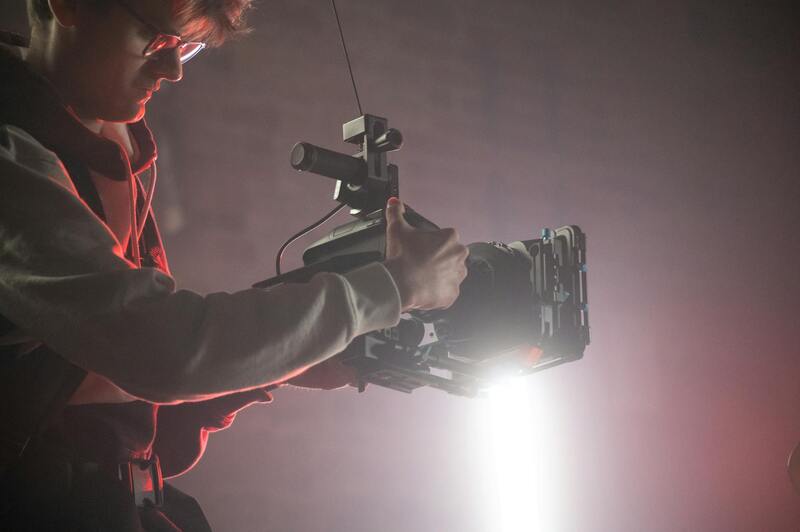
Execution revolves around real-time coordination among technical and creative teams. The director directs camera operators, switches feeds, and manages graphics, always aiming to keep the broadcast engaging. Continuous monitoring of stream stability and video quality allows for immediate troubleshooting of issues, minimizing disruptions.
Effective communication is maintained through dedicated channels, enabling quick responses to unforeseen circumstances. Contingency plans, such as backup internet connections, spare equipment, and ready-made reroute strategies, are vital. Talent and crew must be briefed thoroughly beforehand, with rehearsals conducted to align everyone on cues, timing, and emergency procedures.
During the broadcast, constant oversight by control room personnel ensures everything runs smoothly. Adjustments to camera angles, audio levels, and graphics are made dynamically to enhance viewer engagement. Emphasizing professional presentation and technical excellence guarantees the live event meets audience expectations and industry standards.
Ensuring Quality Control During Live Broadcasts
Maintaining the highest quality standards during a live broadcast is integral to delivering a seamless viewing experience. To achieve this, continuous monitoring of video and audio streams is essential. Skilled control room personnel oversee feed stability, synchronize graphics with live footage, and manage audio levels to prevent distortions or inconsistencies. Implementing redundant systems, such as backup internet connections and duplicate hardware, acts as a safeguard against potential technical failures. This proactive approach allows teams to switch swiftly to backup sources, minimizing interruptions and ensuring the broadcast remains uninterrupted.
Implementing Effective Communication Protocols
Real-time communication is vital for the coordination of various technical and creative teams involved in live production. Clear, reliable channels—such as dedicated radio or intercom systems—ensure quick dissemination of instructions and immediate response to on-the-spot issues. Pre-established protocols streamline decision-making, enabling rapid adjustments to camera angles, graphics, or audio parameters as needed. Regular briefings and rehearsals reinforce team awareness of roles, emergency procedures, and contingency plans, fostering a cohesive operational environment.
Managing Contingencies and Troubleshooting
Despite meticulous planning, unforeseen issues may arise during a broadcast. Effective contingency plans should include backup power supplies, alternative camera feeds, and spare equipment for critical components like encoders, microphones, and monitors. Designating a troubleshooting team allows for swift diagnosis and resolution of technical problems, reducing downtime. For instance, if a camera malfunction occurs, switching to preset backup angles maintains the broadcast flow. Additionally, staff should be trained to handle common challenges efficiently, ensuring minimal disruption to the live stream.
Optimizing Viewer Engagement and Interactivity
Enhancing audience involvement during live broadcasts can significantly elevate the event’s impact. Incorporating live polls, real-time comments, or social media interactions offers viewers a participatory experience. Technical systems should support such engagement tools seamlessly, with dedicated personnel managing these interactions to ensure smooth implementation. Live chat moderation and immediate responses foster a sense of community, while strategically placed graphics and animations can emphasize key moments, keeping viewers invested throughout the event.
Adapting to Emerging Technologies and Trends
Staying ahead in the live broadcast industry necessitates embracing innovative technologies and current trends. The adoption of cloud-based streaming solutions provides scalability and flexibility, allowing content distribution to multiple platforms effortlessly. High Dynamic Range (HDR) and 4K Ultra HD video transmission enhance visual quality, offering viewers a more immersive experience. Additionally, integrating augmented reality (AR) and virtual sets can create dynamic environments that captivate audiences. Live data integration, such as real-time statistics or interactive maps, further enriches content and engages viewers on a deeper level.