Understanding Live Streaming Productions
Live streaming productions have transformed the way organizations, brands, and individuals share their messages with a global audience in real time. This dynamic form of broadcasting allows content to be transmitted over the internet instantly, enabling viewers from different locations to participate actively and engage directly with the event. Live streaming encompasses a broad spectrum of events, ranging from corporate meetings, product launches, webinars, and educational seminars to entertainment shows, sports events, concerts, and community gatherings. Its primary purpose is to deliver high-quality, uninterrupted content that captures the authenticity and immediacy of real-world events, fostering deeper engagement and expanded reach compared to traditional broadcasting methods.

Essentially, live streaming productions serve as a powerful tool for communication and marketing, enabling organizations to connect with their audiences in a transparent and impactful manner. They are particularly valuable when the goal is real-time interaction or immediate audience feedback. The types of events typically broadcasted live include large corporate conferences, entertainment shows, weddings, religious ceremonies, political rallies, sporting events, and community festivals. These productions require meticulous planning and execution to ensure that the content delivered is professional, engaging, and technically flawless, which is why many turn to specialized live streaming service providers with expertise in event broadcasting.
Key Components of Live Streaming Setup
An effective live streaming setup encompasses several critical components designed to deliver a smooth viewing experience. These include:
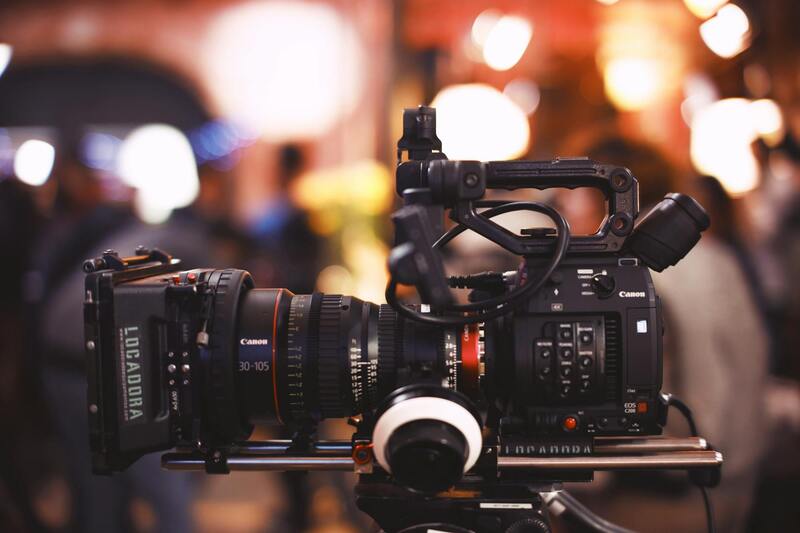
- Video and Audio Equipment: High-definition cameras and professional microphones to capture clear visuals and crisp sound.
- Streaming Software: Tools that encode, manage, and distribute live content to various platforms.
- Reliable Internet Connectivity: High-bandwidth, low-latency internet connections are essential to transmit live footage without interruptions.
- Production Crew: Skilled technicians and directors to manage camera angles, audio levels, and overall production quality.
- Hosting Platform: A robust streaming platform capable of handling viewer traffic, providing analytics and monetization options.
Combining these elements effectively ensures that the live stream maintains consistent quality throughout the event, minimizes technical issues, and enhances the overall viewer experience.
Planning and Pre-Production for Live Streaming Events
Successful live streaming begins well before the event goes live. Planning and pre-production involve detailed coordination to ensure all technical, logistical, and content elements are aligned. This phase includes defining clear objectives for the event, identifying target audiences, and selecting the most appropriate streaming platform. Detailed timelines and shot lists are prepared for camera operators and directors to follow, aiming to capture all key moments seamlessly.
Other critical tasks during this phase involve conducting technical rehearsals to troubleshoot potential issues, testing internet bandwidth, and ensuring all equipment functions optimally. Content preparation, such as script development, speaker briefings, and visual assets, is also a key component. Effective pre-production minimizes surprises during the live broadcast, enabling a smooth, professional presentation that meets audience expectations.
Production Process and Execution
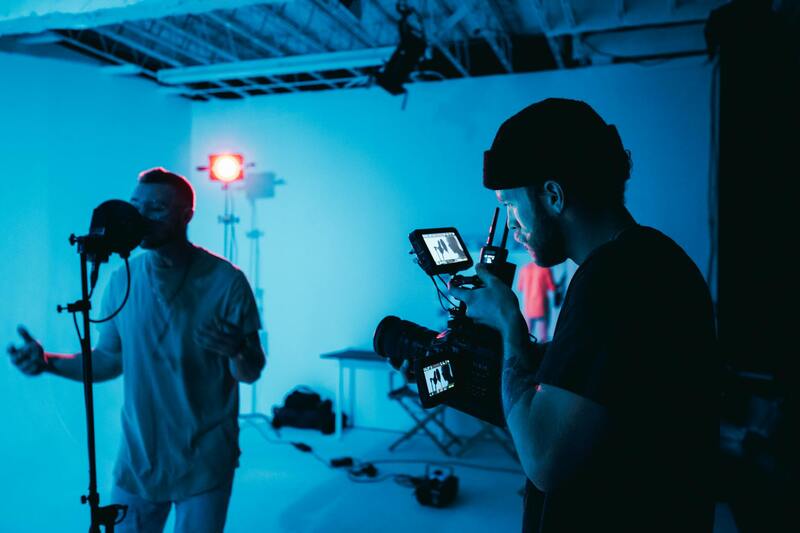
During the live event, the production team coordinates multiple elements to create a cohesive broadcast. Camera operators capture different angles, while directors oversee transitions, graphics, and overall flow. Sound engineers monitor audio quality, adjusting levels as needed to prevent distortions or delays. The production crew also manages the live feed, ensuring that all visual and audio elements are synchronized.
Real-time monitoring allows operators to address technical issues immediately, such as signal drops or audio glitches. Additionally, engaging visuals, on-screen graphics, and interactive features can be incorporated to enhance viewer experience and encourage participation. A well-executed production team ensures the event runs smoothly from start to finish, maintaining high production standards and audience engagement throughout.
Key Components of Live Streaming Setup
Establishing a high-quality live streaming production requires a comprehensive setup of specialized equipment and reliable technology. Central to this setup are professional-grade cameras capable of capturing crisp, clear visuals from multiple angles. These cameras often support high-definition or 4K resolution, ensuring an immersive viewing experience for the audience. Alongside cameras, video encoders are essential; they compress and convert raw footage into digital signals suitable for live transmission, facilitating smooth delivery across various platforms.
Reliability in internet connectivity is paramount for uninterrupted streams. Dedicated fiber optic lines or bonded broadband solutions are commonly employed to guarantee sufficient upload bandwidth and reduce latency. Network stability prevents buffering or signal drops that can compromise broadcast quality.
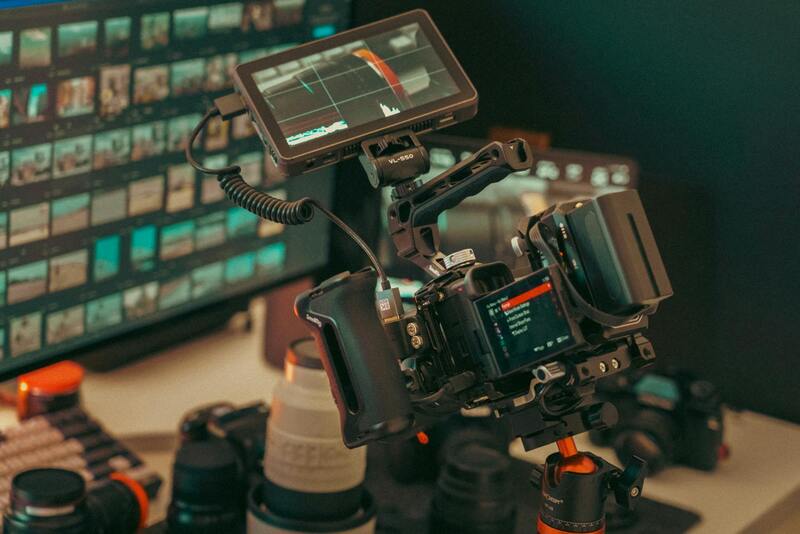
Complementary hardware includes audio mixers, microphones, and soundproofing to ensure crystal-clear audio; hardware switchers or multi-viewers to manage multiple camera feeds; and lighting systems that enhance visual clarity and mood. For production control, hardware and software-based switchers enable real-time image transitions, overlays, and graphics.
Integration of these components relies on robust networking infrastructure, power backup solutions, and calibration tools to optimize performance before and during the broadcast. Properly configuring and testing each piece of equipment in advance mitigates potential technical hiccups during live streaming.
Planning and Pre-Production for Live Streaming Events
Effective pre-production planning is critical to delivering a polished live event. This stage involves meticulous scheduling, scripting, and coordination with all participants, including speakers, performers, and technical staff. Developing a detailed run sheet ensures that everyone understands timing, camera cues, and transitions.
Content development forms a core part of pre-production, involving creating visual assets, animations, lower thirds, and other on-screen graphics that enhance information delivery. Conducting technical rehearsals allows teams to test equipment, troubleshoot potential issues, and familiarize speakers with their setups. Lighting, sound, and camera angles are tested to ensure optimal quality.
A comprehensive pre-production plan includes contingency strategies for technical failures or unforeseen events. Clear communication channels among team members promote synchronization during the event, reducing the risk of disruptions and maintaining a professional flow.
Understanding Live Streaming Productions
Live streaming productions involve a complex orchestration of audiovisual elements designed to deliver real-time content to viewers across digital platforms. As technology has evolved, the methods used to produce seamless live broadcasts have advanced significantly, incorporating high-quality equipment, sophisticated software, and meticulous planning. This process begins with a clear understanding of the goals for each event—be it corporate conferences, entertainment shows, sports events, or community gatherings. Successful live streaming production not only depends on the technical execution but also on strategic content creation and audience engagement techniques that ensure a professional presentation from start to finish.
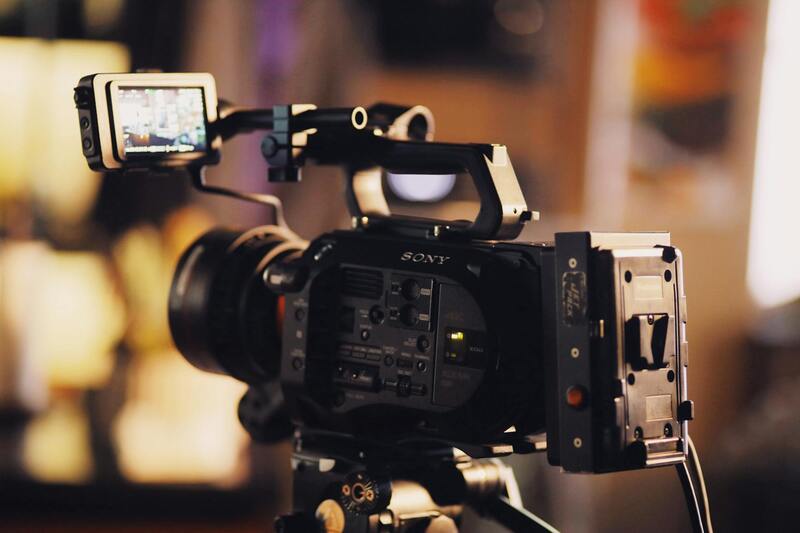
At its core, live streaming production integrates multiple components including video capture devices, audio systems, real-time switching software, and distribution platforms. These components must work seamlessly to provide viewers with an engaging and uninterrupted experience. Choosing the right equipment and software tailored to the specific requirements of the event is essential, alongside ensuring robust network infrastructure capable of handling high bandwidth demands without latency issues.
Furthermore, the production team must coordinate various technical elements, from camera angles to on-screen graphics, to create a visually compelling flow. Effective communication among crew members during the event facilitates smooth transitions, synchronized cues, and instant troubleshooting. Proper audio mixing and lighting are equally vital to ensure clarity and visual appeal, especially when broadcasting across different viewing devices and environments.
Key Components of Live Streaming Setup
- Video Capture: High-resolution cameras and capture cards to transmit sharp images.
- Switching Software: Hardware or software-based switchers to manage multiple feeds in real-time.
- Audio Equipment: Mixers, microphones, and soundboards for clear audio delivery.
- Graphics and Overlays: Lower thirds, branding elements, and animations to enhance visual storytelling.
- Streaming Platform Integration: Reliable platforms and CDN services to distribute content efficiently.
- Networking Infrastructure: High-capacity, stable internet connections with backup solutions to prevent disruptions.
- Power Backup and Calibration: UPS systems and calibration tools to maintain consistent performance under various conditions.

The Importance of Rigorous Planning and Testing
Executing a flawless live streaming event hinges on meticulous pre-event planning and rigorous testing. This includes detailed scheduling, scripting, and rehearsals which serve to identify potential technical flaws and troubleshoot issues before the live broadcast. Pre-production meetings help align all participants on timing, cues, and transitions. During technical rehearsals, adjustments are made to lighting, sound, and camera angles to optimize visual and auditory quality. Moreover, establishing clear lines of communication among the crew ensures real-time coordination, enabling swift responses to any unforeseen challenges during transmission.
Such preparation extends to developing contingency plans for common issues such as equipment failure, internet outages, or unexpected interruptions. Maintaining a detailed checklist and conducting dry runs with all technical components reinforces confidence, reducing the likelihood of disruptions. In addition, implementing live monitoring solutions allows the team to oversee the stream continuously and address problems as they arise, ensuring a smooth and professional viewing experience.
Ultimately, comprehensive training for technical staff and rehearsal sessions with on-camera talent form a vital part of the preparation process, enabling everyone involved to perform at their best during the live event. These steps contribute significantly to the overall quality, reliability, and audience engagement of live streaming productions.
Production Process and Execution
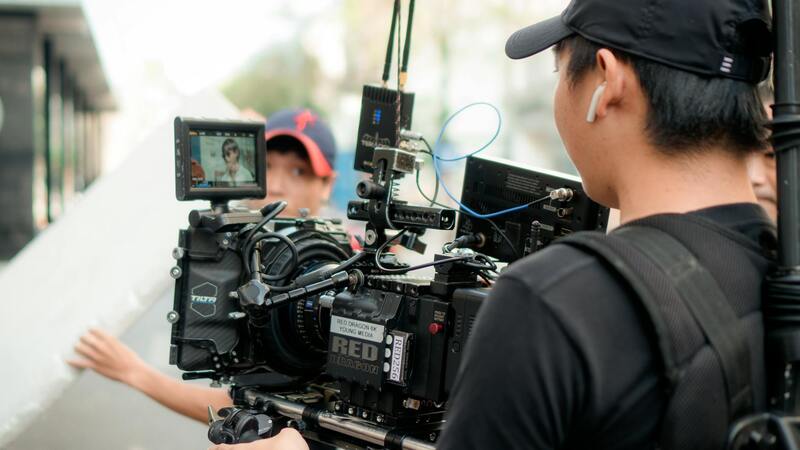
Executing a professional live streaming production involves a seamless integration of multiple technical elements working in harmony. At the core, live recording requires the use of high-definition cameras, strategically positioned to capture the event from various angles. Multi-camera switching is essential for providing dynamic perspectives, allowing the production team to seamlessly transition between shots, close-ups, and wide-angle views. These transitions keep viewers engaged and help convey the event's atmosphere effectively.
Audio management is equally critical, as clear and balanced sound enhances the viewer's experience. Skilled audio engineers monitor and adjust ambient sound, microphone feeds, and background music in real time to prevent audio lag, distortion, or imbalance. Fine-tuning audio ensures speakers, performers, and narration are heard with clarity across all streaming devices.
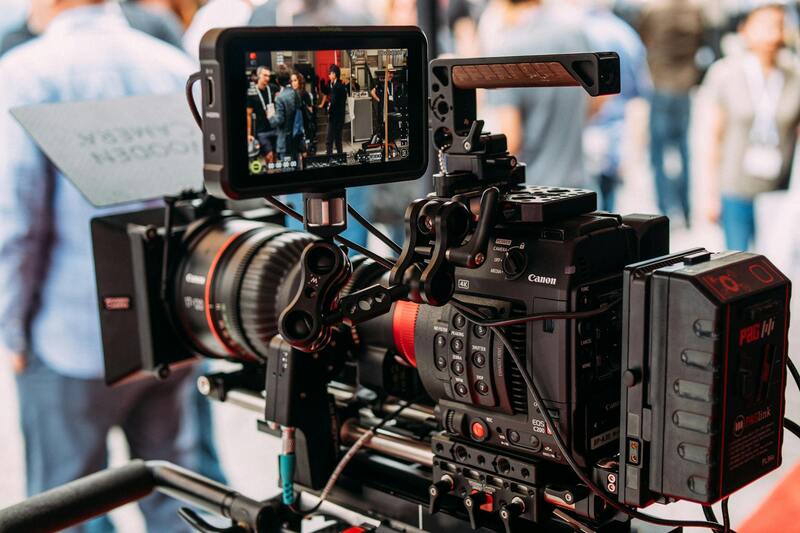
The live streaming process itself entails encoding the audio and video signals for digital transmission. High-quality encoders convert raw feeds into compressed formats suitable for various online platforms. These signals are then transmitted via reliable internet connections using streaming protocols designed for low latency and minimal buffering. A dedicated streaming server or cloud-based solution distributes the content simultaneously across multiple platforms, such as social media channels, websites, or bespoke player applications.
During the broadcast, constant monitoring is vital. Production operators keep an eye on the stream's health, ensuring uninterrupted transmission and quick troubleshooting if issues arise. This real-time oversight involves adjusting camera angles, switching feeds, managing audio levels, and responding swiftly to any unexpected glitches.
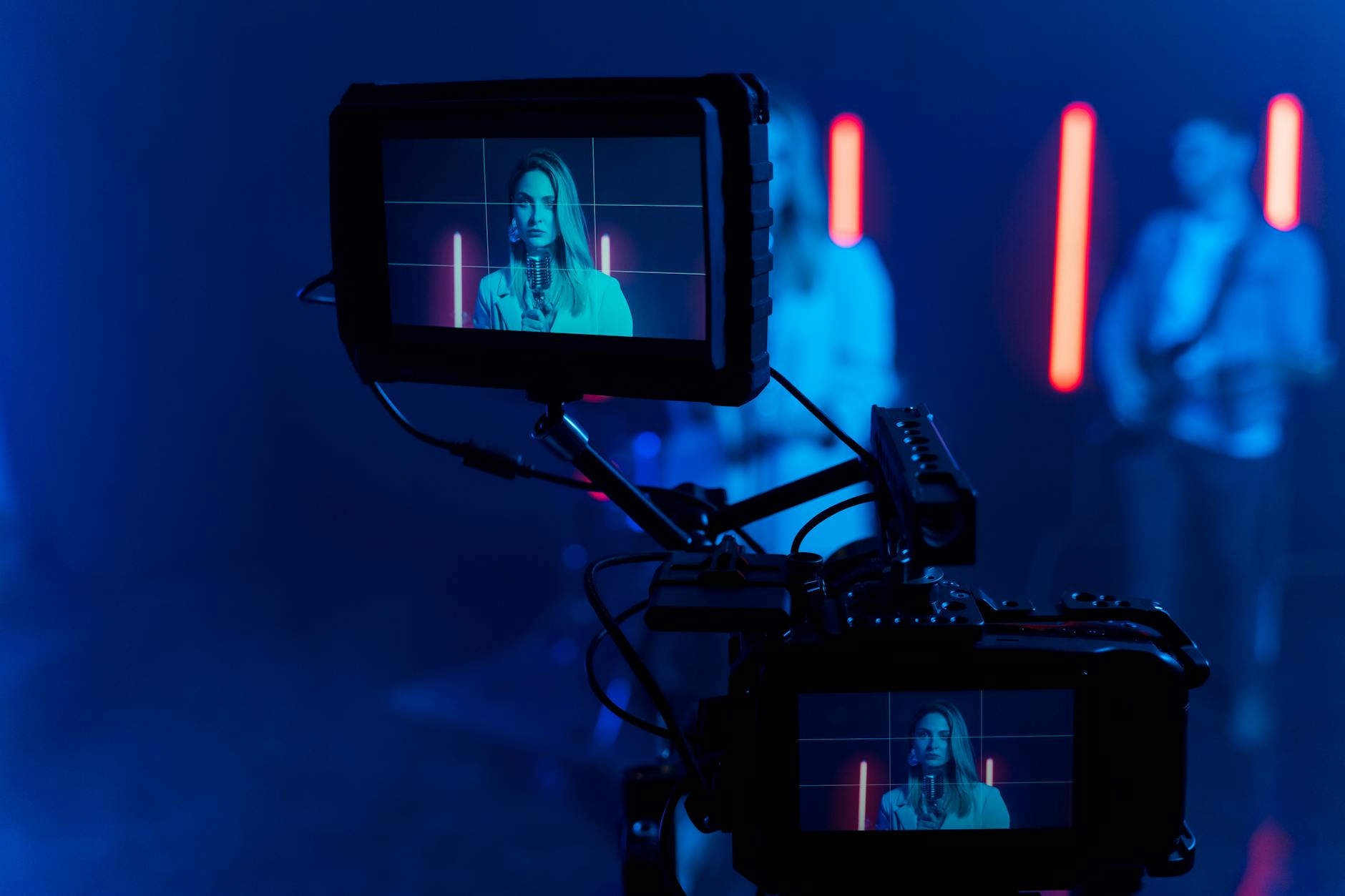
Overall, the production process relies on precise coordination among camera operators, audio technicians, stream managers, and technical directors. This collaborative effort results in a polished live event that authentically captures the energy of the moment while maintaining technical excellence. The combination of robust equipment, skilled personnel, and real-time management ensures that live streaming productions deliver engaging content that resonates with viewers across diverse digital landscapes.
Advanced Techniques in Live Streaming Productions
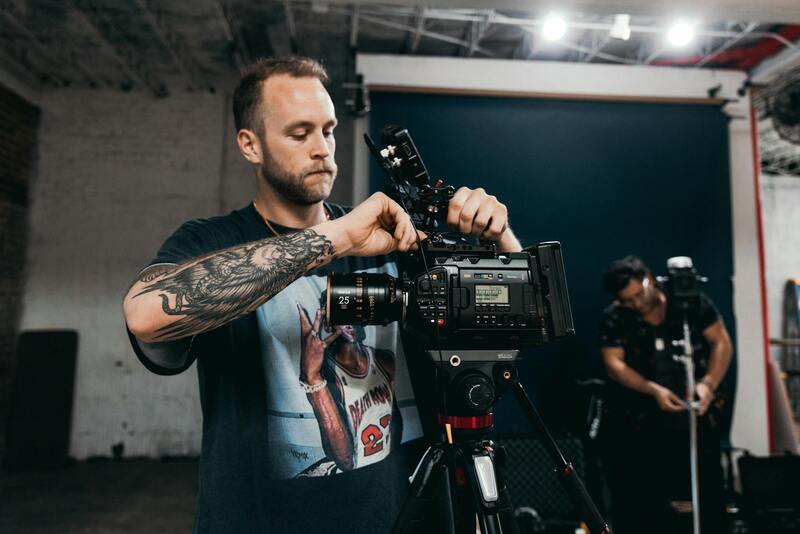
Maximizing the impact of a live streaming event requires more than just the basic setup; it involves integrating advanced techniques to enhance viewer engagement, ensure seamless delivery, and adapt to evolving digital trends. One such technique is the incorporation of multi-camera switching with dynamic angles, which provides a more immersive experience. By utilizing professional switchers, production teams can seamlessly transition between multiple video sources, such as handheld cameras, drone footage, or static shots, creating a visually compelling narrative.
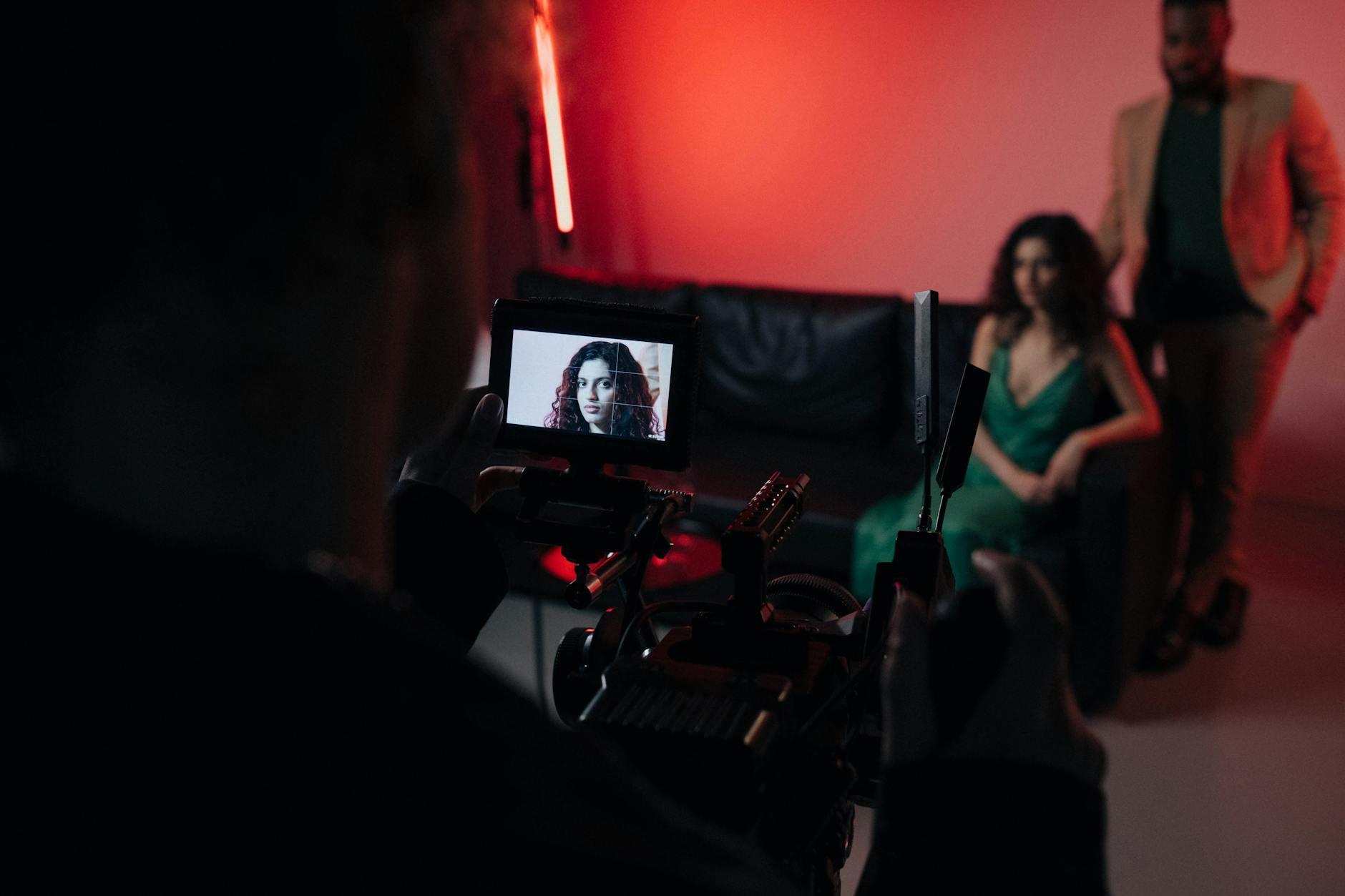
Another vital aspect is real-time graphics and overlays, which include lower thirds, live scoreboards, social media feeds, and branding elements. These add layers of information and visual interest, making the stream more interactive and informative. Advanced software solutions allow for the customization of these visuals to match the event’s branding and messaging seamlessly.
High-Quality Audio Management
Attentive audio management is crucial for professional live streaming productions. Employing multiple microphones—lapel, shotgun, and direct inputs—ensures clear audio capture of speakers, performers, and ambient environment. Proper audio mixing, noise reduction techniques, and sync management eliminate distractions and guarantee that sound quality matches the high video standards. Using audio processors and digital mixers allows technicians to manage multiple audio sources precisely, providing a balanced and immersive soundscape.
Utilizing Cloud-Streaming Platforms and CDN Integration
The integration of cloud-based distribution channels and Content Delivery Networks (CDNs) plays a pivotal role in broadcasting high bandwidth streams reliably. Cloud platforms enable scalable streaming solutions that can handle large viewership volumes without latency. They also facilitate dynamic adaptive streaming, where video quality adjusts automatically based on the viewer’s internet speed, ensuring continuous engagement. Deployment of multiple CDN nodes reduces buffering, decreasing latency and providing a smooth viewing experience across different geographic locations.
Incorporating Interactive Features
Interactivity is a game-changer in live streaming, fostering a sense of community and participation. Features such as live polls, Q&A sessions, chat functions, and social media integration encourage viewer interaction in real time. These elements require strategic placement within the production workflow, with dedicated operators managing viewer engagement alongside technical operations. This dual focus maintains professionalism while enhancing viewer retention rates.
As businesses and organizations increasingly adopt live streaming, leveraging these advanced production techniques positions them ahead in delivering engaging, reliable, and polished broadcasts that resonate with digital audiences. Employing strategic planning, cutting-edge technology, and creative content integration creates a standout event capable of achieving multiple objectives—from brand promotion to real-time audience engagement.
Understanding Live Streaming Productions
In the realm of modern digital content delivery, live streaming productions have become an essential component for organizations seeking to engage audiences in real-time. Effective live streaming involves a sophisticated combination of technology, planning, and execution to ensure that each broadcast is seamless, professional, and engaging. This process not only captures vital moments during events, conferences, or performances but also extends the reach of your message to viewers across the globe. The core objective is to deliver high-quality, uninterrupted content that resonates with the intended audience, reinforcing brand presence and fostering community interaction.
Defining Live Streaming Productions
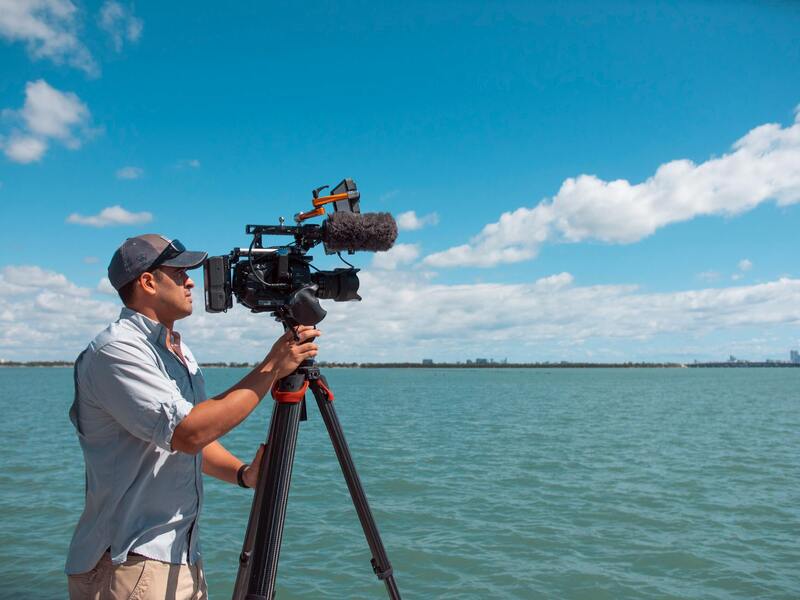
Live streaming productions encompass the end-to-end process of capturing, encoding, transmitting, and displaying live video content. These productions are distinguished by their real-time nature, which requires meticulous coordination between technical teams and on-site personnel. The goal is to replicate or enhance traditional broadcast standards within a digital environment, ensuring the viewer experiences a polished, compelling presentation regardless of their location or device. Properly executed, live streaming can elevate event visibility, increase audience interaction, and provide valuable analytics to inform future content strategies.
The Significance of Professional Quality
High production standards are critical for establishing credibility and keeping viewers engaged. This involves employing professional-grade cameras, sound equipment, and encoding software, as well as integrating live graphics and overlays that complement the event’s branding. A well-produced live broadcast should feel seamless and dynamic, with minimal latency and technical issues. As the competition for viewer attention intensifies, consistent delivery of high-quality content becomes paramount—not only to attract viewers but also to retain them during the live event and beyond.
Benefits of Effective Live Streaming Productions
- Enhanced brand visibility across digital channels
- Real-time interaction with viewers through integrated features
- Access to global audiences without geographical restrictions
- Valuable insights and analytics from viewer engagement
- Cost-effective alternative to traditional broadcasting methods
Emerging Technologies Shaping Live Streaming
Innovations such as 4K Ultra HD, 360-degree video, and augmented reality are pushing the boundaries of traditional live streaming. These advancements provide more immersive and engaging experiences, attracting diverse viewer demographics. Cloud-based streaming platforms facilitate scalability, allowing content providers to manage large audiences effortlessly. As technology progresses, transformational integration of AI-driven features like real-time subtitles and automated content moderation will further refine the quality and accessibility of live broadcasts.
Understanding Live Streaming Productions
Live streaming productions serve as a powerful tool for engaging audiences in real-time, offering an immediacy that traditional media cannot provide. These productions encompass the entire process of capturing, broadcasting, and delivering live content to viewers across diverse platforms. Whether hosting a corporate conference, a music festival, or a community event, the objective remains consistent: to deliver a seamless, high-quality viewing experience that maintains viewer interest and promotes active participation.
Characteristics of Effective Live Streaming Productions
- High-Quality Video and Audio: Utilizing professional-grade cameras, microphones, and encoding systems ensures clarity and minimizes technical disruptions.
- Reliable Internet Connectivity: Stable and high-bandwidth internet connections are essential to prevent buffering, lag, or disconnections during the broadcast.
- Engaging Content Delivery: Incorporating dynamic graphics, overlays, and interactive elements enhances viewer engagement and reinforces branding.
- Multiplatform Compatibility: Ensuring the stream is accessible across various devices, including smartphones, tablets, and desktop computers, broadens outreach.
- Technical Support and Monitoring: Continuous oversight during the event allows for immediate troubleshooting and adjustments, maintaining stream integrity.
Roles in Live Streaming Production
Executing a successful live stream involves a coordinated team of specialists:
- Producer: Oversees the entire operation, including planning, technical management, and live execution.
- Camera Operators: Capture critical moments, angles, and audience reactions to ensure visual variety and engagement.
- Audiovisual Technicians: Manage sound quality, synchronization, and the integration of live graphics.
- Technical Directors: Operate switching equipment, manage video feeds, and coordinate transitions between scenes.
- Moderators and Engagement Managers: Facilitate viewer interaction through chat moderation, polls, and Q&A sessions.
Ensuring a Quality Live Broadcast
Meticulous preparation and professional execution are fundamental. Conducting dry runs and test streams helps identify potential issues before the actual event. Adequate training for all personnel, along with comprehensive backup plans for equipment failures or connectivity issues, mitigates risks. During the live broadcast, real-time communication among team members ensures prompt responses to unforeseen challenges, maintaining a smooth flow. Post-event, analyzing viewer metrics and feedback informs improvements for future productions, elevating overall quality and viewer satisfaction.
Advanced Techniques for Authentic Live Streaming Productions
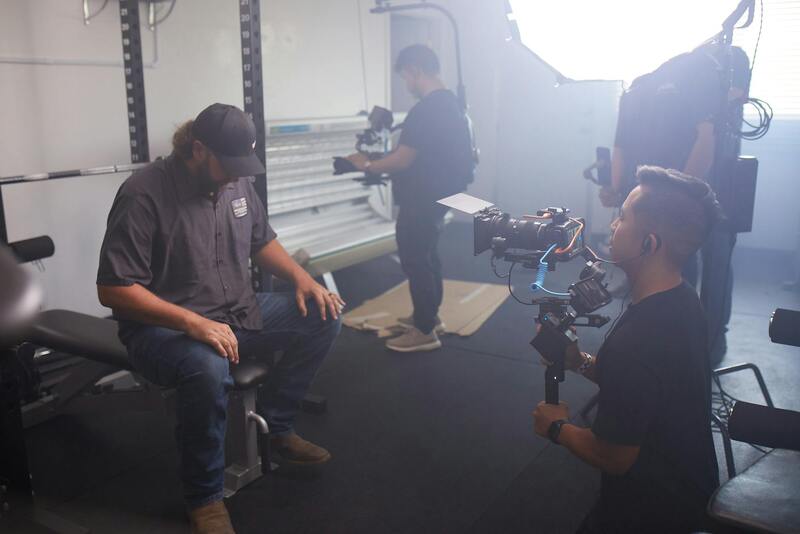
For organizations and content creators aiming to elevate their live streaming offerings, mastering advanced production techniques is crucial. These methods ensure a seamless, engaging, and high-quality broadcast that resonates with viewers and stands out in a competitive digital landscape. Implementing multi-camera setups allows for dynamic shots that capture different angles and reactions, providing viewers with a richer visual experience. Using professional-grade switches and visual effects during live transitions further enhances the broadcast's polish and professionalism. Additionally, incorporating real-time graphics—such as lower thirds, logos, and event information—can reinforce branding and convey important messages effectively. Reliable audio mixing is equally essential, as pristine sound quality significantly impacts viewer engagement and retention. Employing wireless microphones, field audio, and full-range sound systems ensures clarity and depth in audio, complementing superior visual components.
Beyond technical equipment, leveraging streaming software that offers advanced features helps producers manage the broadcast more effectively. Software solutions enable the integration of multiple video inputs, overlay graphics, and live chat moderation within the same interface, simplifying workflow during high-pressure moments. Here, real-time monitoring of stream health, latency, and viewer statistics informs immediate adjustments, preventing disruptions. Additionally, employing encoding hardware and CDN (Content Delivery Network) optimizations ensures stable distribution across various platforms and devices, reaching a broader audience without compromising quality.
Effective Audience Engagement Strategies
Effective live streaming is not solely about broadcasting high-quality content but also fostering interactive engagement. Incorporating live polls, Q&A sessions, and social media interactions creates a participatory environment that encourages viewer retention. Utilizing dedicated moderators to oversee live chats and moderate comments facilitates a positive community atmosphere and ensures that viewer questions and feedback are promptly addressed. Integrating real-time analytics helps understand audience behavior and preferences, enabling tailored content delivery for future streams. These engagement strategies can be further amplified through branded overlays and call-to-action prompts, driving audience participation and increasing overall event impact.
Ensuring Seamless Content Delivery
Delivering a flawless live stream also hinges on robust internet connectivity. Using redundant internet connections, such as multiple wired links or cellular backup options, minimizes the risk of interruptions. Employing content delivery networks (CDNs) specialized in live streaming distributes the stream efficiently across multiple geographic locations, reducing buffering and latency issues. Proper network management, including bandwidth monitoring and prioritization, ensures consistent data flow. Furthermore, pre-encoding backup streams serve as fail-safes in case primary streams encounter issues, allowing for quick switchovers without noticeable disruption to viewers.
Post-Production Enhancements and Content Utilization
Post-event, the content captured during live streams offers valuable opportunities for repurposing. High-quality recordings can be edited into shorter clips, highlights, or highlight reels that extend the lifespan of the event. These assets are essential for engaging new audiences on social media platforms, email campaigns, or on-demand sections of a website. Additionally, detailed analytics from the live session—such as viewer retention rates, engagement metrics, and geographic data—inform future strategies. Creating a library of archives not only preserves valuable content but also offers opportunities for training, marketing, and internal communications.