
Understanding Live Feed Service
In today’s fast-paced media environment, a live feed service plays a crucial role in providing real-time video streaming capabilities for various events and broadcasts. For Miami-based production agencies, these services serve as an essential tool to deliver high-quality, uninterrupted live coverage to audiences across multiple platforms. Live feed services encompass a range of technical solutions designed to transmit live video and audio signals from the event location to broadcasters, online streaming platforms, or internal networks. This process involves capturing footage via professional cameras and transmitting it through reliable networks that support high bandwidth and minimal latency.
The primary function of a live feed service is to ensure seamless delivery of visual content as events unfold. Whether it is a major sporting event, a corporate conference, or a community festival, the ability to broadcast live provides real-time engagement and immediate access to a broad audience. For Miami production agencies, leveraging robust live feed services translates into professional-grade coverage, enhanced viewer experience, and expanded reach. These services often incorporate advanced encoding and compression technologies to optimize video quality without sacrificing transmission stability.
Such solutions are indispensable for clients who require real-time updates and live reporting. As Miami is a hub of diverse events, from high-profile sports matches to cultural festivals, having dependable live feed services enables production teams to meet high standards of delivery and professionalism. The strategic use of live feeds also supports social media engagement, allowing viewers to participate and interact during live broadcasts. As broadcasting technology advances, live feed services continue to grow in importance, integrating innovative tools such as multi-camera streaming, remote production capabilities, and ultra-low latency transmission.
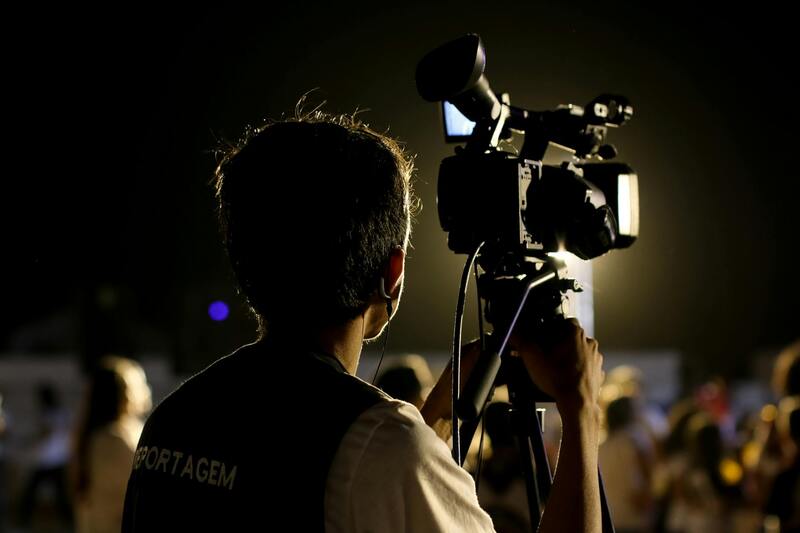
In sum, a live feed service forms the backbone of contemporary event coverage, enabling Miami production agencies to deliver dynamic, engaging, and professional live content to diverse audiences. Whether utilized for local festivals or international sporting events, these services ensure that the viewer experience remains seamless, immersive, and immediate.
Understanding Live Feed Service
Live feed services play a crucial role in the broadcast and production industry, especially within vibrant hubs like Miami, where diverse events demand real-time coverage. These services facilitate the transmission of live audio and video content from event locations to viewers across various platforms. The core advantage lies in their ability to deliver high-quality, uninterrupted streams that maintain synchronization and clarity, regardless of the scale or complexity of the event.
At the technological core, live feed services utilize sophisticated encoding systems that compress video data efficiently, ensuring that large media files are transmitted swiftly without compromising visual quality. Modern solutions incorporate adaptive bitrate streaming, which dynamically adjusts video quality based on the viewer’s internet connection, thereby minimizing buffering and enhancing the viewer experience.
The infrastructure behind these services often involves multiple stages, including video capture, encoding, transmission, and decoding. High-definition cameras capture the event with precision, while encoders process the signals for optimal streaming. The signals are then transmitted via secure, high-capacity networks—often via fiber optic or satellite links—to ensure reliability and minimal latency.
In practice, live feed services support various configurations, from single-camera setups for small-scale events to multi-camera productions for large festivals or sporting tournaments. Remote production capabilities enable operators to control and monitor feeds from distant locations, adding flexibility and efficiency to the production process.
The importance of a robust live feed service extends beyond just transmitting content. It includes maintaining synchronization across multiple streams, ensuring consistent quality, and enabling seamless integration with social media platforms, websites, and streaming services. This integration allows audiences to engage directly with live events, comment, share, and participate actively—heightening audience engagement and expanding reach.
In addition, live feed services incorporate features like multi-quality streaming options that cater to a broad spectrum of devices and internet speeds. This adaptability ensures that viewers accessing content on smartphones, tablets, or desktop computers receive a tailored experience optimized for their specific context.
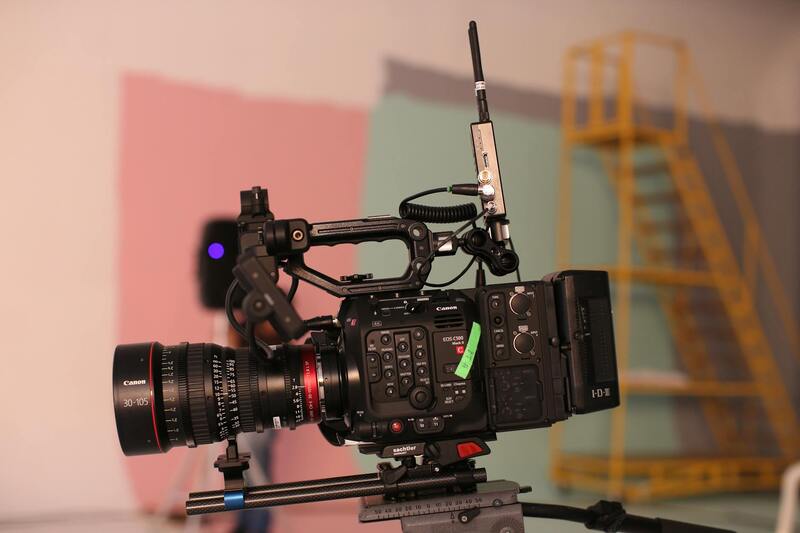
Advanced Transmission Technologies In Live Feed Services
For Miami-based event organizers and production companies, utilizing cutting-edge transmission technologies is essential to ensure unbroken, high-quality live streams. Modern live feed services employ various transmission protocols such as SRT (Secure Reliable Transport), RTMP (Real-Time Messaging Protocol), and WebRTC, each offering unique advantages in terms of latency, security, and adaptability. These technologies facilitate the delivery of real-time content with minimal delay, which is crucial during live broadcasts where timing and synchronization are critical.
In addition to protocol selection, network resilience plays a pivotal role. Many live feed solutions incorporate adaptive bitrate streaming, which dynamically adjusts video quality based on current network conditions. This prevents buffering issues and maintains smooth playback, even in environments with fluctuating internet speeds. For Miami event producers, leveraging such technology ensures that the live broadcast remains stable and consistent, providing viewers with an uninterrupted experience regardless of geographic and network variability.
Furthermore, edge computing is increasingly integrated into live feed services to process and analyze data closer to the source. This reduces latency and enhances responsiveness, enabling instant interactions such as live comments, polls, or social media integration. The deployment of these advanced transmission methods ensures that Miami's live events are captured, transmitted, and experienced in their fullest fidelity.
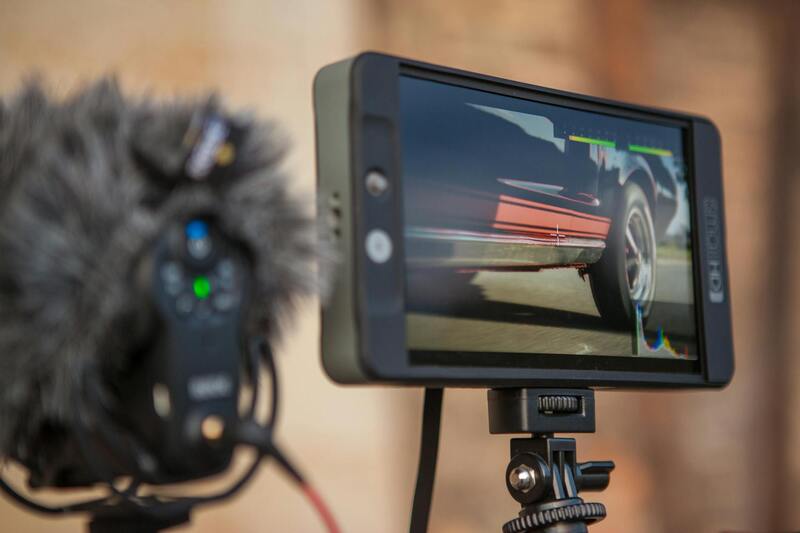
Ensuring Quality and Synchronization Across Multiple Streams
Maintaining high-quality, synchronized streams is another cornerstone of effective live feed services. When broadcasting events that involve multiple cameras, angles, or feeds, synchronization ensures all streams are aligned perfectly. This is achieved through timestamping and standardized encoding protocols, which facilitate seamless switching and mixing of feeds during the broadcast.
In Miami, where diverse events spanning music festivals to sports tournaments take advantage of live feed services, synchronization becomes even more critical. It guarantees that the audience receives a cohesive viewing experience, with all elements coordinated in real-time. The use of multi-camera synchronization, combined with real-time switching capabilities, allows producers to craft dynamic, professional-quality live content that captivates viewers and enhances overall engagement.

Security and Privacy in Live Feed Transmission
Given the importance of safeguarding live content, modern live feed services prioritize robust security measures. Encryption protocols such as AES (Advanced Encryption Standard) and TLS (Transport Layer Security) are utilized to secure data streams during transmission. Additionally, access controls and credential-based login systems restrict feed access to authorized personnel only, preventing unauthorized interception or manipulation.
For Miami’s broadcasters, especially those handling sensitive or proprietary content, these security features ensure the confidentiality and integrity of live streams. Secure live feed services also facilitate compliant handling of user data when social media and viewer engagement features are incorporated, supporting responsible content distribution while maintaining audience trust.
Understanding Live Feed Service
Live feed services have become an essential component in modern broadcasting, offering real-time transmission of high-quality video and audio content from various locations to audiences across multiple platforms. These services are designed to accommodate diverse event sizes, ranging from intimate corporate meetings to large-scale concerts, sports events, and community festivals. By leveraging advanced technologies, live feed services enable producers to deliver immediate broadcast experiences, fostering audience engagement and extending the reach of their content.

At its core, a live feed service involves capturing video at the event site, encoding the signal for transmission, and delivering it via secure networks to a broadcast platform or directly to viewers’ devices. Reliable live feed solutions incorporate multiple redundancies to prevent interruptions, ensuring the continuity of broadcasts regardless of on-site or network issues. This reliability is especially crucial in Miami, where dynamic events often require flawless coverage to satisfy high viewer expectations.
Key Features of Live Feed Services
Effective live feed services come equipped with a range of features designed to optimize the broadcasting process:
- Multi-Camera Synchronization: Allows seamless switching between multiple camera angles, contributing to dynamic storytelling and professional presentation.
- Real-Time Switching and Mixing: Enables operators to switch feeds on the fly, add overlays, graphics, or replays, enhancing viewer engagement.
- Low Latency Transmission: Minimizes delay between the live event and broadcast, maintaining real-time relevance and audience interaction.
- Scalability: Accommodates a variety of event sizes, from small webinars to large festivals, with adaptable bandwidth and platform integration.
- Robust Security Measures: Implements encryption protocols such as AES and TLS during transmission, alongside access controls to restrict unauthorized viewing.
- Cloud-Based Management: Offers remote monitoring and control, enabling producers to manage live feeds from anywhere, which is particularly advantageous in a fast-paced event environment.

Benefits for Miami Production Companies
For production companies operating in Miami, utilizing professional live feed services translates into numerous strategic advantages:
- Enhanced Production Quality: High-definition streaming and multi-camera setups create visually appealing broadcasts, setting a standard for excellence in the competitive Miami market.
- Operational Flexibility: Integration with existing production workflows allows for synchronized transitions, graphic overlays, and instant replays, contributing to polished broadcasts.
- Increased Audience Reach: Live streaming via multiple platforms expands engagement beyond the onsite audience, attracting global viewers and potential sponsors.
- Reliability and Security: Secure transmission channels protect sensitive content, and redundancy features prevent costly disruptions during critical moments.
- Cost Efficiency: Cloud-driven and internet-based solutions reduce travel and equipment costs, making high-quality live coverage more accessible for smaller-scale events.
Moreover, Miami's diverse event landscape benefits from customizable live feed solutions, ensuring each production aligns with specific technical requirements while maintaining consistent broadcast standards.
Understanding Live Feed Service
Live feed services are integral to modern event broadcasting, allowing real-time video transmission from various locations to audiences across the globe. These services facilitate seamless streaming of live events, including concerts, sports competitions, corporate gatherings, and community festivals, ensuring viewers experience the event as it happens. High-quality live feed providers employ advanced technology to deliver clear visuals and stable audio, even amidst challenging network conditions. Furthermore, these services often include multi-camera capabilities, allowing producers to switch between different angles dynamically, enhancing viewer engagement and event professionalism.

As the digital landscape continues to evolve, live feed services are becoming more sophisticated, incorporating features that enable remote management, multi-platform streaming, and integration with social media channels. This advancement ensures that event organizers can reach a wider audience efficiently while maintaining broadcast quality and security.
Key Features of Live Feed Services
- High-Definition Streaming: Provides crisp visuals suitable for large screens and online viewing platforms, enhancing the overall viewer experience.
- Multi-Camera Support: Enables switching between multiple camera feeds, offering diverse perspectives that enrich the broadcast.
- Latency Optimization: Minimizes delays between the event and broadcast, crucial for live interactions and real-time feedback.
- Cloud-Based Management: Allows remote monitoring, control, and troubleshooting of feeds from any location, streamlining operations.
- Platform Integration: Supports streaming to various platforms such as social media channels, dedicated websites, and streaming services, broadening reach.
- Security Measures: Implements encryption and secure channels to protect sensitive content during transmission.
- Redundancy and Reliability: Incorporates backup streams and failover systems to ensure uninterrupted broadcast despite technical issues.

Benefits for Miami Production Companies
Miami’s vibrant and diverse event scene demands professional live feed services to meet high standards of quality, reliability, and flexibility. For local production companies, leveraging advanced live streaming solutions offers strategic benefits that elevate their service offerings and competitive edge.
- Enhanced Production Quality: High-definition, multi-camera setups deliver visually compelling broadcasts that are essential for high-profile events and corporate branding.
- Operational Flexibility: Seamless integration with existing workflows, including graphic overlays, instant replays, and synchronized audio, allows for a polished broadcast.
- Increased Audience Reach: Multi-platform streaming enables event organizers to connect with global audiences, increasing visibility and engagement.
- Reliability and Security: Secure transmission channels and redundancy features minimize the risk of disruptions, safeguarding the broadcast quality and sensitive content.
- Cost Efficiency: Cloud-based services reduce the need for extensive onsite equipment and personnel, decreasing overall production costs.
- Customizable Solutions: Specific technical requirements for different event types are easily accommodated, ensuring consistent broadcast standards across Miami’s varied event landscape.
Types of Live Feed Solutions
Depending on the scope and technical demands of an event, different live feed solutions are suitable:
- Web-Based Streaming Platforms: Ideal for small to medium-sized events, offering simplicity and quick deployment without extensive infrastructure.
- Dedicated Broadcast Networks: Suitable for large-scale events requiring high bandwidth, multiple camera feeds, and detailed control over the broadcast environment.
- Hybrid Solutions: Combine on-site equipment with cloud-based management, offering flexibility and scalability for a variety of event sizes and complexities.

Integration with Production Workflows
Integrating a live feed service into existing production workflows enhances the efficiency and quality of event broadcasts. Modern live feed solutions are designed to seamlessly connect with various production elements, including control rooms, editing suites, and streaming platforms. This integration often involves specialized software and hardware that enable remote operation, allowing technicians and producers to manage feeds from different locations, thus reducing on-site staffing requirements.
Remote control capabilities are a significant feature, affording operators the ability to switch camera angles, adjust audio levels, and insert graphic overlays in real-time without being physically present at the event site. This flexibility is especially valuable for large-scale events or those requiring multiple camera feeds, as it minimizes logistical challenges and accelerates decision-making processes.
Furthermore, multi-platform streaming integration ensures the event reaches audiences wherever they are. These services facilitate simultaneous broadcasting across social media, dedicated streaming channels, and broadcast networks, often supported by adaptive bitrate technology that adjusts quality based on viewer bandwidth. This multi-platform approach maximizes audience engagement and provides analytics insights, helping producers tailor future content more effectively.

Understanding Live Feed Service
Live feed services have become a cornerstone of modern broadcasting and event coverage, offering real-time streaming capabilities that connect audiences instantly to events as they unfold. These services leverage advanced streaming technology to transmit high-quality video and audio signals from the source—be it a live event, conference, or performance—to viewers across various digital platforms. Their ability to offer seamless, uninterrupted streams has revolutionized the way content is consumed, especially in dynamic environments where immediacy is essential.
In essence, a live feed service acts as an intermediary that captures, encodes, and transmits live video content, ensuring that viewers experience minimal latency and maximum clarity. With the rising demand for instant access, venues and production companies in Miami increasingly prioritize reliable live feed solutions that support multiple camera angles, instant switching, and interactive features to enhance viewer engagement.
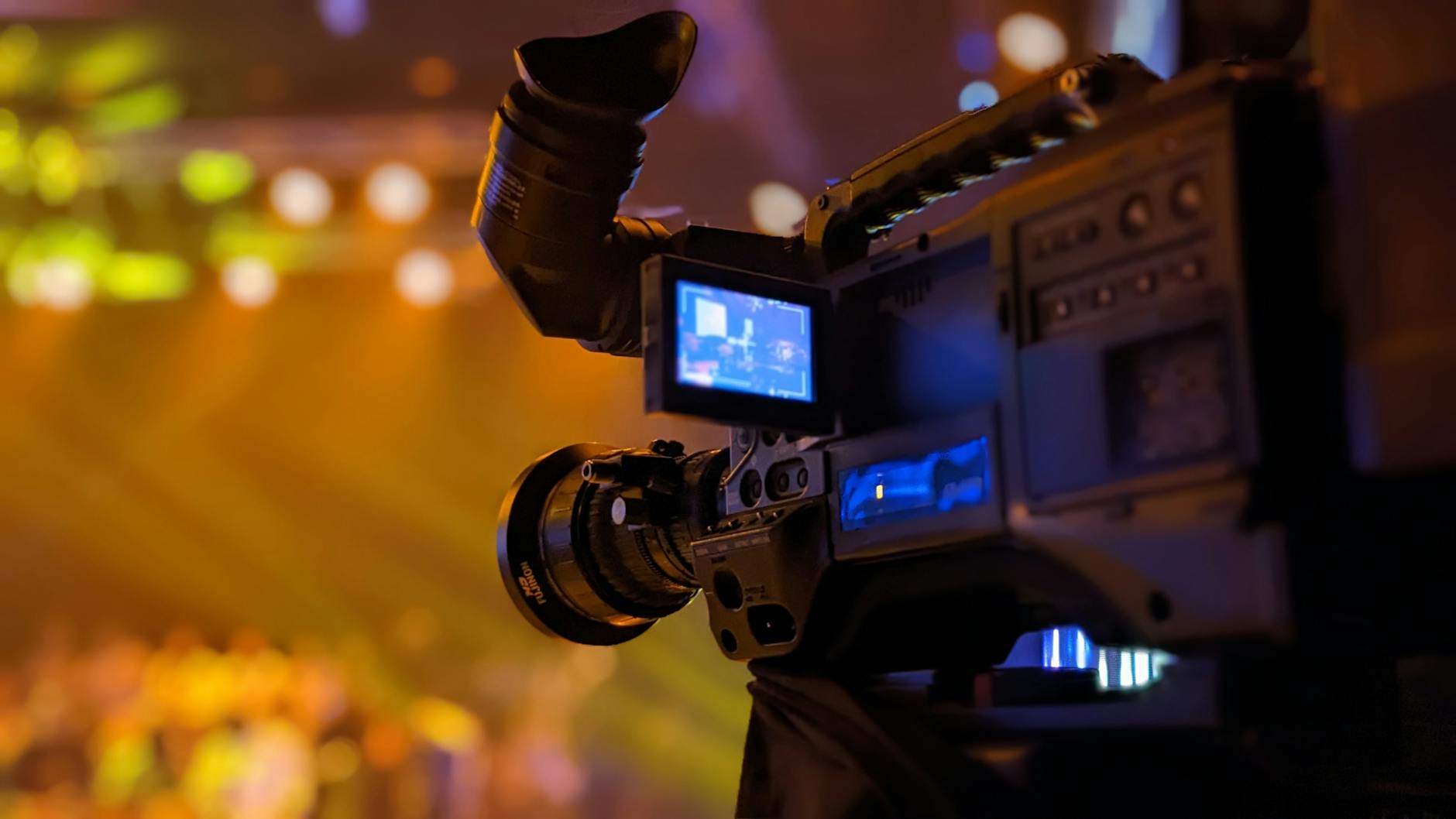
Key Features of Live Feed Services
- Real-Time Streaming: It ensures live content reaches audiences without significant delay, maintaining the immediacy of the event.
- Multi-Platform Compatibility: Streams can be broadcast across social media, dedicated streaming sites, and broadcast channels simultaneously.
- High-Definition Quality: Support for HD and 4K streams enhances viewing experiences, particularly for high-profile events.
- Remote Control & Monitoring: Operators can manage multiple feeds remotely, adjusting camera angles, overlays, and audio levels on the fly.
- Adaptive Bitrate Technology: Stream quality adapts to viewers’ internet speeds, reducing buffering and improving reliability.
- Scalable Infrastructure: Capable of supporting small local events or large-scale international broadcasts with equal efficiency.
- Recording & Archiving: Live feeds can be automatically recorded for later review or promotional use.
Benefits for Miami Production Companies
Miami production companies that integrate live feed services quickly recognize the strategic advantages they offer. These benefits include expanded audience reach, higher engagement levels, and improved production efficiency. By utilizing state-of-the-art live streaming solutions, companies can cater to diverse client needs—whether broadcasting a concert, corporate event, or sports competition—while ensuring consistent quality and reliability.
Furthermore, leveraging these services reduces logistical complexities associated with traditional broadcasting methods. Remote monitoring and operation capabilities minimize the need for onsite technical teams, lowering overall costs and facilitating faster turnarounds. Also, the insights gained from analytics provided by live feed platforms help tailor future content, optimizing viewer satisfaction.
Types of Live Feed Solutions
- Single-Camera Livestreams: Ideal for smaller events, these solutions focus on delivering a straightforward live feed with minimal equipment.
- Multi-Camera Productions: Suitable for larger, dynamic events requiring multiple angles and switching capabilities, offering a more engaging viewer experience.
- Remote Production (REMI): Utilizes remote control centers for managing live feeds, reducing the need for extensive onsite crew.
- Cloud-Based Streaming: Employs cloud infrastructure for scalability and flexibility, enabling easy access and control from anywhere with internet connectivity.
- Hybrid Solutions: Combine on-site equipment with remote management, providing tailored options based on event scope and budget.
Choosing a Live Feed Service Provider in Miami
When selecting a live feed service provider, Miami-based production companies should evaluate several critical factors. These include the provider’s technological capabilities, experience with local venues and regulations, scalability options, and support services. A provider with a proven track record in handling diverse event types ensures seamless integration with existing workflows and minimizes potential disruptions.
Additionally, accessibility to advanced features such as multi-stream broadcasting, real-time analytics, and remote operation tools can significantly influence overall production success. Transparent communication regarding pricing, timelines, and technical support ensures smooth collaboration and reliable service delivery.
Integration with Production Workflows
Effective integration of live feed services into production workflows involves aligning streaming infrastructure with existing equipment and operational procedures. This integration should facilitate smooth coordination between camera crews, technical operators, and content editors, ensuring high-quality output from capture to broadcast.
Technical compatibility, such as support for SDI, HDMI, or IP-based sources, is essential for minimizing setup complexities. Moreover, synchronization with editing suites and post-production platforms allows for quick archiving and repurposing of live content, fostering ongoing audience engagement. Proper training for staff on managing these systems enhances efficiency and responsiveness during live events.
Understanding Live Feed Service
Live feed services provide broadcasters, event organizers, and production companies with a reliable means to transmit live video content from events directly to viewers through the internet or private networks. These services typically encompass the capture, encoding, and delivery of live video streams, ensuring real-time dissemination across multiple platforms. In Miami, where large-scale events, conferences, and sports matches are commonplace, having access to a high-quality live feed service is instrumental for expanding audience reach and enhancing viewer engagement.
Such services leverage advanced streaming technologies and robust infrastructure to deliver uninterrupted live content. They enable seamless transmission from various venues, whether indoors or outdoor settings, without compromising on quality or latency. For professional production companies, choosing a suitable live feed service means ensuring their content reaches audiences globally with clarity, consistency, and ease of access—attributes that are vital in today’s competitive digital landscape.
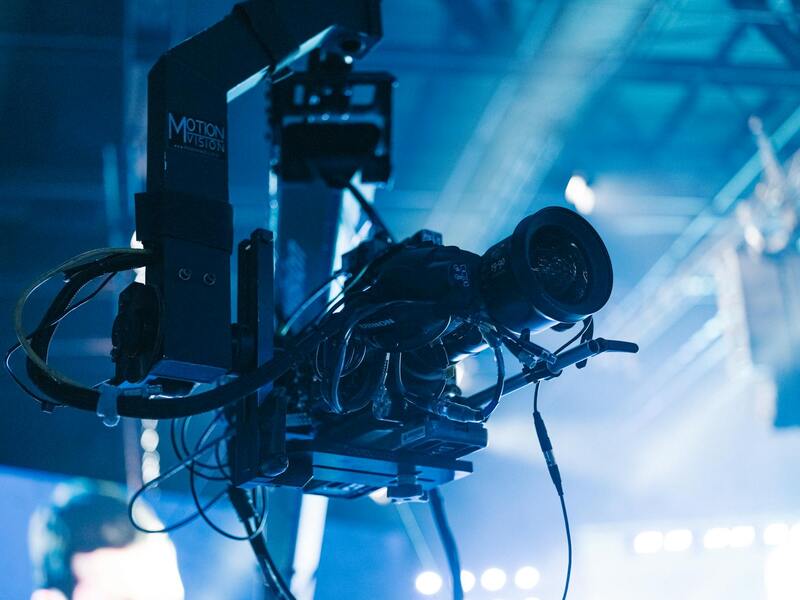
Key Features of Live Feed Services
- High-Definition Streaming: Supports HD and 4K resolutions to provide crisp, clear visuals.
- Multi-Platform Compatibility: Compatible with various devices and platforms, including social media, websites, and dedicated streaming portals.
- Low Latency Delivery: Ensures real-time viewing with minimal delay, crucial for live interactions and interactivity.
- Scalability: Accommodates different event sizes, from small seminars to large festivals, with flexible bandwidth options.
- Secure Transmission: Utilizes encryption and secure protocols to protect sensitive content from unauthorized access.
- Remote Management and Support: Enables operators to monitor and control streams remotely, providing quick troubleshooting and adjustments when necessary.
- Redundancy and Reliability: Implements backup systems to prevent stream disruptions in case of technical failures.
Benefits for Miami Production Companies
Adopting a professional live feed service equips Miami-based production firms with multiple advantages. Firstly, it enhances the professionalism of live events, offering viewers high-quality visuals regardless of geographic location. This is especially important for events such as corporate meetings, concerts, or sporting events happening in Miami, where broad audience reach is desired.
Secondly, reliable live feed services support real-time viewer interaction, fostering engagement through chat, polls, or Q&A features. They also facilitate multi-lingual broadcasts, appealing to Miami's diverse population and international audiences. Furthermore, the ability to archive live streams allows companies to repurpose content for post-event marketing or on-demand viewing, maximizing the return on production investments.
Operationally, partnering with experienced live feed providers reduces the burden on internal technical teams by delivering specialized support and ensuring seamless integration into existing workflows. These collaborations promote efficient event execution, minimizing technical hiccups and enhancing overall client satisfaction.
Types of Live Feed Solutions
Live feed services come in various configurations tailored to different event needs:
- Point-to-Point Streaming: Direct transmission from a single location to a specific audience, suitable for private or internal events.
- Multi-Stream Broadcasts: Simultaneous streaming to multiple platforms or channels, ideal for maximizing audience reach and redundancy.
- Hybrid Solutions: Combine live streaming with on-demand content, catering to audiences who wish to view later or on different devices.
- Cloud-Based Streaming: Utilize cloud infrastructure for scalability and easier management, reducing hardware dependency at the venue.
- Integrated Broadcast Solutions: Full-service options including camera operation, editing, encoding, and distribution, handled by the provider for a turnkey experience.
Choosing a Live Feed Service Provider in Miami
When selecting a provider for live feed services, Miami production companies should evaluate their technological capabilities, experience with local venues, and customer support quality. An ideal partner demonstrates flexibility in handling various event formats, offers scalable solutions, and maintains transparency regarding pricing and service-level agreements. Reviewing case studies or testimonials can provide insight into their reliability and expertise within the Florida market.
It’s crucial to verify their compliance with venue requirements, adaptability to different technical environments, and ability to deliver high-quality streams under tight deadlines. An established provider with a local presence tends to offer quicker response times and familiarity with Miami’s logistical landscape, contributing to a smoother production process.
Integration with Production Workflows
Successful live feed implementation relies on seamless integration with existing production workflows. This involves aligning the streaming setup with camera systems, switchers, and editing platforms. Adequate technical support ensures compatibility with different input formats, such as SDI, HDMI, or IP streams, facilitating smooth data flow from capture to broadcast.
Integration also extends to post-production, where live content can be archived effortlessly for editing or repurposing. Proper staff training on systems management enhances responsiveness during events, addressing any technical issues swiftly and reducing downtime. Maintaining a standardized workflow across different events and venues guarantees consistency in quality and delivery.
Future Trends in Live Feed Services
Emerging innovations promise exciting advancements for live feed services in Miami. High-resolution streaming at 8K will become more accessible, providing unprecedented clarity for viewers. The proliferation of 5G networks will dramatically decrease latency, enabling near-instant transmission even in mobile environments. Artificial intelligence-powered stream management will optimize encoding parameters and detect issues proactively, enhancing reliability.
Additionally, augmented reality (AR) and virtual reality (VR) integrations are expected to transform viewer experiences, offering immersive perspectives. These innovations will empower Miami production companies to deliver more engaging, interactive, and high-quality live content, setting new standards in event broadcasting.