
Overview of Broadcast Streaming Production
Broadcast streaming production encompasses the comprehensive process of capturing, processing, and delivering live or pre-recorded video content over the internet to a broad audience. It has become a vital component in the modern media landscape, especially within vibrant markets like Miami where real-time broadcasting is essential for events, corporate communications, and entertainment. This method allows organizations and individuals to reach viewers instantly, regardless of geographical barriers, ensuring immediate engagement and interaction.
At its core, broadcast streaming production involves a seamless integration of high-quality video capture, robust signal transmission, and reliable delivery systems. This process demands meticulous planning and execution to maintain professional standards, minimize latency, and optimize viewer experience. The growing significance of broadcast streaming in Miami is driven by the region's dynamic event scene, diverse cultural tapestry, and the increasing demand for instant digital content across various industries—from live concerts and sports events to conferences and religious services.
The importance of broadcast streaming production is evident in its ability to enhance visibility and accessibility for clients and content creators. Accurate, stable streams ensure audiences receive clear, uninterrupted content that can be viewed on multiple devices—from smartphones and tablets to large-screen televisions. Additionally, the versatility of streaming technology enables customized content delivery strategies, such as regional targeting and multi-language options.

In Miami, a hub for media and entertainment, broadcast streaming production supports a thriving ecosystem of live event coverage, educational webinars, and corporate communications. As the industry evolves, the focus shifts toward integrating innovative technologies like 4K broadcasting, virtual production, and cloud-based workflows. These advancements are transforming how content is produced, distributed, and consumed, positioning Miami as a competitive and cutting-edge media hub.
Overall, broadcast streaming production is a sophisticated, multi-layered process that underpins the efficient dissemination of visual content in today's digital age. Its strategic application enables content providers to engage audiences more effectively, maximize outreach, and stay ahead in an increasingly competitive media environment—an imperative for businesses and creators operating within the Miami region.
Overview of Broadcast Streaming Production
Broadcast streaming production has become an integral component of modern media strategies, particularly in dynamic markets such as Miami. It involves a combination of advanced technological infrastructure, meticulous planning, and precise execution to deliver high-quality video content over the internet in real time. The process ensures that live events, corporate messages, or entertainment content are accessible to audiences across various platforms and devices, thus expanding reach and engagement.
Successful broadcast streaming production relies on robust infrastructure, including high-capacity servers, high-definition cameras, and reliable data transmission networks. These elements work together to ensure that streams are consistently stable, clear, and free from disruptions. This consistency is essential, especially when covering live events such as concerts, sports, or corporate conferences, where real-time delivery directly impacts viewer experience. With the ability to adapt content based on geographic and demographic factors, streaming solutions can be tailored to meet specific audience needs, further enhancing the effectiveness of the broadcast.
In Miami's vibrant media environment, streaming technology supports a spectrum of content delivery formats—from traditional live broadcasts to interactive webinars and virtual product launches. As more businesses and creators turn to digital solutions, the importance of a sophisticated broadcast streaming production setup continues to grow. The advancements in 4K resolution, virtual production, and cloud-based workflows have revolutionized the industry, allowing for more immersive and flexible content creation and dissemination.
The strategic deployment of broadcast streaming production procedures also caters to multi-platform distribution, ensuring that content seamlessly reaches viewers on social media, websites, and dedicated streaming channels. This multi-channel approach not only broadens audience access but also offers measuring tools for analytics, giving content providers valuable insights into viewer engagement and preferences.
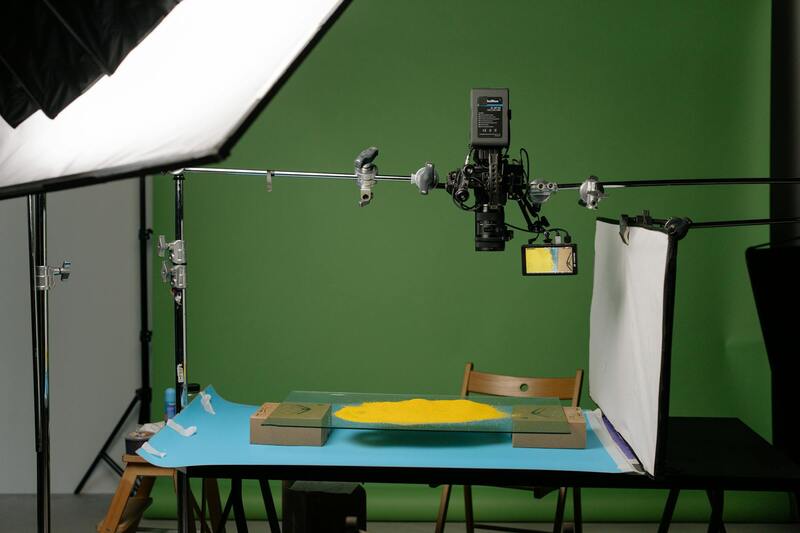
Production Setup and Execution
Executing a professional broadcast streaming production requires meticulous planning and the deployment of advanced equipment. The core of successful live streaming lies in a robust production setup that integrates multiple technical elements seamlessly. Central to this is the use of high-definition video sources, professional-grade cameras, and reliable encoding hardware. These tools ensure that the visual quality remains high throughout the broadcast, satisfying viewer expectations for clarity and detail.
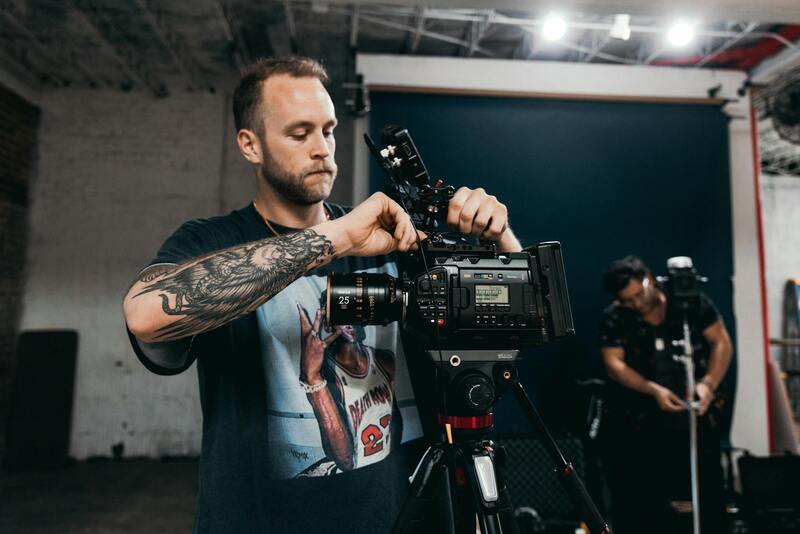
Audio production plays an equally critical role. Using quality microphones, audio mixers, and noise reduction technologies guarantees clear sound, which is vital for maintaining viewer engagement. Effective audio-visual synchronization is achieved through synchronized hardware clocks and controlled latency, synchronized across all equipment to provide a seamless viewing experience.
The selection of a suitable visual switcher and video mixer is essential for managing multiple camera feeds efficiently, allowing real-time transitions, overlay graphics, and picture-in-picture effects that enhance storytelling and audience interaction. Additionally, auxiliary equipment such as monitors, teleprompters, and lighting setups contribute significantly to ensuring the visual presentation aligns with the event's tone and professionalism.
Technical Coordination and Live Control
Operational control during broadcast involves skilled technical directors and production crews managing the switcher, audio levels, and streaming outputs. This coordination requires precise timing and rapid decision-making, especially when handling unexpected technical issues. A dedicated production control room equipped with multicamera switching consoles, audio desks, and real-time monitoring screens allows producers to oversee multiple video and audio feeds efficiently.
Streaming Infrastructure and Redundancy
Deploying a resilient streaming infrastructure is critical to prevent disruptions. This involves establishing high-bandwidth internet connections, backup internet sources, and failover systems that automatically switch to standby options if primary streams encounter issues. Cloud-based streaming services are increasingly favored for their scalability, enabling large audiences without compromising quality. The use of Content Delivery Networks (CDNs) further ensures that viewers across diverse geographical locations receive uninterrupted streams, reducing latency and buffering issues.
Real-time Monitoring and Troubleshooting
During live broadcasts, continuous monitoring of stream health and data flow is mandatory. Dedicated tools track internet stability, encoding performance, and viewer engagement metrics. Technical teams must be prepared for prompt troubleshooting, whether it involves adjusting bitrate, resolving audio-video sync problems, or managing subscriber bandwidth. Advanced monitoring dashboards provide real-time insights, enabling swift responses to any anomalies before they impact the viewer experience.
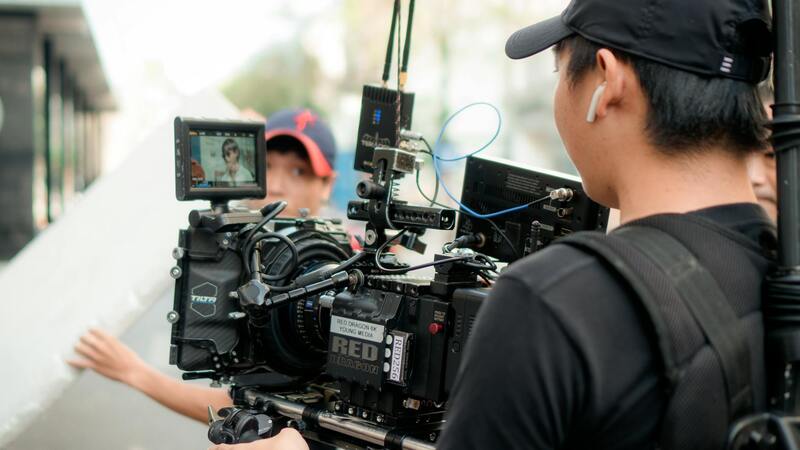
Implementing a detailed production plan lays the foundation for a successful broadcast. This includes rehearsals, equipment checks, and contingency planning for unexpected scenarios. A well-executed production setup aligns all technical components to deliver a seamless stream, engaging audiences from start to finish with uncompromised quality and reliability.
Overview of Broadcast Streaming Production
Broadcast streaming production encompasses the entire process of planning, executing, and delivering live or on-demand video content through digital platforms. This process demands meticulous preparation, a deep understanding of the technical landscape, and the ability to adapt swiftly to changing conditions. Effective broadcast streaming production ensures that content reaches audiences with optimal quality, minimal latency, and consistent reliability. It involves synchronizing multiple components—such as video capture, encoding, transmission, and viewer engagement—to produce a seamless viewing experience that meets professional standards.
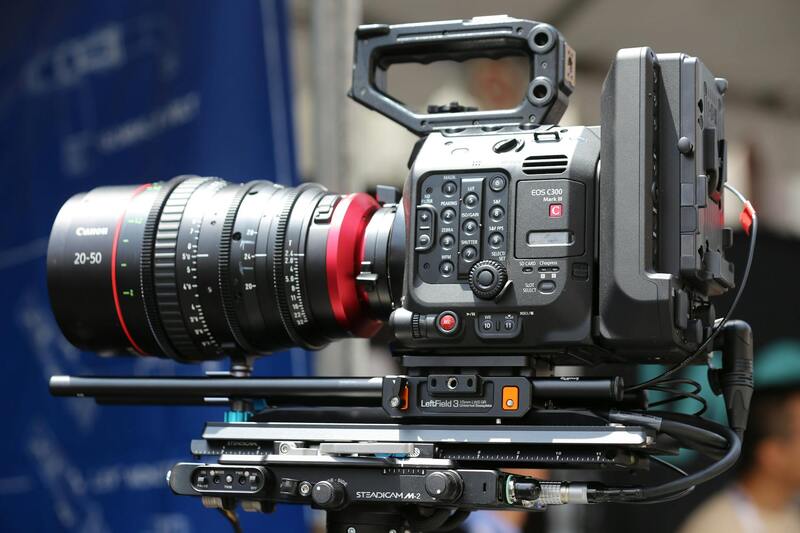
Fundamentally, the process begins with comprehensive planning, where producers establish objectives, identify target audiences, and select appropriate platforms. This phase includes defining technical specifications, arranging equipment logistics, and scheduling rehearsals. During execution, the focus shifts to real-time management, troubleshooting, and maintaining high-quality streams despite potential technical challenges. The overall success hinges on synchronization, technical proficiency, and operational agility, ensuring content flows smoothly from source to viewer with consistent fidelity.
Key Equipment and Technologies
Central to broadcast streaming production are specialized tools designed to capture, process, and transmit high-quality video and audio signals. These encompass a range of devices and software that must work harmoniously to achieve a professional output.
- Video Capture Devices: Professional cameras—ranging from broadcast-grade encoders to remote IP cameras—are used to record live scenes. These devices often support various resolutions and frame rates to suit content requirements.
- Video Switchers and Mixers: Equipment that facilitates live switching between multiple camera feeds, graphics, or pre-recorded clips, allowing dynamic compositions in real time.
- Audio Equipment: High-quality microphones, mixers, and digital audio processors ensure clear sound delivery, which is integral to viewer engagement.
- Encoding Software and Hardware: Encoders compress and convert raw video inputs into streams suitable for transmission over the internet, supporting protocols like RTMP, SRT, or HLS.
- Streaming Platforms and CDNs: Trusted delivery networks that distribute content effectively worldwide, minimizing latency and buffering issues.
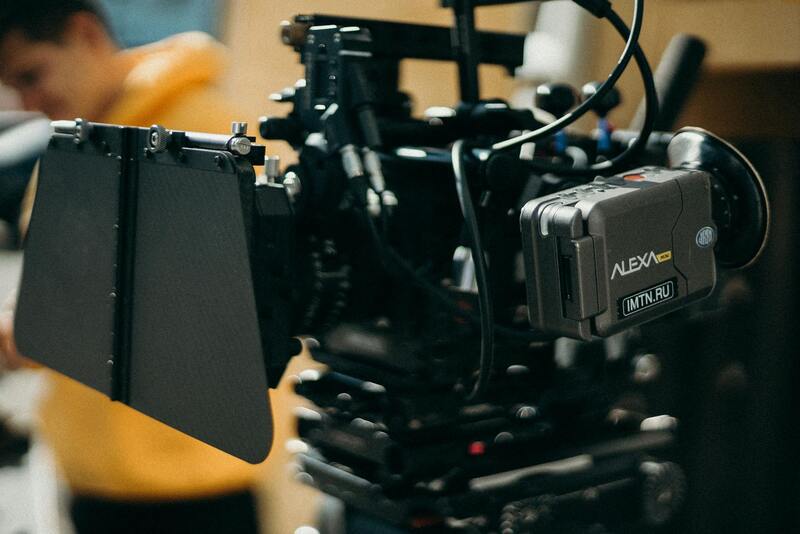
Additionally, advancements in cloud computing and mobile streaming technologies have expanded production capabilities, allowing for more flexible and scalable solutions. Integration of software-based control systems further simplifies workflows, providing operators with comprehensive oversight over multiple streams and feeds simultaneously.
Planning and Pre-production Processes
The foundation of a successful broadcast is meticulous pre-production planning. This involves determining objectives, designing content formats, and defining target audience preferences. Early-stage planning also includes detailed technical assessments such as site surveys, equipment checks, and connectivity tests to avoid potential disruptions during live events.
Pre-production activities typically encompass content scripting, storyboard creation, and rehearsal planning. Rehearsals serve to fine-tune camera angles, audio levels, and switching cues, ensuring that all participants are familiar with the workflow. Contingency strategies—such as backup internet connections, redundant hardware, and alternate content sources—are devised to address unforeseen issues swiftly and effectively.
Moreover, collaboration among technical staff, producers, and on-camera talent is vital to synchronize efforts and clarify roles. Fine-tuning this coordination during rehearsals mitigates risks and enhances overall stream quality. Proper documentation of the production timeline, equipment configuration, and emergency procedures ensures preparedness at every stage of execution.
Production Setup and Execution
Executing a broadcast streaming production requires meticulous coordination of various technical components to ensure a smooth and engaging viewer experience. The setup phase involves configuring multiple camera angles, audio inputs, and video switchers to create a dynamic and professional output. Skilled operators manage live feeds, adjusting camera positions, transitions, and overlays in real-time to align with the content's flow and audience engagement goals.
To facilitate a seamless transition between segments, production teams utilize advanced video switchers that allow switching, mixing, and layering video sources instantaneously. These systems are often integrated with graphic overlays, lower thirds, and real-time titling to enhance visual appeal and information delivery. Audio mixing consoles ensure all sound sources – microphones, pre-recorded clips, and music – are balanced for clarity and consistency, avoiding issues like audio clipping or imbalance.
Connectivity plays a crucial role during live production. Reliable internet connections, often supported by bonded cellular solutions or dedicated fiber links, prevent interruptions and buffering issues. Redundant internet sources are commonly employed to automatically switch bandwidths in case of primary connection failure, maintaining a continuous broadcast without perceptible downtime.
Synchronization of on-screen graphics, audio cues, and camera shots hinges on precise timing, often managed through control software that enables real-time monitoring and adjustments. Communication systems like intercoms or wireless headsets allow seamless coordination among directors, camera operators, audio engineers, and talent, ensuring everyone remains on cue and responsive to production cues.
During execution, real-time monitoring tools are vital for verifying video quality, stream stability, and audio fidelity. Multiple viewing vantage points allow technical staff to troubleshoot potential issues immediately, whether it’s addressing a dropped feed or adjusting audio levels. Incorporating automated diagnostics and alerts helps identify errors proactively, reducing the risk of live stream failure.
Post-event, comprehensive analysis of stream performance, viewer data, and technical logs inform improvements for future productions. Archiving the raw footage and stream analytics also supports content repurposing, marketing efforts, and audience engagement strategies beyond the live event.
Legal and Compliance Considerations
Ensuring a broadcast streaming production adheres to all relevant policies and standards is essential for delivering a smooth and professional experience. This involves understanding and implementing proper licensing agreements for copyrighted content, such as music, video clips, and imagery that are integrated into the stream. It also includes securing rights to broadcast proprietary or sensitive material, avoiding potential legal complications that could disrupt the production or damage reputation.
Data privacy is another critical aspect. Streamers must comply with applicable data protection regulations, especially when collecting viewer information or interacting via chat and social media channels during broadcasts. Proper handling of personal data, including secure storage and transparent communication about data usage, safeguards viewer trust and maintains regulatory adherence.
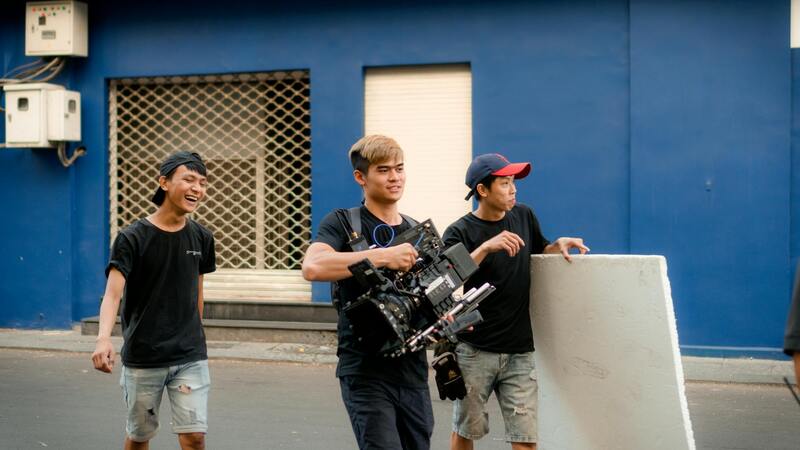
Content Licensing and Permissions
Acquiring the necessary permissions for all content broadcasted ensures that the production respects intellectual property rights. This includes licensing music tracks, video clips, and images, which is often managed through licensing agencies or directly with rights holders. For live events, obtaining broadcast rights well in advance is standard practice, reducing the risk of interruptions or takedowns during the stream.
In addition, contractual agreements should outline the scope of content use, geographic distribution rights, and duration of licensing. Proper documentation helps prevent misunderstandings and provides a clear framework for content management before, during, and after the broadcast.
Intellectual Property and Brand Guidelines
Adhering to intellectual property laws involves verifying that on-air content has appropriate clearance and that branding elements are used in accordance with established guidelines. This helps maintain credibility and avoids infringement disputes that could result in legal action or content removal.
Furthermore, establishing internal review processes ensures all content is vetted for compliance before going live, including verifying trademarks, trademarks, and copyrighted assets are appropriately credited and authorized for use.
Stream Security and Viewer Data Management
Protecting the integrity of the stream involves implementing robust cybersecurity measures. Encryption protocols prevent unauthorized access or tampering during transmission, and secure login procedures restrict access to production controls.
Handling viewer data responsibly entails transparent privacy policies, secure data storage, and compliance with data protection regulations, such as GDPR or CCPA. Implementing secure platforms for interactivity and transactions fosters viewer confidence and mitigates potential data breaches.
Monitoring and Ongoing Compliance
Continuous monitoring during and after streaming helps identify potential violations or technical issues that could compromise compliance or broadcast quality. Regular audits enable production teams to stay updated with evolving regulations and standards, ensuring they adapt workflows accordingly. Documentation of all procedures and incidents not only supports accountability but also helps refine compliance strategies for future productions.
Legal and Compliance Considerations
Adhering to established standards and regulations is essential in broadcast streaming production to ensure a seamless and responsible delivery of content. This encompasses meticulous management of copyright and licensing agreements, which involve securing necessary permissions for all visual, audio, and graphical elements used during the live stream. Production teams must verify that each asset, whether it’s music, footage, or branded content, is properly licensed for broadcast, minimizing the risk of disputes or takedown notices that could disrupt the stream.
Complying with pertinent broadcast regulations also involves adhering to technical standards set by industry and regional authorities. This includes ensuring the stream meets specific quality benchmarks, such as resolution, bitrate, and audio clarity, and observing content restrictions related to sensitive or prohibited topics. Additionally, adherence to advertising standards and disclosures, particularly if sponsored content is included, helps maintain transparency with audiences.
For Miami-based production professionals, staying current with local and national broadcasting guidelines is critical. This involves regular updates on policies from regulatory bodies, and integrating compliance checks into the production workflow. Implementing comprehensive workflows for content review, rights management, and documentation ensures that every broadcast meets the required standards and can stand up to oversight or audit.
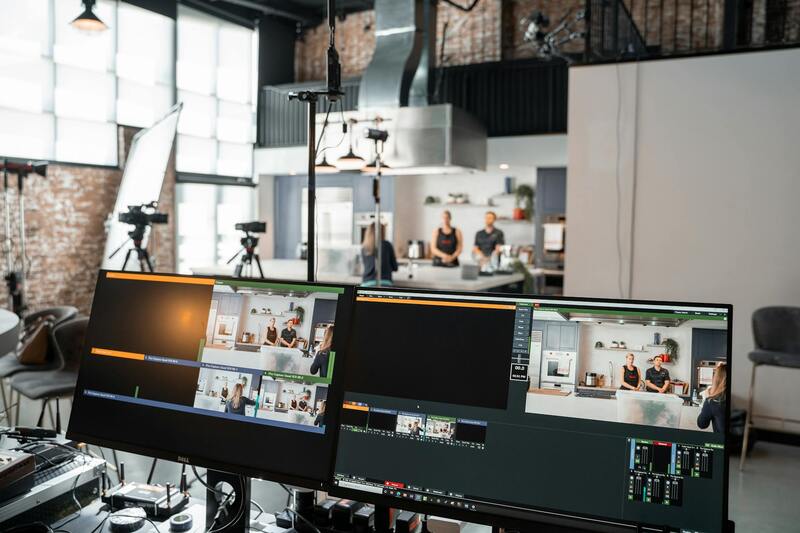
Furthermore, robust legal review processes before going live prevent inadvertent infringements that could result in content removal or financial penalties. This proactive approach is crucial for maintaining a reputable presence in the streaming landscape. Clear internal policies for content approval, copyright audits, and rights verification establish a foundation for responsible production. Keeping comprehensive records of licensing agreements, permissions obtained, and review procedures enhances accountability and provides legal protection.
Incorporating data privacy and cybersecurity protocols is equally important. Protecting viewer information through encrypted transmission channels, secure login credentials, and privacy-compliant data handling practices builds trust and aligns with regulatory expectations. Producing with a focus on legal and compliance standards not only minimizes risks but also elevates the professionalism and credibility of the streaming service.
Official Methods for Broadcast Streaming Production
Executing a successful broadcast streaming production relies on adherence to structured, official methodologies that ensure quality, reliability, and compliance. The core of these methods involves meticulous planning, professional implementation of equipment, and rigorous monitoring throughout the production process. Utilizing industry-standard practices and verified technology setups not only enhances the viewer experience but also maintains the integrity of the content being delivered.
From the initial concept to the final broadcast, every step requires thorough documentation and adherence to established protocols. Planning involves detailed scripts, shot lists, and checklists aligned with production goals. The deployment of high-quality, certified broadcasting equipment — including professional cameras, encoders, and audio systems — is essential to produce crisp visuals and clear sound. During the production phase, technicians follow standardized procedures for equipment calibration, signal management, and real-time troubleshooting to prevent disruptions.
For transmission, reliable streaming protocols such as HLS (HTTP Live Streaming) or DASH (Dynamic Adaptive Streaming over HTTP) are employed, ensuring the broadcast adapts to viewers’ bandwidth conditions seamlessly. Proper configuration of content delivery networks (CDNs) guarantees minimal latency and buffer times, which are crucial for live events and real-time updates.

Furthermore, the integration of secure streaming methods, such as encrypted streams using AES (Advanced Encryption Standard), prevents unauthorized access and piracy. These security measures operate within an official framework, ensuring content remains protected according to industry standards. Continuous monitoring through licensed software solutions allows production teams to detect and resolve issues promptly, preserving broadcast quality and preventing service outages.
Certification and Training for Broadcast Professionals
Following established certification programs and training modules upholds the integrity of broadcast streaming operations. Certified personnel demonstrate expertise in equipment handling, streaming protocols, and compliance standards, which reduces errors and enhances overall production professionalism.
Official partnerships with technology vendors and adherence to industry standards set by authoritative bodies further bolster the production’s credibility. Maintaining a comprehensive record of equipment maintenance, staff training, and operational procedures supports accountability and continuous improvement within the production environment.

In sum, following vetted, proven methods centered on certified equipment, trained personnel, and rigorous security protocols forms the backbone of legitimate broadcast streaming production. This approach guarantees high-quality output, operational stability, and compliance with professional standards, which are vital for delivering dependable streaming services to audiences.