
Understanding Streaming Production
Streaming production refers to the process of creating live or on-demand video content that is transmitted over the internet in real-time or for later viewing. It involves a combination of technical components, content creation strategies, and distribution methods that enable organizations, events, and individuals to reach global audiences effectively. In the bustling media and entertainment hub of Miami, streaming production has become a vital aspect of engaging viewers and expanding brand visibility.
This multifaceted process includes audiovisual capture, signal encoding, streaming server management, and audience delivery. The core elements consist of high-quality cameras, audio equipment, professional-grade switching devices, and reliable internet infrastructure. These components ensure that the content is broadcast clearly, smoothly, and with minimal latency, providing an engaging viewer experience. Additionally, content management and distribution platforms play a crucial role in ensuring the streamed content reaches targeted audiences seamlessly.
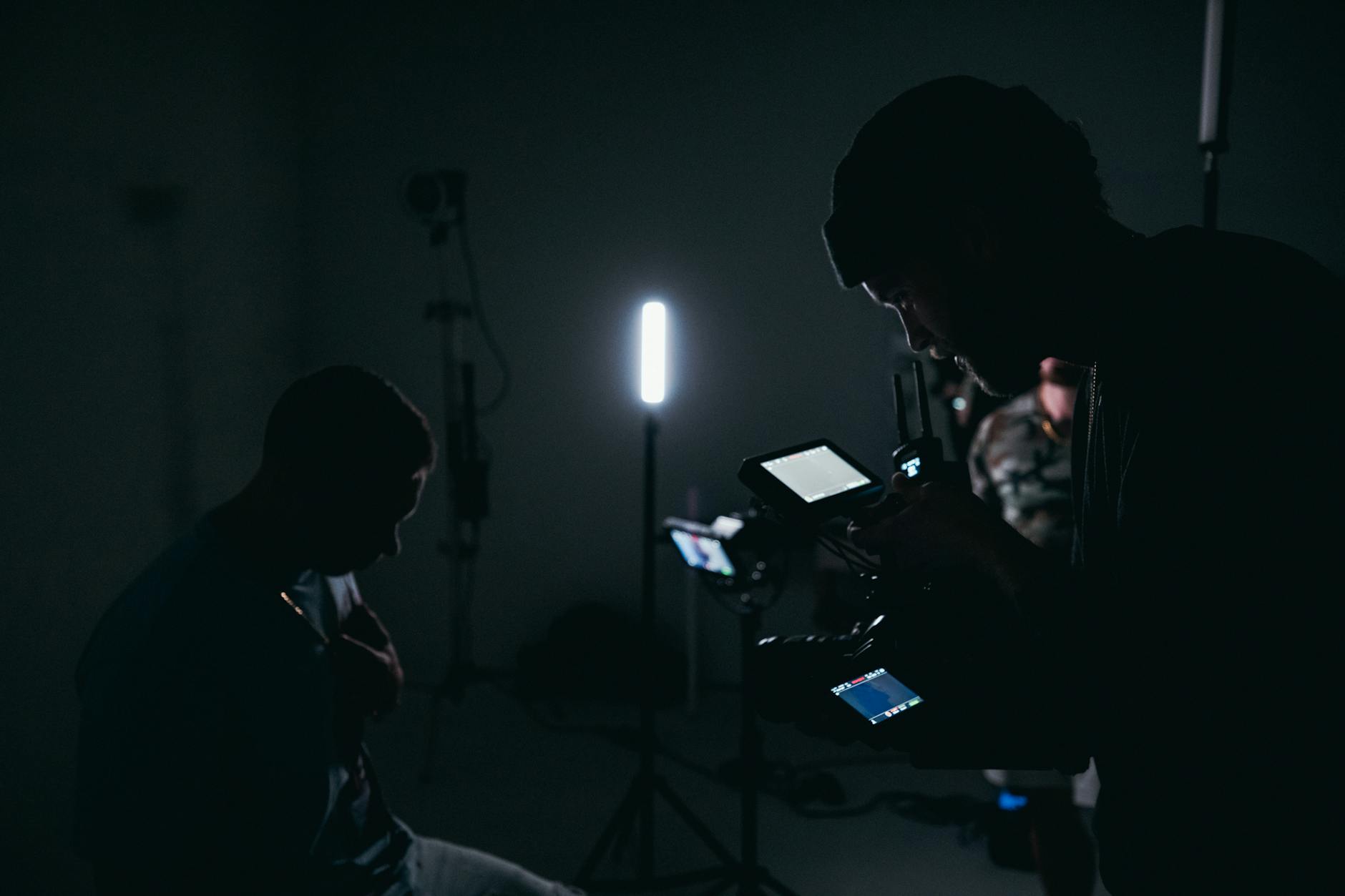
Within the context of Miami's vibrant media landscape, streaming production holds particular significance for a diverse range of sectors, including corporate events, entertainment, sports, education, and tourism. The ability to deliver dynamic, professional video content live or on demand empowers organizations to expand their outreach, increase engagement, and elevate their brand presence. As digital consumption continues to rise, well-executed streaming production becomes an essential tool for Miami-based businesses aiming to connect with wider audiences across different platforms and devices.
Key Components of Streaming Production
- Video and audio capturing equipment
- Encoding and streaming hardware or software
- Reliable internet and network solutions
- Production control interfaces
- Content delivery networks (CDNs)
- Audience engagement tools
Investing in these key components ensures a professional level of production quality, which is critical in maintaining viewer interest and meeting the high standards expected in today’s competitive digital environment.
Key Technologies and Equipment Used in Streaming Production
Implementing a successful streaming production requires a robust array of technical tools designed to ensure high-quality delivery and seamless operation. The primary hardware components include professional-grade cameras capable of capturing clear, detailed footage from multiple angles, which allows for dynamic visual storytelling. These are often paired with audio equipment such as lavalier and shotgun microphones to guarantee crisp sound quality, a crucial element for engaging viewers.
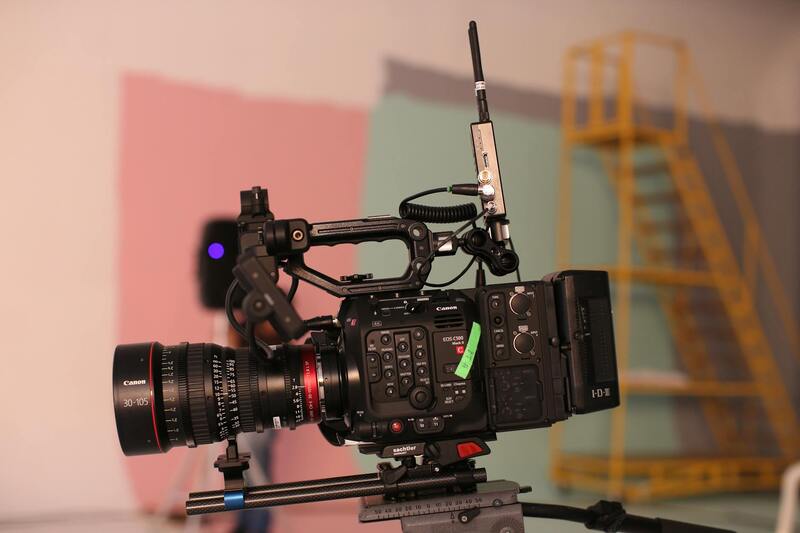
On the software side, encoders play a vital role in converting raw audio and video feeds into streams compatible with various online platforms. Hardware encoders are favored for their reliability and low latency, enabling real-time broadcasting without lag issues. Additionally, streaming software solutions—such as OBS Studio or Wirecast—offer extensive features including scene switching, overlays, and multi-source integration to enhance visual presentation and viewer engagement.
High-performance streaming hardware, including dedicated servers and network routers, form the backbone of a smooth operation, especially when handling large audiences. These devices must support high bandwidth and prioritize network traffic to prevent interruptions or buffering during live events. Content delivery networks (CDNs) are also integral, distributing the stream efficiently across different geographical locations, reducing latency, and maintaining high video quality for viewers spread across Miami and beyond.
Production Control and Content Distribution
Control interfaces like physical mixers or software dashboards enable technicians to manage the live feed actively. They adjust audio levels, switch camera sources, and incorporate graphic overlays in real-time, which enriches the viewer experience. Content distribution platforms facilitate the uploading, scheduling, and broadcasting of recorded or live content across multiple channels, including social media, websites, and dedicated streaming portals, ensuring optimal reach and viewer interaction.
Crucially, the integration of audience engagement tools—such as live chat modules, polls, and call-to-action overlays—further enhances interaction, fostering a sense of community among viewers. As Miami's diverse market demands high standards, leveraging these advanced technologies and equipment ensures a professional, reliable streaming experience that aligns with contemporary expectations for production quality.
Key Technologies and Equipment Used in Streaming Production
Effective streaming production in Miami relies heavily on a suite of advanced technologies and equipment designed to deliver high-quality, reliable broadcasts. At the core are professional-grade cameras capable of capturing crisp, high-resolution footage in various lighting conditions, ensuring that every detail of live events is vividly rendered. These cameras are often equipped with multiple lenses and stabilization systems, allowing for seamless transitions and dynamic shot compositions that enhance viewer engagement.
Encoding solutions are indispensable in converting raw footage into digital streams compatible with online platforms. Hardware encoders, often integrated with streaming servers, provide stable and consistent quality, even during high-demand broadcasts. Software-based encoders are also popular, offering flexibility and advanced features for customizing outputs, overlays, and multiple stream sources. The choice between hardware and software solutions depends on the scale and scope of the event, bandwidth considerations, and the desired production quality.
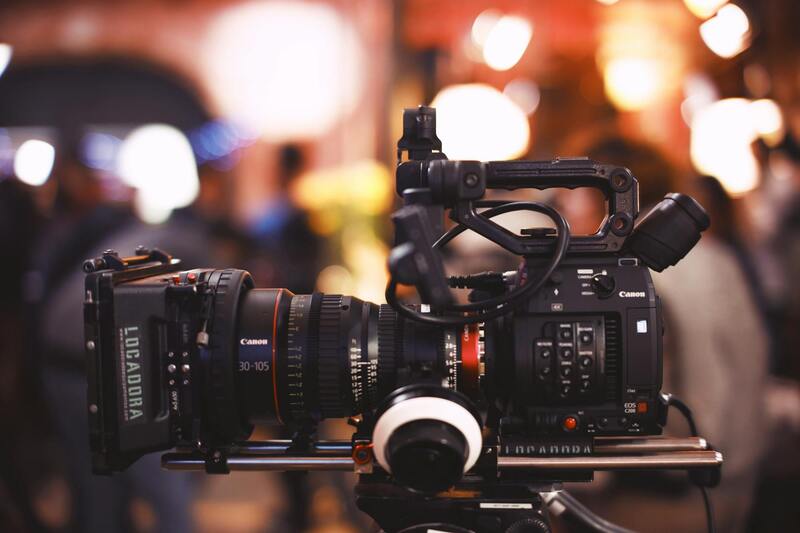
Streaming platforms and cloud services play a crucial role in managing and distributing live content. Many Miami production teams utilize robust streaming platforms that support multi-channel broadcasting, adaptive bitrate streaming, and real-time analytics. These tools ensure that viewers receive the best possible quality regardless of their device or network speed. Additionally, content delivery networks (CDNs) are essential for distributing streams across different geographic locations efficiently, minimizing latency and buffering.
Supports like audio mixers, lighting control systems, and teleprompters further enhance the production quality by ensuring optimal sound and visual presentation. Integration of these elements requires specialized hardware interfaces and control software, enabling seamless operation during live events. All these technologies collectively form the backbone of a professional streaming setup capable of delivering engaging and technically flawless live broadcasts.
Production Execution and Technical Considerations
Executing a high-quality streaming event requires meticulous technical planning and real-time management. The core of this phase involves coordinating multiple streams, audio-visual feeds, and ensuring synchronization across all sources. For Miami-based events, professionals typically employ scalable hardware encoders and software solutions to manage multiple input sources, including cameras, microphones, and presentation slides. These inputs are processed through live switching equipment to deliver a polished final output.
During live production, the technical team monitors bandwidth usage to prevent interruptions. They employ tools such as network monitoring software that provide real-time insights into upload speeds and latency, enabling prompt responses to potential issues. Multi-camera setups are utilized to ensure dynamic coverage, with seamless transitions managed by switchers and control systems, creating an engaging viewer experience.
Sound quality remains paramount in live streams. Engineers use digital audio mixers to balance audio levels, reduce background noise, and incorporate effects or overlays such as logos and lower thirds. Lighting control systems are adjusted to optimize visual clarity, with teleprompters providing seamless cueing for presenters. All operations are synchronized through control interfaces, allowing operators to switch between visual and audio feeds smoothly.
To enhance engagement, real-time graphics and overlays are added, including event branding, sponsor messages, and interactive polls. These elements are managed via integrated production software, enabling rapid updates without disrupting the live flow. In Miami, the adoption of cloud-based switching and streaming solutions has further simplified multi-event broadcasting, providing flexibility and redundancy.
Understanding Streaming Production
Streaming production involves a complex integration of technical expertise, high-quality equipment, and strategic planning to deliver live or pre-recorded content to audiences over the internet. This process encompasses everything from initial conceptualization through to post-event analysis and content dissemination. Effective streaming production ensures seamless transmission, superior visual and audio quality, and engaging viewer interaction, making it an indispensable tool for businesses aiming to extend their reach and engagement in Miami's vibrant digital landscape.
Core Components of Streaming Production
- Content Planning and Development: Defining the purpose, target audience, and key messages of the broadcast, aligning content with brand identity and viewer expectations.
- Pre-Production Preparation: Scriptwriting, creating visuals and graphics, scheduling, and technical rehearsals to troubleshoot potential issues well before going live.
- Technical Setup: Selecting appropriate cameras, audio equipment, lighting, and streaming hardware—such as encoders and switchers—to ensure optimal broadcast quality.
- Live Execution: Coordinating camera angles, managing audio levels, integrating graphics, and monitoring stream stability in real-time, often requiring highly skilled technicians and producers.
- Post-Production: Editing recorded streams for highlight reels, creating promotional content, and analyzing viewer data to enhance future productions.
Technical Challenges and Solutions in Streaming Production
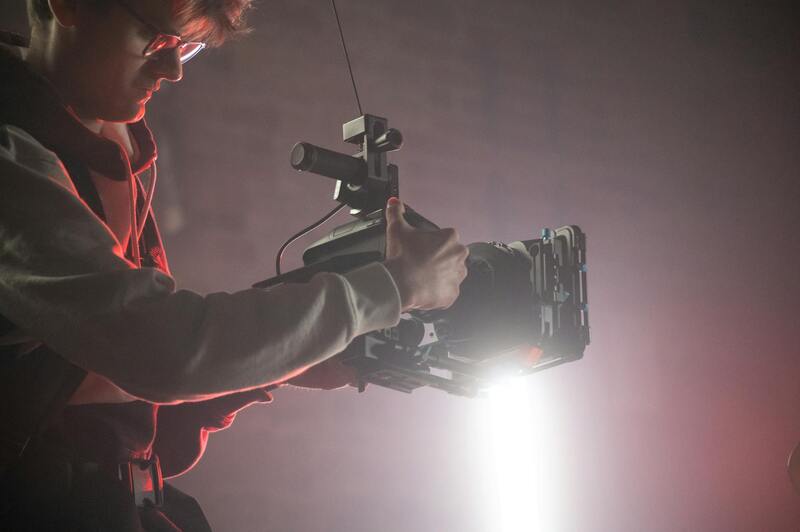
Managing live streaming events in Miami involves navigating various technical challenges to ensure an uninterrupted and professional broadcast. Issues such as unstable internet connections, equipment failures, or audio-visual mismatches can disrupt the viewing experience. To mitigate these risks, streaming professionals implement redundant internet connections, backup power sources, and real-time monitoring systems. Having a dedicated team of technicians onsite allows for immediate troubleshooting, minimizing potential disruptions and guaranteeing a smooth broadcast even amidst unforeseen circumstances.
Importance of Clear Communication and Coordination
Effective streaming production demands meticulous coordination between technical staff, on-camera talent, and production managers. Pre-event briefings, clear communication channels, and well-defined roles help streamline operations. During the live event, real-time communication tools enable instant problem-solving, ensuring that any technical or content-related issues are addressed swiftly, preserving the integrity and quality of the broadcast.
Ensuring Compliance with Standards and Best Practices
Adhering to established industry standards for audio-visual quality, data security, and accessibility is vital for professional streaming. This includes compliance with broadcasting protocols, maintaining high-resolution output, and implementing secure data transmission practices. Regular equipment calibration, staff training, and staying updated on the latest technological advancements help maintain these standards. For Miami-based productions, understanding local regulations, audience preferences, and technological infrastructure plays a crucial role in shaping best practices tailored to regional needs.
Legal and Quality Standards in Streaming Production
Maintaining high standards in streaming production is essential to deliver professional, reliable content that resonates with Miami’s diverse audience. Adhering to established protocols ensures that broadcasts meet industry benchmarks, safeguarding both the production quality and brand reputation. Key areas of focus include audio-visual fidelity, data security, and accessibility, each of which plays a vital role in delivering a seamless viewing experience.
Audio-visual quality is fundamental in engaging viewers and conveying message clarity. This entails utilizing high-definition cameras, premium microphones, and real-time audio mixing to produce crisp, clear visuals and sound. Regular calibration of equipment and adherence to technical specifications help prevent issues such as pixelation or audio distortion. For Miami-based productions, understanding the unique climatic and infrastructural conditions, like humidity and power stability, informs equipment choice and setup, reducing the risk of technical failures.
Data security is another critical component. Streaming content often involves transmitting sensitive or proprietary material over the internet. Implementing encryption protocols, secure login procedures, and secure CDN (Content Delivery Network) channels mitigate risks of unauthorized access and streaming disruptions. Especially in professional settings, where brand integrity and intellectual property matter, safeguarding content is paramount.
Accessibility standards also demand attention. Providing closed captions, alternative audio descriptions, and ensuring compatibility with various devices extends the reach of streamed content to broader audiences. For Miami producers, aligning with federal and local guidelines promotes inclusivity and broadens audience engagement.
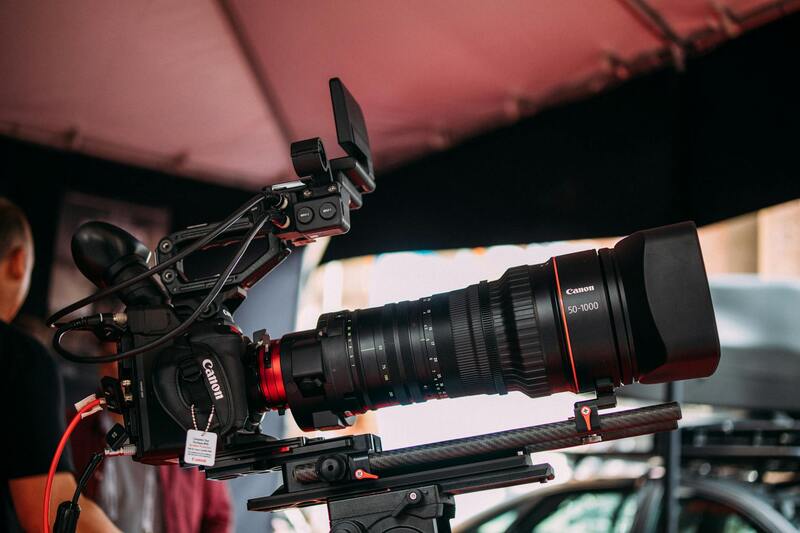
Incorporating these practices involves regular staff training and staying informed about technological advances. Industry certifications and adherence to best practices demonstrate a commitment to quality, fostering trust among clients and viewers alike. Additionally, local considerations—such as regional internet infrastructure and audience connectivity preferences—must be integrated into quality assurance protocols to optimize the streaming experience across Miami's diverse demographic landscape.
Ultimately, by aligning with comprehensive technical and operational standards, streaming production teams in Miami can deliver content that is not only engaging but also reliable, secure, and inclusive. This focus on quality elevates the broadcast’s professionalism and ensures long-term success in a competitive digital environment.
Understanding Streaming Production
Streaming production involves the comprehensive process of creating, managing, and delivering live or on-demand video content over the internet. It encompasses everything from content creation, technical setup, transmission, to audience engagement strategies. In the context of Miami, where vibrant cultural diversity and a bustling event scene intersect, effective streaming production can significantly amplify a brand’s reach and presence. Utilizing professional-grade equipment and industry-standard workflows ensures that streamed content meets high visual and audio fidelity, reflecting the quality standards expected by viewers.
From multi-camera setups capturing dynamic event angles to advanced audio mixing for crystal-clear sound, every aspect of streaming production must be meticulously planned and executed. Moreover, the integration of graphics, overlays, and interactive elements enhances viewer engagement and provides a polished, immersive experience. Given Miami’s diverse audience, multi-platform compatibility becomes essential, allowing content to seamlessly adapt across desktops, smartphones, and smart TVs, thus extending accessibility and user engagement.
High-quality streaming production also demands rigorous coordination during the live event. This involves real-time switching, live editing, and prompt troubleshooting to handle any technical issues that may arise. Employing professional production teams equipped with industry-standard tools guarantees a smooth broadcast, minimizing interruptions, and ensuring content delivery integrity. In a city celebrated for its energetic events and social gatherings, such precision and professionalism translate into impactful, memorable broadcasts that can elevate an organization’s visibility and brand authority.
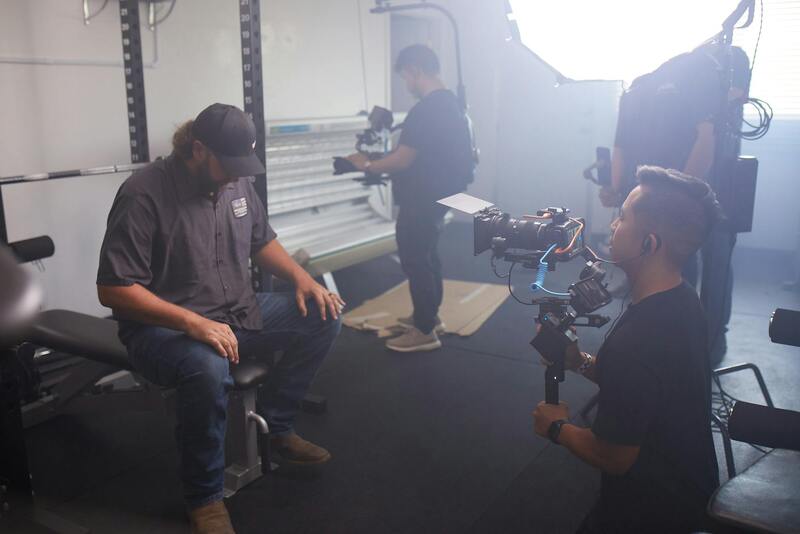
Furthermore, integrating multiple content sources—such as live feeds, pre-recorded segments, and real-time social media interactions—provides a dynamic viewing experience. The use of professional encoding and advanced streaming platforms ensures minimal latency, optimal image quality, and reliable delivery to audiences worldwide. These technical innovations enable Miami-based broadcasters and event organizers to deliver engaging content that resonates with local and global viewers alike, reinforcing their position within the competitive landscape of digital media.
Understanding Streaming Production
Streaming production encompasses the entire process of creating and delivering live or on-demand video content over the internet. It involves multiple stages, from conceptual planning and technical setup to live execution and post-event content management. This multifaceted approach ensures that viewers experience high-quality visuals and seamless audio, regardless of their device or location. In Miami’s vibrant event scene, professional streaming production offers a chance to showcase corporate events, concerts, conferences, and cultural festivities to a broad audience, expanding engagement and brand visibility.
Technical Components of Streaming Production
Effective streaming production relies on a combination of advanced hardware, software, and skilled personnel. Critical equipment includes high-definition cameras, professional audio mixers, transition switchers, and encoders that compress and transmit video signals efficiently. Software tools manage live switching, graphics, and overlays, adding professionalism to the broadcast. Reliable internet connectivity is paramount, with backup solutions ensuring uninterrupted delivery. Producers also leverage streaming platforms that support multi-platform compatibility, allowing content to reach desktops, smartphones, and smart TVs simultaneously.
Role of Specialized Personnel
Qualified production teams handle various roles during the process. Directors coordinate live feeds, switchers manage real-time visual transitions, and technical directors troubleshoot issues as they arise. Additionally, social media coordinators integrate audience interactions into the stream, enhancing engagement. Training and experience are vital, ensuring that each team member operates with precision to maintain broadcast quality during complex live events.
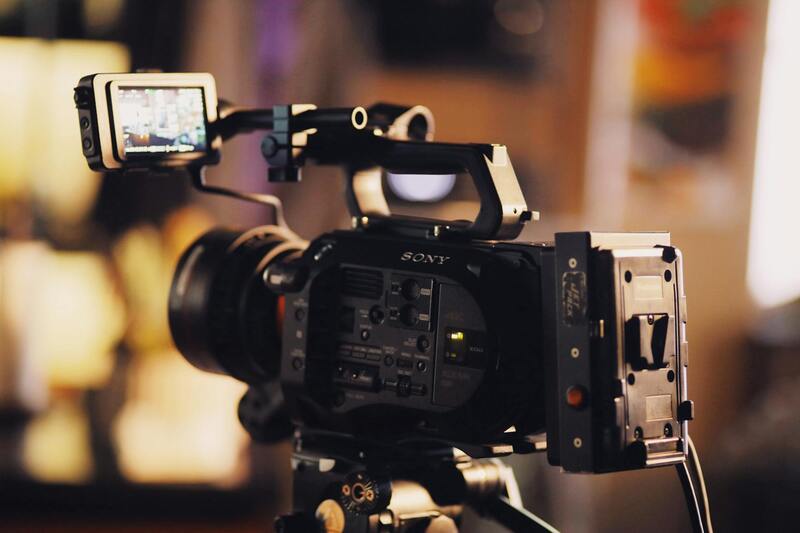
Emerging Technologies Influencing Streaming Production
Innovations like 4K Ultra HD broadcasting, virtual reality (VR), and augmented reality (AR) are expanding the horizons of live streaming. These technologies offer immersive experiences that captivate audiences and provide new avenues for storytelling. Additionally, AI-driven analytics are helping producers tailor content in real-time by analyzing viewer engagement patterns. Integration of 5G networks enhances mobile streaming capabilities, allowing for higher data transmission speeds and lower latency, which is crucial for live event coverage in bustling city environments like Miami.
Ensuring Optimal Quality Standards
Maintaining high-quality outputs involves rigorous adherence to technical specifications and quality control measures. Color grading, audio calibration, and stable video encoding are essential before and during the stream. Regular testing of equipment and connectivity, coupled with real-time monitoring, ensures that viewers receive a professional viewing experience without disruptions. Professional-grade streaming services also offer scalability, accommodating larger audiences during high-demand events.
Future Trends and Opportunities in Miami’s Streaming Landscape
As Miami continues to grow as a hub for entertainment, business, and cultural events, the demand for innovative streaming solutions will rise. Emerging formats such as 8K streaming and hybrid virtual-in-person experiences will create new opportunities for content creators and event organizers. The proliferation of interactive content, like live polls, Q&A sessions, and social media overlays, enhances audience participation and retention. Moreover, partnerships with innovative technology providers will allow Miami companies to push boundaries in content delivery, pushing the region to the forefront of the digital streaming revolution.