
Overview of Conference Streaming Services
Conference streaming services have revolutionized the way organizations host and manage large-scale events, seminars, and corporate presentations. These platforms facilitate the live transmission of conference content over the internet, allowing attendees from around the world to participate remotely in real time. This technology bridges geographical gaps, providing a seamless virtual experience that complements traditional in-person gatherings.
At their core, conference streaming services serve as a digital gateway, broadcasting keynote speeches, panel discussions, workshops, and interactive sessions directly to viewers' devices such as computers, tablets, and smartphones. By doing so, they enable broader accessibility, increased audience engagement, and enhanced networking opportunities for both organizers and participants.
For organizations aiming to expand their reach, these platforms offer a vital tool for accommodating a diverse delegation. Whether it's an annual industry conference, educational symposium, or corporate product launch, conference streaming services ensure that vital discussions and insights are disseminated globally without geographical or logistical constraints.
Furthermore, these services support various formats and interactive features that enrich the virtual experience. Attendees can access live chats, Q&A sessions, polling, and on-demand recordings, creating a dynamic environment that closely mirrors traditional live events. As the demand for flexible, hybrid event solutions increases, conference streaming platforms continue to evolve, integrating new tools to meet the needs of modern virtual engagement.
In essence, conference streaming services are pivotal for organizations seeking to host accessible, engaging, and scalable events. They combine cutting-edge technology with strategic content delivery to ensure that every participant, regardless of location, can access vital conference content smoothly and securely.
Implementing a reliable conference streaming solution demands a comprehensive understanding of technical infrastructure, platform capabilities, and audience engagement strategies—all of which are critical for delivering a professional virtual event experience. As these services become more sophisticated, they are shaping the future landscape of event hosting by making virtual participation a standard feature of successful conferences.
Key Features of Effective Conference Streaming Platforms
When selecting a conference streaming platform, it is essential to evaluate features that ensure seamless delivery and engagement. High-quality video output is fundamental, as it guarantees clear visuals and audio, which are crucial for maintaining attendee attention and conveying professionalism. Platforms that support multiple resolutions and adaptive streaming technologies can automatically adjust the quality based on individual internet speeds, minimizing buffering and ensuring smooth viewing experiences.
Interactive tools integrated within streaming platforms significantly enhance engagement during virtual or hybrid conferences. Features such as live chat, real-time polling, Q&A modules, and session bookmarks allow participants to actively participate, ask questions, and provide feedback without disrupting the event flow. These tools foster a dynamic environment that closely mimics in-person interactions.
Multi-platform compatibility is another critical aspect. A robust conference streaming service should support access across various devices, including desktops, laptops, tablets, and smartphones. Compatibility with popular operating systems and browsers ensures that attendees can join sessions without technical barriers.
Security measures form a vital component of reliable conference streaming services. Encrypted data transfer, secure login protocols, and access control prevent unauthorized viewing and protect sensitive conference content. Features like password-protected streams and attendee authentication help maintain confidentiality and integrity of the event.
Choosing the Right Streaming Service for Events
Selecting the appropriate streaming platform involves a comprehensive assessment of your event's specific needs and anticipated audience size. Key considerations include platform reliability, ease of use, customization options, and available technical support. Platforms that offer scalable solutions can accommodate both small roundtable discussions and large-scale international conferences with thousands of attendees.
It is also important to evaluate the integration capabilities with existing event management systems, registration tools, and content delivery networks. Seamless integration reduces logistical complications and enhances the overall attendee experience.
Additional support features such as multi-language options, accessibility accommodations, and analytics reporting provide valuable insights into attendee engagement and content effectiveness. Such data can inform future event planning and improve content delivery strategies.
Overview of Conference Streaming Services
Conference streaming services have revolutionized the way organizations and event organizers host and broadcast their events. They provide a reliable platform for live delivery of keynote speeches, panel discussions, workshops, and networking sessions to a global audience. Leveraging advanced technology, these services facilitate seamless transmission of high-definition video and audio signals, ensuring attendees experience the event as if they were physically present. The accessibility of virtual platforms broadens reach, enhances engagement, and reduces logistical costs associated with staging in-person gatherings. As the demand for dynamic and interactive event experiences grows, providers now incorporate features that promote real-time interaction, attendee participation, and comprehensive analytics to measure engagement and content performance. A broad spectrum of options exists in the market, ranging from simple webcasting solutions to comprehensive hybrid platforms that combine physical and virtual event elements, catering to the diverse needs of corporate events, academic conferences, trade shows, and industry summits.
Key Features of Effective Conference Streaming Platforms
For a conference streaming platform to be truly effective, it must incorporate a suite of features that ensure smooth delivery, user engagement, and data security. High-quality streaming capabilities are fundamental, demanding robust bandwidth management and adaptive streaming technology to cater to varied internet speeds and device compatibilities. Secure login protocols and encrypted data transmission are vital to protect sensitive content and attendee privacy. Customizable access controls, such as password protection and attendee authentication, help manage participant access and maintain control over who views the event. Interactive functionalities like live chat, Q&A sessions, poll integrations, and social media sharing foster engagement and create a participatory environment that enhances the overall experience. Real-time analytics and reporting tools offer insights into viewer behavior, engagement levels, and content effectiveness, informing future event strategies. Furthermore, a user-friendly interface with intuitive navigation and comprehensive technical support streamline the attendee journey, minimizing technical difficulties and maximizing content delivery efficiency. Integration with existing event management and registration systems simplifies attendee onboarding, while multi-language support and accessibility features ensure inclusivity for diverse audiences. Scalability remains an essential consideration, with platforms capable of expanding for larger audiences or more interactive features as event needs evolve.
Technical Infrastructure and Setup
Establishing a robust technical infrastructure is critical to delivering high-quality conference streams that meet the expectations of both organizers and attendees. The backbone of this setup includes reliable high-speed internet connectivity, advanced encoding equipment, and synchronized hardware that ensures smooth video and audio transmission. An optimal setup often involves multiple redundant internet connections to prevent disruptions caused by network failures, thus maintaining uninterrupted streams during live events.
Content delivery networks (CDNs) play a vital role in distributing the live stream efficiently across geographic locations, reducing latency, and preventing buffering. These networks facilitate scalable delivery, allowing the stream to adapt dynamically to viewer load, which is especially important for large-scale conferences. Encoders, whether hardware or software-based, compress the video signals effectively to maintain high resolution without overburdening bandwidth. The selection of appropriate codecs and bitrates depends on the target audience’s internet capabilities and device compatibility.
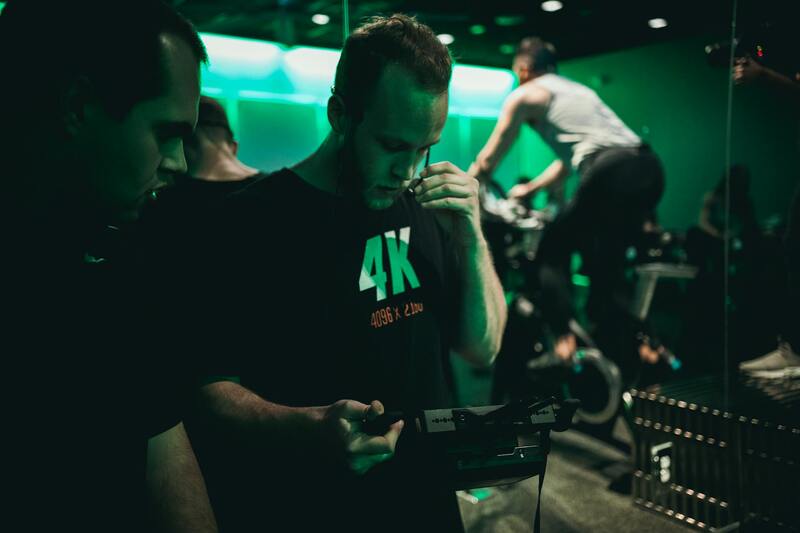
Furthermore, seamless integration of audio-visual equipment such as microphones, cameras, and mixing consoles ensures professional-grade production quality. Proper calibration and synchronization between these devices are essential for clarity and coherence in the live broadcast.
To optimize the stream’s performance, pre-event technical rehearsals should be conducted, allowing technical teams to identify and resolve potential issues. Monitoring tools should be in place throughout the event to track stream health, viewer engagement, and performance metrics, enabling swift troubleshooting if technical difficulties arise.
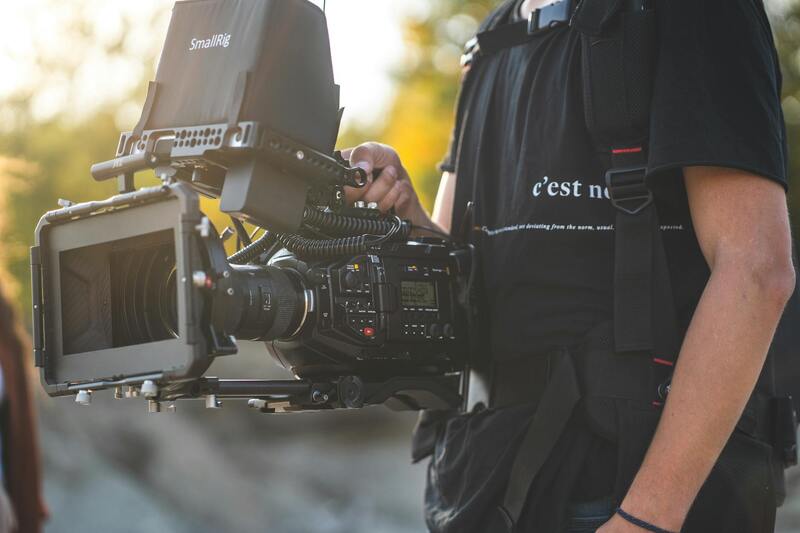
Ultimately, the success of a conference stream relies on meticulous planning, a solid technical foundation, and continuous real-time monitoring, ensuring attendees experience the event without disruptions or quality issues.
Role of Production Agencies in Conference Streaming
Engaging a professional production agency is essential for executing seamless conference streams that meet high-quality standards. These agencies bring a wealth of expertise in managing complex technical setups, from camera operations to audio mixing, ensuring that every aspect of the broadcast aligns with the event’s objectives. They oversee the entire production process, including pre-event preparations, live operation, and post-event evaluations, delivering a comprehensive approach that minimizes technical disruptions and maximizes viewing experience.

Pre-Event Planning and Coordination
Effective collaboration begins well before the event, with detailed planning sessions that determine the streaming setup, camera placement, audio requirements, and overall production flow. Production agencies evaluate the venue’s infrastructure, recommend suitable technology, and customize solutions to match the event’s scale and format. Advanced planning guarantees that all technical elements work harmoniously, reducing the risk of unforeseen issues during the live broadcast.
Technical Expertise and Equipment Management
During the event, production specialists operate and monitor equipment such as encoders, switchers, and video mixers to synchronize multiple video feeds, graphics, and overlays. They ensure that audio levels remain consistent and that visual transitions are smooth. State-of-the-art equipment, including high-definition cameras, professional audio systems, and reliable streaming encoders, is critical for capturing and transmitting content at optimal quality levels.
Real-Time Monitoring and Troubleshooting
Throughout the conference, dedicated technical teams continuously monitor the stream’s integrity, viewer engagement, and network performance. They are prepared to address technical glitches promptly, such as buffering, audio dropout, or video lag, to maintain a professional broadcast standard. This proactive approach enhances the viewing experience and reinforces the credibility of the event.
Post-Event Analysis and Reporting
After the conclusion of the conference, production agencies compile detailed reports that analyze stream performance, viewer statistics, and technical issues encountered. These insights inform future improvements and help refine strategies for subsequent events. Additionally, recorded content can be edited and distributed for on-demand viewing, extending the conference’s reach beyond the live session.
Choosing the Ideal Production Partner
- Assess their technical capabilities and experience with similar events
- Review their portfolio and client testimonials for reliability
- Ensure they offer comprehensive support from planning through post-production
- Check the availability of advanced equipment that matches your event’s needs
- Prioritize agencies that focus on seamless communication and contingency planning
Selecting a proficient production agency guarantees not only the technical excellence of your conference stream but also a smooth, engaging experience that resonates with your audiences and elevates your brand reputation.
Best Practices for Delivering High-Quality Streams
Ensuring a seamless and professional conference stream hinges on adhering to proven best practices in digital broadcasting. The first step involves rigorous pre-event testing of all technical components, including internet bandwidth, encoding hardware, and streaming platforms. This proactive assessment helps identify potential bottlenecks or issues that could compromise stream quality during the live event.
Reliable internet connectivity is the backbone of successful conference streaming. It is essential to secure dedicated bandwidth with a stable connection—preferably wired Ethernet rather than Wi-Fi—to prevent interruptions or fluctuations that can diminish viewer experience. Utilizing multiple internet sources, such as secondary connections or load balancing solutions, provides added security against unforeseen disruptions.
The choice of video encoding and compression settings significantly impacts stream clarity and smoothness. High-definition resolutions (such as 1080p or 4K) should be prioritized, with appropriate bitrates to balance quality and bandwidth constraints. Properly configured encoding hardware or software ensures that the content remains sharp without overloading the available network resources, which could cause lag or buffering issues.
Audio quality is equally critical. Professional microphones, sound mixing, and echo cancellation contribute to clear, intelligible sound that keeps audiences engaged. Small details, like syncing audio with video and reducing background noise, influence overall professionalism and viewer satisfaction.
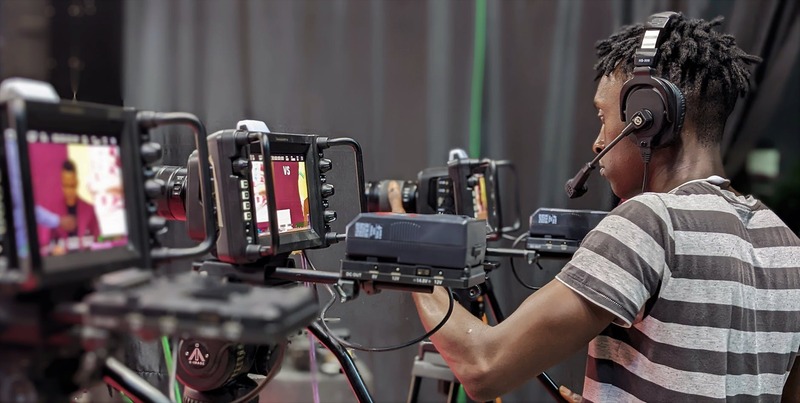
Implementing adaptive streaming technology can dynamically adjust video quality based on the viewer’s bandwidth. This approach minimizes buffering and ensures a consistently smooth experience, regardless of the viewer’s internet speed. Additionally, utilizing Content Delivery Networks (CDNs) distributes the stream across multiple servers worldwide, reducing latency and improving global accessibility.
During the actual conference, real-time monitoring tools are invaluable. They provide insights into streaming health, viewer engagement, and technical performance. Rapid response protocols for issues such as buffering, latency, or audio distortions are essential. Having an on-site or remote technical team dedicated to real-time troubleshooting further reduces the risk of audience frustration and enhances overall event professionalism.
Post-event, comprehensive analytics help evaluate stream performance comprehensively. Metrics like viewer count, view duration, geographic distribution, and engagement levels inform future improvements. Gathering audience feedback through surveys and chat interactions can also reveal insights into the quality of the streaming experience and areas for enhancement.
Technical Infrastructure and Setup for Conference Streaming
Establishing a robust technical infrastructure is fundamental to delivering seamless conference streams that meet professional standards. This encompasses selecting high-quality hardware and reliable software solutions that support the specific requirements of the event. The backbone of any successful stream includes professional-grade cameras capable of capturing clear visuals from multiple angles, high-fidelity microphones that ensure crisp audio, and powerful encoding devices that convert raw footage into optimized streaming formats.
Furthermore, the network infrastructure must be capable of handling large data transmissions without interruption. This typically involves dedicated internet connections with sufficient bandwidth, redundant networking setups to prevent outages, and secure firewalls to protect sensitive data. Utilizing multi-streaming setup allows producers to manage different camera feeds, overlays, and real-time graphics, enhancing the overall production quality.
For hybrid events, integrating onsite and virtual elements requires additional coordination. This includes reliable AV equipment at physical venues, stable wireless connections, and efficient hardware to support live mixing and streaming. Automated switching systems and video switchers can improve production flow, especially when handling multiple feeds or technical glitches that necessitate quick adjustments.
Monitoring and Troubleshooting During the Event
Constant real-time monitoring is essential to identify and rectify issues as they occur. Advanced monitoring tools analyze signal strength, stream health, and viewer engagement metrics. Deployment of on-site technical teams equipped with troubleshooting hardware and software ensures swift response to any technical difficulties, minimizing disruptions. Log analysis and live diagnostics help pinpoint inconsistencies, whether in audio, video, or streaming delivery, enabling immediate remedial actions.
Having contingency plans, such as backup internet connections and alternative streaming platforms, guarantees that unforeseen problems do not compromise the entire event. Regular rehearsal and system checks prior to the actual event are critical to identify possible points of failure and fine-tune the setup accordingly.
Post-Event Technical Analysis and Reporting
After the event, comprehensive data analysis provides insights on stream performance and viewer engagement. Metrics such as peak concurrent viewers, content engagement duration, geographic reach, and technical fault logs help assess the overall success of the streaming operation. Analyzing these metrics guides future improvements, whether in infrastructure, content delivery, or audience interaction strategies. Collecting audience feedback through surveys and direct comments further refines the understanding of viewers’ experience, informing future technical and content enhancements.
Future Trends in Conference Streaming Services
As the landscape of conference streaming continues to evolve, several emerging technologies and industry standards are shaping the next generation of event delivery. Integrating these innovations enables organizers to amplify audience engagement, optimize technical reliability, and enhance overall experience.
Adoption of 4K and HDR Streaming
Higher resolution formats such as 4K are becoming increasingly accessible, allowing viewers to enjoy crystal-clear images that replicate the in-person experience more accurately. High Dynamic Range (HDR) enhances color accuracy and contrast, providing a more vibrant visual experience. As internet bandwidths expand and streaming hardware becomes more capable, the adoption of 4K and HDR will become standard, offering a premium viewing experience for larger audiences.
Artificial Intelligence and Machine Learning Integration
AI-driven tools are revolutionizing conference streaming by enabling real-time captioning, translation, and content customization. Machine learning algorithms can analyze viewer engagement patterns, suggesting dynamic content adjustments or personalized viewing options. AI also plays a critical role in stream quality management, predicting and mitigating potential disruptions before they impact the audience.
Enhanced Interactivity and Audience Engagement
Future streaming solutions will emphasize interactive features such as live Q&A sessions, polls, virtual networking lounges, and augmented reality (AR) experiences. These features foster a sense of community and participation, blurring the lines between virtual and physical attendance. The integration of social media platforms and dedicated event apps further amplifies audience interaction and content sharing.
5G Connectivity and Edge Computing
The rollout of 5G networks has the potential to dramatically improve streaming stability and reduce latency, especially for large-scale, live, multi-camera productions. Edge computing allows data processing at or near the event location, decreasing reliance on central servers and improving real-time content delivery. These technological advancements are crucial for supporting high-quality, immersive conference experiences on a broad scale.
Focus on Data Security and Privacy
As virtual events become more sophisticated, securing streaming content and safeguarding attendee data are paramount. Advanced encryption protocols, multi-factor authentication, and secure access controls protect sensitive information and ensure compliance with data privacy standards. Transparent policies and secure infrastructure build trust and foster long-term relationships with audiences.
Integration with Emerging Technologies
Innovations such as virtual reality (VR), augmented reality (AR), and mixed reality (MR) are anticipated to reshape the virtual conference experience. These technologies provide immersive environments where attendees can virtually attend keynote sessions, participate in workshops, or explore interactive exhibits as if they were physically present. Seamless integration of these tools within existing streaming infrastructures will open new avenues for engagement and content delivery.
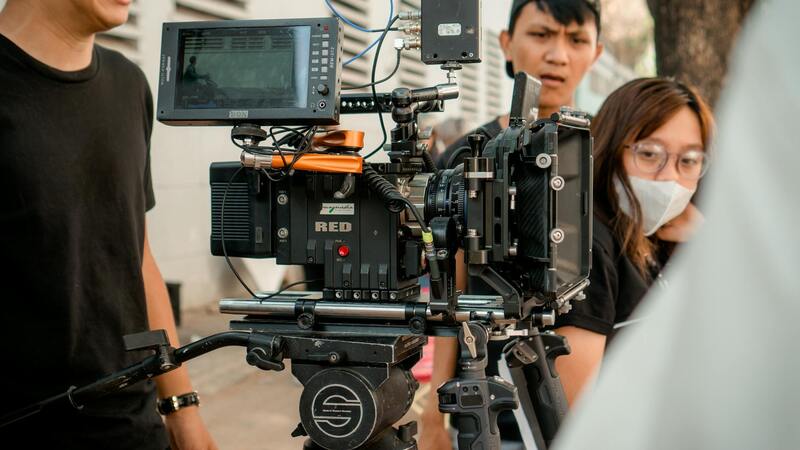
Staying ahead of these trends requires continuous investment in infrastructure, content innovation, and a deep understanding of audience preferences. Event organizers and streaming providers that leverage these technological advancements will be well-positioned to deliver compelling, inclusive, and reliable conference experiences that meet the evolving expectations of global audiences.