Live Stream Productions For Miami Events And Brands: Expert Guide
Overview of Live Stream Productions
Live stream productions have become an essential component of modern event broadcasting, transforming the way organizations, businesses, and communities share moments in real time. These productions encompass a comprehensive array of activities, from initial planning to the final dissemination of digital content, ensuring seamless delivery across multiple platforms. In the vibrant Miami market, where diverse audiences and dynamic events are common, proficient live stream productions help elevate brand visibility, facilitate engagement, and extend the reach of various occasions such as corporate events, concerts, conferences, and community gatherings.
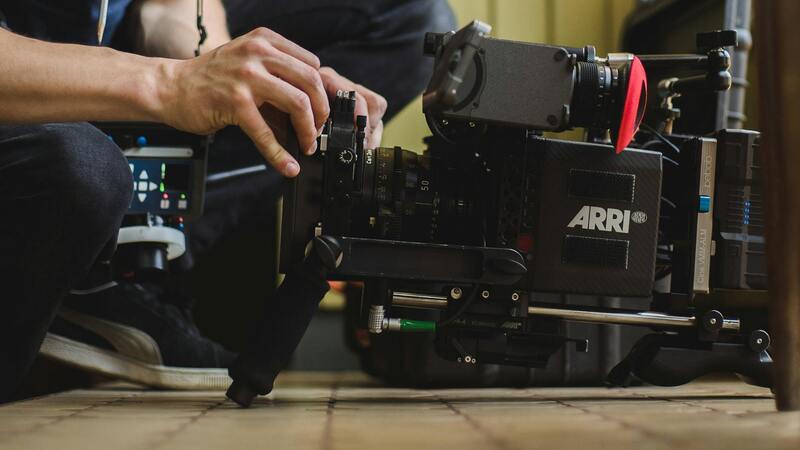
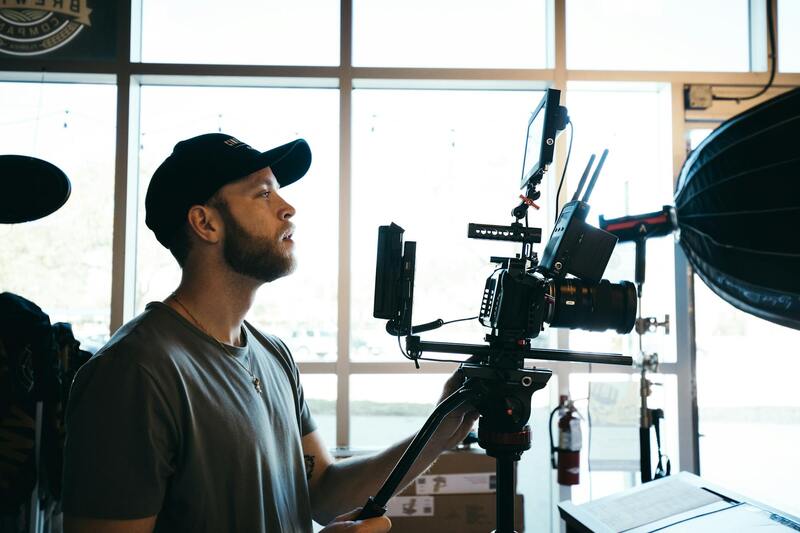
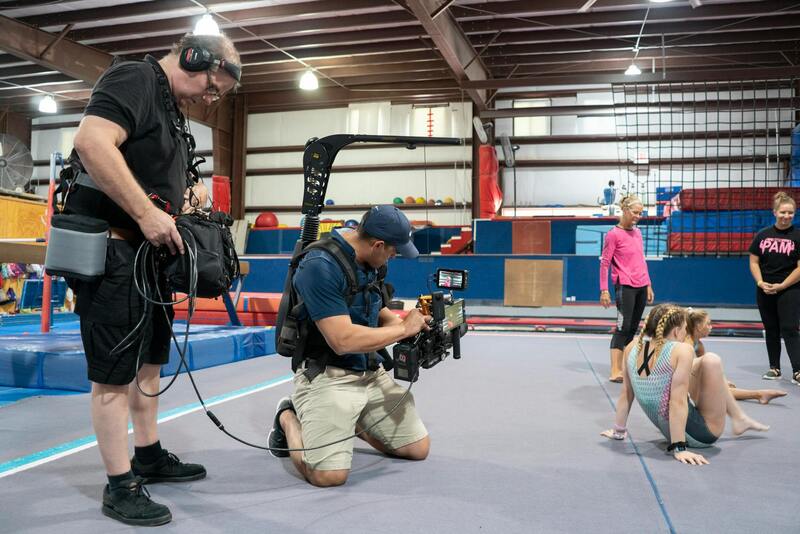
State-of-the-art live streaming setup during a Miami corporate event
Defining Live Stream Productions
At its core, live stream production involves capturing live footage of an event, processing the video in real time, and transmitting it digitally to viewers across internet-connected devices. This process requires a blend of technical expertise, high-quality equipment, and strategic planning. Unlike simple video recording, live streaming emphasizes minimal latency, high-resolution output, and reliable delivery channels to ensure the audience experiences the event as close to real time as possible. This is particularly vital in Miami, where proximity to diverse venues and a tech-savvy population demand polished and engaging digital broadcasts.
The Role of Live Stream Productions in Modern Digital Engagement
In today's digital age, live streaming serves as a critical tool for engaging audiences that are physically unable to attend an event, expanding reach beyond geographical limitations. It also offers interactive features such as live chat, polls, and social media integration, fostering real-time interaction. Miami's thriving business scene, entertainment industry, and cultural diversity make live stream productions an invaluable asset for achieving broader visibility and inclusion. Companies and event organizers leverage these productions not only to broadcast content but also to reinforce brand identity and maintain relevance in an increasingly digital landscape.
Adapting to Miami’s Unique Market Dynamics
Miami’s vibrant cultural mosaic and bustling corporate environment create unique demands for live streaming. Successful productions in this region often incorporate bilingual content, culturally resonant visuals, and tailored engagement strategies. The city's emphasis on high-end aesthetics and cutting-edge technology further underscores the importance of partnering with experienced production teams that understand local market nuances. Consequently, professional live stream productions in Miami are characterized by high production values, dynamic storytelling, and adaptive technical solutions—all aimed at delivering impactful content that resonates with diverse audiences.
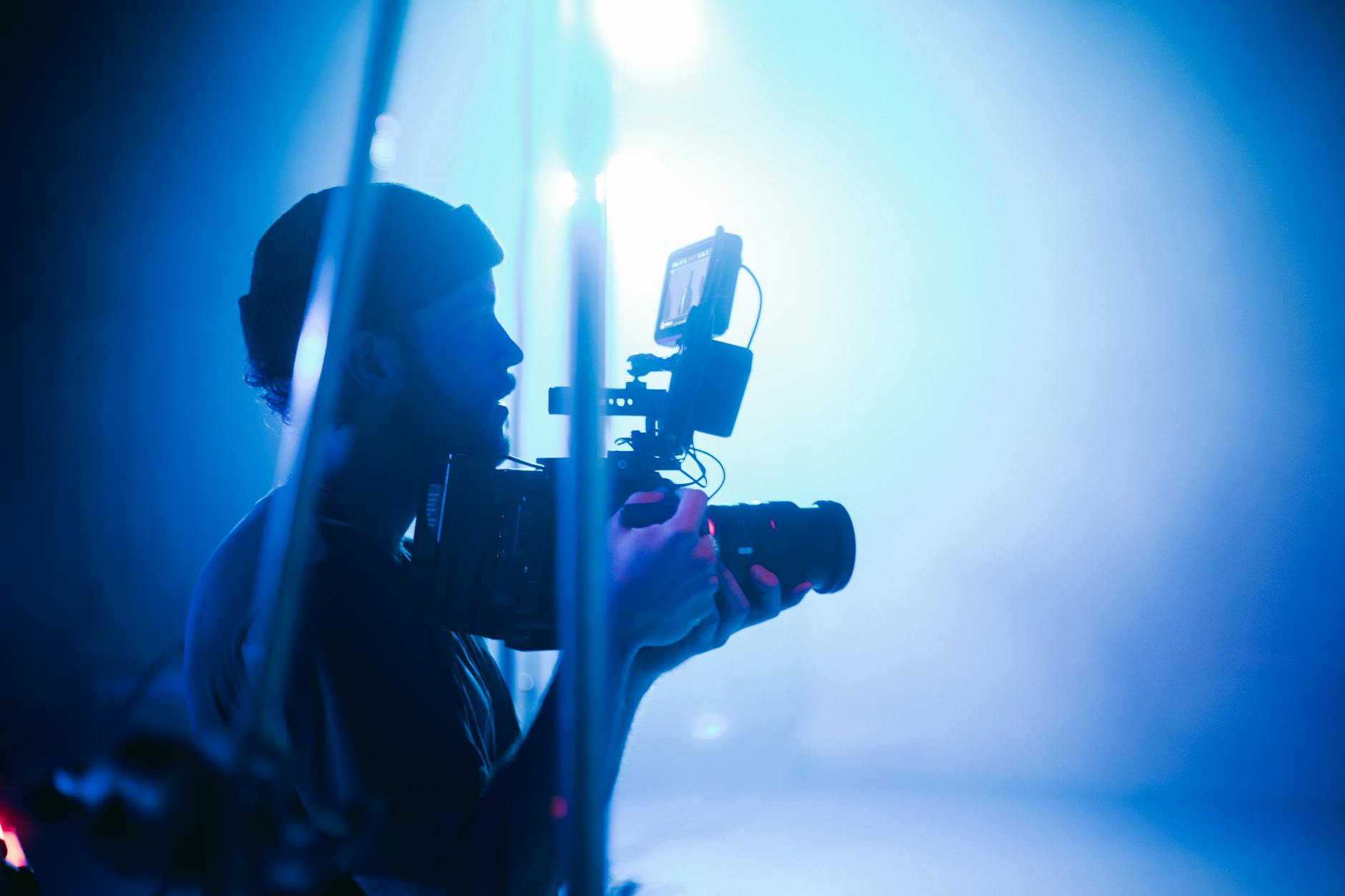
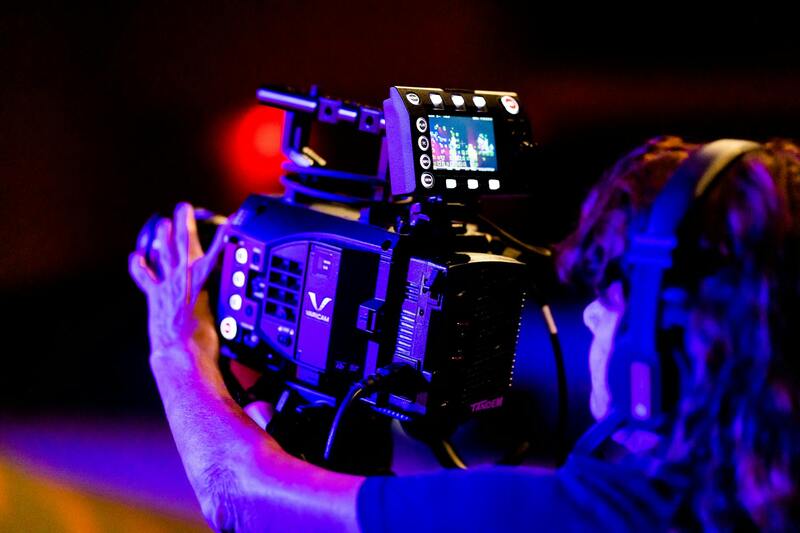
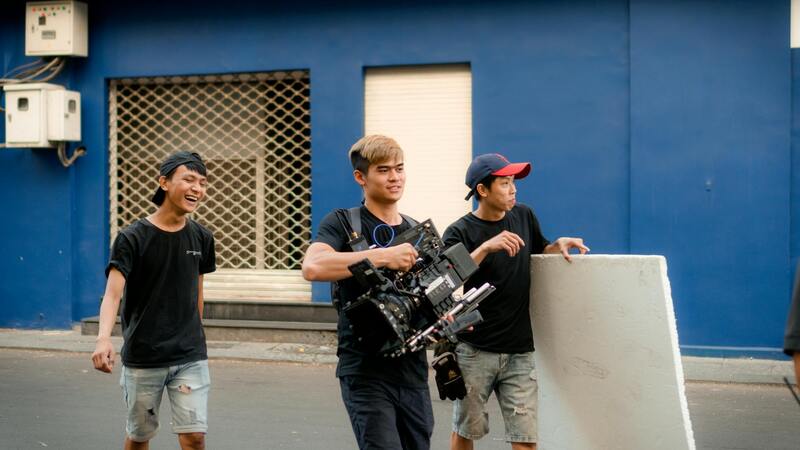
High-quality live streaming setup at a Miami-based outdoor event
Key Components of Live Stream Productions
Executing a high-quality live stream requires a combination of advanced technology, skilled personnel, and meticulous planning. Each component plays a crucial role in ensuring a seamless broadcast experience that captures the essence of the event and keeps the audience engaged.
High-Quality Video Equipment
The foundation of any compelling live stream is the resolution and clarity of the video feed. Professional-grade cameras, such as 4K models, provide crisp, detailed visuals that enhance viewer experience. Camera setups may include stationary units for wide shots and robotic or handheld cameras for dynamic angles, allowing for versatile storytelling. Multiple camera feeds enable switching between different perspectives, adding depth and interest to the broadcast.
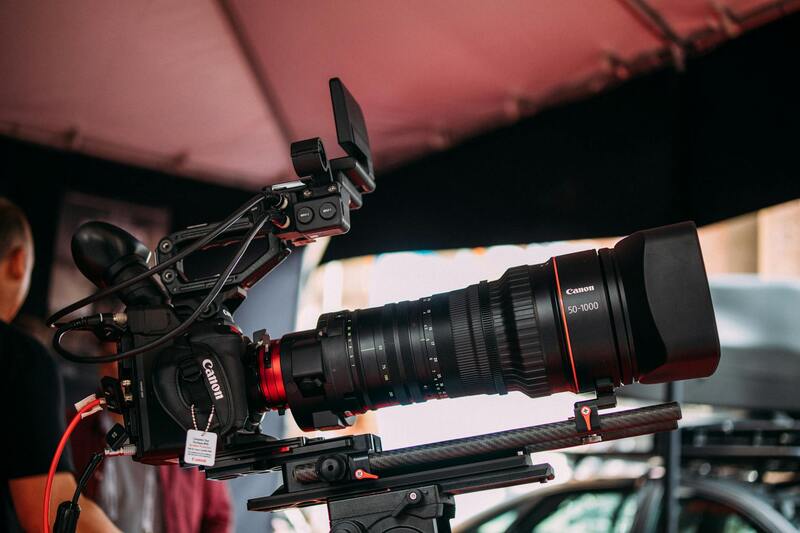
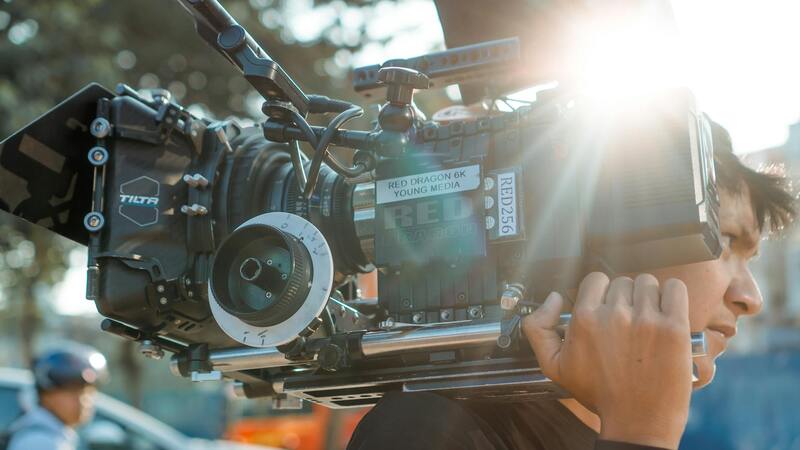
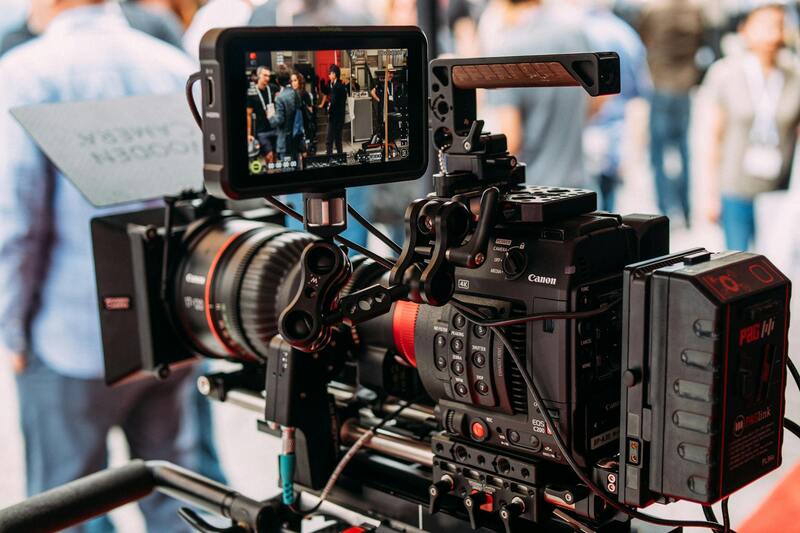
High-Definition Camera Setup for Live Streaming
Professional Audio Equipment
Clear audio transmission is vital for audience retention. Using high-quality microphones—lavalier, shotgun, and direct input mics—ensures speech and sound effects are captured precisely. An audio mixer balances sound levels from various sources, minimizing background noise and ensuring consistent audio quality throughout the broadcast. Proper sound management also involves monitoring with professional headphones to prevent audio issues during the live event.
Lighting
Effective lighting enhances visibility and sets the mood for live streaming. Professional lighting rigs are used to uniformly illuminate subjects, reduce shadows, and highlight key elements of the event. For outdoor or mixed lighting conditions, LED panels with adjustable brightness and color temperature are employed to adapt seamlessly to changing environments and maintain visual coherence.
Reliable Internet Connection
A stable and high-bandwidth internet connection is essential for uninterrupted streaming. Ethernet connections are preferred over wireless signals to minimize latency and prevent buffering issues. In scenarios where wired options are not feasible, dedicated 4G/5G hotspots or fiber optic connections are used to provide the necessary upload speeds, ensuring a smooth broadcast even in complex settings.
Technical Support and Crew
Skilled technical personnel are integral to managing the various components during a live event. Technical directors oversee the entire production, coordinating camera switching, audio, and streaming logistics. Camera operators, sound engineers, lighting technicians, and stream operators work collaboratively to adapt dynamically as the event unfolds. Their expertise guarantees high production standards and quick troubleshooting if unexpected issues arise.
Stream Platforms and Encoding
The choice of streaming platform impacts audience reach and engagement. Professional stream encoders encode video feeds into suitable formats for delivery across multiple channels like social media, dedicated websites, or live event portals. Advanced encoding solutions support adaptive streaming, automatically adjusting quality based on viewer bandwidth, which enhances viewer experience regardless of connection speed.
Image Placeholder: State-of-the-Art Live Streaming Equipment in Action
Technical Setup and Equipment Optimization
Establishing a robust technical setup is foundational to successful live stream productions. High-quality broadcast equipment includes professional-grade cameras capable of delivering sharp, high-resolution images even in challenging lighting conditions. Utilizing multiple camera angles allows for more dynamic presentations and a more engaging viewer experience. Cameras are typically connected to a central video switcher or mixer, which facilitates seamless transitions and real-time editing.
Audio clarity is equally vital; therefore, directional microphones and audio mixers are employed to capture clear sound and eliminate background noise. Sound engineers monitor audio levels throughout the event, making real-time adjustments to maintain consistent quality. Proper lighting setup, including key, fill, and backlighting, ensures that subjects are well-illuminated, preventing shadows and glare that could detract from the visual quality.
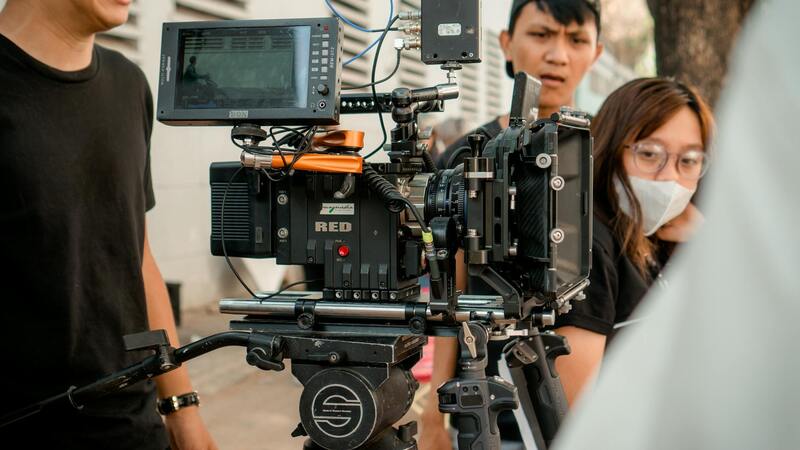
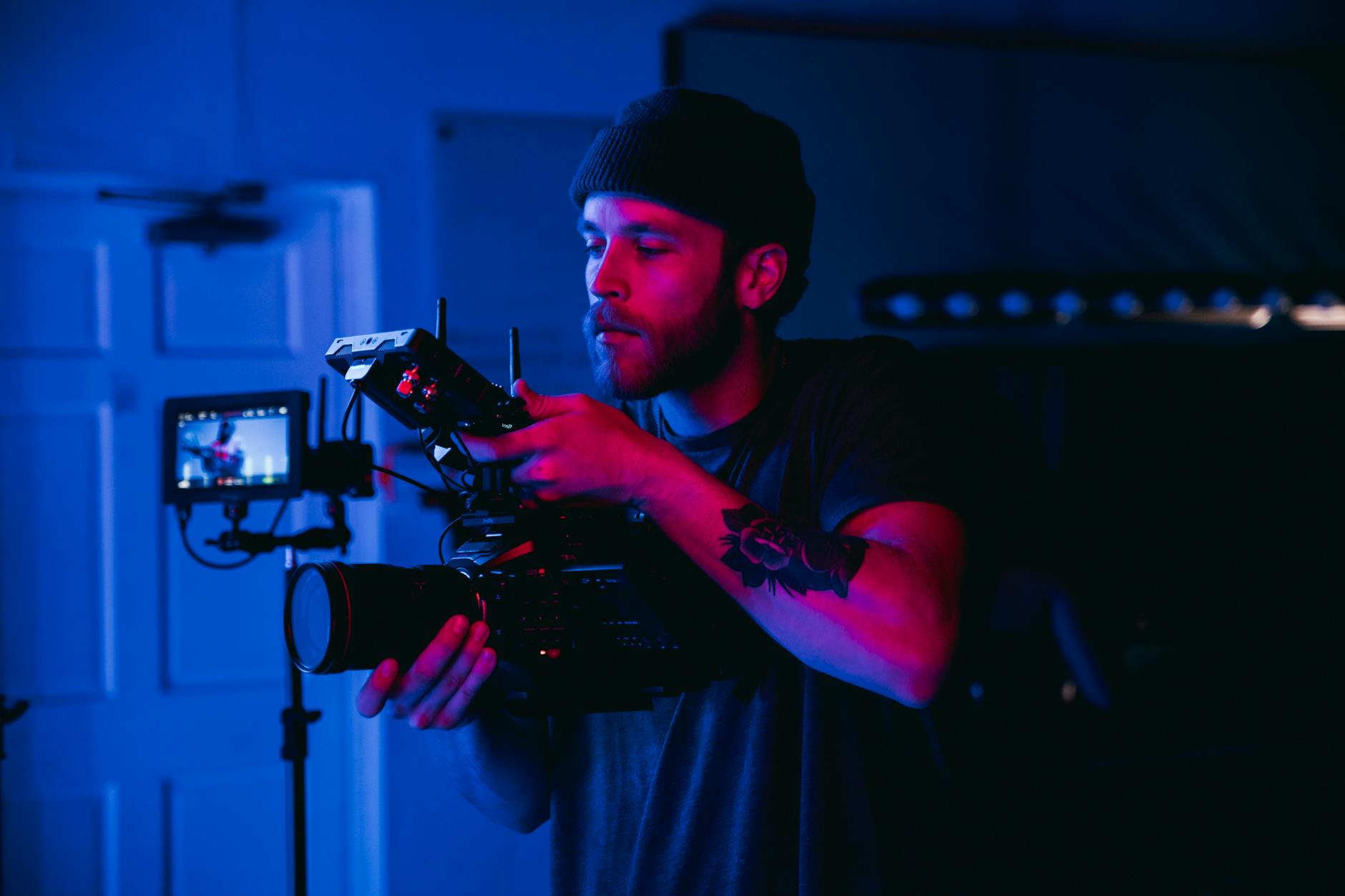
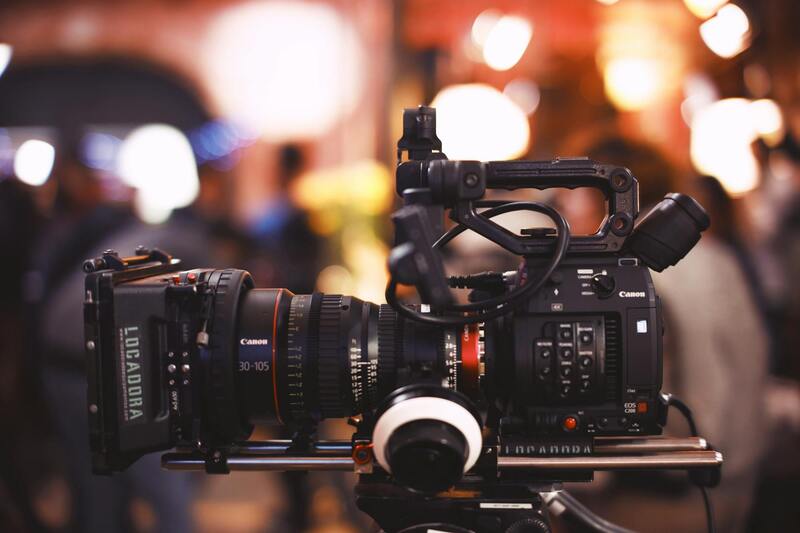
State-of-the-art live streaming equipment in action
Portable streaming rigs are often used for on-site productions, combining cameras, audio devices, and encoders into a single setup for mobility and efficiency. These setups can be customized based on the size and scope of the event, ensuring comprehensive coverage and minimum setup time.
Encoding and Content Delivery Systems
The core of any live stream involves encoding devices that convert raw video and audio signals into streamable formats. High-performance encoders support multiple bitrates, enabling adaptive streaming technology that dynamically adjusts quality based on viewer bandwidth. This approach reduces buffering and enhances viewer comfort across devices and connection speeds.
To extend reach, streams are often integrated with Content Delivery Networks (CDNs), which distribute the data across various servers worldwide to minimize latency and prevent congestion. Proper configuration of these systems ensures a stable, high-quality broadcast that maintains synchronization across all viewing platforms.
Monitoring and Troubleshooting During Broadcast
Real-time monitoring tools are critical for sustaining high broadcast standards. Production teams employ multiple screens and dashboards to oversee video feeds, audio levels, and streaming status. If anomalies or technical glitches occur, prompt troubleshooting minimizes interruptions and maintains viewer trust.
Advanced monitoring systems ensure smooth live streaming operations
Dedicated personnel are responsible for managing the live feed, addressing issues on the fly, and adjusting settings as needed. Backup equipment, such as spare cameras, audio cards, and internet connections, provide additional resilience against potential technical failures.
Security and Data Protection Measures
During live stream productions, safeguarding content and data integrity is paramount. Encryption protocols protect streams from unauthorized access, especially for private or sensitive events. Secure login credentials and access controls restrict system entry to authorized personnel. Additionally, regular system updates and network security audits help prevent cybersecurity threats that could compromise the broadcast or delay the event.
Overview of Live Stream Productions
Live stream productions are sophisticated events that combine technology, skilled personnel, and strategic planning to deliver real-time video content to audiences across various platforms. These productions are vital for broadcasting events such as corporate meetings, concerts, sports competitions, and educational webinars, enabling organizers to reach a global viewership with high-quality visuals and audio. An expertly managed live stream ensures seamless delivery, engaging viewers with minimal latency, and providing a dynamic platform for interaction and engagement. Advances in streaming technology have expanded opportunities for brands and organizations to connect with audiences instantaneously, emphasizing the importance of professional setup and execution for impactful live broadcasts.
High-quality live stream setup in Miami ensures seamless event delivery
Key Components of Live Stream Productions
To execute a successful live stream, a combination of hardware, software, and skilled personnel must work harmoniously. This includes professional broadcast cameras, switchers, encoders, and reliable streaming platforms designed to handle varying bandwidth conditions. Essential components include:
Broadcast Cameras: High-definition cameras capturing live footage with precision and clarity, adaptable to indoor and outdoor environments.
Video Switchers: Devices that allow real-time switching between multiple video sources, ensuring a dynamic and engaging presentation.
Encoding Software and Hardware: Tools that compress and convert video signals into formats suitable for streaming across different networks and devices.
Streaming Platforms: Reliable services that distribute the content to viewers, supporting multiple endpoints for broad reach.
Backup Systems: Redundant equipment and internet connections that provide fail-safes in case of hardware or connection issues, safeguarding the live broadcast against unforeseen disruptions.
Planning and Pre-Production for Live Streaming
Effective live streaming begins long before the event takes place. Pre-production involves meticulous planning to ensure all technical and logistical details are addressed. This includes defining the event schedule, selecting appropriate equipment, and arranging camera angles, audio sources, and visual backgrounds that align with the event's objectives. Content rehearsals are crucial; they allow the production team to test equipment, synchronize audio-visual cues, and troubleshoot potential issues. Additionally, setting clear roles and responsibilities for each team member — from camera operators to technical directors — facilitates a streamlined operation. Pre-event communication with clients or stakeholders guarantees alignment on expectations, branding, and messaging, resulting in a cohesive final broadcast. Effective pre-production planning minimizes potential risks, ensures resource availability, and sets the stage for a flawless live event.
Thorough pre-event planning ensures smooth live stream execution in Miami
Execution and Live Management
During the live streaming event, precise coordination and expert handling are crucial to delivering a seamless broadcast. The live production team assumes the responsibility of overseeing camera operations, audio levels, and visual switches in real-time. Technicians utilize sophisticated video switchers to dynamically select camera feeds, overlays, and graphics, ensuring the visual narrative remains engaging and aligned with the event’s purpose.
Audio management involves balancing multiple input sources—such as microphones, ambient sound, and pre-recorded content—to maintain clarity and prevent disturbances. Skilled audio engineers monitor sound consistency throughout the broadcast, making adjustments on the fly to accommodate external noise or microphone issues. Simultaneously, production staff manage the live feed using broadcast software that facilitates smooth transitions, picture-in-picture effects, and graphic inserts, enhancing the viewing experience.
Real-time troubleshooting is an integral aspect of live management. Whether it involves resolving camera feed disruptions, addressing audio feedback, or correcting streaming latency, the crew employs predefined protocols to swiftly mitigate complications. Advanced monitoring tools are employed to observe stream stability, viewer engagement metrics, and encoding health, allowing immediate responses to any anomalies that could impact broadcast quality. This level of operational expertise ensures that technical issues are minimized, and the audience receives an uninterrupted viewing experience.
Professional live management demands seamless coordination among camera, audio, and technical teams to ensure smooth broadcast delivery.
Post-Production and Distribution
Once the live event concludes, the recorded footage often undergoes post-production processes such as editing, color correction, and the addition of subtitles or branding elements. This refined content can be repurposed for promotional purposes, training materials, or archive records. Distributing the content across various platforms—including social media, on-demand portals, and websites—expands the reach and maximizes audience engagement. Properly optimized videos ensure faster load times, better viewer retention, and higher search engine visibility. Strategic distribution also involves scheduling releases for maximum impact and leveraging data analytics to assess performance, enabling continuous improvement for future live streaming projects.
Execution and Live Management
Effective execution during a live stream hinges on meticulous coordination among multiple technical teams. Real-time monitoring is essential for maintaining broadcast quality, which involves tracking video and audio streams continuously. Advanced tools allow operators to identify latency issues, pixelation, audio feedback, or synchronization problems instantly. The cast and crew adhere to predefined protocols, enabling rapid troubleshooting to minimize disruptions and ensure a smooth viewing experience for the audience.
During the live broadcast, the director and technical supervisor manage the stream’s overall flow, adjusting camera angles, switching feeds, and controlling audio levels as needed. These adjustments are crucial in maintaining visual interest and audio clarity, especially during dynamic events like conferences or entertainment shows. Additionally, technical support personnel oversee encoding health and server stability, intervening promptly if there are bandwidth issues or hardware malfunctions.
Monitoring viewer engagement metrics in real time provides insights into audience retention and interaction levels. This data informs on-the-fly decisions such as camera focus adjustments or overlay prompts to enhance engagement. The seamless integration of these operational elements results in professional-quality broadcasts that meet high production standards.
Proper live management ensures a high-quality, uninterrupted broadcast experience.
Another vital aspect involves managing contingency plans for common technical challenges. Backup equipment like secondary cameras, audio mixers, and internet connections are often employed. When issues are detected, switching to backup sources ensures that the broadcast continues without noticeable interruptions. A dedicated crew equipped with troubleshooting knowledge can quickly resolve problems, preserving the integrity of the live event.
In addition to hardware reliability, quality of the internet connection plays a pivotal role. Utilizing dedicated high-speed internet with sufficient upload bandwidth minimizes latency and buffering, even during peak viewer engagement. Network redundancy configurations provide further assurance that the live stream remains stable, regardless of external network fluctuations.
Effective communication among all team members—camera operators, audio engineers, technical directors, and on-site coordinators—is indispensable. Utilizing intercom systems and real-time chat allows instant information sharing, streamlining responses to any issues that may arise. These coordinated efforts ensure that each element of the live production aligns seamlessly, delivering a polished broadcast that adheres to the client’s vision.
The importance of professionalism in execution extends beyond technical skills. Having well-trained personnel capable of making quick decisions under pressure reduces errors and enhances overall stream quality. Regular rehearsals and dry runs are recommended to familiarize the team with expected scenarios and troubleshoot potential problems proactively.
In essence, live management during streaming events combines sophisticated technology with expert human oversight. This dual approach guarantees that each broadcast achieves the desired outcome, providing viewers with an engaging, clear, and stable experience.
Understanding the Core Technologies Behind Live Stream Productions
For successful live streaming, leveraging the right technology ensures high-quality broadcasts that captivate viewers and maintain professionalism. This involves integrating advanced hardware, software, and network solutions to create a seamless broadcast experience. The deployment of dedicated streaming servers, capable of handling high data throughput, is central to delivering consistent quality, especially when catering to large audiences. These servers distribute content efficiently, reducing latency and buffering issues.
Encoding equipment is another critical component. Hardware encoders convert raw video signals into compressed digital formats suitable for streaming, allowing for real-time transmission without significant delay. Modern encoders often support multiple resolutions and bitrates, enabling adaptive streaming that adjusts quality based on viewer bandwidth for a smoother experience.
Camera systems in live productions range from high-definition professional video cameras to networked PTZ cameras, which allow remote control and versatile coverage. Multiple camera angles captured simultaneously require robust switchers and control systems to seamlessly transition between views, enhancing viewer engagement and storytelling.
State-of-the-art broadcasting hardware forms the backbone of professional live stream events.
Audio quality is equally vital, necessitating high-fidelity microphones, mixers, and audio interfaces to ensure clear sound reproduction. Ambient sound management and professional audio mixing help create an immersive experience that complements the visual content.
Reliable Network Infrastructure Best Practices
At the foundation of live stream production lies a robust network infrastructure. A dedicated high-speed internet connection, preferably wired fiber-optic, provides the bandwidth necessary to prevent interruptions and maintain high-definition streams. Implementing network redundancy—such as secondary internet links—ensures continuity in case of primary network failure. This setup allows the production team to switch seamlessly between connections, avoiding potential disruptions during the event.
Efficient data management and security are also critical. Utilizing firewalls, encryption, and secure login protocols safeguard the content against unauthorized access and cyber threats. The use of bandwidth management tools prevents network congestion, ensuring that the live feed receives priority and maintains stability throughout the presentation.
Monitoring and Control Systems
Operational excellence relies on advanced control systems that allow real-time monitoring and quick response to issues. Video and audio feeds are monitored continuously for quality assurance, with immediate adjustments made when needed. Digital video switchers facilitate real-time editing, graphics insertion, and overlay capabilities, enhancing the production value. Control rooms equipped with multi-view monitors enable technicians to oversee all aspects of the broadcast concurrently, ensuring the event proceeds smoothly.
Advanced control systems are essential for managing complex live stream productions efficiently.
Taking advantage of cloud-based solutions can also provide additional flexibility and scalability, particularly for large events. Cloud platforms support multi-site coordination, remote monitoring, and scalable bandwidth, making them ideal for expansive or multi-camera productions. This technological integration allows production crews to collaborate seamlessly regardless of geographical constraints, ultimately delivering a professionally managed live stream.
Final Considerations and How to Ensure a Flawless Live Stream Production
Successfully executing a live stream production in Miami demands meticulous attention to detail across the entire process. To guarantee a seamless broadcast, agencies must adopt a comprehensive approach that encompasses not only the technical execution but also strategic planning and coordination. Evaluating the capabilities of potential production partners is essential, focusing on factors such as their experience, technical infrastructure, previous project success, and ability to adapt to on-the-fly adjustments.
High-quality live stream setup in a Miami studio environment ensures professional broadcast standards.
Strategies for Executing a Smooth Live Streaming Event
Pre-Event Rehearsals: Conduct comprehensive rehearsals to test all equipment, signal pathways, and coordination among crew members. This step helps identify potential issues before the actual event, allowing for adjustments that prevent on-air surprises.
Dedicated Technical Support: Assign experienced technicians to manage the equipment and monitor the feed throughout the event. Real-time troubleshooting can mitigate disruptions swiftly, maintaining the broadcast’s integrity.
Redundant Systems: Implement backup solutions for critical components like internet connectivity, power supplies, and video sources. Redundancy ensures continuous operation even if primary systems encounter technical difficulties.
Effective Communication: Maintain seamless communication channels among the production team, hosts, and remote personnel. Clear directives and immediate feedback loops are vital for quick adjustments and smooth coordination.
Audience Engagement and Interaction: Incorporate real-time viewer interactions, polls, or Q&A sessions to enhance engagement without interfering with the broadcast flow. Use dedicated platforms or software integrated into the live stream for smooth management of these interactions.
Post-Event Analysis and Feedback
After the live stream concludes, a thorough review of the event’s performance provides insights for future initiatives. Analyzing aspects like broadcast quality, technical issues encountered, audience engagement levels, and feedback from viewers and stakeholders helps in refining processes. Documenting lessons learned ensures continuous improvement and readiness for subsequent productions.
Partnering with Experienced Miami Live Stream Production Providers
Choosing a qualified local production company with a solid track record and comprehensive technical resources is crucial. Prospective partners should be evaluated based on their portfolio of past projects, the sophistication of their equipment, and their ability to deliver tailored solutions that meet specific event needs. Their familiarity with Miami's event landscape and excellent client support channels are key indicators of a reliable service provider.
By aligning with a proficient team, organizations can ensure their live streaming events are executed with professionalism, high-definition quality, and minimal disruptions. This strategic partnership translates into greater audience reach and more impactful event delivery, reinforcing the importance of investing in specialized live stream production services in Miami.