
Understanding Corporate Live Streaming Needs
In the dynamic landscape of modern business communication, live streaming has emerged as a vital tool for engaging audiences, extending reach, and enhancing brand visibility. For Miami-based companies, deploying an effective live streaming solution requires a clear understanding of their unique event requirements. These needs encompass a range of technical, security, and logistical considerations that ensure the delivery of seamless, professional broadcasts.
Scalability is a fundamental aspect of corporate live streaming. Whether broadcasting a small internal meeting or a large-scale industry conference, the chosen solution must accommodate fluctuating viewer numbers without compromising quality. Miami businesses often host events that attract local, national, and international attendees, making it essential to select platforms and infrastructure capable of supporting high viewer volumes.
High-quality content delivery is paramount. The live stream’s resolution, audio clarity, and minimal latency directly influence audience engagement and perceived professionalism. For organizations aiming to project a polished corporate image, investing in robust technology that ensures sharp visuals and crisp sound is crucial.

Security also plays a significant role in the selection of a live streaming solution. Corporate events often involve sensitive information, proprietary content, or executive appearances that require controlled access and data protection. Implementing secure streaming channels, authentication protocols, and encrypted broadcasts reduces the risk of unauthorized interception and protects corporate interests.
Furthermore, Miami companies must consider logistical factors such as onsite technical support, compatibility with existing event infrastructure, and the ability to handle unexpected technical issues swiftly. A comprehensive understanding of these diverse needs ensures that the live streaming process aligns seamlessly with event objectives, enhances attendee experience, and supports organizational goals.
Choosing the Right Technology and Equipment
To deliver a seamless and professional corporate live streaming experience, selecting appropriate technology and equipment is fundamental. This involves the integration of high-quality hardware, reliable software, and network infrastructure tailored to the specific needs of the event. High-definition cameras capable of capturing crisp visuals are essential, especially when showcasing detailed presentations or product demos. These cameras should support features like optical zoom, low-light performance, and smooth pan-and-tilt functionalities to adapt to various shooting environments.
Complementing the cameras, professional audio equipment such as condenser microphones, wireless lapels, or boundary microphones ensures crystal-clear sound. Clear audio is often more impactful than visuals alone, capturing every nuance of speeches or testimonials. Mixer consoles and audio processors help manage multiple sound sources and optimize audio quality in real-time.

Networking infrastructure is equally critical. A stable, high-bandwidth internet connection minimizes interruptions and latency issues. Dedicated fiber optic lines are preferred over shared networks to guarantee bandwidth consistency during live broadcasts. Implementing backup internet solutions, such as LTE or satellite connections, can provide additional security against unforeseen disruptions.
Stream encoding hardware and software are also integral. These tools compress, process, and transmit the live feed to streaming platforms efficiently. Modern encoders support multiple streams and resolutions, allowing customization based on audience size and device compatibility.
Lastly, on-site technical support is vital for managing the equipment and troubleshooting issues swiftly. Technical staff should be well-versed in the specific hardware and network configurations to ensure minimal downtime and a smooth streaming experience.
Essential Components of a Corporate Live Streaming Setup
- High-definition cameras with advanced features
- Professional-grade microphones and audio mixers
- Reliable internet connection with backup options
- High-performance streaming encoders
- On-site technical support team
- Monitors and production consoles for real-time management

When carefully selected, these components work together to deliver a smooth, engaging, and high-quality broadcast that aligns with the professional standards expected in corporate environments. Investing in top-tier technology and skilled technical personnel not only enhances viewer experience but also reinforces the organization's commitment to quality and innovation.
Understanding Corporate Live Streaming Needs
For organizations seeking to effectively broadcast their corporate events, understanding the specific requirements of live streaming is essential. These needs encompass a combination of technology, infrastructure, logistical considerations, and audience engagement strategies. A tailored approach ensures that each event communicates its message clearly and professionally, reinforcing the company's brand image.
Core to this understanding is recognizing the scalability of streaming solutions. Small board meetings may require minimal equipment and a straightforward platform, whereas large annual conferences or product launches demand robust infrastructure capable of handling thousands of viewers simultaneously. Factors such as the geographical diversity of the target audience, the level of interactivity desired, and the nature of the content all influence the choice of system components.
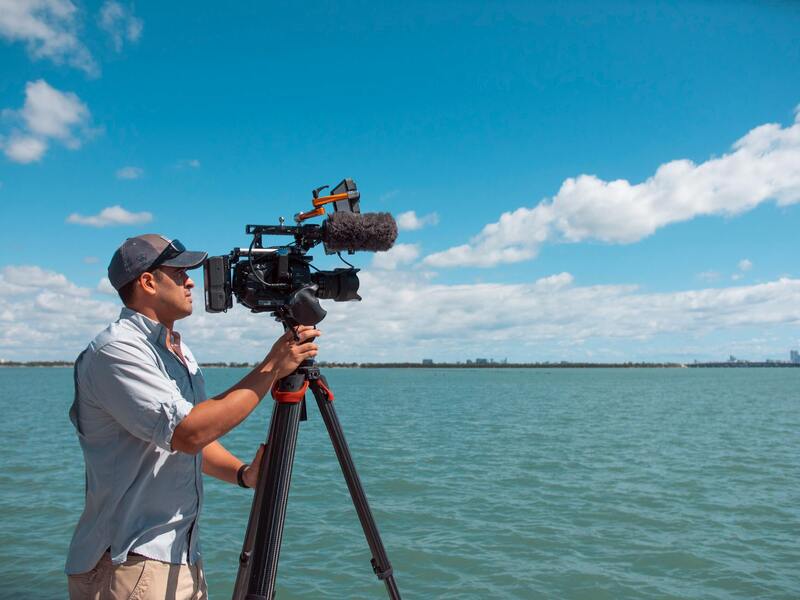
Additionally, the importance of integration with existing systems cannot be overstated. Many companies utilize internal platforms, communication tools, or content management systems that should seamlessly connect with the live streaming setup. This integration facilitates efficient workflows, from content scheduling to post-event analytics.
Another critical aspect is audience management. Corporations often host hybrid events combining in-person and virtual attendance, necessitating solutions capable of managing multiple streams, audience interaction, and real-time moderation. This multifaceted approach enhances engagement and ensures that remote participants feel as connected as those attending on-site.
Security protocols are also a fundamental consideration. Protecting sensitive corporate content during transmission, ensuring restricted access to authorized viewers, and safeguarding data integrity are paramount. Implementing secure streaming protocols, multi-factor authentication, and encrypted data channels help maintain confidentiality and trust.

Ultimately, understanding these needs lays the groundwork for selecting a live streaming solution that not only meets technical specifications but also aligns with strategic objectives. Proper planning and assessment ensure a professional and impactful communication channel for corporate messages, reinforcing the organization's reputation and facilitating meaningful engagement.
Ensuring Security and Privacy in Corporate Live Streams
Maintaining the confidentiality and integrity of live streaming events is paramount for corporate organizations. Implementing robust security measures helps in safeguarding sensitive content and protecting stakeholder interests. Encryption plays a critical role; utilizing secure protocols such as RTMPS or SRT ensures that the data transmitted remains encrypted, preventing unauthorized interception. Access control mechanisms, including multi-factor authentication and password-protected streams, restrict entry to authorized personnel, reducing the risk of breaches.
Additionally, employing secure Content Delivery Networks (CDNs) can bolster content protection by ensuring data is distributed through trusted nodes. Regular security audits and real-time monitoring allow organizations to identify and respond to any suspicious activities promptly. Utilizing targeted access permissions enables companies to customize viewing rights for different audience segments, whether it’s internal staff, partners, or external clients. These measures foster a secure environment that aligns with corporate governance standards and maintains stakeholder confidence.
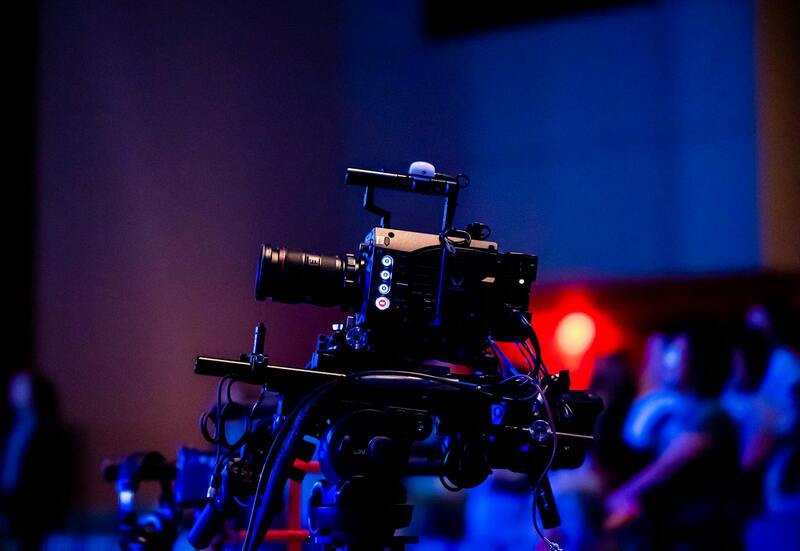
Data privacy becomes particularly relevant when gathering audience information or using interactive features. Clearly communicating privacy policies, obtaining necessary consents, and adhering to data protection standards contribute to responsible data handling. Moreover, secure storage of recorded streams and associated analytics data prevents unauthorized access long after the event concludes. By prioritizing security and privacy, companies can deliver professional, trustworthy live streaming experiences that reinforce their brand reputation and stakeholder trust.
Managing Technical Aspects and On-site Production
Executing a seamless live streaming event requires meticulous planning of technical logistics and on-site production components. A solid technical setup includes high-definition cameras, reliable microphones, and a robust internet connection, preferably with backup solutions like secondary internet lines or portable 4G/5G devices, to mitigate connectivity issues. The use of professional encoding hardware or software facilitates smooth transmission and optimal video quality.
On-site production teams coordinate various elements—camera angles, lighting, sound, and real-time switching—to create engaging content that captures the audience's attention. Proper placement of cameras and microphones ensures comprehensive coverage, while skilled operators manage live editing to highlight key moments or speakers. A dedicated production crew manages the technical equipment, monitors stream health, and addresses any disruptions swiftly.
Pre-event rehearsals are essential to identify potential challenges and streamline transitions. This includes testing network speeds, adjusting lighting conditions, and familiarizing presenters with the setup. For hybrid events, integrating on-site equipment with the streaming platform enables a cohesive experience, ensuring that remote viewers receive a broadcast that matches on-site production quality.
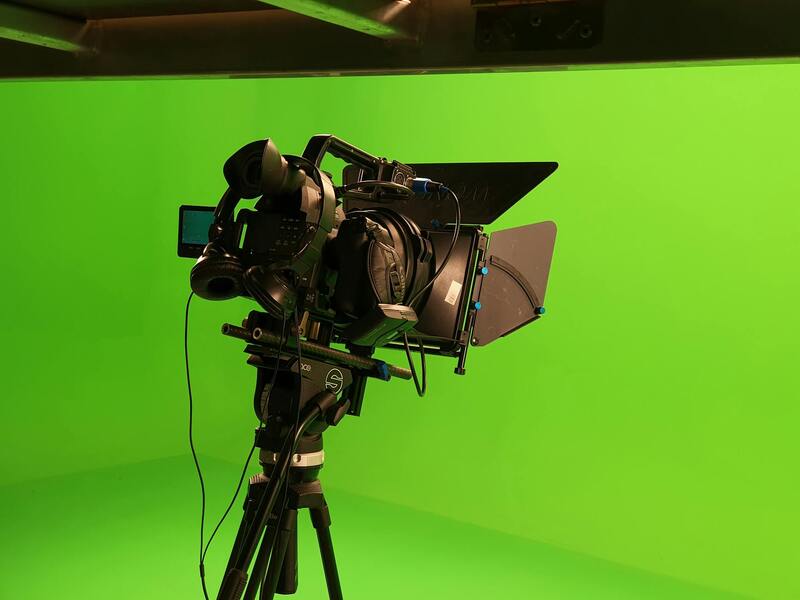
In addition to hardware, the choice of streaming platform plays a pivotal role. Compatibility with the existing infrastructure, simplicity of use, and scalability are critical factors. Real-time monitoring dashboards allow organizers to track stream performance and audience engagement, facilitating quick troubleshooting when necessary. Integrating chat or Q&A features encourages active participation, transforming passive viewers into engaged participants. Overall, managing these technical aspects effectively results in professional-grade broadcasts that elevate corporate communications and audience engagement.
Ensuring Security and Privacy in Corporate Live Streams
Maintaining the confidentiality and integrity of corporate live streams is essential for protecting sensitive information and safeguarding corporate reputation. To achieve this, organizations should implement robust security measures that prevent unauthorized access and interception of stream content. Encryption technology is fundamental; employing end-to-end encryption ensures that data transmitted during the broadcast is incomprehensible to any malicious actors attempting to eavesdrop.
Access controls are equally vital. Utilizing secure login credentials, role-based permissions, and single sign-on (SSO) systems allows organizers to restrict stream access to designated individuals or audiences. Additionally, implementing secure streaming channels through trusted Content Delivery Networks (CDNs) ensures the content remains protected during delivery, reducing the risk of tampering or interception.

Organizations should also consider watermarking live streams with subtle branding or digital signatures to discourage unauthorized redistribution. Regular security audits and vulnerability assessments of streaming platforms and associated hardware further strengthen defenses against potential threats. When integrating live streams with other internal systems, ensuring secure data transfer protocols and network segmentation can prevent unauthorized access or data breaches.
Furthermore, clear policies regarding physical access to on-site streaming equipment and strict control over personnel involved in the broadcast process are crucial. This multi-layered approach—combining technological safeguards with procedural controls—helps organizations maintain strict oversight over their corporate live stream content, ensuring that proprietary information remains protected at every stage of the event.
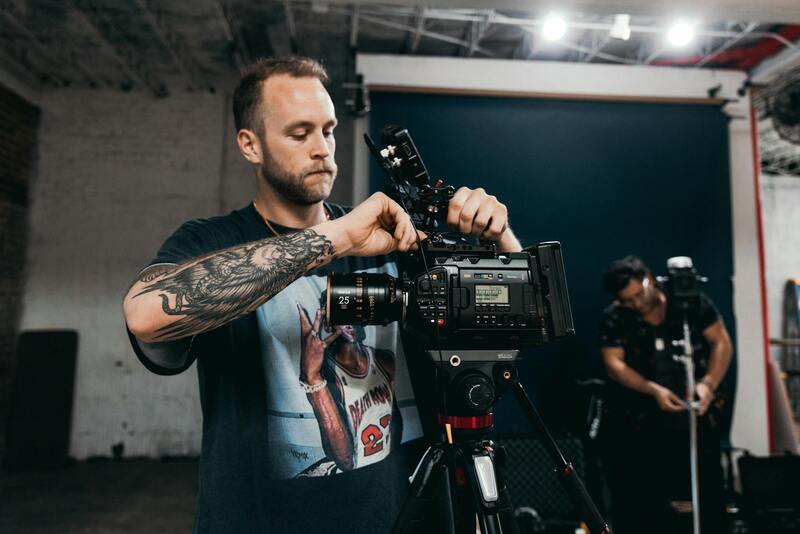
In an era where digital security threats are increasingly sophisticated, leveraging advanced cybersecurity tools tailored for live streaming environments is essential. Firewalls, intrusion detection systems, and real-time monitoring tools provide ongoing protection and help identify anomalies that could jeopardize stream integrity. Regular training for staff responsible for event management and cybersecurity awareness enhances overall resilience against potential security breaches.
Ultimately, integration of these security best practices ensures that corporate live streaming remains a confidential, reliable, and trusted communication channel, preserving the integrity of corporate messages and sensitive data throughout each broadcast.
Understanding Corporate Live Streaming Needs
Effective corporate live streaming solutions must address a range of specific requirements that are unique to business environments. Key considerations include scalability to accommodate large audiences, high-quality video and audio output for clear communication, and seamless integration with existing corporate systems such as customer relationship management (CRM) platforms, event registration tools, and internal communication channels. Additionally, the capability to support interactive features like real-time Q&A, polls, and chat functions can significantly enhance engagement and participant involvement. Furthermore, organizations require solutions that offer robust reliability and minimal latency to ensure every stakeholder receives the content without delay. Compatibility across multiple devices—smartphones, tablets, desktop computers—is critical for reaching a broad audience. Data security and privacy controls, customizable branding to align with corporate identity, and comprehensive analytics for post-event assessment are also pivotal components of an ideal live streaming infrastructure. A well-designed live streaming system must facilitate a controlled, professional environment that preserves corporate standards and messaging consistency. Having modular and flexible features allows organizations to adapt streaming content based on event type, audience size, and specific communication goals.
Key Features of an Effective Corporate Live Streaming Solution
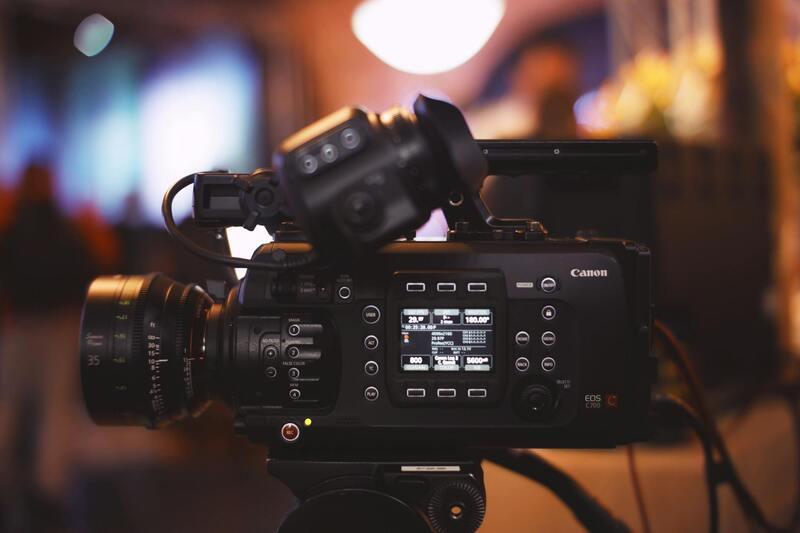
- High-Definition Broadcasts: Ensuring crisp, clear visuals and sound quality to maintain professionalism and audience engagement.
- Scalability and Load Management: Ability to handle fluctuating viewership numbers without compromising stream quality or stability.
- Security Protocols: Multi-layered encryption, secure login methods, and access controls to protect sensitive content.
- Interactive Engagement Tools: Live chat, polling, Q&A sessions, and viewer feedback options to foster real-time interaction.
- Integration Capabilities: Compatibility with corporate applications, event management software, and intranet systems for streamlined operations.
- Analytics and Reporting: Detailed insights into viewer engagement, attendance, and content performance to inform future strategies.
- Ease of Use and Support: User-friendly interfaces with dedicated technical support to reduce onboarding time and troubleshoot issues efficiently.
Choosing the Right Technology and Equipment
Selecting appropriate hardware and software is fundamental for maintaining high broadcast standards. Reliable high-definition cameras, professional microphones, and streaming encoders ensure quality production. Robust internet connectivity, preferably via dedicated bandwidth, mitigates the risk of interruption. Using enterprise-grade routers and switches can prioritize traffic and enhance streaming stability. Additionally, integrating hardware such as video switchers, teleprompters, and multi-view monitors facilitates a polished presentation. Cloud-based streaming platforms are favored for their scalability and ease of use, but organizations must evaluate features like adaptive streaming, redundancy options, and global server networks to optimize reach. Technical staff should be trained on the setup and operation of all hardware components, and contingency plans must be in place to address potential failures or technical glitches during live events.
Integrating Live Streaming with Corporate Events
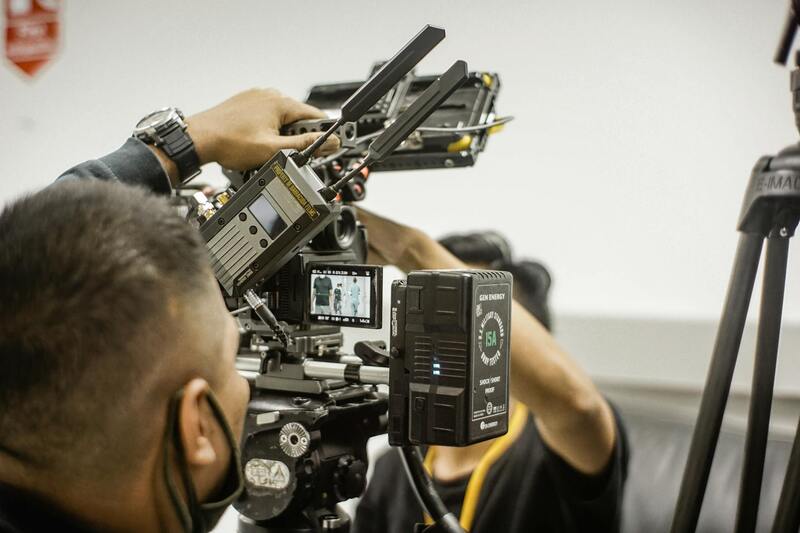
Seamlessly incorporating live streaming into corporate events requires meticulous planning and coordination. Pre-event rehearsals allow teams to test equipment, familiarize speakers with the streaming process, and troubleshoot potential issues. Clear roles and responsibilities for each team member ensure efficient management during the broadcast. Streaming solutions should be integrated into the event timeline, with designated roles for technical support, content moderation, and audience engagement. Using event management software with streaming capabilities helps synchronize presentations, videos, and interactive segments. Additionally, integrating live streams into social media channels or corporate websites increases reach and accessibility. Custom branding, visual overlays, and on-screen graphics contribute to a professional presentation, reinforcing corporate identity throughout the event. Post-event, recording and archiving the stream enables distribution to those unable to attend live or for future reference.

Ensuring Security and Privacy in Corporate Live Streams
Security measures are integral to maintaining the confidentiality of corporate communications. Implementation of end-to-end encryption throughout the streaming process safeguards sensitive data from interception. Access controls, such as login authentication and multi-factor verification, restrict viewership to authorized participants. Network security protocols, including segmentation and firewalls, prevent unauthorized access and protect against cyber threats. Regular vulnerability assessments and updates to streaming platforms mitigate potential security risks. For internal streams, Virtual Private Networks (VPNs) provide an additional layer of privacy for remote viewers. Content management policies should define who has permission to broadcast and what information can be shared externally. For live Q&A or interactive sessions, moderation tools help control the visibility of questions and comments, ensuring conversations stay aligned with corporate standards. Furthermore, compliance with data protection regulations requires secure storage and handling of recorded streams and attendee information, preserving trust and integrity throughout all corporate streaming activities.
Managing Technical Aspects and On-site Production
Executing a high-quality live stream for corporate events demands meticulous management of technical components and on-site production. This process involves coordinating a team of skilled professionals, including video technicians, sound engineers, and production coordinators, to ensure seamless operation from start to finish. Proper planning begins with a detailed technical rehearsal, where all equipment is tested, and contingency plans are established to address potential issues swiftly.
Equipment Setup
- High-definition cameras positioned strategically to capture key moments and speaker perspectives.
- Professional-grade audio equipment, including wireless microphones and mixers, to ensure crystal-clear sound quality.
- Reliable streaming hardware capable of handling high bandwidth demands for uninterrupted transmission.
- Multiple encoders to facilitate live feeds for different platforms or secondary streams.
On-site Coordination
- Designate a dedicated on-site production team responsible for managing camera switching, audio levels, and stream stability.
- Implement a real-time monitoring system to oversee stream health, audience engagement, and technical issues as they arise.
- Prepare backup equipment, such as spare cameras, microphones, and power supplies, to mitigate potential disruptions.
- Integrate on-site visual aids, such as slides and video inserts, for a more engaging presentation.
Connectivity and Bandwidth Management
Ensuring robust internet connectivity is critical for a successful live stream. On-site, this involves securing dedicated or bonded internet connections to prevent interruptions. Network stability can be further enhanced by deploying wired Ethernet connections where possible and utilizing backup Wi-Fi networks. Streaming infrastructure should support adaptive bitrate technology, which dynamically adjusts to fluctuating bandwidth, maintaining video quality without buffer issues.
Advanced Post-Event Analytics and Feedback Strategies
Analyzing the success of a corporate live streaming event extends beyond basic viewer counts. Advanced analytics provide detailed insights into audience engagement, content performance, and overall event impact. Integrating sophisticated tracking tools allows coordinators to assess metrics such as viewer retention rates, geographic distribution, and interaction levels, enabling data-driven decisions for future events.
Feedback collection plays a pivotal role in refining live streaming strategies. Implementing post-event surveys, polls, and follow-up questionnaires helps gather qualitative insights from attendees, speakers, and technical teams. This direct input highlights areas of strength and opportunities for improvement, fostering ongoing enhancement of the streaming experience.
Combining quantitative data with qualitative feedback creates a comprehensive understanding of event effectiveness. This holistic approach ensures that organizations can optimize content delivery, technical setup, and audience engagement strategies, leading to higher satisfaction and enhanced return on investment.
Leveraging Continuous Improvement Cycles
Implementing continuous improvement processes based on analytical insights promotes the evolution of live streaming initiatives. Regular review cycles involving technical assessments, content evaluation, and stakeholder feedback facilitate the refinement of formats, technology, and presentation styles. Such adaptative practices ensure that live streams remain compelling, relevant, and aligned with organization goals.
Embracing Evolving Technologies
Emerging tools like artificial intelligence (AI) and machine learning (ML) are increasingly integrated into analytics platforms. These technologies can automate the identification of viewer patterns, sentiment analysis from comments, and predictive analytics for upcoming event success. Incorporating such innovations ensures that live streaming solutions stay at the forefront of industry standards, providing organizations with a competitive edge.