Overview of Live Streaming Production
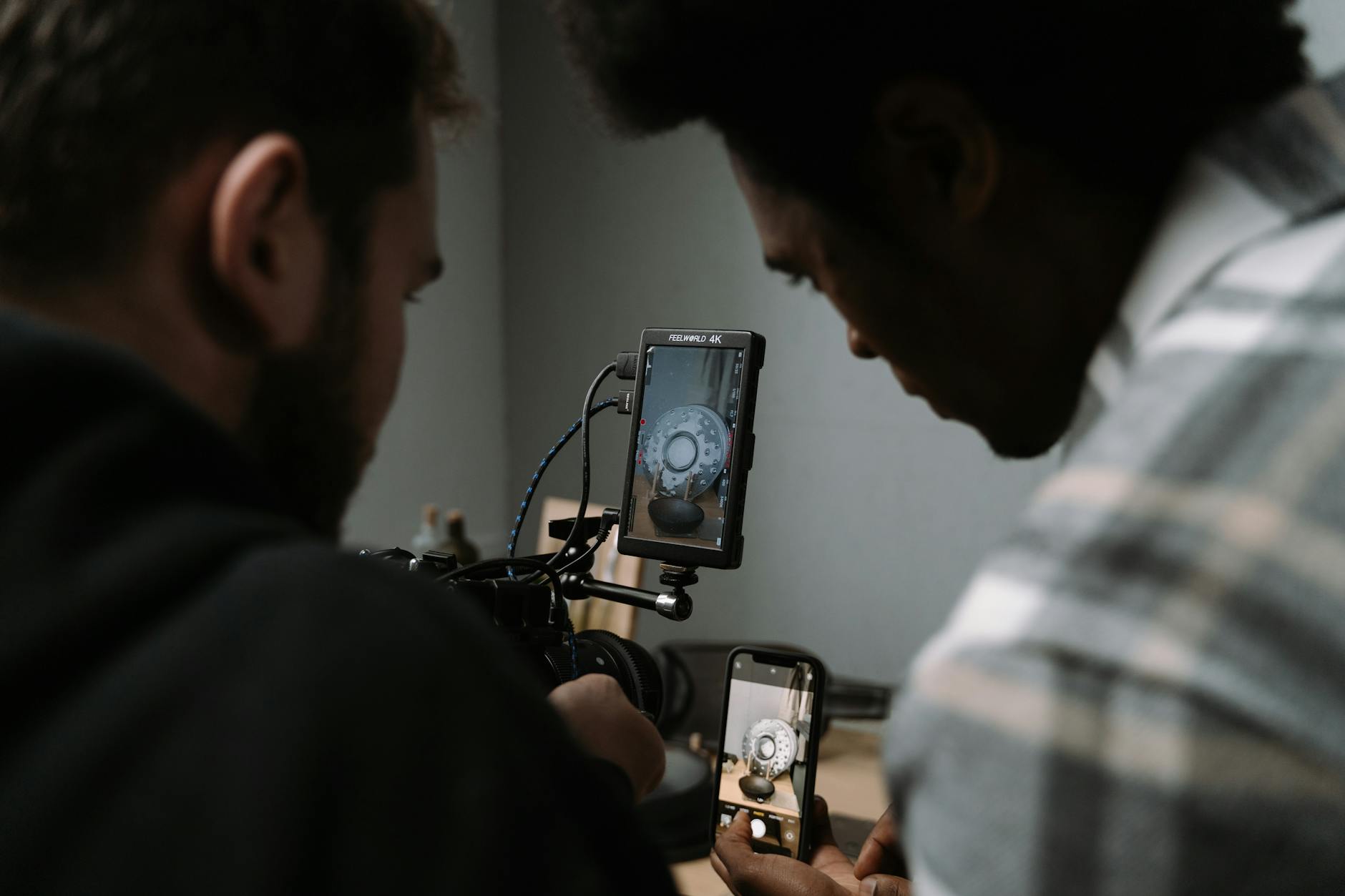
Live streaming production has become an essential element for businesses and event organizers aiming to reach a broader audience with immediacy and high-quality presentation. In the dynamic landscape of digital communication, live streams serve as a powerful tool to promote products, deliver live events, and engage viewers in real time. Especially within Miami’s vibrant community, the demand for professional live streaming services continues to grow, driven by the need for seamless, reliable content delivery that captures the essence of live experiences. Effective live streaming production involves a combination of strategic planning, sophisticated technology, and expert execution to ensure viewers enjoy a smooth and engaging broadcast. From corporate conferences and product launches to concerts and community events, live streams can significantly enhance visibility, strengthen brand identity, and foster real-time interaction. The process begins with understanding the objectives, target audience, and the nature of the event, allowing organizers to tailor a production plan that maximizes impact. Miami’s unique cultural diversity and energetic event scene create a compelling environment for live streaming endeavors. This approach provides an opportunity to connect local and global audiences simultaneously, broadening the reach and influence of any event or brand. The importance of high-quality, credible live streaming is underscored by technical precision and creative presentation, which together serve to elevate the overall viewer experience. Moreover, live streaming production involves more than just broadcasting; it encompasses a comprehensive workflow that ensures content is polished, engaging, and delivered without interruption. This includes meticulous planning, robust technical infrastructure, skilled operators, and effective communication throughout the process. As the digital landscape evolves, staying abreast of the latest trends, equipment, and best practices becomes paramount to maintain competitive advantage. Ultimately, live streaming production offers a way for brands and organizations in Miami to showcase their events and messages in a professional manner, engaging audiences on a personal level while expanding their outreach. With reliable production techniques and innovative solutions, live streaming transforms traditional events into accessible, interactive digital experiences that resonate and leave a lasting impression.
Key Equipment and Software
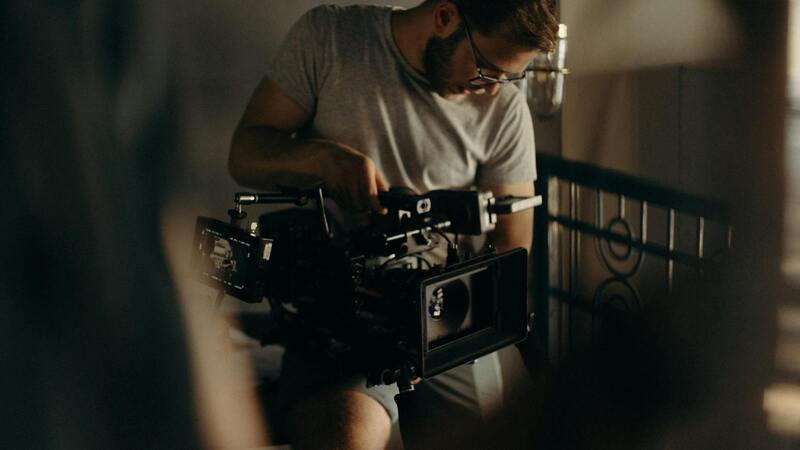
To ensure a seamless and professional live streaming experience, selecting the appropriate equipment and software is critical. High-definition cameras, capable of capturing crisp, clear images, form the foundation of quality visuals. These cameras should be compatible with various lenses to adapt to different event types and lighting conditions, ensuring optimal picture quality regardless of the venue’s environment. Alongside cameras, professional audio equipment is essential, including lavalier microphones for speech clarity, shotgun microphones for ambient sound, and audio mixers to balance multiple sound sources. Poor audio quality can diminish viewer engagement, making this component vital to a successful broadcast.
In addition to hardware, robust streaming software facilitates the encoding and transmission of live footage. These platforms should support multiple streams, offer real-time editing features, and allow for integration of graphics, overlays, and transitions to enhance visual appeal. Reliable hardware encoders are also crucial—they convert the high-quality video signals into a streaming-friendly format, maintaining stability and minimizing latency. Redundancy measures, such as backup internet connections and secondary streaming devices, help mitigate disruptions during live events.
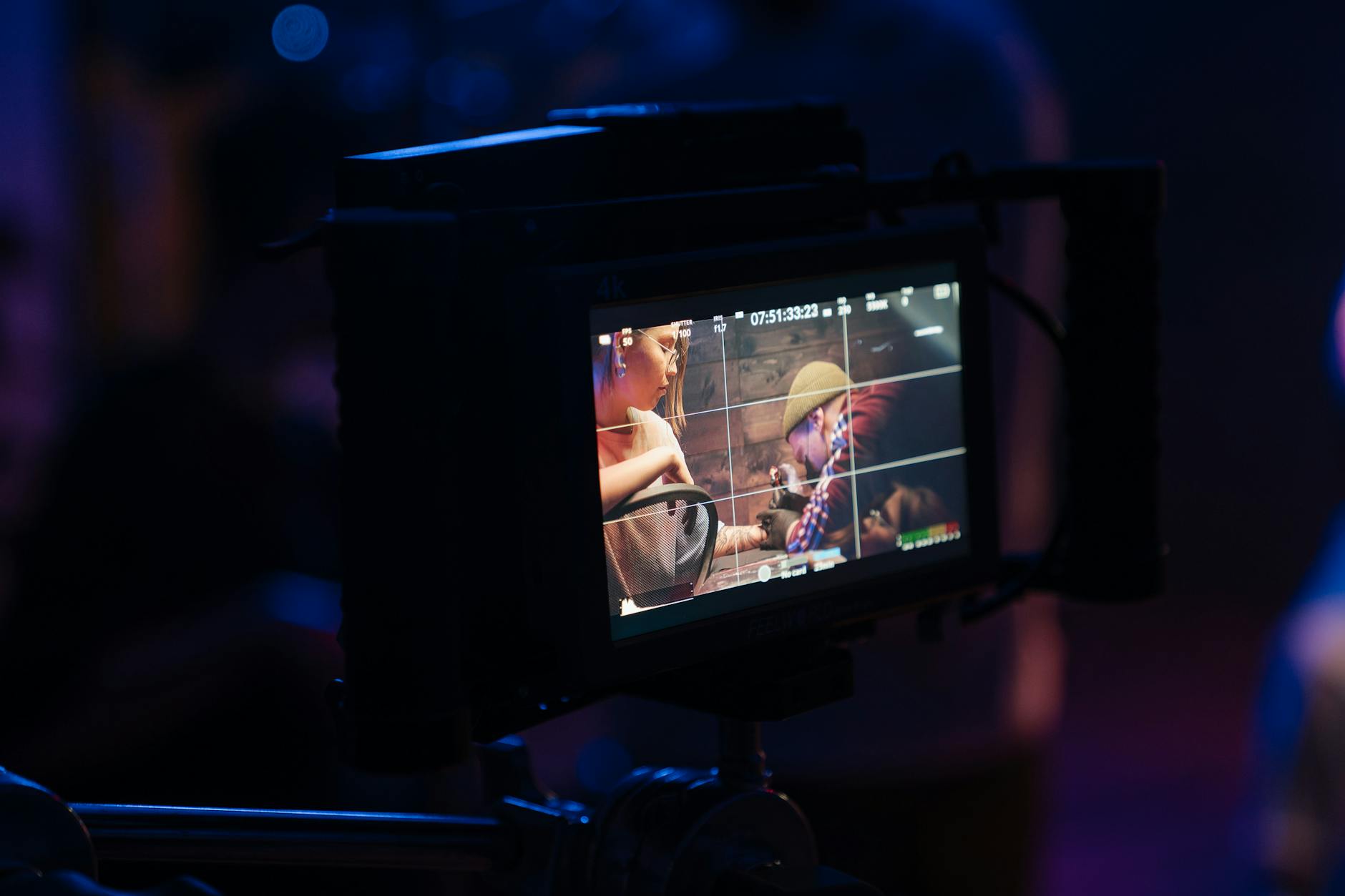
Well-chosen equipment not only improves the quality of the broadcast but also ensures compatibility and ease of operation for multimedia teams. Regular maintenance, calibration, and updates are essential to keep tools functioning at peak performance, especially when managing complex live streams that demand precision and reliability.
Pre-Production Planning
Preparation is key to a successful live streaming event. This phase involves defining clear objectives, understanding audience expectations, and developing a detailed production schedule. Content planning includes scripting key moments, identifying interview subjects, and preparing visual assets such as graphics and videos. Technical scouting of the venue assesses lighting, power sources, internet connectivity, and available space for equipment setup, ensuring compatibility with planned production workflows.
Coordination between production teams, content creators, and technical staff ensures a unified vision. Establishing communication protocols, such as walkie-talkies or dedicated chat channels, facilitates real-time problem-solving during the event. Additionally, rehearsals perform an essential role—allowing teams to test equipment, refine camera positions, and troubleshoot potential issues before the live broadcast.
Production Techniques and Setup
A well-organized technical setup involves strategic placement of cameras to capture high-energy moments from multiple angles. Employing a combination of wide shots, close-ups, and dynamic camera movements creates an engaging visual narrative. Proper lighting is also fundamental; utilizing professional lighting kits ensures subjects are well-lit, reducing graininess and shadows in the final footage.
Audio setup requires careful placement of microphones to minimize background noise and feedback. It’s advisable to run soundchecks prior to the event, adjusting gain levels and checking for audio consistency across all sources. The control room, equipped with switchers, mixers, and monitoring screens, consolidates incoming feeds, allowing operators to switch between camera angles seamlessly and add visual effects in real-time.
Streaming Platforms and Delivery
Choosing the right platform to deliver content depends on the target audience and event goals. Reliable live streaming services provide scalable solutions, accommodating audience sizes from small groups to large crowds. Compatibility with multiple devices, including smartphones, tablets, and desktops, guarantees broad accessibility. Adaptive streaming technology adjusts video quality based on internet bandwidth, ensuring uninterrupted viewing experiences even with fluctuating network conditions.
Secure and stable delivery is achieved through Content Delivery Networks (CDNs) which distribute streams across global servers, reducing latency and buffering. Embedding subtitles, adding branding overlays, and integrating interactive features such as live polls or chat functions further enhance audience engagement and interaction.
Managing Live Broadcasts
During the event, real-time management involves monitoring stream health, audio levels, and visual transitions. Technical operators must be vigilant for potential interruptions or glitches, prepared to troubleshoot issues swiftly. Having backup internet connections, power sources, and redundant equipment ensures continuity of the broadcast. Broadcast directors coordinate scene switches, graphic overlays, and other visual elements, maintaining a professional flow and dynamic presentation.
Post-Production and Content Repurposing
After the live event, editing raw footage allows for the creation of highlight reels, recaps, and promotional clips. Archiving content facilitates future marketing efforts and enables on-demand access, expanding the event’s reach beyond the original live broadcast. Closed captions, subtitles, and multiple language tracks can be added to broaden accessibility, while branding elements can be embedded to reinforce brand identity. Repurposed content can be distributed across various channels, including social media, websites, and email campaigns, ensuring prolonged audience engagement.
Choosing a Miami Production Agency
Partnering with a professional live streaming production agency in Miami offers access to specialized expertise and local knowledge. Experienced agencies provide comprehensive solutions that encompass equipment, technical crew, and strategic planning. They understand the city’s diverse event landscape, offering tailored services for corporate gatherings, cultural festivals, or sporting events. Their familiarity with Miami’s logistical nuances ensures efficient setup and smooth execution, delivering high-quality streams that resonate with local and international viewers alike.
Production Techniques and Setup
Implementing effective production techniques is essential to delivering a seamless live streaming experience. This involves meticulous camera management, lighting, and audio setup to ensure high-quality visuals and sound. Multi-camera setups allow for dynamic shot changes, providing viewers with engaging perspectives and maintaining interest throughout the broadcast. Panels of professional cameras, such as PTZ (Pan-Tilt-Zoom) or studio-grade cameras, are often synchronized with live switchers to enable real-time scene transitions.
Proper lighting plays a pivotal role in obtaining clear images and highlighting subject matter, especially in indoor environments. Soft, evenly distributed lighting minimizes shadows and enhances image clarity. Audio quality hinges on high-fidelity microphones, proper sound mixing, and noise reduction techniques to eliminate disturbances. Employing wireless microphones or lapels can provide mobility and flexibility for presenters or performers.
To ensure stability and uninterrupted streaming, engineers set up redundant internet connections, typically combining fiber optic, LTE, or 4G backup links. This dual-connection approach guarantees the broadcast remains active even if primary internet sources experience interruptions. Power sources must also be reliable, with backup generators or uninterruptible power supplies (UPS) safeguarding against power failures that could disrupt production.
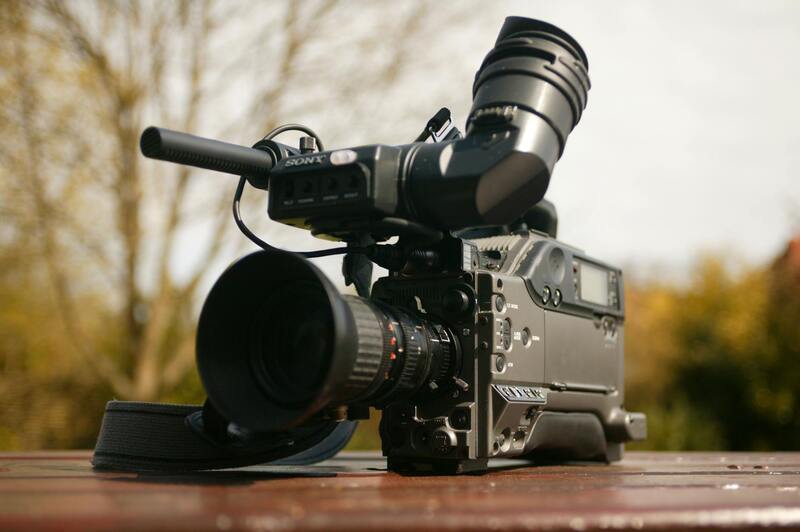
Another crucial aspect involves configuring encoding hardware or software to compress and transmit the video feed efficiently. Hardware encoders, integrated within streaming solutions, facilitate real-time video processing and seamless delivery to various streaming platforms. Software encoders, such as OBS Studio or vMix, offer customizable features for overlay graphics, multiple camera sources, and transitions, allowing producers to craft a polished live broadcast.
Technical teams also pre-test all equipment and software, conducting dry runs to identify potential issues. Proper cable management and equipment placement minimize signal interference and physical hazards, ensuring a safe and organized workspace. Setting up custom graphics, lower thirds, and branding elements adds professionalism and reinforces brand identity during live streams.
Streaming Platforms and Delivery
Selecting appropriate streaming platforms is a strategic decision that depends on the target audience, content type, and desired reach. Popular platforms include social media channels, dedicated streaming services, or custom website integrations. Many live stream providers utilize Content Delivery Networks (CDNs) to optimize transmission speed and reduce latency across geographical regions.
Deliberate planning of streaming architecture ensures that multiple platforms can be simultaneously broadcast, expanding audience access. Adaptive streaming techniques dynamically adjust video quality based on viewers’ internet speeds, preventing buffering and promoting a smooth viewing experience. Latency management is critical during live interactions, ensuring timely comments, questions, or interactive segments are synchronized properly.
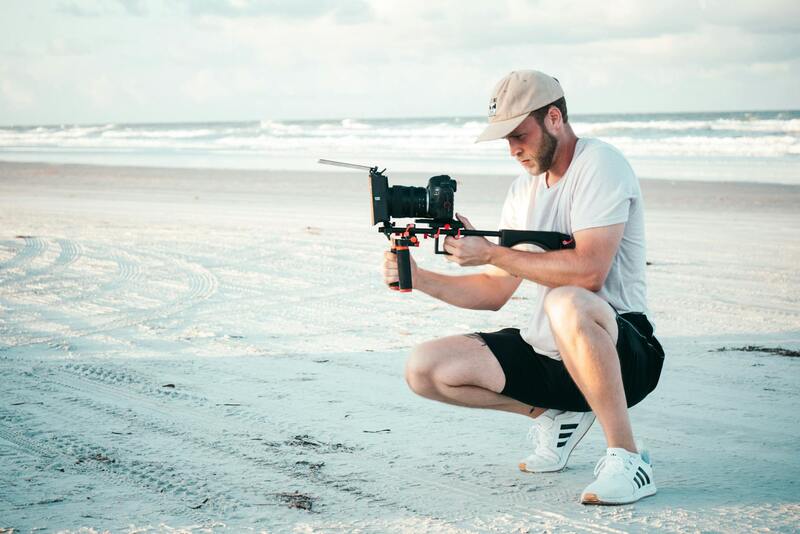
Monitoring tools are employed during the broadcast to track stream health, viewer engagement, and technical issues. Real-time analytics allow producers to make swift adjustments, such as switching bitrates or addressing audio problems, thereby maintaining professional standards throughout the event.
Managing Live Broadcasts
During a live event, proactive management is essential for a successful broadcast. Technical directors oversee the production workflow, coordinating transitions between cameras, graphics, and audio feeds while responding to unforeseen challenges. Communication between the crew members, often via headsets, facilitates smooth scene changes and immediate troubleshooting.
In addition, on-screen graphics and overlays are used strategically to convey information, promote sponsors, or guide viewer engagement. Keeping a close watch on audio levels, video feeds, and stream stability helps prevent disruptions. Audience interaction features, such as chat moderation or live polls, should be actively managed to foster viewer participation and maintain a professional atmosphere.
Multiple remote support staff, including technical assistants and content coordinators, work behind the scenes to ensure that all elements align perfectly. Having a clear contingency plan, including backup equipment and alternative streaming pathways, minimizes potential risks during the event.
Technical Configurations for Optimal Streaming Quality
In the realm of live streaming produktion, achieving high-quality broadcast output hinges on meticulous technical setup. Optimal configurations involve a combination of hardware calibration, software optimization, and network reliability. Ensuring each element functions seamlessly is fundamental to delivering a professional and engaging viewer experience.
Key hardware components include high-definition cameras capable of capturing crisp visuals from multiple angles, professional-grade microphones that deliver clear audio, and reliable switchers or mixers that allow for seamless scene transitions. The choice of lighting is equally critical; well-designed lighting setups eliminate shadows, enhance subject visibility, and ensure consistent color fidelity, even in variable indoor environments.
On the software side, stable encoding software such as OBS Studio, vMix, or Wirecast provides essential tools for capturing, mixing, and transmitting live feeds. These programs support features like multi-source integration, overlays, and real-time adjustments. Proper configuration includes setting the appropriate bitrate, resolution, and frame rate aligned with the available bandwidth and target audience devices.
Network infrastructure must be robust, with high-speed, low-latency internet connections. Redundant internet links or backup networks are crucial for maintaining continuous broadcast flow, especially in high-stakes live events. Employing a content delivery network (CDN) or multiple streaming platforms ensures broader reach and mitigates the risk of platform-specific outages.
Video Mixing and Multi-Camera Coordination
Live production often involves multiple cameras, requiring efficient switching and synchronization. Video switchers allow operators to select feeds, apply transitions, and incorporate graphics seamlessly. Synchronization is achieved through precise timing mechanisms, ensuring audio and video remain in sync across sources. This coordination is fundamental to maintaining a polished presentation that captures the event’s dynamic nature.
Audio Engineering for Live Streaming
Audio clarity significantly impacts viewer retention and engagement. Professional-grade microphones should be strategically positioned to capture dialogue, ambient sounds, and musical performances accurately. An audio mixer consolidates multiple input channels, applying equalization, noise suppression, and level adjustments in real time. Monitoring audio through headphones helps detect issues instantly, preventing distortions or volume imbalance from reaching viewers.
In addition, incorporating sound effects and cues with software tools enhances the storytelling aspect of the live event. Properly configured, the audio setup ensures clarity, minimizes background noise, and adapts fluidly to various content segments, all of which contribute to a seamless broadcasting experience.
Stream Integration and Synchronization Techniques
Effective live streaming requires synchronized transmission from multiple sources and platforms. Encoding hardware and software synchronize video and audio streams, ensuring smooth transitions during live editing sessions. Multi-platform streaming using multiplexing techniques distributes content efficiently across social media, dedicated websites, or streaming services, expanding audience access. Regular testing and calibration of these systems prior to the event reduce the likelihood of technical hiccups during the live broadcast.
Advanced Techniques for Live Stream Optimization
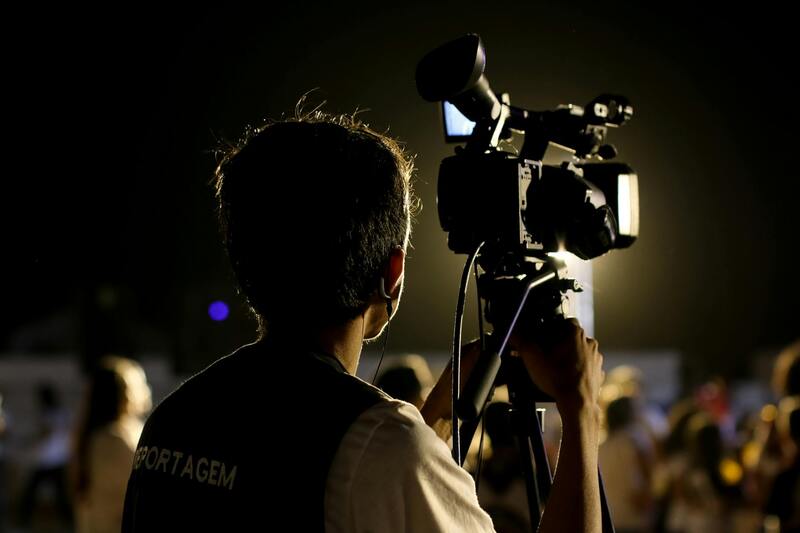
Optimizing a live streaming production involves a combination of technical precision and strategic planning to ensure high-quality delivery and viewer engagement. One of the critical components is the use of multi-camera setups, which allow for dynamic shot selection, providing viewers with a more immersive experience. Cameras should be positioned thoughtfully, with a mix of wide shots, close-ups, and specialty angles tailored to the event type. Skilled camera operators are essential to capture moments precisely while maintaining stability and focus. Additionally, utilizing remote camera feeds can enhance production value by incorporating different perspectives without physical presence at all locations.
Integrating Graphics and Viewer Interaction
Enhancing the visual appeal of a live stream often involves real-time graphics overlays, including lower thirds, event titles, and sponsor logos. These elements should be professionally designed to match the branding and theme of the event, seamlessly integrated using advanced compositing software. Incorporating viewer interaction features, such as live chat, polls, and Q&A sessions, can significantly boost engagement and create a more participatory experience. Technologies like chat integration tools and interactive overlays enable real-time communication, making the broadcast more lively and responsive.
Ensuring Reliable Internet Connectivity
Reliable internet connectivity is paramount for uninterrupted streaming. Utilizing wired Ethernet connections over Wi-Fi minimizes latency and reduces the risk of disconnections. Multiple internet sources, such as wired connections combined with mobile data, can be bonded together with load balancing devices to ensure consistent bandwidth. Prior to the event, conducting thorough network tests helps identify potential issues, allowing for adjustments or contingency plans. This proactive approach minimizes the risk of buffering, lag, or stream dropout during live broadcasts, preserving the professional quality expected in high-profile productions.
Real-Time Monitoring and Troubleshooting
Constant monitoring of stream health metrics during a live event is crucial. Tools that display real-time data on encoding performance, bandwidth usage, and viewer analytics enable operators to identify and resolve issues promptly. Setting up alerts for anomalies, such as sudden drops in data rate or source disconnects, ensures swift troubleshooting. Having a dedicated technical team on hand during the broadcast allows for immediate response to any unexpected problems, maintaining a seamless viewing experience for the audience.
Post-Stream Data Analysis and Reporting
After the live event concludes, analyzing data collected during the stream provides valuable insights for future productions. Metrics such as viewer counts, peak concurrent viewers, engagement rates, and stream health logs help evaluate the success of the broadcast. These insights inform adjustments to streaming strategies, equipment upgrades, and content planning. Additionally, detailed reports can highlight technical issues encountered during the event, guiding improvements in equipment setup, software configuration, and network infrastructure for subsequent live streams.
Managing Live Broadcasts
Effective management of live broadcasts is integral to delivering a seamless streaming experience that meets audience expectations. This involves a combination of real-time monitoring, swift troubleshooting, and proactive communication among production team members. Ensuring high broadcast quality requires a strategic approach to anticipate and respond to potential issues that may arise during the stream.
Real-Time Monitoring
Continuous oversight of the live stream is essential. Operators should utilize robust monitoring tools that offer detailed insights into stream health, bandwidth utilization, and encoding performance. These tools help detect anomalies such as sudden dips in video quality, audio disruptions, or connectivity interruptions instantly. Setting up automated alerts for specific thresholds allows the technical team to be promptly notified of potential problems, facilitating swift intervention.
Troubleshooting Technical Issues
Quick and effective troubleshooting minimizes disruptions during live broadcasts. Common technical issues include source disconnections, signal degradation, or encoding failures. Establishing standard operating procedures for resolving these issues ensures that team members can respond efficiently. For instance, having backup sources ready, switching to secondary encoding servers, or adjusting network settings on the fly can prevent stream downtime. Employing redundant systems and having pre-tested backup plans further bolster broadcast resilience.
Maintaining Broadcast Quality
Consistency in broadcast quality is achieved through meticulous setup and continuous oversight. This involves optimizing camera angles, lighting, audio clarity, and encoding settings to produce professional visual and sound standards. Maintaining a stable internet connection with sufficient upload bandwidth is also critical. During the event, regular communication among crew members helps coordinate transitions, cue changes, and troubleshoot unexpected issues swiftly.
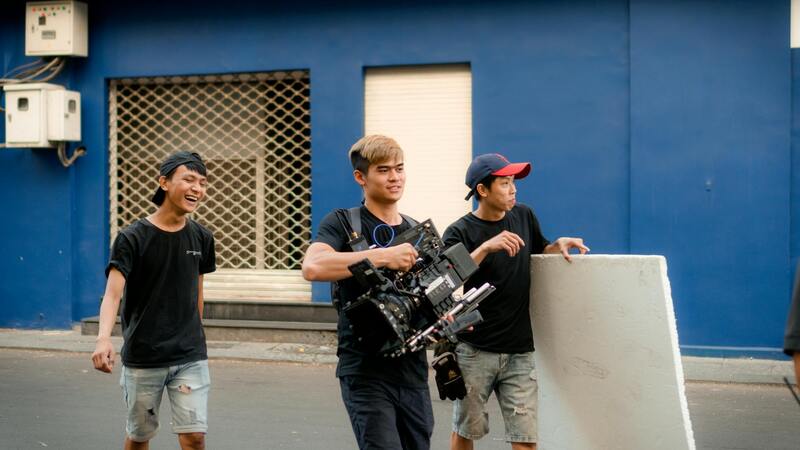
Furthermore, documenting issues and resolutions during the broadcast provides valuable data for post-event analysis and future strategy improvements. Implementing these practices ensures the live streaming process remains smooth, professional, and engaging for every viewer.
Managing Live Broadcasts
Effective management of live streaming production extends beyond the technical setup, encompassing real-time oversight and adaptive responses to ensure a seamless viewing experience. Central to this is the implementation of comprehensive monitoring protocols that provide continuous feedback on stream stability, video and audio quality, and platform performance. Employing multi-view monitoring dashboards enables operators to track several aspects simultaneously, alerting them instantly to any anomalies that may arise during the broadcast.
Real-time communication among crew members is vital. Utilizing dedicated headsets or intercom systems allows for swift coordination regarding cue transitions, camera switching, or technical adjustments. Establishing clear communication protocols minimizes missteps and accelerates response times, especially when handling unexpected events that demand immediate attention.
Technical Issue Troubleshooting
Despite meticulous planning, unforeseen technical issues can occur. A robust troubleshooting protocol involves pre-defined contingency plans for common problems such as signal interruptions, audio feedback, and encoding errors. For example, if there is a loss of video feed from a primary camera, a backup camera or alternative source should immediately take over. Having redundant hardware—such as secondary encoders or backup internet connections—saves valuable production time and maintains broadcast continuity.
Meeting the demands of live streaming also involves swift diagnostic skills. Operators should regularly perform test runs and maintain an updated checklist for troubleshooting. Quick identification of issues like dropped connections, audio impairments, or streaming barriers allows for effective mitigation, reducing viewer disruption. In addition to technical fixes, clear communication with the audience about any inevitable issues helps maintain viewer trust and engagement.
Stream Quality Maintenance
Consistent broadcast quality is achieved through diligent attention to detail. Choosing optimal camera angles and ensuring proper lighting enhances visual clarity, while professional-grade microphones and sound mixers capture audio with clarity. Fine-tuning encoding parameters, such as bit rate and resolution, helps deliver a crisp image without buffering issues. Additionally, stable internet connectivity with sufficient bandwidth underpins all these efforts, preventing interruptions caused by network-related problems.
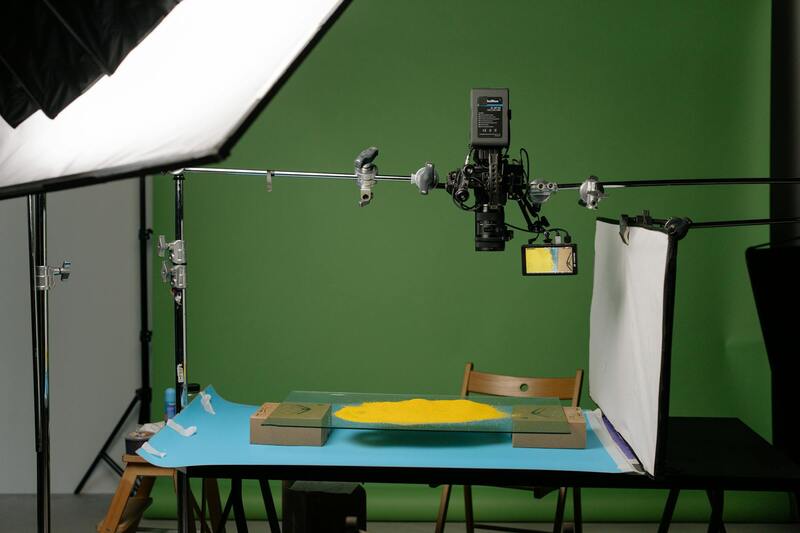
During the event, continuous oversight is key. Assigning dedicated personnel to monitor video feeds, audio levels, and platform performance ensures rapid responses to emerging issues. Regular communication between technical and production teams facilitates smooth transitions and cue changes, keeping the live event engaging and professional. Documentation of any issues encountered and solutions implemented provides valuable insights for refining future streaming processes, elevating overall broadcast quality and viewer satisfaction.
Advanced Strategies for High-Quality Live Streaming Production
Implementing Reliable Encoding Techniques
To ensure seamless delivery of live content, selecting and configuring the appropriate encoding hardware and software is crucial. Encoding acts as the bridge between your live video source and your broadcasting platform. Hardware encoders, such as dedicated appliances, provide stability and consistent performance, ideal for large-scale events. Software encoders offer flexibility and cost-effectiveness, allowing customization and integration with various production workflows. Proper configuration involves setting optimal bitrates, resolution, and frame rates aligned with your streaming platform's requirements. This fine-tuning minimizes buffering, prevents lag, and maintains visual consistency, delivering a professional viewer experience.
Integrating Multi-Camera and Audio Setups
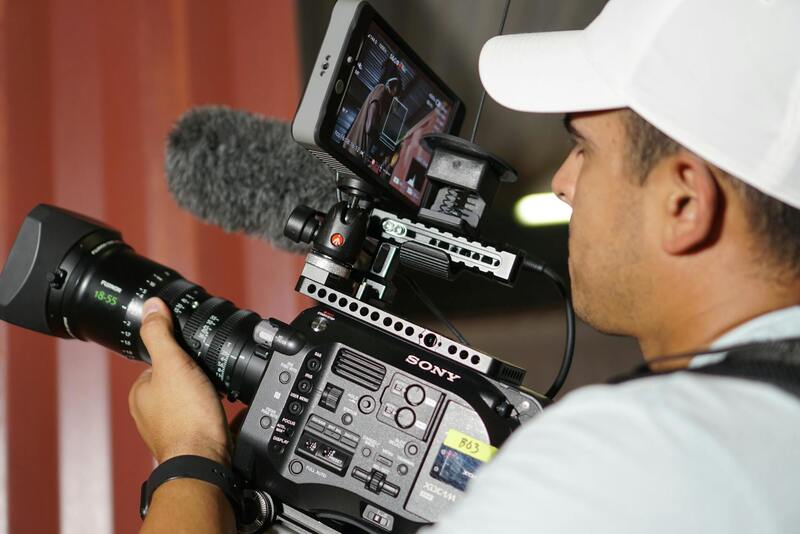
Creating a dynamic broadcast requires strategic camera placement and high-quality audio input. Multi-camera setups allow for varied perspectives, capturing different angles of the event, thereby enriching the viewer's experience. Skilled camera operators or robotic cameras facilitate smooth transitions, zooms, and focus adjustments. Simultaneously, professional audio solutions such as lapel microphones, shotgun mics, and audio mixers ensure clear, balanced sound. Proper placement and calibration are essential to prevent audio overlaps and background noise, which can detract from the event's professionalism. Coordinating both video and audio feeds through a live switcher enables seamless transitions and a polished live presentation.
Implementing Redundancy and Backup Systems
For critical live streams, resilience against technical issues is vital. Incorporating redundant systems—such as backup internet connections, secondary encoding devices, and power supplies—protects against unexpected failures. Automated failover mechanisms can switch to backup sources automatically if primary systems experience disruptions, maintaining broadcast continuity. It’s also essential to have real-time monitoring tools that alert the production team to issues immediately. These practices ensure minimal downtime, uphold broadcast integrity, and maintain audience engagement without interruption.
Utilizing Advanced Streaming Protocols
Modern streaming protocols like SRT (Secure Reliable Transport) offer advantages over traditional methods, including lower latency, better error recovery, and enhanced security. These protocols are particularly beneficial when streaming over congested networks or from remote locations. Implementing adaptive bitrate streaming allows the delivery of the best possible video quality based on the viewer's internet速度, reducing buffering and improving overall satisfaction. Embracing these advanced protocols and adaptive techniques positions your live stream as a reliable and high-quality experience for viewers across various devices and network conditions.