
Overview of Live-Streaming Production Services
Live-streaming production services encompass a comprehensive suite of solutions designed to broadcast events, announcements, or presentations in real-time across digital platforms. These services leverage advanced video and audio technology to deliver high-quality live feeds to audiences located anywhere with internet access. In Miami, a vibrant hub for events, entertainment, and business, the demand for professional live-streaming is rising significantly. Rather than relying solely on traditional in-person audiences, organizations and event organizers are increasingly turning to live-streaming as an effective method to extend their reach, engage broader audiences, and generate measurable impact.
Effective live-streaming production involves a combination of sophisticated equipment, experienced technicians, and strategic planning to ensure seamless delivery. The importance of these services in Miami is particularly pronounced given the city's dynamic event scene—from corporate conferences, cultural festivals, and sports events to product launches and community gatherings. By deploying professional live-streaming services, clients can enhance visibility, promote inclusivity, and leverage technological advancements to deliver compelling content.
The core goal of live-streaming production is to ensure a flawless viewing experience, capturing the essence of the event with clarity, stability, and engaging visuals. This entails meticulous planning, quality control, and technical expertise to overcome challenges such as fluctuating internet connectivity or complex multi-camera setups. With the rapid evolution of streaming technology, these services now also incorporate multi-platform broadcasting, interactive features, and real-time analytics to better connect with audiences.
For Miami-based businesses and organizations, reliable live-streaming production is increasingly vital as it supports marketing strategies, educational initiatives, and community outreach. Whether it's broadcasting a keynote speech from a Miami convention center or streaming a local music festival, expert live-streaming services maximize engagement and ensure that content reaches targeted viewers efficiently. Professional services also handle post-production elements like encoding, editing, and archiving, which add value for future reference and content reuse.
In essence, live-streaming production services in Miami serve as a bridge connecting audiences with events and information in real-time. They offer a strategic blend of technical precision and creative execution, making them indispensable for entities aiming to maximize their outreach and impact in today’s digital landscape.
Key Components of Live-Streaming Productions
Executing a successful live-streaming event demands precise integration of various technical and creative elements. A comprehensive live-streaming production involves meticulous planning around the core components that ensure high-quality content delivery, audience engagement, and seamless operation. These components encompass pre-production, production, and post-production stages, each critical for realizing the event's full potential.
Pre-Production Planning
- Network Assessment: Ensuring robust internet connectivity is fundamental to prevent disruptions during the broadcast. This involves dedicated bandwidth allocation and redundancy measures to handle unforeseen issues.
- Scheduling and Script Development: Precise timelines and script outlines guide the flow of the event, allowing technical teams to prepare accordingly. Clear communication with presenters and performers also maximizes production efficiency.
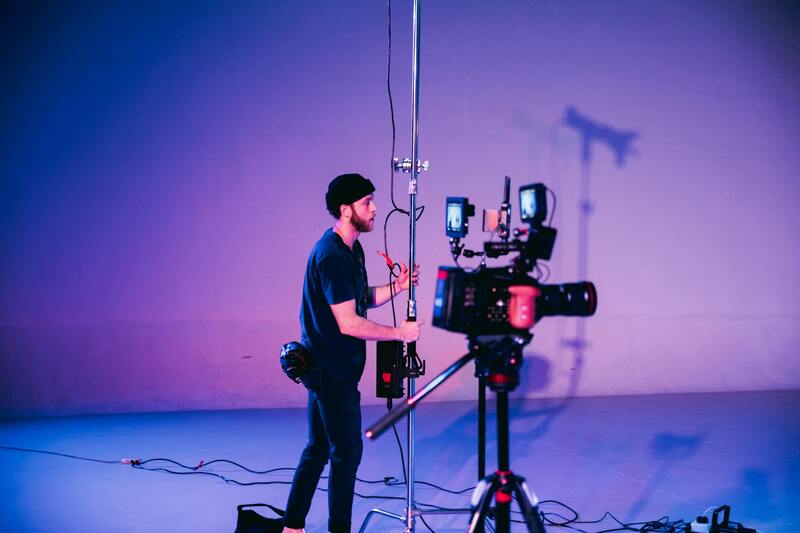
- Equipment Testing: Comprehensive testing of cameras, audio systems, streaming hardware, and software ensures all devices function correctly and are synchronized for optimal output.
- Platform Selection: Choosing the appropriate streaming channels aligns with target audiences, whether it’s social media platforms, dedicated websites, or multi-platform broadcasts.
Production Execution
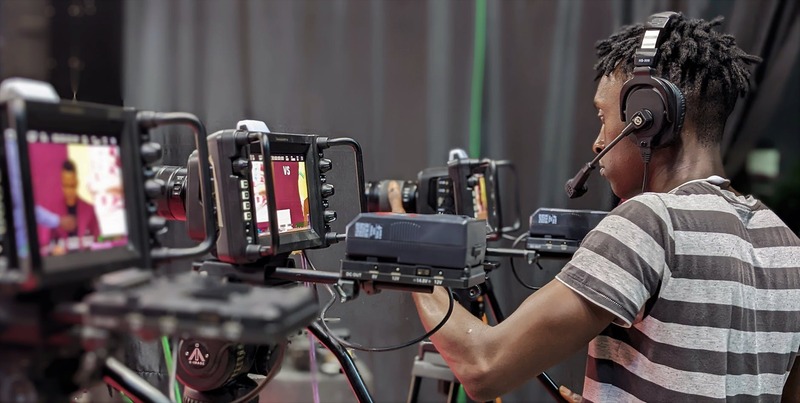
- Camera Operations: Multi-camera setups facilitate dynamic shots, switching between close-ups, wide angles, and specialty angles to create a lively viewing experience.
- Audio Management: High-fidelity audio capture and mixing maintain clarity, emphasizing spoken words or musical performances as needed.
- Graphics and Visual Effects: Incorporation of lower thirds, captions, and branding elements enhances professionalism and audience engagement.
- Encoding and Streaming: Real-time encoding converts raw footage into optimized formats compatible with streaming platforms, ensuring minimal latency and buffering issues.
Post-Production and Archiving
- Content Editing: Post-event editing allows for highlights, condensed versions, or thematic segments to be created for future use.
- Archiving: Saving raw footage and edited content provides valuable resources for marketing, training, or archival purposes.
- Analytics and Reporting: Detailed insights into viewer engagement, dropout rates, and geographic distribution help refine strategies for upcoming events.
Importance of Technical Precision and Artistic Detail
In high-stakes live-streaming scenarios, technical proficiency ensures a smooth broadcast free of interruptions. At the same time, creative touches such as compelling shots, synchronized graphics, and engaging camera work elevate the overall presentation. The seamless integration of these elements turns an ordinary webcast into a captivating digital experience that captivates viewers and leaves a lasting impression.
Key Components of Live-Streaming Productions
Effective live-streaming production hinges on a combination of sophisticated equipment, reliable platforms, and expert technical support. Each element plays a critical role in delivering a seamless viewing experience that meets the high expectations of both organizers and audiences.
High-Quality Video Equipment
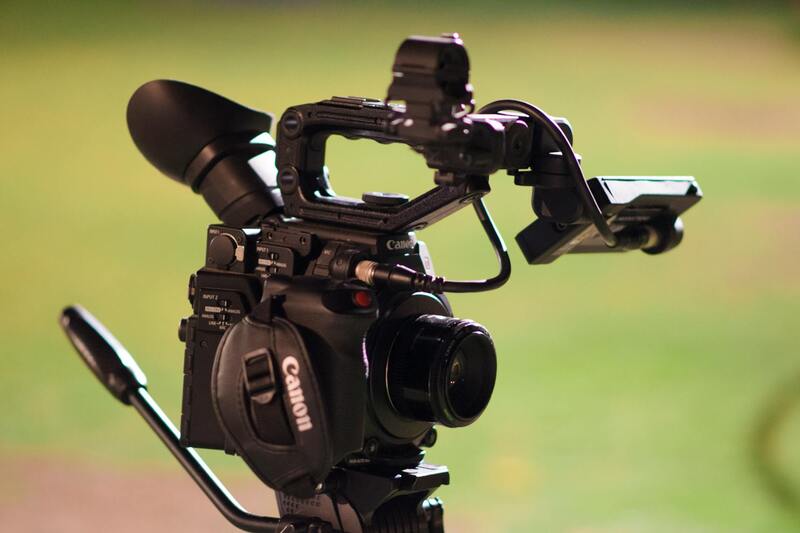
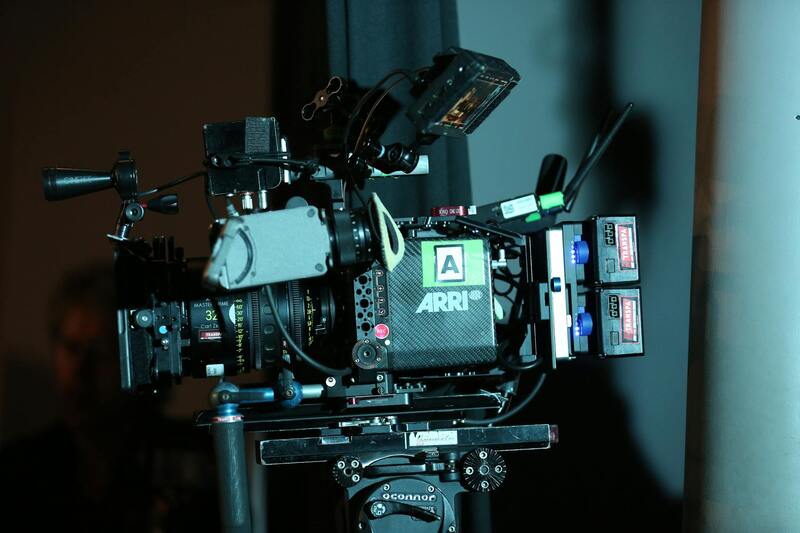
The backbone of any professional live streaming setup is advanced video hardware. This includes multiple camera systems capable of capturing diverse angles and high-definition footage, ensuring clarity and visual richness. Camera operators or automated robotic cameras are employed to execute precise shots, whether focusing on speakers, performers, or audience interactions. Auxiliary equipment such as switchers allows seamless transitions between feeds, adding dynamic elements to the broadcast.
Stream Processing and Delivery Platforms
Selecting appropriate streaming platforms is vital for reaching the target audience effectively. These platforms should support high bandwidth, adaptive bitrate streaming, and multi-device compatibility. Content Delivery Networks (CDNs) ensure stable delivery across various geographic regions, reducing latency and buffering issues. Integrating with popular streaming services or custom platforms can be tailored to the event's specific requirements, including branding overlays and interactive features.
Audio Setup and Management
Clear, high-fidelity audio is essential to engage viewers. Professional live-streaming services utilize a combination of wireless and wired microphones, mixing consoles, and digital audio processors. This setup facilitates balanced sound levels, noise suppression, and real-time adjustments to accommodate different acoustic environments. Special attention is given to speech intelligibility and musical quality, which are crucial in conferences, performances, and corporate events.
Technical Support and Personnel
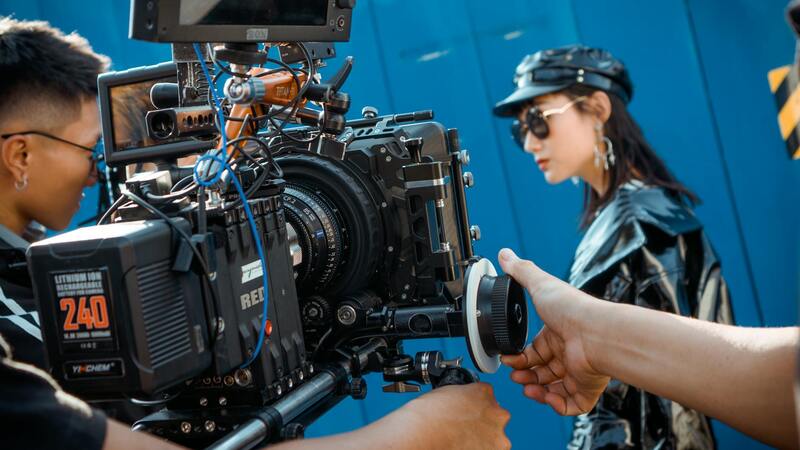
Behind every successful live-streaming event is a dedicated team of technicians responsible for setup, monitoring, and troubleshooting. This team ensures all hardware functions correctly, the internet connection is stable, and the broadcast runs without interruption. Additionally, coordinators oversee the workflow, manage real-time communication, and adapt to any unforeseen technical issues swiftly, guaranteeing a smooth broadcast from inception to completion.
Software Solutions and Graphics Integration
Advanced production software enables live mixing, graphics overlays, and real-time editing. Including lower thirds, event logos, sponsor banners, and interactive elements elevates the professional quality of the stream. Real-time analytics can also be integrated to monitor viewership stats, engagement metrics, and viewer feedback, informing adjustments during the event and strategies for future broadcasts.
Every component, from hardware to software and personnel, must work in harmony through a well-organized production workflow. This entails detailed planning phases, pre-event testing, live execution, and post-event analysis. Such meticulous coordination ensures every aspect of the production aligns with the event’s goals, delivering a high-impact broadcast that resonates with viewers long after the event concludes.
Essential Equipment and Technical Setup for Live-Streaming Production
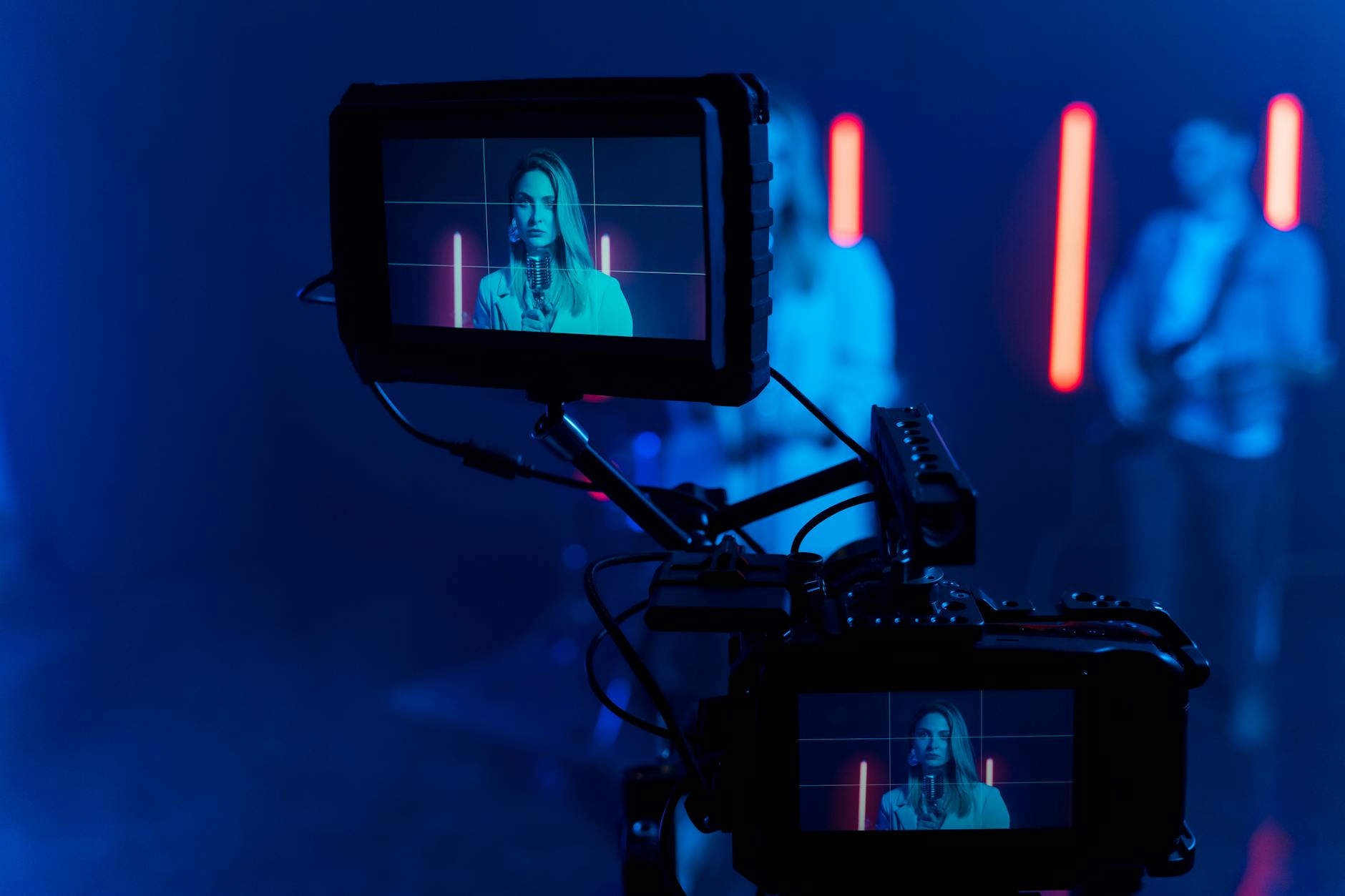
Executing a seamless live-streaming production in Miami requires a comprehensive array of advanced equipment and a meticulously planned technical setup. High-definition cameras form the cornerstone of any professional broadcast, offering crystal-clear visuals that capture every detail of the event. These cameras are often complemented with multiple angles and remote cameras to provide dynamic shots, enhancing viewer engagement. To ensure smooth transmission, streaming hardware such as encoders and switchers are employed, facilitating real-time video conversion, mixing, and streaming to various platforms.
Reliable audio equipment is equally critical. High-quality microphones, mixers, and audio interfaces guarantee clear sound, eliminating echoes, background noise, and other disturbances that can detract from the viewing experience. Integration of wireless microphones and in-ear monitors ensures mobility and flexibility, especially during live events with presenters or performers.
Networking infrastructure plays a pivotal role in maintaining a stable, high-bandwidth internet connection. Professional live-streaming setups employ dedicated fiber-optic or cellular bonding solutions to prevent buffering or signal loss during critical moments. Quality routers, switches, and network monitoring tools are implemented to manage bandwidth allocation and troubleshoot connection issues proactively.
In addition to hardware, real-time monitoring systems are deployed to oversee the health of the broadcast. These systems track data such as stream latency, resolution, and connection status, providing instant alerts for any anomalies that may arise. Backup systems, including redundant internet connections and power supplies, are also standard practice to ensure uninterrupted streaming regardless of unexpected technical failures.
Production Crew and Their Roles
Behind every successful live-streaming event is a skilled team responsible for managing the technical and creative aspects of the broadcast. The production crew typically includes a director who oversees the overall flow, camera operators who control the shot composition, and a technical director who switches between camera feeds and manages on-screen graphics. Sound engineers are tasked with balancing audio levels, while broadcast engineers ensure all hardware operates smoothly.
Support staff, such as stage managers and communication coordinators, facilitate real-time coordination between technical teams and event personnel. This cohesive effort guarantees a professional broadcast aligned with the event’s objectives, providing viewers with a high-quality, engaging experience from start to finish.
Production Process and Workflow
Executing a successful live-streaming event requires a well-structured production process that ensures seamless execution from start to finish. The workflow begins with meticulous planning, where the scope of the event—whether a corporate conference, product launch, or concert—is defined. This phase involves detailing the technical requirements, selecting suitable equipment, and coordinating with all stakeholders to establish clear objectives.
Once planning is complete, the next step is pre-production, which includes site surveys, planning camera angles, testing internet connections, and establishing backup solutions. Content rehearsals are crucial during this phase to familiarize all participants with the streaming setup, troubleshoot potential issues, and refine camera cues or transitions. During pre-production, the team also configures on-screen graphics, overlays, and branding elements to maintain visual consistency.
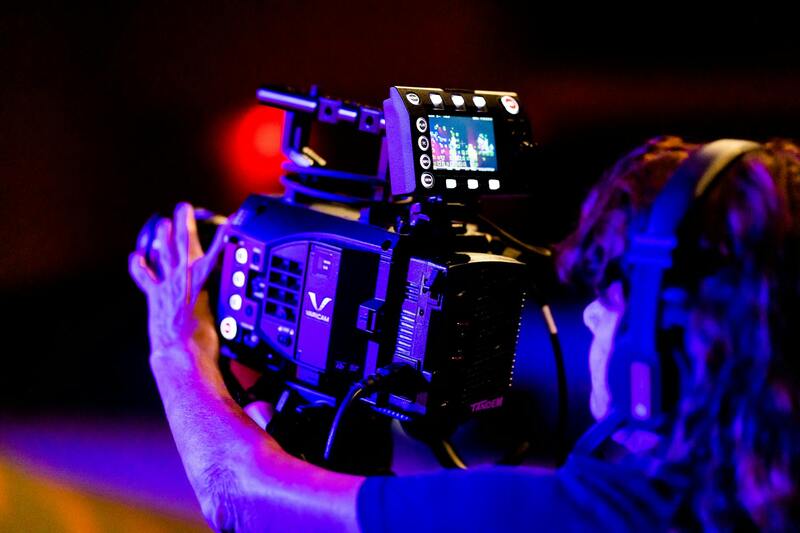
On the day of the event, the production enters the live execution phase. This involves setting up the hardware and software components, ensuring all connections are secure, and performing final test runs. The technical director oversees the live feed switching, incorporating camera angles, graphics, and other multimedia elements. Camera operators manage their respective shots under real-time direction, while sound engineers monitor audio input to deliver clear, balanced audio for the audience.
Throughout the broadcast, real-time monitoring dashboards track stream health, latency, and viewer engagement metrics. Support staff remain on standby to quickly address any technical difficulties that may arise. After the event, the post-production phase involves reviewing the broadcast footage, analyzing viewership data, and collecting feedback to evaluate success and identify areas for improvement.
Streamlining this workflow with professional tools and experienced personnel minimizes technical disruptions, elevates viewer experience, and enhances the overall reputation of your brand.
Production Process and Workflow
The execution of a professional live-streaming event involves a meticulously coordinated sequence of stages, each designed to ensure a seamless viewer experience and brand consistency. The process begins with strategic planning, where the goals, target audience, and preferred outcomes are clearly defined. During this phase, detailed storyboards and shot lists are developed, along with a comprehensive technical checklist that encompasses equipment, internet stability, and backup solutions.
Pre-production follows, focusing heavily on logistics and content preparation. This stage entails script finalization, talent rehearsals, and final checks of all audiovisual elements. It is crucial to align every aspect of the production—such as on-screen graphics, branding overlays, and multimedia integration—with the event's objectives and visual identity. Clear communication channels are established among the technical team, on-camera talent, and content creators to facilitate smooth operations during the live broadcast.
Execution Phase
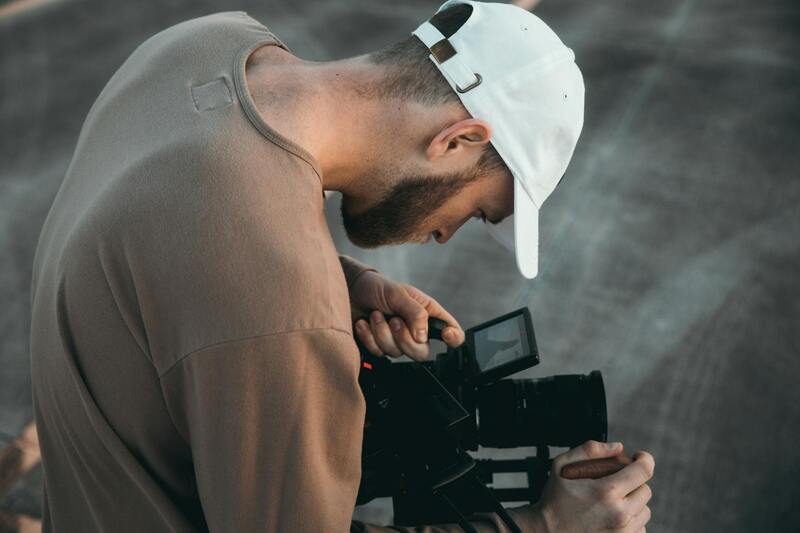
On the day of the event, the focus shifts to real-time coordination and monitoring. The technical director oversees the switch between camera feeds, graphic overlays, and multimedia presentations, ensuring each element aligns perfectly with the flow of the event. Simultaneously, camera operators capture essential shots while sound engineers maintain audio clarity and balance across multiple feeds.
Throughout this phase, real-time data monitors the health of the stream, including latency, viewer engagement, and potential technical issues. Support personnel remain on standby, ready to troubleshoot problems swiftly without disrupting the broadcast. This tight management guarantees that the live-stream remains stable, responsive, and engaging for viewers regardless of unforeseen challenges.
Post-Production and Review
Once the live event concludes, post-production efforts focus on compiling high-quality recordings, editing highlights, and analyzing key performance metrics. Feedback from viewers and client stakeholders is gathered to evaluate the success against initial objectives. This stage provides valuable insights into audience preferences, technical performance, and content effectiveness, informing future live-streaming strategies.
Adopting an organized workflow—from meticulous planning through comprehensive review—not only minimizes risks but also elevates the overall quality and professionalism of Miami-based live-streaming productions.
Production Process and Workflow
Executing a seamless live-streaming event in Miami requires a well-structured workflow that integrates meticulous planning with precise on-site coordination. This process begins with detailed pre-production planning, where the production team collaborates closely with clients to define objectives, audience engagement strategies, and desired technical specifications. During this phase, decisions are made regarding camera placements, graphics, overlays, and audio setups, ensuring all visual and auditory elements align with the event’s branding and messaging.
On the day of the event, responsibilities are clearly divided among specialized team members. The technical director oversees the entire operation, managing the switch between different camera angles, multimedia sources, and graphics, maintaining a fluid visual narrative. Camera operators are tasked with capturing key moments from various angles, providing dynamic coverage that enhances viewer engagement. Sound engineers monitor and adjust audio feeds in real-time, ensuring clear, balanced sound across all channels.
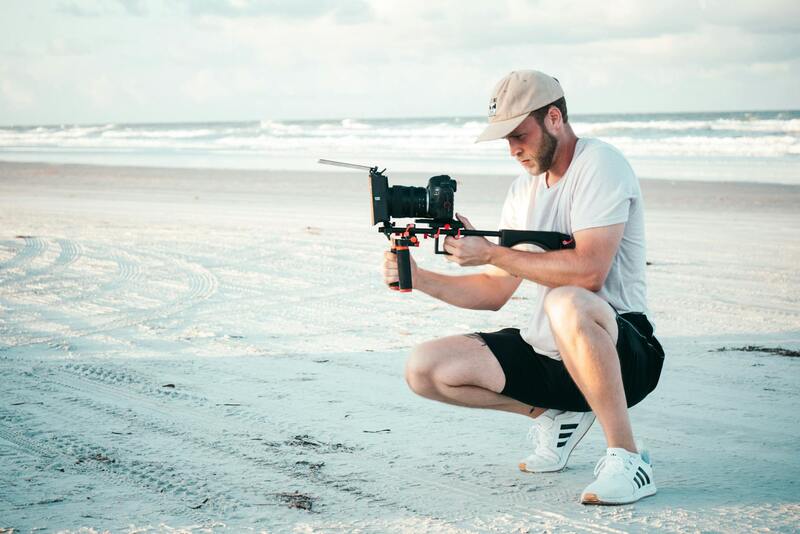
Throughout the event, real-time monitoring systems track vital stream health indicators. These include latency, buffering issues, viewer interaction levels, and system stability. Dedicated support staff monitor these metrics continuously, prepared to troubleshoot rapidly if disruptions occur. This diligent oversight is essential to sustain a stable, high-quality transmission.
Once the live event concludes, the workflow shifts to post-production activities. Raw footage is edited to highlight key moments, and high-resolution recordings are archived for future use. Performance metrics and viewer feedback are analyzed to assess the effectiveness of the broadcast, providing insights that influence future projects. This review phase helps to refine techniques and improve overall service quality, ensuring that Miami-based live-streaming solutions stay at the forefront of technological advancement.
State-of-the-Art Equipment and Technology Utilized in Live-Streaming Production
Ensuring the highest quality of live streams necessitates the deployment of cutting-edge equipment and advanced technology. Professional live-streaming production services incorporate a wide array of industry-standard tools that work cohesively to deliver seamless, high-definition broadcasts to audiences across various platforms. Central to this setup are high-resolution cameras capable of capturing detailed footage from multiple angles, which provide viewers with a dynamic and immersive experience. These cameras often support 4K resolution, ensuring clarity and sharpness even on large screens. Alongside the cameras, professional switchers and mixers enable real-time scene changes, transitions, and graphics integration, creating a polished broadcast that mirrors the professionalism of traditional television production.
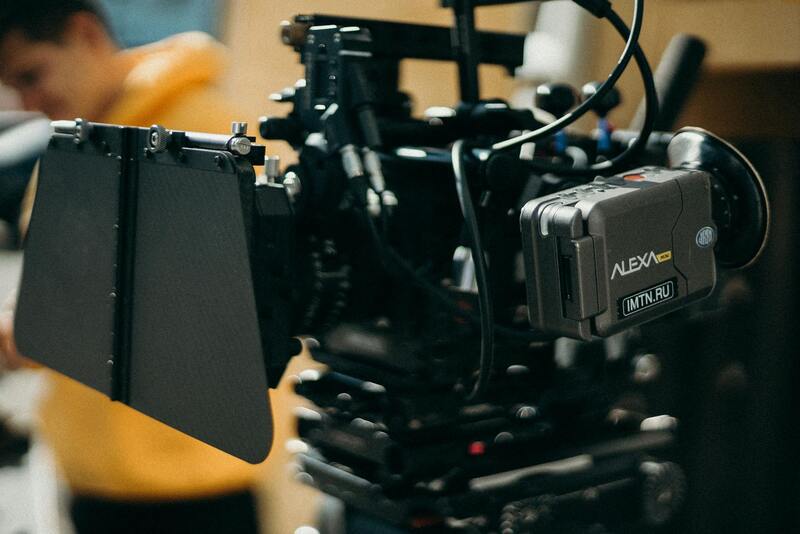
Audio quality is equally critical, and thus, production teams employ high-fidelity microphones, audio mixers, and digital sound processors to capture and refine sound feeds. These components filter out background noise and balance audio levels, ensuring clear communication and an engaging auditory experience. Streaming hardware such as encoding devices and dedicated servers are also essential; they compress and transmit high-quality video and audio signals to multiple streaming platforms simultaneously. Additionally, redundancy measures like backup internet connections and redundant hardware setups help mitigate potential technical failures, maintaining uninterrupted broadcasts regardless of unforeseen issues.
Cutting-Edge Streaming Platforms and Software Solutions
The selection of streaming platforms and management software plays a vital role in delivering professional live content. Leading software solutions facilitate multi-camera switching, live graphics overlay, real-time chat integration, and audience interaction, which are crucial for engaging viewers effectively. Cloud-based streaming platforms provide scalability, allowing broadcasts to reach diverse audiences with minimal latency. Furthermore, analytics tools integrated into these platforms offer valuable insights into viewer behavior, engagement levels, and stream health, empowering producers to make data-driven adjustments during live events.
Bilding Custom Solutions for Unique Needs
High-quality live-streaming production services often tailor their technical setups to meet the specific requirements of each event. Whether it's a corporate conference, a live concert, or a community festival, customizing the equipment and workflows ensures optimal results. For instance, complex productions with multiple stages or sets may require advanced multi-cam setups, professional lighting, and synchronized multimedia feeds. Conversely, smaller events might focus on portable solutions that maximize efficiency without compromising quality. This tailored approach guarantees that every live-streaming project aligns perfectly with the event's goals and audience expectations.
Enhancing Viewer Engagement with Interactive Technology
Emerging technological innovations are continuously enhancing viewer interaction and engagement. Features such as live polls, real-time Q&A sessions, and social media integration enable audiences to participate actively during broadcasts. Specialized software allows producers to embed immersive graphics, multilingual subtitles, and virtual sets that elevate the production value. Augmented reality (AR) and virtual production techniques are also beginning to find their place within Miami's live-streaming scene, offering innovative ways to captivate viewers and distinguish high-profile events from competitors. These technological advancements not only improve the overall quality of broadcasts but also foster a more connected and interactive viewer experience, ultimately driving higher engagement and satisfaction.