
Understanding Live-Streaming Video Production
Live-streaming video production encompasses the comprehensive process of capturing, editing, and broadcasting real-time video content to an online audience. It involves a meticulous combination of technical expertise, creative vision, and strategic planning to ensure a smooth, engaging broadcast. For businesses, event organizers, and content creators in Miami, leveraging live-streaming protocols enables instant connection with viewers, broadening reach and enhancing engagement. The dynamic nature of live content offers an opportunity to showcase products, host virtual events, or deliver news directly to targeted audiences without geographical limitations. As digital consumption continues to grow, live-streaming video production has become a cornerstone of modern communication strategies. With specialized equipment including professional cameras, audio systems, and high-speed internet connections, companies can deliver high-quality visuals and sound that meet professional standards. Furthermore, live-streaming solutions support real-time interaction, making viewers feel involved and valued. For the Miami market, where vibrant events, cultural festivals, and corporate functions are prevalent, live-streaming offers a way to extend the event's presence beyond physical attendees, reaching global audiences instantly. Proper planning and execution of these live sessions require a deep understanding of production workflows, platform choices, and audience engagement techniques to optimize visibility and interaction in an increasingly digital landscape.
Ensuring the seamless execution of live-streaming video production demands more than just technical equipment; it requires a strategic approach that aligns with the specific goals of the event or campaign. Whether broadcasting a corporate seminar or a local festival in Miami, understanding the core principles of live production helps teams deliver compelling content that resonates with viewers. The importance of live-streaming lies in its immediacy and the potential to foster real-time conversations, making it an invaluable tool for contemporary marketing and communication efforts. For Miami-based organizations, mastering these methods means elevating their brand presence, reaching diverse audiences, and creating immersive experiences that stand out in the crowded digital space.
Key Components of Live-Streaming Setup
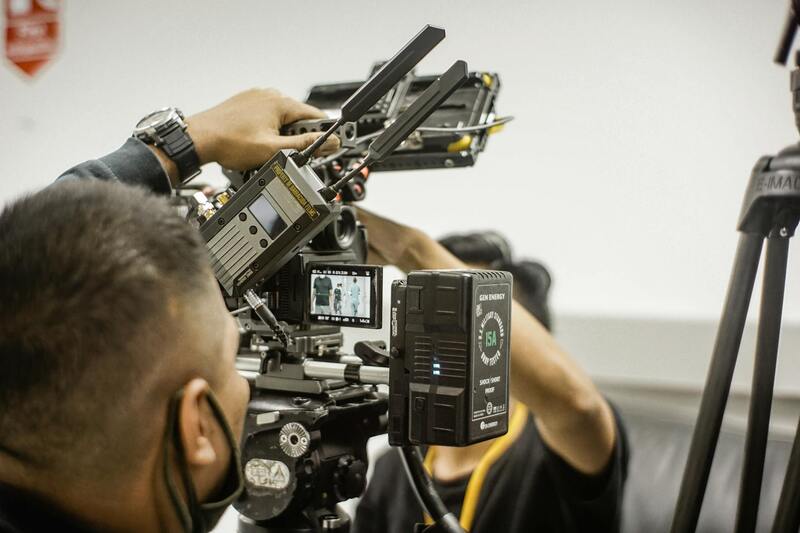
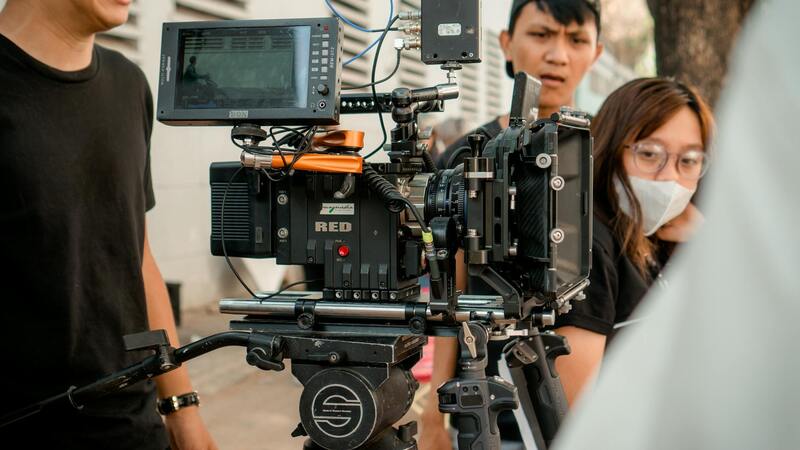
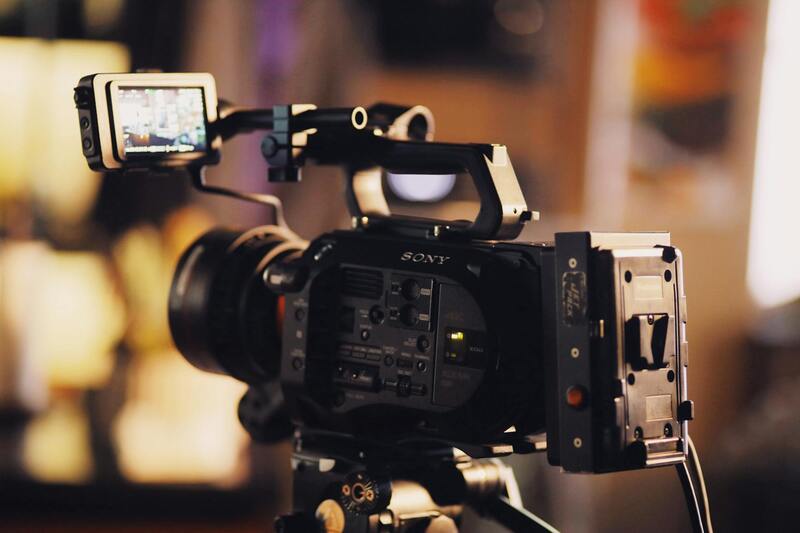
Achieving a flawless live-streaming video production hinges on integrating the right combination of equipment and technology. High-quality cameras are fundamental, providing clear visuals and the ability to adapt to various lighting conditions. These cameras can range from professional-grade broadcast cameras to high-definition camcorders, depending on the event's scale and desired quality. Additionally, multiple camera setups allow for dynamic shots, different perspectives, and a more engaging viewer experience.
Complementing the cameras, streaming hardware such as capture cards, video switchers, and encoders are essential. Capture cards facilitate the transfer of video signals from cameras to computers, while hardware or software encoders convert raw footage into formats suitable for online streaming. Reliable streaming servers and hardware are necessary to prevent interruptions, buffering, or lag during transmission.
- Audio Systems: Crisp, clear audio is as crucial as visuals. High-quality microphones, audio mixers, and sometimes wireless audio systems ensure the sound complements the visuals, minimizing background noise and echo.
- Lighting Equipment: Adequate lighting guarantees good image quality. Softboxes, LED panels, and spotlights can be employed to enhance visibility and create the right ambiance, especially in indoor settings.
- Stabilization Devices: Tripods, gimbals, and steadicams prevent shaky footage, maintaining a professional appearance throughout the broadcast.
Focus on redundancy—having backup equipment such as extra cameras, batteries, and audio sources minimizes the risk of technical failures. Tailoring the setup to this comprehensive hardware foundation ensures a seamless live-streaming experience for Miami events, whether they involve sporting competitions, cultural festivals, or corporate conferences.
Pre-Production Planning and Strategy
Before a single frame is captured, meticulous pre-production planning plays a critical role in the success of live-stream events. This phase involves defining the target audience, establishing clear objectives, and outlining key moments to broadcast. Detailed storyboards and shot lists help guide camera operators and technical staff, ensuring all important facets of the event are covered.
Technical Execution and Production Workflow
During the event, a structured workflow ensures all technical elements operate harmoniously. This includes setting up communication protocols among crew members, testing equipment beforehand, and establishing a clear timeline for transitions. Assigning specific roles—such as director, technical director, camera operators, and audio engineers—streamlines operations and minimizes human error. Real-time coordination through headsets and monitoring screens allows immediate troubleshooting, maintaining broadcast quality throughout the event.
Choosing the Right Streaming Platforms
South Florida's diverse digital environment requires selecting streaming platforms that align with your audience. Depending on the target demographics, platforms such as YouTube Live, Facebook Live, or specialized services like Vimeo or Twitch can be utilized. Consider platform features like audience engagement tools, analytics, and integration capabilities to optimize reach and interaction.
Engagement and Audience Interaction
Effective live-streaming incorporates real-time engagement strategies to foster a deeper connection with viewers. Chat moderation, live polls, and Q&A sessions encourage participation, making the audience feel immersed in the event. Leveraging social media integrations and dedicated apps can amplify interactions, making viewers more likely to share content and increase visibility.
Post-Production and Content Repurposing
Post-event, the recorded footage can be edited for various uses such as promotional clips or highlight reels. Proper archiving allows for content repurposing across multiple platforms, extending the event's impact. Creating snippet videos, such as behind-the-scenes or key moments, helps reach audiences who may have missed the live session, further enhancing brand presence and engagement.
Local Considerations for Miami-based Live Production
Miami's unique venues, weather patterns, and cultural landscape influence live-streaming logistics. For outdoor events, weatherproof equipment and contingency plans are vital to address sudden rain or high humidity. Securing permits and coordinating with local authorities can streamline access to venues, and understanding regional audience preferences helps tailor content to resonate with Miami's diverse demographic landscape. Optimal placement of cameras and audio sources must consider ambient noise levels typical of lively Miami environments, ensuring clear visuals and sound quality. Collaborating with local vendors for equipment rental and technical support can reduce logistical hurdles and enhance production quality.
Technical Execution and Production Workflow
Executing a seamless live-streaming video production requires meticulous planning and coordination throughout each phase of the workflow. From initial setup to the final broadcast, every technical element must work harmoniously to deliver a professional and engaging experience for viewers. Key steps include pre-event testing, real-time switching between multiple camera angles, high-quality audio management, and reliable internet connectivity. Ensuring redundancy in critical systems, such as backup internet connections and power supplies, minimizes the risk of disruptions. It is essential to establish a clear production timeline, assign specific roles to technical staff, and conduct thorough rehearsals to identify potential issues before the live event. Properly configuring streaming encoders, incorporating graphics overlays, and managing live feeds are vital for a polished broadcast.
Coordination among camera operators, audio engineers, and switching technicians ensures smooth transitions and optimal visual presentation. During the broadcast, continuous monitoring of stream health, audio levels, and viewer engagement metrics enables quick adjustments to maintain quality. Post-broadcast, a comprehensive review of technical performance highlights areas for improvement, facilitating future enhancements. Leveraging cloud-based control rooms and remote management tools can extend the reach of the production team, allowing for real-time troubleshooting and adjustments from multiple locations, which is especially beneficial when managing Miami-based events with various venues and logistical considerations.
Incorporating advanced live-streaming software solutions provides the flexibility to integrate multiple feeds, overlay real-time graphics, and control broadcast quality. A thoughtful production workflow minimizes latency issues, reduces technical errors, and ensures the delivery of a high-quality viewing experience. The significance of structured processes cannot be overstated, as they lay the foundation for engaging content that resonates with Miami's diverse audiences. Technical proficiency, combined with strategic foresight, guarantees that each live-streaming video production not only meets expectations but exceeds them, fostering strong audience engagement and brand visibility.
Technical Execution and Production Workflow
Effective technical execution forms the backbone of a successful live-streaming video production. It involves meticulous coordination of several key elements, including live camera operation, real-time video switching, graphic integration, and stream management. Skilled camera operators are responsible for capturing high-quality footage, ensuring proper framing, focus, and smooth movement to keep viewers engaged. Their ability to adapt quickly to changing scenes and cues is crucial for maintaining cinematic coherence.
The video switcher or production switcher facilitates seamless transitions between different camera feeds and sources, allowing for dynamic visuals that can adapt to the evolving nature of the event. This device enables producers to select, overlay, and manipulate multiple video streams effortlessly, which adds professionalism and polish to the broadcast.
Graphics, overlays, and lower thirds are integrated thoughtfully to communicate essential information without distracting from the core content. Utilizing real-time graphics tools allows for instant updates—such as live scores, social media feeds, or branding elements—which enhance the viewer experience.
Managing the streaming pipeline involves controlling encoding settings, ensuring network stability, and monitoring stream health throughout the broadcast. Production teams utilize dedicated streaming software solutions that provide real-time diagnostics, enabling quick troubleshooting if issues arise. They also ensure synchronization of audio and video feeds, balancing levels and removing background noise to deliver clear, professional sound.
During the production, a detailed checklist helps maintain focus and consistency. This includes verifying equipment functionality, confirming camera angles, managing transitions, and preparing backup sources in case of technical failures. Consistent communication among crew members via headsets guarantees coordination and rapid response to any on-air issues.
Post-broadcast, a thorough review of the technical execution, including video quality, audio clarity, and stream stability, allows for continuous improvement. Documentation of hiccups or delays provides valuable insights for future productions, ensuring ongoing refinement of workflows and setups.
Choosing the Right Streaming Platforms
Evaluating Platform Features and Capabilities
When selecting a streaming platform for live-streaming video production, it is essential to assess the suite of features and technical capabilities each service offers. Superior platforms provide robust support for multi-camera setups, real-time chat integration, high-definition streaming options, and adaptive bitrate technology to ensure smooth delivery across varying internet speeds. Compatibility with popular devices and operating systems also plays a crucial role, allowing content to reach viewers on smartphones, tablets, desktops, and smart TVs seamlessly.
Additionally, the platform’s backend tools for analytics and insights can help producers monitor viewer engagement, geographic reach, and viewing patterns. These metrics enable a detailed understanding of audience preferences and behaviors, informing the planning of future live events.
Prioritizing Reliability and Scalability
Reliability is a cornerstone of effective live-streaming; choosing platforms with proven uptime records and minimal latency ensures consistent delivery, which maintains viewer trust. Scalable solutions are equally vital, especially for Miami events expected to attract large online audiences. The ability to adjust bandwidth allocations or upgrade plans on demand allows content providers to accommodate fluctuations in viewer numbers without compromising stream quality.
Ensuring Seamless Integration with Production Equipment
Compatibility between streaming platforms and production hardware—such as encoders, switchers, and audio interfaces—is fundamental for a smooth workflow. Selecting services that offer open APIs or integrations simplifies the process of connecting equipment directly into the streaming pipeline, reducing setup time and minimizing technical issues during the event. This interoperability is especially beneficial during complex Miami productions involving multiple locations or elaborate setups.
Maintaining Security and Privacy Standards
Since live events often involve sensitive content or proprietary information, it is critical to employ platforms that uphold high security standards. Features like encrypted streams, user authentication, and access controls help prevent unauthorized viewing or tampering. For Miami-based productions, where event confidentiality might be paramount—such as corporate meetings, conferences, or VIP sessions—these security measures are fundamental.
Stream Management and Support
Effective stream management tools, including real-time switching, overlays, and on-screen graphics, enhance the professionalism of the broadcast. Additionally, choosing platforms with dedicated support teams and responsive customer service ensures rapid resolution of any issues that may arise during live sessions. This proactive approach contributes significantly to a smooth production process and a high-quality viewer experience.
Understanding Live-Streaming Video Production
Live-streaming video production involves the complex coordination of multiple elements to transmit high-quality, real-time content to audiences across digital platforms. It requires a well-planned integration of professional equipment, meticulous pre-event preparations, and seamless technical execution. For Miami-based events, the vibrant local culture, diverse audience, and unique venue characteristics necessitate tailored strategies that ensure broadcasts resonate effectively while maintaining technical excellence.
Importance of Production Quality and Technical Expertise
Achieving professional-grade live streams depends on leveraging advanced camera systems, reliable audio devices, robust internet connectivity, and high-performance encoders. Consistent camera framing, crisp audio quality, and bandwidth management are essential components for engaging viewers. Skilled operators and technical directors orchestrate these elements, making split-second decisions that directly influence the broadcast’s overall quality and viewer satisfaction.
Critical Considerations in Live-Streaming Video Production
- Equipment Reliability: High-definition cameras, professional-grade microphones, and redundant streaming systems ensure minimal disruptions. Regular maintenance and testing are vital to avoid technical failures during live events.
- Bandwidth Optimization: Adequate internet speed and backup connections prevent lag and buffering issues, especially in Miami’s diverse venue environments where network conditions may vary.
- On-Site Technical Support: Having experienced technicians on-site allows immediate troubleshooting and ensures synchronization between different production elements.
- Audio-Visual Synchronization: Precise coordination between video feeds and audio channels guarantees clarity and immersion for the audience.
- Content Management: Pre-loading graphics, overlays, and other visual assets streamline on-the-fly transitions and reinforce branding efforts during the broadcast.
Local Infrastructure and Venue Adaptations
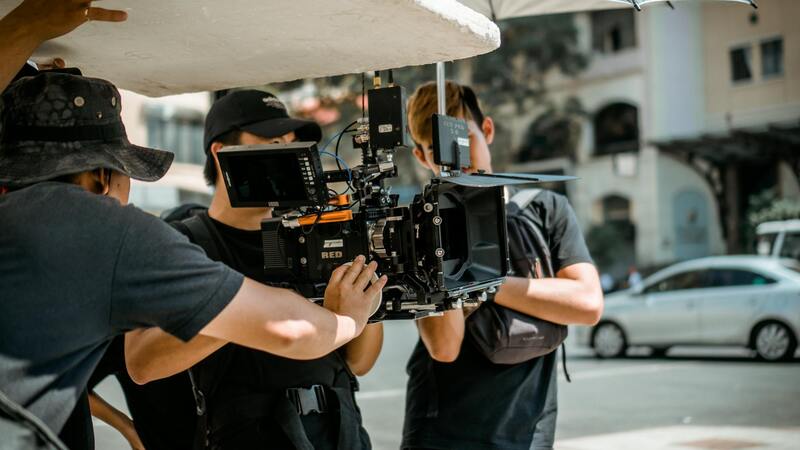
In Miami, venues often present unique opportunities and challenges, from outdoor scenic locations to high-rise event spaces. Adapting the technical setup to accommodate space constraints, lighting conditions, and available power sources is crucial. For outdoor events, weather protection and signal boosting equipment may be necessary, while indoor venues benefit from optimized lighting and acoustics to elevate the broadcast's visual and auditory appeal.
Legal and Compliance Considerations
Most reputable live-streaming providers adhere to official licensing and copyright standards, ensuring that all content streamed complies with applicable laws. This involves proper rights clearance for music, visuals, and third-party content, alongside adherence to privacy regulations involving any participant recordings or proprietary information. Maintaining transparent rights management and documentation supports the integrity of the production and its distribution.
Ensuring Proper Rights Clearance and Content Management
To uphold the professional standards of live-streaming video production, securing the appropriate rights for all content included in the broadcast is essential. This process involves obtaining licenses for music, imagery, and third-party visual assets. This safeguards against potential copyright infringements that could disrupt the distribution process or result in content takedowns. Establishing clear documentation of rights agreements and licenses demonstrates due diligence and supports the smooth streaming of content without interruptions.
Effective content management also entails meticulous organization of visual assets such as graphics, overlays, and branded elements. Pre-loading these assets into production software allows for seamless integration during live broadcasts, minimizing delays and enhancing visual consistency. In addition, managing participant permissions and privacy considerations is vital, especially when capturing audience interactions or incorporating proprietary information. Maintaining a detailed record of consent forms and permissions ensures compliance with privacy standards and preserves the integrity of the production process.
Monitoring and Real-Time Adjustments During Broadcasts
During a live-streaming event, continuous monitoring of both technical and content aspects is critical for delivering a high-quality experience. This involves real-time oversight of video and audio feeds, signal integrity, and synchronization among various sources. Production teams should employ specialized software and hardware solutions to track these parameters proactively. When issues arise, swift adjustments—such as switching to backup feeds or balancing audio levels—can prevent disruptions and maintain viewer engagement.
Another important element is audience feedback monitoring, which provides immediate insights into viewer preferences and potential issues. Employing chat moderation tools and analytics dashboards enables producers to gauge engagement levels, identify technical complaints, and respond accordingly. This dynamic approach helps in rectifying errors on the fly and ensuring the broadcast remains professional and compelling.
Implementing Backup Systems and Contingency Plans
To guarantee uninterrupted streaming, it is vital to have comprehensive backup systems in place. This can include redundant internet connections—such as primary broadband and cellular data links—to mitigate the risk of signal loss. Additionally, employing backup hardware like secondary cameras, audio equipment, and switchers ensures that technical failures do not compromise the broadcast’s continuity.
Developing a detailed contingency plan involves outlining specific responses to potential issues, from technical malfunctions to equipment failures. This plan should designate responsible personnel and steps for quick troubleshooting. Regular testing of backup systems prior to the event minimizes the risk of unforeseen complications. The overarching goal is to create a resilient production environment where live-streaming can proceed smoothly regardless of unexpected challenges.
Ensuring Reliable Streaming Through Legally Approved Methods
Achieving professional live-streaming video production hinges on the use of official and recognized methods that meet industry standards. This ensures a high-quality broadcast that adheres to copyright laws, platform policies, and technical guidelines. Utilizing licensed software and hardware is critical for safe and compliant streaming. Platforms such as OBS Studio, vMix, or Wirecast, when properly licensed, provide robust features for production, including multi-camera switching and live graphics integration, without risking content strikes or platform restrictions.
Partnering with authorized content delivery networks (CDNs) guarantees that streaming data is transmitted securely and efficiently to viewers. Reputable CDNs like Akamai or Cloudflare optimize distribution, reduce latency, and prevent service disruptions—all vital for maintaining seamless broadcasts. Also, when incorporating third-party tools, always verify they have proper licensing agreements and user permissions to avoid any infringement issues.
Implementing Safe and Approved Streaming Infrastructure
- Licensed Software and Hardware: Use only officially licensed production software and hardware equipment to ensure stability and compliance.
- Secure Internet Connections: Rely on encrypted, high-bandwidth internet connections, including dedicated lines where necessary, to deliver stable streams.
- Proper Permission and Rights: Obtain rights for all copyrighted content, including music, videos, and images used during the broadcast.
- Compliance with Platform Policies: Adhere to the terms of service of streaming platforms, avoiding prohibited content or behaviors that could lead to suspension.
- Content Management Protocols: Establish clear procedures for content approval, moderation, and rights clearance prior to going live.
Monitoring and Quality Control Through Official Methods
Consistent monitoring during live streams can be effectively executed through authorized tools like platform-specific dashboards or licensed third-party analytics solutions. These enable producers to track viewer engagement, stream health, and system performance in real-time. Prompt responses to any detected issues—such as audio drops, video buffering, or connectivity problems—are essential to uphold professional standards.
Recording streams via licensed solutions allows for post-broadcast review and content repurposing. It also provides a backup in case of technical issues during live production. Maintaining logs of stream metrics and compliance records supports accountability and transparency, especially when producing content for clients or public consumption.
Secure and Ethical Content Distribution
Distributing live content through verified channels ensures legality and integrity. This includes using official streaming platforms with valid accounts and verified credentials. When sharing content across multiple platforms, ensure all distributions align with licensing terms and platform policies to prevent unauthorized sharing or copyright infringements. Employing DRM (Digital Rights Management) as part of the distribution process further safeguards content rights and prevents unauthorized redistribution.
While venturing into live-streaming, always prioritize the use of accredited methods, licensed tools, and authorized platforms. This approach not only secures the quality and dependability of your broadcast but also fosters trust with your audience and stakeholders.