
Overview of Livestreaming Production Services
Livestreaming production services encompass a comprehensive suite of solutions designed to broadcast live video content to audiences via the internet. These services are integral to modern events, corporate communications, educational sessions, entertainment, and religious gatherings. In Miami, a vibrant hub of cultural and business activity, the demand for professional livestreaming has surged, driven by the need for high-quality, reliable, and engaging online content delivery.
Livestreaming services typically include planning, technical setup, production during the event, and post-event content management. They enable organizations to reach geographically dispersed audiences without physical attendance, thereby expanding their outreach and engagement potential. For venues hosting concerts, conferences, or public forums, leveraging professional livestreaming ensures a seamless viewing experience, increases event accessibility, and amplifies visibility in the digital space.
The importance of these services extends beyond simple broadcasting. They involve a strategic approach to content delivery, audience interaction, and technical quality assurance. Skilled production teams manage multiple camera feeds, audio quality, graphics, overlays, and live switching to produce a polished broadcast. This level of professionalism enhances the credibility of the event and facilitates active viewer participation. Particularly in Miami, with its diverse demographics and busy event calendar, high-quality livestreaming production is essential to stand out and effectively communicate with targeted audiences.
Types of Livestreaming Services Offered
Streamlining the delivery of high-quality digital content requires a diverse suite of livestreaming services, tailored to meet the specific demands of various event formats. Whether hosting a corporate presentation, music concert, sports event, or community gathering, professional livestreaming providers in Miami offer comprehensive solutions to ensure seamless broadcast experiences.
Live Camera Production
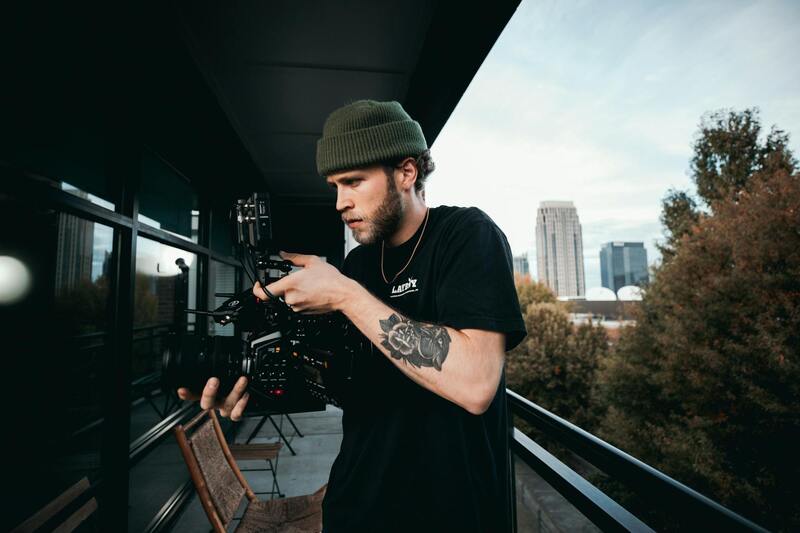
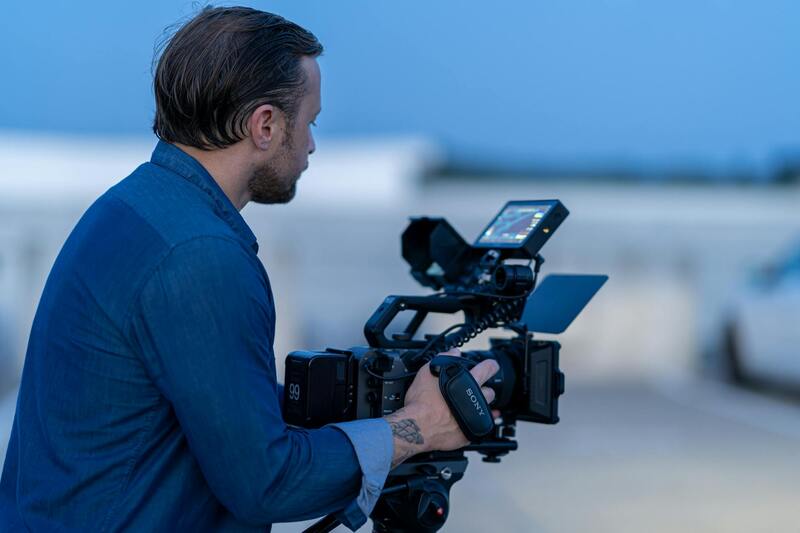
This fundamental service involves capturing the event using high-definition cameras directed by skilled operators. It encompasses framing, focus, and camera movements that adapt to dynamic event flows, ensuring viewers receive a clear and engaging visual experience. Live camera production also includes basic switching between multiple camera feeds, allowing for varied angles and perspectives that heighten audience engagement.
Multi-Camera Setups
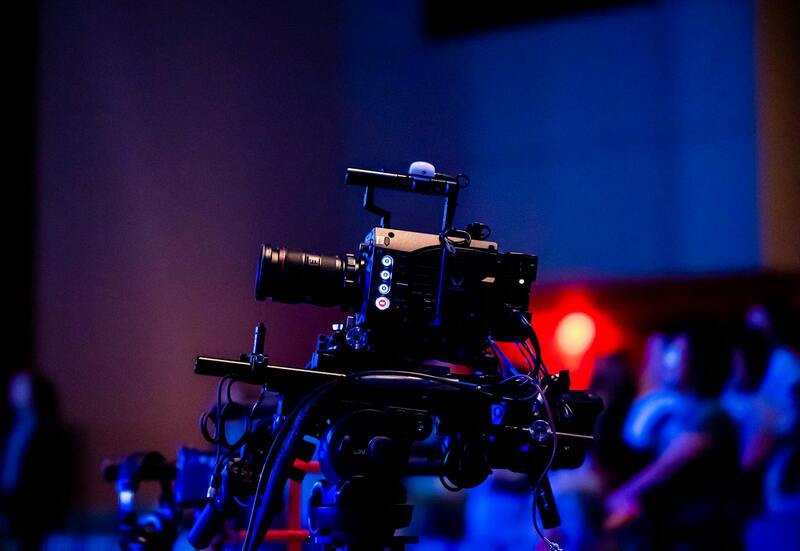
For larger or more complex events, multi-camera configurations are essential. These setups enable switching between several video sources during the broadcast, providing a dynamic viewing experience. Skilled producers control camera feeds in real-time, adding professional transitions and visual effects that elevate the overall production quality. Multi-camera streaming is particularly valuable for conferences, live concerts, and sporting events where multiple vantage points are critical.
Graphics and Overlays
Custom graphics, lower thirds, logos, and real-time annotations enhance visual storytelling and brand visibility. Incorporating these elements helps convey key information, highlight sponsors, or promote upcoming segments, ensuring viewers stay informed and engaged throughout the broadcast.
Audio Management
Clear and balanced audio is vital for a professional livestream. Services include multiple audio input options, mixing, and balanced sound levels to prevent distortions. The integration of microphones, audio consoles, and sound technicians guarantees that speech, music, and special effects translate effectively through the stream.
Interactive Features and Engagement Tools
To foster audience interaction, live chats, polls, and Q&A sessions can be incorporated. Advanced livestream services leverage software solutions that facilitate real-time viewer participation, increasing event engagement and participation metrics. These interactive tools are especially advantageous for corporate webinars and community forums seeking active attendee involvement.
Specialized Services for Unique Event Needs
In addition to standard offerings, Miami-based providers often develop custom solutions like virtual event hosting, multi-screen displays, and remote guest integration. These tailored services address intricate production requirements, ensuring a comprehensive and polished broadcast for every type of event.
Overview of Livestreaming Production Services
Livestreaming production services encompass a comprehensive suite of technical expertise, creative input, and logistical coordination aimed at delivering seamless live broadcasts. These services are designed to meet the diverse needs of corporate events, entertainment, educational webinars, and community gatherings, ensuring high-quality visual and audio delivery that engages audiences. Skilled professionals handle every phase of the livestream process—from initial planning and script development to technical setup, live execution, and post-event distribution—focusing on creating a professional and captivating viewing experience.
Given the dynamic nature of live events, these services are essential for managing unforeseen technical issues, coordinating multiple production elements, and ensuring smooth operation throughout the broadcast. Their expertise guarantees that all visual elements, audio signals, and interactive features synchronize flawlessly, providing an optimized experience for remote viewers and onsite spectators alike. Most providers employ a multidisciplinary team that includes technical directors, video operators, audio technicians, and content strategists, each contributing specialized skills to elevate the overall quality of the livestream.
Types of Livestreaming Services Offered
Providers in Miami offer an array of livestreaming solutions tailored to the event’s scope, complexity, and objectives:
- Basic Webcasting: Suitable for small meetings or workshops, focusing on straightforward video and audio transmission with minimal production elements.
- Corporate Live Events: Featuring professional multi-camera setups, real-time graphics, branded overlays, and slide integration to enhance corporate messaging.
- Entertainment Broadcasts: Concerts, festivals, or theatrical performances with high production values, multi-camera angles, and interactive audiences.
- Educational Webinars & Conferences: Incorporating multiple presenters, interactive polling, Q&A sessions, and on-demand content distribution.
- Virtual Events & Hybrid Solutions: Combining in-person and remote participation, virtual breakout rooms, virtual exhibitor booths, and integrated networking features.
Technical Equipment and Infrastructure
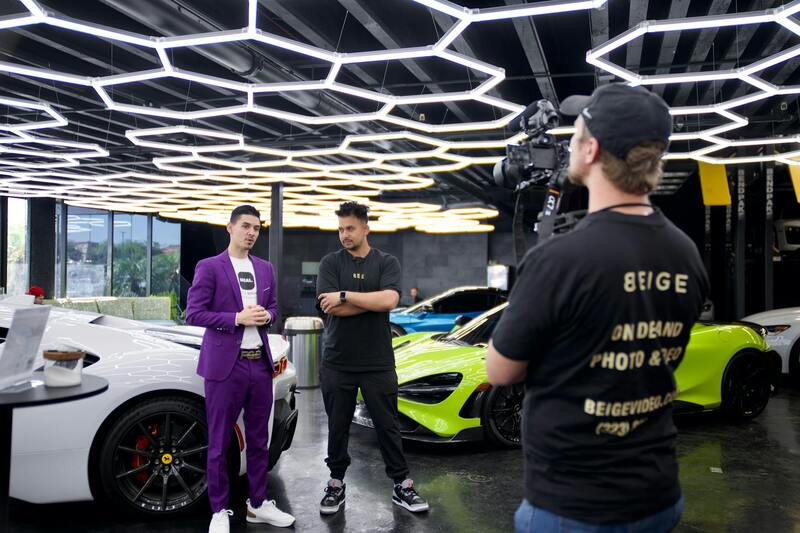
Executing a professional livestream hinges on deploying robust equipment that guarantees high-quality transmission. This includes:
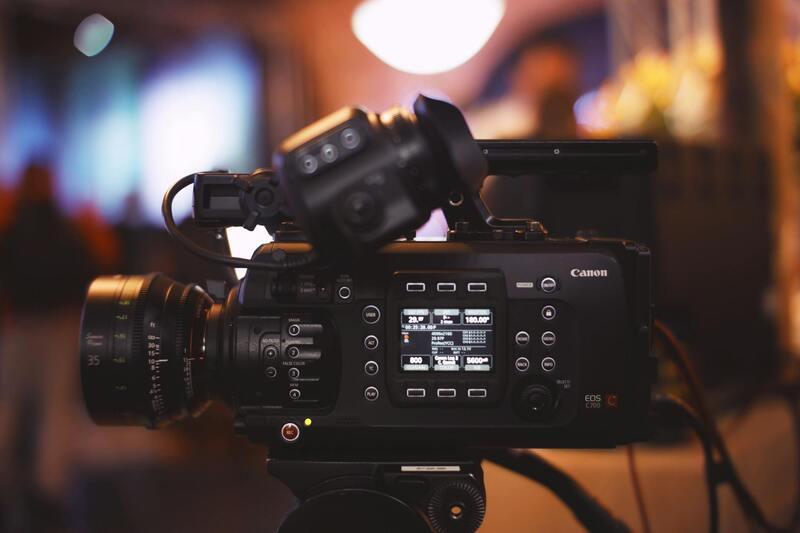
- Cameras: High-definition video cameras with multiple angles, zoom, and stabilization features for clear visuals.
- Video Switchers: Devices allowing seamless transitions between camera feeds, overlays, and graphics, ensuring a polished broadcast.
- Encoding Hardware & Software: Facilitates real-time video compression and streaming to various platforms, supporting resolutions from HD to 4K.
- Audio Equipment: Mixers, microphones, and wireless audio systems that deliver clear, balanced sound.
- Streaming Platforms & Servers: Secure, scalable infrastructure for transmitting content with minimal latency, supporting simultaneous viewers.
- Lighting & Backdrops: Proper illumination and branded backdrops to accentuate visual elements and maintain professional aesthetics.
The integration of this equipment involves meticulous planning and calibration, often managed by experienced AV technicians to optimize performance during live broadcasts.
Pre-Production Planning for Livestream Events
Effective livestreams are rooted in detailed pre-event planning, which involves defining objectives, outlining content, determining technical requirements, and establishing roles and responsibilities. During this phase, stakeholders collaborate to develop a comprehensive production schedule, prepare graphics, arrange the physical setup, and test all equipment. Pre-production also includes content rehearsals, ensuring presenters are familiar with the setup, and contingency planning for potential technical difficulties. This stage helps streamline on-site execution and minimizes risks, resulting in a smooth, engaging broadcast.
On-Site Production and Execution
During the live event, the production team maintains real-time control over camera angles, audio mixers, graphics, and transitions. They monitor signal quality, coordinate with presenters, and address unforeseen issues promptly. Skilled operators manage multiple camera feeds, control overlays, and ensure audio balance, all while adapting to the dynamic flow of the event. Communication protocols are crucial to synchronize visuals with event cues, and a dedicated technical director oversees the entire process to meet broadcast standards and schedule.
Post-Production and Content Distribution
After the livestream concludes, content is typically edited for on-demand viewing, emphasizing key moments, highlights, and supplemental materials. Post-production may involve trimming, adding closed captions, graphics, or branding elements, and optimizing files for various distribution channels. Content is then uploaded to websites, social media platforms, or dedicated video portals, extending the event’s reach beyond the live broadcast window. Additionally, performance analytics related to viewer engagement, peak viewership times, and technical issues help inform future productions, ensuring continuous improvement and higher audience satisfaction.
Benefits of Hiring a Local Miami Livestreaming Service
Engaging a Miami-based livestreaming provider offers several advantages:
- Familiarity with Local Venues: Insight into venue setups, electrical infrastructure, and logistical considerations, facilitating smoother operations.
- Quick Response Times: On-site technical support and immediate troubleshooting minimize downtime and ensure seamless streaming.
- Network of Local Vendors: Access to reliable AV equipment rental, catering, transportation, and other logistical resources.
- Understanding of Audience Preferences: Tailored content strategies that resonate with the local demographic, increasing engagement.
- Regulatory and Permitting Knowledge: Assistance with necessary permits and compliance measures specific to Miami venues and event types.
Factors to Consider When Choosing a Livestreaming Provider in Miami
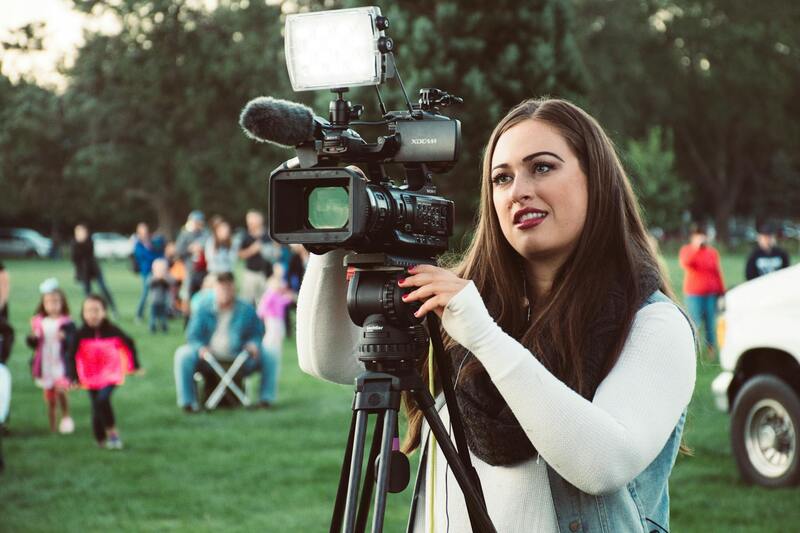
When selecting a production partner, evaluate their experience, portfolio, technology capabilities, and customer references. Ensure they provide comprehensive services aligned with the event’s scope, from pre-production to post-event analysis. Clear communication, flexibility, scalability of solutions, and commitment to quality are essential criteria fostering a successful partnership. It’s also beneficial to review their familiarity with the specific type of event you’re hosting, whether it’s a corporate seminar, a concert, or a virtual trade show, to ensure they have the specialized expertise required for your livestream.
On-Site Production and Execution
Executing a professional livestream requires meticulous on-site coordination to ensure every aspect of the event runs smoothly. This phase involves setting up and managing all technical elements, including camera placement, audio harmonization, and lighting configurations. Experienced production teams conduct comprehensive site assessments beforehand to identify optimal camera angles, power sources, and networking points, minimizing potential disruptions. During the event, real-time switching between multiple camera feeds allows for dynamic visual storytelling, engaging viewers with varied perspectives. High-quality audio capture is essential; therefore, teams deploy multiple microphones—lapel, shotgun, or boundary—depending on the event’s requirements—to ensure crystal-clear sound. Lighting setups are adjusted to enhance visual clarity and focus on key moments or speakers, creating a professional visual aesthetic. Additionally, live chat and interaction management are integrated strategically to foster audience engagement. Continuous monitoring of internet stability and streaming health is vital; on-site technicians swiftly address any issues related to network fluctuations, hardware malfunctions, or software glitches, preventing downtime and maintaining broadcast continuity. Remote support can augment on-site operations, enabling expert oversight from a command center ensuring seamless coordination throughout the event. Properly trained personnel oversee the entire on-site production, from equipment operation to troubleshooting, guaranteeing a high-quality viewing experience for audiences tuning in virtually.
Post-Production and Content Distribution
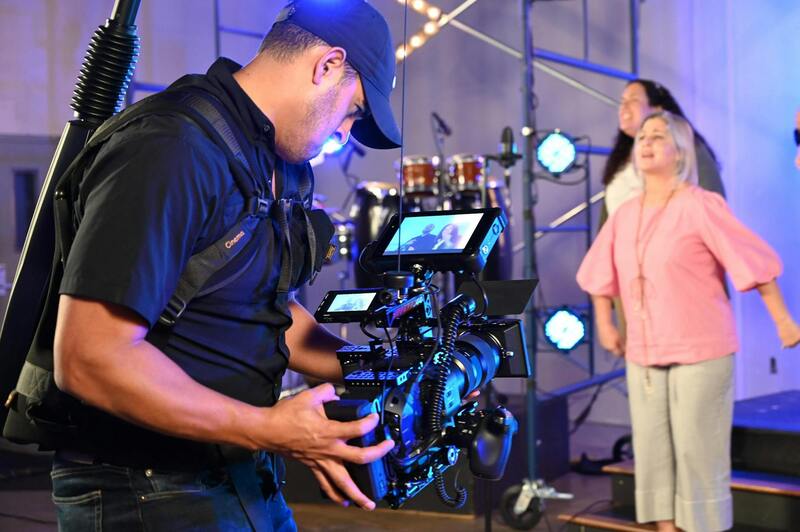
Post-event, the focus shifts to content refinement and strategic distribution. Recorded footage from various cameras and audio sources is compiled, edited, and optimized for different platforms and purposes. Professional editing includes cutting unnecessary segments, enhancing visuals through color correction, balancing audio levels, and inserting graphics or overlays that reinforce key messages. These refined videos can serve multiple functions, including highlight reels, promotional snippets, or training materials. Quality assurance checks are performed to ensure the final content meets the highest standards before dissemination. Distribution channels are selected based on audience preferences and campaign goals, encompassing social media platforms, corporate websites, or internal communication portals. Transcoding and formatting adapt the content for different devices, ensuring compatibility across desktops, tablets, and smartphones. Additionally, comprehensive analytics are gathered to evaluate viewer engagement, retention rates, and overall broadcast performance. These insights inform future livestream strategies, helping clients refine content and outreach efforts for better results. Ensuring secure content delivery and maintaining a consistent streaming presence also involve strategic planning to avoid copyright infringements and adhere to branding guidelines, reinforcing the client’s digital reputation effectively.
On-Site Production and Execution
Effective on-site production is integral to the seamless delivery of a professional livestream event. It involves a dedicated team managing multiple technical elements to ensure a smooth broadcast. Skilled camera operators utilize a variety of camera angles and shots, capturing the event’s best moments while adapting to dynamic situations. Video switchers and directors coordinate in real-time, transitioning between camera feeds to keep the audience engaged and focused on the most relevant visuals. Graphics technicians integrate live overlays, branding elements, and visual cues that enhance the viewer experience without distracting from the content. Simultaneously, audio engineers monitor sound quality, adjusting levels to prevent feedback or distortion, and ensuring clear communication throughout the event.
Managing a live feed also requires rapid problem-solving, particularly when unexpected technical issues occur. A proficient onsite team anticipates potential disruptions, maintaining communication protocols and backup systems to minimize downtime. The integration of live graphics and real-time switching enhances the storytelling aspect of the event, making it more engaging and visually appealing. Monitoring the streaming quality continuously ensures stability, with team members ready to adjust bandwidth or switch servers when necessary. Proper communication among crew members is essential for coordinating scene changes, graphic displays, and audio cues, resulting in a professional, distraction-free broadcast.
The significance of precise timing and coordination cannot be overstated. From initial setup to the final broadcast, every component is orchestrated meticulously. Facilities are tested prior to the event—this includes camera setups, audio checks, streaming hardware, and network infrastructure—to ensure everything operates flawlessly during the live transmission.
Technical Equipment Used in Livestreaming
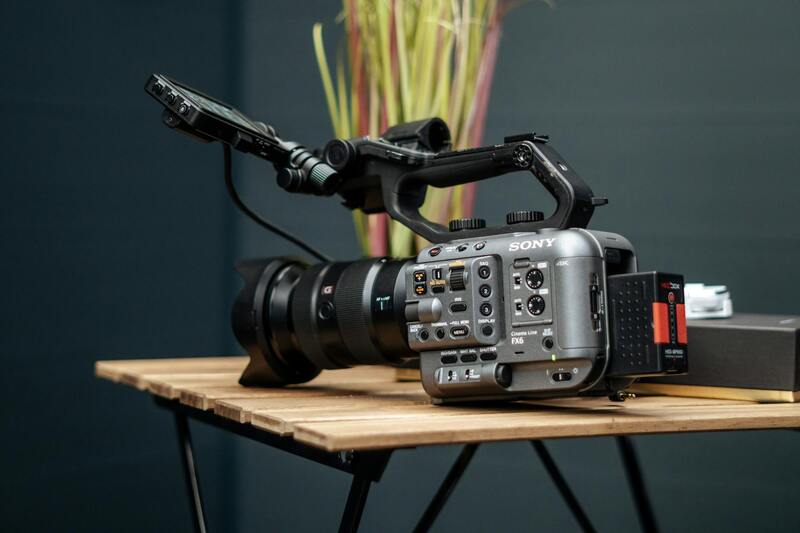
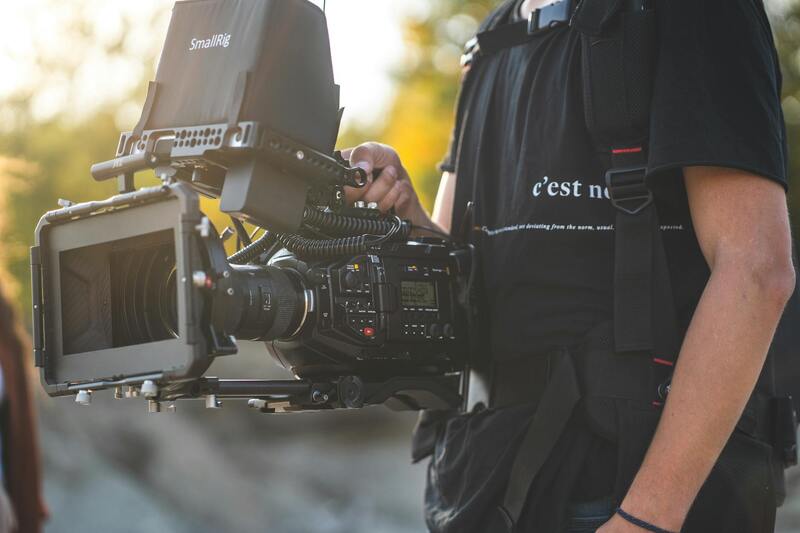
- Professional Cameras: High-definition cameras with multiple lenses for capturing diverse angles. Remote-controlled cameras allow for dynamic shots and versatility in shot selection.
- Switchers and Mixers: Video switchers enable real-time transition between camera feeds, overlays, and pre-recorded content, delivering a polished broadcast experience.
- Audio Equipment: Mixers, microphones, and audio processors ensure clarity, feedback suppression, and balanced sound levels across all channels.
- Streaming Hardware: Encoders convert video signals into digital streams suitable for online delivery. Redundant systems are often employed for reliability.
- Lighting: Proper lighting setups ensure clear visuals, especially in indoor or dim environments, highlighting speakers and key visuals.
- Graphics and Overlay Systems: Software tools and hardware systems add real-time graphics, branding overlays, and information banners to enrich the viewing experience.
Pre-Production Planning for Livestream Events
Thorough planning before a livestream event sets the foundation for success. It begins with understanding the client’s objectives, target audience, and key messaging. Developing a comprehensive plan includes creating detailed shot lists, establishing camera and audio setups, and preparing graphics and visual overlays aligned with branding guidelines. Clear communication channels are established between the production team, hosts, and other stakeholders to coordinate cues and content flow.
Location scouting and site assessment are crucial to identify potential technical challenges and opportunities. This involves evaluating available power sources, internet bandwidth, lighting conditions, and space for equipment setup. Ensuring sufficient internet connectivity is paramount; a dedicated, high-bandwidth connection minimizes latency and buffering issues, which are critical for live streams.
Customized run-of-show schedules and contingency plans account for various scenarios, such as technical failures or last-minute content changes. Rehearsals are conducted to test equipment, review camera angles, check audio quality, and sync the streaming system with live content. This collaborative approach ensures all team members understand their roles, timing, and responsibilities.
Effective planning also involves coordinating with content creators and speakers to prepare their input, schedule rehearsals, and review presentation materials. Incorporating audience engagement strategies, such as live Q&A sessions or polls, requires technical setup and rehearsal to ensure smooth execution.
On-Site Production and Execution
During the live event, the on-site production team is responsible for ensuring the seamless delivery of high-quality video and audio content. This stage involves real-time management of cameras, audio feeds, graphics, and transitions, all orchestrated to maintain viewer engagement and professional presentation standards. The production crew continuously monitors feed quality, adjusts camera angles to capture the most compelling visuals, and manages audio levels to ensure clear sound without interference or distortion. Robust communication systems, such as intercoms, are vital for coordinating cues between camera operators, technical directors, and hosts, maintaining synchronization throughout the event.
Stream Management and Technical Oversight
Effective stream management involves continuous monitoring of internet connectivity, encoding settings, and streaming bitrate to prevent lag, buffering, or disconnections. A dedicated technician oversees the encoding process, adjusting settings in real-time to adapt to network fluctuations. They also manage switchers that facilitate smooth transitions between camera feeds, overlays, and pre-recorded segments. Technical oversight extends to managing backup systems, such as secondary internet connections, to ensure uninterrupted broadcast even if primary links encounter issues.
Audience Interaction and Engagement
During the live broadcast, engaging the audience is crucial for creating a compelling experience. Production teams facilitate live polls, Q&A sessions, and chat interactions to foster viewer participation. Strategically placed graphics, lower thirds, and branded overlays are employed to enhance visual appeal and reinforce messaging. These elements require precise timing and coordination to avoid disrupting the flow of the event. Skilled operators ensure that audience interaction segments are integrated seamlessly, maintaining a professional and engaging atmosphere throughout the live stream.
Post-Event Review and Adjustment
Once the event concludes, immediate review sessions with the production team help identify areas for improvement. Analyzing stream quality, audience interaction metrics, and technical logs allows for a comprehensive understanding of performance. This feedback loop informs future planning, ensuring continuous enhancement of livestreaming processes. All recorded footage is archived for future use, whether for promotional clips, educational content, or on-demand viewing platforms. Proper documentation and data management are critical for maintaining consistent quality and operational efficiency across future events.
Overview of Livestreaming Production Services
Livestreaming production services encompass a comprehensive range of solutions designed to deliver high-quality live broadcasts for diverse events. These services include everything from initial concept development and pre-production planning to on-site execution and post-event content management. Professional livestreaming providers leverage advanced technology and seasoned technical staff to ensure seamless transmission, engaging viewer experiences, and reliable performance across platforms. By integrating multiple video sources, graphics, overlays, and real-time interactions, these services elevate event presentations, making them more accessible and impactful for remote audiences.
Types of Livestreaming Services Offered
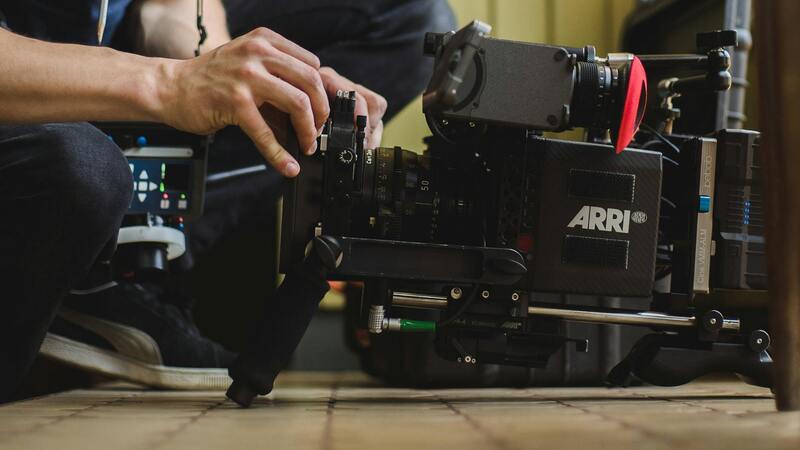
- Corporate Event Livestreaming: Covering conferences, seminars, product launches, and corporate meetings with professional multi-camera setups and branding integration.
- Concerts and Live Performances: Delivering high-fidelity audio and visuals for music festivals, theater productions, and entertainment shows to large or niche audiences.
- Sports and Recreation Broadcasts: Providing reliable streaming for amateur and professional sporting events, ensuring real-time updates and viewer engagement.
- Religious and Community Events: Facilitating live services, community gatherings, and charity events with minimal setup time and maximum outreach.
- Educational Programs: Supporting webinars, workshops, and university lectures through interactive streaming solutions that include Q&A and breakout sessions.
Key Equipment Used in Livestreaming
Effective livestreaming relies on a suite of specialized equipment that guarantees superior image quality, stability, and audience interaction. Essential tools include:
- Camera Systems: Professional broadcast cameras with high-resolution capabilities to capture multiple angles and dynamic shots.
- Video Switchers: Devices that allow seamless switching between multiple camera feeds, graphics, and pre-recorded segments.
- Audio Equipment: High-quality microphones, mixers, and speakers to ensure clear sound capture and distribution.
- Streaming Encoders: Hardware or software solutions that compress video signals into formats suitable for streaming platforms.
- Backup Internet Connections: Redundant network setups, such as secondary internet lines or cellular hotspots, to maintain continuous broadcast without interruptions.
- Graphics and Overlays: Customizable visual elements such as lower thirds, branding overlays, and interactive graphics that enhance visual engagement.
Pre-Production Planning for Livestream Events
Thorough planning is vital to ensure a successful livestream. This phase involves detailed coordination among event organizers and technical teams. Key steps include:
- Defining Objectives: Establishing clear goals for the broadcast, including target audience, key messages, and desired interactivity levels.
- Venue Inspection: Assessing the location to determine camera placements, power sources, lighting conditions, and internet connectivity.
- Content Scheduling: Creating a detailed run-of-show and cue sheets for transitions, graphics, and live interactions.
- Technical Rehearsals: Conducting dry runs to test equipment functionality, sound and video quality, and network stability, addressing potential issues proactively.
- Permissions and Access: Ensuring all necessary permits are secured and access to venue facilities is coordinated in advance.
On-Site Production and Execution
During the live event, the production team takes charge of coordinating all technical aspects to deliver a polished broadcast. This includes managing multiple camera feeds, adjusting lighting and sound, and integrating graphics in real time. Team members operate switchers, audio consoles, and streaming encoders from a dedicated control area, maintaining constant communication to synchronize transitions and audience interactions seamlessly. Skilled personnel also monitor stream quality, troubleshoot any issues immediately, and coordinate backup systems in case of technical failures.
Post-Production and Content Distribution
Once the live event concludes, the content often requires editing and strategic distribution. Video footage is archived, edited for highlights or promotional clips, and formatted for multiple platforms. These materials can be repurposed for marketing campaigns, educational resources, or on-demand viewing. Distribution channels include social media platforms, company websites, and dedicated streaming portals, expanding the event's reach. Additionally, performance analytics—such as viewer counts, engagement levels, and technical logs—are reviewed to optimize future broadcasts and understand audience preferences more thoroughly.
Comprehensive Strategies for Maximizing Livestreaming Production Services in Miami
To fully leverage the potential of livestreaming production services offered by Miami-based experts, it's essential to adopt a strategic approach that encompasses every stage of event execution. This includes meticulous pre-event planning, seamless on-site management, and effective post-event content distribution. Recognizing the unique demands of each event type—from corporate conferences to entertainment showcases—allows producers to tailor their strategies accordingly, ensuring optimal audience engagement and professional presentation throughout.
Advanced Planning and Coordination for Livestream Success
Successful livestreams hinge on extensive pre-production preparation. This stage involves collaborative meetings to define the event’s objectives, target audience, and key messaging. Detailed scoping ensures that equipment, personnel, and technical infrastructure align with event requirements, reducing the risk of disruptions. Engagement with venue staff to coordinate logistics and obtain necessary permits minimizes potential delays. Content planners also develop a comprehensive schedule, including key moments to highlight and contingency plans for technical issues, fostering a resilient workflow that adapts to unforeseen circumstances.
Executing Live Events with Precision
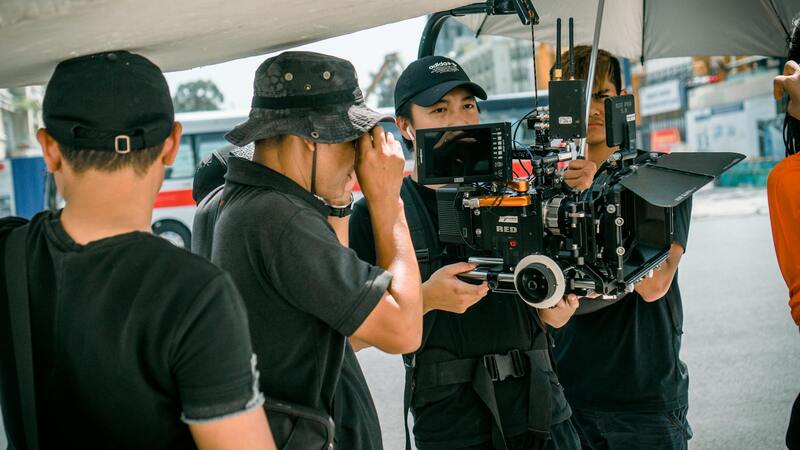
On the day of the event, the production team activates its meticulously crafted plan. Multi-camera setups capture various angles, while professional audio equipment ensures crystal-clear sound quality. Real-time graphics and overlays are integrated seamlessly to enhance viewer engagement. Skilled operators manage audio, video, and streaming encoders in a dedicated control room, coordinating with camera operators and stage managers through reliable communication channels. Technical staff stay vigilant, monitoring stream stability, adjusting visuals or audio as needed, and troubleshooting issues promptly to prevent viewer disruptions. Backup systems, including redundant encoders and internet connections, provide additional layers of security against technical failures.
Optimizing Post-Event Content for Extended Reach
Following the event, the focus shifts to post-production efforts that amplify reach and impact. Raw footage is sorted, edited, and formatted for various platforms, including social media, corporate websites, and on-demand services. Highlights can be extracted to create promotional clips, while full recordings serve as valuable resources for training or future marketing initiatives. Accurate analytics, such as viewer counts, engagement statistics, and streaming quality metrics, inform strategic decisions for upcoming productions. Properly distributed content ensures the event continues resonating with audiences long after the live broadcast concludes, maximizing return on investment.
The Value of Local Expertise in Miami’s Livestreaming Services
Partnering with a local Miami livestreaming service offers distinct advantages, including deep familiarity with regional venues, permitting processes, and audience preferences. Local providers are equipped to respond swiftly to logistical needs and adapt to venue-specific technical constraints, delivering a personalized approach that global providers may not match. Their understanding of Miami’s diverse event landscape enables tailored solutions—from corporate town halls to cultural festivals—ensuring each livestream aligns perfectly with specific goals. Moreover, leveraging local talent and resources often results in cost efficiencies and more flexible scheduling, facilitating a smoother overall production experience.
Choosing the ideal livestreaming production partner involves evaluating experience, equipment quality, customization capabilities, and transparent pricing structures. Prioritizing providers with proven track records in Miami’s vibrant event scene ensures access to advanced technology and seasoned professionals committed to delivering quality broadcasts. Effective communication and clear contractual terms further enhance collaboration, translating into successful livestreams that captivate audiences and support event objectives. The right partner is instrumental in transforming an ordinary event into an engaging digital experience that leaves a lasting impression.