
Understanding Live Streaming Video Production
Live streaming video production is a dynamic process that involves broadcasting real-time video content over the internet to viewers across various locations. It has become an integral aspect of modern digital communication, offering organizations the ability to connect with audiences instantly and interactively. Unlike traditional video production, which often involves recording footage for later viewing, live streaming demands meticulous planning and execution to ensure a seamless experience for viewers.
At the core of live streaming are several fundamental components. First, high-quality video capture devices such as professional cameras or encoders are essential for producing clear, sharp visuals. These devices capture the event or content that is intended for broadcast. Second, robust audio equipment is vital to ensure sound clarity and quality, which is often as important as visual content. Third, a reliable internet connection with sufficient upload bandwidth guarantees that the live feed remains stable and uninterrupted throughout the broadcast.

Furthermore, live streaming involves encoder software or hardware that compresses and transmits the video feed to streaming platforms or servers. These platforms, which could include social media sites, dedicated streaming services, or private networks, function as the distribution channels for the broadcast. The entire process must be carefully managed to prevent lag, buffering, or quality degradation that can negatively impact viewer engagement.
Compared to traditional video production, live streaming presents unique challenges and opportunities. Its real-time nature requires precise coordination, including encoding, switching between camera angles, and managing overlays or graphics if necessary. All these elements contribute to an engaging viewing experience. Additionally, live interactions, such as viewer comments and questions, add a layer of immediacy that enhances audience engagement and participation.
Advanced live streaming setups may incorporate multiple camera feeds, on-screen graphics, remote guest participation, and integrated social media interaction. These elements demand sophisticated technology and skilled personnel to operate the equipment effectively during the broadcast.
Ultimately, understanding the core principles of live streaming video production enables organizations to create high-quality, engaging broadcasts. Properly executed live streams can amplify brand visibility, facilitate real-time communication, and foster meaningful connections with audiences, especially in vibrant markets like Miami where events and live content are vital to business success.
Planning and Pre-Production for Live Streaming Events
Effective live streaming begins long before the cameras start rolling. Pre-production planning is critical to ensure a seamless broadcast that captures the event’s essence while maintaining high technical standards. This phase involves detailed coordination among event organizers, production teams, and technical staff to develop a clear blueprint for the event. Establishing well-defined objectives—whether for brand promotion, product launches, or corporate communications—guides the entire process, dictating the technical setup and content strategy.
During the planning stage, it is essential to conduct a comprehensive site survey to assess the venue’s infrastructure, including power sources, internet connectivity, space for equipment and crew, and lighting conditions. Ensuring reliable internet connectivity, preferably through dedicated fiber connections or bonded cellular solutions, is paramount to minimize latency and prevent interruptions. Technical liaisons should also identify potential challenges and develop contingency plans for issues like signal loss or equipment malfunction.
Creating a detailed production schedule helps coordinate all activities leading up to the live broadcast. This includes scheduling rehearsals, testing equipment, and finalizing content segments. Content preparation involves scripting or outlining key talking points, preparing on-screen graphics, and coordinating with any remote guests or speakers. A well-structured run sheet supplies a timeline for each segment, including camera cues, overlays, and transitions, to facilitate a smooth flow during the event.

In addition, selecting the right personnel is vital. Experienced producers, camera operators, sound technicians, switchers, and networking specialists should be engaged early in the process. Their expertise contributes significantly to the overall quality of the final product. Communication protocols among team members, including real-time chat systems or communication headsets, streamline coordination during the actual event and enable swift responses to any unforeseen circumstances.
Equipment checks and rehearsals are integral to pre-production to identify potential issues in audio, video, or connectivity. These dry runs help fine-tune camera angles, test streaming software and hardware, and familiarize the team with the event flow. Also, integrating a technical rehearsal with remote participants ensures that all remote feeds and overlays function as intended, ensuring a cohesive virtual presence.
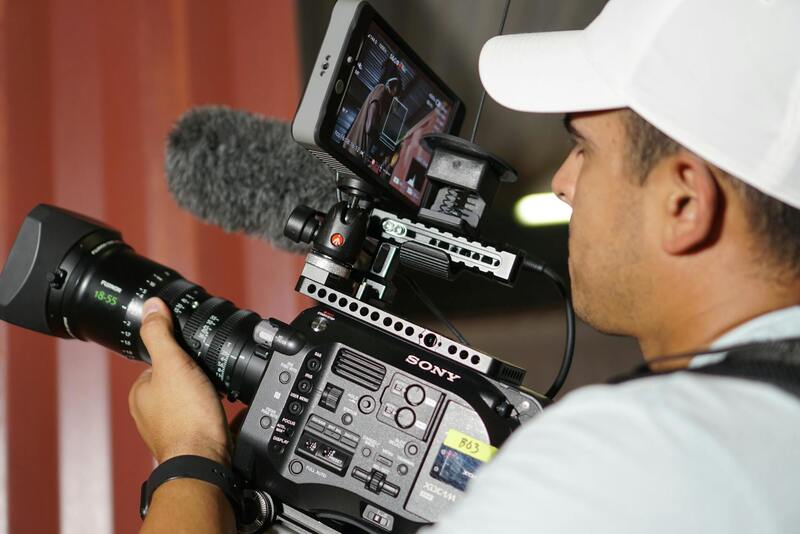
Assessing Infrastructure and Setting Up Technology
One of the foundation elements of pre-production involves assessing and optimizing the venue’s infrastructure. Reliable high-speed internet is essential for streaming, often requiring dedicated bandwidth or bonded internet solutions that aggregate multiple connections to ensure stability. This prevents common issues such as buffering or dropped streams, which can undermine viewer engagement. Wireless connectivity should be tested extensively, and wired connections are preferable when possible for bandwidth consistency.
Choosing the appropriate streaming hardware and software is equally important. Hardware encoders, which convert live video signals into formats suitable for streaming, should be pre-tested and configured. Software encoders can be used for greater flexibility but require high-performance computers and trained operators. Live switching equipment enables dynamic camera feeds, graphics, and overlays, enriching the broadcast with professional polish. It is also wise to incorporate backup systems to swiftly replace any failing hardware during the event.

Coordination and Final Preparations
As the release date approaches, final coordination efforts focus on confirming all technical arrangements, verifying content readiness, and conducting full rehearsals. During these rehearsals, the team drills the entire flow, checking camera angles, audio levels, graphic overlays, and remote guest feeds. These sessions also serve as an opportunity to identify and rectify any technical glitches, ensuring the actual event proceeds smoothly.
Throughout pre-production, establishing clear communication channels among team members is critical. Real-time communication tools help synchronize cues and updates, allowing for instant troubleshooting. Final checks should include testing internet stability, testing streaming platforms for optimal quality, and confirming that all visual and audio content meets expectations.
Documenting procedures and creating detailed run sheets or cue sheets for the broadcast helps keep everyone aligned during the live event. Preparedness at this stage minimizes unexpected disruptions and sets the stage for a professional, high-quality live stream that reflects well on the hosting organization.
Technical Setup for Successful Live Streaming
Establishing a robust technical setup is fundamental to delivering high-quality live streams that meet viewer expectations and showcase your brand professionally. This involves meticulous planning and execution of equipment configuration, network infrastructure, and platform integration.
When preparing for a live broadcast, start with high-definition cameras capable of capturing crisp visuals from multiple angles. These should be paired with professional-grade microphones to ensure clear audio, avoiding issues such as background noise or audio imbalance.
Switchers or video mixers play a pivotal role in real-time content management, allowing seamless transitions between camera feeds, graphics, and overlays. Incorporating real-time graphics tools enhances viewer engagement by providing context and additional information during the stream.
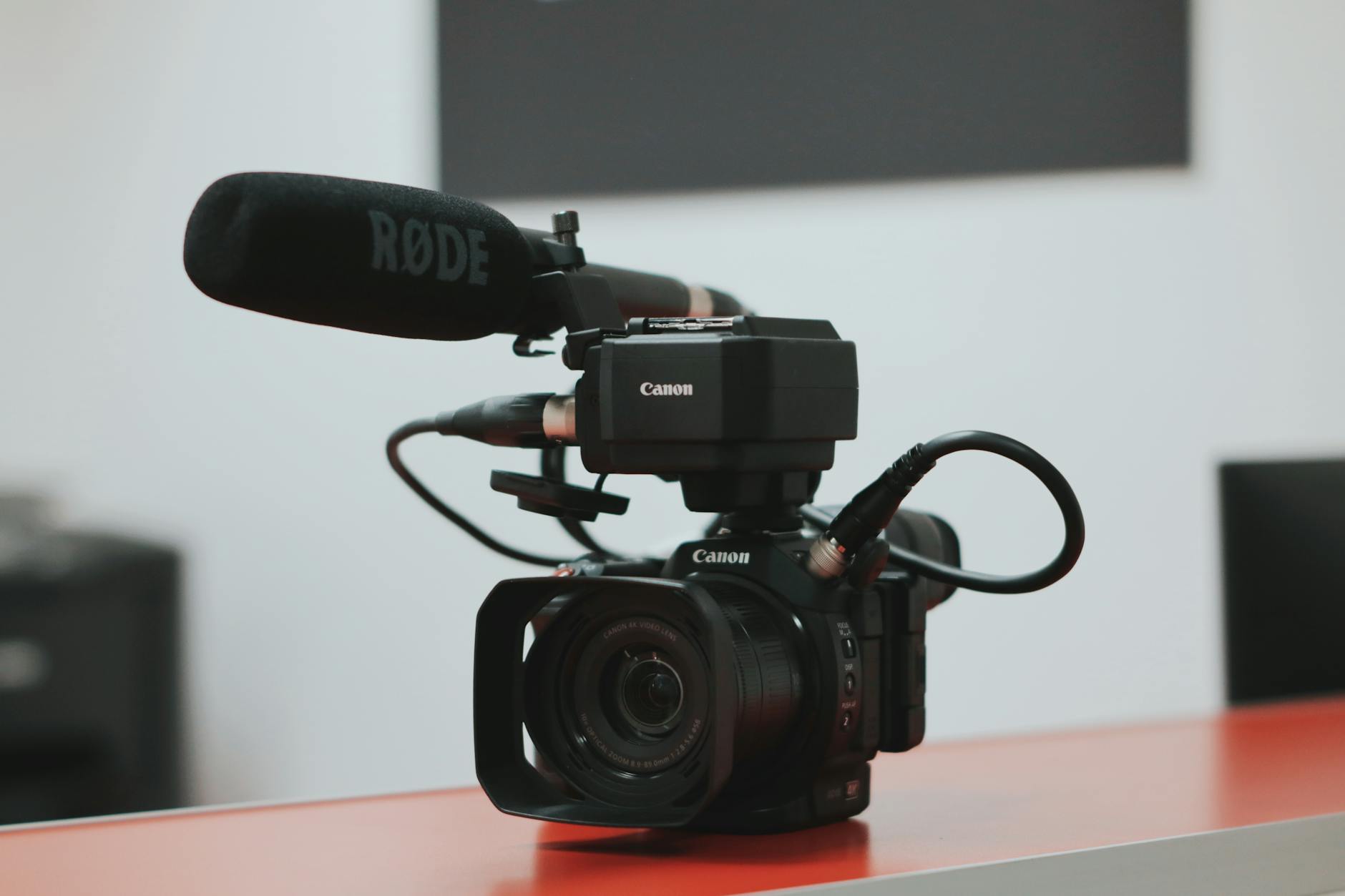
For live streaming, reliable internet connectivity is paramount. Implement dedicated bandwidth lines, preferably wired Ethernet connections, to minimize latency and buffering. Utilizing multiple internet sources with automatic failover mechanisms ensures uninterrupted streaming even if primary connections experience issues.
Stream encoding hardware or software is necessary to convert your visual content into a digital format compatible with streaming platforms. High-performance encoders reduce lag and provide adaptive bitrate options, optimizing viewer experience across different devices and internet speeds.
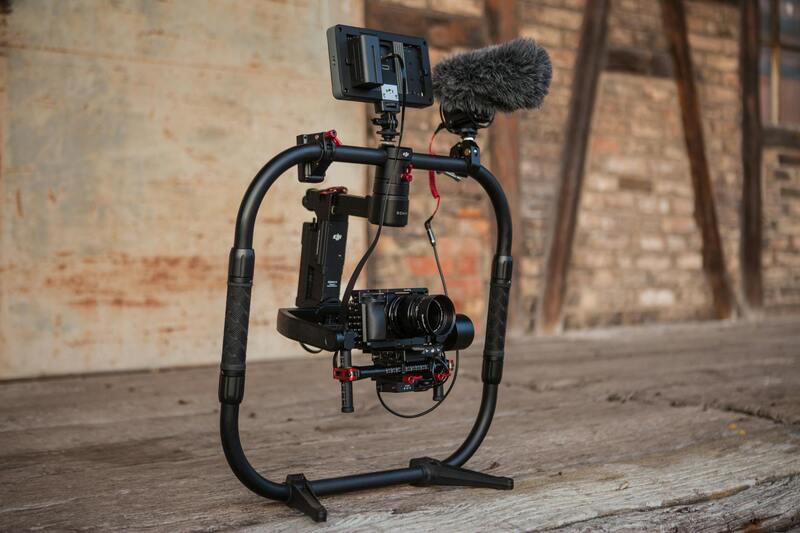
Platform integration is also a vital step. Selecting a streaming platform that aligns with your target audience and supports features such as live chat, multiple camera feeds, and real-time analytics enhances engagement and provides valuable insights.
Pre-Event Checklist for Live Streaming Readiness
- Verify all camera and audio equipment are functioning correctly and have backup options on hand.
- Conduct network speed tests to confirm stable and sufficient bandwidth for the entire duration of the event.
- Set up and test streaming software or hardware encoders, ensuring compatibility with designated streaming platforms.
- Test all visual overlays, graphics, and branding elements in the streaming environment to confirm proper display and timing.
- Perform dry runs with remote hosts or speakers to troubleshoot potential latency or audio-visual synchronization issues.
- Establish clear communication channels among production team members, using walkie-talkies or instant messaging apps for quick coordination.
- Prepare detailed run sheets and cue sheets to guide real-time operations and transitions during the live event.
With a comprehensive setup and thorough pre-event testing, Miami businesses can achieve a polished, professional live stream that engages audiences and elevates brand presence. Partnering with experienced video production specialists can further ensure all technical aspects align perfectly for a flawless broadcast.
Executing Live Streaming: Production and Broadcast Management
Effectively managing the live broadcast requires meticulous coordination of both technical elements and on-screen personnel. During the live event, the production team must seamlessly switch between multiple camera angles, incorporate graphics or video inserts, and monitor audio levels—all while maintaining real-time communication. This necessitates the use of professional video switchers and robust control room setups that allow for dynamic scene changes, ensuring the stream remains engaging and professional.
Real-time monitoring tools enable the production crew to oversee broadcast quality, verify audio clarity, and troubleshoot issues promptly. A dedicated producer or director often oversees the entire process, making critical decisions about camera shots, graphic overlays, and timing. It’s essential for the team to adhere to the scripted run sheet, yet remain flexible to adapt to unforeseen circumstances. Properly trained operators should handle encoding software or hardware to optimize video quality and prevent buffering or lag. They must also ensure that audio sources are synchronized with video feeds, avoiding disorienting delays that could detract from viewer experience.

Another critical component towards a smooth broadcast involves contingency planning. Redundant hardware setups allow for immediate switchovers if primary equipment fails. Network stability is equally vital—using wired Ethernet connections over Wi-Fi minimizes latency and packet loss. Furthermore, incorporating a backup internet connection, such as a cellular tethering device, provides additional assurance against connectivity disruptions. These layers of redundancy contribute significantly to ensuring the live stream remains uninterrupted, preserving the professional presentation and audience engagement.
The broadcast also involves managing viewer engagement through live chat moderation, real-time polls, or Q&A sessions if these features are incorporated. Engaging directly with the audience helps build community and foster loyalty. Simultaneously, continuous monitoring of broadcast metrics—such as viewer count, engagement rate, and stream health—allows for immediate adjustments to improve the overall experience.
Once the live event concludes, a critical phase involves reviewing the broadcast. This includes analyzing stream data for quality assurance, identifying technical issues, and gathering viewer feedback. Post-event analytics help refine future live streaming strategies, escalating the effectiveness of subsequent productions. Segmenting the broadcast into smaller clips for on-demand viewing can also extend the content’s reach and longevity, allowing audiences to access key moments at their convenience.
Post-Production and Analytics for Live Streaming Content
After the live stream concludes, the focus shifts to post-production processes. This phase involves reviewing the recorded footage to ensure high-quality content that can be repurposed for on-demand viewing or promotional materials. Skilled editors can enhance the raw footage by adjusting color grading, audio levels, and incorporating graphics or branding elements, creating a polished final product that maintains the professional standards expected by Miami businesses.
Data-driven insights are fundamental to optimizing future live streaming efforts. Analytics platforms provide detailed metrics such as viewer engagement rates, average watch times, and peak viewership periods. Analyzing these statistics helps identify what content resonates most with audiences and reveals areas needing technical or content-related improvement. For instance, a sudden drop in viewer numbers might indicate issues with streaming quality or irrelevant content segments, guiding strategic adjustments.
Gathering viewer feedback through surveys or direct communication offers qualitative insights into the audience’s experience. This feedback can inform decisions about content relevance, presentation style, and technical setup for upcoming events. Additionally, reviewing chat interactions, Q&A participation, and social media responses can gauge audience sentiment and highlight opportunities for increased engagement.
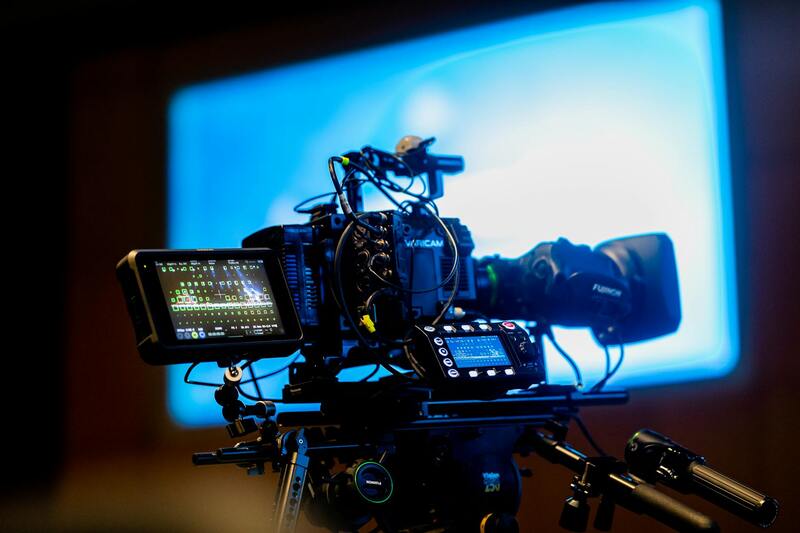
The content from the live broadcast can also be segmented into smaller clips, trailers, or highlight reels to extend its reach. These shorter clips can be shared across social media platforms or used to attract new viewers, driving more traffic to the main event or business website. Such repurposing maximizes content investment and ensures ongoing audience engagement beyond the live event scope.
Incorporating detailed post-production workflows not only enhances the immediate content quality but also builds a foundation for continuous improvement. This systematic approach enables Miami businesses to adapt their live streaming strategies, ensuring each event surpasses the previous in professionalism, technical excellence, and audience impact.
Legal and Security Considerations in Live Streaming
Protecting Content and Intellectual Property
When engaging in live streaming video production, safeguarding proprietary content is paramount. Implementing access controls, such as password-protected streams or secure login credentials, ensures that only authorized viewers can access the live broadcast. Digital rights management tools can also prevent unauthorized recording or redistribution of live content, maintaining control over distribution rights.
Additionally, clearly communicating copyright notices and usage rights at the beginning of the stream reinforces content protection. This transparency helps prevent unauthorized use and fosters a professional image for the business or event organizer.
Ensuring Data Privacy and Compliance
Live streaming involves the collection of viewer data, including personal information and engagement metrics. It is vital to adhere to data privacy standards, such as implementing secure data handling practices and informing viewers about data collection methods through privacy policies. Choosing streaming platforms with encrypted data transmission helps safeguard sensitive information.
Businesses must also stay informed about local regulations governing digital content and online broadcasting. Compliance with such guidelines minimizes risks associated with data breaches, unauthorized content dissemination, or violations of broadcasting standards.
Cybersecurity Measures for Secure Streaming
Implementing robust cybersecurity measures protects live streams from disruptions, tampering, or malicious attacks. Secure transmission protocols like HTTPS and RTMPS encrypt video data during broadcasting. Regular software updates and security patches for streaming equipment and platforms help close vulnerabilities.
Employing firewalls, intrusion detection systems, and network monitoring tools further enhances security. Additionally, training staff on best practices—such as recognizing phishing attempts and securing login credentials—reduces the risk of social engineering attacks that could compromise the stream or business data.
Managing Live Interactions Safely
Moderating live chat and viewer interactions is essential to prevent inappropriate content or security breaches during the broadcast. Employing moderation tools, setting clear community guidelines, and monitoring comments in real-time help maintain a safe and respectful environment.
It is equally important to prepare for potential disruptions, such as spam or malicious comments. Having a designated team or automated filters to manage viewer interactions minimizes the risk of interference with the broadcast and preserves the professionalism of the event.
Legal and Security Considerations in Live Streaming
When engaging in video production live streaming, understanding and implementing appropriate legal protocols and security measures are vital components to ensure a smooth and compliant broadcast. Legal considerations encompass respecting copyright laws, securing necessary permissions for all content, and accurately managing rights for music, footage, images, and any third-party material utilized during the stream. It is crucial to establish clear agreements with content creators, performers, and copyright holders to avoid infringement issues that could disrupt your event or result in costly disputes.
In terms of cybersecurity, safeguarding your live streaming infrastructure against unauthorized access, tampering, and data breaches should be a top priority. Employing encrypted transmission protocols, such as HTTPS and RTMPS, secures the video data during transmission, protecting it from interception or alteration. Regular updates and security patches for streaming hardware and software help mitigate vulnerabilities, ensuring the system remains resilient against cyber threats.

Access control mechanisms are fundamental for restricting who can view and manage live streams. This includes secure login credentials, multi-factor authentication, and role-based permissions to prevent unauthorized personnel from making changes or viewing sensitive content. Furthermore, deploying firewalls, intrusion detection systems, and continuous network monitoring fortifies the infrastructure against potential breaches.
To ensure compliance with privacy laws, it is necessary to establish viewer data handling policies. Collecting, storing, and processing personal data must be transparent, with explicit consent obtained where required. Attention to these legal and security elements not only safeguards the content but also builds trust with the audience and protects the hosting organization from legal liabilities.
In addition to technical safeguards, staff training plays a critical role. Educating team members on best practices for online security—such as recognizing phishing attempts, secure password management, and safeguarding login credentials—reduces the risk of social engineering attacks. Having a clear incident response plan prepared for potential security breaches helps minimize the impact if an issue arises during a broadcast.
Comprehensive rights management and cybersecurity protocols form the backbone of a professional and secure live streaming operation. They enable businesses and organizations in Miami to deliver high-quality, compliant, and protected live events that uphold their reputation and audience trust.
Legal and Security Considerations in Live Streaming
Implementing robust security measures and adhering to best practices in live streaming is essential for maintaining the integrity and reputation of your Miami-based organization. Establishing strict access controls ensures that only authorized personnel can manage and view live streams, reducing the risk of unauthorized interruptions or content leaks. Utilizing secure login credentials, multi-factor authentication, and role-based permissions helps create a secure environment where sensitive information remains protected. Role-based permissions allow different team members to perform specific functions—such as production oversight, content moderation, or technical support—without granting unnecessary access to unrelated systems.
On the technical front, deploying firewalls, intrusion detection systems, and continuous network monitoring fortifies your infrastructure against potential cyber threats. Maintaining a secure and resilient network setup prevents unauthorized attempts to disrupt or hijack live streams, ensuring continuous broadcast quality. These security layers function as barriers that detect and respond to suspicious activities promptly, minimizing downtime and content compromise.
Beyond technical safeguards, it is crucial to establish clear policies regarding viewer data handling. Transparency in collecting, processing, and storing personal information builds trust with your audience. Explicitly communicating data privacy policies and obtaining consent where necessary aligns with best practices and customer expectations, especially when interacting with digital platforms that involve personal data collection.
Regular staff training enhances the security posture of live streaming operations. Educating team members on recognizing phishing attempts, managing secure passwords, and safeguarding login credentials reduces the risk of social engineering attacks. Additionally, having a comprehensive incident response plan prepared allows the team to react swiftly and effectively in the event of a security breach, limiting potential damage and minimizing operational disruptions.
Legal considerations extend to rights management and content licensing, ensuring that all streamed materials are appropriately authorized. This covers copyrighted content, trademarks, and any proprietary material included in the broadcast. Proper rights clearances prevent infringement issues that could lead to costly disputes or content takedowns.
In summary, maintaining high-security standards and respecting legal frameworks are fundamental components of professional live streaming in Miami. They not only protect your content and audience but also uphold your organization's reputation and operational stability. Staying informed about evolving security threats and compliance requirements ensures your live streaming efforts remain robust and trustworthy.