
Understanding Live Broadcasting Services
Live broadcasting services have revolutionized the way organizations and individuals share content with audiences around the world. These services enable real-time transmission of video and audio streams, providing a dynamic platform for events, corporate communications, entertainment, and educational programs. In essence, live broadcasting transforms traditional event hosting into a global experience, allowing viewers to participate as if they were physically present.
In the corporate sector, live broadcasts are extensively used for product launches, webinars, conferences, and shareholder meetings, ensuring seamless communication regardless of geographical boundaries. Event organizers leverage live streaming to enhance attendee engagement, promote brand visibility, and extend the reach of their events beyond physical locations. Additionally, the entertainment industry relies heavily on live broadcasting for concerts, sports events, and award shows, delivering immediate content to an expansive audience.
The evolution of internet technology, improved bandwidth, and sophisticated broadcasting equipment have made high-quality live streaming accessible and increasingly reliable. As businesses and organizations seek authentic, real-time interaction with their audiences, the role of professional live broadcasting services becomes paramount to delivering content that is clear, stable, and engaging.
Key Features and Technologies in Live Broadcasting
Delivering seamless and compelling live broadcasts requires a combination of advanced features and cutting-edge technologies. High-quality live streaming hinges on reliable hardware and software solutions designed to optimize content delivery across multiple devices and platforms. Central to this are professional-grade video encoders, which convert raw footage into streaming-ready formats, ensuring minimal latency and maximum clarity.
Mainstream broadcast setups utilize multi-camera configurations to provide varied perspectives, adding depth and professionalism to the presentation. These cameras are typically integrated into a centralized control system, allowing operators to switch angles smoothly, add live graphics, and incorporate video overlays. This layering of multimedia content enhances viewer engagement by making the broadcast visually dynamic and information-rich.
Another critical component is the audio system, which ensures clear and consistent sound quality even in challenging environments. Using professional microphones, mixers, and sound processors, current live broadcasting setups can adapt to varying acoustic conditions, providing an immersive experience for viewers.
To facilitate smooth streaming, robust internet connectivity and backup solutions are essential. Bonded internet services that combine multiple internet connections—such as fiber, LTE, or satellite—are common in professional setups to maintain uninterrupted streaming even if one connection drops. Coupled with adaptive bitrate technologies, this approach dynamically adjusts streaming quality in response to network performance, preserving stream stability for the audience.
Modern live broadcasting also leverages sophisticated software solutions for stream management and real-time editing. These tools enable producers to control the broadcast's flow, integrate live chat interactions, and insert pre-recorded segments seamlessly.
Content delivery networks (CDNs) play a vital role in expanding broadcast reach and reducing latency, especially for large audiences. By distributing the live stream across multiple servers worldwide, CDNs help maintain optimal viewing quality regardless of viewers’ geographic locations.
From hardware architectures to software solutions, each element of live broadcasting technology is designed to support high-quality, stable, and engaging streaming experiences. Combining these features ensures that content creators and organizations can deliver professional-grade live events that meet or exceed viewer expectations.
Understanding Live Broadcasting Services
Live broadcasting services encompass a comprehensive set of tools and infrastructure designed to transmit real-time video and audio content over the internet to a broad audience. These services involve a combination of hardware, software, and network solutions that enable organizations to deliver seamless, high-quality live streams. Unlike traditional broadcasting methods, live broadcasting via online platforms provides greater flexibility, interactive possibilities, and reach, making it a vital component for events like corporate meetings, sports competitions, concerts, and community gatherings.
Fundamentally, live broadcasting services facilitate the capture, encoding, transmission, and presentation of live events. This process begins with high-definition cameras capturing content, followed by encoding solutions that compress the video for efficient internet transmission. The data then travels across complex networks—leveraging content delivery networks (CDNs), adaptive bitrate streaming, and other advanced technologies—to reach viewers across various devices and locations without significant delay or quality loss. Professional live broadcasting services are distinguished by their emphasis on quality, stability, and audience engagement, employing specialized equipment and infrastructure to ensure a polished viewing experience.
Unlike casual streaming solutions, professional live broadcasting services are designed to handle large audiences, complex production elements, and interactive features, all while maintaining high standards of reliability. These services incorporate multiple redundancy measures, including backup internet connections, hardware failover systems, and integrated control rooms, to mitigate any potential disruptions. The result is an immersive and dependable viewing experience that aligns with the high expectations of content creators and organizations alike.
Key Features and Technologies in Live Broadcasting
Effective live broadcasting relies on several core features and technological advancements that collectively elevate the quality and reliability of the stream. Chief among these are:
- High-Definition Video Capture: Use of professional-grade cameras that deliver clear, vibrant visuals necessary for engaging broadcast content.
- Audiovisual Mixing and Audio Clarity: Advanced audio equipment and mixing software ensure crisp, balanced sound that complements high-quality visuals.
- Encoding and Compression: Specialized encoder hardware or software compresses video streams efficiently, facilitating smooth transmission without compromising quality.
- Network Redundancy and Bonded Internet: Multiple internet connections are bonded to provide uninterrupted streaming even if one connection experiences issues.
- Adaptive Bitrate Streaming: Technology that adjusts stream quality dynamically based on viewers’ internet speed, preventing buffering and ensuring continuous playback.
- Content Delivery Networks (CDNs): Distributed servers that help deliver content swiftly and reliably across different geographic regions.
- Real-Time Monitoring and Control Software: Platforms that allow producers to manage streams, insert overlays, switch camera feeds, and interact with audiences in real time.

In addition to hardware and software solutions, innovative features such as multi-camera switching, live graphics, and real-time chat integrations improve viewer engagement and overall broadcast professionalism. These technological tools enable a seamless production workflow, ensuring that live streams are visually appealing, technically sound, and dynamically responsive to audience needs.
Understanding Live Broadcasting Services
Live broadcasting services constitute a comprehensive solution for transmitting real-time video content across various platforms. These services enable organizations, event organizers, and content creators to reach their audiences instantaneously, regardless of geographical barriers. Responsible providers utilize advanced infrastructure and industry-standard protocols to ensure that each live stream maintains high quality, stability, and viewers’ engagement. The core of live broadcasting involves meticulous planning, robust technology implementation, and seamless execution, transforming traditional viewing experiences into dynamic, interactive events.
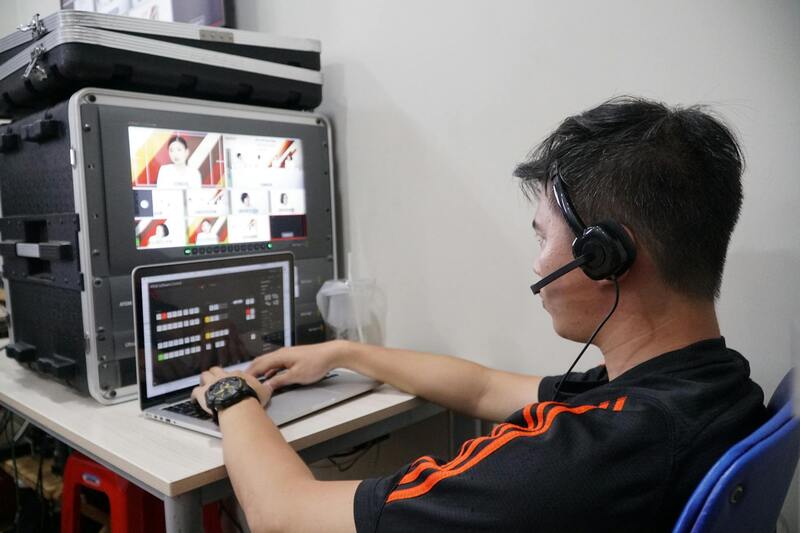
Live broadcasting services are built on a foundation of sophisticated equipment such as professional cameras, encoders, and switchers that capture and process footage in real time. These are supported by reliable internet connections, often bonded from multiple sources, to safeguard against interruptions. Content delivery networks (CDNs) disseminate streams across broad geographic regions, reducing latency and buffering issues. Additionally, real-time monitoring tools provide operators with immediate insights into stream performance, enabling quick adjustments and interventions to maintain a smooth viewing experience.
Key Features and Technologies in Live Broadcasting
- High-Definition Video Capture: Professional-grade cameras and lenses deliver crisp visuals historically unattainable with consumer-grade equipment. Recording in 4K or even 8K resolutions ensures exceptional clarity for viewers.
- Audio Excellence: Use of premium microphones and audio processors secures balanced sound levels, clear dialogue, and personalized audio mixing, creating an immersive experience.
- Encoding and Compression: Advanced encoding hardware and software efficiently compress video streams to facilitate seamless transmission across networks without sacrificing visual fidelity.
- Multi-camera Switching: Operators can switch between various camera feeds, providing different angles and perspectives, which enhances broadcast dynamism.
- Graphics and Live Overlays: Incorporating animated overlays, titles, and branding elements in real time boosts professionalism and viewer engagement.
- Audience Interaction Features: Chat integrations, polls, and real-time feedback tools foster interaction between hosts and viewers, making broadcasts more engaging.
- Adaptive Bitrate Streaming: Technology dynamically adjusts the stream quality based on viewers’ internet speed, reducing buffering and ensuring consistent playback.
- Network Redundancy: Bonded internet connections provide a fail-safe mechanism, offering uninterrupted streams even if one connection encounters issues.
These features, supported by specialized software platforms, facilitate comprehensive control over the content delivery process. Producers can manage live feeds, insert graphics or advertisements, and respond to audience interactions instantaneously, making each broadcast a polished and professional event.
Benefits of Using Professional Live Broadcasting Services
Employing a reputable live broadcasting service provides significant advantages in terms of quality, reliability, and audience engagement. High-quality professional streams elevate the stature of the presenter or organization, ensuring that visual and audio fidelity meet industry standards. These services reduce technical errors and minimize downtime, which is crucial during critical live moments such as product launches or award ceremonies. The integration of interactive tools encourages viewer participation and feedback, resulting in higher retention rates and a more dedicated follower base. Furthermore, efficient workflows and experienced production teams streamline the entire process, freeing clients to focus on content delivery rather than technical logistics.
Understanding Live Broadcasting Services
Live broadcasting services encompass the comprehensive suite of technical and logistical processes that enable real-time transmission of audio-visual content to audiences via the internet. These services include pre-production planning, content capture, video and audio encoding, stream distribution, and audience engagement strategies. Professional live broadcasting providers leverage cutting-edge infrastructure and software to deliver seamless, high-definition streams across multiple devices, ensuring that viewers experience consistent quality regardless of their location or internet connection. By utilizing these services, organizations can reach global audiences instantly, enhance visibility for events, and foster interactive participation, which significantly boosts engagement and brand presence.

Key Features and Technologies in Live Broadcasting
Advanced live broadcasting relies on a variety of sophisticated features and technologies aimed at optimizing the viewer experience. Adaptive bitrate streaming dynamically adjusts video quality based on individual user bandwidth, minimizing buffering and maintaining clarity. Redundant internet connections, often bonded together, provide fail-safe connectivity, ensuring continuous transmission even if one connection experiences issues. Professional-grade encoders convert raw video signals into digital streams compatible with multiple platforms, while content management systems facilitate real-time control over overlays, graphics, and advertisements.
Additional features include latency reduction techniques that make live interactions more immediate, and integrated analytics tools that track viewer engagement metrics. Cloud-based infrastructure enables scalable broadcasting, accommodating large audiences without degradation in quality. Interactivity is further enhanced through chat modules, polling features, and live Q&A sessions, making broadcasts more engaging and responsive.

Benefits of Using Professional Live Broadcasting Services
Opting for professional live broadcasting services offers distinctive advantages central to elevating event quality and audience connection. High-end production setups deliver crisp visuals and clear audio, aligning with industry standards and projecting a polished, credible image. These services significantly reduce the risk of technical glitches that could disrupt the event, employing backup systems and real-time technical support to mitigate potential issues. Such reliability is especially crucial during high-stakes moments like product unveilings, live interviews, or award ceremonies, where seamless delivery is vital.
In addition to technical reliability, these providers facilitate interactive features that cultivate viewer participation. Tools such as live chat, reaction buttons, and social media integrations encourage active engagement, increasing viewer retention and fostering community building. Experienced production teams handle complex tasks—from multi-camera switching to graphic insertion—allowing event organizers to concentrate on content and audience interaction. The result is an immersive broadcasting experience that elevates brand perception, broadens reach, and drives audience loyalty.
Types of Live Broadcasting Services Offered
Professional live broadcasting providers deliver a range of customized services tailored to meet diverse event needs. These include:
- Event Livestreaming: Covering conferences, concerts, sports, and corporate functions with real-time video transmission.
- Webinars and Virtual Conferences: Facilitating interactive online seminars with high-quality video, audio, and engagement tools.
- Production Services: Including multi-camera setups, live editing, graphic overlays, and pre-recorded content integration.
- On-Demand Streaming: Archiving live events for later access, ensuring content remains accessible beyond the live broadcast.
- Hybrid Events: Combining in-person and virtual participation, providing a seamless experience for all attendees.
Each service component is designed to maximize audience reach, enhance presentation quality, and ensure smooth operation. Working closely with experienced providers allows organizations to customize solutions that align with their specific goals, technical requirements, and target audiences.
Understanding Live Broadcasting Services
Live broadcasting services refer to the professional delivery of real-time video content over the internet, enabling organizations, event organizers, and content creators to reach audiences anywhere in the world instantaneously. These services encompass the entire process, from capturing high-quality footage to transmitting it seamlessly across various digital platforms. Leveraging robust infrastructure and advanced technology, live broadcasting allows for highly interactive and engaging experiences, making it an essential tool for marketing events, conferences, concerts, and corporate communications.
High-quality live broadcasting involves a combination of specialized equipment, skilled technicians, and reliable internet connectivity. The services are designed to ensure that the broadcast maintains clarity, stability, and synchronization throughout the event. They facilitate real-time interaction through features like chat functions, Q&A sessions, and social media integrations, fostering a more engaged and participatory viewer experience.

By partnering with experienced providers, organizations can access a range of solutions tailored to their specific needs. This includes everything from simple single-camera streams to complex multi-camera productions, multi-platform distribution, and interactive audience engagement tools. These services are vital for enhancing brand visibility, increasing audience reach, and delivering impactful messaging in a dynamic, digital-first world.
Key Features and Technologies in Live Broadcasting
- Multi-Camera Production: Allows for dynamic switching between different angles, enriching the visual experience of viewers.
- High-Definition Streaming: Ensures crisp visuals that meet modern viewing standards across various devices.
- Audio Clarity: Professional audio equipment guarantees clear sound, critical for virtual conferences and keynote presentations.
- Encoding and Compression: Advanced codecs optimize streaming quality while minimizing bandwidth usage.
- Content Delivery Networks (CDNs): Distribute content efficiently across multiple servers to prevent buffering and lag issues.
- Real-Time Interactivity: Live chat, polls, and engagement tools foster active participation from viewers.
- Social Media Integration: Stream to multiple platforms simultaneously for increased visibility and interaction.
- Backup and Redundancy Systems: Protect against disruptions by having alternate streams and failover solutions in place.

Benefits of Using Professional Live Broadcasting Services
Engaging a professional live broadcasting provider offers numerous advantages, including assured production quality, technical reliability, and comprehensive support. These services enable brands and organizers to deliver polished, high-impact presentations that resonate with their target audiences. Key benefits include:
- Enhanced Audience Reach: Broader access beyond physical venue limitations allows for virtual attendees worldwide.
- Increased Engagement: Interactive features and social media integration keep viewers involved and invested.
- Brand Visibility and Credibility: Professional presentation elevates the organization's image and reinforces messaging.
- Content Permanence: Recordings and on-demand access extend the lifespan of the event content, maximizing its value.
- Cost-Effectiveness: Reduces the need for travel and physical infrastructure, optimizing overall event budgets.
- Flexibility and Scalability: Services can be customized and scaled according to event size and complexity.
Utilizing professional live broadcasting not only amplifies event impact but also provides data collection opportunities, analytics, and targeted follow-up strategies to measure success and foster ongoing engagement.
Factors to Consider When Choosing a Live Broadcasting Provider in Miami
Choosing the right live broadcasting partner in Miami involves a thorough evaluation of several critical factors to ensure the seamless delivery of your event. The provider’s technical expertise, service offerings, and ability to adapt to your specific event requirements are pivotal for a successful broadcast.
First, assess the technical capabilities of the provider. High-quality video and audio transmission are fundamental, requiring sophisticated hardware, reliable internet connections, and robust streaming platforms. Providers should employ the latest encoding technologies and offer multiple server redundancies to prevent disruptions during live events.
Experience and industry reputation are equally important. An established provider with a proven track record in hosting diverse live events can better handle unforeseen challenges, ensuring a smooth broadcast. Client testimonials, case studies, and industry certifications can serve as indicators of reliability and professionalism.
Customizability and service flexibility are vital considerations. A capable provider should tailor their solutions to your event’s scale, goals, and audience engagement strategies. Whether you need a simple streaming setup or a complex multi-camera production with interactive features, the provider should deliver accordingly.
Technical support and customer service should be accessible at all stages of the process. Real-time assistance can resolve issues swiftly, minimizing potential delays or quality problems. Clear communication channels, responsive support teams, and comprehensive pre-event testing are essential components.
Another factor is compliance with regional broadcasting policies and digital accessibility standards. Ensuring content is accessible to diverse audiences, including those with disabilities, aligns with best practices and broadens reach.
Finally, consider the scalability of the solutions offered. As your event planning evolves, the provider should accommodate increased audience sizes, additional interactive elements, or expanded content delivery channels, ensuring future growth without significant rebidding or technological overhauls.

By carefully evaluating these factors, organizers can select a Miami-based live broadcasting service that aligns with their objectives, technical requirements, and audience expectations, resulting in a professional, engaging, and disruption-free event.
Understanding Live Broadcasting Services
Live broadcasting services are specialized solutions that enable organizations, event organizers, and content creators to transmit real-time audio and visual content to audiences over the internet. These services leverage advanced streaming technologies and professional equipment to deliver high-quality, uninterrupted content, ensuring viewers experience events as if they were physically present. In Miami, a vibrant hub for entertainment, corporate events, and sports, professional live broadcasting plays a pivotal role in amplifying reach and engagement.

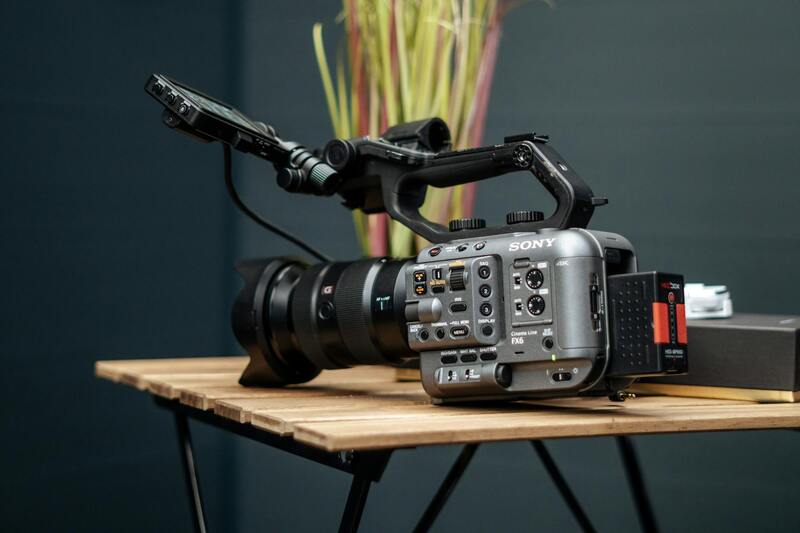
Effective live broadcasting involves multiple technical components, including high-definition cameras, reliable internet connectivity, encoding hardware, and streaming platforms. These elements work cohesively to ensure seamless transmission, minimal latency, and excellent picture and sound quality. Selecting the right service provider involves assessing their technology infrastructure, technical expertise, and ability to customize services for specific event requirements.
Key Features and Technologies in Live Broadcasting
- Multi-camera productions: Offering dynamic view angles and professional editing transitions that enhance viewer engagement.
- Live switching and graphics: Integrating real-time graphics, overlays, and branding to create a polished broadcast.
- Interactive capabilities: Incorporating chat, polls, and Q&A features to foster audience participation.
- Stream security: Implementing encryption and access controls to protect broadcast integrity.
- Adaptive streaming: Adjusting quality based on viewers’ bandwidth to prevent buffering and interruptions.
Benefits of Using Professional Live Broadcasting Services
Engaging a professional provider ensures that your event reaches a wider audience with clarity and reliability. High production standards foster brand credibility and viewer trust. Additionally, professional services streamline the technical process, allowing hosts and organizers to focus on content and interaction rather than logistical challenges. They also contribute to scalable solutions that match event size, from intimate corporate meetings to large-scale festivals.
Types of Live Broadcasting Services Offered
- Corporate event streaming: Webcasting conferences, seminars, and product launches to employees, clients, and stakeholders.
- Sports events: Live coverage of games, matches, and tournaments with instant replays and multiple camera angles.
- Music and entertainment: Concerts, festivals, and artist performances broadcast to global audiences.
- Religious services: Streaming sermons, prayers, and community gatherings to facilitate remote participation.
- Educational webinars: Interactive classes and training sessions for remote learning environments.
Factors to Consider When Choosing a Live Broadcasting Provider in Miami
- Technical expertise and equipment: Ensure the provider employs experienced technicians and state-of-the-art gear for high-quality output.
- Customization and flexibility: Ability to tailor services to your specific event needs and audience engagement goals.
- Reputation and reliability: Review case studies, client testimonials, and their track record of delivering successful broadcasts.
- Support infrastructure: Presence of dedicated support teams for pre-event testing, troubleshooting, and on-day assistance.
- Content security and compliance: Measures to safeguard your content and adhere to broadcasting standards.
- Scalability: Capacity to handle increased audience numbers and added features as your requirements grow.
Workflow and Process of Live Broadcast Production
The process typically begins with detailed planning that includes defining goals, target audience, and content structure. Pre-production involves logistical arrangements such as venue setup, equipment testing, and a dry run to identify potential issues. During the event, live production teams manage camera switching, graphics, and audio, ensuring a seamless flow of content. Real-time monitoring and communication with on-site personnel help address any technical challenges immediately. Post-event tasks include recording the broadcast for on-demand access, analyzing performance metrics, and gathering feedback for future improvements.
Cost Considerations and Budgeting for Live Broadcasts
Budgeting requires careful evaluation of the scope and complexity of your event. Basic streaming with minimal equipment will be less costly, while multi-camera productions with interactive features command higher investment. Factors influencing costs include equipment rental or purchase, personnel, bandwidth requirements, post-production editing, and platform licensing fees. It is essential to understand the breakdown of charges upfront and identify areas where costs can be optimized without sacrificing quality. A well-structured budget aligned with your event goals facilitates efficient resource allocation and ensures a smooth broadcast experience.