
Understanding the Role of a Broadcast Company in Live Streaming
In the rapidly evolving digital landscape, live streaming has become a pivotal means for organizations, event organizers, and content creators to reach their audiences in real-time. Central to this process is the broadcast company, an entity specialized in producing, managing, and delivering high-quality live content across various digital platforms. These companies serve as the technical backbone, ensuring seamless transmission that captures the essence of live events with clarity and professionalism.
A broadcast company’s core responsibilities extend beyond mere video transmission. They are involved in comprehensive planning, including pre-event consultations, technical rehearsals, and real-time management during the event. Their expertise ensures that visual and audio elements are synchronized and transmitted without interruption, regardless of the event size or complexity.
For many professionals, relying on a broadcast company becomes essential when aiming for a broadcast that mirrors the production quality seen on traditional television. This is especially crucial in situations where branding, viewer engagement, and message clarity are priorities. The significance of a broadcast company lies in its ability to adapt to diverse event requirements, utilizing industry-standard practices and advanced technology to deliver consistent, professional live streams.

Technology and Equipment Used in Live Stream Broadcasts
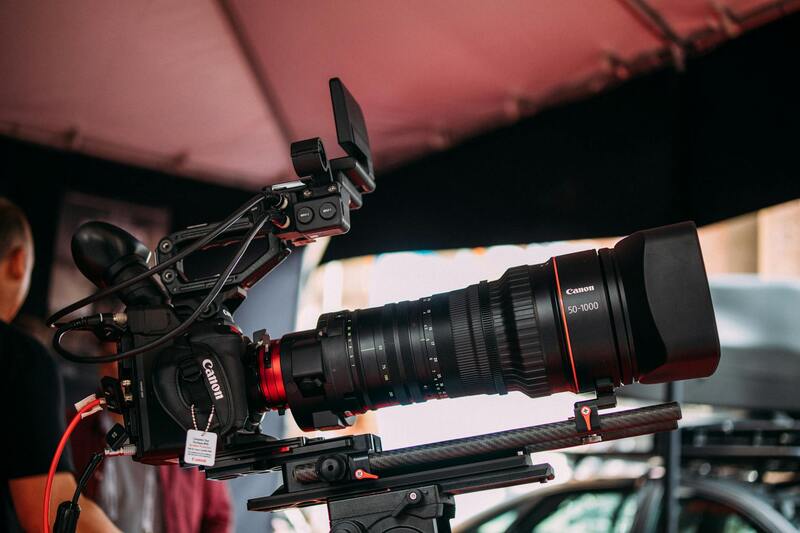
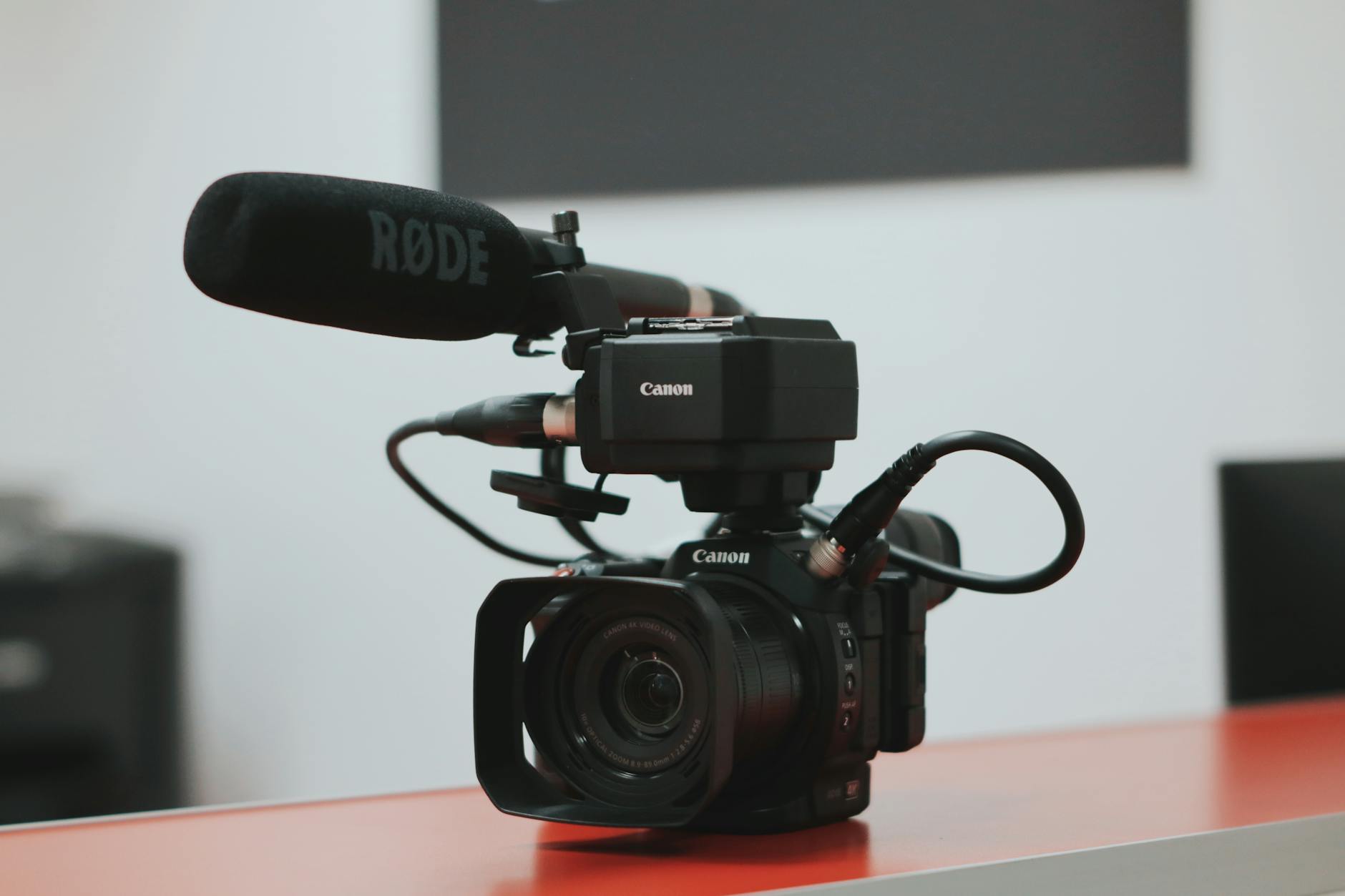
Modern live streaming relies heavily on cutting-edge technology and specialized equipment to ensure a seamless viewing experience for audiences. A professional broadcast company invests in high-definition cameras capable of capturing detailed visuals from multiple angles, allowing for dynamic and engaging productions. These cameras are often integrated with remote control systems, enabling broadcasters to switch between shots, adjust focus, and manage exposure in real-time, all essential for maintaining high-quality visuals during live events.
Audio quality is equally important, and expert broadcast firms utilize professional-grade microphones, audio mixers, and sound processing units to ensure clear, balanced sound output. This setup allows for multiple audio sources—such as speakers, musical performances, or commentary—to be mixed and adjusted on the fly, delivering an immersive auditory experience for viewers.
For connectivity, high-speed fiber optic internet lines and redundant data pathways are employed, reducing latency and minimizing risks of signal interruption. Encoding hardware, including live stream encoders and streaming servers, convert raw audio-visual signals into digital formats compatible with online delivery platforms. This process ensures that streams are delivered with minimal delay and optimal resolution.
To facilitate multi-platform broadcasting, broadcast companies utilize professional streaming software and hardware that support multi-bitrate streaming, adaptive streaming technologies, and content security measures. These tools enhance the versatility and reliability of live streams across various devices and network conditions, ensuring broad accessibility without compromising quality.
Additionally, professional broadcast setups include backup power supplies, such as uninterruptible power supplies (UPS), to safeguard against power outages. This comprehensive approach to equipment and technology deployment allows broadcast companies to provide reliable and high-quality live streaming services, even in complex or challenging environments.
Technology and Equipment Used in Live Stream Broadcasts
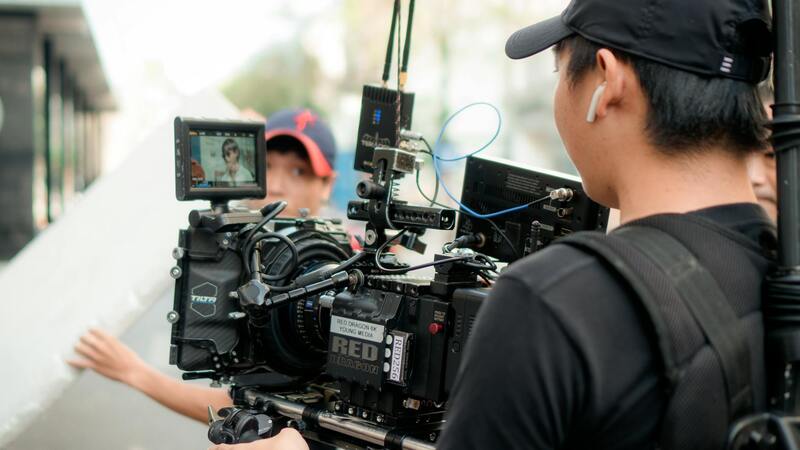
Successful live streaming relies heavily on cutting-edge technology and top-tier equipment to ensure seamless delivery and high visual quality. Broadcast companies invest in a range of sophisticated tools, beginning with high-definition cameras capable of capturing detailed images under various lighting conditions. These include broadcast-grade cameras with optical zoom, image stabilization, and low-light sensitivity, allowing for versatile filming scenarios. Multi-camera setups enable dynamic shot compositions, switching seamlessly between different angles to keep viewers engaged.
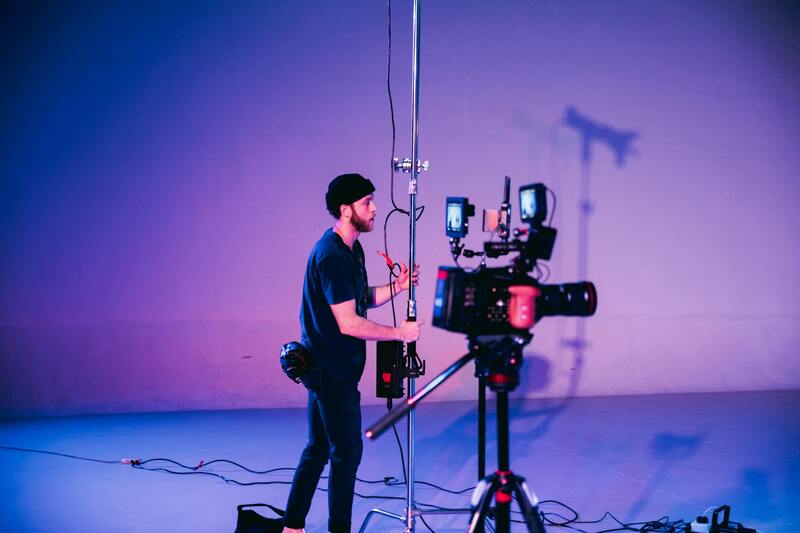
Video switching systems are integral for live productions, enabling real-time transitions, overlays, and graphics. These are often managed through professional video switchers that support multiple input sources, ensuring fluid visual storytelling. Additionally, audio equipment plays a vital role; professional microphones and audio mixers ensure clear sound, accurately balanced for the broadcast. Wireless microphones and lapel mics are commonly used for mobility during live performances, interviews, or speeches.
Connectivity remains a cornerstone of live streaming success. Broadcast companies utilize enterprise-level fiber optic internet solutions, which provide high bandwidth and low latency. Redundant networking systems are implemented to guarantee uninterrupted transmission even if one connection encounters issues. Encoders designed specifically for live streaming transform the captured audio-visual signals into compressed digital formats suitable for internet delivery.
The deployment of content delivery networks (CDNs) is crucial in expanding the reach of live streams across multiple platforms and devices. They distribute the stream efficiently, minimizing buffering and delays. Adaptive bitrate streaming technology automatically adjusts the quality of the video based on viewer's internet speed, providing a smooth experience regardless of network conditions.
To safeguard production continuity, backup power sources like uninterruptible power supplies (UPS) are incorporated into the setup. This redundancy ensures that power disruptions do not interrupt the live feed, maintaining the professionalism and reliability of the broadcast. Overall, the integration of advanced technology and precision equipment from professional broadcast firms enables live stream events to meet high-quality standards, attracting and engaging audiences effectively.
The Role of Professional Broadcast Companies in Ensuring Seamless Live Streaming
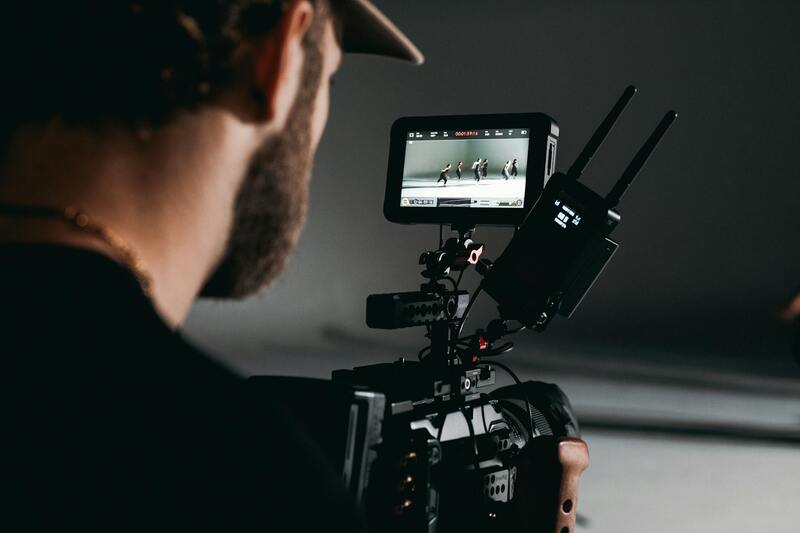
Choosing the right broadcast company for live streaming hinges on understanding their essential functions. These companies serve as the backbone of successful live events, providing comprehensive solutions that encompass not only the technical aspects but also strategic planning, execution, and post-event analysis. Their primary responsibilities include managing complex workflows that integrate multiple audio-visual components, coordinating multiple camera feeds, and ensuring synchronized audio and video transmission. A professional broadcast team meticulously plans every detail, from camera positioning to audio mixing, to ensure a polished and engaging viewer experience across various platforms.
Expert broadcast firms also handle the dynamic elements during live events. This includes real-time switching between camera angles, inserting graphics or overlays, and managing live commentary. Their capability to operate under pressure and respond swiftly to unforeseen issues minimizes the risk of interruptions or quality degradation. Additionally, they oversee the integration of branding elements, such as logos and event-specific visuals, to maintain consistency and reinforce the event’s identity.
Furthermore, broadcast companies are responsible for the post-event analysis, which includes data collection on viewer engagement, stream stability, and feedback. This information helps clients refine future live streaming strategies, improve technical setups, and enhance overall audience satisfaction. The commitment to quality control, combined with technical expertise, positions broadcast companies as vital partners in delivering memorable and successful live streams across diverse sectors ranging from corporate events and concerts to religious gatherings and educational conferences.
Technological Infrastructure to Support Professional Live Streaming
Delivering consistent high-quality live streams depends heavily on advanced technology and robust infrastructure. Modern broadcast companies utilize enterprise-grade fiber optic internet connections, ensuring sufficient bandwidth and minimal latency necessary for unimpeded live content delivery. Redundant network setups are standard, allowing fallback options if primary connections fail, thus maintaining stream stability. Specialized encoders convert high-definition audio-visual signals into compressed digital formats, optimized for streaming across multiple platforms.
State-of-the-art encoding hardware plays a crucial role in maintaining video clarity and audio fidelity, even under challenging network conditions. Meanwhile, content delivery networks (CDNs) distribute the streaming data efficiently, reducing buffering times and ensuring smooth viewing experiences on any device. Adaptive bitrate streaming technology dynamically adjusts the quality of the live stream according to each viewer's internet speed, enabling a consistent and enjoyable viewer experience regardless of fluctuating network conditions.
Power reliability is also a key factor, with uninterruptible power supplies (UPS) safeguarding against power disruptions. These backups guarantee that the broadcast continues seamlessly, preserving the professionalism of the event even amidst unforeseen circumstances. Overall, the integration of cutting-edge technology and reliable hardware ensures that live streams formed by professional broadcast companies meet the highest standards of quality, reliability, and viewer engagement.
Factors Influencing Selection of a Broadcast Partner in Miami
- Technical expertise and equipment capabilities
- Local presence and understanding of the Miami market
- Past experience with similar live streaming projects
- Customer service and flexibility in service offerings
- Availability of end-to-end solutions, including pre-event planning and post-event support
Opting for a Miami-based broadcast company allows for enhanced on-site coordination, quicker response times, and a better understanding of regional event requirements. These elements are crucial for the seamless execution of live streams, especially when complex technical setups or on-site troubleshooting are needed.
Ultimately, partnering with a reputable broadcast company that combines technical mastery with regional familiarity ensures a smooth, high-quality live streaming experience. Such collaborations empower clients to deliver their messages effectively, reach larger audiences, and elevate their event's overall impact through professional broadcast solutions tailored to specific needs.
Advanced Techniques and Industry Standards Employed by Broadcast Companies in Miami
Leading broadcast companies in Miami leverage a sophisticated array of industry-standard techniques to deliver flawless live streaming experiences. These standards encompass high-definition video encoding, multi-platform streaming, real-time transcoding, and adaptive bitrate technologies that optimize viewing quality across diverse devices and internet speeds. Employing broadcast-quality infrastructure, including professional-grade switchers, encoders, and audio consoles, ensures that the production quality aligns with professional broadcasting expectations.
To meet the demands of modern live streams, companies utilize robust satellite and fiber optic connections that guarantee a stable and high-capacity data transfer. These channels serve as the backbone for transmitting live feeds without interruption or degradation. Furthermore, proper signal routing and redundancy configurations, such as backup servers and alternative network pathways, safeguard against potential technical failures, maintaining continuous broadcast flow.
Security Measures and Data Integrity in Live Broadcasts
Ensuring the security and integrity of live streams is paramount for broadcast companies operating in Miami. Content encryption, secure streaming protocols, and access controls prevent unauthorized viewing and potential data breaches. These companies incorporate end-to-end encryption methods, such as AES or TLS, to protect sensitive content during transfer and playback.
Moreover, professional broadcast teams implement real-time monitoring systems that track stream health, viewer engagement, and potential cyber threats. Authentication procedures and password protections restrict access to live streams, enabling control over who can view or manage the broadcast. Regular audits and updated cybersecurity practices further reinforce the integrity of the streaming process, safeguarding the event's professional reputation.
Integrating Interactive Features to Enhance Viewer Engagement
Innovation plays a significant role in elevating live streaming experiences. Broadcast companies in Miami often incorporate interactive features such as live polls, Q&A sessions, and real-time chat functions to foster viewer participation. These tools, integrated through advanced streaming platforms, create a more immersive and engaging environment for audiences.
Additionally, overlay graphics, branded transitions, and synchronized multimedia integration enhance the visual appeal and professionalism of the broadcast. Analytics tools are employed to monitor viewer interactions and behaviors, providing valuable insights that inform future content strategies. By integrating these interactive elements, broadcasters can significantly boost viewer retention and overall satisfaction.
Understanding the Role of a Broadcast Company in Live Streaming
A broadcast company dedicated to live streaming serves as the backbone of any successful online event or broadcast. These entities are responsible for transforming high-quality content into a seamless digital experience accessible to viewers worldwide. They manage all technical aspects required to deliver a professional live stream, including video production, transmission, and distribution. The expertise of these companies ensures that the event runs smoothly, maintains high visual and audio standards, and reaches audiences without interruption or lag.
Such companies possess specialized knowledge of broadcasting standards and rely on a combination of advanced hardware, software, and network infrastructure to facilitate live streaming. They work closely with clients to understand the event’s objectives and tailor their services accordingly, whether it involves corporate meetings, concerts, sports events, or community gatherings. Their role extends beyond mere transmission; they also provide critical pre-event planning, on-site technical support, and post-event analytics to maximize impact and engagement.
Beyond the technical execution, broadcast companies also manage multi-camera setups, live switching, overlay graphics, and synchronized multimedia content, making the broadcast visually dynamic and engaging. They leverage real-time monitoring systems that ensure stream stability, adjust to network fluctuations, and quickly resolve technical issues as they arise. This comprehensive approach guarantees that the live content maintains professional quality from start to finish, meeting the expectations of organizers and viewers alike.

Key Services Offered by Broadcast Companies for Live Streaming
- End-to-End Production: Comprehensive management from content setup to final broadcast, including camera operations, sound engineering, lighting, and graphic overlays.
- Multi-Platform Streaming: Simultaneous broadcasting across various platforms such as social media, corporate websites, and streaming services to maximize reach.
- Technical Coordination: Real-time troubleshooting, bandwidth management, and signal monitoring to prevent interruptions and ensure consistent quality.
- Content Enhancement: Integration of interactive elements like polls, chat features, and branded graphics to boost viewer engagement.
- Post-Event Reporting: Data analysis and feedback collection to evaluate viewer engagement, technical performance, and overall success of the event.
Technology and Equipment Used in Live Stream Broadcasts
High-quality live streaming relies heavily on cutting-edge technology. Broadcast companies utilize professional-grade cameras capable of capturing detailed images in various lighting conditions, along with audio equipment that ensures crystal-clear sound. Live encoding hardware, such as switchers and streaming servers, convert raw footage into compressed digital formats suitable for transmission across the internet.
Networking infrastructure plays a critical role as well, with fiber optic connections providing the bandwidth needed for high-definition streams. Redundant data pathways and backup servers are employed to prevent downtime. Advanced overlay and graphics software enable real-time visual enhancements, while multi-view monitors allow operators to oversee multiple camera feeds simultaneously. Cybersecurity measures, including encryption and access controls, protect the stream from unauthorized access or tampering.

Considerations for Choosing a Broadcast Company in Miami
Selecting the right partner for live streaming in Miami involves assessing several key factors. First, evaluate the company's technical expertise and track record with similar events. A proven history of delivering high-quality broadcasts under tight schedules and complex requirements indicates reliability. It’s also important to consider their familiarity with local venues and infrastructure, as this can streamline setup and troubleshooting processes.
Service customization is crucial; ensure the broadcast team can tailor their solutions to match the event’s specific needs, whether that’s a small corporate webinar or a large-scale concert. Turnaround time and communication efficiency are essential, especially when last-minute adjustments are necessary. Furthermore, review their client portfolio and seek testimonials or case studies demonstrating successful live streams in Miami or comparable environments.
Cost transparency and detailed service proposals assist in making an informed decision, ensuring alignment with your budget. Lastly, consider whether the company offers comprehensive support, from pre-event planning to post-broadcast analysis, to ensure a seamless experience from start to finish.
Understanding the Role of a Broadcast Company in Live Streaming
In the rapidly evolving landscape of digital media, a broadcast company for live stream plays a crucial role in transforming complex audiovisual content into seamless, engaging broadcasts. These companies serve as the backbone for various events, including corporate conferences, concerts, sports tournaments, and community events, ensuring that the content delivered reaches audiences with clarity and professionalism. Their responsibilities extend beyond mere transmission, encompassing a comprehensive range of services that cover pre-event planning, real-time management, and post-event analysis.
A broadcast company's primary goal is to create a smooth, uninterrupted viewing experience for remote audiences. This involves coordinating multiple technical elements such as video feeds, audio quality, overlay graphics, and interactive components. They ensure that each element is synchronized and adapted to the viewing platform, whether it’s a social media channel, a dedicated website, or a streaming platform. To achieve this, broadcast companies employ an array of sophisticated equipment and software solutions that facilitate real-time editing, switching, and encoding of the live feed.
Furthermore, a skilled broadcast team meticulously plans every stage of the live stream event, from signal acquisition through to transmission. This includes site surveys, technical rehearsals, and contingency planning to handle unforeseen circumstances. By doing so, they maintain a high standard of broadcast quality, ensuring that visuals are crisp, audio is clear, and any supplementary features—such as live captions or multiple camera angles—function flawlessly. This comprehensive approach signifies their integral role in elevating live events into memorable digital experiences that resonate with broad audiences.
Key Services Offered by Broadcast Companies for Live Streaming
- Event Planning and Consultation: Assisting clients with technical specifications, scheduling, and logistical coordination to ensure a smooth live broadcast.
- Multi-camera Production: Utilizing multiple high-definition cameras to capture different angles, providing a dynamic viewing experience.
- Audio Management: Employing professional audio equipment and mixing techniques to deliver clear sound without distractions.
- Streaming and Encoding: Encoding the video feed with minimal latency and transmitting it securely across various platforms.
- Graphics and Overlay Design: Adding branding, lower thirds, and interactive elements to enhance viewer engagement.
- Technical Support and Troubleshooting: Providing real-time assistance during the event to resolve potential technical issues swiftly.
- Post-Event Analytics: Delivering detailed reports on viewer engagement, streaming quality, and performance metrics to assess success and identify areas for improvement.
Technology and Equipment Used in Live Stream Broadcasts
Modern live streaming relies on an array of cutting-edge technology to optimize both quality and reliability. High-definition cameras, including 4K options, capture crisp visuals that elevate the overall presentation. Video switchers and scaler devices enable seamless transitions between camera feeds, graphics, and pre-recorded content, creating a polished broadcast flow.
Audio equipment such as professional microphones, mixers, and digital audio workstations ensure sound clarity and balance, vital for maintaining audience engagement. State-of-the-art encoders, whether hardware or software-based, compress and transmit video data with minimal latency across multiple platforms. Additionally, stable internet connections—often via bonded 4G/5G or dedicated fiber-optic lines—are imperative to prevent buffering or interruptions during live transmission.
Supplementary tools include real-time monitoring systems that track stream performance, cybersecurity safeguards like encryption and firewall protection, and remote control interfaces that facilitate operator adjustments from various locations. Incorporating these technologies guarantees a broadcast that is both visually stunning and technically resilient, capable of handling the demands of diverse event types and audience sizes.

Considerations for Choosing a Broadcast Company in Miami
Selecting an appropriate broadcast partner in Miami necessitates a comprehensive evaluation of their technical prowess, event experience, and service offerings. Start by reviewing their portfolio of past live streams to gauge their capability to handle events similar in scope and complexity to yours. Effective communication during initial consultations provides insight into their responsiveness and willingness to customize solutions to your specific requirements.
Local knowledge is invaluable; understanding Miami’s unique venue environments, infrastructure, and logistical considerations can significantly enhance the efficiency of setup and execution. Companies familiar with prominent Miami venues or outdoor event locations will have established relationships and prepared workflows, reducing potential delays or technical difficulties.
Pricing transparency and detailed proposals are also important, offering clarity on the scope of services and associated costs. This allows clients to allocate budgets appropriately and avoid unexpected expenses. Equally crucial is assessing the company’s support framework, ensuring they provide end-to-end assistance—from initial planning sessions and equipment setup, through live broadcast execution, to post-event analysis. A reliable Miami-based broadcast company will integrate seamlessly into your event planning process, delivering a high-quality stream that meets your expectations without compromising on professionalism or technical excellence.
Advantages of Partnering with a Local Miami Production Agency
Partnering with a local Miami-based broadcast company offers several strategic benefits. Proximity facilitates faster response times, easier site visits, and the ability to conduct on-site rehearsals, which collectively contribute to a smoother event. Local expertise ensures familiarization with regional event venues, permitting more accurate logistical planning and resource allocation.
This geographic advantage also allows for closer communication and immediate troubleshooting during the event, minimizing potential disruptions. Local agencies tend to have established relationships with suppliers, venue staff, and technical teams, streamlining coordination efforts. Moreover, working with a Miami-based provider supports the local economy and builds long-term professional relationships, often leading to more personalized service and better overall value.
Planning and Execution of a Live Stream Event
The planning phase involves defining objectives, selecting the right technological tools, and establishing a clear timeline. Identifying key content segments, determining camera placements, and scheduling technical rehearsals are integral steps to ensure a cohesive production. During execution, the broadcast team manages live switching, audio levels, overlay graphics, and network stability to achieve a professional presentation. Real-time monitoring ensures immediate response to any technical anomalies, maintaining broadcast continuity.
Post-event activities include comprehensive analytics, viewer engagement reports, and reviewing technical performance to inform future streams. This structured approach guarantees that your event’s live broadcast will resonate with viewers, maintaining high standards of quality throughout the process.
Ensuring Quality and Reliability in Live Streaming
For any broadcast company specializing in live streams, maintaining top-tier quality and impeccable reliability is paramount. The dynamic nature of live events demands flawless execution, where technical issues can adversely affect audience experience and the event’s overall success. As such, a reputable broadcast company for live stream must prioritize comprehensive quality control measures and utilize advanced technology to mitigate potential disruptions.
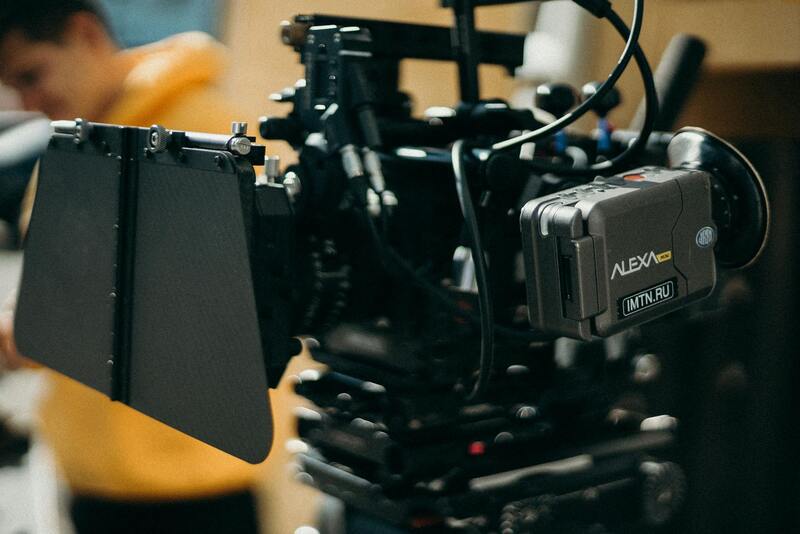
One of the foundational elements of delivering high-quality live streams is equipment redundancy. Professional broadcast companies invest in multiple sources of crucial gear like cameras, audio systems, and internet connectivity. This redundancy ensures that if one component encounters an issue, a backup seamlessly takes over, maintaining a continuous broadcast without noticeable disruptions. Such preparedness is especially critical during high-stakes events where audience satisfaction hinges on uninterrupted viewing.
Another critical aspect involves thorough pre-event testing and rehearsals. These sessions allow the technical team to identify and address potential issues related to lighting, sound, camera angles, and streaming bandwidth. Proper testing ensures that all systems operate cohesively during the live event, minimizing the likelihood of technical failures. Additionally, real-time monitoring technologies enable the broadcast team to oversee stream health, audio levels, and video quality continuously. This proactive approach facilitates immediate intervention should anomalies arise, preserving a smooth viewing experience.
High-speed, dedicated internet connections are the backbone of reliable live streaming. Premium providers utilize fiber optic networks or bonded internet solutions to secure sufficient bandwidth and stability, reducing the risk of buffering or lag. Network redundancy, with multiple internet sources, acts as a safeguard against any unforeseen outages, ensuring continuous data flow. Furthermore, deploying dedicated streaming servers or cloud-based platforms can enhance scalability, allowing the broadcast to support large audiences seamlessly.
Technical crews also focus on optimizing encoding settings and deploying reliable streaming protocols such as RTMP or HLS. Proper configuration ensures efficient data transmission and minimal latency. Additionally, integrating professional-grade audio processing equipment guarantees crisp, clear sound, which is vital for engaging viewers. Lighting, camera stability, and professional editing are equally significant in delivering a polished final product.
Post-broadcast data analysis plays a critical role in quality assurance. Advanced analytics provide insights into viewership patterns, stream health, and technical performance. These findings enable continuous improvement, ensuring future live streams benefit from current learnings. A dedicated broadcast company continually updates their technological infrastructure to stay ahead of evolving industry standards, ultimately delivering a resilient, high-quality streaming experience that meets client expectations and enhances audience engagement.