Understanding Live Stream Production Services
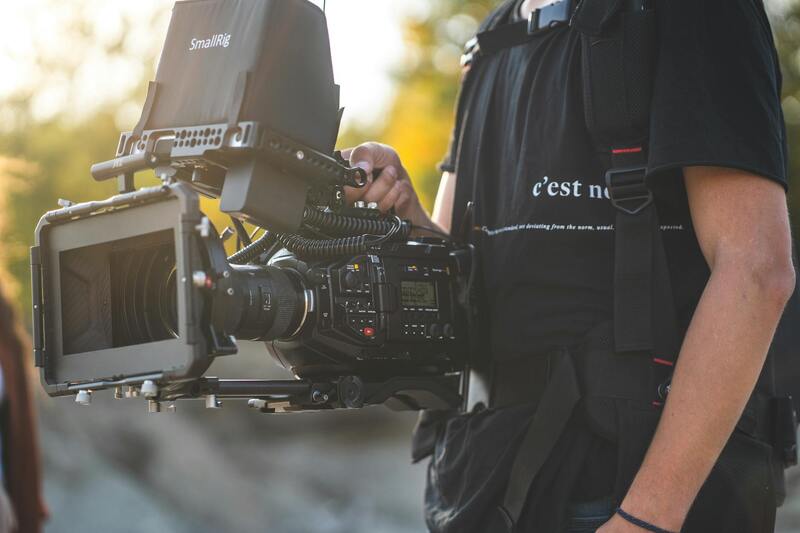
Live stream production companies offer comprehensive solutions designed to elevate live events through high-quality broadcasting. These services encompass on-site event coverage, utilizing advanced multi-camera setups to capture every crucial angle, ensuring viewers experience the event as if they were physically present. Additionally, these companies handle the integration with various streaming platforms, enabling seamless transmission of content across social media, dedicated websites, or streaming services. This multi-faceted approach ensures audience engagement is maximized, accessibility is maintained, and the production maintains professional standards throughout. The core of their offerings includes real-time switching between camera feeds, graphics overlay, audio mixing, and sometimes even live interviews or host segments, all orchestrated to create a polished viewing experience. When choosing a live stream production company, understanding the full scope of their service capabilities is vital for aligning their expertise with the specific needs of an event, whether it be a corporate seminar, concert, or a large-scale conference.

Importance of Local Expertise in Miami
Partnering with a live stream production company that has local expertise in Miami offers several distinct advantages. Local companies are familiar with the specific venues, traffic patterns, and logistical considerations unique to the Miami area. This insight facilitates efficient planning, setup, and troubleshooting during live events. Additionally, a Miami-based company can leverage established relationships with local vendors and technical staff to ensure smooth operations. They are also better equipped to understand the regional audience's preferences, enabling tailored branding and content presentation that resonates well with local viewers. The geographical advantage ensures rapid response times for on-site adjustments and support, minimizing technical issues and delays. For events that rely on real-time interaction with the local community or specific local features, a production company with proven experience in Miami can enhance authenticity and engagement, ultimately contributing to a more successful live broadcast.
Evaluating Experience and Portfolio
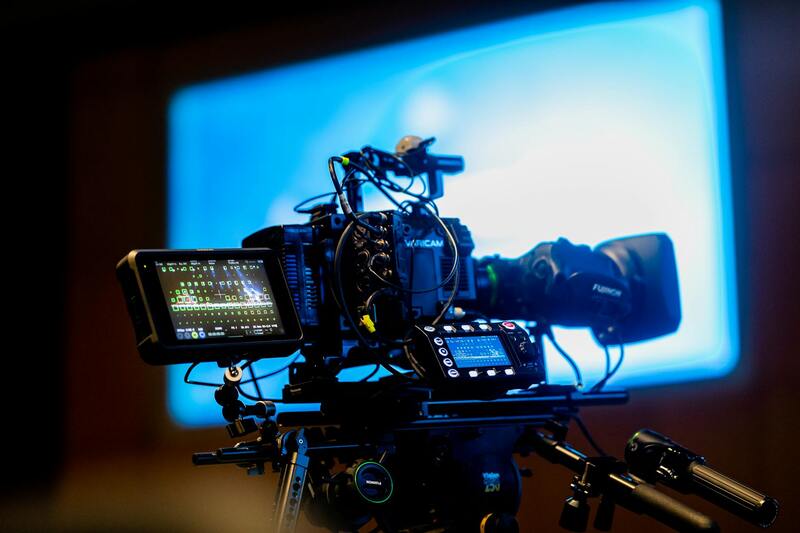
When selecting a live stream production company, reviewing their experience and portfolio is essential. A well-established company will showcase a diverse portfolio of past projects, demonstrating their capability to handle various event types and scales. Reviewing previous work provides insight into their technical proficiency, creative approach, and reliability. It also offers an understanding of the quality of their visuals, audio, and overall broadcast professionalism. Client testimonials and case studies further validate their expertise, highlighting their ability to adapt to different needs and troubleshoot unforeseen challenges. An experienced company is better equipped to anticipate potential issues, implement best practices, and deliver a seamless broadcast regardless of event complexity or location. Prioritizing a strong track record ensures that the production aligns with expectations for high-quality, engaging live streaming experiences.
Equipment and Technology Used in Live Streaming
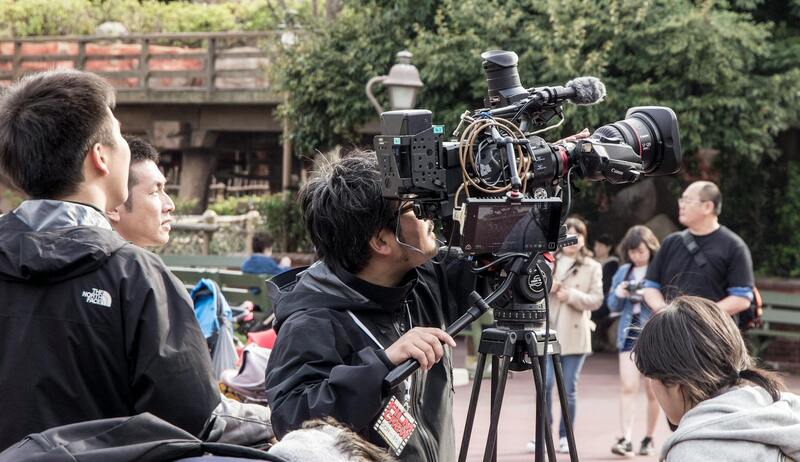
The backbone of any successful live stream lies in the quality and sophistication of the equipment used. A professional live stream production company invests in high-definition cameras, multi-channel audio mixers, and powerful streaming hardware capable of transmitting broadcast-quality content. State-of-the-art encoders convert raw video signals into optimized streams compatible with multiple platforms, ensuring minimal lag and high resolution. Additionally, the use of wireless transmission tools allows flexibility in camera placement, even in challenging environments. Redundant systems and backup equipment are standard to prevent interruptions during live events. Advanced graphics and content management tools enhance viewer experience with overlays, lower thirds, and branding elements. Employing the latest technology facilitates superior production quality, dependable transmission, and an engaging viewer experience that meets professional standards.
Customization and Flexibility of Services
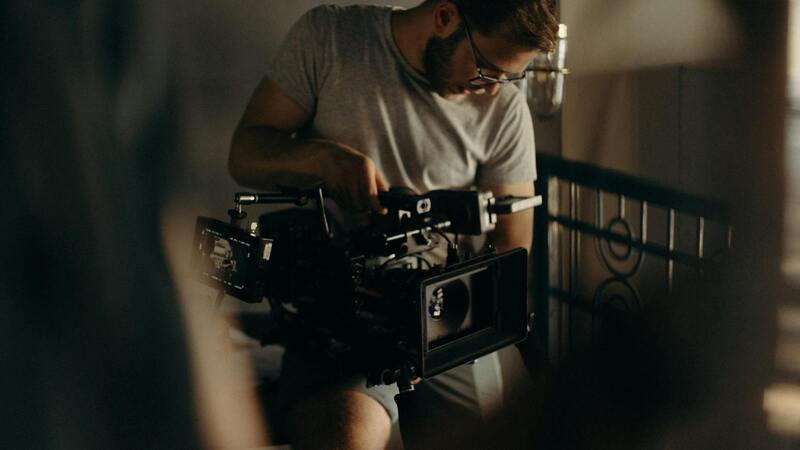
One key feature of reputable live stream production companies is their ability to customize services to meet specific event requirements. Flexibility in camera arrangements, graphics, branding, and content layout enables tailored broadcasts that align with client goals. For instance, some events may require targeted multi-camera coverage with specific audience engagement elements, while others might benefit from simple, single-camera streaming. Companies adept at customizing their approach can also adapt to unexpected changes, such as last-minute venue alterations or technical needs. This personalized service approach ensures that clients receive a broadcast that genuinely reflects their vision, branding, and message, providing a cohesive experience for viewers. The ability to modify production elements dynamically during the event further enhances overall quality and viewer satisfaction.
Evaluating Experience and Portfolio
When selecting a live stream production company, reviewing their experience and portfolio is essential to ensure they possess the depth of expertise required for your event. A company with an extensive portfolio demonstrates versatility across various event types, such as corporate conferences, music festivals, sports events, or religious gatherings. It provides insight into their ability to handle different scales, formats, and technical challenges. Moreover, a well-documented history of successful live streams indicates familiarity with industry best practices and a proven track record of delivering quality broadcasts.
Prospective clients should ask for case studies or examples of past projects that align with their event's scope. This review helps evaluate production quality, technical execution, and overall professionalism. Pay attention to elements like video clarity, audio fidelity, graphical overlays, and smooth transitions. Additionally, client testimonials or reviews can shed light on the company's reliability, responsiveness, and ability to meet deadlines. A reputable live stream production firm actively updates their portfolio with recent projects, reflecting current technological capabilities and creative approaches.
Equipment and Technology Used in Live Streaming
The backbone of high-quality live streaming lies in the technology and equipment employed by the production company. Top-tier providers utilize professional-grade cameras capable of delivering sharp, high-definition footage suitable for large screens and online viewing. This includes multi-camera setups that allow dynamic shot switching, providing viewers with a more engaging experience. Advanced audio systems, including wireless microphones and audio mixers, ensure clear sound quality, which is crucial for maintaining viewer engagement.
Modern streaming hardware encompasses encoders that convert high-definition video into online streams. Reliable streaming servers and content delivery networks (CDNs) help distribute content seamlessly, preventing buffering or interruptions. Additionally, the integration of real-time graphics, overlays, lower thirds, and branding elements enhances the visual appeal and reinforces brand messaging. Companies also leverage content management systems for interactive features such as live chat, Q&A sessions, or social media integration. Using the latest technology not only elevates broadcast quality but also guarantees stability throughout the event, which is vital for professional live productions.
Customization and Flexibility of Services
Customizable services form the cornerstone of a top-tier live stream production company. A flexible approach allows clients to tailor every aspect of the broadcast, from the number of cameras to the visual branding elements. For corporate events, this might include branded overlays, logo placements, and specific graphics that align with company identity. For live performances, creative elements, such as special effects or multi-angle coverage, can be added to enhance viewer immersion.
Flexibility extends beyond visual elements. The production team should be capable of adjusting technical setups on the fly in response to logistical changes or unforeseen issues. This adaptability ensures the broadcast remains seamless, regardless of last-minute modifications. Additionally, many companies offer pre-event consultations to develop customized production plans that specify desired services, technical requirements, and aesthetic preferences. The goal is to create a bespoke viewing experience that reflects the client’s vision while maintaining high production standards.
Pricing and Budget Considerations
Transparent pricing structures and a clear understanding of costs are critical in selecting a live stream production partner. Reputable companies provide detailed quotes that outline the scope of services, including equipment, personnel, post-production, and any additional features such as multi-camera setups or graphics packages. It’s important to compare offerings across different providers to determine which one provides the best value relative to your event’s needs.
While budget constraints are a reality, it’s essential to prioritize quality and reliability. Opting for unproven or inexpensive solutions might compromise the broadcast and diminish viewer experience. Experienced providers offer scalable options, allowing clients to choose basic streaming packages or comprehensive production services that include on-site crew, pre-recorded content integration, and post-event analytics. Understanding what is included in each package helps avoid hidden costs and ensures the final product aligns with your expectations.
Client Support and Communication
Effective communication and dedicated support play pivotal roles in successful live stream production. The provider should assign a dedicated project manager or point of contact responsible for coordinating efforts, answering queries, and providing updates throughout the planning and execution phases. Timely and transparent communication minimizes misunderstandings and ensures that all technical and aesthetic requirements are met.
During the event, real-time support is crucial. The production team should be able to troubleshoot issues promptly, ensuring that the stream remains uninterrupted. Post-event, comprehensive support includes feedback collection, performance analysis, and suggestions for future improvements. A company that values clear communication and reliable support demonstrates professionalism and a commitment to client satisfaction, essential qualities for complex live productions.
Evaluating Experience and Portfolio
When selecting a live stream production company, it is essential to thoroughly review their past projects and technical capabilities. A reputable provider will possess an extensive portfolio that showcases a diverse range of events such as corporate conferences, live concerts, sports events, and other large-scale productions. This portfolio provides insight into their ability to handle different formats, environments, and technical requirements.
Assessing a company's industry reputation involves examining client testimonials, reviews, and case studies. These elements reflect their consistency, reliability, and commitment to quality. Look for proof of successful streaming during high-traffic peaks and their experience with various streaming platforms and equipment setups. A company with a robust track record indicates a high level of competence and confidence in managing complex live productions.
Equipment and Technology Used in Live Streaming
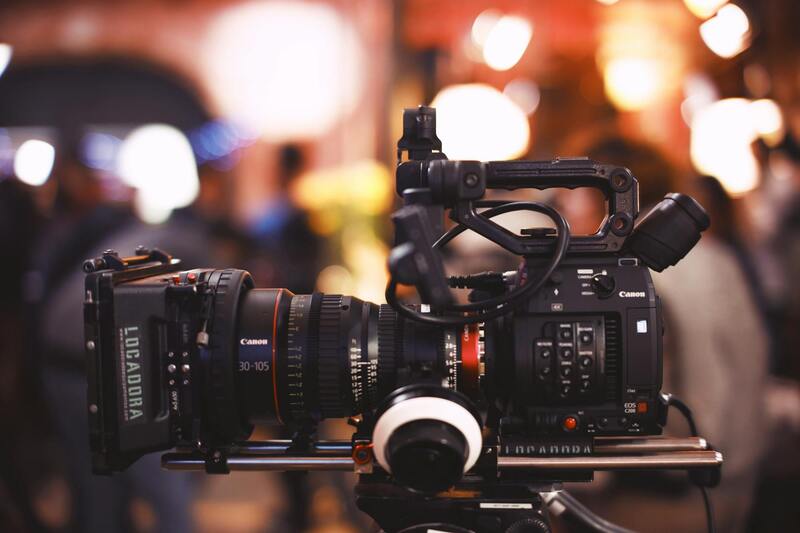
Advanced, reliable equipment is fundamental to upscale live stream production. Top-tier providers incorporate professional-grade cameras, switchers, encoders, and audio systems that ensure high-definition quality and minimal latency. The use of multiple camera angles, wireless video transmission, and real-time graphics enhances viewer engagement and provides a polished experience.
Modern streaming technology also involves redundancies and backups to prevent failures during the broadcast. Fiber optic connections, redundant power supplies, and failover systems are standard to maintain uninterrupted streams. Additionally, cloud-based streaming platforms facilitate scalability and accessibility, allowing your content to reach a broader audience without performance issues.

Customization and Flexibility of Services
A capable live stream production company offers tailored solutions aligned with your specific needs. Whether you require a simple live feed for a small event or a complex production with multiple camera crews, graphic overlays, and pre-recorded content integration, customization options abound. Flexibility in service packages allows clients to select features that fit their event size, audience, and technical requirements.
Many providers also offer on-site branding options, multi-language support, and interactive features such as live chat or viewer polls. The ability to adapt to evolving event demands and incorporate brand elements seamlessly demonstrates a company’s commitment to delivering personalized experiences that resonate with your audience.
Pricing and Budget Considerations
Understanding the cost structure is vital when choosing a live stream production partner. Transparent pricing models should include details of all services involved, along with any additional charges for extra equipment, crew, or post-production work. Request detailed quotes to compare offerings and ensure there are no hidden fees that could inflate your budget.
While most providers offer scalable options to accommodate different budget ranges, it is important to assess the value delivered for the invested amount. Investing in higher-quality production services can significantly enhance viewer retention and overall event impact. Balancing cost with quality ensures your streaming project is both effective and economically feasible.

Client Support and Communication
Effective and proactive communication is crucial at every stage of live stream production. Choose a provider that assigns a dedicated point of contact or project manager to coordinate efforts, answer questions, and provide regular updates. Consistent communication minimizes misunderstandings and ensures technical and aesthetic requirements are met with precision.
During the event, real-time technical support is essential for troubleshooting issues swiftly, minimizing any disruptions. Post-event support, including performance analysis, feedback collection, and recommendations for future improvements, demonstrates a company's commitment to continuous service enhancement. A reliable provider prioritizes transparency, responsiveness, and thorough communication to ensure your live stream execution exceeds expectations.
Equipment and Technology Used in Live Streaming
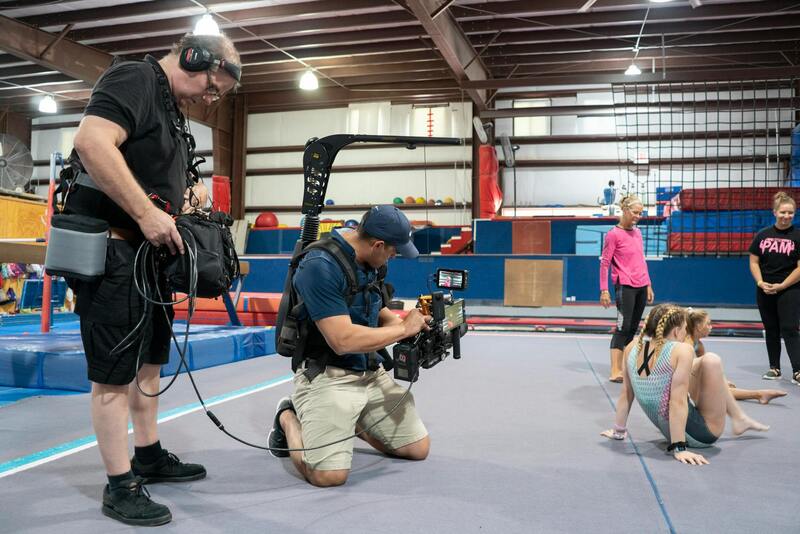
In the realm of live stream production, the selection of equipment and technology directly influences the quality and reliability of the broadcast. Top-tier providers invest in state-of-the-art cameras, audio systems, and switching equipment to ensure crisp visuals and clear sound. These tools enable seamless transitions, multiple camera angles, and professional-grade visuals that engage viewers and convey your message effectively.
High-bandwidth, low-latency internet connections are fundamental to maintaining minimal delays and avoiding buffering issues. Many companies incorporate redundant internet setups, including secondary connections such as wireless 4G/5G networks or fiber-optic lines, to provide fail-safes in case of primary connection interruptions.
Modern streaming solutions often utilize adaptive bitrate technology, which dynamically adjusts video quality based on viewers' internet speeds. This approach guarantees a smooth viewing experience regardless of individual bandwidth limitations. Additionally, the use of professional encoders and streaming platforms optimized for live events guarantees smooth broadcast delivery.
Backup systems are crucial in live production environments. Redundant power supplies, backup servers, and secondary data storage prevent interruptions caused by technical failures. These measures ensure continuous streaming even during unforeseen issues, maintaining professionalism and viewer engagement throughout the event.
Implementing the latest streaming technologies, such as cloud-based solutions and robust Content Delivery Networks (CDNs), enhances broadcast reliability and scalability. These innovations facilitate the distribution of high-quality streams to large audiences across diverse locations without compromising performance or visual fidelity.
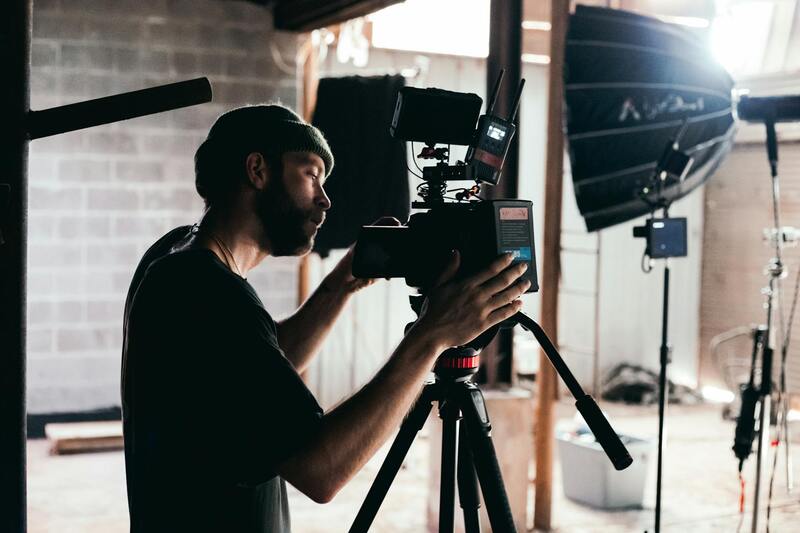
Choosing a live stream production company that prioritizes technology ensures your event is captured and broadcast with the utmost professionalism. From high-definition cameras and professional audio to redundant internet connections and innovative streaming platforms, the right equipment elevates your live event’s overall quality and viewer satisfaction.
Understanding Live Stream Production Services
Live stream production involves a comprehensive set of services designed to deliver high-quality, seamless broadcasts for various events. These services typically encompass pre-production planning, technical setup, multi-camera operation, live editing, and real-time transmission to online platforms. An experienced live stream production company ensures all aspects are thoroughly managed—from establishing optimal camera angles and sound quality to integrating graphics and overlays that enhance viewer engagement. The integration of professional-grade hardware and software allows for dynamic switching between feeds, adding visual interest and clarity. Such companies often provide on-site technical experts capable of swiftly resolving unforeseen issues, maintaining a professional presentation throughout the event. Proper planning includes determining the best streaming platform, configuring encoders, and testing all equipment beforehand to eliminate glitches. By opting for an experienced provider, organizations secure a polished, professional live stream that effectively reaches their target audience, regardless of the event's complexity or scale.
Importance of Local Expertise in Miami
Selecting a live stream production company with local expertise in Miami offers unique advantages that can significantly impact the overall success of your event. Local providers possess an in-depth understanding of the region's logistical nuances, such as venue intricacies, local regulations, and community engagement standards. They are familiar with the area's technical infrastructure, enabling them to optimize internet connections and troubleshoot challenges efficiently. Furthermore, Miami's vibrant event scene and diverse audience necessitate tailored streaming strategies that resonate culturally and linguistically. A local team can generate customized content and interactive elements aligned with the audience's expectations, resulting in higher engagement rates. Additionally, proximity facilitates prompt on-site support and last-minute adjustments, ensuring smooth coordination throughout the event. Partnering with a Miami-based live stream production company guarantees a more responsive, adaptable approach, contributing to a seamless broadcast experience that accurately captures the event's essence.
Evaluating Experience and Portfolio
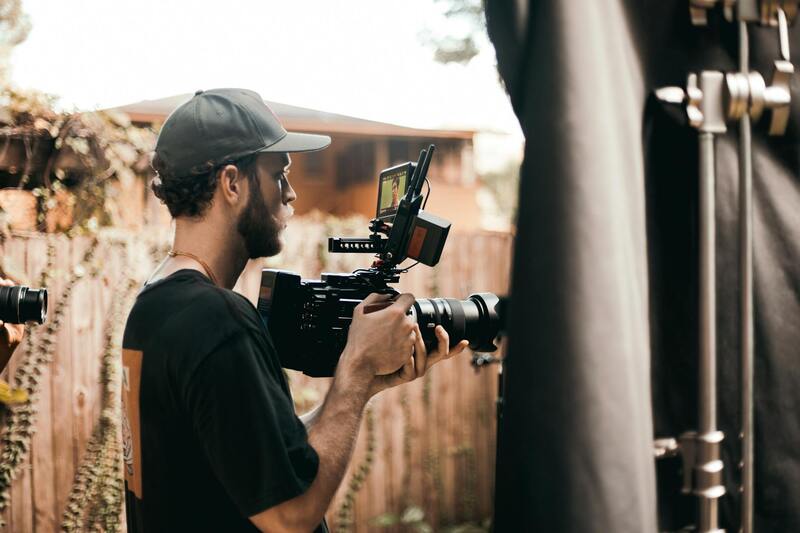
Assessing a live stream production company's experience involves reviewing their history, client testimonials, and a diverse portfolio of past projects. A seasoned provider will have managed different event types—corporate meetings, fashion shows, sports competitions, and community festivals—demonstrating versatility and adaptability. An extensive portfolio showcases technical proficiency, creative storytelling, and the ability to handle complex production setups. Additionally, examining case studies reveals how the company overcame unique challenges, such as tight scheduling, difficult venues, or high-profile clients. Reputation management can also be gauged through client references, ensuring the company’s commitment to delivering exceptional service. Requesting full project examples allows clients to verify the quality standards, innovative use of technology, and overall professionalism. Companies with a proven track record in Miami will also possess insights into the local event landscape, ensuring alignment with regional expectations and industry best practices.
Equipment and Technology Used in Live Streaming
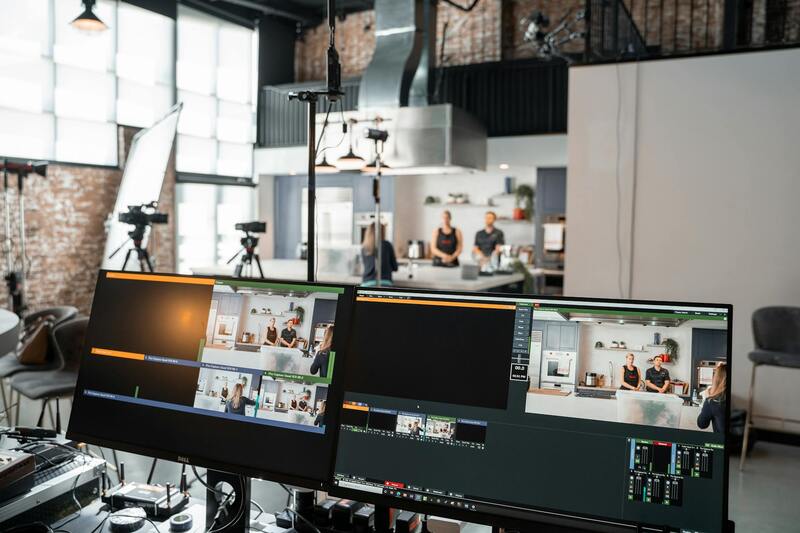
Cutting-edge equipment and advanced technology form the backbone of quality live streaming. High-definition cameras, professional audio mixers, and lighting setups ensure your event’s visuals are crisp, vibrant, and engaging. Multi-camera configurations allow for dynamic shot switching, creating a more immersive viewing experience. Top-tier hardware includes encoders—preferably hardware encoders—that convert audio-visual signals into streaming formats efficiently and with minimal latency. Furthermore, reliable internet connections with redundant pathways prevent interruptions, and sophisticated networking hardware ensures stability and bandwidth adequacy. Cloud-based streaming platforms, robust Content Delivery Networks (CDNs), and real-time analytics tools are also integral to maximizing broadcast quality, scalability, and audience engagement. Backup systems, including uninterruptible power supplies (UPS) and secondary servers, safeguard the broadcast against technical failures, preserving professionalism. By leveraging these technologies, a live stream production company guarantees a smooth, high-quality broadcast that reflects the event’s importance and maintains viewer satisfaction.
Understanding Live Stream Production Services
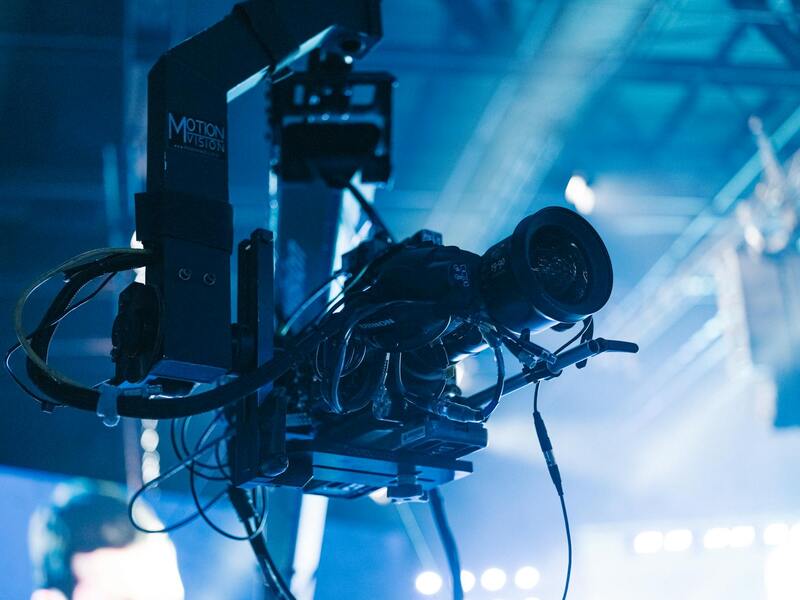
Live stream production encompasses a comprehensive suite of services aimed at broadcasting live events to remote audiences with high precision and professionalism. These services involve meticulous planning, multi-camera setups, real-time audio and video mixing, graphic integration, and seamless distribution across various online platforms. A proficient live stream production company manages every technical detail, from initial consultation and content development to post-event analytics, ensuring an engaging viewer experience. Such companies also handle encoding, transmission, and troubleshooting, providing clients with peace of mind that their event will be broadcast flawlessly. They tailor their workflows to meet the specific needs of diverse events, including corporate conferences, concerts, church services, or live seminars. An effective live stream provider integrates creative direction with technical mastery to produce a broadcast that aligns with the client’s branding and messaging, creating a compelling and immersive digital event. Understanding these core services allows clients to make informed decisions and collaborate effectively with their chosen production partner.
Importance of Local Expertise in Miami
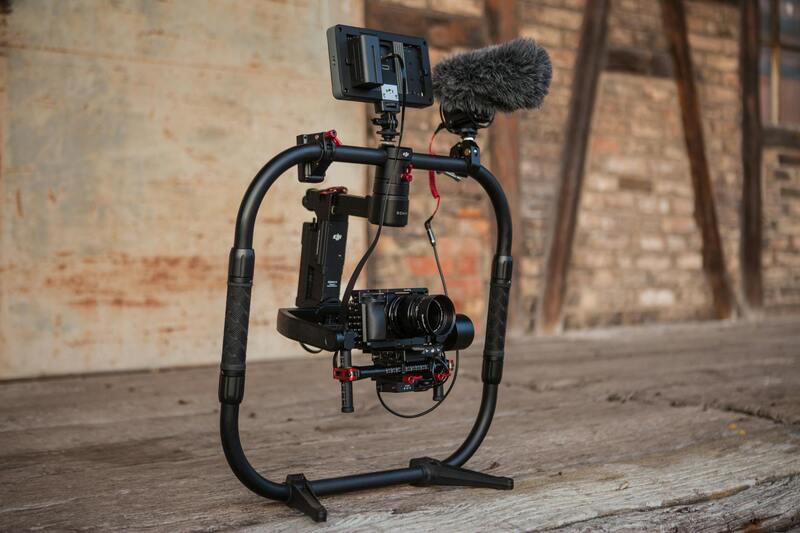
Choosing a live stream production company based in Miami offers distinct advantages rooted in local expertise and regional familiarity. Miami’s vibrant cultural landscape, diverse audience, and high-profile events demand a producer who understands the local scene. Local companies are better equipped to coordinate with nearby venues, vendors, and event organizers, streamlining logistics and facilitating on-site troubleshooting. They also possess insider knowledge about Miami’s best event spaces, permitting tailored solutions that leverage the venue’s unique features for optimal camera angles and acoustics. Moreover, local firms often have established relationships with community vendors and talent, contributing to smoother planning and execution. This proximity enables faster response times, more personalized service, and a deeper understanding of regional audience preferences, which can significantly enhance audience engagement and live stream reach. Engaging a Miami-based live stream production company ensures that the event feels authentic, impactful, and culturally resonant, key factors for success in the dynamic Miami market.
Evaluating Experience and Portfolio
Assessing a company’s experience and portfolio provides critical insights into their proficiency and style. An established live stream production firm should have a diverse portfolio showcasing a broad range of event types, sizes, and industries. Review their past projects to determine if they have experience handling events similar to your requirements, whether corporate conferences, music festivals, or community events. A well-documented portfolio demonstrates technical capabilities, creative direction, and the ability to adapt to different formats and challenges. Client testimonials and case studies offer additional context regarding the company's reliability, communication, and overall client satisfaction. When evaluating their experience, consider the complexity of broadcasts they have managed, their response to unforeseen issues, and their capacity to deliver scalable solutions. A seasoned producer leverages industry best practices and innovative techniques to maximize production value, ensuring your event is professionally delivered and effectively engages your audience. An experienced and varied portfolio is a strong indicator of a company's readiness to meet your specific live streaming needs.
Equipment and Technology Used in Live Streaming
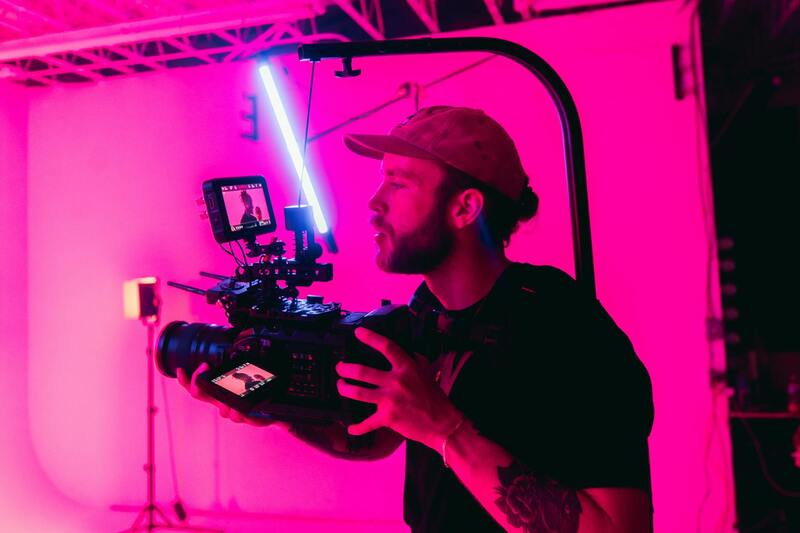
The backbone of high-quality live streaming lies in the advanced equipment and technology employed by the production team. Industry-leading devices such as 4K-capable cameras, professional-grade audio mixers, and sophisticated lighting setups guarantee crystal-clear visuals and pristine sound. Multi-camera configurations enable dynamic shot selection, capturing different angles and reactions that engage viewers more effectively. The use of hardware encoders facilitates efficient compression and streaming of audio-visual signals, minimizing latency and buffering. Redundant internet connections and network hardware are vital to maintain uninterrupted broadcasts, especially during high-profile events. Cloud streaming platforms supported by Content Delivery Networks (CDNs) assure scalability and reliability across global audiences. Additionally, real-time analytics tools provide insights into viewer engagement and broadcast performance, allowing for immediate adjustments. Backup systems including uninterruptible power supplies (UPS) and secondary servers shield the broadcast from technical failures, ensuring consistent transmission. Employing such cutting-edge technology and robust infrastructure is essential for delivering a seamless, professional live stream that accurately reflects the event's significance and maximizes viewer satisfaction.
Understanding Live Stream Production Services
Live stream production services involve a comprehensive process that transforms a physical event into a digital broadcast accessible to viewers anywhere in the world. This process encompasses planning, technical setup, on-site management, and post-broadcast support. A professional live stream production company orchestrates all these elements, ensuring a seamless viewing experience that captures the essence of the event while leveraging advanced technology and innovative techniques.
From corporate conferences and live concerts to religious ceremonies and university commencements, live stream production services enable organizations to extend their reach and increase engagement. Key components include multi-camera setups for varied perspectives, real-time editing to maintain viewer interest, and robust streaming infrastructure tailored to the specific needs of each event.

Importance of Local Expertise in Miami
Partnering with a live stream production company that has extensive local knowledge of Miami is crucial for a successful broadcast. Local providers understand the unique logistical challenges, permit requirements, and the optimal venues for streaming events in the Miami area. They are familiar with the city’s infrastructure, including internet connectivity hotspots and possible access restrictions, which can influence the quality and reliability of a live stream.
Furthermore, local companies often have established relationships with event venues, vendors, and technical support teams, streamlining preparations and troubleshooting. This familiarity ensures that the production team can adapt quickly to unforeseen circumstances, such as weather disruptions for outdoor events or last-minute venue changes, maintaining the flow and professionalism of the live broadcast.
Evaluating Experience and Portfolio
Before selecting a live stream production company, assessing their experience and portfolio is essential. An experienced company will have a proven track record of managing various event types and sizes, demonstrating versatility and technical competence. Reviewing their portfolio provides insight into the quality of previous broadcasts, showcasing their capability to handle different production demands, camera angles, and streaming platforms.
Requesting case studies or references allows clients to gain perspectives on how the company manages deadlines, handles technical issues, and maintains communication throughout the process. Companies with extensive experience in Miami-specific events can anticipate local challenges and deliver solutions that enhance the viewing experience.
Equipment and Technology Used in Live Streaming
Delivering high-quality live streams hinges on the deployment of cutting-edge equipment and technology. Top-tier cameras with 4K resolution capabilities capture crisp visuals, while professional audio mixers ensure clear, balanced sound across the broadcast. Dynamic multi-camera configurations provide varied angles, engaging viewers and providing an immersive experience.
Advanced encoding hardware compresses audio and video signals efficiently, minimizing latency and buffering. Reliable internet connections, often with redundant failover systems, prevent disruptions during the broadcast. Cloud-based streaming platforms supported by Content Delivery Networks (CDNs) allow for scalable and resilient broadcasts, reaching global audiences without latency issues.
Real-time analytics tools monitor viewer engagement and technical performance, enabling immediate adjustments to optimize the broadcast. Backup systems, including uninterruptible power supplies (UPS) and secondary servers, safeguard against technical failures, ensuring a continuous stream. The integration of these technologies forms the backbone of a professional live streaming service, delivering a polished, seamless viewing experience.

Assessing Software and Platform Capabilities for Live Stream Production
Choosing the right live stream production company involves a thorough understanding of the platforms and software they utilize to deliver seamless broadcasts. A reputable provider leverages industry-leading streaming software such as vMix, Wirecast, or OBS Studio, which offer advanced features including multi-camera switching, real-time graphics, and live chat integration. These tools enable professional-grade production quality, ensuring that your event appears polished and engaging to viewers. It’s crucial that the company employs reliable streaming platforms supported by robust infrastructure that can handle high viewer volume without degradation of quality.
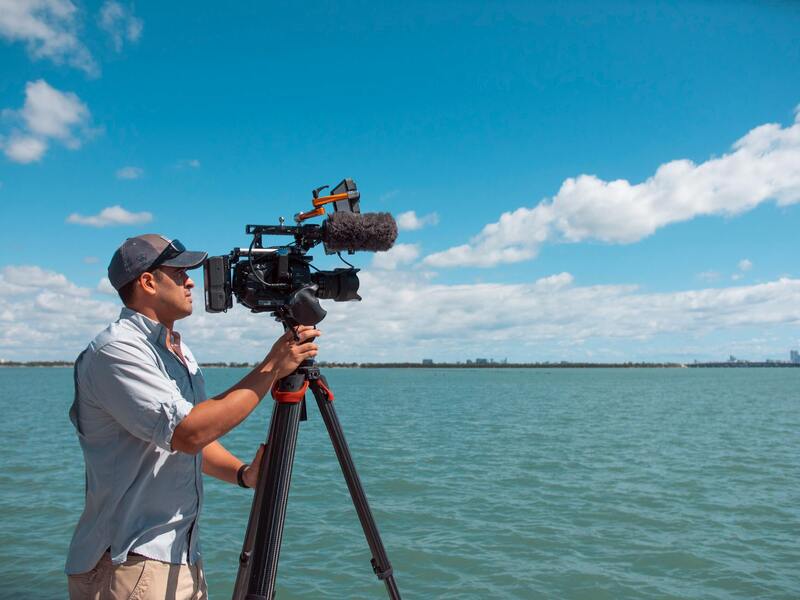
Integration with Content Delivery Networks (CDNs) is another vital aspect. CDNs distribute the live stream across multiple global servers, reducing latency and buffering for viewers regardless of their location. This distributed approach provides a scalable solution capable of supporting large audiences, avoiding interruptions and maintaining consistent quality. Additionally, the use of adaptive bitrate streaming adjusts the quality dynamically based on the viewer’s internet speed, improving overall viewing experience.
Security and Data Privacy Measures
Security features embedded within the streaming infrastructure safeguard sensitive content and protect against unauthorized access. Look for companies that implement encryption protocols, secure login portals, and DRM (Digital Rights Management) tools. Robust security measures are especially important for private corporate events, financial seminars, or confidential product launches where data integrity is critical.
Real-Time Monitoring and Analytics
To optimize the broadcast, effective live stream production companies utilize real-time monitoring tools. These systems keep an eye on connection stability, encoding status, and viewer engagement metrics. Immediate feedback allows technicians to swiftly troubleshoot issues, adjust streams quality, or switch to backup feeds if necessary. Analyzing viewer data post-event can further refine future broadcasts by understanding peak engagement times, viewer demographics, and preferred content formats.
Support for Interactive Features
Modern live streaming isn’t just about broadcasting video; it encompasses interaction as well. Companies offering live chat, Q&A sessions, Polls, and real-time social media integration enhance viewer participation. Implementing these features requires compatible software and skilled operators capable of managing multiple streams of data without compromising broadcast quality. This interactivity fosters a more engaging experience, helping organizations connect more deeply with their audience.