
Understanding Live Streaming in Video Production
Live streaming has revolutionized the way organizations and creators share content with their audiences, offering real-time engagement and interactivity that traditional broadcasting cannot match. As a vital component of modern video production, live streaming enables a seamless transmission of events, performances, conferences, and more, directly to viewers across various digital platforms.
The increasing adoption of live streaming is driven by its numerous advantages. It provides instant access, allowing audiences to engage with content as it unfolds, fostering a sense of immediacy and authenticity. For brands and event organizers, live streaming opens up new avenues for reaching wider audiences without geographical limitations, often resulting in enhanced brand visibility and engagement metrics.
Some of the most common use cases include corporate events, product launches, webinars, live performances, sports broadcasts, and community gatherings. Each scenario benefits from the ability to deliver dynamic content instantly, making audiences feel as though they are part of the event in real-time.
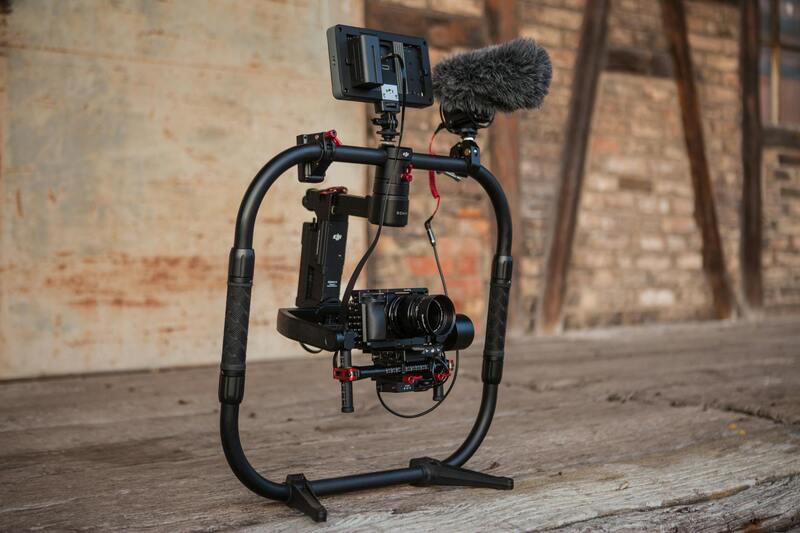
Choosing the right approach to live streaming involves understanding various facets, including technical setup, content management, and distribution channels. Ensuring high-quality transmission demands a detailed comprehension of the tools and strategies involved in executing successful live streams. From robust internet connections to professional broadcasting equipment, every element plays a vital role in producing a smooth, engaging live event.
Key benefits of incorporating live streaming into video production include increased audience interaction, cost-effective broadcasting, flexibility in content dissemination, and the ability to easily monitor viewer engagement and feedback. These factors collectively make live streaming an indispensable part of strategic communication and content marketing efforts.
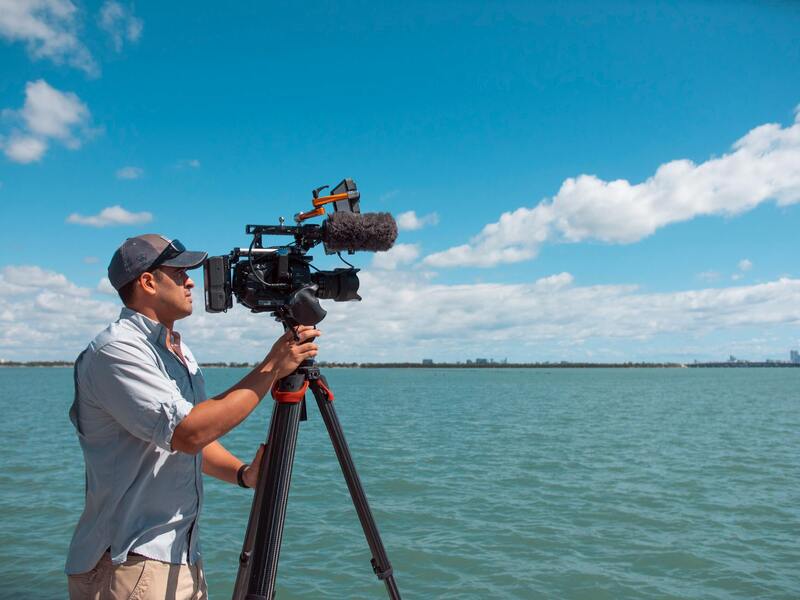
As the landscape of live streaming continues to evolve, staying informed about emerging practices and technological advancements is essential for producers aiming to maximize their reach and impact. Proper understanding and implementation of live streaming methodologies empower content creators and organizations to leverage this powerful tool effectively, strengthening connections with their audiences and elevating their overall content strategy.
Understanding Live Streaming in Video Production
In the realm of professional video production, live streaming has emerged as a vital component for broadcasting events, conferences, performances, and corporate communications. It allows content to be transmitted in real-time, fostering immediate engagement with audiences regardless of geographical barriers. This dynamic method of dissemination requires meticulous planning, comprehensive technical setup, and mastery over specialized tools to ensure a seamless viewer experience.
For producing an effective live stream, understanding the multilayered aspects involved is crucial. This encompasses selecting appropriate streaming hardware, ensuring reliable internet connectivity, and choosing compatible software platforms. The foundation of a successful live stream hinges on delivering crisp visuals paired with clear, uninterrupted audio—characteristics that demand upgraded equipment and optimized configurations.
Technical Foundations of Live Streaming
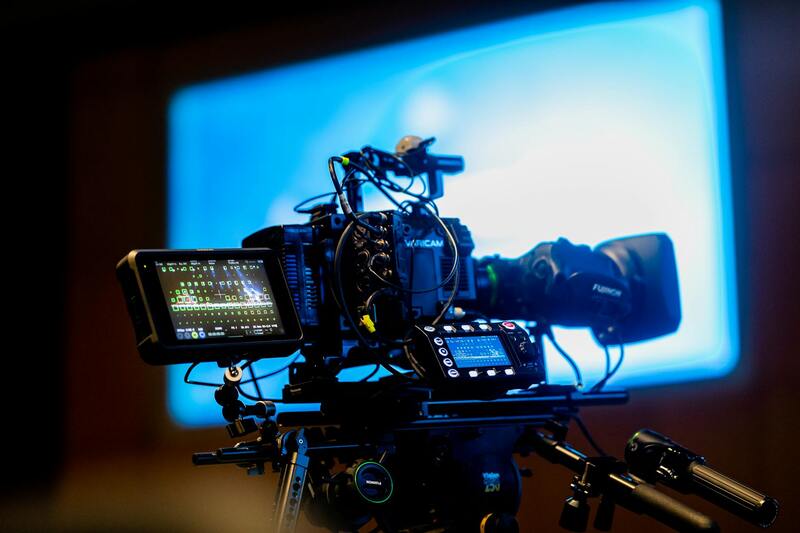
- High-Definition Cameras: Capturing high-resolution footage is essential for clarity and audience engagement. Professional-grade cameras provide adjustable settings, multiple angles, and superior image quality.
- Audio Equipment: Clear sound is just as vital as visual quality. Using high-quality microphones and audio mixers minimizes noise and ensures crisp, intelligible speech or music during broadcasts.
- Encoding Devices: Hardware or software encoders convert raw footage into a digital stream compatible with online platforms. Reliable encoders prevent lag and buffering issues, maintaining stream integrity.
- Internet Connection: A dedicated, high-bandwidth internet connection with upload speeds exceeding the stream's bitrate is mandatory to guarantee smooth transmission without interruptions.
- Lighting and Background Setup: Proper lighting enhances image clarity, while a clean, professional background minimizes distractions for viewers and conveys a polished appearance.
Content Management and Transition Strategies
Effective live streaming also involves strategic content management. Pre-configured scenes, transitions, lower thirds, and graphics contribute to a professional presentation. It is advisable to rehearse transitions and test all equipment thoroughly before the live event to prevent technical glitches. Additionally, integrating real-time switching between multiple cameras or sources enriches the viewer experience and fosters viewer retention.
Distribution Channels and Platforms
Depending on the target audience, selecting suitable distribution platforms ensures maximum reach. Popular options include dedicated streaming services, social media channels, and proprietary hosting solutions. Each platform offers different features such as chat moderation, analytics, and monetization tools, which can be leveraged to enhance viewer interaction and monitor engagement effectively.
Ensuring Stream Stability and Quality
Maintaining a high-quality stream necessitates continuous monitoring. Utilizing network monitoring tools helps identify bandwidth issues early, while redundant internet connections ensure backup in case of primary connection failure. Additionally, implementing adaptive bitrate streaming adjusts video quality automatically based on network conditions, reducing buffering and ensuring consistent delivery.
Legal and Content Rights Considerations
Producers must ensure they hold rights and permissions for all content included in the broadcast. This encompasses music, images, trademarks, and copyrighted material. Using licensed media or original content mitigates potential disputes and copyright claims. Implementing clear agreements with participants and contributors establishes operational boundaries and respects intellectual property rights.
In summary, executing a professional live stream involves a comprehensive understanding of technical equipment, content management, distribution methods, and legal considerations. Proactively addressing each of these facets helps create engaging, high-quality broadcasts that strengthen audience relationships and enhance brand reputation.
Ensuring Stream Stability and Quality in Live Video Production
Achieving a seamless live stream hinges on meticulous technical preparations and ongoing monitoring. Network infrastructure forms the backbone of reliable live streaming, where bandwidth capacity must be adequate to handle high data rates without interruption. Employing dedicated internet connections can significantly reduce latency and packet loss issues that compromise stream quality. Furthermore, the use of network monitoring tools allows production teams to keep track of connection health in real time, swiftly addressing issues as they arise.
Redundant internet connections serve as a critical safeguard in maintaining continuous broadcasts. By establishing a secondary connection, such as LTE/4G mobile data, in addition to a primary wired connection, producers can swiftly switch over if the main line encounters disruptions, avoiding costly downtime and viewer frustration. This approach ensures that the live production remains resilient against unforeseen network fluctuations.
Adaptive bitrate streaming technology is indispensable for optimizing viewer experience across diverse network conditions. This method dynamically adjusts the video's quality based on real-time bandwidth availability, reducing instances of buffering and lag. When integrated with advanced encoding hardware or software, adaptive streaming provides a fluid viewing experience that maintains high visual fidelity for viewers with robust internet connections while accommodating those with slower speeds.
Additional measures such as content delivery networks (CDNs) distribute the live stream efficiently across geographically dispersed servers, minimizing latency and preventing overload on any single server. Properly configuring these systems helps ensure that the stream reaches audiences with minimal delay, regardless of their location.
Embedding real-time monitoring dashboards and analytics tools helps technical teams oversee stream health continuously. Metrics such as jitter, latency, and error rates inform proactive adjustments, preventing minor issues from escalating into significant disruptions. Conducting test streams before the actual event allows teams to verify equipment setup, network stability, and streaming configurations, ensuring all systems operate harmoniously during the live broadcast.
Professionally managing the technical environment demands not only advanced hardware, such as high-definition encoders, video switchers, and audio mixers but also skilled operators capable of troubleshooting on the fly. Establishing clear communication protocols between production staff ensures rapid response to emerging issues, maintaining the integrity of the broadcast.
Setting Up a Live Streaming Studio
Creating an optimal environment for live streaming requires meticulous planning of the studio space to ensure professional quality and smooth operation. The first step involves selecting a location that offers minimal external noise and controlled lighting conditions. Adequate space should be allocated for all necessary equipment and personnel, facilitating ease of movement and quick access to controls.
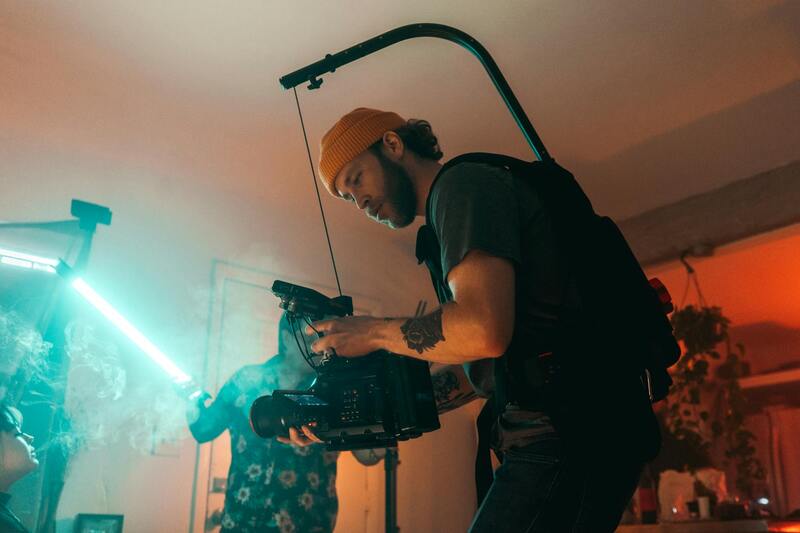
Lighting plays a crucial role in producing clear, visually appealing streams. Utilizing softbox lights or LED panels with adjustable brightness and color temperature helps eliminate shadows and create a balanced look. Proper placement of lighting equipment ensures evenly lit subjects while avoiding glare or harsh shadows that could distract viewers.
The background should be carefully managed to project a professional appearance. Options include custom backdrops, branded banners, or a clean, uncluttered space that aligns with the event’s branding. Green screens can also be employed to introduce dynamic digital backgrounds, offering versatility and a modern aesthetic.
Technical layout involves thoughtful arrangement of all electronic components to optimize workflow and signal integrity. Essential equipment includes high-definition cameras, audio mixers, and capture cards, all interconnected with high-quality wiring and network infrastructure. Cable management is vital to prevent tangling and ensure safety, while strategic placement minimizes clutter and obstructions.
- Designing a dedicated control area that houses monitoring screens, streaming hardware, and communication devices
- Implementing proper ventilation and temperature control to prevent overheating of sensitive electronics
- Ensuring stable power sources, including backup power options such as uninterruptible power supplies (UPS)
Acoustic treatments, such as soundproofing panels or foam, can significantly improve audio clarity by reducing echo and external noise interference. It’s also advantageous to incorporate sound-absorbing materials in the studio walls and ceiling, creating a controlled acoustic environment.
Combining these elements results in a dedicated space capable of supporting high-quality live streams, which can reliably deliver content to diverse audiences with professional standards.
Executing a Live Stream: Best Practices
Achieving a seamless and professional live streaming event involves meticulous execution and adherence to best practices. Proper execution begins with comprehensive testing of all equipment prior to the live event. This includes verifying camera angles, audio levels, lighting conditions, and internet stability. Conducting a full rehearsal can identify technical issues and optimize camera positions, transitions, and audio clarity, thereby reducing unexpected disruptions during the broadcast.
Effective communication plays a pivotal role in smooth execution. Establishing a clear protocol among the production team ensures everyone understands their roles and responds promptly to any technical anomalies or changes. Utilizing communication tools such as headsets and chat platforms enables real-time coordination, allowing for prompt adjustments and troubleshooting.
Managing the technical workflow involves monitoring multiple streams simultaneously. Key monitors should track video feeds, audio levels, and stream health indicators. Dedicated personnel or real-time management software can oversee the broadcast, promptly addressing issues such as bitrate fluctuations, dropped frames, or audio distortion to maintain broadcast integrity.
Maintaining high visual and audio quality should be a central focus. This entails controlling lighting for optimal visibility, ensuring color consistency and proper exposure across cameras. Audio should be balanced, with noise levels minimized and clear voice capture prioritized. When utilizing multiple microphones, careful mixing prevents audio overlaps and echoes, enhancing clarity for viewers.
Engagement is crucial during the broadcast. Interactive features such as live chat, polls, or Q&A sessions can foster viewer participation and increase overall engagement metrics. A real-time moderator can facilitate this interaction, ensuring the chat remains respectful and focused.
During the event, adaptability is essential. Team members must be prepared to handle unexpected technical issues swiftly and keep the broadcast on schedule. Having backup equipment, such as extra cameras, batteries, or streaming hardware, safeguards against equipment failure. Additionally, ensuring a stable internet connection with sufficient bandwidth and failover options minimizes disruptions caused by connectivity problems.
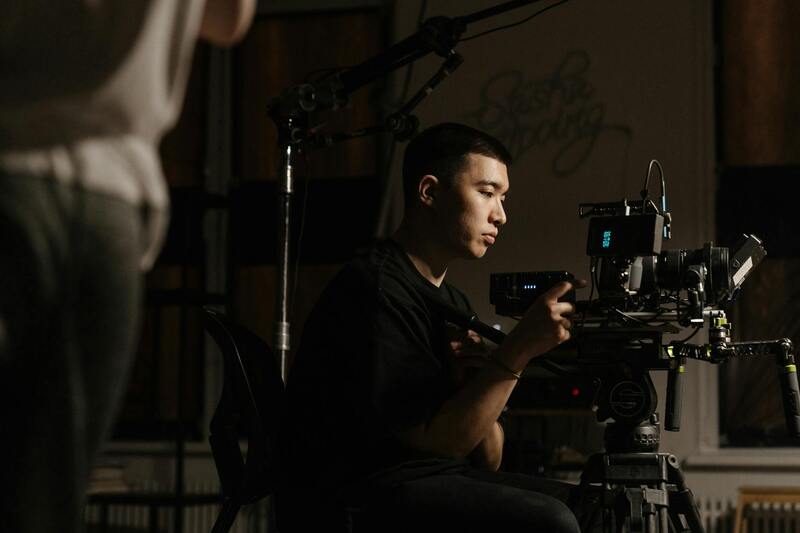
Post-broadcast, a thorough review of the stream provides insights into what went well and areas for improvement. Analyzing viewer engagement data, stream quality metrics, and audience feedback helps refine future live streaming endeavors, ensuring continuous enhancement of the production process.
Executing a Live Stream: Best Practices
Efficient execution during a live stream requires meticulous planning and real-time management skills. A primary focus is camera operation, which involves seamless switching between multiple angles or shots to maintain viewer interest and highlight key moments. Using advanced switching hardware or software allows directors or operators to transition smoothly, avoiding abrupt or distracting changes that can disrupt the viewer experience.
Audio management is equally critical. Balancing levels across different microphones or sources ensures clarity and consistency. Employing audio mix-minus techniques prevents echo feedback, especially when integrating multiple participants or remote contributors. Regularly monitoring audio output during the broadcast ensures that sound remains crisp and at appropriate volumes, without distortions or interruptions.
Handling unforeseen issues promptly is vital to preserve broadcast continuity. Common technical challenges include internet bandwidth fluctuations, equipment malfunctions, or unforeseen interruptions from external sources. Preparedness involves having backup hardware such as extra cameras, microphones, or streaming encoders. Also, establishing a secondary internet connection—either via cellular tethering or alternative broadband—can safeguard against connectivity failures.
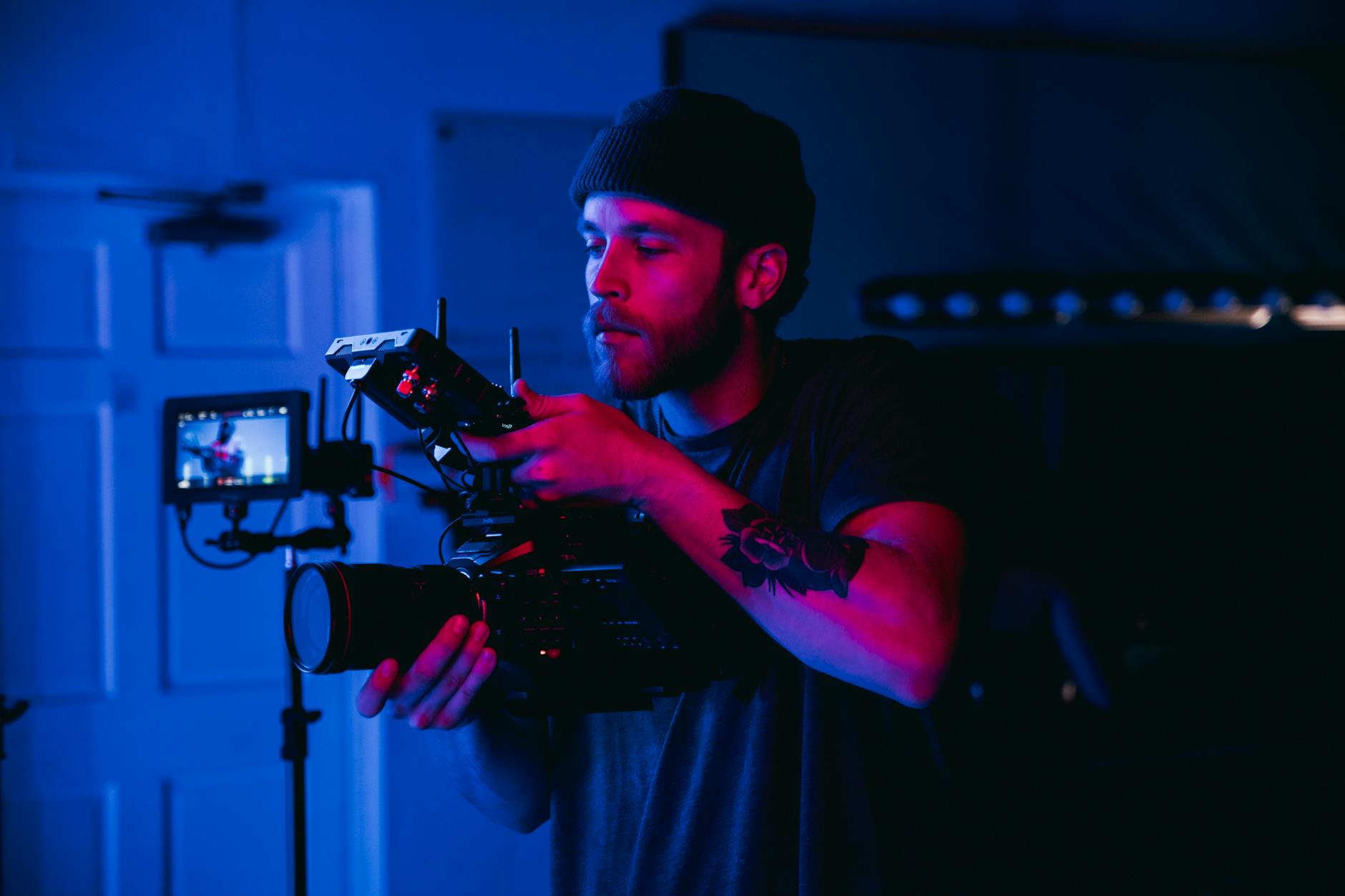
During the live event, active monitoring of video feeds, audio levels, and connection stability must be continuously maintained. Utilizing software dashboards or hardware monitors provides real-time insights into production quality. When technical issues arise, quick troubleshooting, such as resetting a camera, adjusting audio levels, or switching to backup equipment, minimizes viewer impact and maintains the integrity of the broadcast.
- Maintain clear communication with the production team to coordinate transitions and troubleshoot efficiently.
- Prepare a rundown or cue sheet to guide the flow of the broadcast, ensuring all segments are executed as planned.
- Engage with viewers actively through chat moderation or audience polls, fostering participation.
- Record the live stream in high quality for post-event editing or repurposing.
Post-broadcast wrap-up involves analyzing performance data and viewer feedback to identify areas for improvement. This includes reviewing uptime and stability metrics, assessing camera coverage, and evaluating audio clarity. Such insights contribute to more refined future live streams, maximizing engagement and production quality.
Ensuring Content Quality and Compliance During Live Streams
Maintaining a high standard of content quality during a live stream requires careful adherence to official methods and best practices. It begins with comprehensive pre-production checks, including verifying all equipment—such as cameras, microphones, and streaming encoders—is functioning correctly. Regular testing of audio and video feeds ensures smooth synchronization and minimizes technical disruptions during the broadcast.
In addition, deploying a robust internet connection is crucial. Utilizing wired Ethernet connections is preferable, but if wireless is necessary, dedicated high-bandwidth networks should be used. Incorporating dual internet sources—like secondary broadband or cellular tethering—serves as a backup, preventing unexpected interruptions if the primary connection fails. Network stability can be monitored using specialized tools that provide real-time insights into bandwidth utilization, latency, and packet loss, allowing instant adjustments to optimize stream integrity.
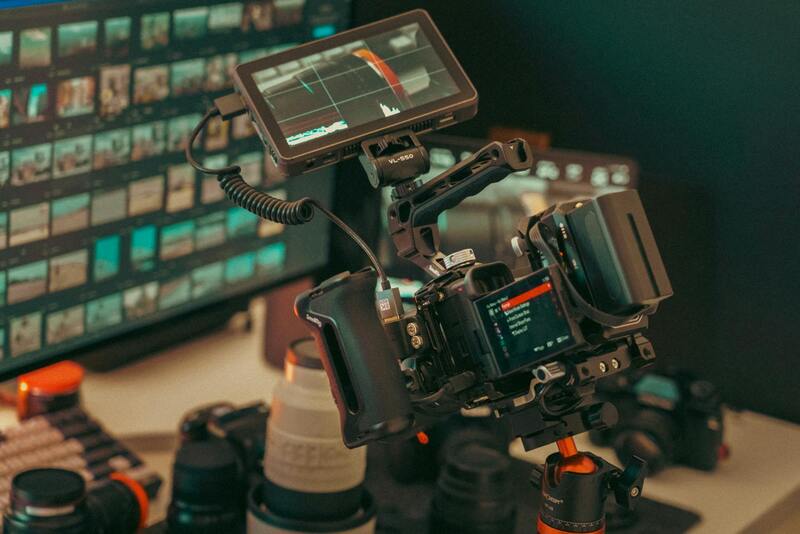
The selection of equipment and settings must comply with industry standards to ensure professional delivery. For example, using broadcast-grade cameras with high-definition output, paired with high-quality microphones—such as shotgun or lavalier types—yields clear visuals and crisp sound. Proper audio mixing equipment helps eliminate background noise and ensures consistent audio levels for viewers across different devices.
Engaging content presentation also relies on strategic scene transitions and graphics. Using official, licensed overlays and animations enhances visual appeal while avoiding copyright complications. During the stream, a dedicated technical director or producer should oversee the operation, monitoring equipment performance and making real-time adjustments. This involves managing switchers, audio mixers, and streaming software dashboards to respond swiftly to any anomalies, thus maintaining a seamless broadcast.
Content compliance extends to adhering to platform policies and copyright regulations. It is vital to use only legally obtained music, footage, and visuals. Implementing digital rights management tools and watermarking content can safeguard against unauthorized use, reinforcing the legitimacy of your production.
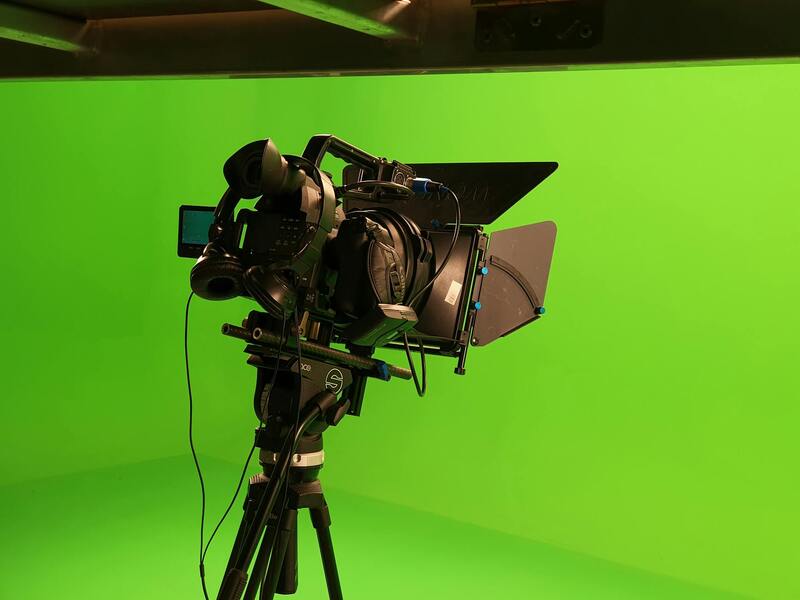
Sound and image quality are the bedrock of viewer trust and engagement. Regularly calibrating equipment and adhering to standardized broadcast settings—such as resolution, frame rate, and audio bitrates—helps achieve consistent results. When issues do arise, referencing official troubleshooting protocols—like resetting encoders or checking buffer settings—ensures problems are resolved efficiently without compromising the viewer experience.
Finally, comprehensive documentation of your live streaming procedures and having clear operational protocols promotes compliance and professional integrity. This includes creating detailed checklists covering connectivity tests, content licensing, equipment calibration, and security measures, which serve as reference points for every production. Fostering this disciplined approach guarantees each live stream upholds the expected standards of quality, reliability, and lawful compliance, reinforcing trust with your audience and stakeholders alike.
Ensuring Reliable Live Streaming Through Proper Methodologies
Securing a top-tier live stream demands a thorough and methodical approach grounded in proven procedures. The process begins with establishing a detailed operational plan that aligns technical setup, content flow, and contingency strategies. Utilizing official, recognized protocols ensures that every aspect of the live broadcast adheres to industry standards and quality benchmarks.
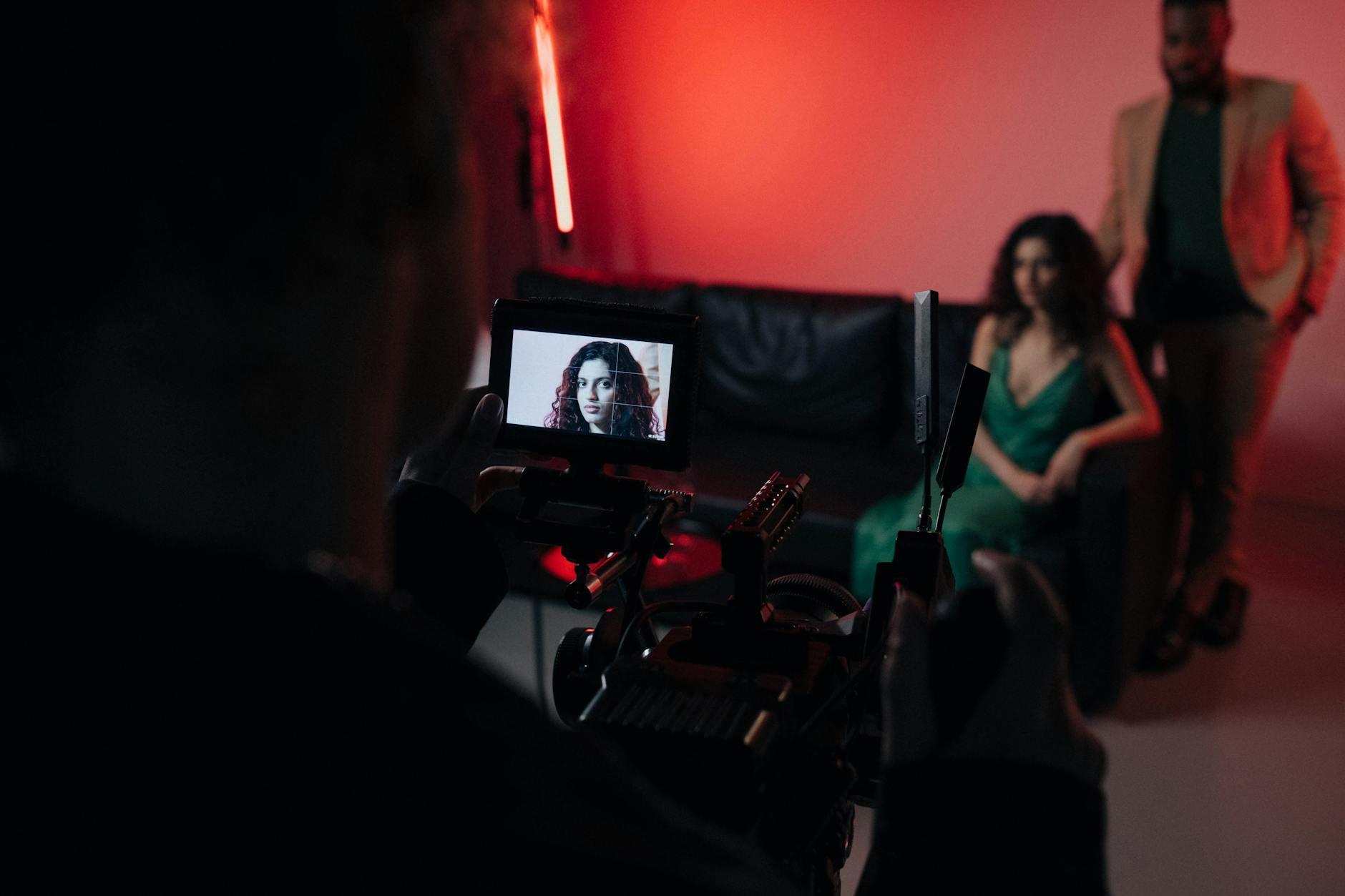
Utilizing Certified Equipment and Software
The backbone of any successful live stream lies in deploying equipment and software that meet established standards. This includes professional-grade cameras, encoders, audio mixers, and streaming platforms licensed for commercial use. Regular calibration and maintenance of hardware prevent technical disruptions. Choosing software solutions verified by industry certifications guarantees compatibility and security during transmission.
Implementing Layered Verification Processes
Before going live, multi-tiered testing protocols should be executed. These tests encompass signal integrity checks, audio-visual sync assessments, and network stability evaluations. Confirming that all elements function within parameters minimizes unforeseen issues during the live event. Maintaining detailed logs of these tests facilitates troubleshooting if needed.
Adhering to Content Management Guidelines
Strict content management policies assist in compliance with copyright and platform-specific policies. This involves verifying the rights to all media used, including music, footage, and visual elements. Digital rights management (DRM) tools, watermarking, and licensing agreements are customary methods to authenticate content legitimacy, helping to safeguard against unauthorized use and potential disputes.
Monitoring and Real-Time Troubleshooting
During the live broadcast, continuous monitoring of both audio and video feeds is crucial. Using official monitoring tools and analytics allows producers to detect anomalies promptly. When issues such as latency, buffering, or signal dropouts occur, relying on documented troubleshooting procedures—like resetting encoders or adjusting bitrates—ensures minimal disruption and quick recovery.
Maintaining Compliance and Professional Standards
Comprehensive documentation of workflows and protocols fosters high standards and adherence to operational best practices. Clear checklists for connectivity, equipment calibration, content licensing, and security measures serve as valuable references. Maintaining such records upholds the systematic integrity of your live streaming endeavors, ensuring consistent quality and reducing risks of procedural lapses.
Adopting these official methods enhances not only the reliability of the live stream but also elevates the professionalism of your production, ultimately reinforcing viewer trust and stakeholder confidence.