
Overview of Livestream Production Services
Livestream production services have become a cornerstone for modern events, encompassing a comprehensive range of technical and creative solutions to broadcast live content to audiences across various platforms. These services are essential for engaging viewers in real-time, whether for corporate conferences, product launches, entertainment events, or community gatherings, especially within the vibrant Miami event scene. The ability to deliver high-quality live video content enhances brand visibility, expands reach beyond physical locations, and provides interactive experiences that foster greater audience participation.
In Miami, a diverse and dynamic market, professional livestream production combines advanced technology with expert execution. It involves multiple stages—from pre-event planning and content setup to on-site production and post-event distribution—ensuring seamless, high-definition broadcasts. As live streaming continues to evolve, these services are tailored to meet the specific needs of each event, leveraging innovative equipment such as multi-camera setups, professional audio systems, real-time graphics, and live switching to produce polished and compelling content.
Choosing the right provider in Miami is crucial to delivering a successful livestream. Not only does it involve technical expertise, but also a deep understanding of event objectives, audience engagement, and platform compatibility. Effective livestreams can dramatically increase an organization’s outreach, making them an indispensable component of strategic marketing and communication plans. For businesses and event organizers in Miami, leveraging professional livestream production services means elevating their events, attracting larger audiences, and ensuring a memorable digital experience that aligns with their brand vision.
Key Components of Livestream Production
Ensuring a high-quality livestream demands meticulous attention to several fundamental components, each critical in delivering a seamless and engaging broadcast. These elements include professional filming, high-fidelity audio, effective lighting, and state-of-the-art technical equipment, all of which work in harmony to produce a polished final product.
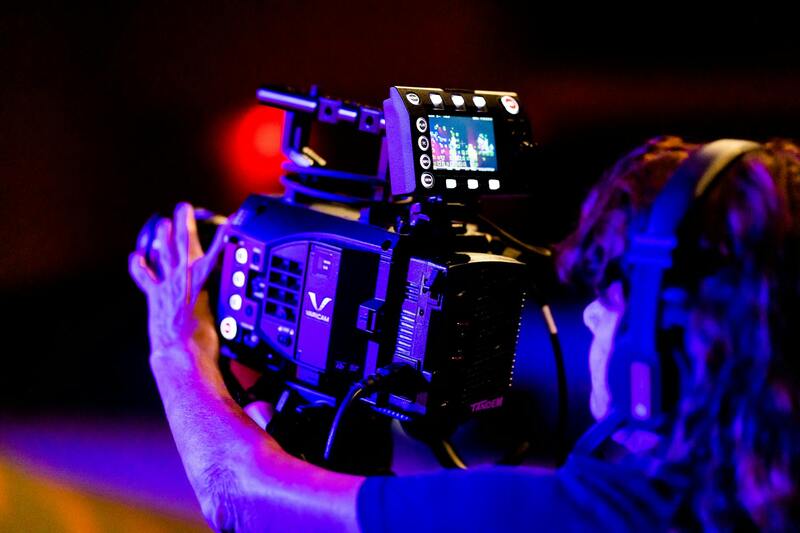
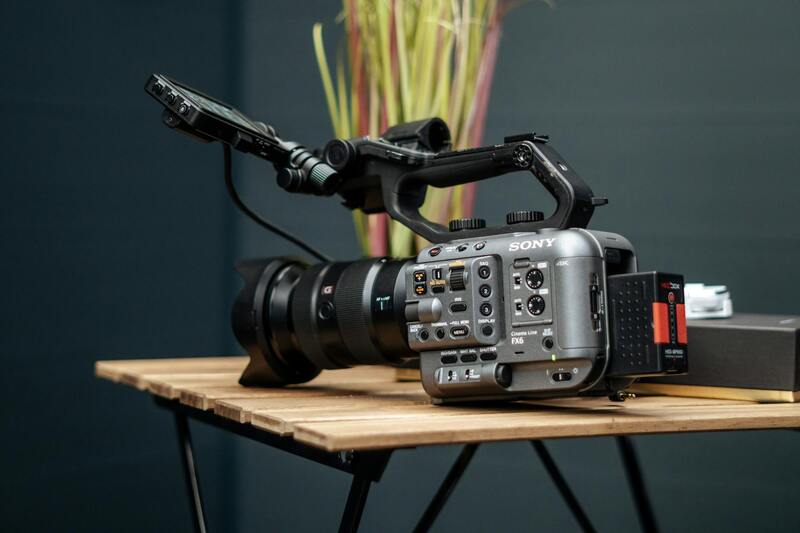
Filming is the backbone of any livestream. Utilizing multi-camera setups allows for dynamic shot composition, capturing multiple angles, close-ups, and wide shots that breathe life into the presentation. Skilled camera operators coordinate these feeds in real-time, enabling smooth transitions and maintaining viewer engagement. The choice of camera equipment—such as broadcast-grade cameras capable of capturing high-definition footage—ensures crisp visuals that convey professionalism.
Audio quality is equally vital. Clear sound transmission involves using high-quality microphones tailored to the event, such as lapel, handheld, or shot-gun microphones. Audio mixing consoles allow technicians to balance sound levels, eliminate background noise, and incorporate live audio effects or commentary seamlessly into the stream. Poor audio can distract viewers and diminish engagement, making this element essential for effective communication.
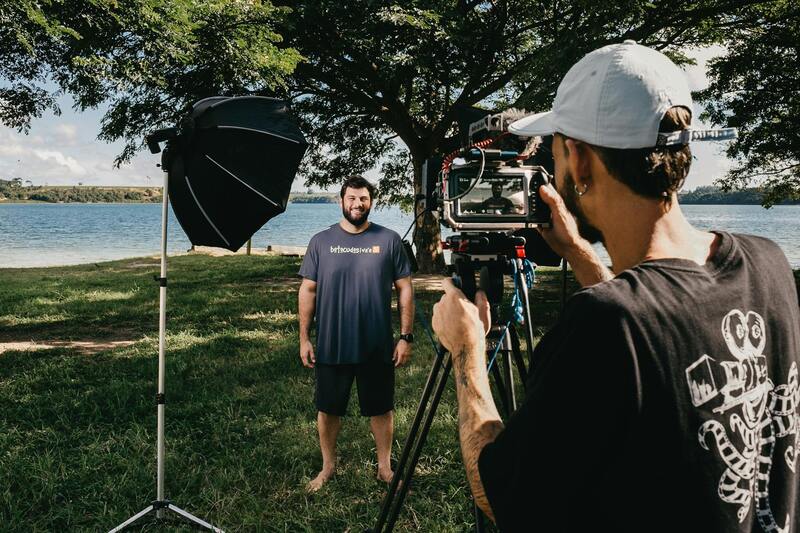
Lighting plays a pivotal role in visual clarity and ambiance. Proper illumination ensures subjects are well-lit without harsh shadows or glare, which can compromise video quality. Professional lighting setups include key lights, fill lights, and backlights, carefully positioned to enhance the overall scene. Adequate lighting not only improves viewing aesthetics but also reduces the need for excessive post-production editing.
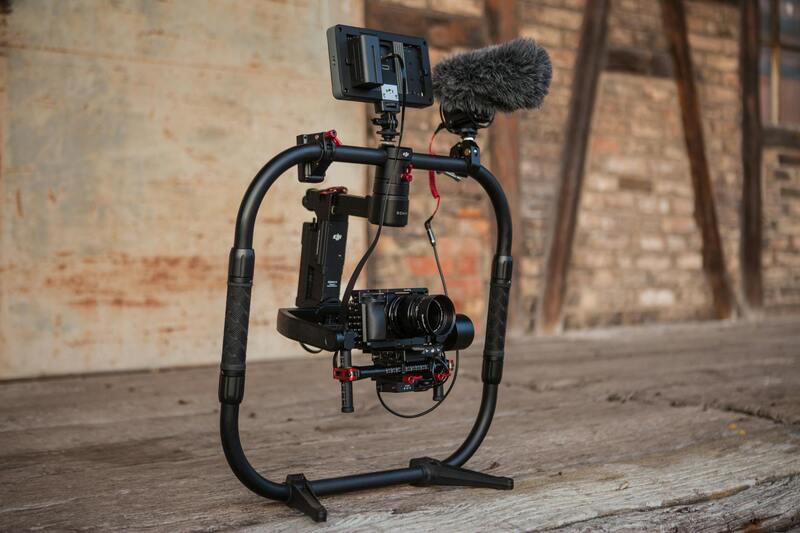
Technical infrastructure encompasses the hardware and software needed to encode, transmit, and monitor the livestream. This includes high-speed internet connections, encoders capable of converting video signals into suitable formats, and live switching equipment to choose camera feeds dynamically. Real-time graphics, such as lower thirds, event branding, or interactive overlays, augment the visual presentation and strengthen branding efforts.
Deploying reliable technical equipment and experienced operators ensures that all elements—video, audio, lighting, and graphics—are synchronized for a professional broadcast. Strategic equipment selection, tailored to the scale and style of each event, guarantees smooth streaming and minimizes technical disruptions. Regular testing and calibration are standard practices to maintain optimal performance throughout the event.
In summary, the convergence of high-quality filming, impeccable audio, effective lighting, and sophisticated technical systems forms the core of outstanding livestream production. When these components are expertly coordinated, they produce captivating content that effectively communicates the event’s message and elevates the audience's experience, ensuring the broadcast resonates with viewers and leaves a lasting impression.
Overview of Livestream Production Services
Livestream production services encompass a comprehensive suite of solutions designed to broadcast real-time video content to audiences over the internet. These services are tailored to meet the specific needs of various events, ensuring high-quality delivery through advanced technical infrastructure, skilled personnel, and meticulous planning. They enable organizations to reach global audiences, enhance engagement, and extend the reach of their messaging beyond physical boundaries.
Whether hosting a product launch, corporate seminar, religious service, or entertainment concert, the goal remains consistent: delivering a smooth, visually appealing, and engaging broadcast. This entails integrating multiple elements such as multiple camera angles, real-time graphics, synchronized audio feeds, and interactive overlays to create an immersive viewing experience. The utilization of cutting-edge technology and experienced technical teams ensures that disruptions are minimized and that the event’s essence resonates clearly with viewers.
Strategic planning and technical expertise are essential components that define effective livestream production. From pre-event setup to live operation and post-broadcast archiving, each stage demands precision to meet the highest standards. Employing robust infrastructure, such as backup internet connectivity, redundant hardware, and high-capacity streaming platforms, guarantees minimal downtime and consistent delivery quality. This level of professionalism significantly elevates the event's perceived value, fostering trust and brand recognition among viewers.
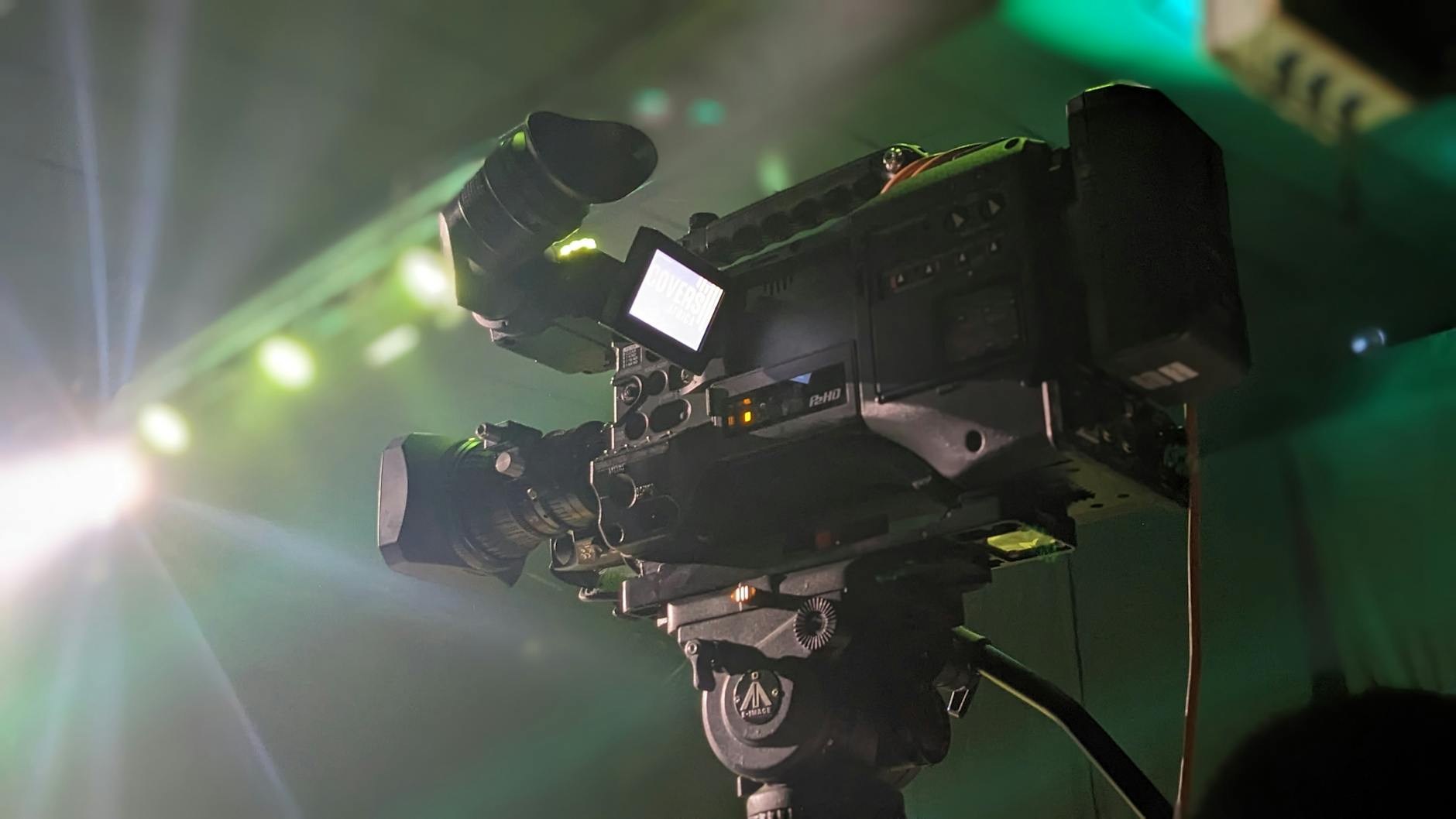
As digital content consumption continues to surge, the importance of selecting experienced providers becomes increasingly evident. A well-executed livestream not only ensures clear communication but also enhances the overall experience, encouraging audience interaction and future viewership. Integrating ancillary services like live chat moderation, multi-platform streaming, and on-demand recording further enriches the event, making it accessible and engaging well beyond the live window.
Key Components of Livestream Production
Success in livestream production hinges on several critical components working in harmony:
- High-Definition Video Capture: Multiple cameras capturing different angles and moments, delivering crisp visuals to viewers.
- Audio Quality: Clear, balanced sound through professional microphones and mixing consoles, essential for audience comprehension and engagement.
- Lighting: Well-planned lighting setups that enhance visual clarity and highlight key elements without causing glare or shadows.
- Technical Infrastructure: Reliable internet connections, encoders, and switching equipment to facilitate uninterrupted streaming.
- Graphics and Interactivity: Real-time overlays, branding, lower thirds, and interactive elements to maintain audience interest and reinforce messaging.
- On-Site and Remote Operations: Skilled personnel managing all aspects of the broadcast, from equipment setup to live direction and troubleshooting.
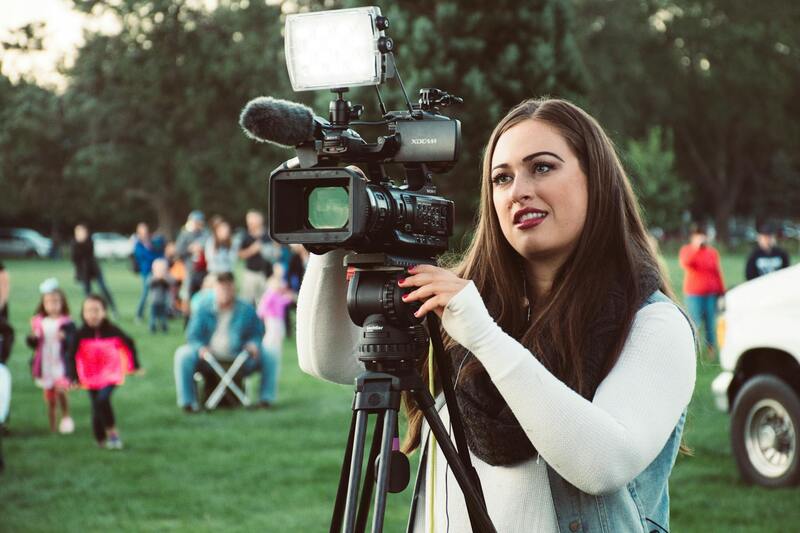
Matching these components precisely to the event's scope and scale is key to achieving a seamless production. Regular system checks and calibrations are standard practice, ensuring that the equipment performs optimally and that the entire technical team is prepared to handle any unforeseen challenges swiftly.
Ensuring Legal and Secure Livestream Production
Implementing safe and compliant livestream production practices is fundamental to delivering high-quality broadcasts that meet industry standards and protect all involved parties. This process involves meticulous planning and adherence to established protocols that safeguard content rights, privacy, and cybersecurity. All aspects of a livestream—from content creation and transmission to distribution—must incorporate rigorous security measures.
One of the primary practices is the use of encrypted data streams. Encryption ensures that the live feed remains inaccessible to unauthorized viewers or potential cyber threats, maintaining confidentiality throughout the production cycle. Utilizing secure transmission protocols, such as Secure Reliable Transport (SRT) or Transport Layer Security (TLS), establishes an immutable barrier against data interception or tampering during broadcast.
Another critical element is comprehensive rights management. Clear licensing agreements, authorized content sources, and proper attribution are essential for complying with copyright laws and intellectual property rights. Event organizers must verify that all visual, audio, and graphical elements are properly licensed or original, avoiding legal complications that can arise from unlicensed material.
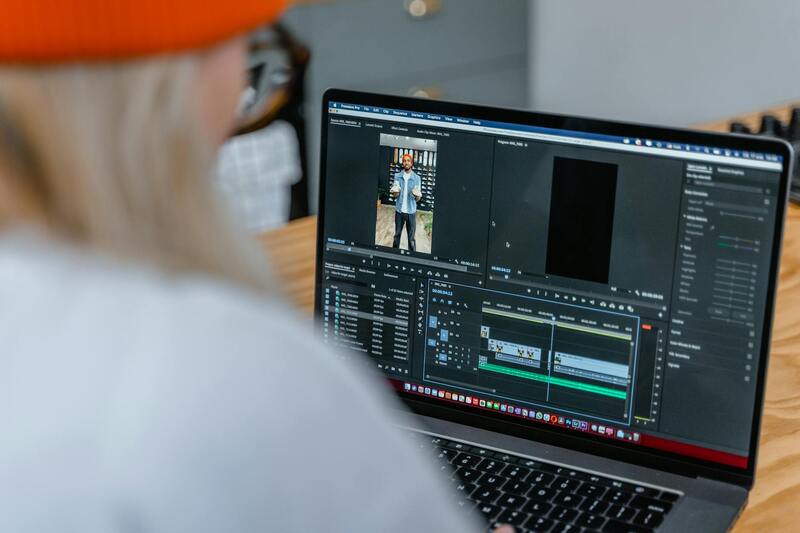
Screen access control is also vital. Restricting access to production tools and content to authorized personnel minimizes the risk of malicious activity or accidental data leaks. This may involve password-protected portals, multi-factor authentication, and encrypted media storage solutions.
Additionally, compliance with data protection regulations, such as maintaining viewer privacy and handling personal information responsibly, plays a key role in professional livestream production. For instance, clearly communicating the use of viewer data and obtaining necessary consents aligns with best practices and ethical standards.
Technical rehearsals and system audits are indispensable for verifying that all security features are functioning correctly prior to the event. These rehearsals identify potential vulnerabilities related to network stability, hardware performance, and cybersecurity measures. By proactively addressing these issues, production teams foster a resilient broadcasting environment capable of handling unexpected challenges without compromising safety or stream quality.
Investing in professional cybersecurity tools, network monitoring, and secure hardware further fortifies the livestream against external threats. Continuous monitoring during the event allows for immediate response to any irregularities, ensuring an uninterrupted and protected broadcast experience for both the organizer and the audience.
As the demand for cohesive, secure livestreams grows, partnering with specialists experienced in compliant production methods guarantees not only technical excellence but also adherence to all relevant standards. This provides peace of mind, enables seamless content delivery, and preserves the integrity of the broadcast from start to finish.
Types of Livestream Events and Applications
Livestream production services cater to a diverse array of events, each with unique requirements and technical specifications. Corporate meetings, product launches, and conferences demand a polished and professional presentation, often requiring high-definition video, multiple camera angles, and seamless transitions to engage remote audiences effectively. These events benefit from dedicated graphics overlays, live captions, and real-time audience interaction features to enhance viewer engagement and comprehension.
Educational webinars, training sessions, and workshops depend heavily on clarity and stability. For such applications, stream stability and audio quality are critical, with an emphasis on avoiding interruptions that could hinder learning outcomes. Interactive tools such as live polls, Q&A sessions, and screen sharing are integrated to foster participation and ensure the audience remains involved throughout the session.
Religious services, cultural festivals, and community events are increasingly leveraging livestreams to reach broader audiences beyond physical locations. These streams focus on capturing the essence and atmosphere of the event, which necessitates high-quality audio-visual equipment, strategic camera placements, and sometimes 360-degree video technology for immersive experiences. The goal remains to provide viewers with an authentic emotional connection, regardless of their physical distance.
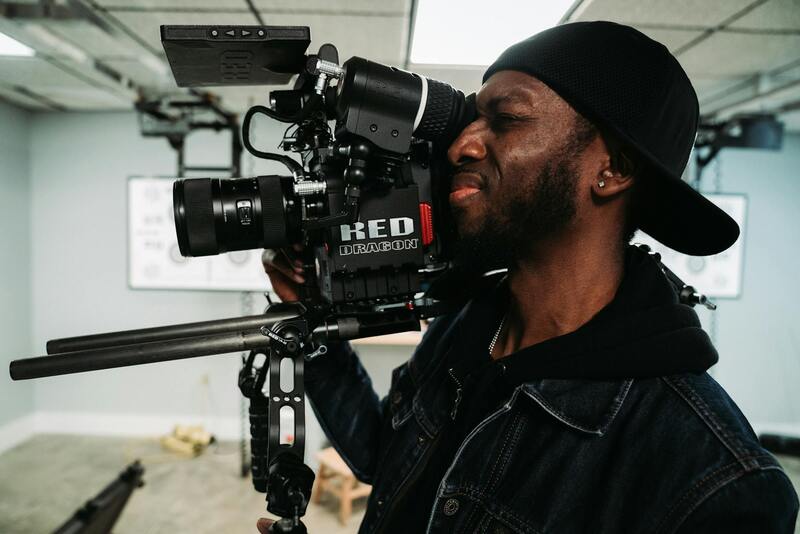
Sports broadcasting and entertainment events also fall under the ambit of professional livestream production. These require real-time slow-motion replays, multiple camera feeds, instant graphics, and highlight reels to deliver a dynamic viewing experience. Such productions often involve complex coordination of camera operators, dedicated replay operators, and streaming engineers to ensure fluidity and immediacy.
Choosing a Livestream Production Partner in Miami
Selecting a reliable partner involves assessing technical expertise, experience with similar event types, and their ability to provide end-to-end solutions. An experienced provider will handle everything from pre-production planning and technical rehearsals to on-site execution and post-event analysis. Familiarity with local venues, permits, and logistical considerations specific to Miami’s unique event landscape can streamline the production process and minimize disruptions.
Furthermore, a professional team will prioritize communication and transparency, ensuring stakeholders are well-informed about the technical specifications, backup strategies, and contingency plans. This level of coordination is vital to managing expectations and achieving a seamless broadcast that meets the highest standards of quality.
Executing the Livestream: On-Site and Remote Coordination
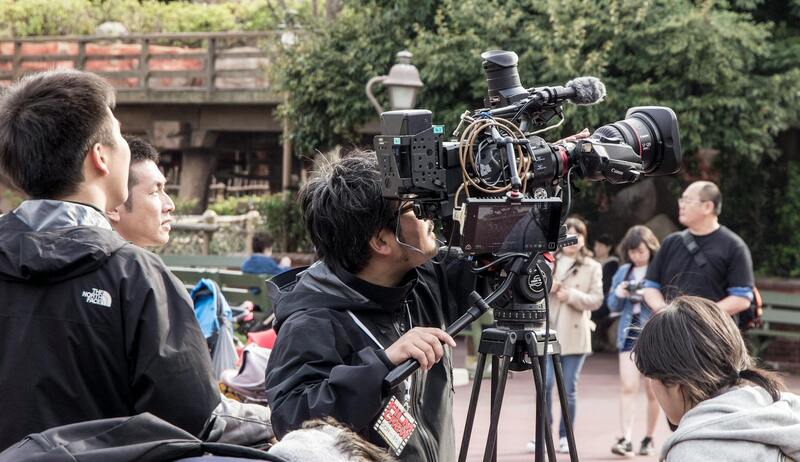
Effective livestream production hinges on meticulous coordination between on-site technical teams and remote management staff. On-site setup is the backbone of a smooth broadcast, involving the deployment of high-quality cameras, audio equipment, switchers, and encoders. The setup process must be tailored to the specific event, venue, and audience expectations. Skilled technicians position cameras to capture key angles, ensuring dynamic and engaging visuals that reflect the event’s significance. Sound engineers calibrate microphones and audio feeds to deliver crisp, clear sound, minimizing ambient noise and technical disruptions.
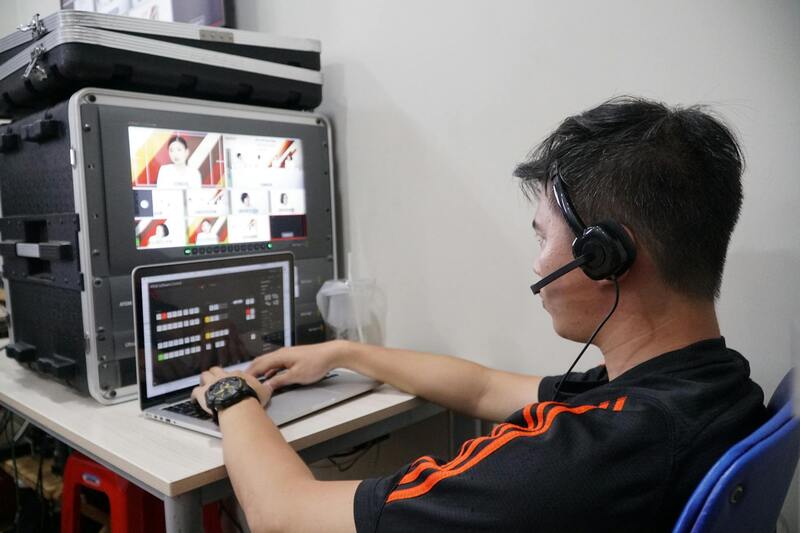
During the live event, real-time switching between multiple camera feeds is executed seamlessly by experienced directors. They utilize professional switchers to craft a visually appealing narrative, incorporating graphics, overlays, and replays when necessary. Live switching demands immense focus and prompt decision-making to adapt to changing event dynamics, such as spontaneous audience reactions or technical issues.
Remote management involves streaming control, quality assurance, and troubleshooting from a centralized command station. Managed by skilled streaming engineers, remote teams monitor stream stability, bandwidth utilization, and signal integrity continuously. They are equipped to troubleshoot or reroute feeds instantly if technical anomalies occur, safeguarding the quality of the broadcast.
Stream Optimization and Quality Assurance
To uphold broadcast standards, some of the essential tasks include bandwidth management, ensuring redundancy with backup connections, and implementing adaptive streaming protocols. These measures help accommodate fluctuating internet speeds and prevent interruptions. The use of professional-grade encoding hardware guarantees smooth transmission, even in challenging network conditions.
Furthermore, conducting pre-event testing and rehearsal is vital. This phase verifies equipment functionality, assesses lighting and audio quality, and integrates visual elements like overlays and lower thirds. It also provides an opportunity to educate speakers or performers on on-camera positioning and timing, minimizing on-air mistakes.
Capturing Critical Event Moments
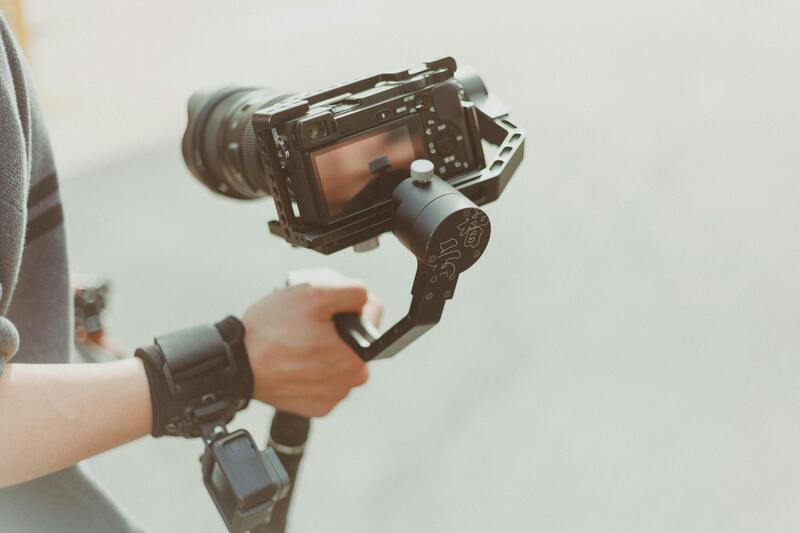
Strategic placement of cameras—such as wide-angle, close-up, and specialty shots—ensures comprehensive coverage. Dedicated operators focus on capturing high-stakes moments, speeches, performances, or reactions, which are often the highlights of the broadcast. Additionally, incorporating multi-platform streaming solutions allows the event to reach diverse audiences, including social media, corporate websites, and dedicated streaming portals.
Real-Time Monitoring and Troubleshooting
Continuous monitoring during the event is crucial for identifying potential issues before they impact viewers. Stream health dashboards, multiple observer stations, and redundant systems work in tandem to provide constant oversight. If a problem arises—such as a camera feed dropout or audio imbalance—immediate corrective measures are implemented, either remotely or on-site, to restore normal operation quickly.
Advanced solutions like cloud-based switching and remote camera control expand the capabilities of live productions, facilitating a more flexible and scalable workflow. These setups also allow for seamless integration of remote talent or additional cameras to enhance coverage.
Post-Production and Recording of Livestreams
Effective post-production processes convert raw livestream footage into polished, professional content that extends the lifespan and reach of your event. This stage involves meticulous editing to remove any unwanted segments, enhance visual appeal, and ensure seamless transitions between scenes or topics. Sound editing also plays a crucial role, balancing audio levels and adding background music or voiceovers where appropriate to maintain viewer engagement and clarity.
Archiving livestreams is vital for future access, allowing organizations to reuse content for marketing, training, or internal review. High-quality recordings can be stored securely and retrieved easily to support ongoing content strategies or to generate highlights that showcase key moments. This approach maximizes the return on investment in live production efforts by repurposing content across multiple platforms and campaign initiatives.
Furthermore, post-production facilitates content repurposing for various channels. Short clips and highlights can be embedded into social media posts, promotional materials, or email campaigns to increase exposure and engagement. For longer-form content, creating segmented videos or tutorials derived from the livestream opens new avenues for audience interaction and educational value.
Benefits of Professional Livestream Services in Miami
Engaging a reputable provider for livestream production in Miami offers numerous advantages. These companies bring extensive experience and a comprehensive understanding of local venues, regulatory considerations, and audience preferences. They possess advanced equipment and technical expertise, ensuring high-quality streams that are reliable and visually compelling.
Professional services also include strategic planning and consultation, helping clients select the right broadcast format and distribution channels tailored to their objectives. Their teams manage all logistical aspects—from setting up equipment and coordinating talent to troubleshooting technical issues in real time—so clients can focus on content delivery.
Another significant benefit is increased reach and audience engagement. High-definition video, multi-platform streaming, and interactive features can be integrated seamlessly, facilitating broader visibility and participation. Moreover, post-event analytics provided by these services enable organizations to assess viewer engagement, optimize future events, and demonstrate return on investment.
Overall, partnering with seasoned livestream production providers in Miami ensures a professional, smooth, and impactful broadcasting experience that resonates with viewers and supports organizational goals.
Advanced Ensuring of Stream Security and Quality Control
To uphold the integrity and professionalism of livestream production, implementing robust security measures and quality control protocols is essential. This involves deploying encryption technologies to prevent unauthorized access and ensure that the stream remains confidential and tamper-proof. Additionally, utilizing secure streaming servers and protected credentials minimizes the risk of disruptions or hijacking during live broadcasts.
Real-time quality monitoring is another critical aspect, where technical staff continuously oversee the streaming process. This includes tracking video and audio quality, latency, and bandwidth utilization to swiftly address any issues that could affect viewer experience. Redundant streaming pathways and backup systems are often employed to maintain uninterrupted broadcast, even if primary equipment encounters failures.
Meticulous pre-broadcast testing and dry runs are standard procedures, allowing the technical team to identify potential vulnerabilities or technical glitches beforehand. These rehearsals verify all equipment, software configurations, and internet connections, guaranteeing a flawless live event.
Furthermore, sophisticated editing and post-processing tools enable quick corrections or enhancements if needed, especially for recorded streams that are later disseminated through various platforms. This comprehensive approach ensures that every livestream project meets the highest standards of security and quality, fostering trust and professionalism with viewers and clients alike.