
Overview of Live Streaming Video Production
Live streaming video production has become an essential tool for delivering real-time content across various platforms, transforming the way businesses, organizations, and event organizers engage with their audiences. In Miami, a vibrant hub for both entertainment and corporate activities, the demand for high-quality live streaming solutions continues to grow. These services enable seamless broadcast of conferences, concerts, product launches, and community events, providing dynamic interaction opportunities that traditional media cannot match.
At its core, live streaming involves capturing live video footage, processing it through professional equipment, and transmitting it instantaneously via internet networks to viewers worldwide. This process demands meticulous planning and the deployment of specialized technology to ensure smooth transmission, minimal latency, and optimal image quality. With the rapid evolution of internet infrastructure and broadcasting standards, live streaming has become more accessible and vital for reaching audiences in real-time, regardless of geographical boundaries.
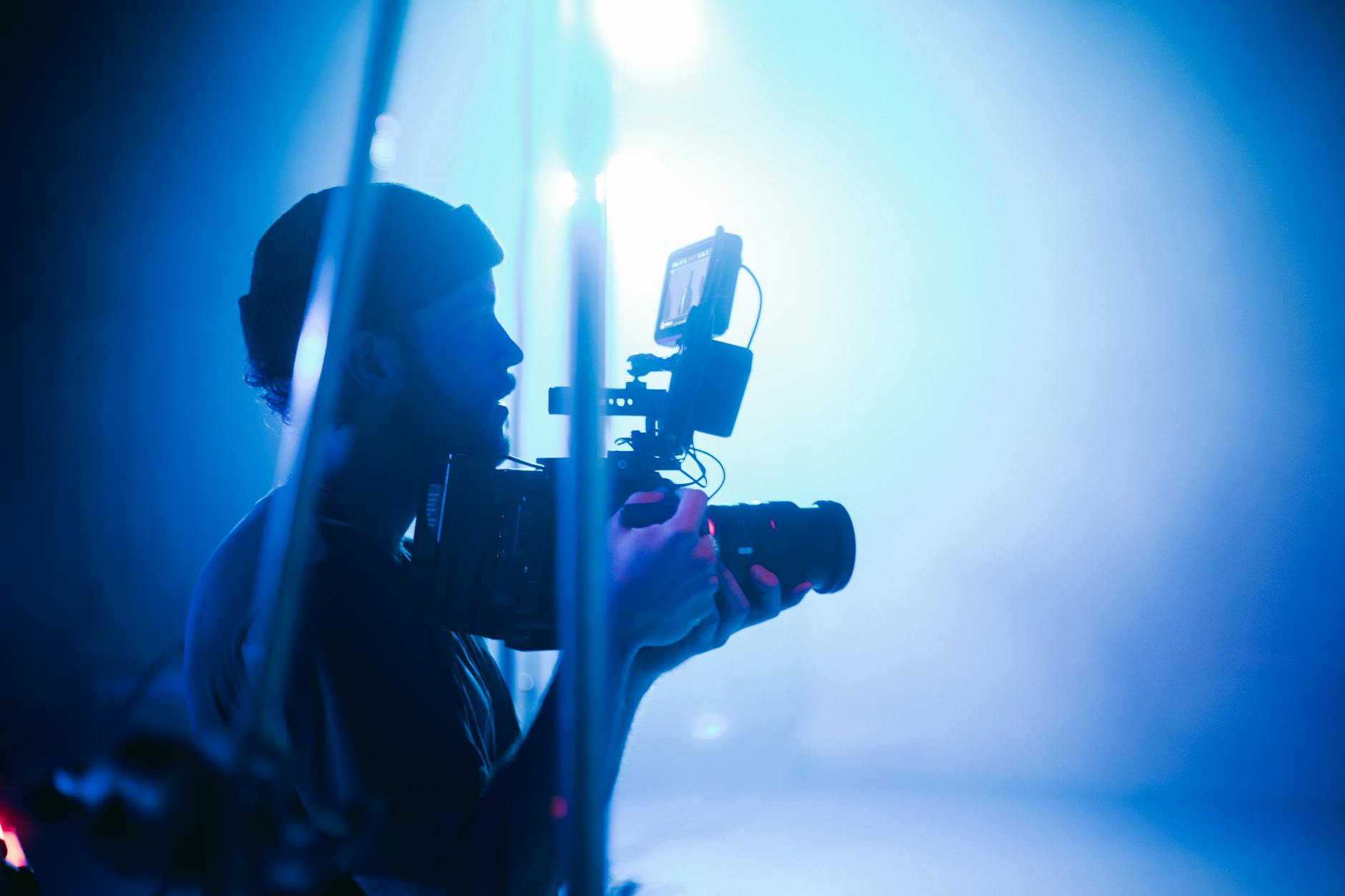
For organizations in Miami, utilizing live streaming video production solutions offers numerous advantages. It enhances visibility for marketing campaigns, allows remote participation in events, and provides documentation and content repurposing opportunities post-broadcast. As Miami continues to be a key location for international business, entertainment, and tourism, leveraging professional live streaming services can significantly expand reach and engagement, helping organizations stand out in a competitive landscape.
By integrating sophisticated production techniques and reliable technology, Miami-based live streaming providers ensure that their clients' content achieves professional standards, establishing credibility and expanding audience engagement. Whether for a small corporate meeting or a large-scale public event, understanding the fundamentals of live streaming video production is the first step toward unlocking its full potential.
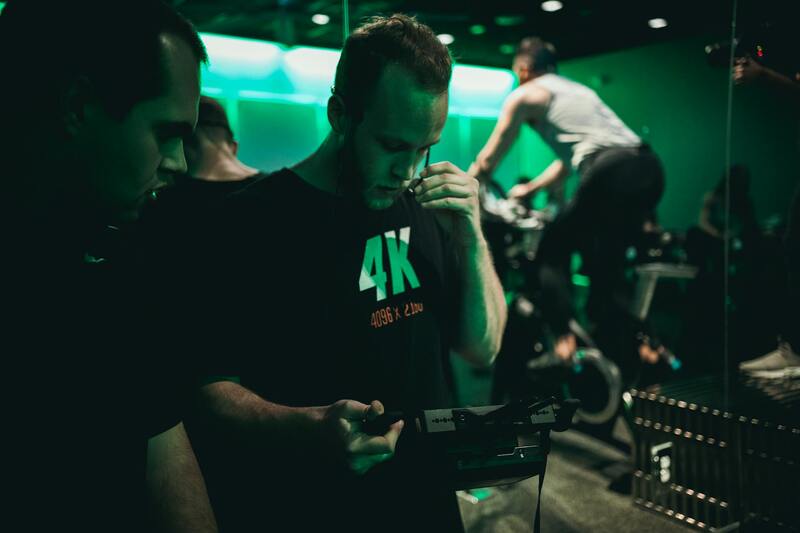
Key Components of Live Streaming Solutions
Implementing effective live streaming video production solutions hinges on integrating a carefully selected array of high-quality equipment and robust technological infrastructure. These components serve as the backbone for delivering seamless, professional broadcasting experiences that meet the expectations of diverse audiences.
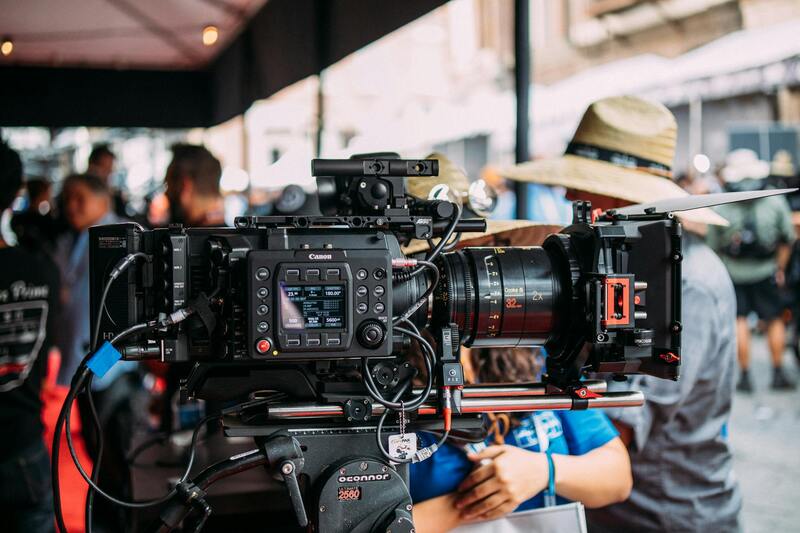
One of the most critical elements is the selection of premium cameras, which capture all visual content with clarity and detail necessary for engaging live broadcasts. These often include multiple cameras for multi-angle coverage, enabling dynamic presentations and a more immersive viewer experience. Alongside visual hardware, professional audio equipment such as shotgun microphones, wireless lavalier mics, and audio mixers are employed to ensure crystal-clear sound, which is vital for maintaining viewer engagement and communication clarity.
Reliable internet connectivity forms the cornerstone of any successful live streaming operation. This entails not only high bandwidth but also redundant internet sources that can automatically take over if one connection falters, thereby preventing disruptions during live broadcasts. Fiber-optic connections are frequently preferred due to their speed and stability, especially for large-scale events.
Equipped with the right hardware, the next step involves streaming platforms and management software that facilitate secure, scalable, and flexible broadcasting. These platforms enable real-time encoding, transcoding, and adaptive bitrate streaming to accommodate viewers with varying internet speeds. Advanced streaming solutions also incorporate content delivery networks (CDNs) to distribute broadcasts efficiently across different geographical regions, ensuring minimal latency and buffering.
Additional equipment such as video switchers, graphics generators, and teleprompters contribute to a polished live broadcast, allowing real-time editing, overlays, and seamless transitions. These tools are integrated into the production workflow, empowering technical crews to produce broadcasts that are both professional and visually engaging.
In Miami, where diverse event types—from corporate conferences to entertainment festivals—demand tailored solutions, selecting equipment that aligns with project scope and budget is essential. Professional providers often combine top-tier technology with expertise-driven deployment to ensure optimal broadcast quality at all times.
Key Components of Live Streaming Solutions
Implementing effective live streaming video production solutions requires a comprehensive integration of various technical components, each essential to delivering a high-quality broadcast. Central to this setup is the encoding hardware or software, which converts raw video signals into digital streams compatible with the broadcasting platform. Choosing the right encoder ensures minimal latency and optimal video quality, especially crucial for live events where timing and clarity are paramount.
Alongside encoding, robust video switchers facilitate seamless transitions between multiple camera feeds, enabling dynamic visual storytelling. Modern switchers offer features like picture-in-picture, chroma key compositing, and instant replays, adding professionalism and engaging content flow.
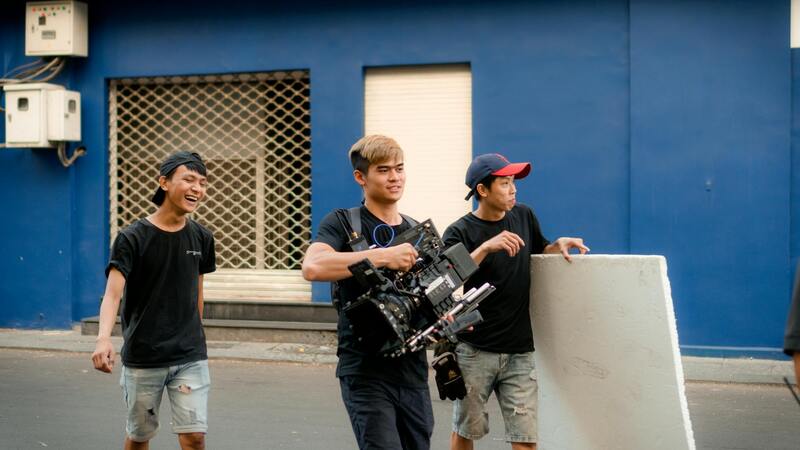
Graphics generators are also vital, providing real-time overlays such as titles, lower thirds, sponsor logos, and other visual elements that reinforce branding and improve viewer comprehension. Teleprompters, strategically positioned, assist hosts and speakers in maintaining eye contact and delivering smooth, confident presentations.
To optimize distribution, content delivery networks (CDNs) are employed to mitigate delays and buffer issues by distributing content across multiple servers worldwide. This global reach ensures viewers experience consistent quality regardless of geographic location. Adaptive bitrate streaming adjusts the stream quality in real-time based on individual internet speeds, maintaining smooth playback and preventing buffering.
In the domain of hardware, high-definition cameras paired with professional tripods and stabilization equipment capture crisp, steady images, vital for maintaining viewer interest. Audio gear such as wireless microphones and mixing consoles ensures clear, balanced sound, a core component sometimes overlooked but critical for audience engagement.
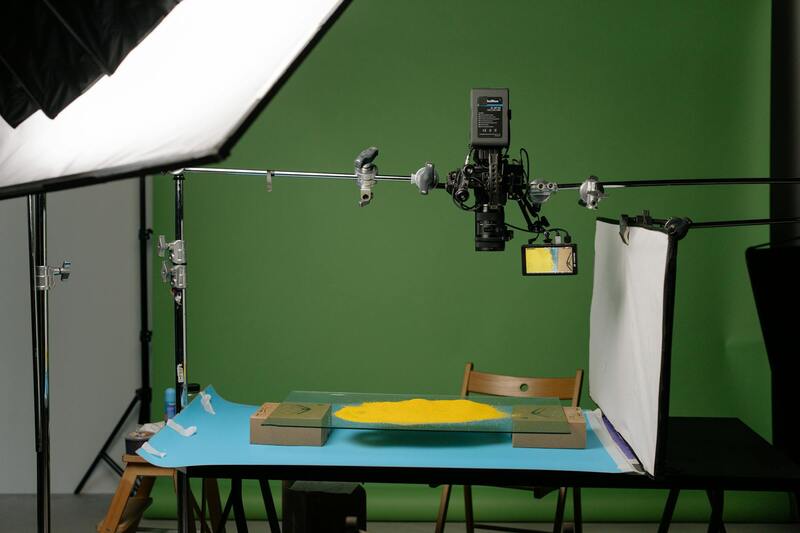
In Miami's vibrant event landscape, tailored configurations may include specialized lighting, wireless connectivity options, and multi-camera setups designed to adapt to a variety of environments—from outdoor festivals to corporate auditoriums. Partnering with experienced providers leverages their expertise in selecting and integrating these components efficiently, ensuring a resilient, professional broadcast environment.
Overview of Live Streaming Video Production
Live streaming video production has revolutionized how events, conferences, concerts, and corporate communications are delivered to audiences worldwide. By leveraging sophisticated technology and strategic planning, organizations can broadcast high-quality content that reaches viewers in real-time, regardless of geographic boundaries. This approach allows for immediate engagement, interactive features, and expansive reach, making it an essential solution for brands seeking dynamic digital presence.
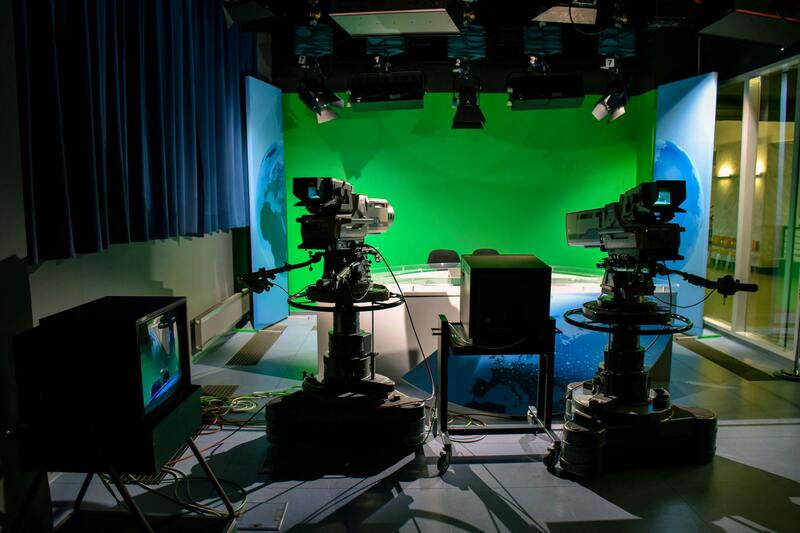
Effective live streaming combines high-end equipment, reliable internet infrastructure, and professional content management to produce seamless broadcasts. As the market evolves, organizations increasingly depend on comprehensive solutions that integrate hardware, software, and expert support to deliver uninterrupted, high-definition streams. These solutions are not merely about broadcasting; they encompass a strategic approach that ensures content resonates with viewers, maintains technical stability, and adheres to industry standards.
Key Components of Live Streaming Solutions
Implementing successful live streaming video production requires attention to several core elements:
- Capture Equipment: High-resolution cameras capable of capturing crisp visuals, paired with professional stabilization gear, ensure high-quality image delivery. Multiple camera angles can be integrated for dynamic viewing experiences.
- Audio Technology: Clear sound is critical; wireless microphones, audio mixers, and soundproofing measures contribute to pristine audio quality, reducing background noise and enhancing listener engagement.
- Encoding and Software: Reliable encoding hardware and streaming software convert raw footage into stream-compatible formats. Advanced software often includes features like multi-camera switching, graphics overlays, and real-time editing.
- Hosting and Content Delivery: Content delivery networks (CDNs) distribute streams globally, reducing latency and buffering. Adaptive bitrate streaming adjusts quality based on viewer bandwidth, ensuring smooth playback across devices.
- Connectivity and Infrastructure: Robust internet connections, backup options, and network security measures prevent disruptions during broadcasts. Wired connections are preferred for their reliability over wireless options.
Planning and Pre-Production Strategies
Prior to going live, comprehensive planning is essential to minimize technical hiccups and maximize viewer engagement. This includes establishing clear objectives, defining target audiences, and developing detailed run-of-show schedules. Content rehearsals, technical dry runs, and equipment checks are vital to identify potential issues before the live event. Additionally, coordinating with on-site staff, hosts, and presenters ensures everyone is aligned on timing, cues, and technical requirements.

In the context of Miami’s vibrant event scene, pre-production also involves site assessments to tailor equipment setup to venue-specific challenges such as space limitations, lighting conditions, and acoustics. Incorporating contingency plans for internet failures or technical delays is equally important to ensure a seamless viewing experience regardless of unforeseen circumstances.
Technical Team and Workflow Optimization
Assembling a skilled technical team guarantees that each component operates harmoniously. Roles include videographers, sound engineers, technical directors, and streaming specialists. Operation workflows should include real-time monitoring of the stream’s quality, rapid troubleshooting protocols, and swift communication channels among team members. Employing a dedicated dashboard for live analytics helps identify issues proactively and adjust parameters accordingly.
Post-Streaming Services and Content Distribution
After the live event, the content can be archived and repurposed across multiple channels. Video recordings can be uploaded to on-demand platforms, embedded in websites, or disseminated through social media channels to extend the lifespan of the content. Analyzing viewer engagement metrics provides insights into audience preferences and areas for improvement in future broadcasts.
Proper content distribution planning involves ensuring content quality preservation, copyright compliance, and strategic scheduling to maximize audience reach. Integration with email marketing campaigns and online promotional activities can significantly boost viewership for subsequent streams or recorded sessions, enhancing overall brand visibility and engagement.
Production and Broadcasting Process
The production phase in live streaming video requires meticulous coordination of multiple technical elements to ensure a smooth and engaging broadcast. Central to this process are camera operation and switching, encoding, and managing live feeds, all of which work together to create a seamless viewing experience.
Camera Operation and Live Feed Management
High-quality camera operation forms the backbone of compelling live streams. Skilled camera operators must be adept at framing shots, focusing, and adjusting to changing scenes in real time. Multiple camera angles can be employed to add dynamism and professionalism, requiring strategic switching during the broadcast. This switching is often handled via a video switcher or production software, enabling real-time transitions, overlays, and graphics that enhance the visual presentation.

Encoding and Streaming
Encoding is the critical process of converting raw video footage into a digital format suitable for transmission over the internet. Live encoders compress video streams to optimize bandwidth without sacrificing quality, ensuring minimal buffering for viewers. Hardware encoders or software solutions are selected based on the scale of the event and technical requirements. A reliable encoder ensures the live feed maintains consistent quality and stability throughout the event.
After encoding, the stream is transmitted via a streaming server or platform, which distributes the content to viewers across various devices. Configuring stream settings—such as resolution, bitrate, and latency—according to the target audience and platform specifics is essential for optimal performance.
Managing Simultaneous Live Feeds
For large-scale productions, managing multiple feeds simultaneously becomes necessary. This involves integrating different sources, such as guest cameras, pre-recorded videos, and graphics overlays, into a unified broadcast. A centralized control interface allows operators to switch between feeds smoothly, overlay titles and branding, and respond to any technical issues promptly.
Quality Control and Monitoring
Continuous monitoring of the stream’s quality during live production is vital. Using dedicated dashboard tools, the production team can oversee stream health metrics, such as bitrate stability, frame rate, and audio levels. Should any discrepancies arise, rapid troubleshooting—like switching to backup streams or adjusting encoding parameters—helps maintain an uninterrupted broadcast.
Graphics, Branding, and Interactivity
Incorporating real-time graphics, lower thirds, and brand elements adds visual interest and professionalism to the stream. Additionally, integrating interactive components, such as live chat or Q&A sessions, enhances viewer engagement. These features require specialized software that can seamlessly embed live data without disrupting the core video feed.

Technical Support and Troubleshooting
A dedicated on-site or remote technical team plays a crucial role during live streaming events. Their responsibilities include pre-event testing and setup, real-time monitoring, and quick intervention if problems arise. Implementing redundant systems, such as backup internet connections and secondary streaming servers, minimizes downtime and enhances overall reliability.
Production and Broadcasting Process
Executing a flawless live broadcast requires meticulous coordination of multiple technical elements. The process begins with the integration of camera feeds, often sourced from multiple angles and locations, which are captured using high-definition broadcast cameras equipped with professional lenses and stabilization systems. These feeds are transmitted to a central production switcher, which allows operators to seamlessly switch between camera angles, add live graphics, and incorporate pre-recorded content as needed.
Audio quality is just as critical as video clarity. Expert audio engineers manage microphones, mixing consoles, and sound processors to deliver clear, balanced sound that complements the visual presentation. They also monitor background noise, ensure consistent levels, and manage sound effects or music overlays to enhance overall viewer experience.
During live events, real-time graphics are overlaid onto the video feed, including lower thirds, branding elements, and interactive prompts. These overlays are managed through sophisticated software platforms that allow graphic designers to update visuals dynamically, maintaining brand consistency and audience engagement throughout the broadcast.
Streaming and Delivery Infrastructure
Reliable streaming servers utilize adaptive bitrate technologies to adjust the quality of the video stream based on the viewer’s internet connection. This ensures a consistent viewing experience across diverse devices and bandwidth conditions. Content delivery networks (CDNs) play a crucial role in distributing the stream efficiently, reducing latency, and preventing buffer interruptions by caching streams closer to the viewer’s location.
Monitoring tools continuously track the performance of the stream, providing real-time insights into metrics such as latency, packet loss, and viewer engagement. Should issues arise, technical teams can execute immediate remedies, like rerouting streams through backup servers or adjusting encoding settings, to maintain broadcast integrity.
Coordination and Team Integration
A successful live streaming event hinges on the coordination between multiple teams—camera operators, graphics artists, sound engineers, and control room technicians. Clear communication channels and rehearsed workflows enable these teams to respond swiftly to dynamic situations, ensuring a seamless broadcast. Pre-event rehearsals are crucial to identify potential bottlenecks, test all equipment, and refine timing for transitions and overlays.
Overview of Live Streaming Video Production
Live streaming video production is a comprehensive process that involves capturing, transmitting, and broadcasting real-time video content to a wide online audience. It encompasses a range of technical and creative elements designed to deliver an engaging and seamless viewing experience. Traditionally used for concerts, corporate events, and sports, the evolution of digital technology has expanded its applications to virtually every sector, including education, religious services, and product launches. This modernization ensures that content reaches audiences across multiple devices such as desktops, smartphones, and smart TVs, increasing accessibility and engagement.
Fundamentally, live streaming combines high-quality video capture with sophisticated encoding and transmission technologies. Reliable internet infrastructure and advanced streaming servers facilitate simultaneous distribution to thousands or even millions of viewers without interruption. As viewer expectations for clarity, stability, and interactivity grow, live streaming production must leverage cutting-edge equipment and protocols. The sophistication of these solutions allows content creators and organizers in Miami and beyond to deliver professional-grade broadcasts that enhance brand visibility, foster community engagement, and drive revenue opportunities.
Key Components of Live Streaming Solutions
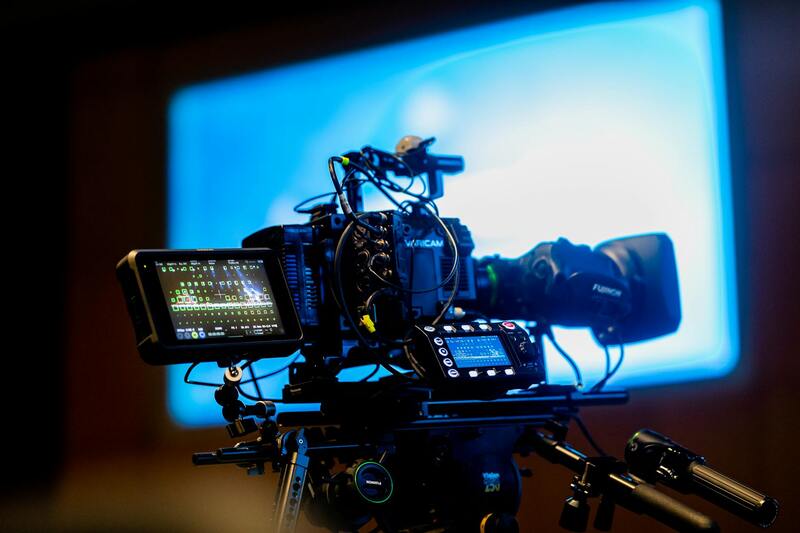
Implementing effective live streaming video solutions involves several critical components that work together to ensure a seamless broadcast. These include high-definition cameras, reliable audio equipment, hardware encoders, streaming servers, and content delivery networks (CDNs). Each element must be appropriately selected and configured to match the specific needs of an event or production. For example, studio-based broadcasts might prioritize multiple camera angles and professional lighting, while outdoor event streams require rugged equipment and stable wireless connections.
Technical resilience is fundamental. This involves deploying backup systems such as redundant encoders and failover internet connections to prevent interruptions. Software solutions like real-time editing tools facilitate overlays, graphics, and transitions that enhance viewer engagement. Additionally, comprehensive monitoring tools oversee stream health throughout the broadcast, allowing operators to troubleshoot issues swiftly and maintain the quality of service.
Planning and Pre-Production Strategies
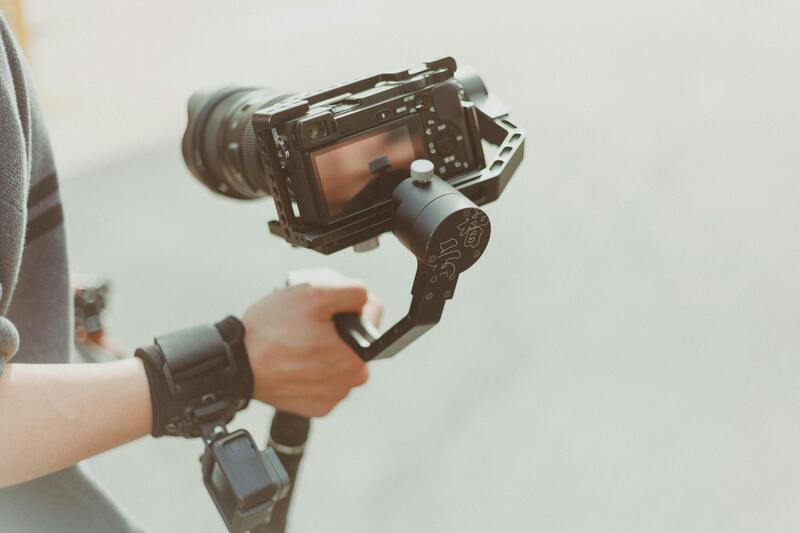
Successful live streaming begins with meticulous planning and pre-production strategies. Developing a detailed production plan involves defining the event goals, target audience, and messaging. Selecting the optimal broadcast format, camera angles, and graphic overlays is essential for visual coherence and professionalism. Conducting site surveys allows technical teams to assess networking conditions, power sources, and lighting, ensuring that all logistical aspects are addressed beforehand.
Rehearsals play a vital role in aligning the technical team and presenters. These practice runs help identify potential issues with camera positioning, audio levels, or internet stability. Establishing clear communication channels among all team members—such as the director, technical support, and content presenters—gets everyone aligned on responsibilities and cues. Content preparation, including scripts, slides, and multimedia assets, should be finalized well in advance to prevent last-minute glitches that could disrupt the live broadcast.
Equipment and Technology Selection
Selecting the right equipment and technology is crucial for delivering professional quality streams. In Miami’s vibrant event scene, choosing high-performance cameras with pan-tilt-zoom (PTZ) capabilities, high-fidelity microphones, and robust streaming hardware ensures clarity and stability. The choice of encoding devices—software versus hardware encoders—depends on budget, complexity, and scalability needs. Hardware encoders provide consistent performance, especially for larger productions, while software encoders offer flexibility and ease of use.
Network infrastructure is equally important. A dedicated, high-bandwidth internet connection minimizes latency and packet loss. Implementing redundant connections, such as wired Ethernet alongside 4G/5G backup, guarantees uninterrupted streaming even during outages. The deployment of advanced streaming platforms equipped with adaptive bitrate technology optimizes delivery based on viewer bandwidth, providing smooth playback even under fluctuating network conditions.
Production and Broadcasting Process
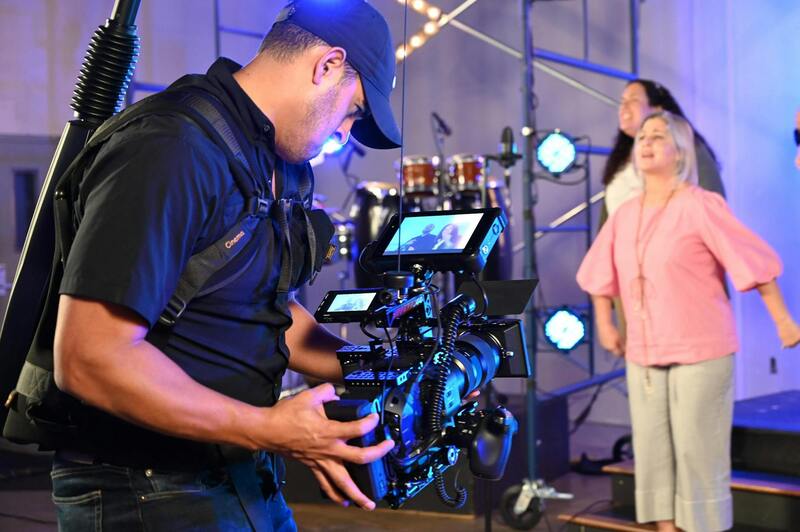
During the production phase, real-time video signals are captured, encoded, and transmitted via secure servers to the online platform where audiences access the live stream. Directed primarily by a technical team, this process involves switching between camera feeds, managing audio inputs, and overlaying graphics or titles as needed. Communication between the control room and camera operators is constant, enabling swift responses to changing on-site conditions or broadcaster cues.
Advanced broadcasting techniques include multi-camera switching, picture-in-picture displays, and live graphics integration. These elements enhance viewer engagement and provide professional polish. Streaming servers utilize adaptive bitrate streaming to accommodate different viewer internet speeds, ensuring smooth playback for all participants. Content delivery networks (CDNs) facilitate widespread content dissemination while reducing latency and buffering issues. Throughout, dedicated monitoring tools track stream health, viewer analytics, and technical performance, allowing for immediate adjustments if necessary.
Post-Streaming Services and Content Distribution
Once the live stream concludes, the content can be archived for on-demand access, expanding its reach and lifespan. Post-stream editing may involve trimming segments, adding subtitles, or creating highlight reels, which can be published on various digital platforms to maximize visibility. Distribution channels include social media platforms, corporate websites, or video hosting services, tailored to the audience profile and marketing objectives.
Analyzing viewer engagement metrics provides valuable insights into content performance and audience preferences. These insights inform future streaming strategies, whether refining technical setups or adjusting content formats. Additionally, gathering feedback from viewers enhances overall quality and fosters long-term audience relationships. Implementing a structured content distribution plan ensures that the produced material continues to generate value long after the live broadcast ends, consolidating the event’s success and reinforcing brand presence in Miami’s competitive digital landscape.
Advanced Techniques for Securing Live Streaming Content
Protecting live streaming video content is essential to prevent unauthorized access and ensure the integrity of the broadcast. Employing comprehensive security measures involves a multi-layered approach that combines encryption, authentication, and access control protocols. Streaming services often utilize Secure Real-Time Protocol (SRTP) or Transport Layer Security (TLS) to encrypt data streams, making interception and eavesdropping significantly more difficult. These encryption methods ensure that only authorized viewers can access the content during transmission, reducing the risk of piracy or unauthorized recordings.
Authentication mechanisms add another layer of security by verifying viewer identities before granting access. Implementing login credentials, single sign-on (SSO) integrations, or token-based authentication prevents unauthorized users from entering the stream. Additionally, geo-restriction and IP filtering can be employed to limit access to specific geographic regions or trusted networks, further enhancing content security and aligning with regional broadcasting policies.
Digital Rights Management (DRM) solutions provide comprehensive protection by controlling how viewers interact with streamed content. DRM systems can restrict copying, sharing, or downloading of media files, ensuring that content remains exclusive to authorized audiences. Coupled with watermarking technologies, broadcasters can embed identifiable information within the video stream, aiding in content tracking and attribution in case of breaches.
Implementing real-time monitoring tools to oversee stream health and security metrics allows broadcasters to detect and respond quickly to potential threats or disruptions. This proactive approach helps maintain uninterrupted, secure live broadcasts, which is crucial for high-profile corporate, religious, or governmental events. Ensuring that all security measures are compliant with industry standards not only protects the content but also builds trust with your audience by demonstrating a strong commitment to data privacy and content protection.
Furthermore, collaborating with trusted industry partners specializing in live streaming security can enhance the robustness of your content protection strategy. These experts provide tailored solutions that address specific concerns, whether managing sensitive corporate information or safeguarding valuable intellectual property. By integrating security best practices into every stage of the live streaming process, organizations can deliver compelling, uninterrupted content while maintaining control over their digital assets.