
Role of a Video Engineer in Miami FL Production
In the dynamic landscape of multimedia production in Miami, the role of a video engineer stands as a cornerstone for successful visual storytelling. These professionals are responsible for the technical setup, operation, and troubleshooting of video equipment during live events, broadcast productions, and corporate projects. Their expertise ensures that the visual content is captured, transmitted, and displayed with optimal quality, aligning with the creative vision and technical standards of each project.
Video engineers in Miami are entrusted with a broad spectrum of duties that include configuring cameras, selecting suitable filming angles, managing live feeds, and integrating various AV components seamlessly. They work closely with producers, directors, and technical teams to facilitate flawless execution of complex setups, often under tight schedules and high-pressure situations. By meticulously managing signal integrity and equipment calibration, video engineers significantly impact the clarity, color accuracy, and overall professionalism of a production.
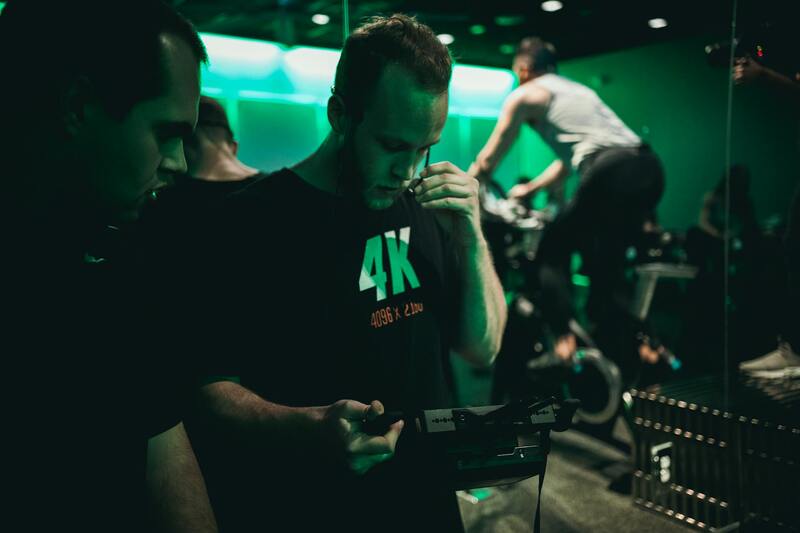
In Miami’s vibrant production industry, which encompasses everything from large-scale concerts to corporate live streams, the expertise of a skilled video engineer is invaluable. They bring together technical precision and creative insight, ensuring that the visual elements enhance the storytelling and meet the targeted audience’s expectations. The role extends beyond mere operation; it involves continuous adaptation to emerging technologies, meticulous planning, and a proactive approach to problem-solving, particularly in a city known for its diverse and dynamic media landscape.
Moreover, as Miami continues to grow as a hub for international events, festivals, and entertainment, the demand for highly qualified video engineers evolves accordingly. Professionals in this field are expected to stay at the forefront of technological advancements and industry best practices to deliver coverage that is both innovative and reliable. Their contribution not only elevates the quality of individual productions but also solidifies Miami’s reputation as a premier location for multimedia creation and live events.
Technical Expertise and Equipment Proficiency
In Miami's bustling media environment, a video engineer must possess comprehensive technical knowledge spanning a wide array of audiovisual systems and equipment. Their proficiency includes understanding complex signal flow, troubleshooting equipment malfunctions swiftly, and ensuring seamless integration of various devices such as switchers, mixers, and streaming hardware. Mastery of calibration protocols helps maintain optimal image quality and color fidelity, which is crucial for high-stakes live broadcasts and recorded events.
Familiarity with industry-standard tools like SDI, HDMI, and IP-based video transmission systems ensures that engineers can adapt to different production scales and technical requirements. Additionally, expertise in network configurations, media servers, and cloud-based streaming platforms allows for flexible operation in diverse environments, from small corporate setups to large outdoor festivals.
Certifications and Industry Qualifications
Certifications validate a video engineer’s skill set and their commitment to adhering to industry standards. In Miami, recognized credentials such as the Sony Certified Professional, AVIXA CTS (Certified Technology Specialist), or Cisco Certified Network Associate (CCNA) in networking are highly valued. These qualifications demonstrate a professional’s ability to operate advanced equipment confidently, troubleshoot effectively, and implement best practices for digital workflows.
Participation in ongoing training and industry workshops ensures engineers stay current with the latest technological developments. With rapid innovation in audiovisual tech, continuous learning is essential for maintaining high-quality production standards and delivering cutting-edge solutions.
Hands-On Experience in Diverse Production Environments
Real-world experience across various project types enriches a video engineer’s capabilities. In Miami, this includes handling live concert recordings, corporate event broadcasts, film productions, and digital streaming for large audiences. Such versatility fosters problem-solving skills and adaptability, equipping professionals to anticipate challenges and implement effective solutions on tight schedules.
Advanced Knowledge of Media Production Standards
Familiarity with the standards governing broadcast and digital media is essential. Knowledge of codecs, resolution requirements, frame rates, and compression techniques ensures that outputs meet the rigorous demands of digital distribution and traditional broadcasting. This precise understanding guarantees visual consistency and quality across diverse viewing platforms.
Proficiency with content management systems and metadata tagging also improves workflow efficiency, especially in multi-camera setups and high-volume productions. Such comprehensive expertise makes the difference between a competent operator and an exceptional video engineer capable of elevating Miami’s visual storytelling to industry-leading levels.
Types of Projects Requiring Video Engineers in Miami
Miami’s vibrant and diverse event scene demands the expertise of skilled video engineers to bring various projects to life with exceptional quality. Live events such as music festivals, international conferences, and sports competitions rely heavily on advanced video technology to capture, process, and broadcast high-definition content in real time. Ensuring seamless transitions and minimizing latency are critical to delivering an engaging experience for both onsite audiences and remote viewers.
Cable and commercial productions also depend on proficient video engineers for creating compelling advertisements and promotional videos. In Miami’s bustling tourism and entertainment sectors, commercial shoots often involve complex multi-camera setups, drone footage, and specialized lighting—skills that a seasoned video engineer manages with precision.
Corporate videos, including training materials, executive profiles, and internal communications, require meticulous planning and execution. Video engineers ensure consistent visuals and clear audio even in challenging environments, optimizing the production process for efficiency and impact.
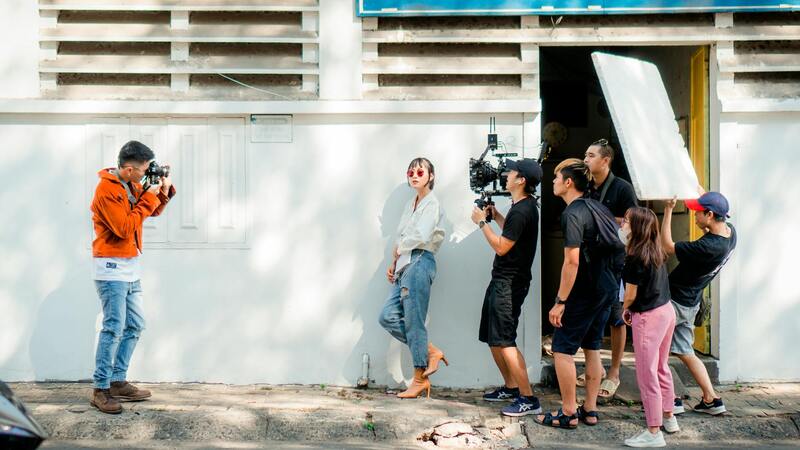
Film production is also prominent in Miami, with a focus on capturing cinematic visuals that meet industry standards. Handling complex camera rigs, coordinating with director and cinematographers, and managing post-production workflows exemplify the vital role of video engineers in this field.
In digital streaming scenarios, Miami’s broadcasters and content creators rely on professional video engineering to deliver live streams with high stability. Whether for online events, webinars, or social media campaigns, the engineer's expertise guarantees smooth delivery, high resolution, and synchronized audio, extending the reach of Miami’s dynamic content to global audiences.
Technical Proficiency and Equipment Mastery
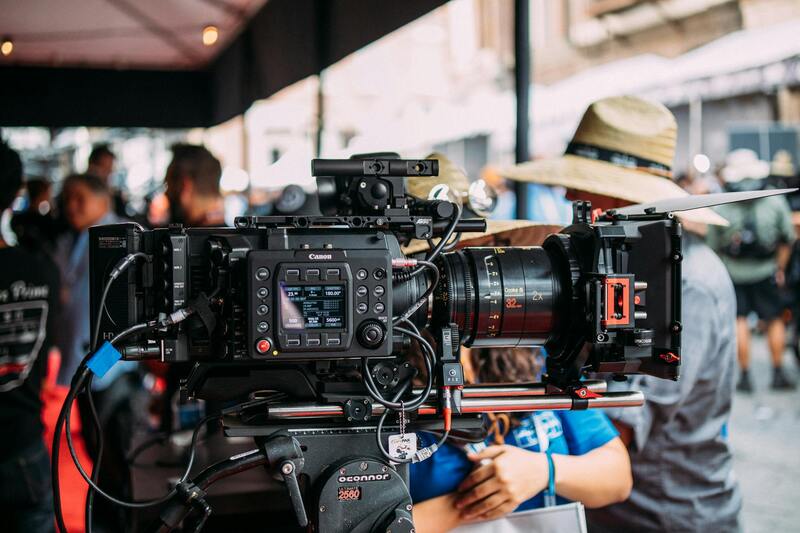
Miami’s vibrant production environment demands that a video engineer possess extensive technical knowledge across a broad spectrum of tools and technologies. A proficient video engineer is skilled in managing professional-grade cameras, such as cinema lenses and high-definition broadcast equipment, ensuring optimal image quality under varying lighting conditions. Knowledge of camera operation includes familiarity with different formats, frame rates, and resolution settings to suit the specific demands of each project.
Furthermore, mastery of video switching equipment, such as live switchers, allows seamless transitions during live broadcasts or multi-camera setups, critical for maintaining viewer engagement and broadcast quality. Video engineers also handle complex audio-visual synchronization, employing advanced mixers, microphones, and wireless systems to produce clear, balanced audio that complements high-definition visuals. They are adept at configuring and calibrating monitors, scopes, and color grading tools to maintain consistent color profiles and exposure levels throughout production.
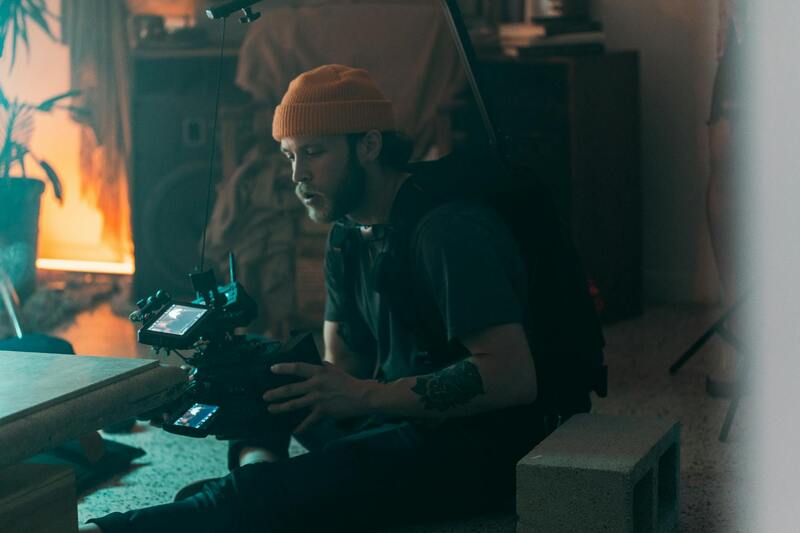
Knowledge of networking and streaming protocols is essential, especially as Miami’s production companies increasingly rely on live streaming platforms and remote production workflows. Video engineers ensure the stability and security of data transmission, managing encoders, decoders, and high-bandwidth networks to deliver uninterrupted content across multiple channels.
They remain up-to-date with the latest in digital and IP-based production systems, including 4K and 8K workflows, cloud-based editing platforms, and virtual production environments. In such high-tech landscapes, the ability to troubleshoot and adapt rapidly is invaluable, allowing Miami’s productions to operate efficiently with minimal downtime and maximum quality assurance.
Collaboration with Creative and Technical Teams
Effective communication and coordination with directors, cinematographers, lighting technicians, and post-production teams are fundamental skills for a video engineer. They interpret creative visions into technical realities, offering solutions that enhance storytelling while maintaining technical feasibility.
This collaborative approach involves pre-production planning, equipment setup, on-set adjustments, and post-shoot review, ensuring a coherent visual narrative and technical excellence. Miami’s fast-paced project environment demands that video engineers are not only technically skilled but also adaptable team players capable of responding swiftly to evolving creative directives.
Compliance with Industry Standards and Protocols
Adherence to industry standards, including broadcast specifications and safety protocols, is crucial for professional video engineers. They ensure that all equipment complies with regional and national regulations, conduct routine safety inspections, and maintain documentation for quality assurance. This diligence minimizes the risk of project delays and technical issues, particularly in high-profile events or live broadcasts.
Understanding regional specifics, such as venue restrictions, power regulations, and permit requirements, allows Miami’s video engineers to preempt logistical challenges and streamline production workflows. Their familiarization with local venues and industry norms provides an added layer of reliability and professionalism to each project undertaken in Miami’s dynamic media landscape.
Role of a Video Engineer in Miami FL Production
In Miami’s vibrant media and event industry, a video engineer plays a pivotal role in ensuring the seamless delivery of high-quality visual content. Their responsibilities encompass a broad spectrum of technical tasks, including the setup and operation of complex video systems, integration of multiple video sources, and ensuring synchronization across equipment during live events or recordings. Additionally, they act as technical coordinators, working closely with directors, producers, and other technical staff to translate creative visions into operational plans.
One of the core functions of a video engineer in Miami is managing live broadcast setups for events such as concerts, sports, conventions, and corporate functions. This involves configuring broadcast equipment, adjusting video feeds in real-time, and troubleshooting technical issues swiftly to prevent disruptions. Given Miami's bustling event calendar, the ability to adapt quickly and maintain technical precision under pressure is essential.
Furthermore, video engineers in Miami are integral to post-production workflows. They work with editing teams to ensure that raw footage, color grading, and special effects meet the desired quality standards. Their expertise ensures that final deliverables are delivered on schedule while maintaining consistency and visual fidelity. Their role extends into future-proofing content by implementing advanced recording and storage solutions, which facilitate efficient editing and distribution processes.
Key Skills and Qualifications for Video Engineers
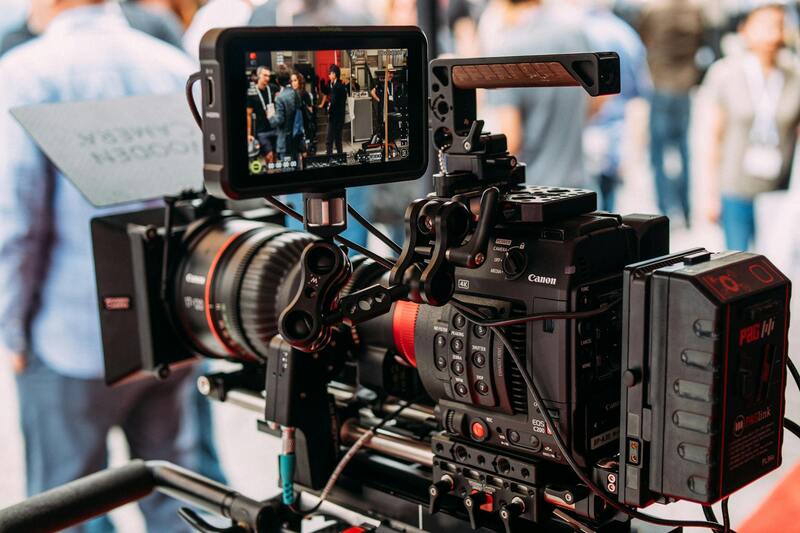
Successful video engineers in Miami possess a blend of technical proficiency, industry knowledge, and creative problem-solving skills. Technical expertise includes a deep understanding of video signal flow, camera operation, switching equipment, and streaming technologies. Proficiency with industry-standard hardware and software such as SDI, HDMI systems, and live broadcasting platforms is crucial.
Alongside technical skills, formal training or certifications in broadcast engineering, media production, or related fields bolster a professional’s credibility. Experience working in diverse environments—ranging from live events to studio shoots—enhances a video engineer’s ability to handle the dynamic needs of Miami’s media industry.
Effective communication and collaboration skills are vital, as video engineers often serve as the technical bridge between creative talent and production teams. The capacity to troubleshoot under pressure, adapt to evolving project requirements, and maintain meticulous documentation ensures smooth workflows and high-quality outcomes.
Types of Projects requiring Video Engineers in Miami
- Live Music and Concert Events
- Broadcast Productions for Television and Streaming
- Corporate Conferences and Seminars
- Film and Commercial Shooting
- Fashion Shows and Art Installations
- Sporting Events and Live Broadcasts
- Luxury Event Production and Public Festivals
Each project type demands specific technical considerations and equipment configurations. For example, live concerts require robust switching and monitoring to handle multiple camera angles, while a corporate conference might focus on seamless live streaming and recording. Miami’s diverse event landscape underscores the importance of adaptable, knowledgeable video engineers who can tailor their approaches to meet unique production needs.
Importance of Local Knowledge and Industry Context
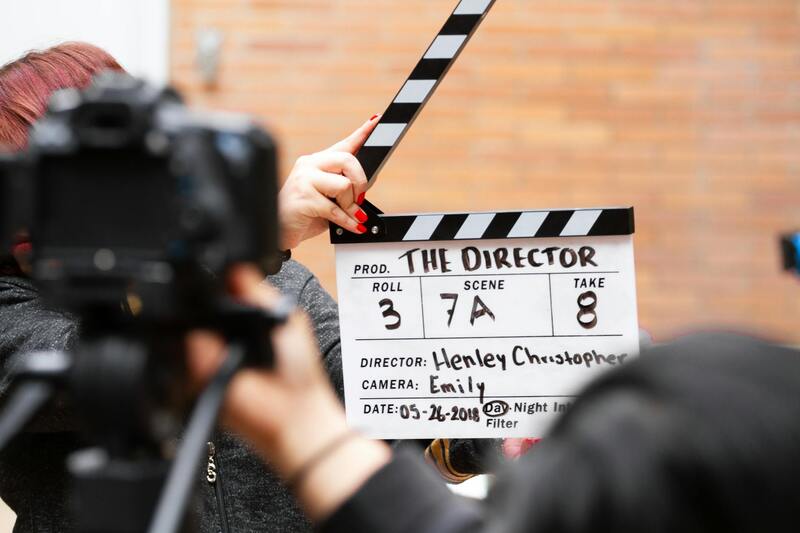
Understanding Miami's specific event venues, local regulations, and logistical nuances is crucial for effective video engineering. Familiarity with venue restrictions—such as power limitations, access protocols, and space constraints—enables engineers to plan equipment needs meticulously, ensuring minimal disruptions during setup and operation.
Knowledge of Miami's industry landscape, including key venues, production companies, and regional vendors, facilitates smoother collaborations. Recognizing regional standards for broadcast and safety protocols allows engineers to implement compliant solutions proactively, reducing risks of delays or compliance issues.
Furthermore, Miami's diverse cultural scene and thriving event calendar demand a versatile approach. From high-end corporate galas to lively music festivals, a video engineer’s ability to adapt to different styles and requirements enhances their effectiveness and reputation in the local industry.
Technologies and Equipment Used by Miami Video Engineers
Miami's dynamic event scene requires video engineers to stay at the forefront of technological advancements. The equipment selected profoundly impacts the quality and reliability of the final production. High-definition cameras, such as 4K or even 8K capable models, are staples for capturing crisp visuals that meet modern broadcast standards. These cameras often come with features like high frame rate recording and excellent low-light performance, essential for the varied lighting conditions typical of Miami venues, from indoor conference halls to outdoor festivals.
In addition to cameras, Miami video engineers rely heavily on sophisticated switching systems. These digital video switchers enable seamless transitions between multiple camera feeds, essential for live streaming and broadcast events. Advanced switchers also support multi-view monitoring, effects, and integrations with other production systems, allowing for a cohesive audiovisual experience.
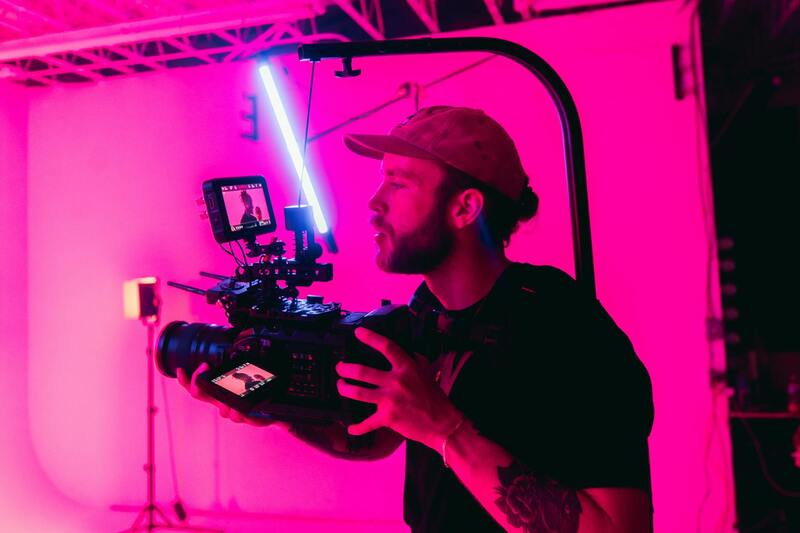
Lighting and audio gear are equally critical in craftings a professional output. LED lighting systems provide adjustable, energy-efficient illumination suitable for any event setting. These lights can be remotely controlled to match the mood or highlight specific moments, providing versatility that is crucial in Miami’s diverse event environments. High-quality microphones, wireless transmitters, and audio mixers ensure clarity and sound fidelity, which are vital for engaging audiences both onsite and remote.
Supporting these primary tools are ancillary devices such as wireless video transmitters, remote lenses, and stabilization rigs. Wireless transmitters facilitate mobility around large venues, enabling dynamic shots without cumbersome cabling. Remote lenses allow precise focus and zoom control from a distance, essential for capturing spontaneous moments or live reactions. Stabilization rigs, including gimbals and steadicams, help achieve smooth camera movements in fast-paced or outdoor scenarios, contributing to a polished, professional look.
Miami video engineers also utilize a range of software solutions for live streaming, post-production editing, and content management. Streaming platforms integrated with encoder software ensure high-quality signal delivery to audiences worldwide. Editing tools enable quick turnaround on event videos, making content from Miami's events readily available for promotional or archival use.
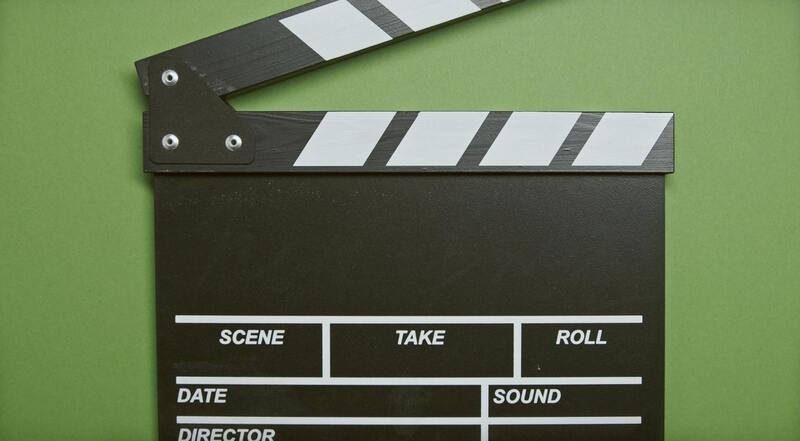
Overall, the combination of advanced hardware and software allows Miami’s professional video engineers to deliver visually stunning, technically flawless productions suited to the city’s vibrant and diverse event landscape. Staying updated with the latest innovations and maintaining skilled proficiency in these tools remains a cornerstone of success in Miami’s competitive event production industry.
Role of a Video Engineer in Miami FL Production
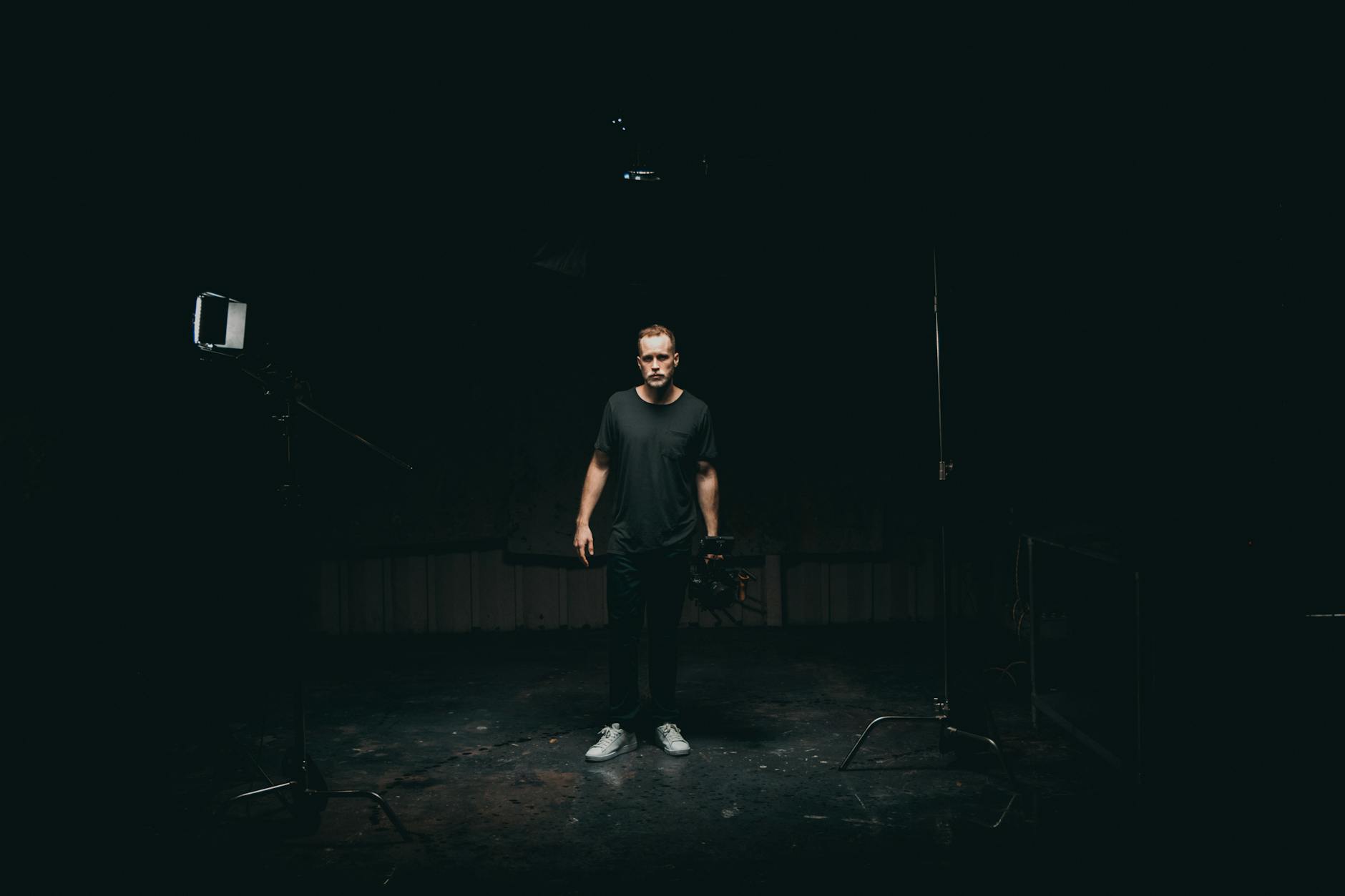
In Miami’s dynamic event scene, the role of a video engineer extends far beyond mere camera operation. They are instrumental in ensuring the seamless execution of complex audiovisual productions, which range from large-scale concerts to corporate conferences and live sports events. A proficient video engineer manages a broad spectrum of technical responsibilities, including setting up and calibrating equipment, overseeing live feeds, and troubleshooting unforeseen issues during events. Their expertise guarantees the delivery of crystal-clear visuals and synchronized audio, which are critical for engaging both onsite audiences and remote viewers. Given Miami’s reputation as a cultural hub, video engineers often collaborate with event organizers, production companies, and broadcasters to create compelling visual narratives that resonate locally and internationally.
Key Skills and Qualifications for Video Engineers
- Technical Proficiency: Expertise in camera systems, switchers, streaming hardware, and software is fundamental. Familiarity with HD and 4K video technologies enhances production quality.
- Problem-Solving Abilities: Rapid troubleshooting skills are vital for maintaining smooth operations during live events, minimizing downtime and technical glitches.
- Communication Skills: Effective coordination with other production team members ensures that visual and audio outputs align with event goals.
- Adaptability: The fast-paced nature of event production in Miami requires flexibility and quick thinking to adapt equipment setups to varying environments.
- Industry Certifications: Certifications like Cisco’s CCNA or Sony’s certification programs demonstrate technical competency and dedication to ongoing professional development.
Types of Projects requiring Video Engineers in Miami
Miami hosts a diverse range of events that rely heavily on skilled video engineering services. These include high-profile cultural festivals, international conferences, art exhibitions, sports broadcasts, and waterfront events along the Miami Beach shoreline. Corporate clients often seek professional video engineering for product launches, trade shows, and virtual branding campaigns. Additionally, live streaming services provided by Miami-based video engineers have become increasingly popular, enabling real-time global engagement for events that attract audiences worldwide.
Importance of Local Knowledge and Industry Context
Miami’s unique geographic and cultural landscape plays a crucial role in shaping effective video production. An experienced video engineer familiar with local venues can optimize equipment setups for acoustics, lighting, and logistical constraints specific to Miami’s event spaces. Understanding the city’s vibrant festival calendar, traffic patterns, and venues allows for meticulous planning and execution. Furthermore, knowledge of the diverse cultural demographics assists engineers in customizing visual content that appeals to local audiences, enhancing the overall impact of the production. This contextual awareness helps streamline operations, avoid logistical hiccups, and elevate the quality of visual storytelling in Miami’s competitive event industry.
Choosing the Right Video Engineer in Miami FL
When selecting a video engineer in Miami, clients should prioritize experience with similar event types and familiarity with Miami’s prominent venues. Reviewing their portfolio can provide insight into their technical capabilities and creative approach. It is also essential to evaluate their proficiency with the latest broadcasting and streaming technologies, ensuring they can support current industry standards. Communication is key; potential clients should seek professionals who are responsive, proactive, and capable of providing comprehensive consultation from pre-production planning through post-event review. Working with local specialists who understand Miami’s unique requirements can significantly enhance the event’s overall quality and success.
Technologies and Equipment Used by Miami Video Engineers
Miami’s premier video engineers utilize a wide array of sophisticated technologies to create flawless productions. High-definition (HD) and ultra-high-definition (UHD) cameras, coupled with stabilized rigs such as gimbals and steadicams, ensure sharp, steady shots even in challenging environments. Multi-camera setups allow for dynamic shots, switching seamlessly during live events. For live streaming purposes, hardware encoders and multicast systems deliver high-quality signals to online platforms worldwide. Video switchers, audio mixers, and intercom systems coordinate to produce synchronized visuals and sound. Post-production workflows involve non-linear editing suites, color grading tools, and content management systems to ensure the final product meets client specifications. Embracing emerging technologies like 4K/8K resolution, 360-degree video, and augmented reality overlays further positions Miami’s video engineers at the forefront of the industry, supporting increasingly immersive event experiences.
Role of a Video Engineer in Miami FL Production
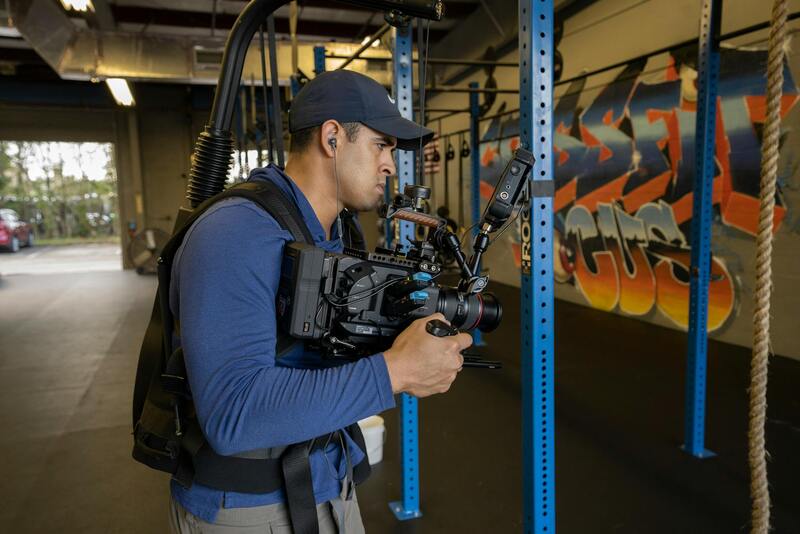
Video engineers in Miami FL serve as the backbone of high-quality visual content creation across a diverse range of events and productions. Their responsibilities extend from the initial planning stages, where they analyze venue layouts and technical requirements, to the execution and live management of video feeds. These professionals ensure that each shot, transition, and broadcast aligns with the creative vision and technical standards set forth by clients and producers. They are integral to live events such as concerts, corporate conferences, fashion shows, and sports competitions, managing complex setups that include multiple cameras, audio integration, and real-time streaming. Their expertise guarantees seamless operations, minimizing technical disruptions and enhancing audience engagement both onsite and online. In Miami’s vibrant entertainment and events industry, a skilled video engineer’s role is vital in producing visuals that captivate audiences and uphold the quality expectations of clients, producers, and viewers alike.
Key Skills and Qualifications for Video Engineers
- Proficiency with professional video equipment, including HD/4K cameras, switchers, and streaming hardware.
- Deep understanding of video signal flow, cabling, and troubleshooting technical issues in real-time.
- Strong grasp of live broadcasting protocols, such as SDI, HDMI, and IP streaming standards.
- Experience with software-based editing, live switchers, and content management systems.
- Excellent communication and coordination skills to work seamlessly with production teams, clients, and venue staff.
- Ability to work under pressure and adapt quickly to changing technical dynamics during events.
- Knowledge of Miami’s local event venues, infrastructure, and industry standards enhances operational efficiency.
Types of Projects requiring Video Engineers in Miami
Miami’s dynamic event scene demands professional video support across various production formats. Major conventions, such as industry expos or corporate summits, often require live streaming and multi-camera feeds to reach audiences worldwide. Music festivals, concerts, and nightlife events benefit from real-time visuals, LED displays, and engaging multimedia presentations supervised by experienced video engineers. Film and video production companies working on commercials, music videos, and promotional content in Miami also depend on specialized video engineering expertise. Additionally, luxury weddings and private events seek top-tier video solutions to capture and project priceless moments with clarity and precision. Each project demands tailored solutions that adapt to the scale, environment, and technical specifications unique to Miami’s multifaceted event landscape.
Importance of Local Knowledge and Industry Context
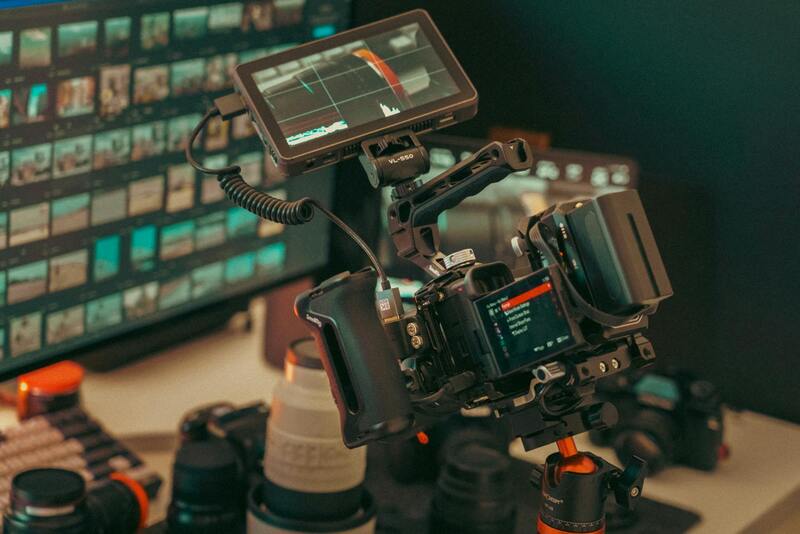
Understanding Miami’s geographical and cultural landscape gives local video engineers an advantage in streamlining production logistics. Familiarity with popular venues, available infrastructure, and typical environmental conditions allows for more effective equipment planning and troubleshooting. Importantly, Miami’s vibrant events calendar, including festivals, fashion weeks, and sports tournaments, means that local professionals are often more adaptable and ready to respond to last-minute changes. Their insights into industry connections enable smoother collaboration with other vendors, event organizers, and media outlets. Such local expertise ensures that technical solutions are aligned with the specific needs and expectations of the Miami market, resulting in more efficient workflows and superior outcomes. Moreover, a deep understanding of the local industry trends helps engineers recommend cutting-edge technologies, positioning Miami productions at the forefront of the visual entertainment sector.
Choosing the Right Video Engineer in Miami FL
When selecting a video engineer in Miami FL, clients should prioritize experience with similar project types and familiarity with the local event environment. A comprehensive portfolio showcasing past work, especially high-profile events, offers insight into their technical proficiency and creative approach. Certifications from recognized industry organizations, like Sony or Yamaha technicians, further validate their expertise. Compatibility and communication skills are crucial; the engineer must understand the client’s creative vision while translating it into effective technical execution. It’s advisable to discuss specific project needs beforehand, including equipment requirements, budget constraints, and timelines, to ensure clear expectations. Collaborating with locals who have a strong industry network can also provide additional support and resource availability, ultimately contributing to a more streamlined production process and superior results.
Technologies and Equipment Used by Miami Video Engineers
Miami’s premier video engineers utilize an extensive arsenal of advanced technologies to ensure top-tier production quality. High-definition (HD) and ultra-high-definition (UHD) cameras form the core of their setup, often complemented by stabilization rigs such as gimbals and steadicams to achieve smooth shots in dynamic environments. Multi-camera configurations enable versatile angles and seamless live switching, essential for engaging broadcasts. For live streaming, hardware encoders and multicast systems reliably transmit content to global online audiences. Audio mixing consoles, intercom networks, and communication systems facilitate synchronized sound and visuals. The use of professional editing suites with color grading and content management features supports post-production refinement. Incorporating emerging technologies such as 4K/8K resolutions, panoramic 360-degree video, and augmented reality overlays allows Miami-based engineers to deliver immersive event experiences that stand out in the industry.
Cost Factors and Budgeting for Video Engineering Services
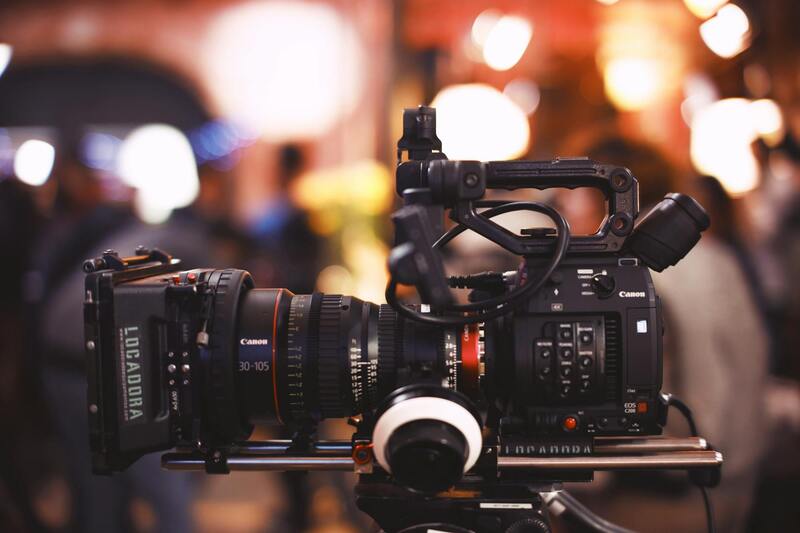
Pricing for video engineering in Miami FL varies based on project scope, equipment complexity, and duration of the event. Large-scale productions with multi-camera setups, real-time streaming, and post-production elements typically incur higher costs, reflecting the need for specialized personnel and advanced technology. Equipment rentals, on-site technical support, and pre-event planning also influence overall budgets. Clients should consider the value of investing in experienced professionals capable of delivering seamless operations, especially for high-stakes or high-visibility events. Transparent communication regarding pricing structures and scope of services aids in aligning expectations and ensuring cost-effective solutions. Budgeting wisely involves balancing quality requirements with financial parameters, recognizing that well-executed video production significantly enhances audience engagement and event impact, making it a worthwhile investment in Miami’s competitive market.