
Planning and Pre-Production Preparation for Live Stream Production
Effective live stream production begins long before the camera starts rolling. Thorough planning and pre-production preparations are fundamental to ensuring a seamless and engaging live broadcast. This phase involves detailed content scheduling, meticulous technical setup, and comprehensive team coordination, all aimed at delivering a professional viewing experience that meets client expectations.
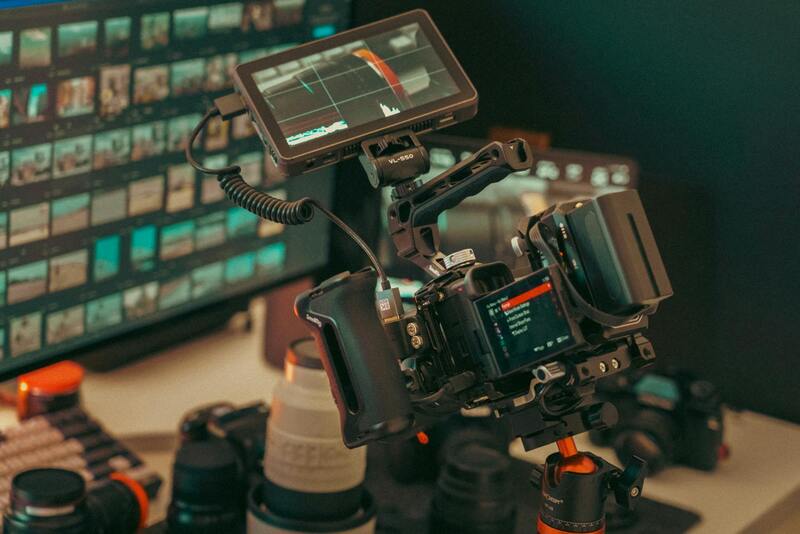
Content Scheduling and Program Outline
Creating a clear content schedule is essential for maintaining flow and timing during the live stream. This includes outlining segments, key messages, and transitions to keep the event on track. A well-organized program outline helps production teams anticipate timing issues and streamline the participant experience.
Technical Setup and Infrastructure
Prior to going live, technicians perform rigorous checks of all equipment and network infrastructure. This involves testing cameras, audio systems, lighting, and streaming hardware or software to ensure optimal performance. Establishing reliable internet connectivity, with fallback options, minimizes the risk of interruptions.
Team Coordination and Roles
Assembling a competent crew and clearly defining roles is critical. This includes camera operators, sound engineers, technical directors, and on-screen talent. Conducting rehearsal sessions allows the team to familiarize themselves with the schedule, troubleshoot potential issues, and synchronize their efforts for a unified broadcast.
In addition to technical personnel, a project manager or producer oversees the entire operation, ensuring all elements align with the overarching strategy. Communication channels are established among team members to facilitate real-time problem solving and updates during the live event.
Content Preparation and Material Readiness
Ahead of the stream, all visual and multimedia content must be prepared, including overlays, lower thirds, branding, and prerecorded videos. Ensuring these assets are ready and tested within the streaming setup prevents delays during the live presentation.
Risk Management and Contingency Planning
Effective live stream production involves anticipating possible technical issues and having contingency plans in place. Backup equipment, alternative internet sources, and clear escalation procedures help mitigate unexpected disruptions.
Overall, the success of live stream produktion relies heavily on the extent of pre-event planning. By meticulously organizing content, technical infrastructure, and team roles, event organizers can create a professional, engaging, and smoothly executed live broadcast that resonates with viewers and fulfills client objectives.
Equipment and Technology Essentials
Ensuring a seamless live stream involves a comprehensive understanding of the essential equipment and technology. High-quality video and audio sources serve as the foundation for a professional broadcast, making investments in robust hardware critical for success. This section explores the key technological elements vital for a smooth and engaging live streaming experience.
High-Definition Cameras
The choice of cameras influences the clarity and visual appeal of the broadcast. Modern live stream productions typically utilize professional-grade HD or 4K cameras with stable mounting options and adjustable lenses. These cameras should support HD SDI or HDMI output, ensuring high-quality signal transmission to the streaming hardware. Multiple camera setups enable dynamic shot compositions, including wide shots, close-ups, and specialty angles, enriching the viewer experience.
Audio Equipment
Clear audio is as important as visual quality. High-fidelity microphones, including wireless lapels, shotgun mics, and tabletop microphones, are employed depending on the event's nature. An audio mixer allows for real-time control over sound levels and quality, reducing noise and feedback issues. Additionally, using dedicated audio interfaces connected directly to streaming hardware ensures audio remains synchronized and crisp throughout the broadcast.
Streaming Hardware and Encoders
The core of any live stream setup includes encoders—either hardware or software—that convert raw audio-visual signals into internet-compatible streams. Hardware encoders offer reliability and lower latency, making them suitable for critical live productions, while software encoders provide flexibility and ease of use. Dual streaming setups or backup encoders are often configured to mitigate potential hardware failures during the event.
Networking and Internet Connectivity
A stable, high-bandwidth internet connection is indispensable. Primary internet sources should feature wired Ethernet connections to minimize interruptions. Redundant internet sources, such as LTE or 5G mobile hotspots, act as backups in case primary connections face issues. Quality routers supporting QoS (Quality of Service) settings should be employed to prioritize live stream data, preventing lag and buffering.
Lighting Equipment
Proper lighting enhances image quality and ensures on-camera talent is visible and professional-looking. LED panels, softboxes, and key lights should deliver consistent, flicker-free illumination. Lighting setups are tailored to the venue and scene requirements, often including backlighting and fill lights to add depth and visual interest.
Production Software
Live production software interfaces allow operators to switch between camera feeds, add overlays, insert prerecorded content, and control audio. Platforms such as vMix, Wirecast, or OBS Studio are popular choices. These tools facilitate real-time editing, graphics insertion, and integration with streaming platforms through an easy-to-navigate interface.
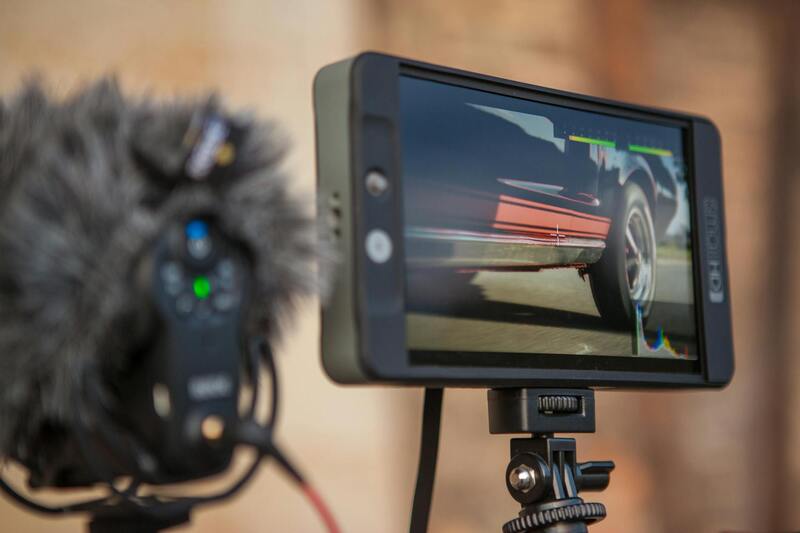
Technical Infrastructure and Setup
Beyond equipment, establishing a reliable technical infrastructure involves careful cable management, adequate power supplies, and environmental considerations such as temperature control and noise reduction. Signal flow diagrams help visualize the setup, ensuring all components connect properly and operate seamlessly during the live event.
Importance of Calibration and Testing
Before the event, comprehensive testing and calibration are crucial. This process involves adjusting camera settings, audio levels, and internet signals to optimal levels. Conducting dry runs with all equipment helps identify issues early, allowing for corrections that ensure broadcast quality and minimize on-air problems.
Strategic Integration of Technology
The integration of hardware and software should be aligned with the production’s creative vision and technical demands. Employing a centralized control station, where a technical director monitors all streams and signals, enhances coordination. This setup enables smooth transitions, real-time troubleshooting, and ensures that the overall visual and audio presentation remains consistent and high-quality.
Ensuring Seamless Live Stream Execution Through Precise Technical Operations
Executing a live stream demands meticulous coordination across multiple technical facets to guarantee a seamless broadcast that meets professional standards. The core objective is to maintain high-quality audio-visual output while minimizing the risk of disruptions or delays, which requires thorough planning, real-time management, and adaptive troubleshooting.
One of the fundamental practices is establishing a comprehensive signal flow diagram. This visual blueprint maps out every connection point between cameras, audio sources, encoding devices, and streaming platforms. By clearly understanding signal pathways, the production team can quickly identify potential bottlenecks or points of failure, facilitating prompt resolution during the live event.
Equipment calibration is another critical aspect. Cameras should be calibrated for color accuracy, exposure, and focus to ensure consistent visual quality throughout the broadcast. Similarly, audio devices require fine-tuning—setting appropriate gain levels, balancing microphone inputs, and eliminating ambient noise—to deliver clear sound without distortions or interruptions.
Internet connectivity forms the backbone of live streaming. Multiple internet sources, such as wired broadband and LTE backup connections, should be used to create a resilient internet infrastructure. Bonding solutions can combine multiple feeds for increased stability, reducing the likelihood of buffering or disconnects that may ruin the viewing experience.
Real-time monitoring is essential during the live event. Assigning a dedicated technical director to oversee the stream enables constant supervision of video feeds, audio levels, and network status. Using software dashboards, the director can monitor multiple channels, receive alerts for anomalies, and implement switching or troubleshooting actions promptly.
Adaptive troubleshooting protocols are also vital. Having a predefined set of steps for common issues—such as signal loss, audio dropout, or hardware malfunctions—accelerates response times. For instance, switching to backup cameras or re-routing audio feeds can maintain broadcast continuity while the technical team resolves the primary issue.
Effective management also involves coordination with the control room team. Clear communication channels, such as headsets and dedicated chat systems, ensure that information about potential problems or upcoming transitions is relayed swiftly. This synergy between roles minimizes on-air errors and maintains the production’s professional flow.
By integrating meticulous technical operations with comprehensive pre-setup checks and real-time management, live stream production becomes a precise, high-quality delivery that reflects the effort and expertise invested in the process. Such disciplined execution is key to engaging audiences and enhancing the reputation of any streaming initiative.
Technical Setup and Optimization for Seamless Streaming
Ensuring a smooth live streaming experience requires meticulous technical setup and ongoing optimization. The choice of high-performance capture devices, encoders, and reliable internet connectivity forms the backbone of quality delivery. Professional-grade cameras and microphones capture visuals and audio with clarity, while hardware encoders convert these signals into digital formats compatible with streaming platforms.
To optimize performance, redundant systems are essential. Dual internet connections utilizing different service providers can be configured to switch seamlessly in case of a network failure, preventing interruptions. Additionally, deploying backup hardware components such as secondary cameras or audio mixers ensures minimal disruption should primary equipment encounter issues.

Advanced software solutions are employed to manage encoding, video switching, and overlay graphics. These tools enable real-time adjustments, like adding lower thirds or company branding, enhancing the production's visual appeal. Additionally, utilizing software with adaptive bitrate streaming capabilities ensures the video quality adjusts dynamically based on viewers’ bandwidth, thus reducing buffering and enhancing viewer satisfaction.
Network infrastructure is also a critical factor. A dedicated, wired connection minimizes latency and packet loss, offering a stable transmission pathway. Network monitoring tools help track bandwidth utilization, packet loss, and latency, providing early warnings of potential issues. Implementing Quality of Service (QoS) protocols prioritizes streaming traffic over other network activities to maintain consistent performance.
Environmental and Set Design Considerations
Creating an optimal environment involves more than just technical gear. The physical setup should be free from excessive noise, proper lighting, and visually appealing backgrounds that align with the event's branding. Proper lighting, including key lights, fill lights, and backlights, ensures subjects are well-illuminated, avoiding shadows and color distortions. Backgrounds should be uncluttered and relevant to the content, contributing to a professional appearance.
Set design should also consider camera angles and framing. A well-thought-out arrangement helps highlight key moments and speakers, maintaining audience engagement. Cable management and ergonomic positioning of equipment reduce on-camera clutter and facilitate seamless movement for presenters or hosts.
Preparation of Content and Rehearsals
Pre-event rehearsals serve as a crucial component of live stream production. These sessions verify equipment functionality, test audio-visual synchronization, and familiarize the crew with the event flow. During rehearsals, test switches between cameras, overlay graphics, and transitions to identify and resolve potential issues.
Content preparation extends to script development and cue sheets, ensuring all participants know their roles and timing. Rehearsals also provide an opportunity to optimize lighting, sound levels, and camera positioning. Recording the rehearsal allows for review and adjustments, leading to a polished live broadcast.
Workflow and Protocols During the Live Event
Effective workflow protocols underpin smooth on-air operations. A comprehensive rundown of the event schedule guides camera operators, hosts, and technical staff through each segment. Clear communication channels, such as dedicated headsets or instant messaging, facilitate real-time coordination.
Employing a dedicated technical director to oversee the entire production is instrumental. This individual manages video switching, monitors stream health via dashboards, and promptly addresses any anomalies. The technical director’s role also includes managing transitions, inserting graphics, and handling audience interactions if applicable.
Contingency plans should be established for common issues like signal loss, audio failure, or hardware malfunctions. Having pre-arranged backup systems, such as secondary encoders or alternative internet routes, ensures the broadcast can continue with minimal interruption while issues are resolved.
Post-Broadcast Evaluation and Content Archiving
Following the live event, a thorough review of the broadcast helps identify areas for improvement. Analyzing stream metrics, such as viewer retention, connection stability, and engagement levels, provides insights into the production’s effectiveness. This feedback informs future planning, leading to higher quality streams over time.
Archiving the recorded stream enables content repurposing for on-demand viewing, promotional clips, or highlight reels. Proper storage solutions ensure the quality remains intact for future use. Additionally, collecting viewer feedback through surveys can unveil audience preferences, helping tailor subsequent streams to meet expectations more effectively.
Overall, the success of live stream production hinges on detailed planning, robust technology, and disciplined execution, all coordinated seamlessly to deliver compelling, professional content that captivates audiences and strengthens brand presence in the digital landscape.
Advanced Techniques in Live Stream Production Management
Executing a seamless live stream requires more than just the right equipment and setups. It involves implementing advanced management techniques that optimize broadcast quality, enhance viewer engagement, and ensure operational efficiency. These methods include real-time data monitoring, adaptive bitrate streaming, and comprehensive contingency planning, which are critical to managing the complexities of professional live streaming.
Real-Time Data and Analytics Monitoring
One of the pivotal practices in live stream production is continuous monitoring of an array of data points, such as stream health, viewer metrics, and system performance indicators. Modern streaming platforms and management tools provide dashboards that display real-time analytics, allowing technical teams to respond swiftly to any anomalies. For instance, fluctuations in viewer count, buffering issues, or bandwidth utilization levels can be identified instantly, prompting immediate adjustments to maintain quality.

Furthermore, analyzing data trends post-broadcast helps refine future productions. Tracking metrics such as peak viewership periods, engagement rates, and geographic distribution assists in tailoring content and stream quality to meet audience expectations, all while optimizing bandwidth and server loads.
Adaptive Bitrate Streaming for Enhanced User Experience
Implementing adaptive bitrate technology is vital for delivering a consistently high-quality stream across diverse network conditions. This technology dynamically adjusts the video quality based on the viewer’s internet speed, minimizing buffering and interruptions. Live production teams should configure multiple stream qualities and ensure automatic switching capabilities are in place, which is especially beneficial for broadcasts intended for varied device types and connection speeds.
Contingency Planning and Redundancy Measures
Effective live stream management involves detailed contingency plans for potential disruptions. This includes establishing backup internet connections, secondary streaming servers, and preconfigured failover procedures. Equipment redundancy is equally essential—having backup cameras, audio devices, and encoding hardware ready ensures that unforeseen issues don’t jeopardize the entire broadcast.
For example, if primary internet connectivity drops, the system should automatically switch to a secondary network without service interruption. Additionally, pre-recorded segments can serve as fillers during unexpected technical faults, maintaining broadcast continuity and viewer engagement.
Integrated Communication Systems
Maintaining clear and constant communication among production team members is critical for swift decision-making. Utilizing dedicated intercom channels or live chat platforms helps coordinate transitions, graphics insertion, and technical support seamlessly. This coordination minimizes latency and prevents miscommunications that could impact viewer experience.
Comprehensive Staff Training and Protocols
To execute these advanced management practices effectively, all production personnel should undergo thorough training on equipment operation, emergency procedures, and communication protocols. Establishing written operational procedures ensures consistency, especially during unanticipated events.
Continuous Improvement through Feedback and Analysis
Post-broadcast evaluations are integral to refining management techniques. Collecting feedback from viewers, analyzing stream performance data, and reviewing incident logs provide insights for future improvements. Additionally, implementing structured debriefs among the production team helps identify procedural gaps and develop corrective actions.
Integrating these sophisticated management strategies enhances the professionalism of live stream productions, ensures operational resilience, and elevates the overall viewer experience. Meticulous planning, technological proficiency, and disciplined execution form the foundation for consistently successful live streaming endeavors.
Advanced Techniques in Live Stream Produktion
Executing a seamless live stream requires more than just basic equipment and setup. It involves implementing sophisticated production techniques that elevate the quality and professionalism of the broadcast. These techniques include multi-camera switching, real-time graphics integration, professional audio mixing, and on-the-fly video effects. Mastery of these elements ensures that the content remains engaging, visually appealing, and technically flawless.
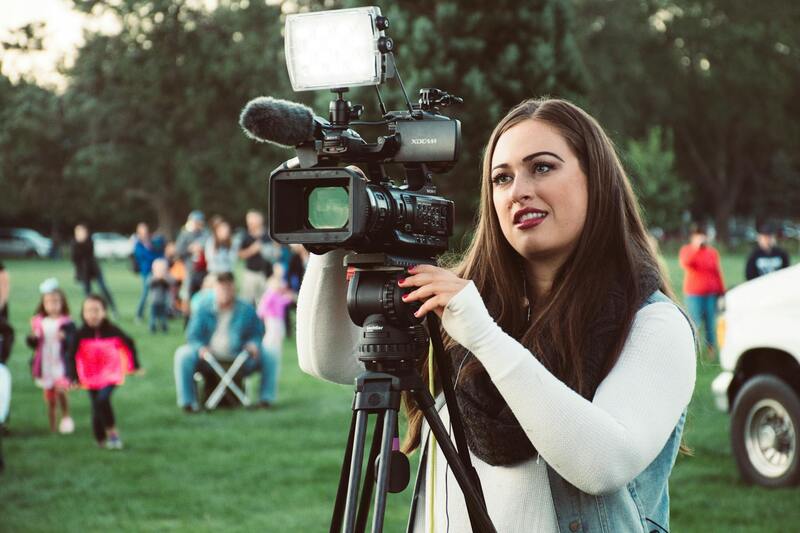
Multi-Camera Operations
Utilizing multiple cameras allows producers to offer dynamic perspectives and maintain viewer interest. Proper coordination of camera angles, panning, and zooming creates a cinematic feel, mimicking traditional broadcast standards. Skilled operators must work in harmony, selecting appropriate shots that complement the content and maintain continuity throughout the stream.
Graphics and On-Screen Elements
Integrated graphics such as lower thirds, overlays, logos, and real-time annotations enhance visual storytelling. These elements should be professionally designed and seamlessly incorporated into the live feed. Advanced broadcasting software enables designers and producers to update graphics efficiently without disrupting the flow of the stream.
Audio Mixing and Sound Control
High-quality audio is vital for a polished live stream. Using professional mixing consoles allows for clear voice levels, suppression of background noise, and the addition of sound effects or background music. Proper microphone placement and sound checks prior to going live ensure that audio remains consistent and intelligible across diverse listening environments.
On-the-Fly Video Effects and Transitions
Applying real-time effects, transitions, and picture-in-picture features can add professionalism and visual interest. Skilled operators can switch smoothly between camera feeds, apply chroma key effects, and incorporate motion graphics during the broadcast. These enhancements require precise timing and familiarity with broadcasting software to avoid distracting glitches or delays.
Stream Encoding and Compression
Efficient encoding is critical for maintaining high-quality video transmission while minimizing latency and buffering. Utilizing advanced codecs and adaptive bitrate streaming ensures that viewers experience continuous, high-resolution playback regardless of their internet connection quality.
Monitoring and Quality Control
Real-time monitoring systems track stream health, video quality, and audio clarity. Immediate corrective actions can be taken to address issues such as signal fluctuations, synchronization problems, or hardware malfunctions. Employing redundant systems and backup internet connections further enhances reliability, especially during critical broadcasts.
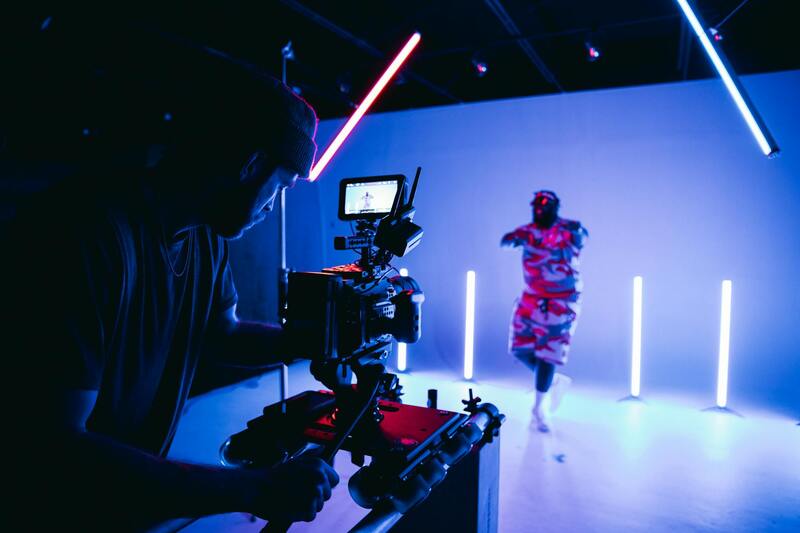
Implementing Best Practices for Consistency
Establishing standardized procedures for each stage of production ensures consistency across multiple broadcasts. Regular rehearsals, detailed run sheets, and comprehensive checklists help illuminate potential pitfalls, streamline workflows, and facilitate rapid troubleshooting. These practices, combined with continuous staff training, result in a highly professional live streaming operation.
Data and Analytics Integration
Monitoring viewer engagement metrics, stream performance data, and error logs provides actionable insights. Analyzing this data post-broadcast helps identify areas for improvement, optimize future streams, and tailor content to audience preferences. Companies focusing on quality enhancement leverage these analytics to refine their live stream produktion processes continually.
Managing Live Interactions and Engagement
Effective management of live interactions is vital for enhancing viewer engagement and ensuring a seamless broadcast experience. Incorporating interactive features such as real-time chat moderation, polls, and Q&A sessions allows audiences to participate actively, thereby increasing their investment in the content. Moderation tools are crucial for maintaining a professional environment, filtering inappropriate comments, and preventing spam, which helps sustain the broadcast's credibility.
Deploying dedicated staff or utilizing automated moderation software during live streams ensures that viewer interactions are handled efficiently without overwhelming the production team. Additionally, proactive engagement strategies such as prompting viewers to submit questions, participate in polls, or share feedback foster a sense of community and loyalty. Timely responses from hosts or presenters to viewer comments can further personalize the experience, making viewers feel valued and heard.
Implementing structured segments within the live stream, such as designated Q&A times or interactive contests, not only boosts viewer participation but also helps maintain a dynamic flow. Using analytics tools to monitor viewer behavior and interaction patterns provides insights into audience preferences, enabling producers to tailor content in real time and improve engagement metrics.
Furthermore, integrating social media platforms into the live streaming strategy encourages broader participation. Sharing live clips, engaging in comment conversations, or prompting viewers to use specific hashtags extends the broadcast's reach beyond the immediate audience. These tactics require dedicated moderation and content management but significantly enhance the overall engagement and visibility of the live stream.
Robust moderation and interactive engagement practices are essential components of a professional live stream production, contributing to a memorable and engaging viewer experience. Properly managed interactions foster viewer loyalty, promote real-time feedback, and help broadcasters adapt swiftly to audience responses, ultimately elevating the quality and impact of the live event.
Ensuring Seamless Live Stream Production: Technical Best Practices
To achieve a professional and uninterrupted live streaming experience, meticulous attention to technical details is essential. This involves not only selecting the right equipment but also implementing comprehensive procedures to monitor and troubleshoot issues in real-time. The goal is to deliver high-quality content that captivates viewers and maintains engagement from start to finish.
Pre-Stream Technical Checks and Setup
Prior to going live, a thorough pre-stream check of all equipment is vital. This includes testing cameras, microphones, audio mixers, and streaming hardware to verify optimal functioning. Confirming the stability of internet connections, ideally through a wired Ethernet setup, reduces the risk of connectivity issues. Additionally, assessing the availability of power sources and backup options helps mitigate potential disruptions during the broadcast.
Continuous Monitoring During the Broadcast
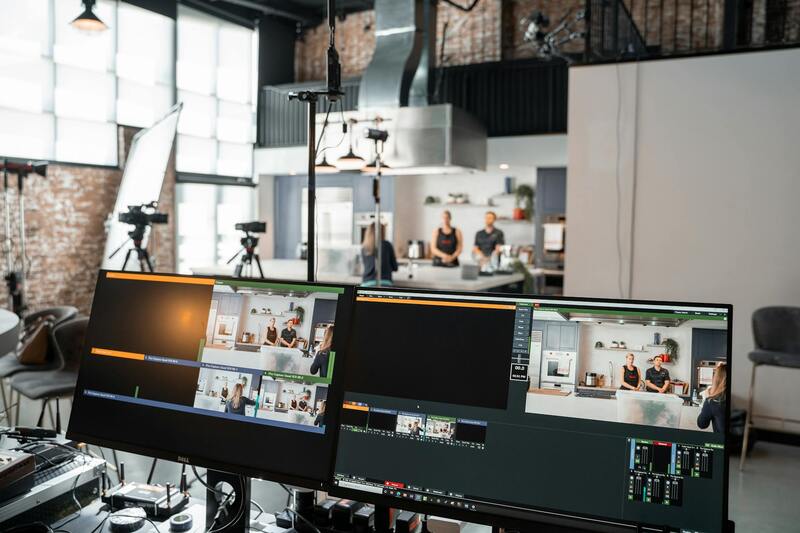
Once live, continuous monitoring of technical parameters is crucial. This includes keeping an eye on stream health indicators such as bit rate, buffer status, and video resolution. Real-time feedback from streaming software and hardware dashboards allows operators to quickly identify and resolve issues such as lag, audio sync problems, or dropped frames. Dedicated personnel should oversee these aspects, enabling prompt action without interrupting the flow of the event.
Handling Common Technical Challenges
Despite best preparations, technical problems may still occur. Effective troubleshooting protocols can mitigate their impact:
- Internet Connectivity Failures: Utilize dual internet connections with failover capabilities. Switching to a backup network can restore stream stability instantly.
- Hardware Failures: Maintain spare equipment on-site. Simple replacements, like swapping out a faulty microphone or camera cable, can prevent significant delays.
- Software Glitches: Keep streaming software updated and run test streams prior to the event. Using reliable streaming platforms reduces the likelihood of software crashes or incompatibility issues.
- Audio Quality Problems: Regularly calibrate microphones and audio levels. Employ audio mixers with automatic gain control to maintain consistent sound levels throughout the broadcast.
Post-Stream Equipment Review
After completing the live event, conduct a comprehensive review of all technical aspects. This includes analyzing stream data, identifying any disruptions, and documenting lessons learned. Such audits enable continuous improvement for future productions.
Integrating Redundancy and Backup Systems
Implementing redundancy measures is a key part of maintaining high-quality streams. Alternative data pathways, backup power supplies, and secondary streaming devices ensure that unforeseen issues do not interrupt the transmission. Planning for these contingencies well in advance minimizes risk and enhances overall production reliability.
Utilizing Advanced Monitoring and Analytics Tools
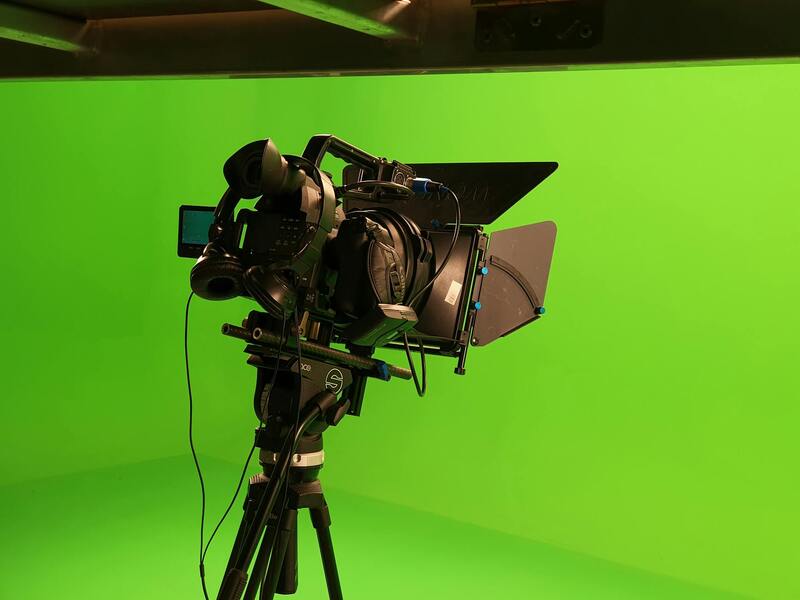
Modern live stream productions benefit from software that offers detailed analytics and real-time monitoring. These tools provide insights into viewer engagement levels, stream health metrics, and technical performance. Leveraging this data allows producers to swiftly address issues, optimize streaming settings, and deliver an improved viewing experience in future broadcasts.
Conclusion
Effective troubleshooting and diligent maintenance are fundamental to successful live stream production. By combining thorough preparation, real-time monitoring, redundancy planning, and comprehensive post-event reviews, producers can deliver seamless, high-quality broadcasts that meet professional standards and satisfy viewer expectations. This strategic approach not only minimizes disruptions but also elevates the reputation and impact of live streaming events in a competitive digital landscape.
Effective Communication and Coordination During the Live Stream
Maintaining clear and continuous communication among the production team is critical for a smooth live stream. This involves establishing a comprehensive communication protocol that includes the use of professional headsets, intercom systems, and real-time messaging platforms. Effective coordination ensures that all team members are informed about transitions, technical statuses, and any unexpected issues that arise during the broadcast.
Designating specific roles for technical support, camera operators, producers, and on-screen talent enables streamlined operations. Regular pre-show briefings and quick-reference guides help team members stay aligned on the broadcast plan, timing, and contingency procedures. During the stream, live updates should be communicated promptly to manage any technical adjustments or content changes seamlessly.
Camera Setup and Scene Management
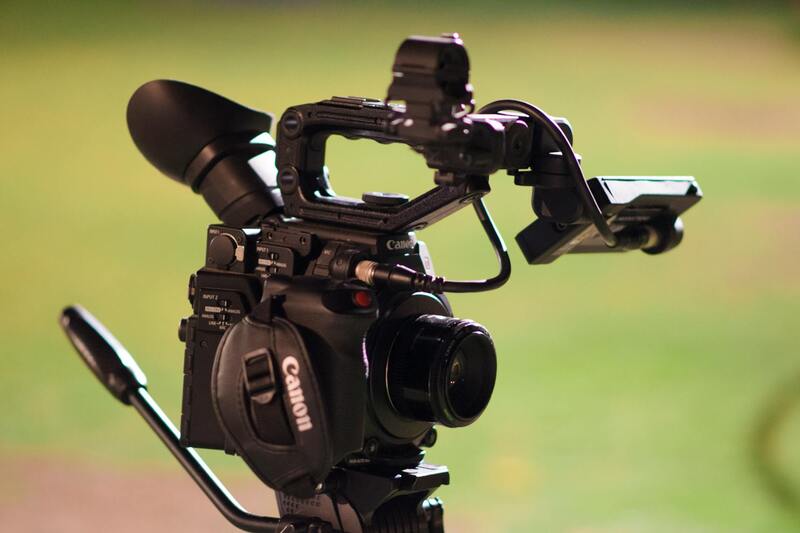
The camera configuration is fundamental to the visual quality and storytelling effectiveness of a live stream. Selecting appropriate camera angles, ensuring correct framing, and maintaining optimal focus contribute to an engaging viewer experience. Multi-camera setups allow for dynamic switching between close-ups, wide shots, and specialty angles, which enhances the production value.
Scene management involves pre-defining shot transitions, overlays, and graphics to be used during the stream. Using a professional switching hardware or software mixer enables smooth scene changes and the incorporation of live graphics, titles, and lower thirds. Proper camera placement and scene planning also facilitate effective coverage of the event, whether it's a conference, concert, or product launch.
Audio Integration for Clear Sound
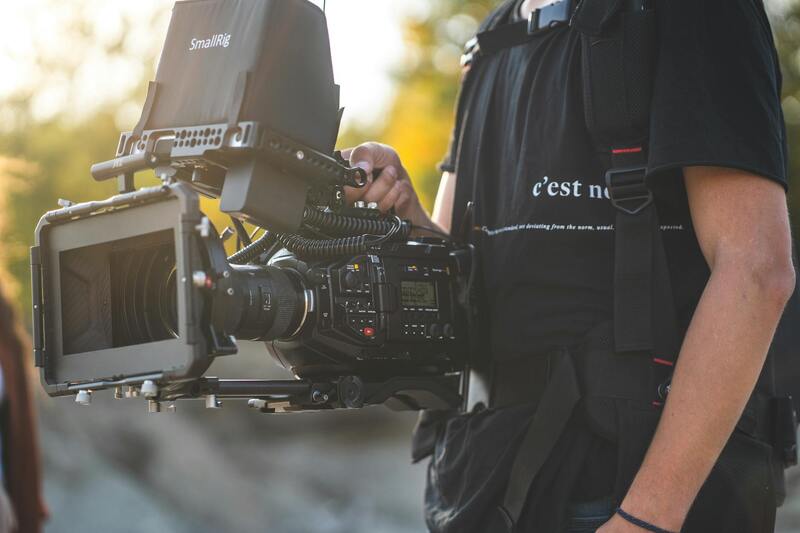
High-quality audio is vital for a professional live streaming experience. Proper microphone selection, placement, and mixing are essential to capture articulate, balanced sound. Utilizing multiple audio sources, such as lavalier microphones for speakers or ambient mics for crowd noise, adds depth to the audio experience.
Sound mixing should be handled in real-time, with attention paid to clarity, volume levels, and feedback elimination. Employing audio processors and digital mixers ensures that sound remains consistent despite dynamic on-site conditions. Incorporating closed captioning or subtitles can further improve the accessibility and engagement of the content.
Monitoring and Quality Control During the Broadcast
Continuous monitoring of the live stream ensures that technical issues are identified and addressed proactively. Using multiple output monitors allows operators to oversee video feeds, audio levels, and stream health metrics in real-time. Network monitoring tools can detect bandwidth fluctuations or latency issues that might otherwise compromise the viewing experience.
Employing skilled technicians dedicated to oversight during the broadcast helps maintain high standards. They can troubleshoot problems, adjust stream parameters, and implement backup plans swiftly to prevent interruptions. This proactive approach ensures a stable and professional streaming environment.
Technical Aspects of Live Stream Production
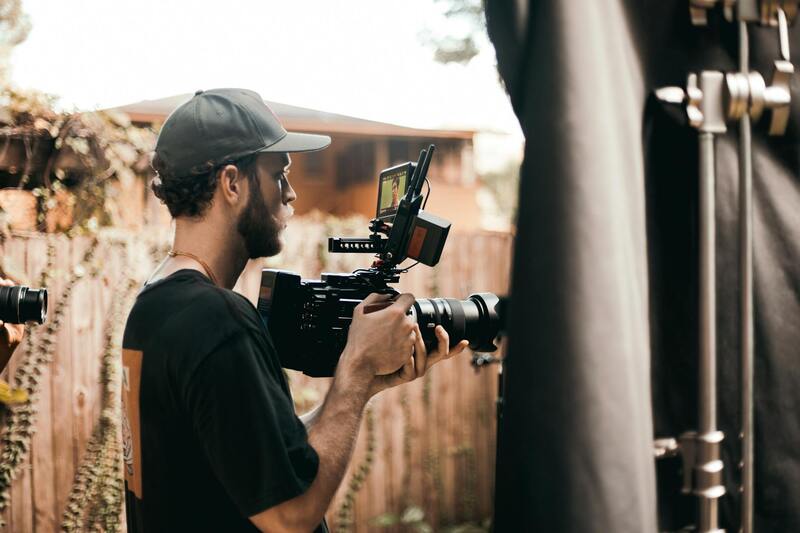
Achieving high-quality live streaming requires meticulous attention to the technical aspects that underpin a smooth broadcast. This involves the integration of multiple components to ensure seamless video, audio, and data transmission. A well-coordinated setup begins with selecting appropriate encoding hardware or software that efficiently compresses and transmits the content without compromising quality. Modern encoders support multi-stream outputs, allowing simultaneous streaming across various platforms, increasing reach and engagement.
Video sources are captured through professional-grade cameras that deliver clear, sharp visuals. These cameras should be chosen based on the production scale, with options ranging from high-definition broadcast cameras to more compact, high-quality camcorders for smaller productions. Proper camera placement and lighting are critical to ensure optimal image quality, eliminating shadows and glare, while maintaining consistent exposure.

Audio quality forms the backbone of engaging live broadcasts. Using professional microphones such as shotgun, lapel (lavaliere), or condenser mics ensures clear, natural sound. Audio signals are managed through digital mixers or audio interface units that allow real-time adjustments of volume levels, equalization, and effects. These tools enable seamless blending of multiple audio sources, such as microphones, music, or pre-recorded segments, into a cohesive sound profile.
Stable internet connectivity remains a fundamental element. A dedicated fiber-optic line or high-speed broadband connection minimizes latency and buffering issues. Redundant internet setups, including backup modems or multiple connections, provide contingency options should primary networks experience disruptions. Network management tools monitor bandwidth and data transfer rates, enabling proactive adjustments to maintain stream integrity.
Operational Workflow and Quality Assurance
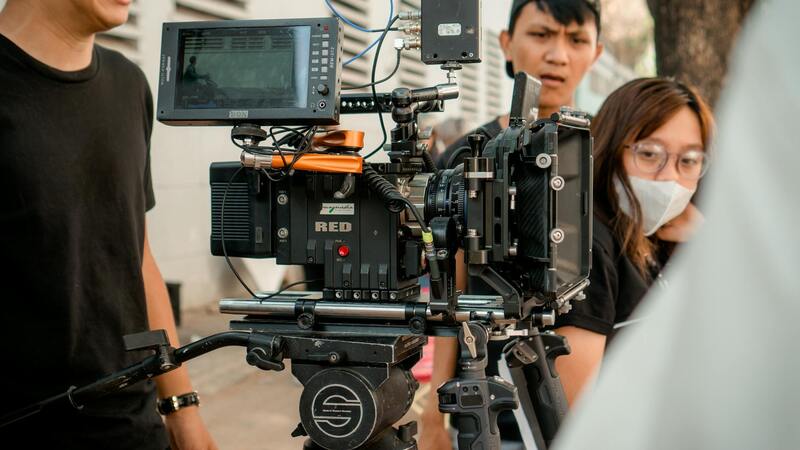
During the live event, continuous monitoring is crucial. Dedicated technicians oversee the health of the video and audio feeds, using specialized software that displays real-time metrics such as stream latency, frame rates, and error logs. This proactive approach helps identify potential issues before they impact the viewer experience, allowing immediate corrective actions.
In addition to technical staff, a producer often supervises the overall flow, transitioning between camera angles, deploying graphics, and managing live interactions. The integration of switchers or production servers enables smooth scene changes, picture-in-picture effects, and overlay graphics, enhancing the production's professionalism and visual appeal.
Testing and rehearsals prior to the live event are essential. They verify equipment functionality, troubleshoot potential problems, and optimize camera angles and audio levels. Conducting a dry run helps synchronize technical elements and familiarizes the team with the broadcast flow, reducing the risk of oversight during the actual streaming session.
Conclusion
Executing a successful live stream production encompasses a comprehensive approach to technology, workflow, and quality management. From selecting the right gear and internet solution to continuous monitoring and rehearsals, each step plays a vital role in delivering a professional, engaging experience to viewers. Employing experienced technical personnel and robust backup strategies further ensures the stability and success of the live broadcast, essential for achieving organizational or brand objectives.
Effective Techniques for Managing Live Stream Production Quality
Maintaining high-quality live streaming requires meticulous attention to both technical execution and real-time management. This involves continuous monitoring of stream stability, visual and audio clarity, and viewer engagement metrics. Leveraging dedicated software solutions offers a comprehensive view of all transmission parameters, including stream latency, frame rates, and error logs, which are crucial for swift troubleshooting.
Proactive management during live streams encompasses constant communication among the production team to swiftly address any technical issues that might arise. For instance, if a camera feed encounters jitter or an audio channel exhibits distortion, immediate corrective action can be taken to minimize viewer impact. This proactive approach is supported by having well-trained technical personnel and backup equipment ready to handle unforeseen challenges.
Audio quality plays an equally vital role in viewer experience. Employing professional-grade microphones, as well as real-time audio mixing tools, ensures clear sound capture and balancing. Additionally, implementing noise suppression techniques and consistent audio levels across different sources enhances overall production quality.
Continuity and Scene Management
During the live broadcast, seamless scene transitions and graphical overlays are essential to retain a polished look. Video switchers or production servers facilitate smooth transitions, while overlays such as logos, lower thirds, or event information contribute to a cohesive visual presentation. These elements can be prepared ahead of time and integrated dynamically during the stream for a professional appearance.
Incorporating backup systems, such as secondary internet connections and redundant hardware, further safeguards the stream’s stability. Having a dedicated technical director who oversees the entire production flow—managing transitions, graphics, and live interactions—enables real-time responsiveness and maintains broadcast quality.
Audience Engagement and Interaction Tactics
Effective management of live interactions significantly enhances viewer engagement. Incorporating live chat moderation, real-time Q&A, and social media interactions requires designated personnel and integrated tools. Prompt responses to viewer inputs not only foster community involvement but also improve overall satisfaction and retention.
- Utilize on-screen prompts and overlays for viewer questions or feedback
- Monitor social media channels for mentions and engagement opportunities
- Implement polling and interactive elements to encourage viewer participation
Ensuring smooth operation of these features involves thorough testing, team coordination, and dedicated moderation, all of which contribute to a dynamic and professional production environment.
Key Strategies for a Successful Live Stream Production
Comprehensive Planning and Pre-Production Coordination
Preparing for a live stream requires meticulous planning that encompasses technical, logistical, and content considerations. Early-stage site surveys identify optimal camera placements, lighting setups, and power sources, ensuring all equipment functions seamlessly together. Collaborating closely with clients to understand their broadcasting goals helps tailor the production to meet specific expectations, whether it’s a corporate event, concert, or webinar.
Technical rehearsals are invaluable for testing equipment, internet connectivity, and streaming workflows. These rehearsals provide an opportunity to simulate the live environment, identify potential issues, and fine-tune camera angles, audio levels, and graphics integration. Effective communication channels among production team members—such as designated roles for directing, camera operation, and technical support—are established during this phase, laying the foundation for a smooth broadcast.
Execution and Technical Operations
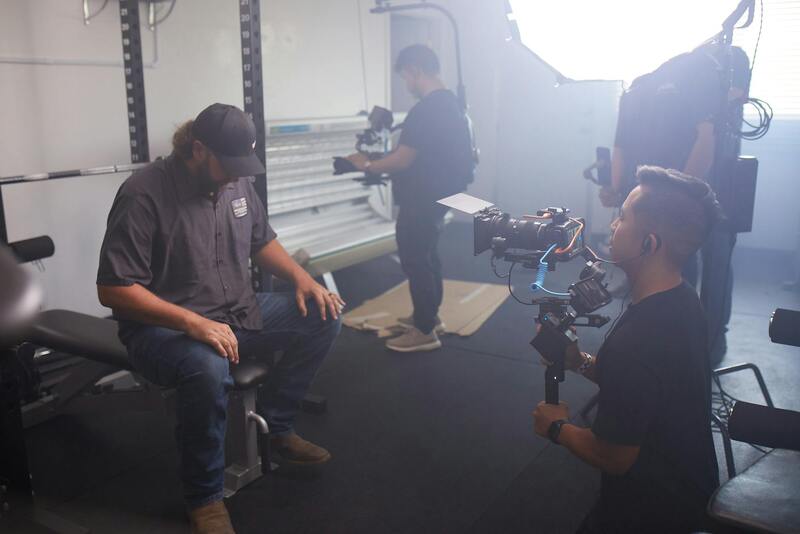
During the live event, real-time management of technical elements is crucial. This includes monitoring video feeds, controlling switcher operations, managing audio quality, and overseeing streaming integrity. A dedicated technical director orchestrates transitions between camera angles, overlays, and graphics, maintaining the visual storytelling flow.
Advanced encoding hardware or software solutions are employed to convert input signals into a high-quality digital format suitable for streaming. Multiple streams and backup feeds can be configured to ensure consistent delivery, even if unforeseen disturbances occur. Maintaining clear communication among crew members—through intercom systems—is essential for swift responses to any technical hiccups.
Post-Stream Review and Content Optimization
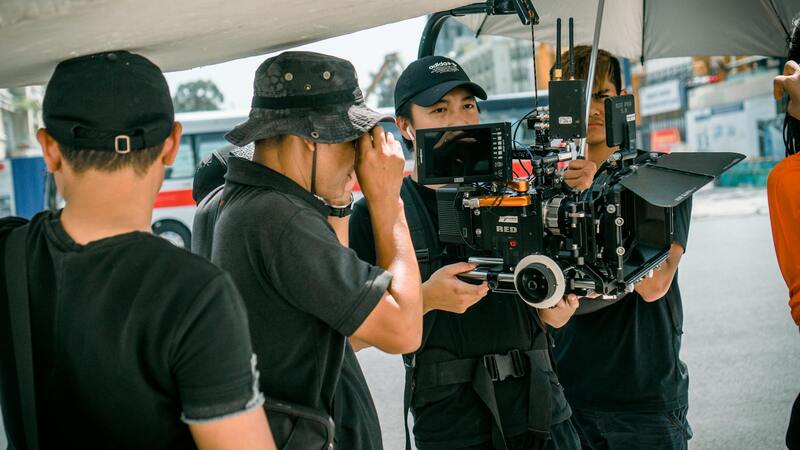
Following the live event, a comprehensive review process is undertaken to evaluate broadcast quality, viewer engagement, and technical performance. Analyzing metrics provided by streaming platforms helps assess audience reach and interaction levels, informing future productions.
Repurposing live stream content extends its value; recordings can be edited into shorter clips, highlight reels, or promotional snippets for social media. Feedback from viewers is also collected to enhance upcoming streams. Maintaining a repository of high-quality content supports ongoing marketing efforts and audience engagement strategies.
In managing these post-broadcast activities, ensuring seamless editing workflows and content distribution channels amplifies the impact of the live event. Regularly updating equipment and refining production protocols contribute to elevated broadcast standards, reinforcing professional credibility in live streaming.
Ensuring Smooth Live Stream Production Through Effective Equipment Management
In the realm of live stream produktion, the correct setup and maintenance of equipment form the backbone of a successful broadcast. Professionals in this field meticulously select hardware and software that meet the specific demands of each event, ensuring seamless transitions from pre-production to post-broadcast review. Adequate planning includes not only the procurement of high-quality cameras, microphones, and encoders but also redundancy measures such as backup power supplies and secondary streaming devices. These components help mitigate the risk of interruptions caused by technical failures, guaranteeing a consistent viewer experience.
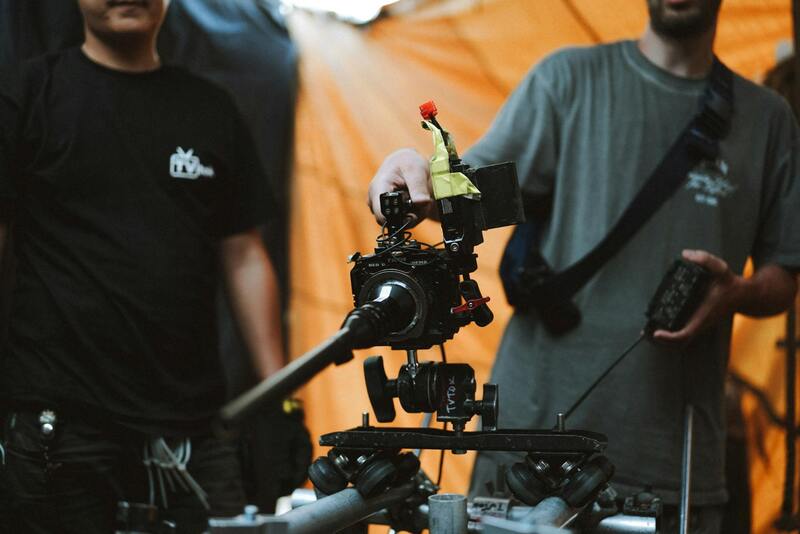
Understanding the role of each piece of equipment is crucial. High-definition cameras capture clear visuals, while professional audio equipment ensures crisp sound. Encoder units are responsible for converting raw video feeds into streaming formats compatible with various platforms. Monitoring tools provide real-time insights into stream health, bandwidth usage, and viewer engagement metrics, enabling producers to make quick adjustments during the event.
Pre-Stream Equipment Checks and Calibration
- Perform comprehensive testing of all hardware prior to event day
- Calibrate audio levels to prevent distortion and ensure clarity
- Configure camera angles and lighting for optimal image quality
- Conduct network speed tests to secure sufficient bandwidth
- Set up backup systems to switch seamlessly in case of primary device failure
Early preparation and rigorous testing create a stable foundation, minimizing the risk of disruptions. Proper storage and handling of equipment also preserve its longevity and performance reliability, which are vital for maintaining high standards during live streaming events.
Transport and On-Site Setup
Transporting sensitive equipment requires careful consideration to avoid damage during transit. On-site, a dedicated technical team is responsible for assembling hardware, configuring software, and conducting final tests in the broadcasting environment. This stage involves integrating multiple input sources, establishing live feeds to streaming platforms, and verifying audio-visual synchronization. Continuous on-site supervision ensures that any issues can be addressed immediately, maintaining broadcast integrity throughout the event.
Integration with Streaming Platforms
Choosing compatible hardware and software facilitates smooth integration with various streaming platforms. These platforms often recommend specific encoder settings and bandwidth requirements to optimize quality. Many providers also support multi-platform streaming, allowing simultaneous distribution across social media, websites, and dedicated apps. Ensuring that all streams are correctly configured and synchronized prevents delays or quality degradation, thereby delivering a unified viewing experience.
Continuous Equipment Monitoring During Broadcast
Real-time monitoring is essential for identifying potential issues before they impact viewers. Utilizing embedded diagnostic tools, producers can track stream stability, audio clarity, and visual quality. Alerts for network failures or hardware malfunctions enable immediate corrective action, such as switching to backup feeds or adjusting encoding parameters. This proactive approach helps to uphold the professionalism expected from live stream produktion providers like MiamiEventVideoPro.com, reinforcing their reputation for reliability and technical excellence.
Technical Aspects of Live Stream Production
High-Quality Streaming Infrastructure
Achieving a seamless live streaming experience requires a robust infrastructure that supports high bandwidth and low latency. This infrastructure includes dedicated internet connections with reliable upload speeds, capable servers to handle streaming traffic, and redundant systems to prevent downtime. Employing Content Delivery Networks (CDNs) can distribute the stream efficiently across various geographic locations, ensuring viewers experience minimal buffering and consistent quality regardless of their location.
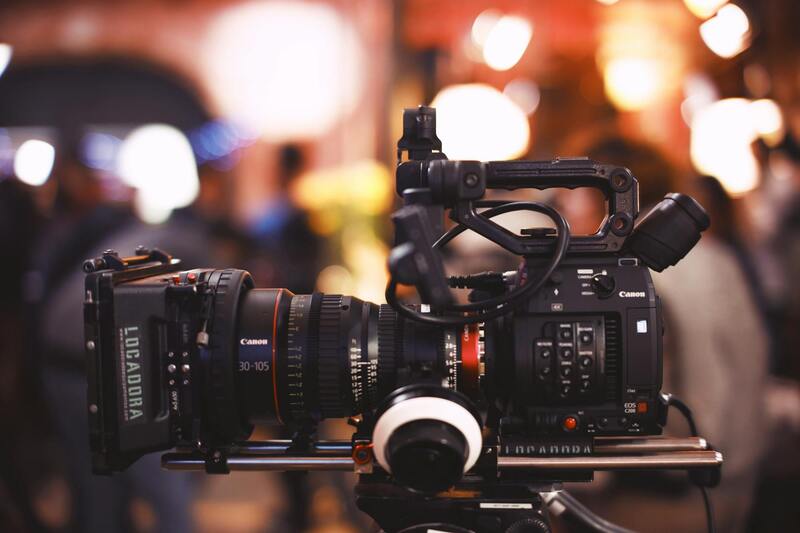
Professional Encoder Setup
Encoders are central to translating raw audio and video signals into digital streams suitable for online distribution. Using high-definition hardware encoders allows for better control over video quality, resolution, and bit rate. Software encoders, favored for their flexibility and lower costs, require careful configuration to match platform specifications and bandwidth constraints. Proper encoding settings, such as keyframe intervals and compression algorithms, ensure optimal balance between quality and stream stability.
Real-Time Monitoring and Control
Monitoring tools integrated into production workflows provide real-time insights into stream health. These tools track metrics like latency, frame rate, and bitrate, alerting producers to potential issues before viewers are affected. A dedicated technical team can rapidly respond to problems by adjusting encoding parameters, managing audio channels, or switching to backup sources. Continuous oversight is essential for maintaining a professional broadcast standard during live events.
Ensuring Compatibility and Integration
Compatibility with various streaming platforms is achieved through standardized protocols such as RTMP, SRT, or HLS. Proper integration of capturing equipment, encoders, and streaming software ensures synchronization and high-quality output across multiple channels. Many production companies also implement multi-platform streaming solutions, distributing content concurrently to social media, websites, and custom apps. This multi-channel approach broadens audience reach while maintaining session stability and visual fidelity.
Bandwidth Management and Network Optimization
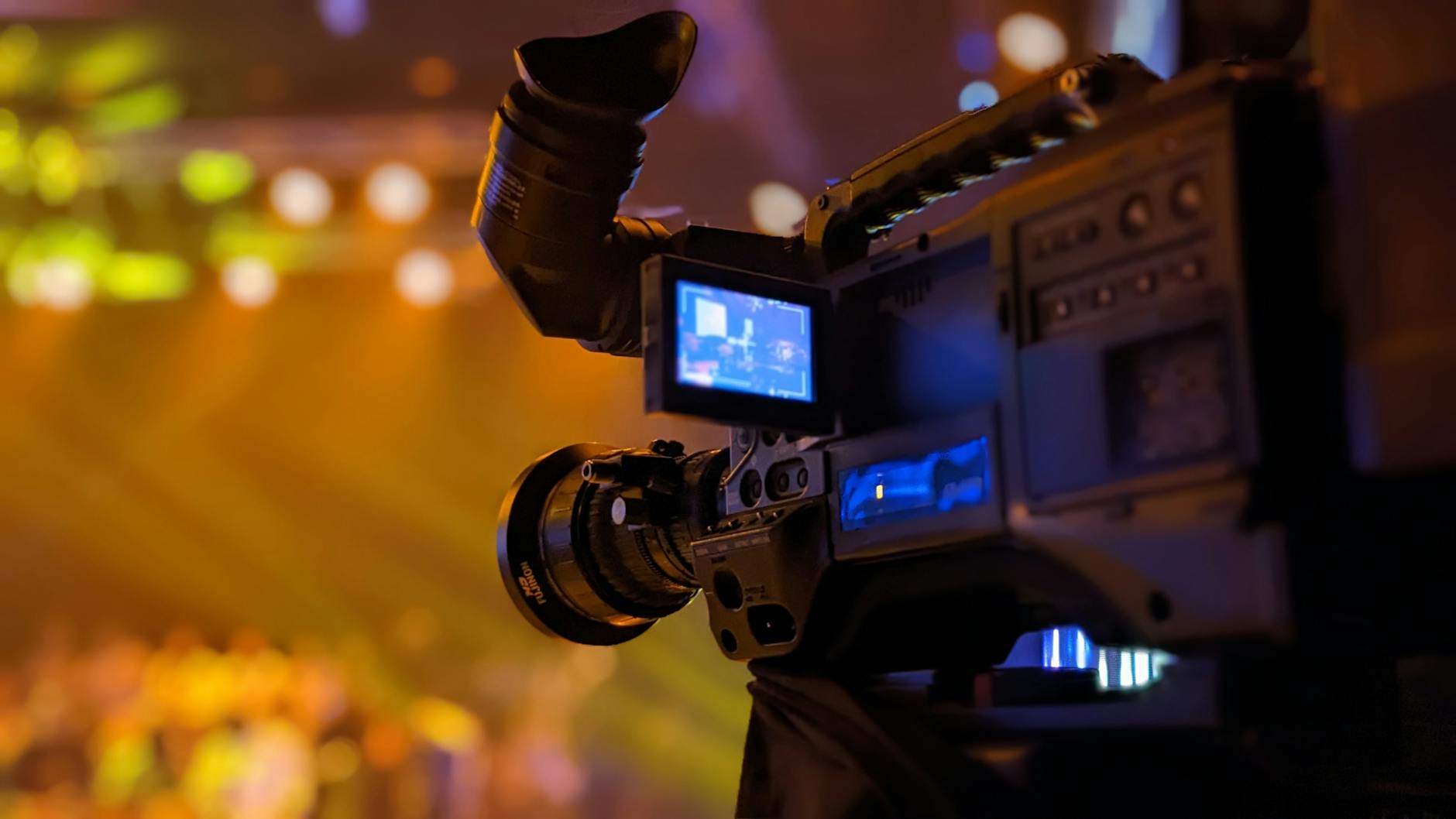
Effective management of network resources prevents interruptions and maintains consistent stream quality. This involves dedicated internet lines for live transmission, QoS (Quality of Service) configurations to prioritize streaming traffic, and dynamic bandwidth allocation based on real-time demands. Network redundancy strategies, including secondary internet links, reduce the risk of service disruptions, particularly during critical moments of live production.
Audio and Video Quality Control
High-fidelity audio and sharp video images significantly enhance viewer engagement. Utilizing professional-grade microphones, mixers, and video switchers allows the producer to manage multiple inputs seamlessly. Audio ensures clarity and synchronization, while high-resolution cameras and proper lighting maintain visual clarity. During live production, continuous quality checks and adjustments help preserve the overall broadcast standard.
Utilizing Backup Systems
Redundant hardware, duplicate internet connections, and backup power supplies are integral to safeguarding live streams against technical failures. These backups are activated automatically or manually if primary systems encounter issues, ensuring uninterrupted broadcast continuity. Incorporating failover mechanisms demonstrates a commitment to quality and reliability in live stream produktion.
Ensuring Seamless Delivery and Distribution of the Live Stream
After meticulous planning, equipment setup, and live execution, the final and crucial phase involves the successful delivery and distribution of the live stream to target audiences. This process requires strategic management of streaming platforms, distribution channels, and continuous monitoring to ensure viewers have a smooth, high-quality experience regardless of their location or device.
Distribution Channel Selection and Management
Choosing the right platforms for content dissemination is vital to maximize reach and engagement. Popular options include dedicated live streaming services, social media platforms, and dedicated websites or portals. When selecting these channels, consider factors such as audience demographics, platform stability, and content compatibility. A well-integrated distribution strategy involves simultaneous multi-platform streaming, often referred to as multi-casting, which broadens audience access without compromising stream quality.
Optimizing Streaming Quality for Different Devices
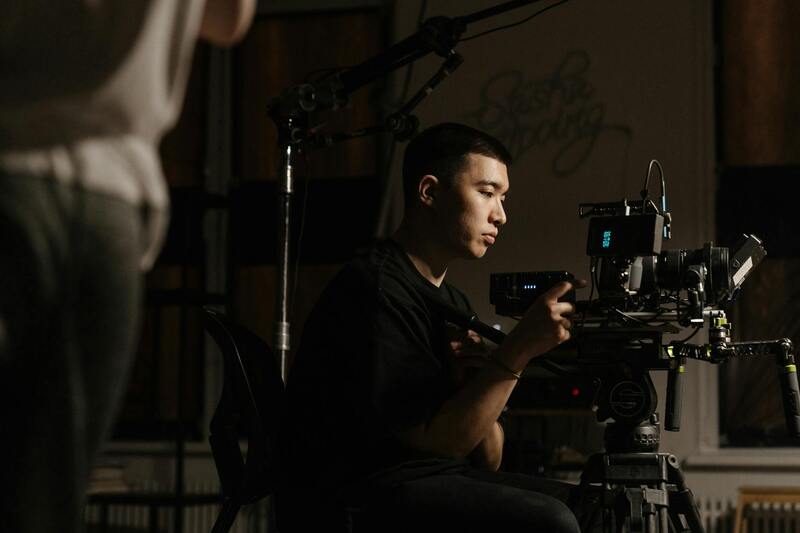
Since viewers access streams via various devices—smartphones, tablets, desktops—adaptive bitrate streaming is a key technology. Adaptive streaming automatically adjusts the quality of the video stream based on the viewer’s internet speed and device capabilities, minimizing buffering and ensuring a consistently high-definition experience. This involves encoding the live feed into multiple quality tiers and dynamically switching between them based on real-time network conditions.
Monitoring and Analytics for Broadcast Performance
Real-time monitoring tools enable production teams to track the health of the live stream, including metrics such as buffering incidents, viewer engagement, and stream stability. Analytics gathered during and after the broadcast provide insights into viewer behavior, peak engagement times, and platform performance, informing future improvements. Effective monitoring ensures that technical issues are identified quickly, allowing prompt resolution and maintaining the integrity of the broadcast.
Implementing Backup and Redundancy Measures
In the event of technical hiccups or unexpected disruptions, backup strategies are critical. These may include alternative streaming servers, redundant internet connections, and backup encoding setups, all enabling the live stream to continue uninterrupted. Redundancy planning not only protects the broadcast’s continuity but also enhances overall reliability and confidence for clients and viewers alike.
Closing the Distribution Cycle: Post-Stream Content Management
Following the live event, the recorded footage serves multiple purposes—distribution on-demand content, highlight reels, social media snippets, and promotional materials. Managed appropriately, post-production content can extend the lifespan of the broadcast, reach broader audiences, and optimize engagement. Proper archiving procedures and content repurposing strategies allow clients to derive lasting value from their live streaming investments.
Mastering the distribution process involves a combination of technical expertise, strategic platform selection, and rigorous post-broadcast evaluation. Effective delivery mechanisms ensure that the audience receives a professional, uninterrupted, and engaging viewing experience, thereby reinforcing the credibility and impact of the live streaming production.