
Overview of Corporate Live Video Streaming
Corporate live video streaming has become a vital communication tool for businesses seeking to connect with their audiences in real-time, diversify their outreach, and enhance brand presence. This technology allows companies to broadcast live events, product launches, webinars, and corporate announcements directly to viewers over the internet with high-quality video and audio. In Miami, a vibrant hub for commerce and innovation, leveraging professional live streaming solutions can significantly amplify a company's reach and engagement.
At its core, corporate live video streaming provides an immediate and authentic way to communicate company messages, showcase products or services, and participate in industry conversations. The importance of this technology is underscored by its capacity to foster transparency, generate leads, and build stronger relationships with clients, partners, and stakeholders. For businesses operating in Miami’s dynamic market, live streaming offers a strategic advantage by allowing real-time interactions regardless of geographic boundaries.

One of the key benefits of corporate live video streaming is its ability to boost audience engagement. Live content offers viewers the chance to participate through comments, Q&A sessions, and instant feedback, creating a sense of immediacy and involvement that recorded videos cannot replicate. Additionally, live streaming enhances brand visibility by extending the reach to remote audiences and potential clients who might not attend in-person events.
In an increasingly digital world, businesses that adopt professional live streaming solutions gain a competitive edge by positioning themselves as innovative and accessible. For organizations in Miami, this technology is not merely a communication channel but a strategic asset that can transform marketing campaigns, internal communications, and public relations efforts. With reliable, high-quality streaming, companies can deliver seamless experiences that reinforce their brand identity and foster a deeper connection with their audiences.
Key Benefits of Corporate Live Video Streaming
- Enhanced Audience Reach: Connect with a wider, geographically dispersed audience.
- Real-Time Engagement: Enable immediate interaction through chat and Q&A features.
- Cost Efficiency: Reduce travel and event expenses by hosting virtual events.
- Brand Visibility: Increase exposure through multi-platform streaming.
- Content Repurposing: Record live broadcasts for later use in marketing materials.
- Data and Analytics: Gather insights on viewer behavior and preferences.
As businesses in Miami continue to navigate a competitive digital landscape, mastering the art of corporate live video streaming becomes a strategic necessity. Professional solutions ensure smooth operations, high-quality broadcast standards, and the ability to deliver compelling content that resonates with target audiences.
Key Features and Technologies
Successful corporate live video streaming depends on the deployment of advanced tools and platforms that ensure a seamless broadcast experience. High-definition video encoders are essential, converting raw footage into suitable formats for live transmission while maintaining clarity and stability. Reliable streaming servers minimize latency and prevent buffering issues, especially crucial when reaching a broad audience across multiple devices.
Platforms designed specifically for enterprise use often provide scalable solutions that accommodate large audiences without compromising quality. These platforms integrate adaptive bitrate streaming technology, which automatically adjusts video quality according to viewers' internet speed, ensuring consistent playback for all users.
Professional-grade audio equipment, including wireless microphones and mixers, guarantee that sound clarity matches visual quality, creating a more engaging experience. Additionally, multi-camera setups enable dynamic shots, close-ups, and broad venue views, fostering a polished, television-style broadcast.
Connectivity is paramount; therefore, high-bandwidth internet connections with redundancy safeguards are standard to prevent disruptions. Wireless solutions, such as bonded cellular transmitters, provide backup routes for streaming from remote or outdoor locations, ensuring consistency.
Furthermore, integration with social media and content management systems allows for multi-platform streaming, broadening outreach and enabling real-time interactions. Analytics tools embedded within the streaming platform offer valuable data on viewer behavior, engagement levels, and content performance, informing future content strategies.
Optimizing these key features within the streaming infrastructure guarantees a professional presentation that captures the audience’s attention and reinforces the company's brand image. Investing in the right combination of hardware, software, and platform capabilities is fundamental for executing impactful corporate live streams.
Legal, Privacy, and Accessibility Considerations
Ensuring compliance with applicable standards and best practices is a fundamental aspect of professional corporate live video streaming. When planning a broadcast, organizations must prioritize the protection of participant privacy and data security. This involves implementing secure streaming protocols that safeguard content from unauthorized access and potential breaches. Additionally, organizations should establish clear guidelines regarding consent, especially when featuring individuals or proprietary information, to respect personal rights and corporate confidentiality.
Content accessibility plays a crucial role in broadening reach and fostering inclusive engagement. Incorporating features such as closed captioning, sign language interpretation, and audio descriptions makes live streams accessible to viewers with diverse needs. This not only aligns with universal design principles but also demonstrates a company’s commitment to inclusivity, which can significantly enhance brand reputation and audience loyalty.

Furthermore, organizations should adhere to regional and international standards governing content distribution and data handling. Regularly reviewing and updating privacy policies, terms of service, and compliance checklists ensures that live streaming activities meet current legal expectations. Companies may also benefit from consulting legal experts or compliance specialists specialized in digital media to navigate complex regulations and mitigate risks associated with broadcasting content live across multiple jurisdictions.
Technical measures, such as encrypted data transmission and secure login credentials, add an extra layer of protection. It is equally important to establish clear protocols for managing emergencies or unexpected disruptions, ensuring that the broadcast can be quickly adapted or halted if needed. Ultimately, integrating these considerations into the planning and execution phases reinforces the professionalism of the broadcast and helps build trust with viewers and stakeholders alike.
Planning and Pre-Production
Effective planning is the cornerstone of a successful corporate live video streaming event. This phase involves the meticulous organization of all technical, logistical, and content elements to ensure a seamless broadcast. Establishing a clear broadcast timeline and detailed production schedule helps coordinate the various teams and equipment involved, preventing overlaps and ensuring timely execution.
Selection of appropriate streaming platforms is crucial. Companies should evaluate service providers based on their reliability, scalability, and security features. Prioritize platforms that offer dedicated support for high-quality live broadcasting and can handle large viewer volumes without interruptions. Integrating a dependable content delivery network (CDN) enhances stream stability and minimizes latency, contributing to a more engaging viewer experience.
Developing a comprehensive content outline and script ensures clarity and professionalism. It is vital to synchronize all audio-visual elements, including presentations, live speakers, and multimedia content. Rehearsals are an essential part of pre-production, offering an opportunity to identify potential technical issues and refine on-camera performance. Technical rehearsals with all equipment and personnel involved help simulate the live environment, ensuring familiarity with procedures and fostering confidence among the crew.

Logistics planning involves securing all necessary permissions and coordinating with internal departments and external vendors. It also encompasses preparing contingency plans for potential disruptions, such as technical failures or unforeseen events. Secure access to backup internet connections, redundant power sources, and spare equipment to mitigate risks during the live event.
Furthermore, compliance with regional broadcasting standards and data protection regulations should be integrated into the planning process. Implementing measures such as encrypted data streams and secure login procedures safeguards sensitive corporate information and enhances viewer trust. Establishing clear roles and responsibilities for the production team, technical staff, and hosts reduces ambiguity and streamlines operations during the live event.
Production and Broadcast Execution
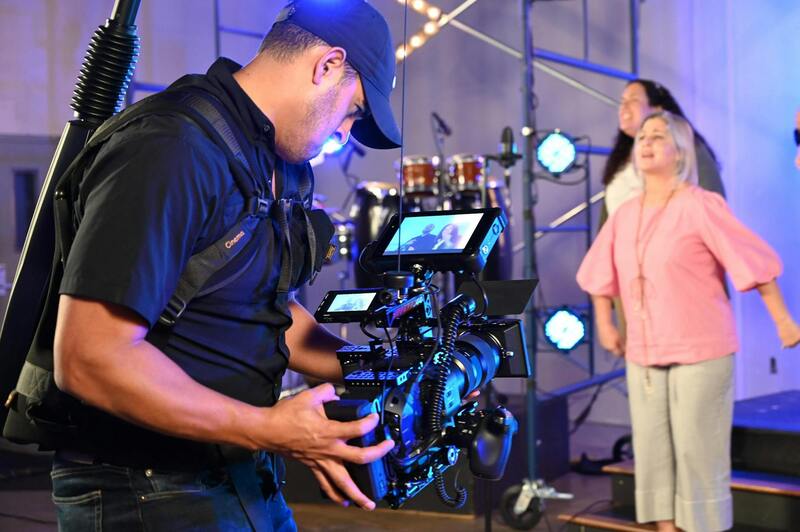
The execution phase involves the operational aspects that translate plans into a polished live stream. Setting up cameras strategically captures all critical angles and ensures visual engagement. High-definition video equipment with professional stabilization and zoom capabilities contribute to a visually appealing presentation.
Audio management is equally important; employing high-quality microphones and sound mixers guarantees that audio clarity remains consistent throughout the broadcast. Proper sound checks prior to going live prevent issues such as feedback, volume imbalance, or background noise, which can detract from the viewer experience.
Direction involves real-time management of camera switching, graphics insertion, and transitions, which are handled by skilled operators or a dedicated director. This coordination ensures smooth visual flow and alignment with presented content. Clear communication protocols among the technical team enable rapid responses to any issues that may arise during the broadcast.
To facilitate viewer engagement and interactivity, producing designated segments for Q&A, live polls, and chat moderation enhances audience participation. Efficiently managing live comments and questions creates a dynamic environment that promotes active involvement and reinforces brand presence.

Post-broadcast, organizations should analyze viewer metrics, engagement levels, and technical performance. These insights provide valuable feedback for refining future streaming initiatives, optimizing content delivery, and enhancing overall audience experience. Proper documentation of the event’s successes and challenges ensures continual improvement and aligns future planning efforts.
Legal, Privacy, and Accessibility Considerations
When executing a corporate live video stream, it is essential to adhere to established procedures that ensure compliance with applicable standards for privacy, security, and accessibility. These measures help safeguard sensitive company information, respect viewer rights, and foster an inclusive environment for all participants.
Maintaining data privacy involves implementing secure streams that prevent unauthorized access and data breaches. Employing encryption protocols, such as Secure Real-Time Protocol (SRTP), helps protect the audio and video feeds from interception. Additionally, organizations should establish strict access controls for staff involved in the production process and ensure that any stored or recorded content complies with internal policies as well as industry standards concerning data protection.
In regards to privacy, it is important to obtain consent from individuals appearing on camera or participating in interactive segments like chat or polls. Clear disclosure about data collection and usage helps foster transparency, reducing the risk of misunderstandings or conflicts. Incorporating privacy notices before the event and providing options for participants to control their visibility or data sharing capabilities is recommended.
Accessibility is a critical aspect that broadens the reach of live streaming content, making it more inclusive for diverse audiences. Implementing features such as closed captioning, sign language interpretation, and audio descriptions caters to viewers with disabilities. Additionally, content should be designed with clear visuals and visuals that meet WCAG (Web Content Accessibility Guidelines) standards to improve readability and usability.
Providers must evaluate the technical setup to support accessibility features seamlessly. For instance, integrating real-time captioning services requires reliable connectivity and coordination with captioning providers. Similarly, ensuring compatibility with various devices and browsers guarantees a consistent viewing experience for all users.
Proper documentation outlining the procedures for privacy, security, and accessibility compliance enhances organizational accountability. Conducting regular audits and staff training ensures ongoing adherence to evolving standards and best practices in live streaming management. This proactive approach minimizes potential risks and demonstrates a commitment to responsible broadcasting that aligns with corporate values and stakeholder expectations.
Legal, Privacy, and Accessibility Considerations
Understanding Compliance Requirements
When executing corporate live video streams, adherence to established standards and regulations is paramount to ensure a smooth and responsible broadcast. This involves implementing comprehensive privacy notices that inform participants and viewers of how their data will be used, stored, and shared during the event. Transparent communication fosters trust and demonstrates a commitment to responsible data handling.
It's equally important to incorporate consent protocols, particularly when streaming content that involves individuals who may not have explicitly agreed to be recorded or broadcasted. Secure handling of sensitive information and compliance with data protection policies help mitigate risks associated with inadvertent data exposure.
Ensuring Accessibility for All Audiences
Accessibility features are integral to extending the reach of live streaming content. Content creators should prioritize inclusive design elements such as closed captioning that accurately transcribes spoken dialogue in real-time. Sign language interpretation services should be integrated seamlessly into the broadcast to accommodate viewers with hearing impairments.
Audio descriptions provide additional context for visually impaired viewers by narrating on-screen visuals, ensuring a more comprehensive viewing experience. To meet the Web Content Accessibility Guidelines (WCAG), visual elements should employ high-contrast colors, clear fonts, and simple layouts. These practices enhance readability and overall usability across diverse devices and screen sizes.
Technical Implementation of Accessibility
Technological integration is crucial for delivering accessible live streams. Reliable platforms must support real-time captioning services combined with robust connectivity to prevent lag or inaccuracies. Collaboration with professional captioning providers ensures high-quality transcription accuracy.
Compatibility across browsers and devices is essential. This involves rigorous testing to confirm that accessibility features function uniformly whether viewers are accessing via desktop computers, smartphones, or tablets. Ensuring that broadcast tools support various assistive technologies further enhances inclusion.
Documentation and Staff Training
Maintaining detailed documentation that outlines procedures for privacy, security, and accessibility compliance reinforces organizational accountability. These records serve as reference points for audits and continual improvement processes.
Staff involved in live streaming operations should undergo regular training to stay updated on evolving standards and best practices. Effective training minimizes operational risks and ensures that team members are well-versed in deploying privacy and accessibility measures effectively.
Legal, Privacy, and Accessibility Considerations
Ensuring Privacy and Data Security
When conducting corporate live video streaming, safeguarding participant and viewer information is paramount. Proper implementation involves utilizing secure streaming protocols such as HTTPS and SRTP, which encrypt data during transmission, preventing unauthorized access. Organizations should establish clear policies regarding data collection, storage, and sharing, ensuring compliance with relevant regulations. Employing secure login credentials and authentication mechanisms restricts access to authorized personnel and viewers, reducing the risk of data breaches. Regular security audits and updates further reinforce the integrity of the streaming environment, protecting sensitive corporate information and maintaining stakeholder trust.

Accessibility Features for Inclusive Viewing
Creating an accessible corporate live streaming experience involves integrating features that support viewers with diverse needs. Closed captions are essential for viewers with hearing impairments, providing real-time transcription of spoken content. Sign language interpretation can be added as an overlay or separate feed to enhance understanding further. Additionally, audio descriptions are beneficial for individuals with visual impairments, offering descriptive narration of visual elements within the broadcast.
Technical integrations must support real-time accessibility tools, ensuring accurate synchronization of captions and interpretations across various devices and browsers. Accessibility compliance also extends to user interface design, making controls intuitive and navigable via keyboard or assistive technologies. Routine testing across different platforms guarantees consistent functionality, fostering a more inclusive viewing environment.

Legal Compliance and Standards
Adhering to established regulations and industry standards for digital content ensures that corporate streaming activities meet necessary guidelines. This includes familiarization with local data protection laws, intellectual property rights, and broadcasting rules, which dictate how content is created, distributed, and accessed. Licensing agreements must be clear, ensuring permissions are secured for all multimedia elements used during the broadcast. Additionally, organizations should maintain comprehensive documentation of compliance efforts, including consent forms, content rights, and accessibility measures, to demonstrate responsible management of live streaming operations.
Implementing official standards for streaming quality, security, and accessibility solidifies an organization’s reputation as a responsible corporate entity committed to ethical broadcasting practices. Regular audits and updates to policies ensure ongoing adherence to evolving regulatory landscapes, minimizing risks associated with non-compliance and fostering trust among stakeholders.
Legal, Privacy, and Accessibility Considerations
Corporate live video streaming mandates adherence to specific standards that govern content creation, distribution, and audience interaction. Ensuring compliance involves understanding the various official protocols and best practices that uphold viewer trust, respect individual rights, and enhance overall broadcasting quality. This includes implementing secure data handling procedures to protect confidential information and audience data, thereby maintaining transparency and fostering credibility. Encryption protocols should be uniformly applied to prevent unauthorized access during transmission, securing the integrity of corporate communications.
Intellectual property rights demand rigorous management, with organizations securing clear permissions for all multimedia elements, including graphics, music, and proprietary content. Licensing agreements must be meticulously documented, and content approval workflows should be established to ensure all materials meet predefined standards before broadcasting. This proactive approach mitigates risks associated with inadvertent copyright infringements and reinforces the organization’s commitment to ethical content management.
Data protection laws, such as GDPR or CCPA, must be carefully considered when collecting, processing, and maintaining viewer data. Implementing explicit consent mechanisms for data collection and providing transparent privacy notices are critical to respecting audience rights. During live broadcasts, organizations should include options for viewers to control their privacy settings or opt-out of data tracking, fostering a responsible engagement environment.
Accessibility remains a cornerstone of inclusive broadcasting, demanding compliance with standards like the Web Content Accessibility Guidelines (WCAG). Incorporating real-time captioning, sign language interpretation, and audio descriptions ensures that live content is accessible to a diverse audience, including those with disabilities. User interface controls should be designed for ease of use, with features like keyboard navigation and screen reader compatibility. Routine testing across various devices and assistive technologies guarantees consistent accessibility performance.
Maintaining comprehensive documentation of compliance efforts forms a vital part of responsible live streaming. Records should include content rights agreements, consent forms, accessibility measures, and audit reports. Regular reviews and updates of policies are necessary to adapt to evolving regulations and technological advances, thereby safeguarding the organization’s reputation and operational integrity.