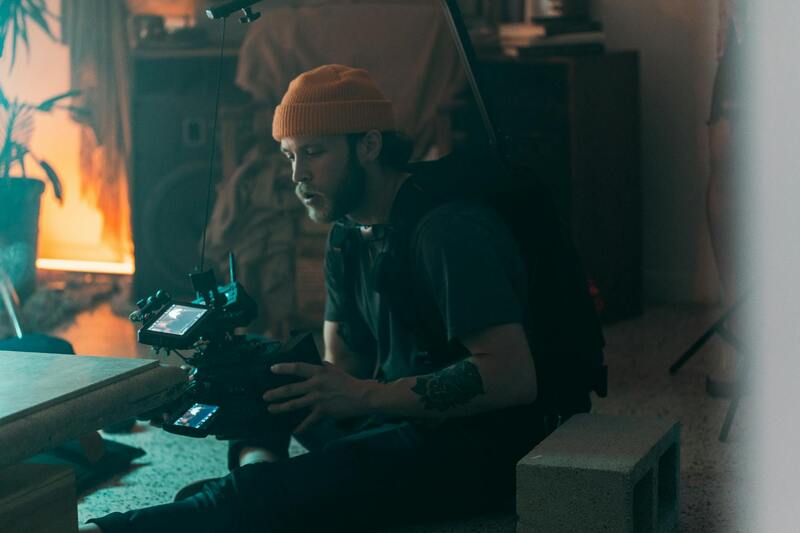
Overview of Live Event Streaming Production Companies
In an era where digital engagement is paramount, live event streaming production companies have become essential for organizations and event organizers aiming to reach broader audiences. These companies specialize in the planning, execution, and management of high-quality live video broadcasts, ensuring that events such as conferences, concerts, festivals, and corporate meetings are accessible in real-time across multiple platforms. Their expertise extends beyond mere video transmission; they coordinate a complex array of technical components to deliver seamless streaming experiences that uphold the event's professionalism and viewer engagement.
In the vibrant city of Miami, the demand for expert live streaming production is especially pronounced due to its diverse event landscape—ranging from international music festivals to high-stakes business conferences. Live event streaming companies contribute not only by providing technical support but also by enhancing the overall event experience. They enable remote audiences to participate in real-time, increasing event visibility, expanding outreach, and fostering interactive engagement components that were previously unavailable.
These companies typically handle end-to-end services or provide specialized support within a larger event management framework. Their role includes content capture, video switching, audio management, encoding, and delivery to various digital platforms such as social media, dedicated websites, or streaming services. They also ensure that the broadcast maintains visual and audio clarity, minimal lag, and overall technical reliability, crucial elements for maintaining professionalism and audience trust.
By partnering with experienced live event streaming production companies, Miami-based event organizers can leverage cutting-edge technology and industry best practices. This not only elevates the perceived quality of their events but also aligns with the digital transformation prevalent in today's event planning landscape. Proper execution of a live stream can significantly influence an event's success, enhance its reach far beyond physical attendance, and create new opportunities for digital branding and audience interaction.
Equipment and Technology Used in Live Event Streaming
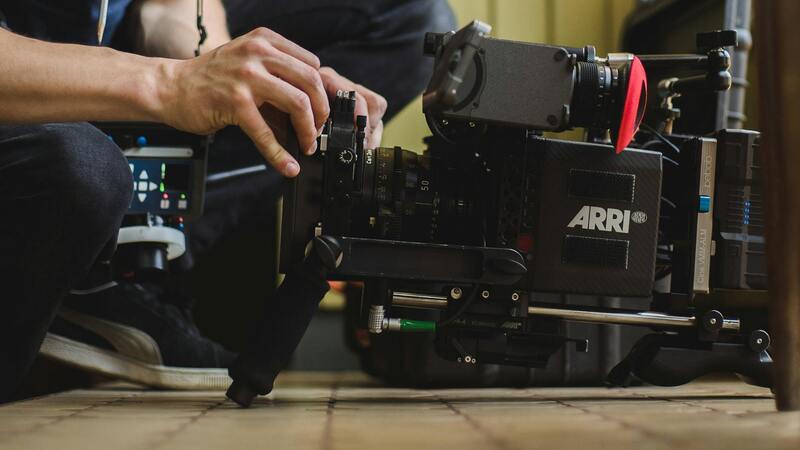
Effective live event streaming hinges on the deployment of advanced equipment and cutting-edge technology. Miami-based production companies utilize a variety of hardware and software solutions to ensure seamless streams that captivate audiences worldwide. Central to this setup are professional cameras, which range from high-definition (HD) to 4K resolution models, capable of capturing every detail with clarity and precision. These cameras are often mounted on tripods or stabilized with gimbals to provide smooth, steady footage essential for engaging broadcasts.
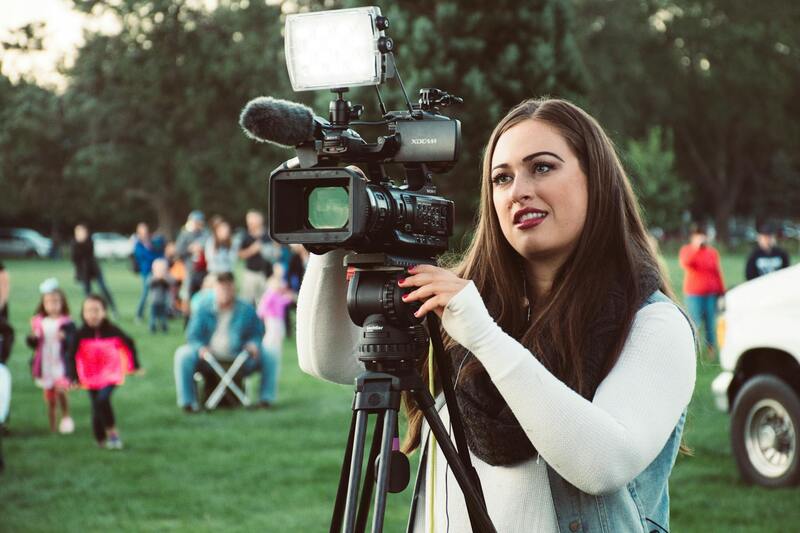
Audio quality is equally critical; therefore, production teams employ professional microphones, audio mixers, and noise reduction technology to guarantee clear sound. Lavalier microphones, shotgun mics, and mixer boards are common tools used to capture ambient sounds and dialog accurately while managing audio levels in real time.
The backbone of any live stream is its encoding equipment—hardware encoders or software-based solutions—that compress video and audio signals for transmission over the internet. Miami producers often utilize dedicated hardware encoders that provide stable, high-quality streams, especially for large-scale events.
Switching and control systems enable real-time management of multiple camera feeds, graphics, and video effects. Multi-camera switchers and live production software facilitate dynamic transitions, picture-in-picture displays, and overlay graphics, enriching the viewer experience. These tools are vital for creating professional, polished broadcasts that emulate broadcast television standards.
Content delivery networks (CDNs) and streaming platforms such as YouTube Live, Facebook Live, or custom CDN solutions are used to distribute content globally with minimal latency. Reliable internet connections, often backed by dedicated fiber optic lines, are essential to support high bandwidth demands, ensuring viewers experience the stream without buffering or interruptions.
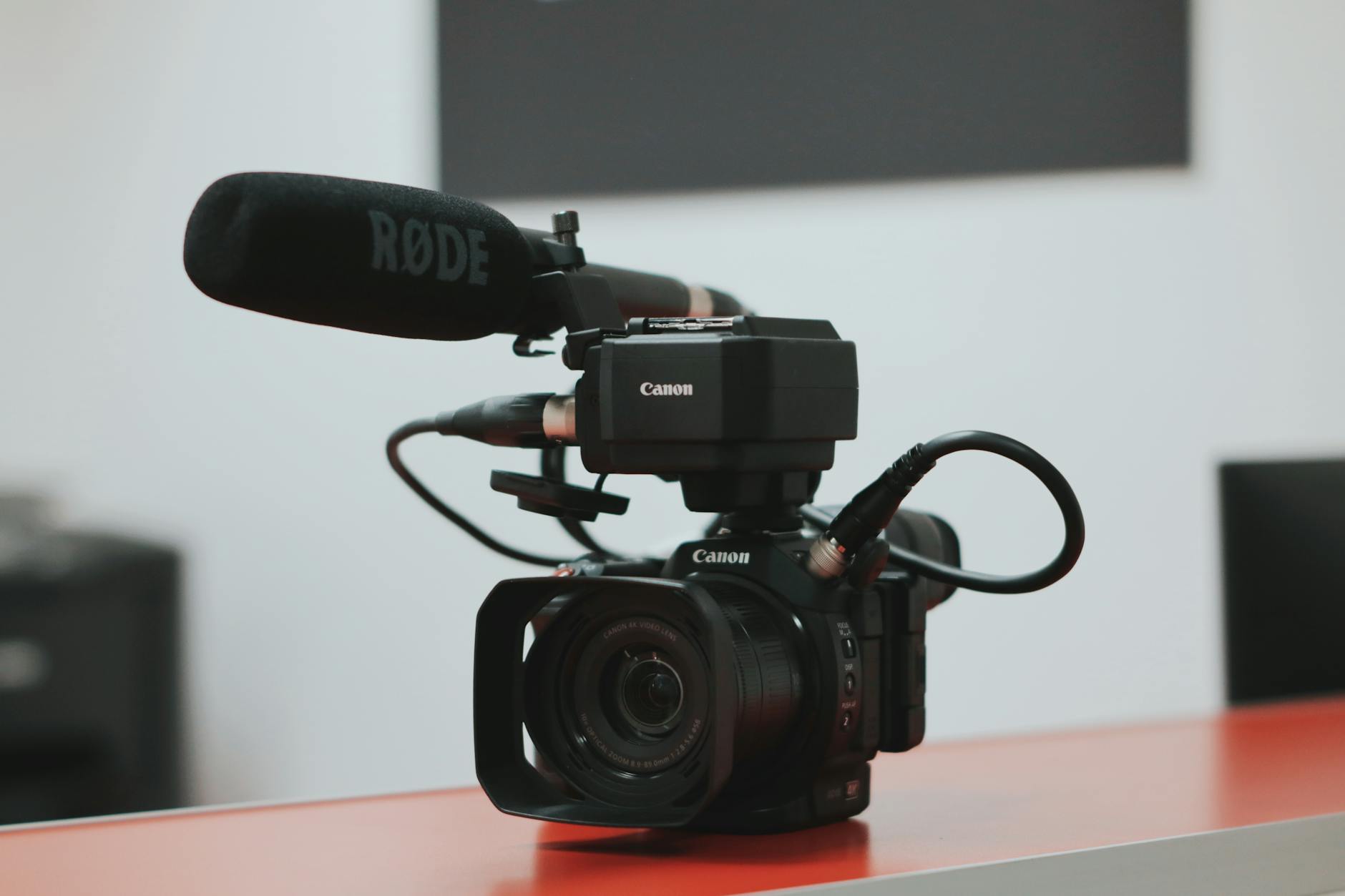
Specialized software applications integrate these hardware components, providing operators with comprehensive control over the live feed. Features like remote camera control, instant replay, and multi-platform streaming are increasingly common, adding value to live events through innovative presentation and audience engagement tools.
In addition, emerging technologies such as 4K streaming, augmented reality (AR), and virtual sets are being adopted by leading Miami production companies to push the boundaries of live presentation. These advancements not only improve visual fidelity but also expand creative possibilities, helping organizers deliver memorable, immersive viewing experiences for viewers around the globe.
Overview of Live Event Streaming Production Companies
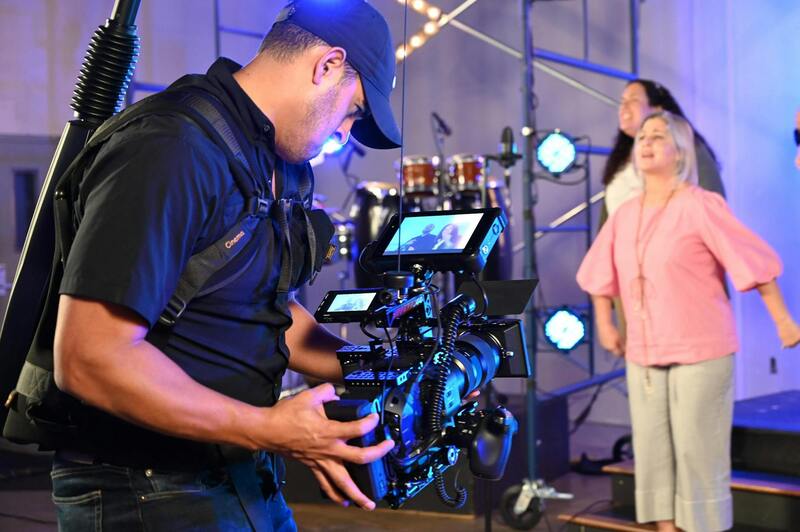
Live event streaming production companies specialize in capturing, encoding, and distributing live content to audiences across various digital platforms. These companies serve a diverse range of clients including corporate event organizers, educational institutions, entertainment venues, and sports organizations. Their core expertise lies in creating seamless, high-quality broadcasts that ensure viewers experience the event as if they were physically present. Specialized teams of videographers, technical directors, and producers work collaboratively to deliver smooth transitions, engaging graphics, and real-time audio-visual synchronization. Such companies typically possess extensive experience handling different event sizes, from intimate gatherings to large-scale international conferences, providing tailored solutions that align with specific viewer engagement goals and technical requirements. Leveraging a diverse array of advanced equipment and software, these firms ensure each stream maintains high fidelity, low latency, and robust reliability.
Key Services Offered by Live Event Streaming Companies
Leading live event streaming production companies provide a comprehensive suite of services designed to optimize event broadcasts. These services typically include pre-event planning, technical design, content creation, and on-site execution. They assist clients in establishing a streaming strategy tailored to the nature of their event and target audience. This often involves assessing venue capabilities, audience reach objectives, and desired engagement formats. During the event, production companies handle multi-camera setups, real-time switching, audio management, and graphics overlay to produce a cohesive and engaging presentation. Post-event, they offer audience analytics, on-demand content delivery, and media archiving to maximize the event’s impact and reach. Their expertise extends to integrating social media streams, enhancing viewer interaction through live chat and polls, and ensuring accessibility features such as closed captioning. Such comprehensive service offerings facilitate professional-grade broadcasts that deepen audience engagement and elevate event visibility.
Equipment and Technology Used in Live Event Streaming
The backbone of quality live streaming lies in state-of-the-art equipment and cutting-edge technology. Leading Miami production firms utilize a range of hardware including high-definition cameras, professional-grade switchers, and encoder systems to capture and distribute live feeds. Multi-camera setups enable dynamic shots and different viewpoints, adding depth and professionalism to the broadcast. Video switchers allow seamless transitions between camera angles, while audio mixers ensure optimal sound quality. Encoders compress and convert video signals into streams compatible with internet transmission, often utilizing hardware encoders for stability and reliability. To support these workflows, robust infrastructure such as fiber optic internet lines and dedicated servers are essential for handling high bandwidth demands. Support equipment like backup power supplies and monitoring systems ensure continuous operation, minimizing disruptions. Emerging innovations such as 4K cameras, remote camera control systems, augmented reality overlays, and virtual sets are increasingly integrated, pushing the visual and creative boundaries of live broadcasts.

Factors to Consider When Choosing a Streaming Production Partner
Successfully executing a live event streaming project requires selecting a production partner with the right combination of experience, technological expertise, and service quality. Evaluating a company’s capabilities involves assessing their track record with similar events, their technical proficiency, and their ability to adapt to specific event requirements. A reputable streaming production partner should have a portfolio that demonstrates breadth and depth in handling live broadcasts, from small corporate events to large-scale productions, ensuring they’re well-versed in managing various formats and audience sizes.
Technical infrastructure is crucial. Understand their equipment inventory, including high-definition cameras, professional switchers, encoders, and audio systems. Ask about their capacity to handle live streaming bandwidth needs and whether they utilize redundant systems to prevent disruptions. The provider’s familiarity with different streaming platforms and ability to tailor streams for platforms such as social media, websites, or dedicated portals should align with your event goals.
Customer support and communication play pivotal roles in event success. During the planning phase, a dedicated point of contact ensures smooth coordination. On the day of the event, technical support should be readily available to troubleshoot issues swiftly. Post-event, reporting and analytics allow you to evaluate viewer engagement and stream performance, informing future strategies. Transparency regarding pricing structures and service inclusions helps prevent unforeseen costs. Whether a package-based model or custom quote, clarity at this stage supports budget planning and project scope alignment.
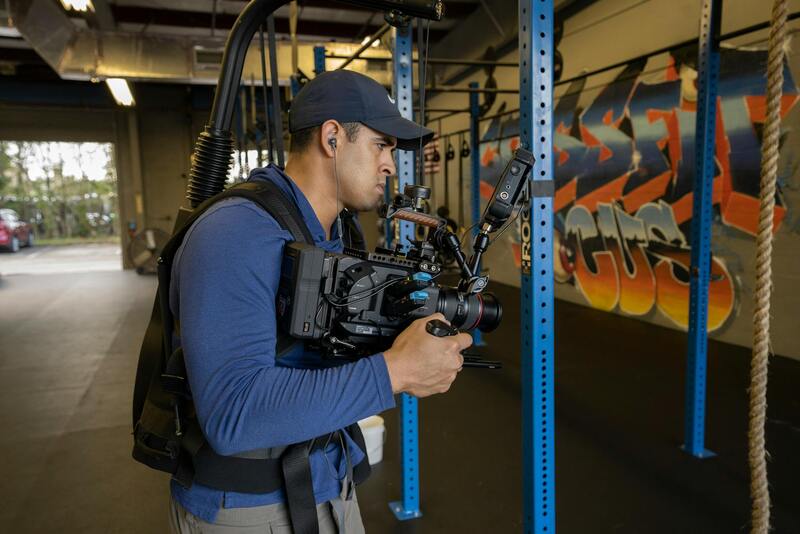
Ultimately, the ideal live event streaming production company in Miami should demonstrate a comprehensive understanding of industry standards, established best practices, and tailored solutions that match your specific event needs. Their capacity to deliver a high-quality, interactive, and reliable broadcast significantly enhances audience engagement, brand visibility, and event impact. Making an informed choice involves reviewing past work, requesting detailed proposals, and discussing technical requirements upfront to ensure a seamless live streaming experience from start to finish.
Overview of Live Event Streaming Production Companies
Live event streaming production companies play a pivotal role in transforming traditional gatherings into dynamic digital experiences. These companies specialize in capturing, encoding, and broadcasting live events through various online platforms, ensuring broad accessibility and audience engagement. In Miami, a vibrant hub for cultural, corporate, and entertainment events, these companies leverage cutting-edge technology and local market expertise to deliver high-quality streams that resonate with diverse audiences.
The core mission of these production companies is to produce seamless, professional-grade broadcasts. Their services extend from corporate meetings and concerts to sports events and community festivals. By combining traditional event production skills with digital broadcasting expertise, Miami-based live stream specialists help clients elevate their event visibility and reach audiences beyond geographic limitations. Their understanding of regional preferences and specific audience behaviors allows for tailored streaming solutions that maximize impact.
Key Services Offered by Live Event Streaming Companies
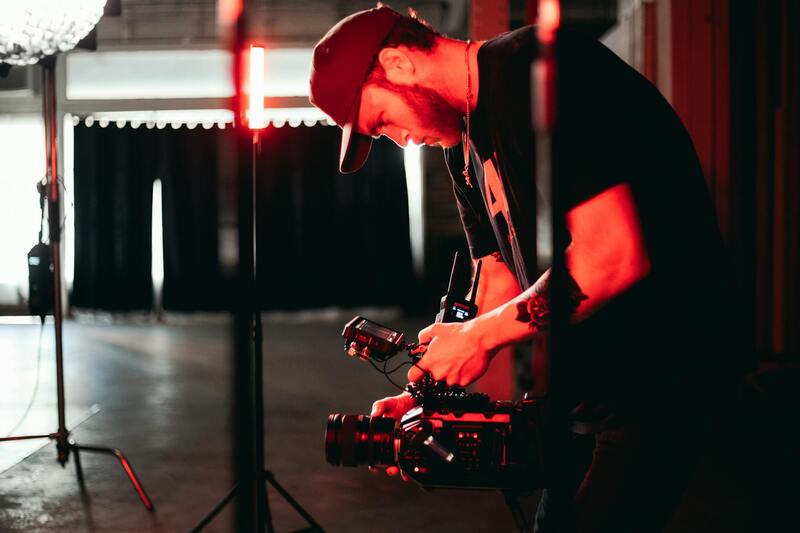
- Event Capture and Recording: High-definition video and multi-camera setups to accurately capture the event from multiple angles, ensuring comprehensive coverage.
- Streaming Platform Integration: Customization of streams for different digital platforms, whether social media, dedicated websites, or enterprise portals.
- Live Audio Management: Clear and balanced audio transmission, integrating microphones, audio mixing, and sound engineering for optimal sound quality.
- Production Support and Direction: Professional directors and technical crews coordinate real-time switching, graphics, and visual effects to enhance viewer experience.
- Post-Event Services: On-demand recordings, highlight reels, and analytics reporting to assess engagement and plan future events.
- Technical Consultation: Pre-event assessment and planning to determine the best technology solutions aligned with event goals and audience expectations.
Equipment and Technology Used in Live Event Streaming
Modern live streaming relies heavily on sophisticated technology to ensure stability, quality, and interactivity. Miami's production companies utilize a range of equipment, including:
- High-Definition Cameras: Multiple professional-grade cameras for capturing detailed visuals from different perspectives.
- Video Switchers and Mixers: Devices that enable real-time switching between camera feeds, graphics, and video sources.
- Encoding Hardware and Software: Powerful encoders convert video signals into digital streams suitable for distribution online, often supporting adaptive bitrate streaming for varied internet speeds.
- Audio Equipment: Digital mixers, microphones, and sound processors to ensure pristine audio quality.
- Networking Infrastructure: High-capacity internet connections with redundancy to prevent stream interruptions, along with hardware like routers and network switches optimized for streaming.
- Graphics and Overlay Tools: Real-time graphics, lower thirds, logos, and interactive elements that enhance branding and viewer engagement.
Factors to Consider When Choosing a Streaming Production Partner
Selecting the right live event streaming company in Miami requires careful evaluation to ensure your event reaches its full potential. The following factors are critical:
- Experience and Portfolio: Review their previous work across different event types to assess quality and versatility.
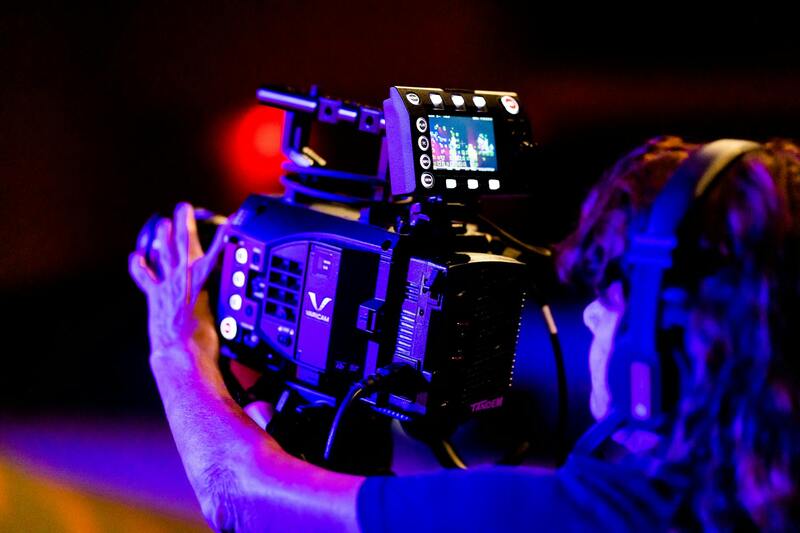
- Technical Capabilities: Ensure they possess advanced equipment and expertise in managing complex productions.
- Platform Expertise: Confirm their familiarity with various streaming platforms, such as Facebook Live, YouTube, or custom solutions, to tailor the delivery effectively.
- Customer Support and Communication: Reliable, prompt support during planning and execution phases minimizes risks and enhances collaboration.
- Scalability and Flexibility: The ability to adapt to different event sizes and special requirements, including interactive features or multiple camera angles.
- Cost Transparency: Clear pricing structures and detailed proposals help align the project with your budget and expectations.
- Reputation and Client Feedback: Client testimonials and reviews can provide insights into their professionalism and reliability.
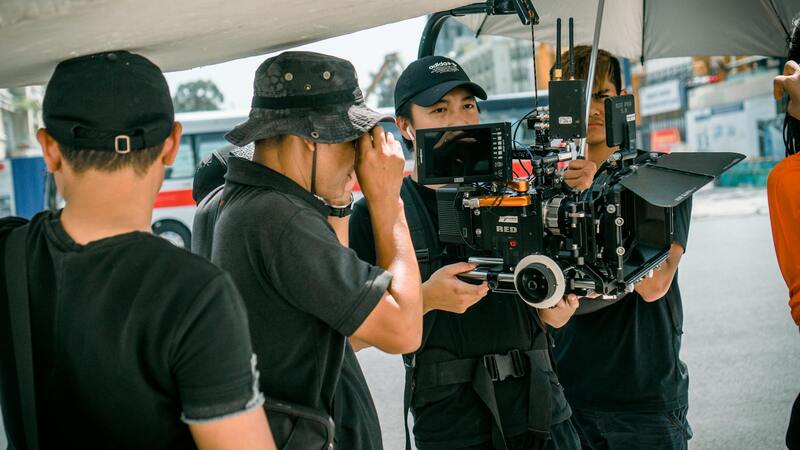
Factors to Consider When Choosing a Streaming Production Partner
Partnering with a live event streaming production company involves meticulous evaluation of their technical proficiency, industry reputation, and adaptability to your specific event needs. It's essential to analyze their approach to planning, execution, and post-event support to ensure a seamless viewing experience for your audience. The selection process should prioritize providers who demonstrate a comprehensive understanding of the latest streaming technologies, robust infrastructure, and effective communication channels.
Experience and Portfolio
When assessing potential companies, review their portfolio of recent projects similar in scope and scale to your event. An extensive portfolio showcases their versatility and familiarity with different event types, from corporate conferences and product launches to live concerts or sports broadcasts. Their experience in managing technical complexities, such as multi-camera setups or stereoscopic streaming, reflects their capability to handle diverse production demands.
Technical Capabilities and Equipment
Ensuring the provider has access to high-quality equipment is paramount. Look for companies utilizing professional-grade cameras, switching consoles, encoders, and reliable internet infrastructure. Advanced technology, including 4K streaming, multi-camera angles, and real-time graphics overlays, elevates the broadcast quality. Additionally, backup systems for power, streaming, and connectivity minimize risks associated with technical failures during live events.
Platform Expertise and Compatibility
An adept streaming partner should possess a deep understanding of various broadcasting platforms, including popular social media channels and custom streaming solutions. This expertise allows them to optimize content delivery and maximize audience reach. Compatibility with multiple platforms facilitates event flexibility, whether the goal is broad public engagement or targeted private streams for specific stakeholders.
Customer Support and Communication
Effective communication and dedicated support are crucial, especially during the event planning phase. A professional company offers comprehensive consultation, regular updates, and prompt troubleshooting assistance. Clear, transparent communication ensures alignment of expectations and mitigates potential issues on the day of the event.
Scalability and Customization
Live streaming needs can vary widely, requiring solutions tailored to the size and nature of your event. Select a provider capable of scaling their services, whether you’re hosting an intimate gathering or a large-scale broadcast. The ability to incorporate interactive features such as live polls, Q&A sessions, and multiple camera feeds enhances audience engagement and provides a dynamic viewing experience.
Cost Transparency and Value
Request detailed proposals that outline all costs involved, including setup, production, bandwidth, and post-event analytics. Transparent pricing helps align services with your budget, preventing unexpected expenses. Balancing cost with quality is essential to ensure a successful event without compromising on necessary technical standards.
Client Feedback and Professionalism
Client testimonials, online reviews, and case studies offer insight into the company’s professionalism, reliability, and client satisfaction levels. A reputable provider consistently demonstrates punctuality, professionalism, and a proactive approach to problem-solving, essential qualities for high-stakes live broadcasts.
Factors to Consider When Choosing a Streaming Production Partner
Selecting the right live event streaming production company involves a thorough assessment of several critical factors to ensure a seamless broadcast experience. It is essential to evaluate their technical expertise, industry experience, and the range of services offered. A company with extensive experience in live streaming can anticipate potential challenges and implement effective solutions proactively. Their familiarity with diverse event types—from corporate conferences to entertainment shows—ensures adaptability and professionalism.
Another vital consideration is the company’s technological capabilities. Advanced hardware and software solutions are crucial for high-quality streaming, including multi-camera setups, professional audio equipment, and reliable encoding systems. The ability to integrate interactive features such as multiple viewing angles, live chat, and real-time polling can significantly enhance audience engagement. Ensure the provider maintains up-to-date equipment aligned with current industry standards to guarantee optimal broadcast quality.
Communication and project management are also key. An ideal partner maintains clear, transparent dialogue, providing detailed proposals and timelines. They should offer a dedicated point of contact to facilitate coordination, answer queries, and provide updates. This agility allows for adjustments during the planning process and reduces the chances of miscommunication or technical hiccups on the day of the event.
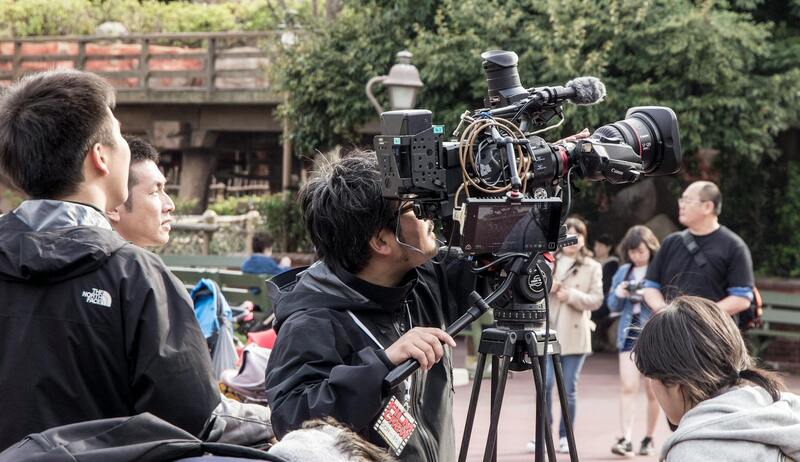
Additionally, reviewing client testimonials, case studies, and online reviews can offer valuable insights into a company's reputation and track record. Professionals who have consistently delivered successful streams demonstrate reliability and dedication, critical attributes for high-stakes productions where time-sensitive execution is paramount.
Compatibility with your event's scale and scope should be assessed thoroughly. Some companies excel at large-scale broadcasts with extensive technical requirements, while others might be better suited for smaller, more intimate digital events. It’s also important to clarify their capacity for scalability, especially if your event plans might evolve or expand in scope.
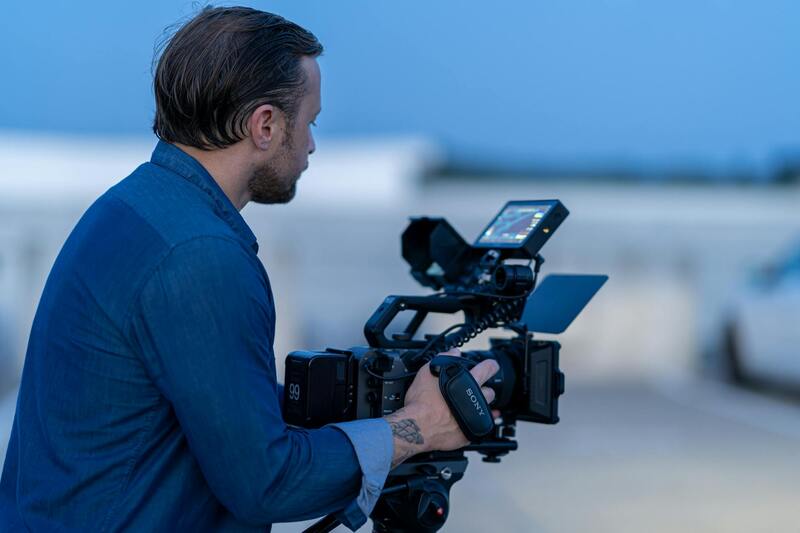
Finally, detailed discussions regarding the company's approach to data security and bandwidth management can safeguard sensitive content and ensure a stable streaming experience. Robust infrastructure and contingency plans for potential technical disruptions are indispensable, especially for broadcasting high-profile events where interruptions could impact reputation and audience satisfaction.
Technical Support and On-site Management During Live Events
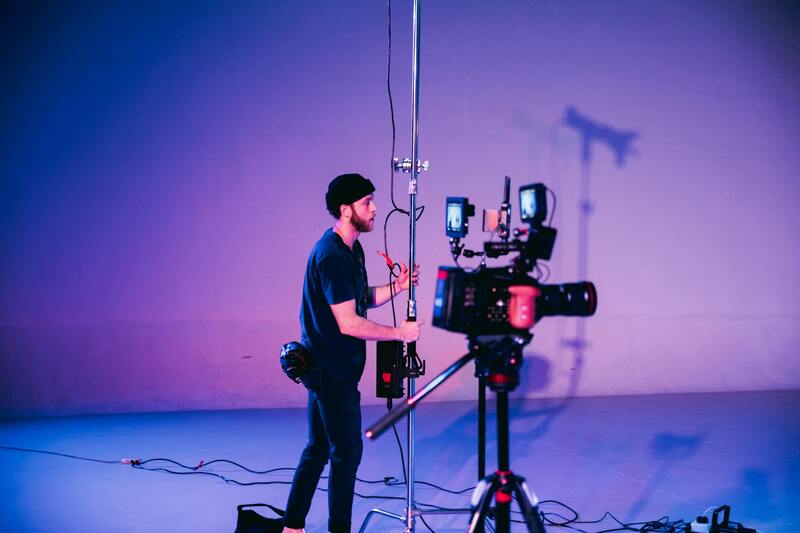
Ensuring a seamless live streaming experience extends beyond the initial setup and planning stages. Technical support and on-site management are crucial components that directly influence the success of a broadcast. Skilled technicians monitor the stream in real-time, quickly addressing any issues such as signal disruptions, audio-visual anomalies, or equipment malfunctions. This immediate response capability mitigates potential disruptions, maintains broadcast quality, and enhances audience satisfaction.
Role of Experienced Technicians
Experienced technicians possess deep knowledge of the latest streaming technology, troubleshooting techniques, and best practices for live events. They manage equipment calibration, audio-visual synchronization, and network connectivity checks to ensure optimal performance throughout the event. Their expertise minimizes the risk of technical issues and ensures a professional-grade presentation that aligns with your brand standards.
Communication and Coordination
Effective communication between event organizers, technical staff, and content creators is vital. Coordinators facilitate a smooth flow of information, making sure everyone is aware of schedules, cue points, and changes during the event. This coordination is especially important when integrating multiple content sources, handling audience interactions, or adjusting to real-time feedback. The ability to adapt swiftly during live broadcasts requires dedicated on-site personnel capable of multitasking under pressure.
Contingency Planning
Preparation for potential technical failures involves establishing robust contingency protocols. Backup internet connections, redundant streaming hardware, and readily available spare equipment are standard measures. Additionally, having a clear plan for switching to secondary streams or recording the event locally ensures valuable content is preserved, even if the primary stream encounters issues. These measures help safeguard your event’s reputation and deliver a consistent viewing experience to your audience.
Monitoring and Quality Assurance
Continuous monitoring during the live broadcast allows for immediate detection of quality deviations. Real-time feedback on stream stability, audio clarity, and visual quality facilitates quick adjustments. Employing dedicated quality assurance tools and live dashboards provides visibility into performance metrics, allowing on-site teams to make informed decisions rapidly.
Post-event Support and Analysis
Post-event, the technical team analyzes the streaming data to evaluate broadcast performance, identify bottlenecks, and gather insights. This review process guides future improvements, ensuring subsequent events benefit from prior experiences. Furthermore, post-event technical support includes editing, content management, and dissemination of recorded streams, maximizing the value derived from your live event content.