
Understanding Live Stream Services Production
Live stream services production encompasses the comprehensive process of broadcasting live video content to audiences over the internet. It involves a combination of technical expertise, specialized equipment, and strategic planning to ensure a seamless delivery of real-time footage. This process is essential for a variety of events, including corporate presentations, entertainment shows, conferences, and community gatherings, where real-time engagement is a priority.
Central to live stream production is the capture of high-quality video footage. This usually involves the use of professional cameras that can manage different lighting conditions and provide clear images, regardless of the setting. Multiple camera angles may be employed to enhance viewing experience, requiring skilled operators and switchers who can dynamically select the best shots during the broadcast.
Once the footage is captured, it needs to be transmitted to online platforms through a stable and efficient streaming setup. Here, the choice of streaming platform becomes crucial; it determines how the content is delivered and viewed by the audience. The streaming process typically requires real-time encoding hardware or software that compresses the video, ensuring high quality with minimal latency. This stage also involves bandwidth management to handle potentially large data loads, maintaining uninterrupted streaming even during high-traffic periods.
Technical coordination plays a vital role throughout the entire live streaming event. This includes managing audio, ensuring proper synchronization of video and audio feeds, and troubleshooting potential technical issues swiftly. Experienced production teams oversee the entire process, from setup to execution, capitalizing on their expertise to deliver a polished final product that meets client expectations.
The production process also involves the integration of additional elements such as overlays, graphics, and multiple video sources. These components enhance visual appeal and provide context, branding, or pertinent information during the live broadcast. Rigorous planning and coordination are essential to align all these elements cohesively, providing a professional presentation that reflects the event’s purpose and professionalism.
Overall, live stream services production is a multifaceted process requiring both technical proficiency and strategic planning. When executed properly, it enables organizations and individuals to connect with audiences in real time, expanding reach and engagement while maintaining a high standard of quality and reliability.
Key Equipment and Technology Used in Live Streaming
Effective live stream production relies heavily on a range of specialized hardware and software designed to ensure seamless transmission and high-quality visuals. In Miami, where audiences expect top-tier content, professional producers integrate advanced tools to meet these standards.
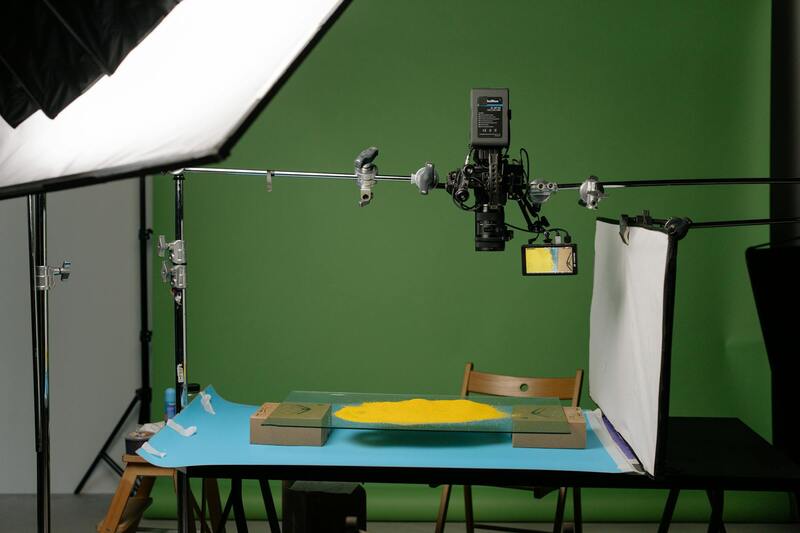
Among the essential hardware components are high-definition (HD) and 4K cameras that provide crisp, vibrant visuals. These cameras are often equipped with remote pan-tilt-zoom (PTZ) capabilities, allowing operators to manipulate framing and focus remotely for smooth, dynamic shots. Switchers or video mixers consolidate multiple video feeds, enabling seamless transitions and overlays during the broadcast.
Stream encoders play a pivotal role by compressing video signals into formats suitable for internet transmission without sacrificing quality. These encoders are integrated with software platforms that facilitate real-time encoding and streaming management, vital for maintaining stability and low latency. Reliable internet connectivity, often backed by fiber-optic connections or dedicated bandwidth solutions, forms the backbone of successful live streams, especially for large-scale events in Miami’s vibrant settings.
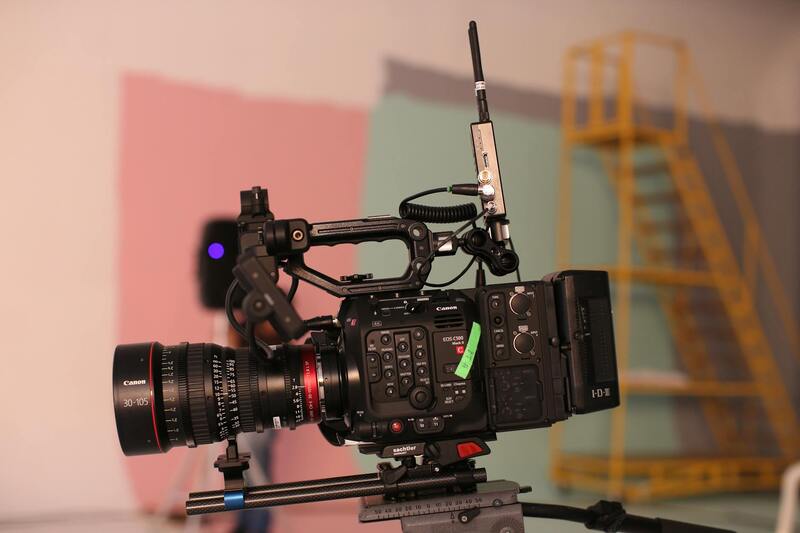
Complementing the hardware are powerful computers running professional streaming software—such as vMix, Wirecast, or OBS Studio—optimized for complex production workflows. These software solutions enable integration of graphics, overlays, and multiple video sources, elevating production quality. Audio equipment, including high-fidelity microphones and mixers, works in tandem to provide crystal-clear sound, which remains crucial in live production scenarios.
In the Miami region, where live sports, entertainment, corporate events, and public broadcasts are prevalent, utilizing top-tier equipment ensures that every moment is captured and transmitted flawlessly. This technological foundation supports transitions, multi-camera switching, and real-time graphics insertion, resulting in content that is both engaging and professional.
Setting Up for Live Streaming: Technical Execution
Effective technical setup is critical to the success of any live streaming event. Prior to the event, a comprehensive site survey should be conducted to identify optimal camera locations, audio setup points, and power sources, ensuring all equipment is positioned for maximum coverage and stability. Calibration of cameras and microphones is essential, allowing for proper focus, framing, and sound clarity, especially in dynamic environments such as Miami’s bustling entertainment venues or corporate conference halls.
The connection infrastructure must be thoroughly tested to handle the anticipated data throughput. Fiber-optic internet lines or dedicated bandwidth solutions are typically employed to guarantee a stable and high-capacity link throughout the live event. Additionally, redundant internet connections can be set up to serve as failover options, minimizing the risk of interruptions due to connectivity issues.
During setup, integration of all hardware components is crucial. Cameras should be configured for optimal lighting and angles, with remote control capabilities implemented for multi-camera switches. Audio sources, such as wireless microphones and mixers, need to be synchronized to prevent audio lag or background noise. Transition effects, graphic overlays, and lower thirds should be preloaded into the streaming software, ready for live insertion in sync with the visual content.
Personalized testing runs are indispensable. These rehearsals simulate the live event, allowing technicians to verify signal quality, troubleshoot potential issues, and synchronize visual and audio feeds. Ensuring that the streaming platform is correctly linked and able to deliver content to multiple endpoints helps in maintaining a smooth viewer experience.
Moreover, detailed event timelines and shot lists should be established. Assigning specific roles to crew members—such as camera operators, switchers, and audio engineers—clarifies responsibilities and streamlines the workflow. All these preparations collectively contribute to a professional and hassle-free live broadcast that resonates with Miami’s diverse and dynamic audiences.
Understanding Live Stream Services Production
Live stream services production involves a complex combination of technical expertise, quality equipment, and strategic planning to deliver high-quality content to viewers in real time. It encompasses every phase from initial concept development through the actual broadcast and beyond, including post-event archiving. Successful live streaming aims to create an engaging and seamless experience, whether for corporate events, concerts, conferences, or special occasions in Miami. Central to this process is understanding the diverse components that work harmoniously during the broadcast, ensuring the content aligns with the event's objectives and audience expectations.
Core Elements of Live Stream Production
- Content Planning and Scripting: Detailed preparations ensure the flow of the event is smooth, with clear cues for camera shots, graphics, and transitions.
- Camera Operations: Choosing appropriate cameras, angles, and lighting setups plays a vital role in visual clarity and engagement.
- Audio Management: Clear sound quality is non-negotiable. Professional audio sources, mixers, and wireless microphones are utilized to capture the sound accurately, eliminating background noise and ensuring audio synchronization.
- Streaming Platform Integration: Reliable platforms must be configured for optimal delivery, capable of supporting multiple viewers simultaneously with minimal latency.
- Technical Rehearsals: These pre-broadcast runs are essential for testing all equipment, rehearsing transitions, and troubleshooting potential issues to prevent interruptions during the actual event.
Roles and Responsibilities
To execute a polished live stream, a dedicated team handles various tasks, including camera operation, video switching, audio control, graphics, and technical support. Clear communication and predefined workflows enhance efficiency, with the primary goal of maintaining broadcast quality throughout the event. Skilled technicians continuously monitor internet stability, audio levels, and video signals, making real-time adjustments as needed to uphold stream integrity.
Integration of Advanced Technology
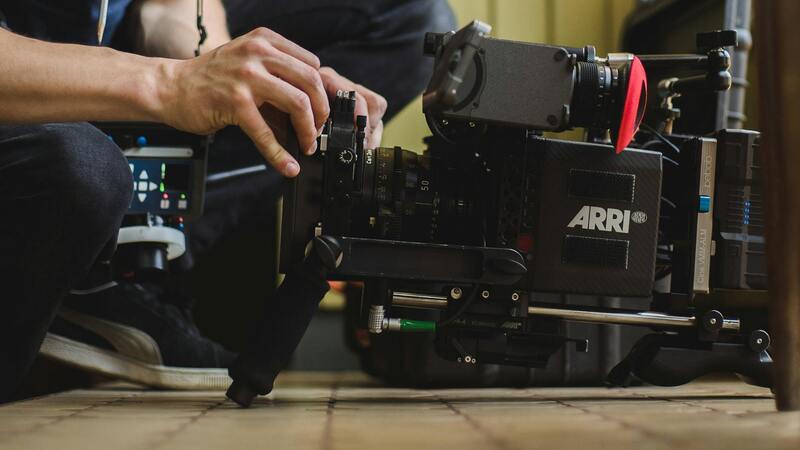
Modern live stream productions leverage a range of sophisticated tools. Multi-camera setups with remote control capabilities allow for dynamic shot selection, while graphics engines add overlays, lower thirds, and real-time information enhancements. Encoder devices convert high-definition video feeds into streams compatible with distribution platforms, ensuring optimal quality across devices. Additionally, redundancy measures like backup internet connections and power supplies are implemented to minimize the risk of disruptions, especially important in bustling Miami venues where connectivity can be challenging.
Conclusion
Effective live stream services production requires meticulous planning and execution, combining innovative technology with a proficient crew. This ensures the broadcast not only captures the event accurately but also delivers a professional viewing experience to audiences in Miami and beyond. Accurate coordination, the right equipment, and continuous monitoring are the keys to success in this competitive digital landscape.
Setting Up for Live Streaming: Technical Execution
Implementing a seamless live stream requires meticulous setup and coordination of diverse technical elements. The foundation of a successful broadcast lies in a well-orchestrated infrastructure that combines hardware, software, and skilled personnel. In Miami's vibrant event scene, integrating advanced technology ensures high-quality delivery regardless of location or scale.
Key components include professional cameras, live switchers, encoders, and audio equipment that work together to capture the essence of the event. Multiple cameras, strategically positioned, provide varied perspectives, while remote control systems facilitate real-time adjustments without disrupting the flow. Encoders play a critical role in converting the incoming video feeds into compressed streams suitable for internet transmission.
Ensuring robust connectivity is vital, especially given Miami's bustling venues and dynamic environments. Redundant internet connections—via wired and wireless networks—are configured to automatically switch if one connection encounters issues, maintaining uninterrupted streaming. Power backup systems, such as uninterruptible power supplies (UPS), safeguard against power outages, keeping the broadcast stable even during technical hiccups.
Stream Optimization and Platform Compatibility
To optimize quality and compatibility across devices, advanced encoding software adjusts the video resolution and bitrate accordingly. This ensures an optimal viewing experience whether the audience accesses the stream on desktops, tablets, or smartphones. Integration with multiple streaming platforms—such as dedicated event portals, social media, or custom websites—is managed through sophisticated deployment tools that enable simultaneous distribution.
Monitoring and Quality Control in Real-Time
Continuous observation by trained technicians maintains the integrity of the broadcast. Real-time monitoring systems track video and audio signals, internet stability, and hardware performance. Any anomalies, such as signal degradation or device malfunction, are addressed promptly—either through immediate adjustments or switching to backup sources. This proactive approach prevents disruptions and guarantees a professional-quality stream from start to finish.
Effective execution hinges on clarity in communication among the crew, with pre-established workflows to guide each technical task. This coordination ensures that scene changes, graphic overlays, and audio mixing are synchronized, delivering a polished viewing experience. The integration of real-time data overlays, such as event schedules or promotional content, enhances engagement and provides viewers with comprehensive information throughout the broadcast.
Ultimately, a professional live stream setup in Miami combines cutting-edge equipment, resilient connectivity solutions, and expert oversight. It creates a compelling, distraction-free presentation that captures the event’s energy and ambiance, reaching audiences efficiently across multiple digital platforms. Precision in setup and execution translates into higher viewer satisfaction and stronger engagement, cementing the importance of meticulous planning in live stream production.
Understanding Live Stream Services Production
Producing a live stream involves a complex orchestration of various technical and creative elements designed to deliver a seamless viewing experience. At its core, live stream services production requires meticulous planning, advanced equipment, and expert execution to ensure that content is broadcasted clearly and reliably across multiple digital platforms. It involves not just the transmission of video and audio signals but also the integration of real-time graphics, multiple camera angles, and interactive elements that enhance viewer engagement.
To achieve professional-grade results, production teams focus on several critical components. This includes selecting high-definition cameras capable of capturing dynamic visuals, deploying advanced encoding hardware to compress and transmit data efficiently, and utilizing robust streaming protocols to prevent buffering and latency issues. Additionally, sound quality is prioritized through the deployment of professional microphones and audio mixers, ensuring clear communication and ambient sound capture.
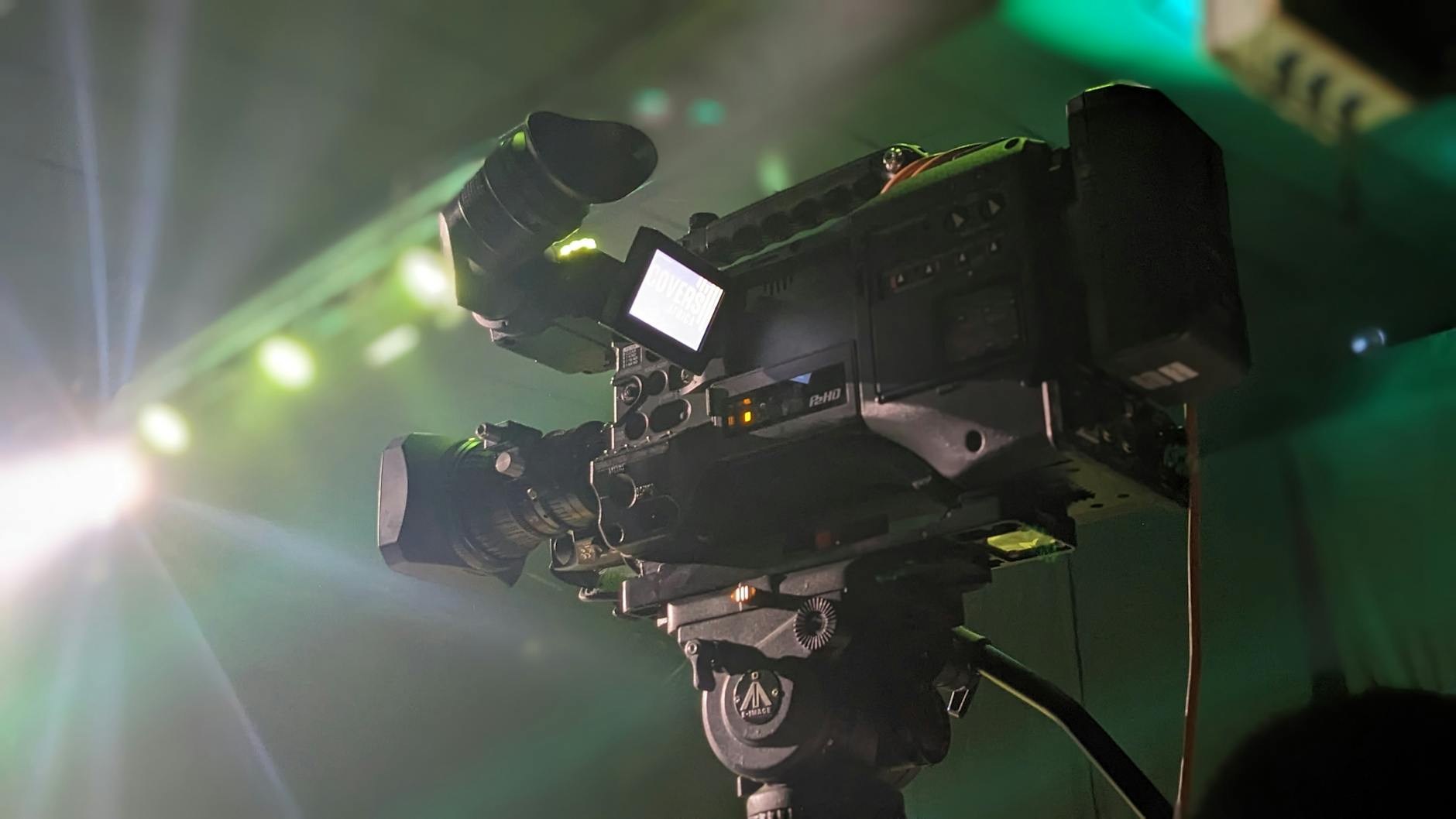
Effective live stream production also involves a comprehensive understanding of bandwidth requirements and network reliability. High-speed internet connections with failover options safeguard against interruptions, maintaining a continuous broadcast even when an issue arises. Strategic placement of backup hardware, such as secondary encoders and power sources, further mitigates potential disruptions. Technical teams also prepare for possible challenges by conducting thorough test runs, ensuring all equipment functions properly and that everyone involved is familiar with the workflow.
Key Equipment and Technology Used in Live Streaming
- High-definition cameras with multiple angles for dynamic coverage
- Video encoders that convert raw footage into stream-ready formats
- Reliable internet connections with dedicated bandwidth and failover systems
- Audio mixing consoles to manage sound quality and levels
- Graphics systems for overlays, logos, and real-time data displays
- Switchers and production servers to seamlessly transition between cameras and scenes
- Monitoring devices for real-time quality control
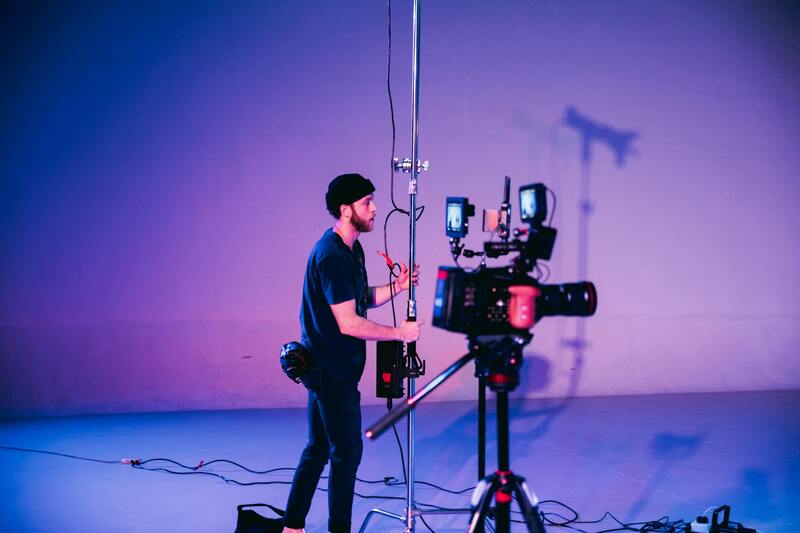
Planning and Pre-Production for Live Streaming Events
Preparation is key to the success of any live broadcast. Effective pre-production involves defining clear objectives, understanding the target audience, and developing a detailed run-of-show schedule. This planning phase includes securing high-quality content sources, assembling a competent production team, and establishing communication protocols to coordinate between camera operators, directors, and technical staff. Creating a storyboard or shot list helps visualize the event’s flow, ensuring all visual and audio elements come together cohesively.
Pre-production also encompasses logistical considerations such as venue layout, power supply arrangements, and internet connectivity testing. Content rehearsals allow the team to practice transitions, graphics, and timing, which minimizes on-the-fly adjustments during the live event. Additionally, establishing backup plans for key components ensures preparedness for unforeseen issues.
Setting Up for Live Streaming: Technical Execution
On the day of the event, setting up equipment involves intricate coordination to establish reliable connections and ensure all devices are correctly configured. Cameras are positioned to capture the best angles, and audio feeds are calibrated to eliminate background noise and optimize clarity. The production control room functions as the nerve center, managing video feeds, switching sources, and inserting graphics or promotional content.
Connectivity is critical and requires a comprehensive test to verify internet stability. Network specialists may deploy dedicated lines or bonded internet solutions that combine multiple connections to maximize bandwidth. Power backup solutions, such as uninterruptible power supplies (UPS), are employed to prevent interruptions during power fluctuations.
Execution and Monitoring During Live Streams
Throughout the broadcast, continuous oversight by a trained technical team ensures that the live stream maintains high standards. Real-time monitoring involves checking the quality of video and audio signals, ensuring synchronization between sources, and verifying that graphics and overlays display correctly. Any anomalies are addressed swiftly—either through live adjustments or switching to backup sources when necessary.
This vigilance also includes audience engagement tracking and responding to technical issues promptly. Effective communication among the crew facilitates seamless transitions and scene changes, and data overlays provide viewers with additional information, such as event schedules or sponsor messages. The goal is to deliver a polished, distraction-free presentation that captures the energy of the event while reaching audiences across multiple online platforms.
Understanding Live Stream Services Production
Producing a live stream involves multiple layers of planning, coordination, and technical execution to deliver a seamless broadcast experience. It encompasses everything from pre-event preparations and equipment setup to monitoring the stream in real-time and managing post-event archiving. The primary goal is to provide audiences with a high-quality, engaging viewing experience that accurately captures the essence of the live event while ensuring reliability and professional presentation.
Pre-Event Coordination and Content Development
Successful live stream production begins well before the event starts. This phase involves detailed planning, including defining the content flow, identifying key moments to highlight, and coordinating with speakers, performers, or presenters. Content development may also include creating graphics, overlays, and promotional materials to enhance visual engagement. Establishing clear communication channels among production team members ensures smooth execution on the day of the event.
Technical Planning and Resource Allocation
A comprehensive technical plan addresses the necessary equipment, internet bandwidth, power needs, and backup systems. Equipment planning extends to selecting high-definition cameras, professional-grade microphones, switchers, encoders, and streaming software. Adequate bandwidth testing is crucial to support uninterrupted, high-quality video transmission. Additionally, the plan accounts for contingency measures such as backup internet connections, power supplies, and alternative feed sources to mitigate potential disruptions.
Coordination of Content and Audience Engagement
Effective live streaming also involves coordinating multimedia content, including pre-recorded segments, real-time graphics, and live interactions. Audience engagement strategies, such as live chat moderation, polls, or Q&A sessions, are integrated into the production to foster interaction and increase viewer retention. Planning for multi-platform streaming ensures the event reaches audiences on various channels, maximizing visibility and engagement.
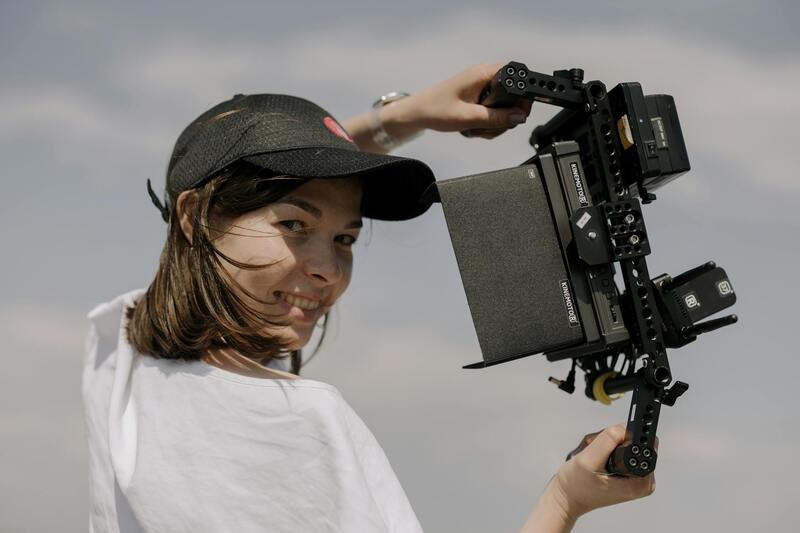
Finalizing the Live Stream Setup and Ensuring Seamless Delivery
Achieving a flawless live streaming experience hinges on meticulous final preparations and rigorous testing. Prior to going live, all equipment should undergo comprehensive checks, including camera angles, audio levels, and internet connectivity. Ensuring that encoding settings are correctly configured to match the target streaming platforms guarantees optimal video quality and minimal latency. The technical team must verify that backup systems, such as secondary internet connections and power supplies, are ready to deploy if necessary.
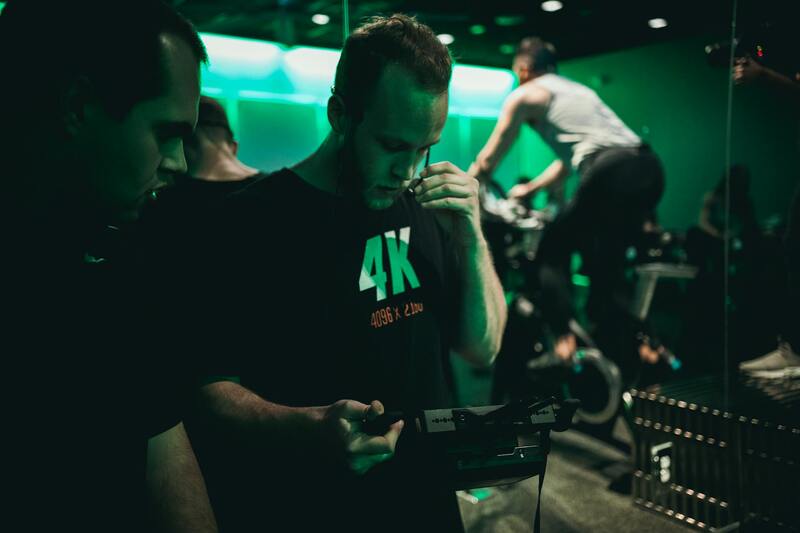
During the actual live event, real-time monitoring is critical to promptly identify and resolve any technical anomalies. Production staff should keep a close watch on stream health metrics, audio levels, and visual clarity across all channels. An experienced operator overseeing the stream can swiftly respond to issues, such as dropped feeds or unexpected audio feedback, minimizing disruptions and maintaining a professional presentation throughout the broadcast.
Strategies for Effective Live Stream Management
- Dedicated Technical Support: Assign a team of trained technicians to monitor audio, video feeds, and internet stability continuously.
- Multi-Platform Streaming: Stream simultaneously across multiple channels to expand reach and ensure audience accessibility.
- Engagement Moderation: Implement moderation tools to facilitate live chat, answer questions, and handle viewer interactions smoothly.
- Data Analytics and Feedback: Use analytics tools to track viewer engagement and gather insights post-event for future improvements.
Post-Stream Review and Content Delivery
Once the live event concludes, comprehensive review processes should be initiated. This involves analyzing performance metrics, troubleshooting recordable issues, and capturing the entire broadcast for on-demand availability. Edited versions of the live stream can be produced for promotional purposes or archival storage, ensuring your content continues to generate value long after the live event.
The archive process should include proper indexing and cataloging of recordings, enabling easy retrieval for future reference or sharing. Additionally, integrating viewer feedback and engagement data can guide the planning of subsequent live streams, refining technical setups and content strategies for better audience experiences.