
Understanding Live Stream Video Production
Live stream video production has become a vital component for businesses, event organizers, and content creators in Miami aiming to reach broader audiences with real-time engagement. At its core, live stream production involves capturing live footage using professional equipment, encoding the video signal, and transmitting it seamlessly over the internet to viewers across various devices and platforms. Ensuring high-quality streaming is essential to maintain viewer interest, uphold brand professionalism, and deliver a clear and engaging experience.
The primary components of live stream video production include cameras, audio interfaces, video switchers, encoding software or hardware, and robust internet connectivity. These elements work in concert to produce a polished, reliable live broadcast. Camera selection—ranging from professional-grade camcorders to high-definition digital cameras—dictates the visual quality, while audio equipment ensures clear sound, which is equally important for audience engagement.
In the context of Miami's diverse business environment, high-quality live streaming can elevate corporate events, product launches, and community gatherings. With the right equipment and a focus on production standards, Miami organizations can effectively showcase their events as professional and engaging, reaching audiences both locally and globally.
Choosing Equipment for High-Quality Live Streams
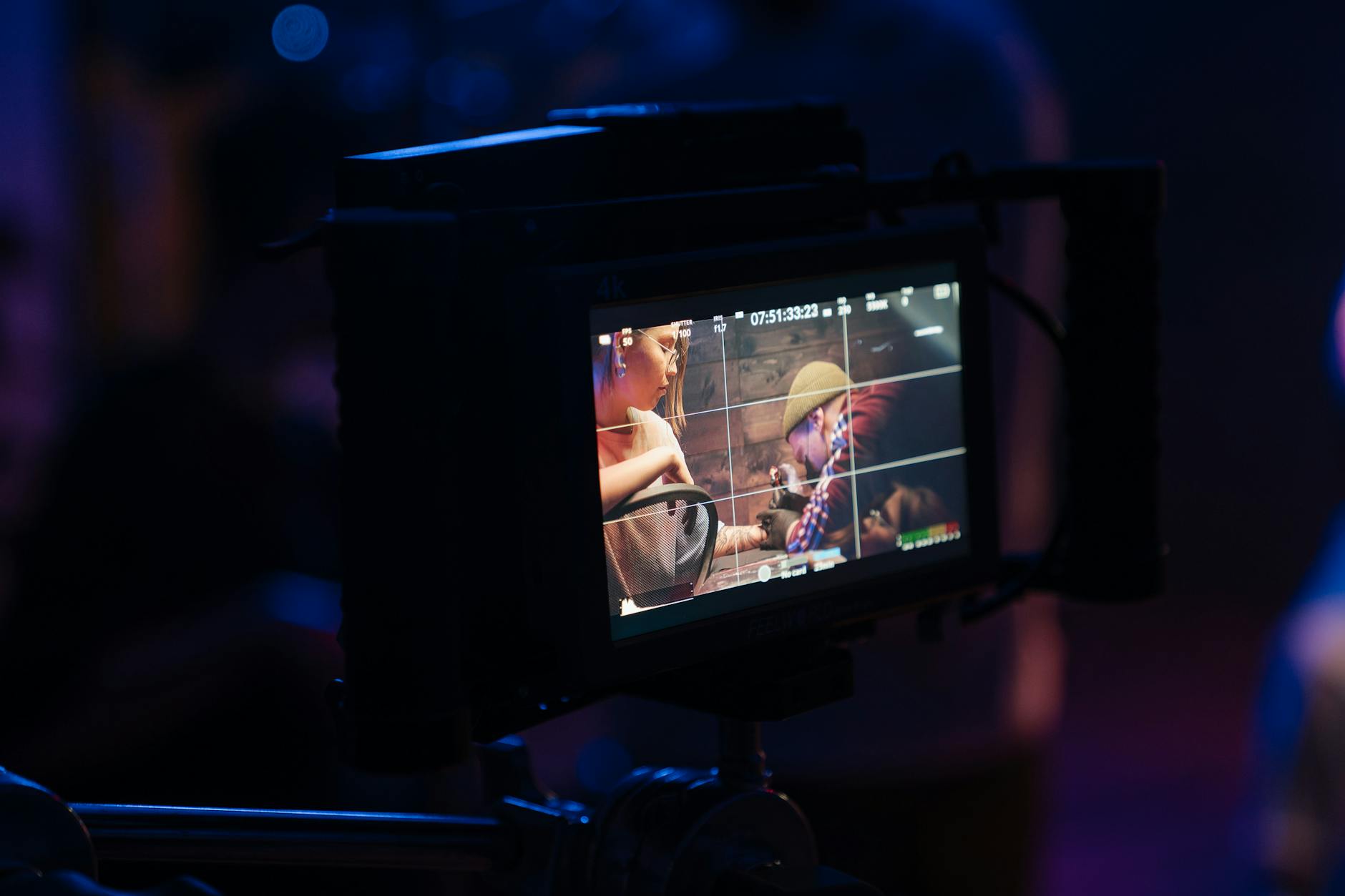
Obtaining the right equipment is fundamental to delivering a seamless and professional live streaming experience. The core components include high-definition cameras capable of capturing sharp, detailed visuals across varying lighting conditions, and professional-grade microphones to ensure clear audio that enhances viewer engagement. Additionally, reliable video switchers and mixers facilitate smooth transitions between camera feeds, enabling dynamic presentations that keep the audience interested.
Beyond primary visual and audio gear, investment in robust encoding hardware or software is essential for efficient compression and streaming of high-quality content. Hardware encoders often provide more stability and lower latency, which is crucial for maintaining a fluid live broadcast. Software encoders, on the other hand, offer flexibility and customization options, making them suitable for more complex productions.
Supporting equipment such as lighting rigs ensures the subject is well-lit, improving image clarity and viewer experience. Steadycams, tripods, and stabilization tools are also vital to prevent shaky footage that can distract viewers. For multi-camera setups, synchronizing video feeds demands sophisticated switchers and controllers that allow seamless switching during live broadcasts.
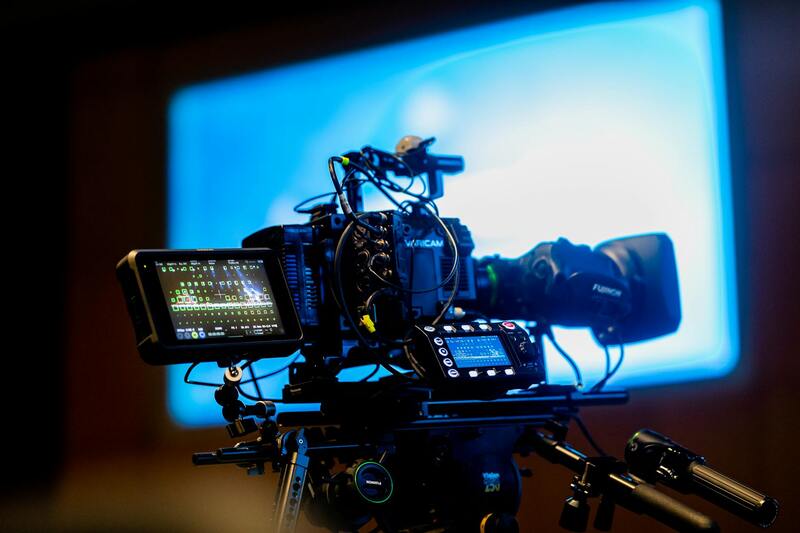
In selecting equipment, it’s important to consider the specific requirements of the event or content type, the expected audience size, and technical constraints. A professional production team typically assesses these factors to recommend the most appropriate hardware and software solutions, striking a balance between cost-efficiency and broadcast quality.
Streaming Platforms and Delivery Methods
Choosing the right platform is crucial to reach the target audience effectively. Popular streaming channels include social media platforms such as Facebook Live, YouTube Live, and Instagram Live, which provide immediate access to large user bases. Dedicated streaming services like Vimeo Livestream or Wowza offer advanced features including higher customization, analytics, and integration options suitable for corporate or enterprise events.
Delivery methods also vary based on the event's scope and security needs. Public streams are accessible to anyone, maximizing reach, while private or password-protected streams limit access to specific viewers. Adaptive streaming technologies dynamically adjust video quality based on viewer connection speeds, ensuring optimal playback without buffering or lag. Choosing a platform and delivery method should align with the broadcast’s goals, content sensitivity, and audience engagement strategies.

Alignment with a reliable Content Delivery Network (CDN) ensures the stream remains stable and efficiently distributed across different geographic locations. For large-scale or multi-camera productions, integrating multiple platforms or using multi-cast solutions can expand reach while maintaining quality. A seasoned production team will evaluate these options, tailoring their approach to optimize performance and viewer experience.
Technical Setup and Workflow Optimization
Successful live stream video production hinges on meticulous technical planning and streamlined workflows. Before the event, a comprehensive evaluation of the venue’s infrastructure is critical to determine internet bandwidth, power supply, lighting, and acoustics. Installing dedicated wired connections minimizes latency and buffering, providing a stable streaming environment. Wireless solutions can serve as backups but should never be the primary connection for high-quality broadcasts, given their susceptibility to interference and connection drops.
In terms of equipment, selecting a combination of professional-grade cameras and compatible encoding hardware ensures that the visual and audio quality meets broadcast standards. Live switching equipment allows for seamless transitions between multiple camera feeds, graphics overlays, and pre-recorded segments. These switches are vital for maintaining viewer engagement, especially during complex events or multi-camera setups.
Audio remains a critical element; employing high-fidelity microphones and audio mixers guarantees crisp sound that complements the visual component. Using a multi-channel audio interface helps manage multiple sound sources, such as speakers, interviewees, and background music, with clarity and balance.
Stream Management and Rehearsals
Effective stream management involves pre-event rehearsals to test all technical components, including audio-visual feeds, internet stability, and streaming platforms. Conducting these rehearsals allows the production team to identify potential issues and make adjustments in real-time. During the event, real-time monitoring of video output, audio levels, and stream health is essential. This process often involves dedicated personnel overseeing the broadcast, ready to troubleshoot issues promptly.
Utilizing professional software for real-time encoding and stream control enables producers to manage multiple outputs, insert graphics or captions, and switch between camera views smoothly. Such software often integrates with platforms like YouTube Live or Facebook Live, providing detailed analytics and audience interaction options. This preparation ensures a polished, engaging live experience that resonates with viewers and drives interaction.
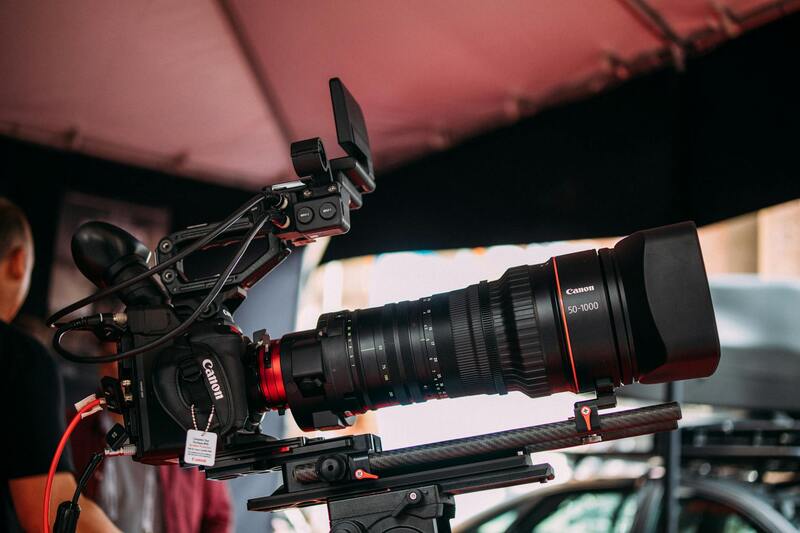
For large-scale events, multi-camera setups coordinated with professional crew members ensure comprehensive coverage from various angles, offering viewers a dynamic experience. These setups often employ wireless video transmission systems to reduce cabling and improve flexibility, especially in complex environments or outdoor settings. Ultimately, thorough pre-production planning combined with robust technical execution forms the backbone of an effective live stream video production, elevating the event’s professionalism and viewer satisfaction.
Understanding Live Stream Video Production
Live stream video production entails capturing live footage, processing it with professional equipment and software, and broadcasting it seamlessly over the internet for real-time viewing. This process requires meticulous planning, synchronization of multiple technical elements, and a deep understanding of broadcasting standards to ensure a high-quality output that engages viewers and accurately represents the event or message. From corporate events and webinars to concerts and public gatherings, live streaming demands a tailored approach to meet specific audience needs and exceed expectations.
Core Components of Live Stream Video Production
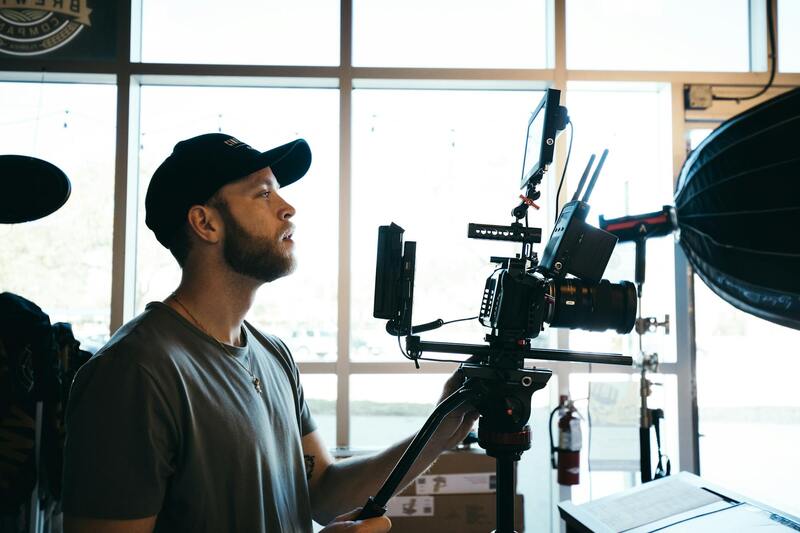
- Video Capture: Using professional cameras that support high-definition output to capture clear visuals from various angles enhances the visual experience for viewers. In addition, switchers and routers facilitate seamless changes between camera feeds.
- Audio Management: Clear, balanced audio is vital. Using mixers, microphones, and audio processors guarantees that sound quality matches the high standards of video production, ensuring messages are conveyed without distraction or distortion.
- Encoding and Software: Dedicated encoding hardware or software converts raw footage into streams compatible with online platforms. Advanced software allows for real-time graphics, overlays, and transitions, fostering a professional look.
- Internet Connectivity: Stable, high-bandwidth internet connections are critical. Redundant internet sources and dedicated networks help prevent disruptions and buffer issues during live broadcasts.
- Streaming Platforms and Delivery: Selecting the optimal platform ensures the target audience can access the broadcast without inconvenience. Compatibility, scalability, and analytics options are key considerations.
Workflow Integration and Coordination
Effective live stream production involves coordination between technical teams, event organizers, and content creators. Pre-event rehearsals and technical checks are essential for identifying potential issues, fine-tuning camera placements, audio settings, and stream settings. During the event, team members monitor stream health, audience interaction, and technical performance using specialized tools, ready to troubleshoot immediately if issues arise.
Utilizing professional production control software enables operators to manage multiple sources and overlays, switch between camera views smoothly, and insert real-time graphics effectively. This ensures the broadcast maintains a polished, engaging presentation. For large-scale production, multi-camera setups facilitate comprehensive coverage, capturing different perspectives simultaneously. Wireless transmission systems provide flexibility, especially in outdoor or complex environments, reducing the constraints imposed by cabling.
Technical Team and Roles
- Producer: Oversees the entire broadcast workflow, manages timing, and ensures content quality.
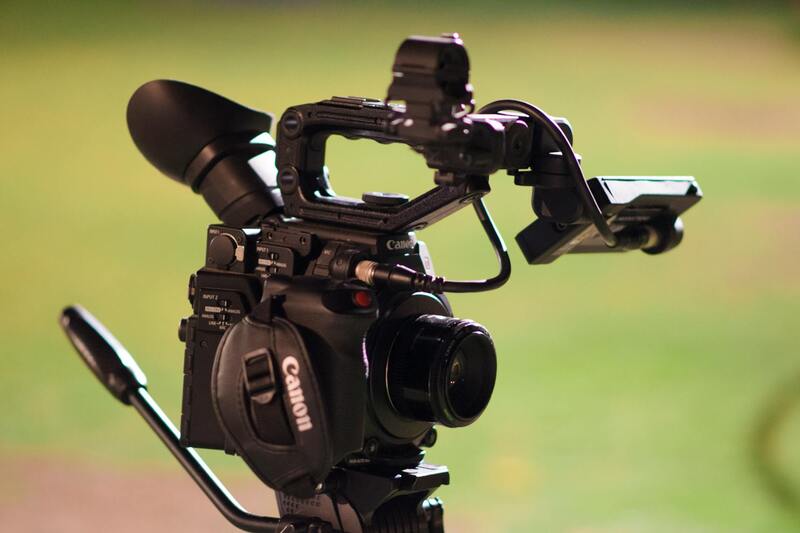
- Camera Operators: Capture footage, follow event activity, and adjust cameras accordingly.
- Audio Engineers: Monitor sound levels, manage microphones, and optimize audio quality throughout the stream.
- Technical Director: Operates switching software, manages graphics, and ensures broadcast flow.
- Internet and Network Specialists: Maintain connectivity, troubleshoot network issues, and implement redundancies.
Combining these elements strategically creates a fluid production environment capable of delivering engaging, professional live streaming experiences across diverse event formats. Efficient execution is critical to maintaining viewer satisfaction, brand reputation, and overall production value in Miami's competitive live streaming landscape.
Ensuring Reliable Streaming through Proper Infrastructure and Testing
One of the most critical aspects of live stream video production involves establishing a stable and robust technical infrastructure. Prior to the event, comprehensive testing of all equipment—including cameras, microphones, streaming hardware, and network connections—is vital. This process helps identify potential issues that could disrupt the broadcast, allowing technicians to make necessary adjustments or replacements well in advance. Implementing redundant systems further enhances stream reliability. For instance, dual internet connections, such as primary broadband and a backup LTE or satellite link, ensure continuous connectivity if one service experiences interruption. Similarly, having backup power supplies like uninterruptible power supplies (UPS) prevents outages due to power fluctuations or failures. Maintaining a controlled environment for the streaming hardware minimizes interference or overheating, especially in outdoor settings or busy venues. Proper cable management, secure mounts for cameras and microphones, and environmental safeguards contribute to a seamless production process. Furthermore, real-time monitoring systems should be deployed during the live event. These systems provide immediate feedback on stream health, quality metrics, and potential problem areas, enabling the technical team to intervene proactively. Employing professional streaming software with built-in diagnostics facilitates quick troubleshooting and facilitates communication among team members. To guarantee optimal sound and video quality, calibration of equipment before the event is essential. This includes adjusting audio levels, color grading of cameras, and verifying streaming bitrates. These steps ensure the live broadcast meets high industry standards and offers viewing audiences an engaging, professional experience. Below are some of the key techniques and best practices for securing a successful live stream:
- Perform comprehensive pre-event equipment checks.
- Set up redundant internet and power sources to prevent interruptions.
- Utilize professional streaming hardware and software designed for high traffic volumes.
- Test all audio and video feeds multiple times prior to the event.
- Implement real-time monitoring tools to track stream health and quality.
- Prepare backup equipment for critical components like cameras, microphones, and encoding devices.
- Coordinate with the technical team to establish clear communication protocols during the broadcast.
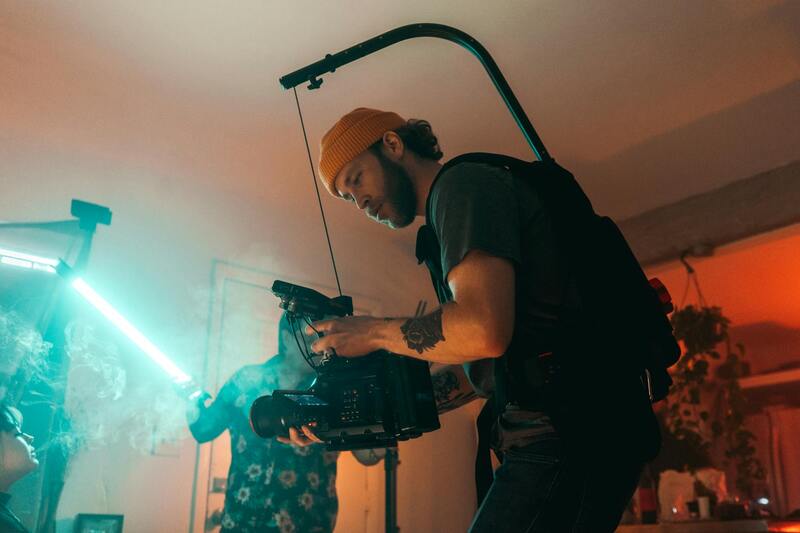
By prioritizing infrastructural reliability and meticulous preparation, organizations in Miami can deliver smooth, professional live streams that captivate audiences and uphold brand integrity, regardless of venue or event complexity.
Understanding Live Stream Video Production
Live stream video production involves a series of complex, coordinated activities aimed at broadcasting real-time video content to audiences through digital platforms. This process encompasses everything from pre-event planning and equipment setup to the actual live transmission and post-event content management. Employing professional standards ensures broadcasts are seamless, engaging, and capable of reaching large audiences without technical disruptions. High-quality live streaming is not merely about capturing and transmitting video; it involves strategic planning, state-of-the-art technology, and expert execution to deliver a professional viewing experience that accurately represents the event, brand, or message.
Technical Components of Live Stream Video Production
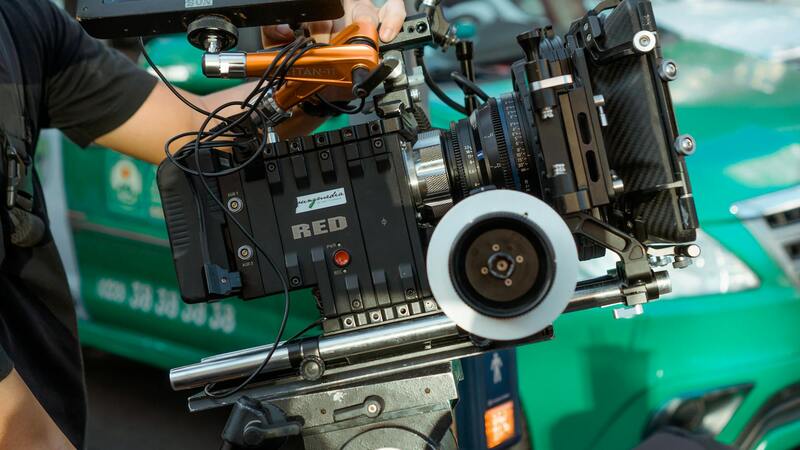
- Capture Devices: Professional cameras equipped with high-resolution sensors and interchangeable lenses capture clear, crisp footage suitable for various broadcast environments.
- Audio Equipment: High-fidelity microphones, mixers, and audio processors ensure sound clarity and balance, crucial for audience engagement.
- Encoding Hardware and Software: Dedicated encoders convert raw video into streaming-compatible formats, maintaining consistency and quality during broadcast.
- Networking Infrastructure: Reliable internet connections, often with backup options, prevent disruptions and maintain stream stability.
- Streaming Platform Integration: Compatibility with streaming services and platforms facilitates smooth delivery and accessibility for viewers.
Essential Skills and Professional Expertise
Successful live streaming demands skilled professionals with expertise in multimedia production, network management, and real-time troubleshooting. Technical directors and broadcast engineers orchestrate camera angles, audio inputs, and graphic overlays, ensuring all elements operate harmoniously. They also monitor stream health continuously, ready to implement corrective measures if issues arise. The integration of experienced personnel with advanced technology creates a dynamic environment capable of handling unpredictable challenges inherent in live broadcasting.
Quality Assurance in Live Streaming
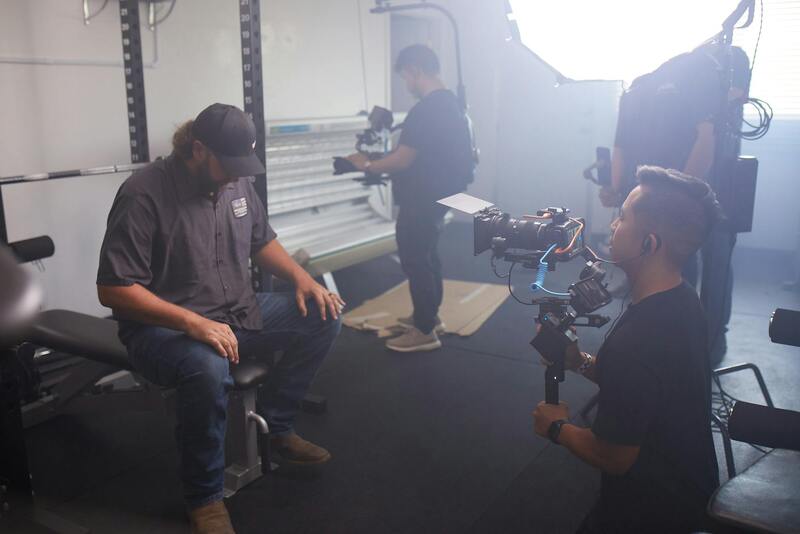
Quality assurance is pivotal in live stream video production. It encompasses thorough equipment testing, calibration, and rehearsal sessions prior to the actual event. Calibration ensures color accuracy during video transmission, synchronization of audio and video feeds, and proper lighting adjustments. Rehearsals with all technical devices help identify potential issues and refine the broadcast flow. During the event, real-time monitoring tools track video and audio quality, broadband throughput, and stream stability, allowing technicians to respond swiftly to any anomalies. These measures guarantee a consistent and polished presentation that upholds the standards expected by professional audiences.
Executing Live Stream Video Production with Precision
Effective execution of a live stream involves meticulous coordination among various technological components and skilled personnel. An integral aspect is the deployment of multiple high-definition cameras positioned strategically to capture different angles and perspectives, providing viewers with a comprehensive visual experience. Managing these cameras requires a technical director who seamlessly switches between feeds to highlight the most relevant visuals during the event.
Audio quality plays a critical role in viewer engagement and must be managed with equal diligence. Professional audio engineers set up multiple inputs—such as microphones for speakers, ambient sound captures, and possibly commentary channels—and ensure their synchronization with the video feed. The mixing consoles and digital audio workstations are calibrated prior to the event to maintain clarity and balance throughout the stream.
Streaming management involves real-time monitoring of the broadcast health. This is achieved through specialized software and hardware that track bandwidth utilization, reduce latency, and detect stream disruptions instantly. If an issue arises—like bandwidth congestion or hardware malfunction—experienced technicians are prepared to implement contingency measures such as switching to backup streams or adjusting bitrates, ensuring a seamless viewing experience.
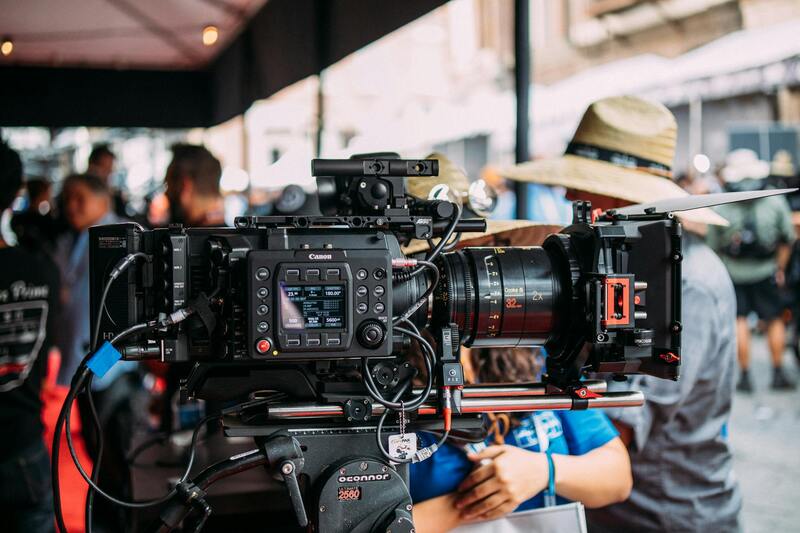
Graphics and overlays are another key aspect of polished live streams. Graphic operators deploy real-time overlays including event titles, lower thirds, and sponsor logos, enhancing branding visibility and providing viewers with contextual information. These overlays are synchronized with the stream, ensuring they appear at precise moments without causing visual disruptions.
Coordination with event staff and presenters is essential for smooth execution. Clear communication channels, such as intercom systems, allow for instant instructions and updates. This facilitates timely cues for camera switching, graphic deployment, and audio adjustments, making the broadcast more engaging and professional.
Once the live stream concludes, post-production processes take over to refine the footage. This may involve editing out any last-minute glitches or unwanted content, and creating highlight reels for promotional purposes. Additionally, the recorded stream becomes valuable content that can be repurposed for social media sharing or archival purposes, extending the event’s reach beyond the live broadcast window.
Advanced Methods for Delivering Secure and Reliable Live Stream Video Content
Securing the integrity and consistency of live stream video production is paramount for professional broadcasters. Implementing robust methodologies ensures that streams remain accessible, uninterrupted, and safeguarded against potential disruptions. This involves a combination of sophisticated encoding practices, dedicated network infrastructure, and secure transmission protocols that prioritize high availability and security.
Implementing Dedicated Network Connections
Many leading live stream providers in Miami utilize dedicated fiber optic connections or private internet access lines. These dedicated pathways reduce latency, prevent bandwidth bottlenecks, and mitigate interference from external network traffic, ensuring a smooth and consistent viewing experience. Such infrastructure provides a stable foundation for high-quality video transmission and reduces the risk of unexpected stream interruptions.
Utilizing Multiple Encoding Sources and Redundant Systems
Redundancy plays a vital role in maintaining stream reliability. Professional video production teams deploy multiple encoders and backup hardware systems that can automatically take over if the primary equipment encounters technical issues. Rapid failover mechanisms, enabled by specialized software, facilitate uninterrupted streams even during hardware failures or network interruptions, delivering peace of mind for event organizers and viewers alike.
Employing Secure Streaming Protocols
High-quality live streaming involves using encryption and secure protocols such as HLS (HTTP Live Streaming) or DASH (Dynamic Adaptive Streaming over HTTP). These protocols encrypt data streams, enhancing security by preventing unauthorized access or interception. Implementing token-based authentication and geo-restriction features further restrict unauthorized viewing, aligning with event-specific content rights and security policies.
Monitoring and Real-Time Quality Control
Monitoring tools are indispensable for detecting issues during live events. Hardware and software solutions monitor bandwidth utilization, stream stability, and potential disruptions in real-time. Automated alerts notify technicians immediately if anomalies are detected, enabling quick responses such as switching to backup streams or adjusting bitrates to accommodate changing network conditions.
Comprehensive Post-Live Analysis
Following a live event, detailed analysis ensures continuous improvement and performance optimization. Data regarding stream health, viewer engagement, and incident reports help identify areas for enhancement. Advanced analytics provide insights into viewer demographics, peak engagement times, and stream quality, informing future strategies for live streaming endeavors in Miami.
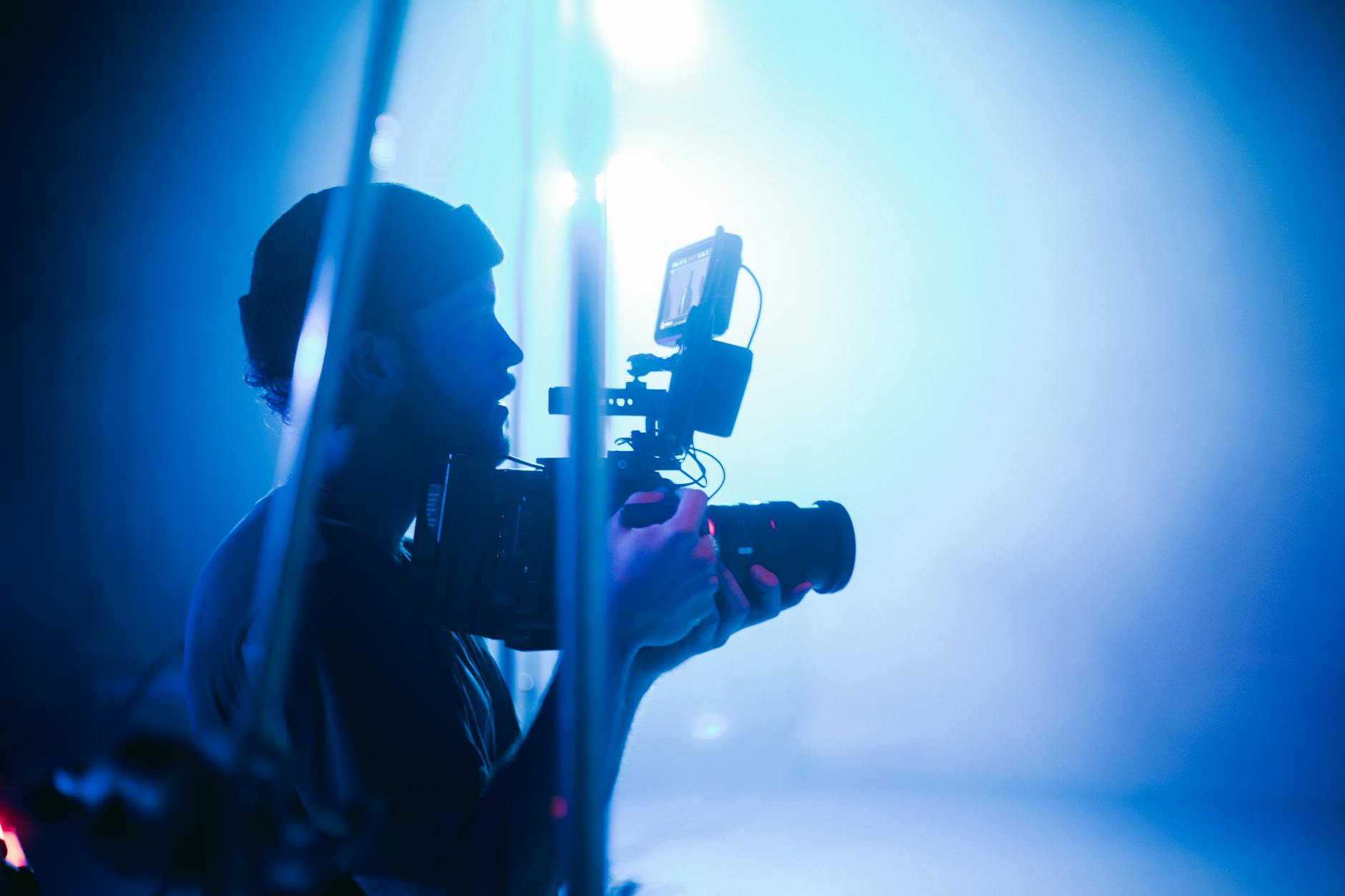
By integrating these secure and proven methodologies, live stream video production services in Miami can deliver exceptional quality, reliability, and security. These practices not only enhance viewer satisfaction but also uphold the professional standards essential for large-scale events, corporate communications, and entertainment productions. Custom solutions tailored to specific event needs further solidify a company’s reputation as a trusted provider of top-tier live streaming services in the region.