
Understanding Live Broadcast Production
Live broadcast production has become an indispensable element for brands, corporations, and organizations seeking real-time communication with their audiences. This intricate process involves the planning, execution, and delivery of live video content via broadcast platforms, enabling instant viewer engagement across various digital channels. In Miami, a hub of vibrant events and diverse industries, live broadcast production plays a crucial role in elevating brand visibility and enhancing event experiences.
At its core, live broadcast production encompasses a range of activities — from the initial conceptualization to the technical execution of streaming live content. It involves coordinating multiple components such as video capture, audio management, streaming technology, and real-time graphics to ensure a seamless viewing experience. This dynamic form of content delivery requires meticulous planning, expert knowledge of broadcasting standards, and the ability to adapt swiftly to unforeseen technical challenges.
The Significance of Live Broadcast Production in Miami
Miami's diverse event landscape, from corporate conferences and sports events to music festivals and cultural gatherings, underscores the importance of high-quality live broadcast services. Organizations leverage live production to reach wider audiences beyond physical venues, providing opportunities for remote engagement and global exposure. For businesses and nonprofits alike, live streaming in Miami fosters community interaction, increases brand recognition, and generates real-time feedback.
Moreover, Miami’s strategic location and vibrant cultural scene create a unique environment where live broadcast production can showcase local talent, promote tourism, and support community initiatives. Companies specializing in this field are equipped to handle various event sizes and formats, ensuring that every broadcast is professionally executed and aligned with the event goals.
Why Live Broadcast Production Matters
- Real-Time Audience Engagement: Connecting viewers instantly and interactively during live events.
- Broader Reach: Extending the event's visibility globally through online streaming platforms.
- Enhanced Content Quality: Delivering professionally produced video with high-definition visuals and clear audio.
- Brand Visibility and Recognition: Amplifying marketing efforts through impactful live content.
- Analytics and Feedback: Gaining insights into audience responses for future improvements.
Choosing a professional live broadcast production company in Miami ensures that these functions are executed with precision, leveraging the latest technology and industry best practices. The result is a seamless, engaging experience that elevates the event's impact and fosters meaningful connections with viewers.
Essential Equipment and Technology
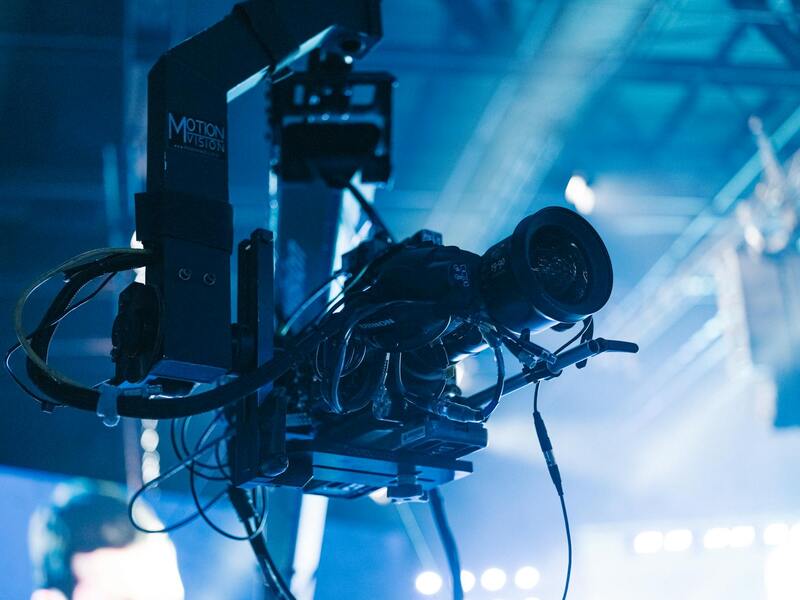
To ensure a high-quality live broadcast, a professional production company in Miami invests in advanced equipment and cutting-edge technology. High-definition cameras with multi-camera configurations enable dynamic and engaging visuals, capturing every detail of the event from different angles. These cameras often include remote-controlled models with pan-tilt-zoom (PTZ) capabilities, providing flexibility and precision in coverage.
Audio quality is equally critical. Professional-grade microphones, audio mixers, and wireless systems ensure clear sound transmission, eliminating background noise and capturing speech with clarity. Additionally, the use of soundboards allows for real-time audio adjustments, maintaining perfect balance during the live stream.
Among the essential technology are powerful switching consoles for multi-camera live editing, enabling producers to seamlessly transition between shots, add graphics, and insert pre-recorded content. Live encoding hardware or software is employed to compress the video streams effectively, facilitating real-time delivery across multiple online platforms while maintaining optimal quality. Reliable internet connection and backup systems, including fiber optic lines and mobile hotspots, are fundamental to preventing disruptions and ensuring uninterrupted streaming.
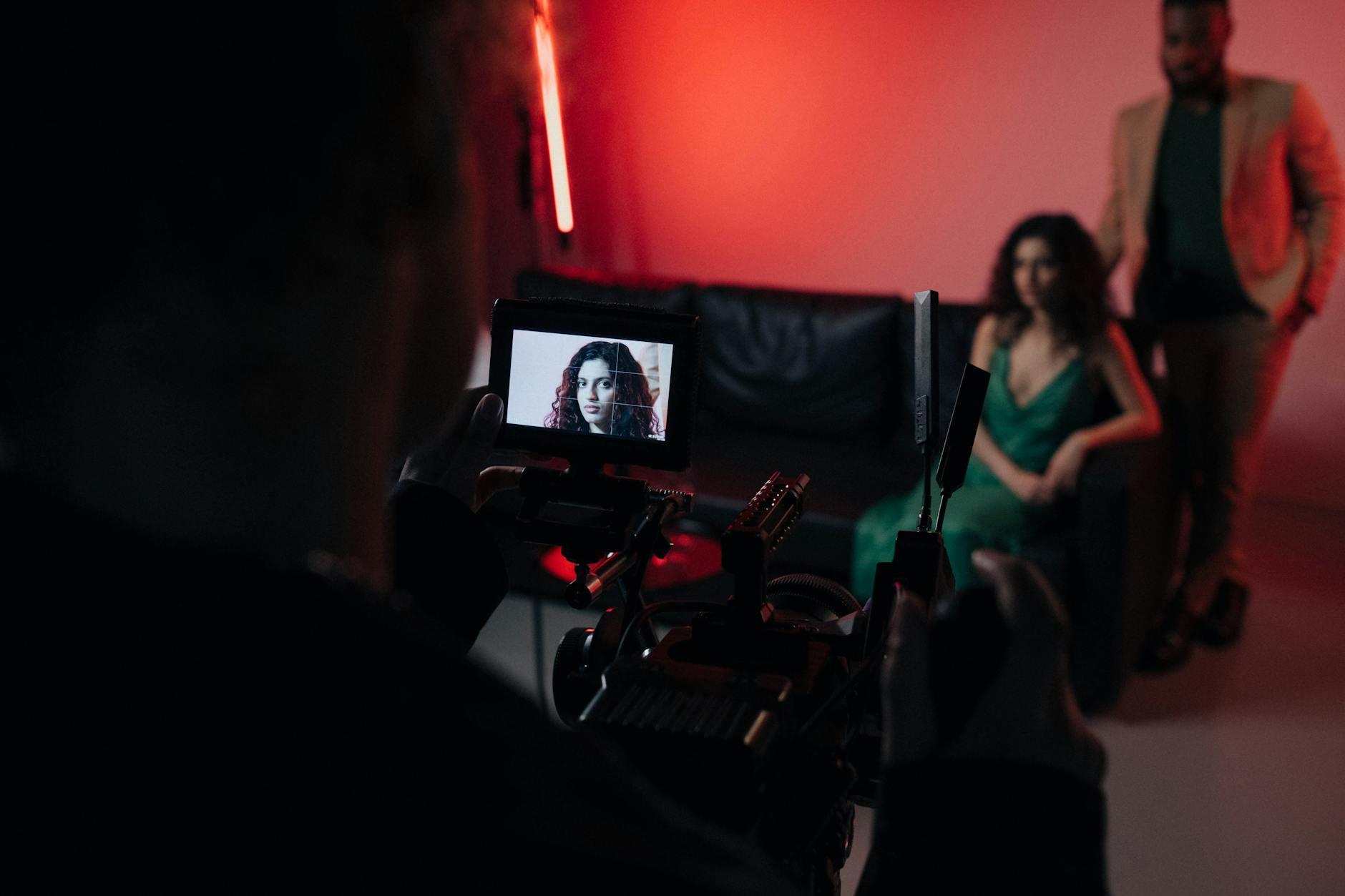
Furthermore, remote control systems for camera operations and graphic overlays enhance production flexibility, allowing operators to manage multiple aspects of the broadcast remotely. The integration of synchronized hardware and software creates a cohesive workflow that supports smooth and professional event coverage from start to finish.
Factors to Consider When Selecting a Miami Live Broadcast Company
Choosing the right live broadcast partner involves evaluating several critical factors. Experience in managing various event types and sizes is essential, as it indicates the company’s ability to adapt to unique staging, technical requirements, and audience expectations. Proven proficiency in the latest broadcasting techniques and equipment demonstrates a commitment to quality and innovation.
Reliability and technical support are paramount. A capable company offers comprehensive pre-event testing and dedicated on-site technical teams to address unforeseen issues swiftly. Additionally, a transparent communication process before and during the event ensures alignment on goals, timelines, and technical specifications.
Client testimonials, portfolio showcases, and case studies provide insight into their past successes. These examples reflect their ability to deliver consistent quality and handle complex live streams efficiently.
Lastly, an understanding of compliance standards, copyright considerations, and broadcast rights further ensures a smooth and legitimate operation, safeguarding both the client’s interests and the production company’s reputation.
Planning and Pre-Production Processes
Effective live broadcast production begins well before the event, with meticulous planning and pre-production activities. Initial consultations align the production team with client objectives, audience targeting, and content expectations. A detailed production plan, including shot lists, camera angles, and graphic integrations, lays the groundwork for a seamless event.
Site surveys are conducted to assess technical infrastructure, lighting conditions, and power sources, allowing the team to tailor equipment setups precisely. Content rehearsals and run-throughs help identify potential issues and refine timings, ensuring smooth execution on the day of the event.
Coordination with venue staff, performers, speakers, and any remote contributors is crucial to synchronize efforts and clarify technical requirements. Clear communication during this phase minimizes surprises and creates a shared understanding of the event flow.
Executing a Live Broadcast Event
On the day of the event, the production team sets up all necessary equipment, tests connectivity, and performs final rehearsals. Multiple camera angles are monitored and switched live to produce a professional and engaging broadcast experience. Audio levels are carefully managed to balance dialogue, music, and ambient sounds.
Graphics, overlays, and lower thirds are integrated seamlessly into the stream to provide context, branding, and relevant information to viewers. Real-time communication between the technical crew and on-camera talent ensures adjustments are made swiftly to maintain flow and engagement.
Throughout the event, the director manages the live feed, dynamically selecting camera shots, inserting graphics, and handling interruptions or technical issues. Backup streams and redundancy measures safeguard the broadcast against unforeseen disruptions, maintaining continuous coverage for viewers.
Post-Production and Content Distribution
After the live event concludes, the footage undergoes post-production editing to refine the content, add closed captions, or incorporate additional graphics if needed. This process enhances the event’s professionalism and longevity, allowing it to be repurposed for promotional materials, highlights, or on-demand viewing.
Proper distribution channels are identified based on the target audience, whether through social media platforms, websites, or internal corporate channels. Closed captions and accessible formats increase reach and engagement, making the content available to wider audiences.
Analyzing viewer data and feedback from the live stream provides valuable insights into audience preferences, helping to optimize future broadcasts. Documented reports highlight key performance metrics, viewer engagement levels, and technical performance, enabling continuous improvement in production strategies.
Advantages of Hiring a Local Miami Live Broadcast Company
Partnering with a Miami-based live broadcast company offers distinct benefits rooted in local knowledge and proximity. Local teams possess an in-depth understanding of the city’s venues, infrastructure, and logistical considerations, facilitating smoother planning and execution. This familiarity allows for timely coordination with venue staff and local service providers.
Being geographically close reduces logistical delays and travel-related costs, enabling more flexible scheduling and rapid technical support. Local companies also maintain relationships with regional vendors and equipment suppliers, ensuring access to the latest technology and resources.
Moreover, a locally rooted team is better positioned to tailor content to regional audiences, capturing the cultural essence of Miami and enhancing viewer engagement. Their experience with local events, traditions, and expectations ensures that each broadcast resonates authentically with viewers.
Ultimately, leveraging local expertise fosters a collaborative environment, promotes community involvement, and elevates the overall quality of the live broadcast experience tailored specifically to the Miami market.
Understanding Live Broadcast Production
Live broadcast production is a complex, multi-faceted process that requires meticulous planning, advanced technology, and seamless execution. It involves capturing real-time footage from various sources, managing audio and visual feeds, and transmitting the content across multiple platforms with minimal delay. The goal is to deliver a captivating, professional-quality broadcast that engages audiences, reflects brand messaging, and meets event objectives.
Effective live production hinges on the synchronization of numerous elements, including the coordination of camera operators, audio engineers, technical directors, and on-air talent. It demands a strategic approach to staging, lighting, and sound design, along with precise timing to ensure smooth transitions and high-quality output. Advanced video switchers and streaming solutions work together to facilitate real-time editing, graphics insertion, and multi-camera switching, creating a polished final product accessible to viewers across various devices and regions.
The importance of experienced professionals cannot be overstated in live broadcast production. They navigate unforeseen challenges, such as technical glitches or unexpected delays, with agility and expertise. Reliable connectivity, top-tier hardware, and a well-organized team are essential to ensure that every aspect of the event runs smoothly from start to finish.
Key Components of Live Broadcast Production
- Cameras: Multiple high-definition cameras capture different angles and perspectives, providing dynamic visuals.
- Video Switchers: Devices that allow seamless transitions and layering of video feeds, enabling editors to create a cohesive stream.
- Audio Systems: Clear and balanced sound recording and mixing are critical for audience engagement and clear communication.
- Streaming Platforms: Reliable platforms that facilitate real-time content delivery to multiple channels, including social media, websites, and apps.
- Graphics and Replay Systems: Enhance storytelling with on-screen graphics and instant replays, making the broadcast more engaging.
Maintaining high production standards necessitates continuous monitoring and troubleshooting by skilled technicians. This vigilance ensures that technical issues are promptly addressed, preventing disruption and maintaining broadcast integrity.
Enhancing Viewer Experience through Technology
Innovative streaming solutions and interactive features, such as chat integrations and multi-camera angles, significantly boost viewer interaction and retention. Hardware advancements, like 4K cameras and drone footage, add visual richness and depth, elevating the production quality. As technology evolves, so does the capacity for live broadcasters to deliver immersive and accessible content, catering to increasingly diverse audiences.
Given the fast-paced nature of live events, having a robust technical infrastructure and a responsive support team on-site are critical. They ensure that all systems operate cohesively, coordinate content accurately, and respond swiftly to any unforeseen technical issues that arise during the broadcast.
Factors to Consider When Selecting a Miami Live Broadcast Company
Choosing the right live broadcast production company in Miami involves assessing multiple critical factors to ensure seamless and high-quality event delivery. First and foremost, evaluating the company's experience in handling live events similar to your own provides insight into their operational expertise and ability to navigate the complexities of live streaming. An experienced producer anticipates potential technical issues and manages on-the-fly adjustments efficiently.
Technological capabilities form the backbone of successful live broadcasts. A reputable Miami live broadcast company should utilize the latest equipment, including high-definition cameras, advanced switchers, and reliable streaming hardware. Their proficiency with cutting-edge streaming platforms and integration tools ensures that your content reaches audiences smoothly across various channels.
Bandwidth solutions are another critical consideration. Live broadcasting demands substantial internet bandwidth to prevent buffering and signal interruptions. The selected company should be capable of providing dedicated, scalable network solutions tailored to the event's size and scope. This capacity reduces latency and guarantees a stable, high-quality broadcast irrespective of viewer load.
Client testimonials and case studies offer valuable perspectives on the company's professionalism and delivery consistency. Reviews from past clients can reveal the company's ability to handle tight schedules, adapt to unexpected challenges, and produce engaging content. Transparency in communication throughout pre-production, execution, and post-event stages reflects their commitment to client satisfaction.
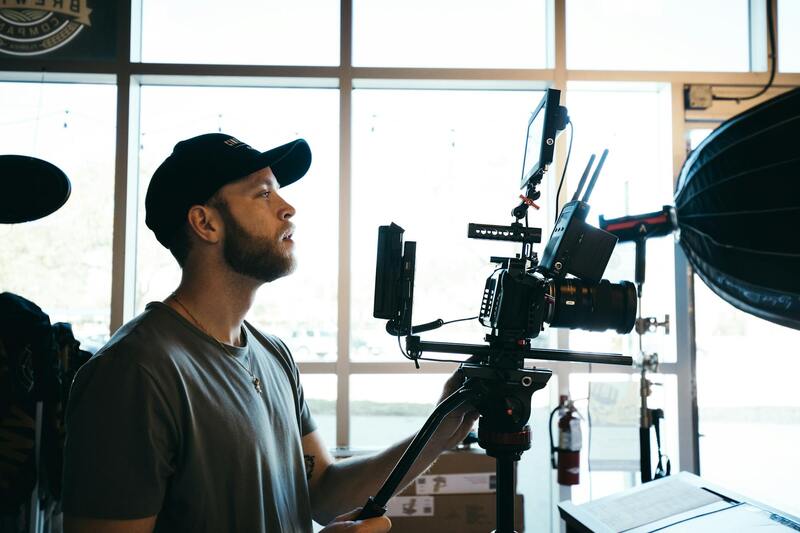
Partnering with a local provider in Miami also simplifies logistical coordination, provides access to region-specific knowledge, and facilitates closer collaboration. The proximity enables quicker response times for troubleshooting and technical support, which is vital during live events where any delay can impact overall quality. Local companies tend to have established relationships with regional venues and vendors, streamlining the planning process and reducing potential complications.
Understanding these factors ensures that your live broadcast project aligns with your goals and maintains the highest standards of professionalism. Carefully assessing potential partners against these criteria allows you to select a Miami live broadcast company capable of transforming your vision into a compelling, flawless live event.
Planning and Pre-Production Processes
Effective live broadcast production begins long before the event goes live. The planning stage is critical to ensuring a seamless and engaging viewing experience. Precise content planning involves detailed scripting, storyboard development, and agenda setting, aligning visuals and messaging with the client’s goals. This phase also includes coordinating with the client to finalize event timelines, key visual elements, and audience engagement strategies.
Logistics form the backbone of pre-production. This entails securing suitable venues, managing permits, and coordinating with vendors for equipment, lighting, and staging. It is essential to establish clear communication channels among all involved parties to streamline workflows and prevent miscommunication on the day of the event.
Technical rehearsals play a pivotal role in pre-production. These rehearsals allow production teams to test all equipment, verify audiovisual quality, and simulate live scenarios to identify potential issues. During rehearsals, camera angles, sound levels, and lighting are adjusted to optimize broadcast quality. Practicing transitions, graphics, and overlays ensures a professional presentation and helps the team respond swiftly to unforeseen circumstances during the live event.
Comprehensive planning and preparation reduce risks and build confidence among the production team. The detailed timelines, contingency plans, and clear roles assigned to each team member foster efficiency and adaptability. The goal is to anticipate and resolve technical or logistical challenges before the event, allowing for a smooth and professional live broadcast.
Key Factors in Live Broadcast Execution
- High-quality, reliable equipment suited for the specific event requirements
- Experienced technical staff capable of managing complex live workflows
- Clear communication between crew members, on-screen talent, and client representatives
- Real-time monitoring and rapid troubleshooting to address issues immediately
- Effective use of graphics, overlays, and multimedia integration for engaging content
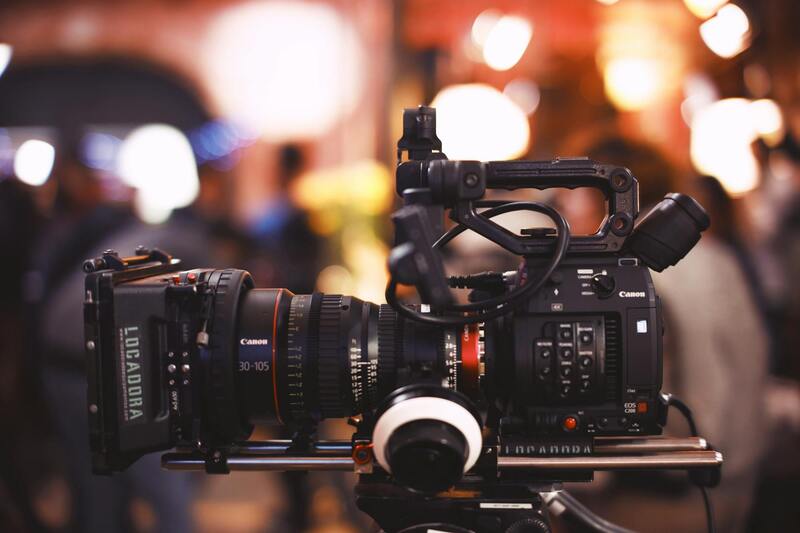
Execution on the day of the event hinges on adherence to the meticulously developed plan, coupled with the team's ability to adapt swiftly to unexpected situations. Having a dedicated project manager or technical director onsite ensures coordination and maintains focus on delivering a high-caliber broadcast.
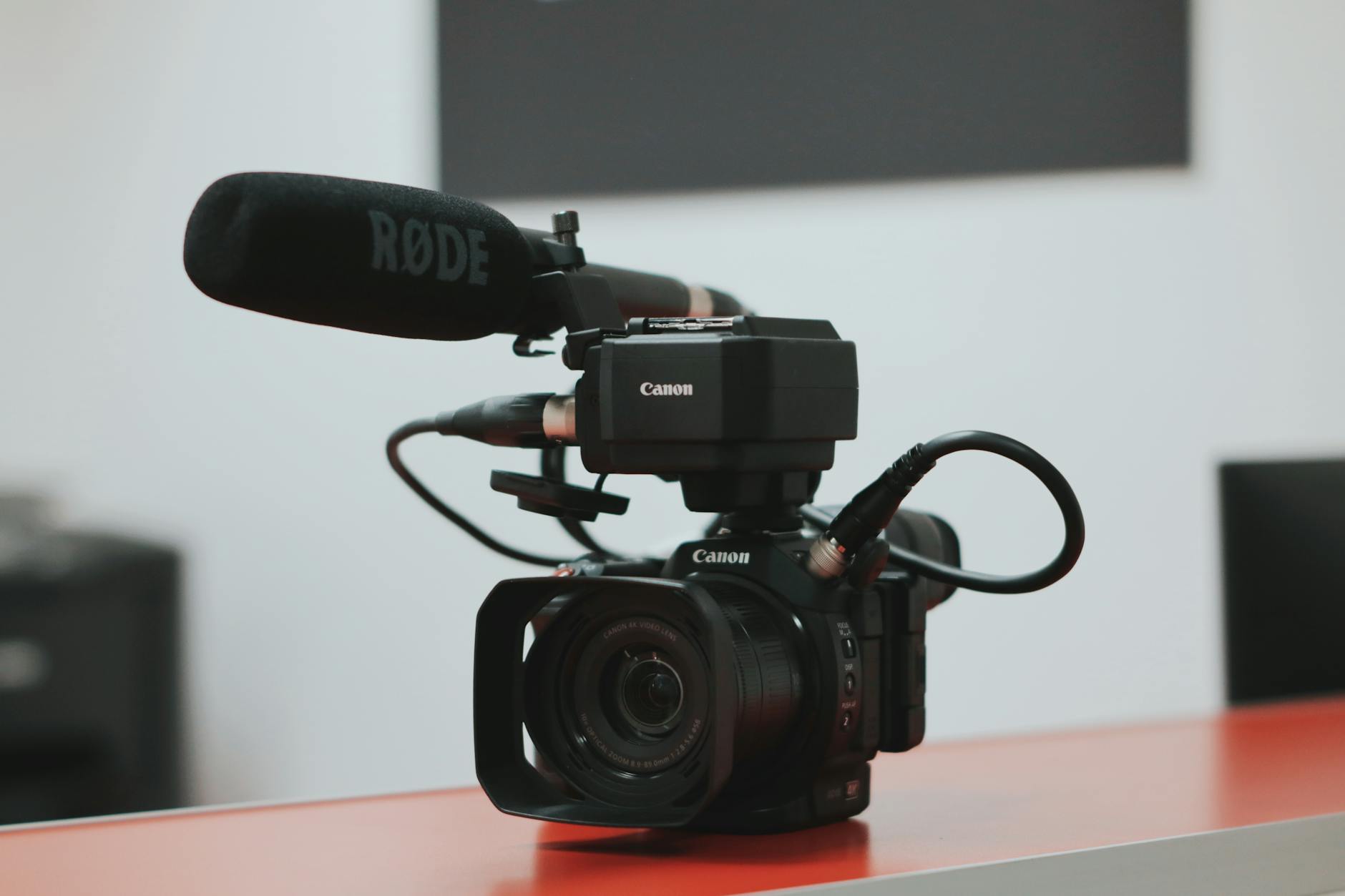
Understanding Live Broadcast Production
Live broadcast production is a sophisticated process that involves capturing, editing, and transmitting live events to audiences in real-time. It requires meticulous planning, high-tech equipment, skilled personnel, and seamless coordination to ensure that the broadcast meets quality standards and audience expectations. The core goal is to deliver a professional, engaging experience that captures the energy of live events, whether they’re corporate conferences, sports competitions, concerts, or live entertainment shows. Effective live production hinges on the integration of multiple elements, including camera operations, audio management, graphics, lighting, and live switching, all synchronized within a real-time workflow. This complex process demands precise timing, technical proficiency, and the ability to adapt swiftly to unexpected challenges without interrupting the viewer’s experience.
Key Services Offered by Live Broadcast Production Companies
Leading live broadcast production companies provide a comprehensive suite of services tailored to the unique needs of each event. These services typically include:
- Event Consultation and Planning: Collaborating with clients from conceptualization through execution to develop a detailed broadcast plan aligned with the event’s objectives.
- Pre-Production Support: Technical assessments, script development, storyboard creation, and equipment setup planning to ensure readiness.
- On-Site Production: Managing camera crews, audio engineers, lighting specialists, and technical directors during the live event to execute the planned workflow.
- Live Switching and Graphics: Real-time video switching, overlay graphics, branding elements, and multimedia integration to enhance viewer engagement.
- Streaming and Distribution: Secure, high-quality live streaming platforms tailored to reach target audiences across various digital channels.
- Post-Event Services: Content archiving, highlight editing, and distribution across multiple platforms for ongoing engagement.
Essential Equipment and Technology
To deliver flawless live broadcasts, companies rely on an array of sophisticated technological tools. These include high-definition video cameras capable of capturing detailed footage from multiple angles, professional-grade audio equipment to ensure clear sound, and robust video switchers for smooth transitions. Additionally, graphics engines and multimedia servers facilitate real-time overlays, branding, and visual effects, heightening the overall production value. Reliable internet connectivity with sufficient bandwidth is crucial to prevent interruptions or latency issues during streaming. Many companies also employ remote camera systems, robotic mounts, and wireless solutions to provide flexibility and coverage in various settings. The integration of live editing software and streaming platforms further enhances the ability to deliver dynamic content seamlessly to viewers across diverse channels.
Factors to Consider When Selecting a Miami Live Broadcast Company
Choosing a reputable live broadcast production partner in Miami requires thoughtful evaluation of several critical factors. First, assess their experience with comparable events to ensure familiarity with the specific technical demands and logistical considerations. Review their portfolio and client testimonials to gauge past performance and reliability. Technical expertise is paramount—verify that their team is proficient in handling current broadcast technologies and troubleshooting issues swiftly. It’s also essential to consider their equipment inventory—ensure they utilize modern, high-quality hardware suited to your event size and scope. Flexibility and scalability are key, especially if your event requires multi-platform streaming or special features. Additionally, review their project management approach, responsiveness, and ability to work collaboratively within your timeline and budget constraints. A local company with established operations in Miami will possess valuable regional knowledge, permits, and networks that can facilitate smoother event execution.
Planning and Pre-Production Processes
Effective live broadcast begins well before the actual event. The planning and pre-production phase involves comprehensive coordination among all stakeholders to develop detailed workflows and schedules. This stage includes defining the event’s goals, target audience, and key messages, which influence technical requirements and creative elements. Developing a shot list, staging plan, and video call sheet helps staff visualize the event flow. Technical rehearsals and dry runs with all equipment and personnel are vital to identify potential issues and optimize transitions. Allocating roles clearly—such as camera operators, audio engineers, and technical directors—is essential for accountability and efficiency. Additionally, contingency planning addresses potential challenges like connectivity failures or equipment malfunctions, ensuring a resilient broadcast. All these activities aim to minimize on-the-fly improvisations and foster a professional, polished live experience for viewers.
Post-Production and Content Distribution
Once the live broadcast concludes, the focus shifts toward post-production and effective content dissemination. High-quality editing enhances the raw footage by adding graphics, overlays, and transitions that reinforce the event’s branding and messaging. This process ensures that the final content maintains visual and audio clarity, optimizing it for various viewing platforms and future use.
Archiving the recorded footage is a crucial step, providing a valuable resource for archival purposes, promotional material, or on-demand content. Proper storage in secure, accessible systems enables easy retrieval and management of the content, ensuring that it can be repurposed for social media, corporate training, or internal communications.
Distribution strategies involve leveraging multiple platforms based on the target audience. This includes live sharing across social media channels, corporate websites, or streaming platforms. Proper formatting and compression ensure compatibility across devices while maintaining quality. Integrating metadata, captions, and descriptive tags enhances discoverability and engagement.
Effective post-broadcast processing extends the event’s reach and impact, solidifying its value and fostering ongoing audience interaction. Tailoring content delivery to specific demographics maximizes visibility and ensures the event achieves its intended objectives.
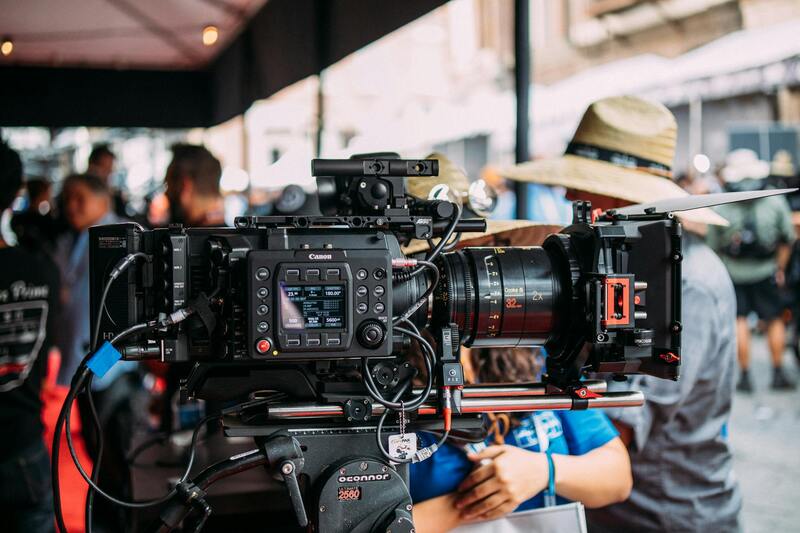
Advantages of Hiring a Local Miami Live Broadcast Company
Engaging a Miami-based live broadcast production company offers significant advantages for event organizers seeking seamless execution and optimal reach. Local companies possess an intimate understanding of regional venues, regulations, and logistical considerations, streamlining coordination efforts. Their familiarity with Miami’s unique event landscape often results in more efficient planning, reducing the likelihood of unforeseen challenges.
Additionally, a local provider can offer faster response times and on-site support, ensuring that technical issues are addressed promptly. Being geographically closer facilitates more effective communication and collaboration during the critical stages of pre-production, live execution, and post-event processing. This proximity also enables companies to customize services to the specific cultural and audience preferences of the Miami region, enhancing engagement and overall success.
Working with a Miami-based team supports the local economy and leverages regional partnerships, which can contribute to a more integrated and cohesive event experience. From venue setup to content distribution, a local live broadcast company has established networks to facilitate smoother logistics, permit acquisitions, and audience engagement, ultimately elevating the professionalism and impact of your event.
Understanding the Critical Elements of Live Broadcast Production
Executing a successful live broadcast involves a multifaceted approach that integrates technical proficiency, precise planning, and tailored content delivery. It begins with an in-depth understanding of the audience, event objectives, and the desired reach. The process encompasses everything from pre-event preparations, technical setup, live execution, to post-event content management. Skilled production companies employ industry-standard workflows, ensuring smooth transitions between different segments of the broadcast, and incorporate contingency plans for unexpected technical issues. They also leverage advanced streaming solutions that optimize video quality and stabilization, providing viewers with a seamless experience across devices and internet conditions. Every phase demands meticulous coordination, clear communication, and technical expertise to produce high-quality, engaging content that aligns with the client’s goals.

Key Services Provided by Live Broadcast Production Companies
Leading Miami-based live broadcast production companies offer a comprehensive suite of services designed to elevate your event. These include:
- Event Planning and Consultation: Developing customized broadcast strategies aligned with your goals.
- Technical Design and Setup: Deploying camera systems, audio solutions, lighting, and switching equipment tailored to the venue and content needs.
- Production Management: Overseeing all technical aspects during the broadcast, including operator coordination and real-time problem solving.
- Streaming and Distribution: Ensuring high-quality live streams across multiple platforms, with secure, reliable delivery methods.
- Rehearsals and Testing: Conducting pre-event run-throughs to verify equipment functionality and content flow.
- On-site Support: Providing technical staff for monitoring, troubleshooting, and ensuring smooth execution.
- Post-Event Editing and Content Delivery: Producing highlight reels, edited videos, and preparing content for on-demand access.
Essential Equipment and Technology for Live Broadcasts
High-quality live broadcasting relies heavily on advanced equipment and reliable technology. Critical tools include:
- Cameras: Professional cameras with high resolution and low-light capabilities.
- Audio Systems: Lavalier and shotgun microphones, mixers, and audio processors for clear sound capture.
- Switchers and Videowalls: Video switchers for seamless scene transitions and large-format displays for real-time audience engagement.
- Streaming Hardware and Software: Encoders, CDN integration, and adaptive streaming technology to ensure stable and high-quality broadcast delivery.
- Network Infrastructure: Robust internet connectivity with backup solutions to prevent interruptions.
- Lighting Equipment: Proper lighting setups to enhance video quality and focus.
Choosing the Right Miami Live Broadcast Production Partner
When selecting a live broadcast production company in Miami, it is essential to consider factors that guarantee a professional and seamless experience. Evaluate their experience with similar events, technical expertise, and client testimonials. Ensure they have access to state-of-the-art equipment and a creative team capable of delivering innovative solutions.
Additionally, assess their understanding of Miami’s local venues, regulations, and logistical variables. The capacity for swift response times and on-site support should be a priority, minimizing potential delays or technical hiccups. Transparency in pricing, clear communication, and a well-structured planning process also contribute significantly to a successful partnership. Opt for a company that demonstrates adaptability and a thorough understanding of your event’s unique needs and audience profile.
Effective Planning and Pre-Production Strategies
Successful live broadcasts begin long before the cameras roll. A structured pre-production phase involves defining the broadcast scope, timeline, and content scripts. Conducting site surveys allows for optimum placement of equipment and crew, while permits and regulatory approvals are secured in advance. Collaborative planning with venue managers, speakers, and technical staff ensures alignment on all logistical aspects.
Creating detailed production schedules, cue sheets, and contingency plans is vital. Rehearsals should be scheduled to simulate the live environment, allowing the team to refine timing, camera angles, and audio cues. Establishing clear communication channels among team members guarantees everyone is aligned and prepared for the live event.
Executing a Flawless Live Broadcast Event
During the live broadcast, the focus shifts towards real-time management and technical precision. The production team monitors all equipment, ensuring audio and visual fidelity, and manages transitions smoothly. Real-time chat or communication platforms facilitate immediate troubleshooting if unforeseen issues arise. The director maintains content flow, coordinating between speakers, camera operators, and technical staff to ensure synchronization.
Professional on-site support plays a crucial role in handling any disruptions swiftly, maintaining professionalism and viewer engagement. Additionally, engaging visuals, real-time graphics, and audience interaction features can significantly enhance the overall experience, making the broadcast more captivating and interactive.
Post-Event Content Management and Distribution
After the live event concludes, the focus turns to content editing and dissemination. High-quality footage is curated into highlight reels, extended videos, and promotional snippets aligned with client branding goals. Content is formatted for various digital platforms, including social media, websites, and on-demand streaming services.
Effective distribution strategies amplify your event’s reach, tapping into targeted audiences and extending engagement beyond the live broadcast. Data analytics provide insights into viewer behavior, allowing for future improvements. Additionally, compiling post-event reports demonstrates return on investment and identifies areas for refinement in subsequent productions.